For decades, interior design was purely visual. We chose colors based on trends and arranged furniture based on floor plans. But in 2026, a new movement is taking over the industry: Neuroarchitecture. This is the science of designing spaces that actively support our biology, nervous system, and hormonal balance.
Your bedroom is no longer just a place to keep your clothes; it is a recovery chamber. How you design this space directly influences your body’s ability to regulate stress hormones (like cortisol) and restorative hormones (like melatonin and progesterone).
Here is how modern design principles can help you build a sanctuary for deep, restorative rest.
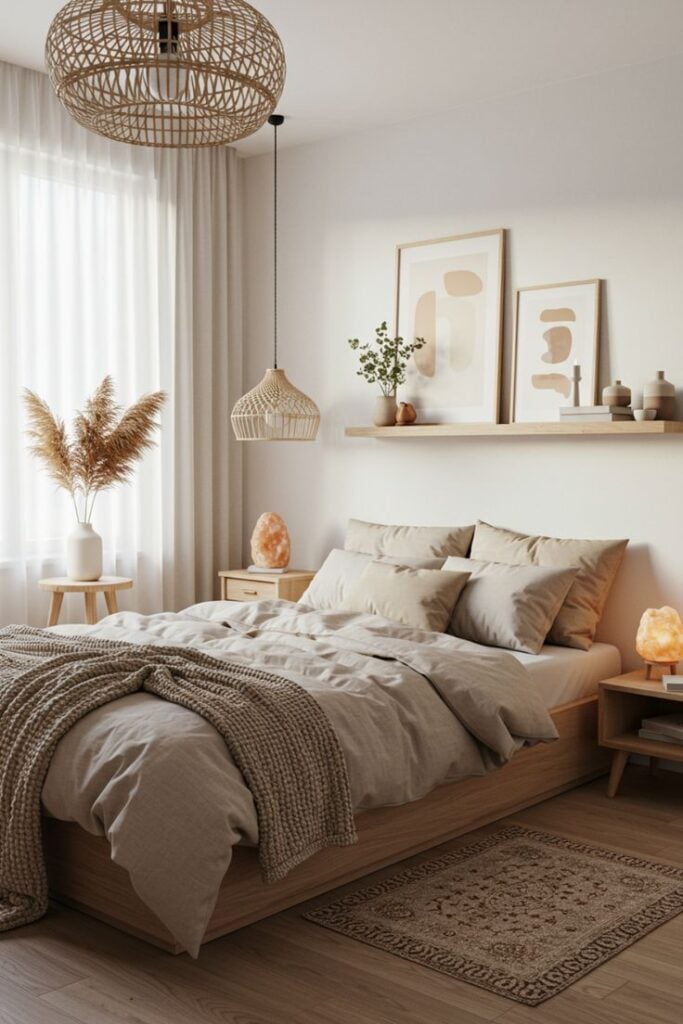
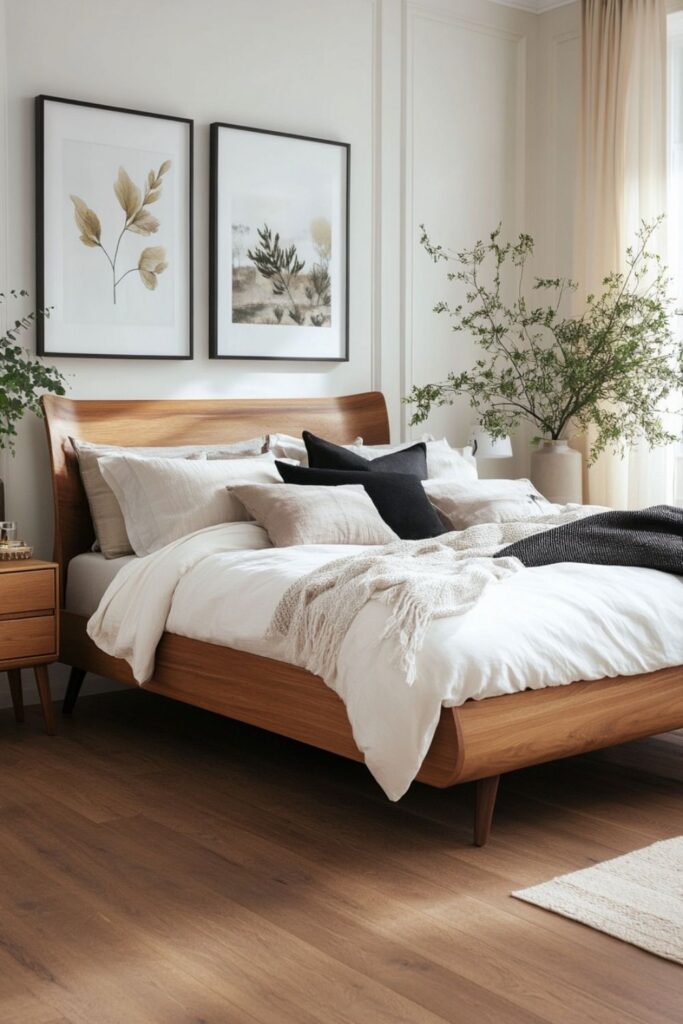
Circadian Lighting Design
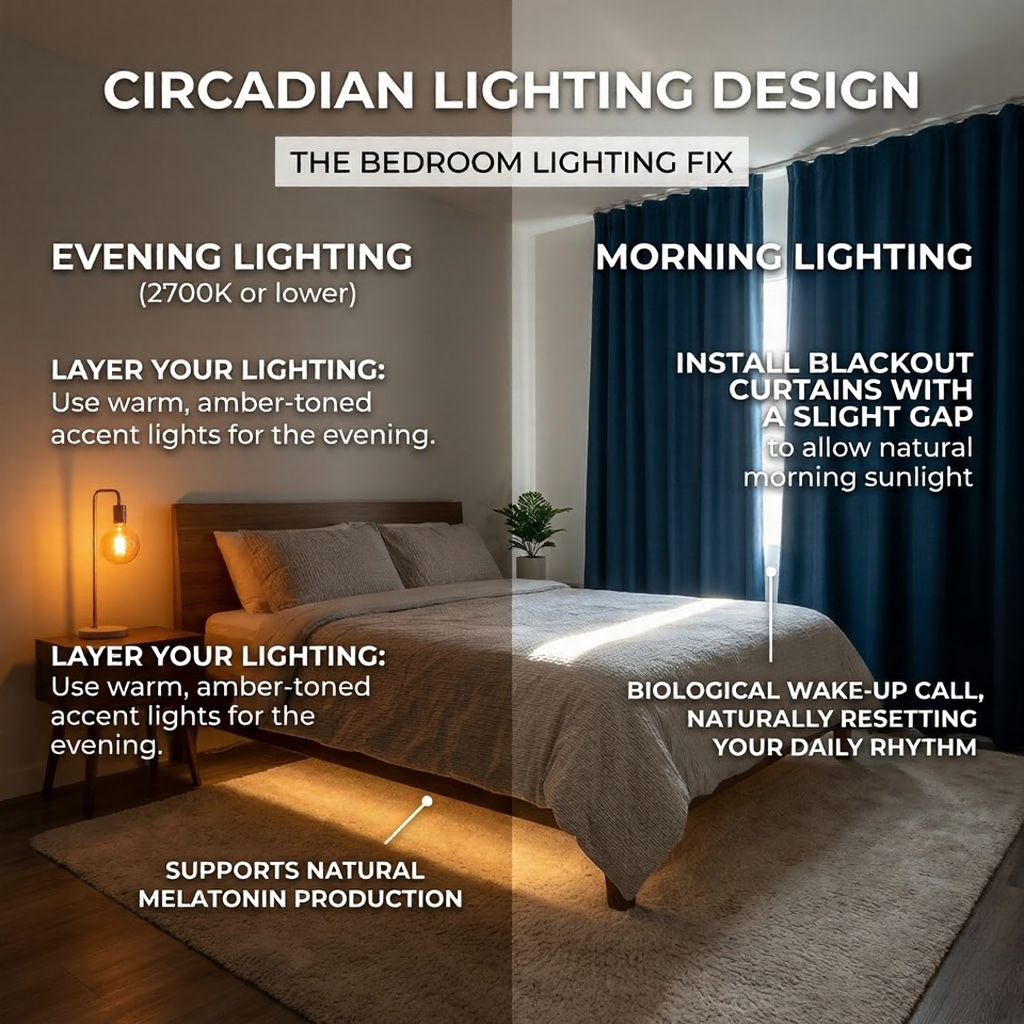
The most critical element in any bedroom is light. Our endocrine system is deeply tied to the sun. When a bedroom is flooded with cool, blue-toned LED light in the evening, it suppresses the natural production of sleep-inducing hormones.
- The Design Fix: Layer your lighting. Use warm, amber-toned accent lights (2700K or lower) for the evening. Install blackout curtains with a slight gap to allow natural morning sunlight to act as a biological wake-up call, naturally resetting your daily rhythm.
A Holistic Approach to Rest
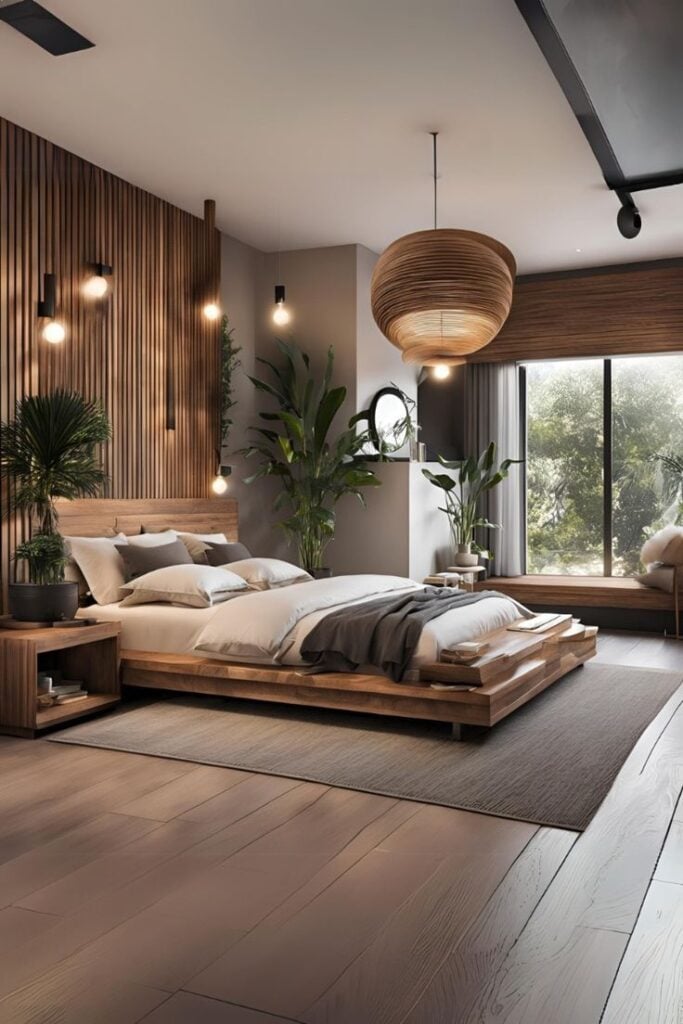
A beautifully designed room creates the perfect foundation for rest, but true wellness requires a holistic approach. Environmental design works best when paired with internal care.

If you suffer from chronic sleep disruption, stress, or fatigue, optimizing your bedroom is step one. Step two is looking inward. Many adults find that their sleep architecture is disrupted by chemical imbalances. While a dark, cool room helps, sometimes physiological issues require targeted solutions. Whether that involves changing your diet, starting a meditation practice, or consulting educational resources like progesterone pills to understand medical support, balancing your internal chemistry is just as important as balancing your room’s aesthetics.
Progesterone pills are a form of hormone therapy that contains synthetic or natural progesterone. They are often prescribed to women experiencing hormonal imbalances, particularly those involving the ovaries. Progesterone pills can be beneficial in a range of situations, including managing menstrual irregularities, supporting fertility treatments, and alleviating menopausal symptoms.
How do progesterone pills work?


Progesterone plays a critical role in regulating the menstrual cycle and maintaining pregnancy. When taken as a pill, progesterone supplements the body’s natural hormone levels. This supplementation can help rebalance the hormonal fluctuations that contribute to issues such as irregular periods, premenstrual syndrome (PMS), and menopause symptoms.
The benefits of progesterone pills
Hormonal balance
One of the primary benefits of progesterone pills from amazon.com is their ability to help balance hormonal levels in the body. Women experiencing low progesterone levels often face numerous health issues, including mood swings, fatigue, and irregular periods. By providing a consistent source of the hormone, progesterone pills can help mitigate these symptoms.
Standard pills are not the only way to manage these hormone levels. Some women find that mass-produced medications do not fit their specific needs or sensitivities. In these cases, a doctor might suggest compounded progesterone as an alternative. This approach allows a pharmacist to create a formula with specific strengths and ingredients. It is a common choice for people who have allergies to certain fillers found in commercial products. Having a custom dose helps ensure the treatment aligns with an individual’s unique body chemistry.
Support for fertility treatments
Progesterone is crucial for creating a supportive environment for pregnancy. It prepares the uterine lining for a potential embryo and helps maintain early pregnancy until the placenta can take over. For this reason, progesterone pills are often part of fertility treatment protocols, especially procedures like in vitro fertilization (IVF).
Menopause symptom relief
During menopause, the body’s natural hormone production decreases significantly, leading to symptoms such as hot flashes, night sweats, and mood changes. By reintroducing progesterone through pills, many women find relief from these uncomfortable symptoms, resulting in an improved quality of life.
Tactile Comfort and Natural Materials in Bedroom Design

Synthetic materials don’t breathe well, which can disrupt your body’s natural temperature regulation overnight. Temperature drops are a biological requirement for entering deep sleep phases.
- The Design Fix: Incorporate organic textures. Raw linen sheets, heavy wool throws, and untreated wood furniture not only add visual depth to a minimalist room but also help regulate microclimates.
The Psychology of Color

High-contrast, saturated colors force the brain into a state of high alertness. If your goal is to lower your heart rate and prepare your body for cellular repair, your color palette must reflect nature.
- The Design Fix: Biophilic colors are dominating modern bedroom design. Think sage greens, warm terracotta, soft oatmeals, and muted clay. These earthy tones subconsciously signal safety to our nervous system, helping to lower cortisol levels before bed.
Conclusion: Designing for Health
We spend a third of our lives in our bedrooms. Treating this space as an afterthought is a missed opportunity for better health. By combining thoughtful interior design with holistic wellness practices, you can create a sanctuary that doesn’t just look beautiful—it actively heals you.
- 4shares
- Facebook0
- Pinterest4
- Twitter0
- Reddit0