Tattoo font styles are an essential part of expressing your individuality through body art. When you choose a design that resonates with your story, you’ll find that a single word or phrase can capture a feeling, preserve a memory, or honor a loved one. In this ultimate guide, you’ll explore popular font categories, learn why readability is key, and discover trusted resources for finding the perfect style. By the end, you’ll feel more confident in picking a tattoo font that elevates your artwork and aligns with your personal vision.
Explore tattoo font styles
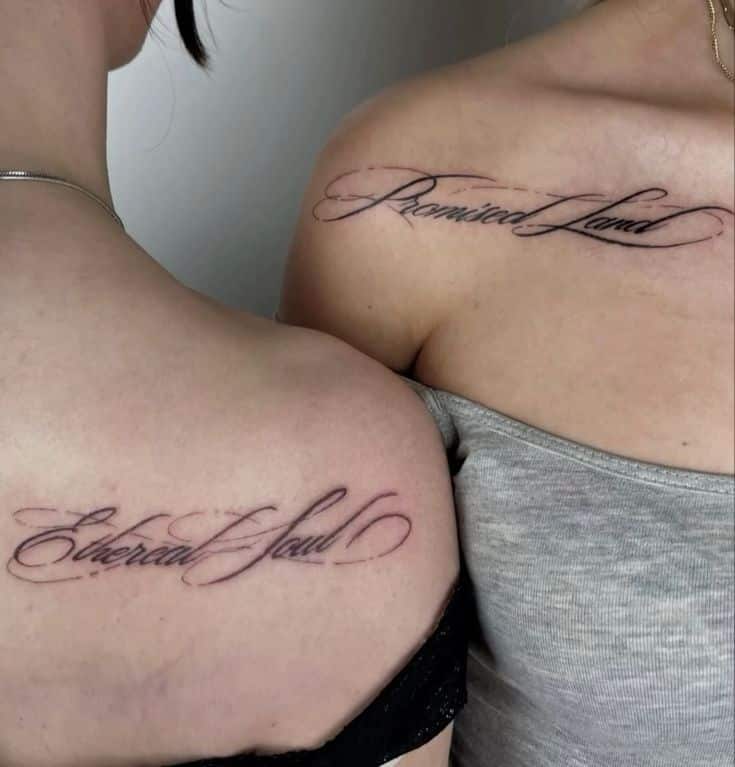
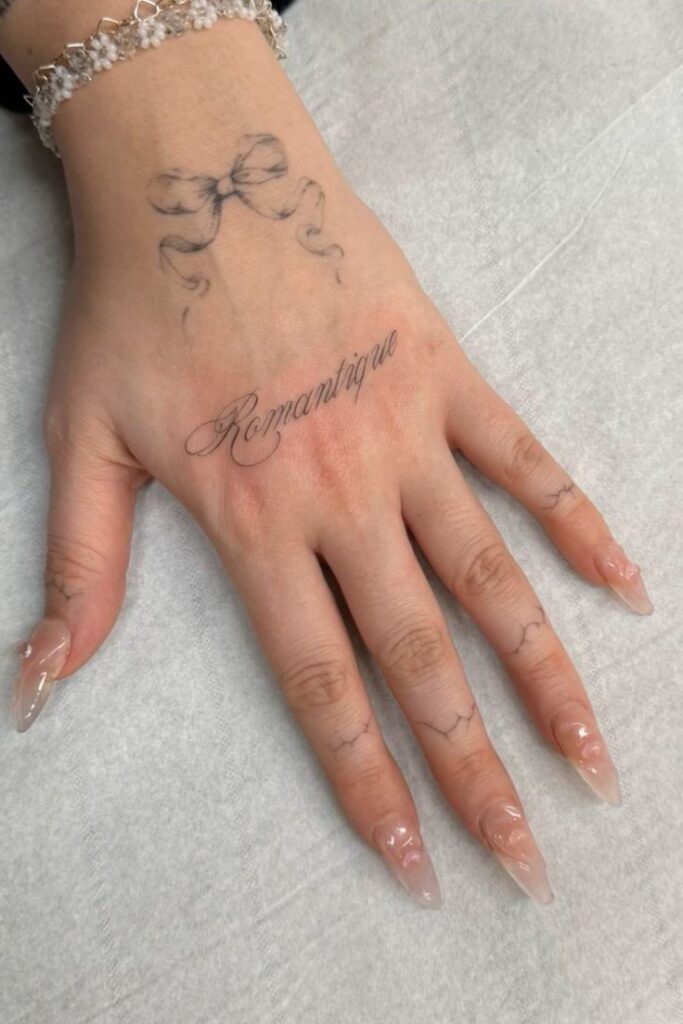
Tattoo font styles cover a broad range of looks, from classic script to modern minimalist designs. These different aesthetics serve various tastes, cultures, and stories. Whether you want something bold and dramatic or sleek and refined, the choices are almost limitless.
- Traditional script fonts: Often calligraphic or cursive, rich in flair and curves.
- Modern minimalist fonts: Clean lines and simple forms that maintain clarity.
- Gothic or blackletter fonts: Bold, pointed edges that evoke a historic, medieval feel.
- Retro or vintage fonts: Nostalgic styles inspired by elements of the past.
- Decorative options: Ornamental details that add depth and creativity to your design.
Each category can be modified with shading, flourish elements, or color changes, so you can truly adapt a letter style to suit your identity. If you want to see just how vast these categories can be, you can check out reputable font collections highlighting tattoo-oriented designs (FontSpace).
Understand the significance
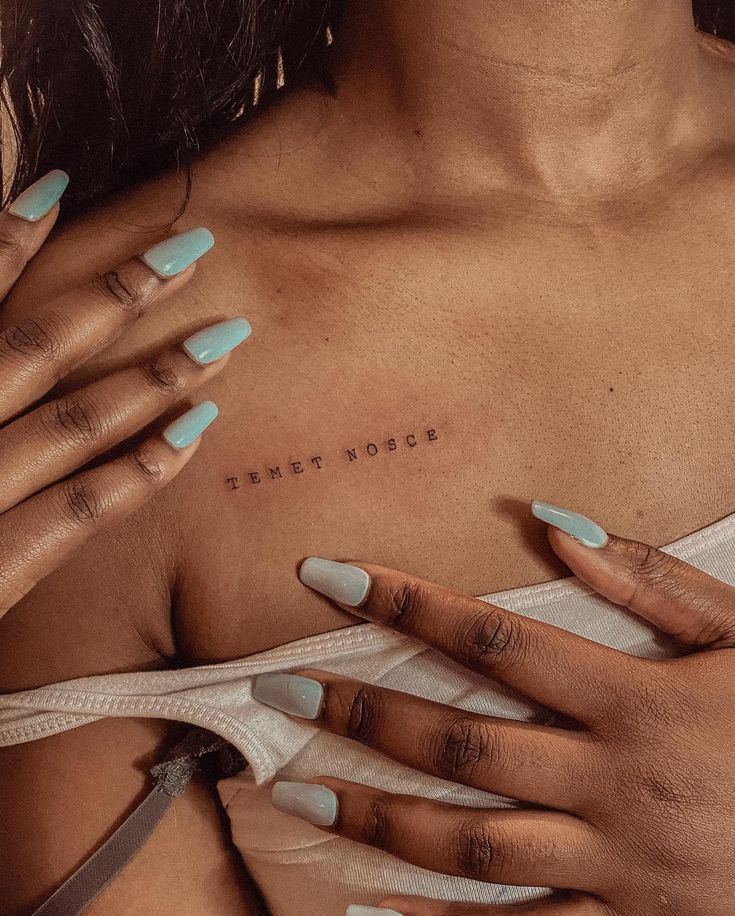
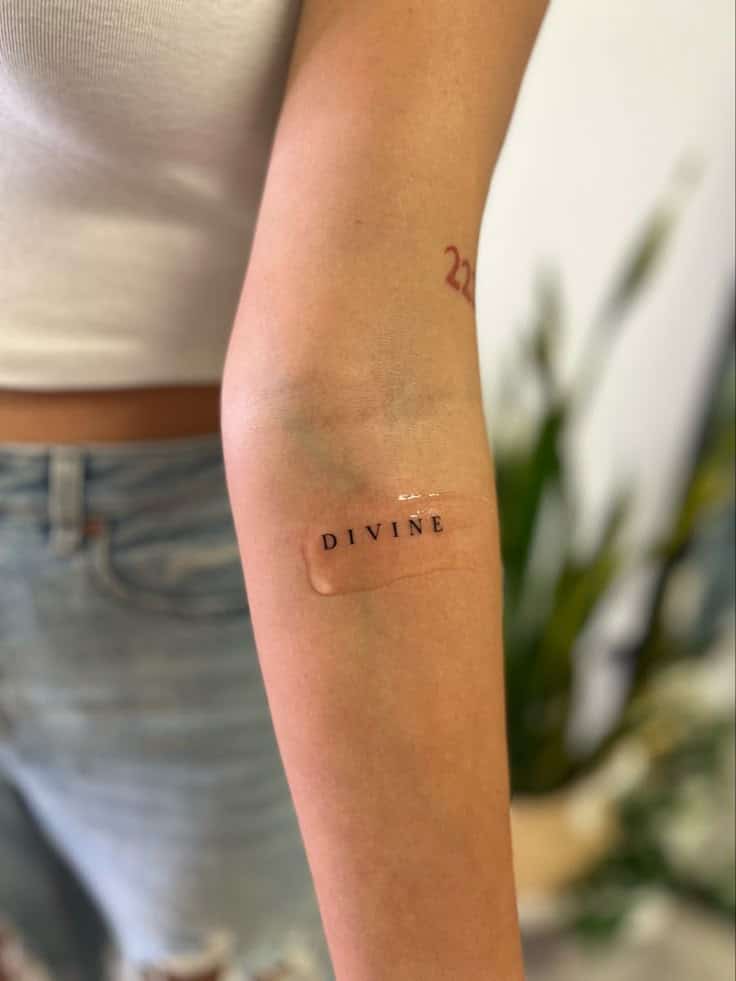
Picking the right tattoo font involves more than appearance alone. Each style carries its own historical, cultural, and emotional weight. By understanding the background of common lettering techniques, you set the stage for a design that stands the test of time.
Connect with personal meaning
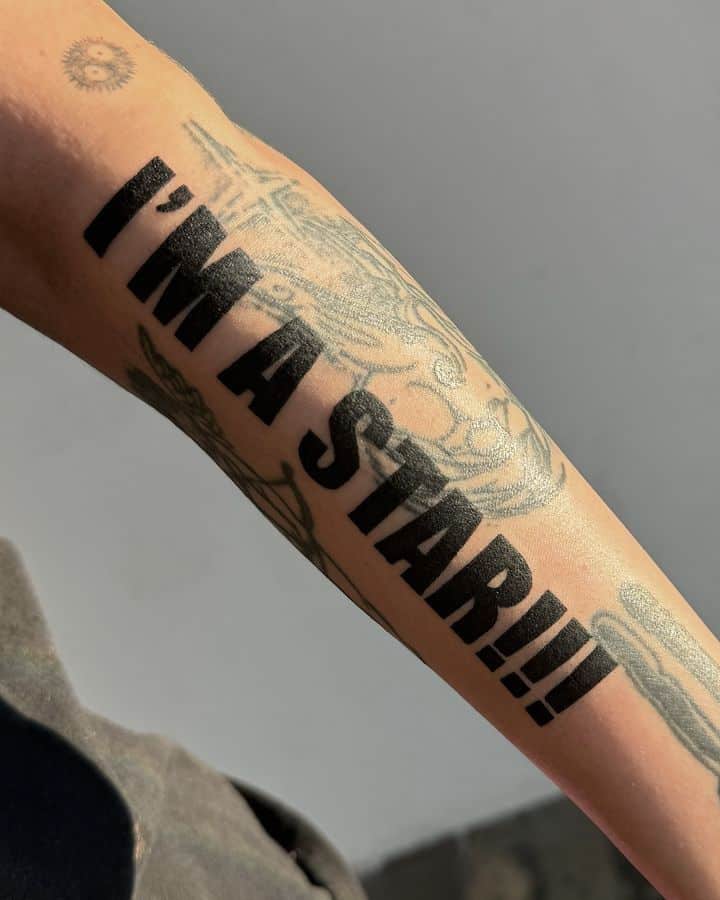
When you’re deciding on your tattoo not only for how it looks but also for what it means, fonts can amplify that emotional weight. For instance, a phrase honoring family might pair well with an elegant, flowing script that conveys warmth. On the other hand, a bold, blocky design could better convey strength or resolve.
- Sentimental quotes: Pair with brushed scripts or cursive lettering that exudes a gentle, emotive feel.
- Milestones and dates: Try serif or typewriter-inspired styles for a nostalgic vibe.
- Names of loved ones: Experiment with decorative calligraphy or playful fonts for a personal flourish.
A font’s mood rests in the shape, spacing, and flow of each letter, so it helps to think about how you want that word or phrase to feel on your skin.
Appreciate cultural roots
Tattoo lettering has ancient origins, dating back hundreds of years across multiple civilizations. Early Egyptian hieroglyphic tattoos are a well-documented example, showing just how far this practice reaches into history (Certified Tattoo). While modern printers and digital stylings have made fonts widely accessible, the cultural heritage behind many of these alphabets—like Gothic or Chicano style—remains significant. If tradition is important to you, digging into the background of certain lettering techniques can help you pick a style that feels authentic and meaningful.
Delve into popular classics
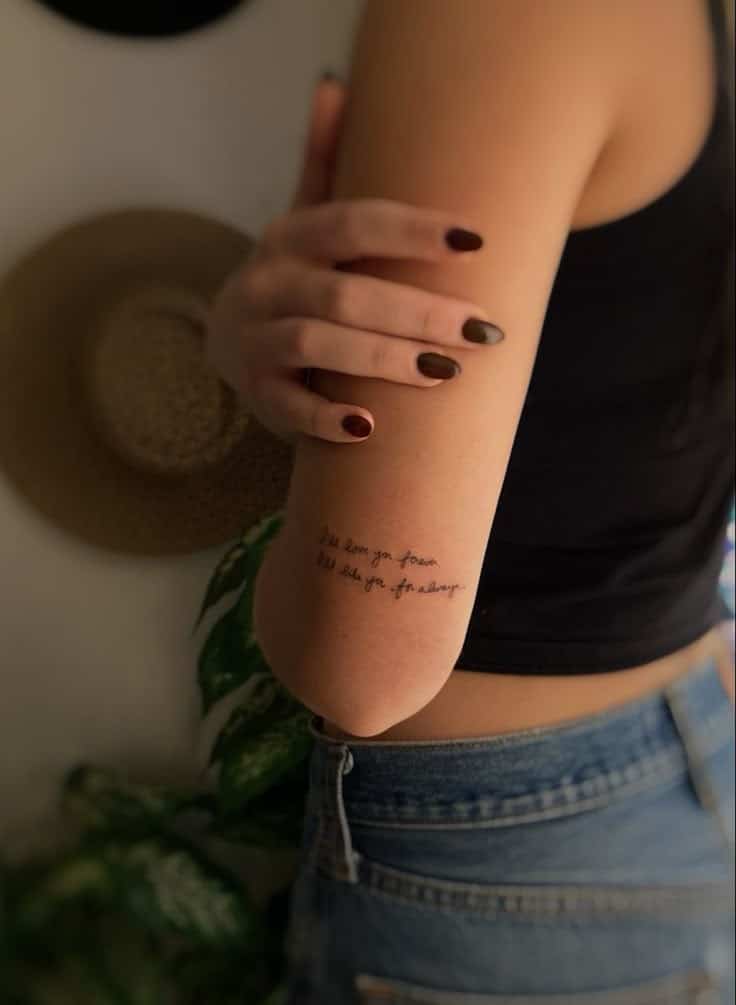
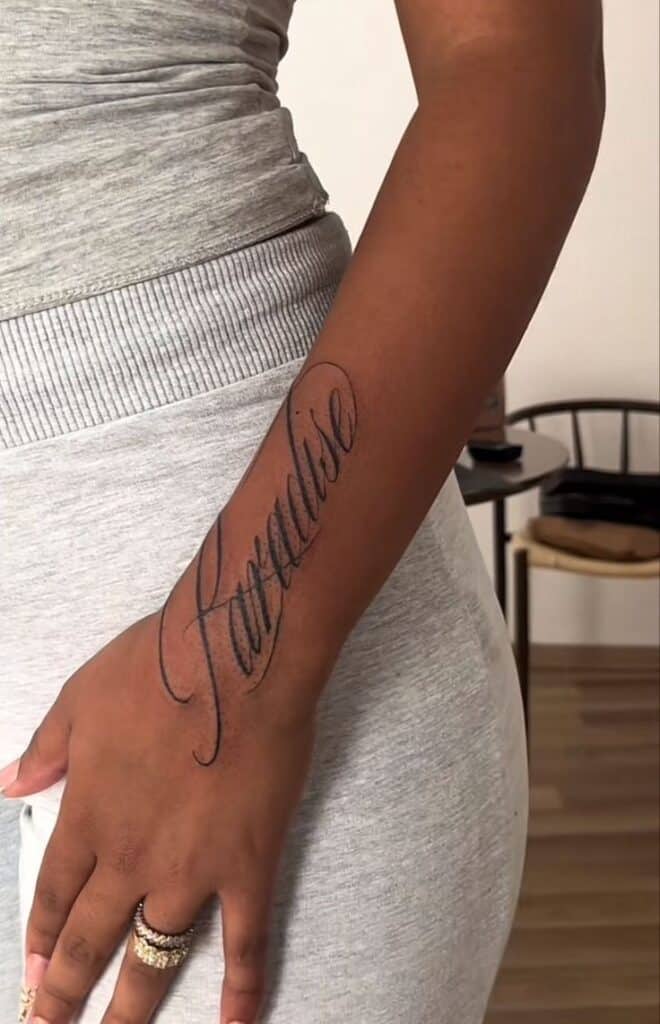
Classic tattoo fonts have a longstanding appeal thanks to their well-defined shapes, time-tested aesthetic, and immediate recognizability. These styles are favorites among tattoo enthusiasts who want their lettering to make a timeless statement.
Honor the origins of lettering tattoos
Lettering tattoos have endured because they offer a distinct ability to showcase words, phrases, or names in a permanent, artful way. They can be large, sweeping designs across the chest or back, or smaller, more delicate pieces on the wrist, forearm, or ankle (Certified Tattoo). Classic styles like Old English or Gothic remain staples because they have been part of tattoo culture for generations.
- Old English: Also known as Blackletter, it features angular forms and dramatic contrast between thick and thin strokes.
- Traditional script: Sometimes referred to as “classic tattoo script,” it emphasizes flowing letters with flourishes that follow the body’s lines.
Embrace bold script fonts
A script style can have a dramatic effect when large enough to span across major areas of the body, but it also adapts to delicate placements, such as your collarbone or the back of your neck. Classic lettering often uses careful shading, curve emphasis, and negative space for dimension, which can help your message stand out. If you want a bold, readily recognizable look that honors the history of tattooing, exploring script styles is a great place to begin.
Embrace modern trends
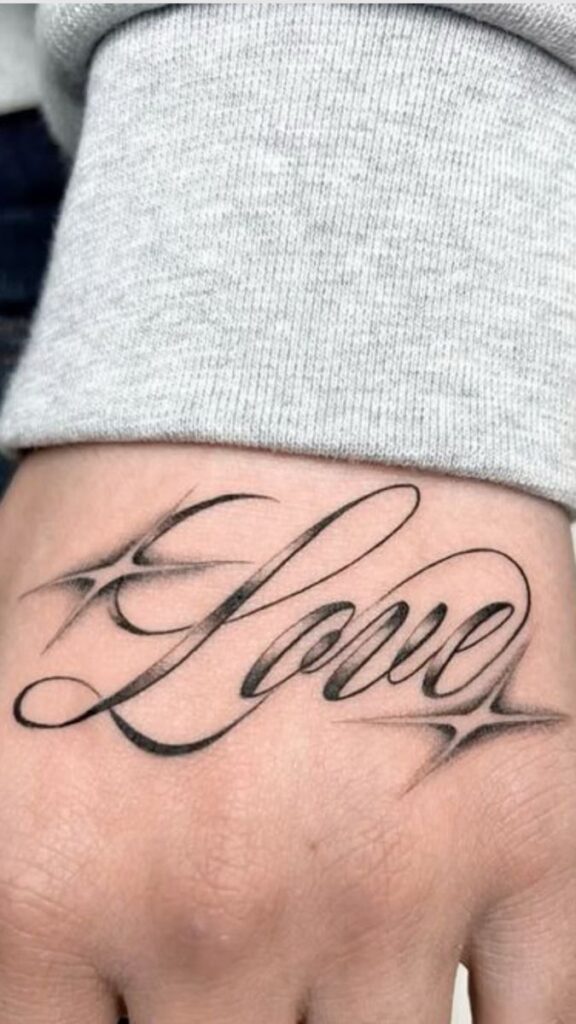
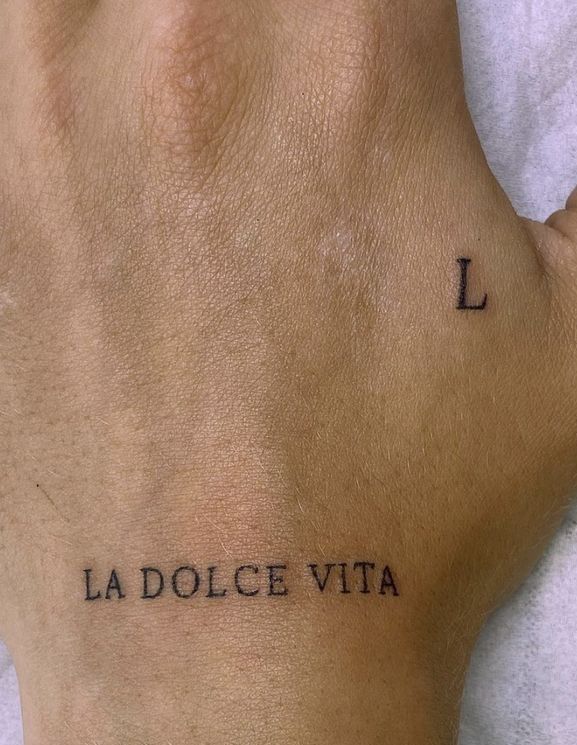
While classic fonts have a steadfast following, there’s also room for those with a more contemporary taste. Modern styles can highlight simplicity, geometry, and crisp lines, providing a sleek finish to your design.
Opt for minimalist or typewriter fonts
If you prefer a clean, legible style that easily stands the test of time, minimalist tattoo fonts might appeal to you. Particular favorites include Avenir, Lemon Milk, Futura, and Helvetica, which feature slim strokes and easily recognizable letters (Stories & Ink). Even if you’re going for something small, consider maintaining enough letter thickness. Over time, very fine lines can bleed slightly under the skin, so you want a style that remains crisp.
Typewriter fonts can also evoke a retro appeal while maintaining a contemporary look. Popular typewriter-inspired fonts include American Typewriter, Courier, and Rockwell. Word lovers—especially those with a passion for poetry or literature—often gravitate to these, as they mimic the look of vintage prints.
Incorporate the Chicano style
The Chicano font style emerged from the Mexican American youth subculture in the 1940s, primarily in the southwestern United States. Known for bold letters that taper into ornamental swirls, Chicano script often symbolizes loyalty, family, and pride (Stories & Ink). This style blends tradition with a modern twist, frequently incorporating elaborate shading and decorative accents. If you resonate with these cultural themes or simply love the bold aesthetic, Chicano lettering can make a powerful statement.
Discover specialty categories
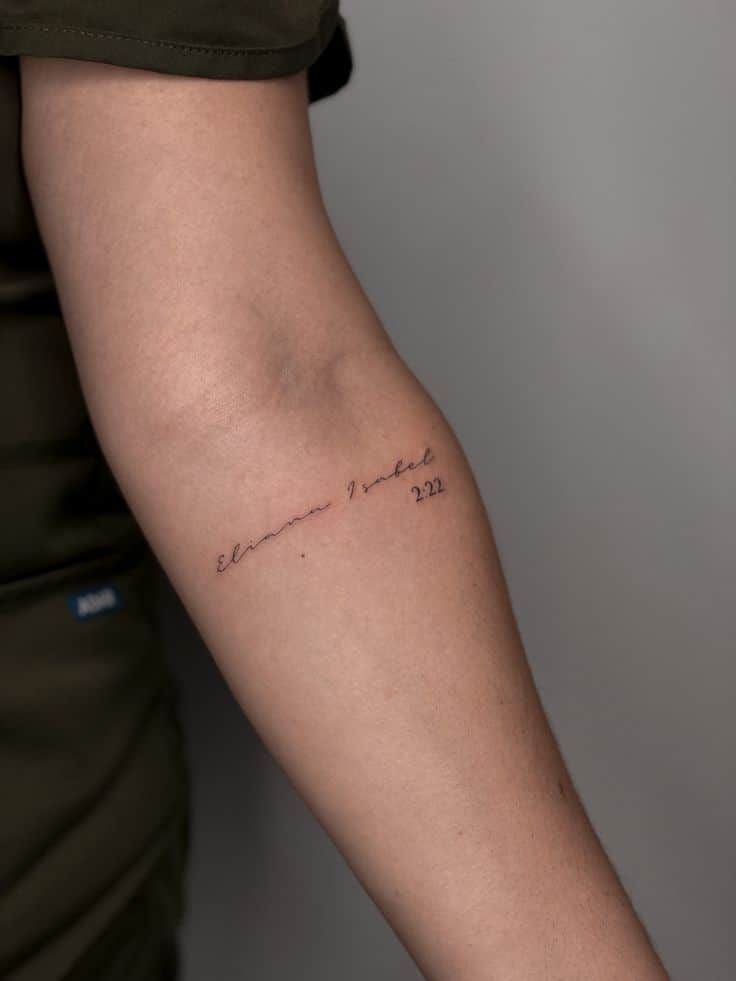
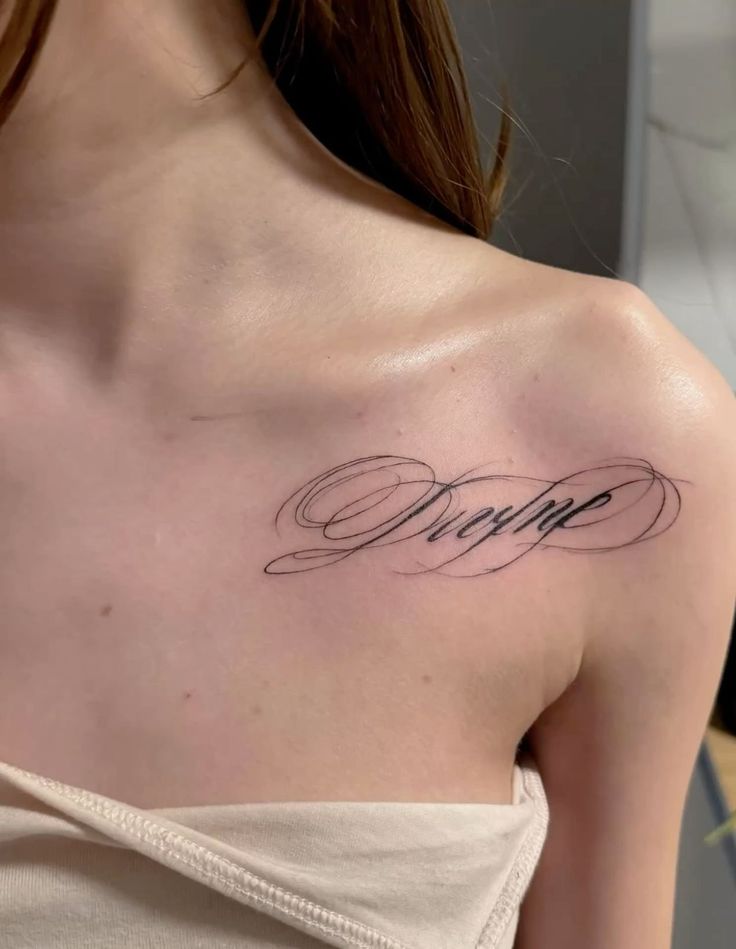
For designs that push artistic boundaries, you can explore specialized lettering options that bridge the gap between traditional and contemporary influences. Whether you lean toward calligraphy or have a flair for gothic, you’ll find plenty of creative solutions.
Experiment with decorative and calligraphy fonts
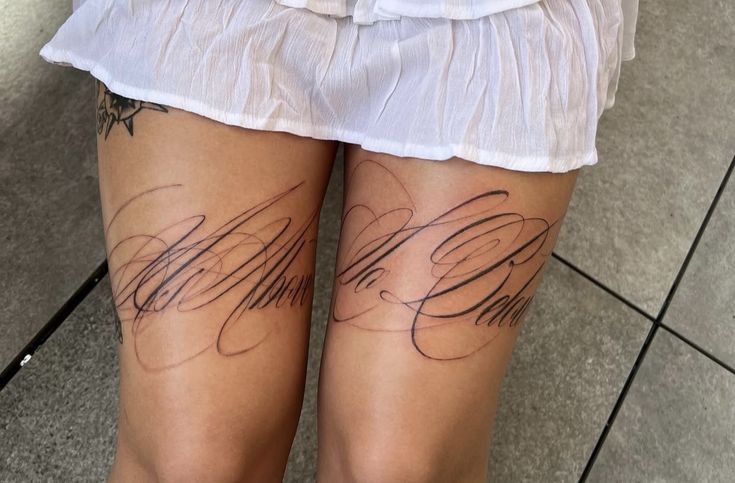
Calligraphy and decorative fonts often blur the line between text and illustration. You’ll notice swirling tails, interlaced flourishes, or curves that wrap around the letter’s body. With calligraphy tattoos in particular—like Mardian, Mythshire, and Zapfino—the artist often hand-draws or modifies each letter to match the natural lines of your body (Stories & Ink). This approach emphasizes a highly customized look and may appeal to you if you want your tattoo to appear more like fine art than simple text.
- Ornamental loops: Amplify the font’s fluidity and make your tattoo more visually dynamic.
- Abstract motif: Combine shapes, lines, or floral elements around the letters for an eye-catching design.
- Artistic nod: Complement the style with watercolor or shading for a unique, painterly effect.
Embrace vintage, gothic, and blackletter designs
If you’re drawn to historical or old-world aesthetics, font categories like vintage, gothic, or blackletter will offer a lot of inspiration. You might see these associated with heavy metal bands, medieval themes, or regal flair. Gothic and blackletter fonts include angular strokes and shading contrasts for a drama-filled effect. When carefully placed, these letters become a strong visual statement.
For a truly vintage look, you can explore retro or old-school fonts that channel 1950s diner vibes or classic circus posters. Subtle layering with color or shading can heighten that nostalgic tone. Whichever path you choose, the key is to make sure your design remains readable so that your message always stands out.
Find top resources
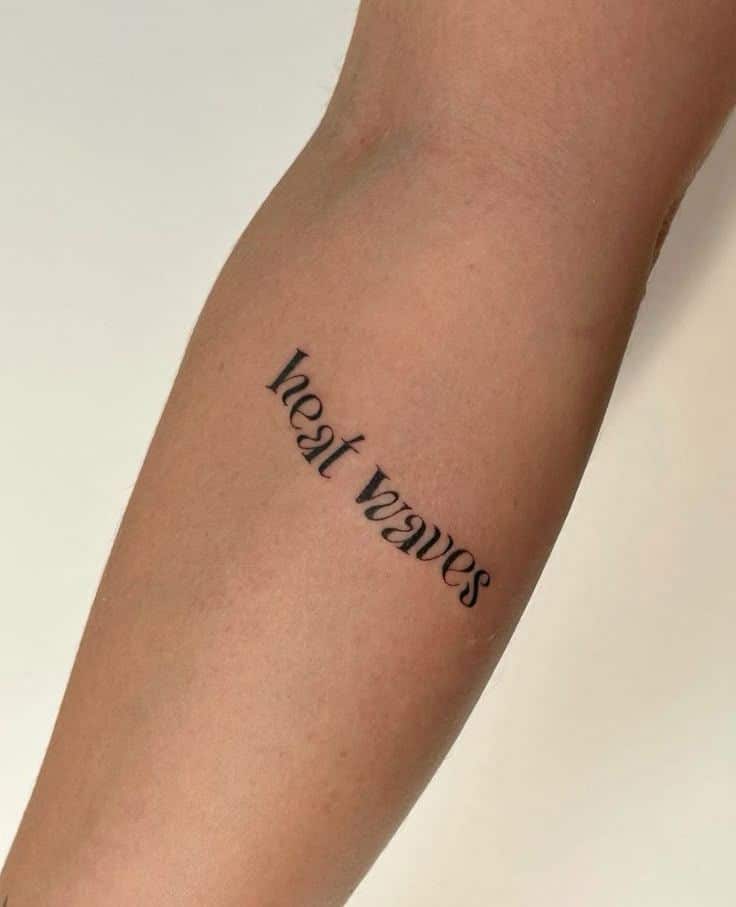
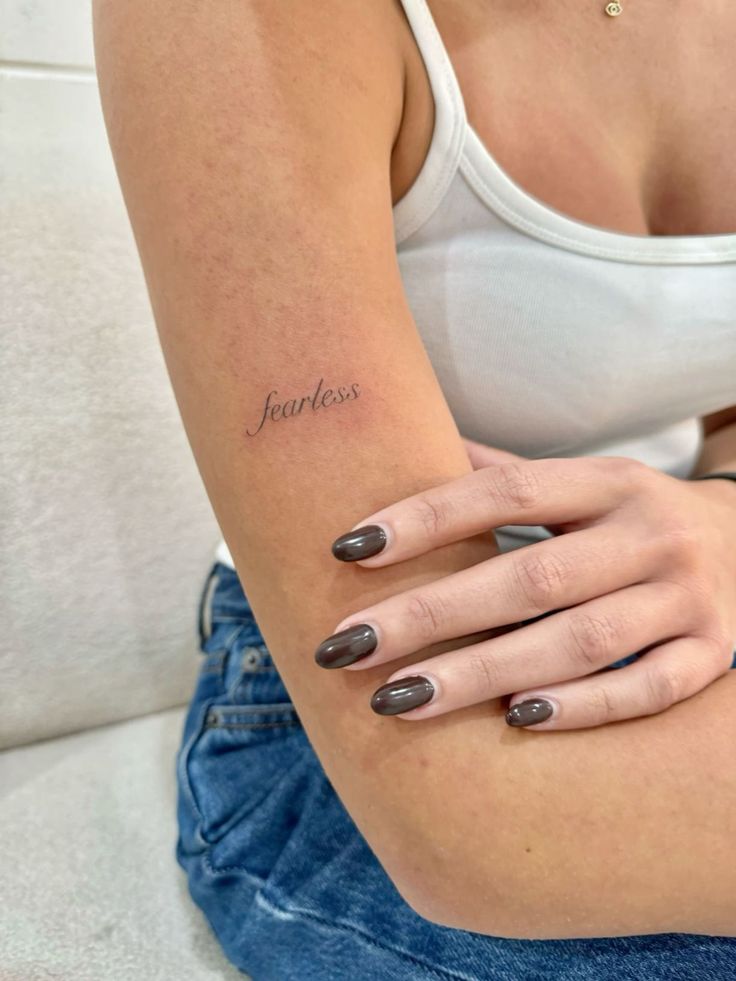
If you’re unsure where to begin, plenty of established platforms can help you browse, test, and compare tattoo font styles. By exploring digital libraries, you can narrow down your preferences before visiting your local artist.
Explore free font libraries
One of the most popular resources for new and seasoned tattoo fans is FontSpace, where you’ll find an entire category dedicated to tattoos (FontSpace). This site curates styles such as Cool, Calligraphy, Cursive, Gothic, Modern, Retro, Vintage, and Blackletter—all categorized for easy navigation. Specialized subcategories, including Tattoo Lettering, Cursive Tattoo, and Brush Tattoo, help you find the aesthetic that fits you best. Examples of free personal-use fonts from Billy Argel Fonts, including Ananda Black, Weddingday, and Nature Beauty, offer a good starting point to test how certain letters look in your chosen phrase. Fonts from Denustudios, like Belion Radego or Mayhart Windah, also serve as a testament to how diverse tattoo lettering can get.
Consider professional consultation
Some tattoo studios, such as Certified Tattoo Studios, provide free 30-minute consultations to help you determine which font best aligns with your personal story (Certified Tattoo). These sessions can be invaluable because you get an expert opinion on nuances like size, spacing, and shading. If you’re worried about how a particular style will translate on your skin, a professional can make adjustments or even create something entirely custom.
Choose the right style
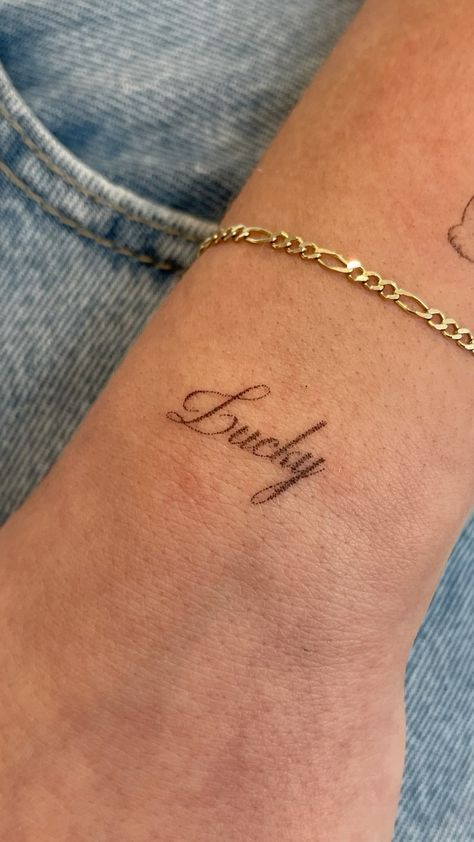
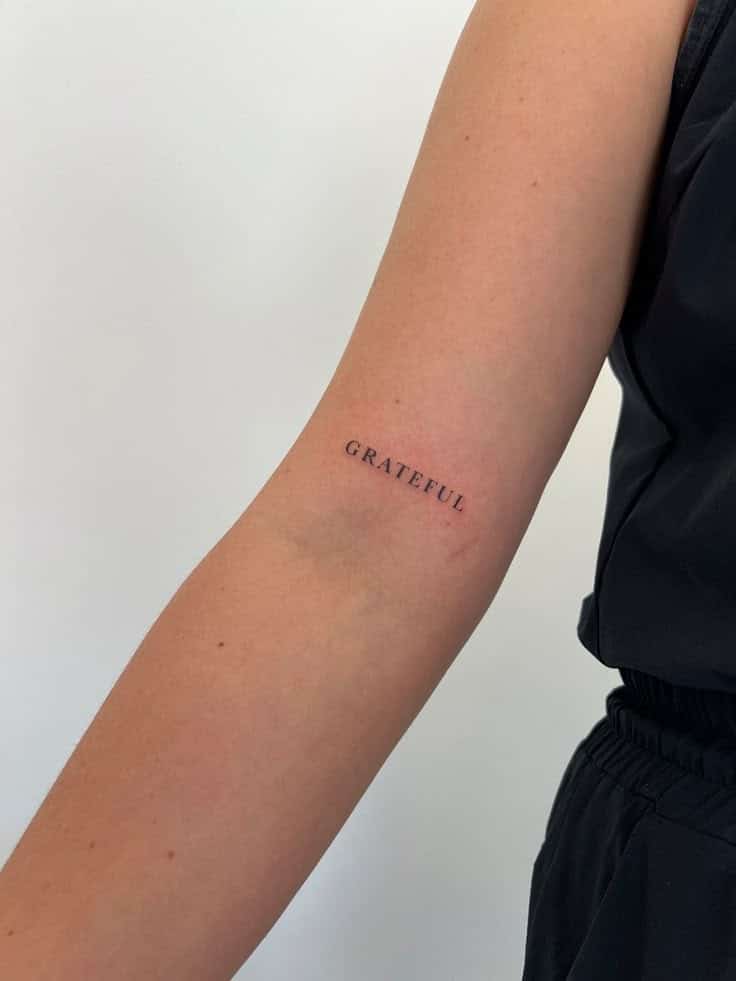
Ultimately, the art of picking tattoo font styles is about blending personal meaning with legibility and timelessness. Your tattoo becomes part of your story, so each decision—from the phrase you select to the stroke weight of each letter—matters.
Reflect on personal meaning
Start by identifying what you want your lettering to express. If your tattoo marks a major life event, family ties, or a personal mantra, the subtlety or boldness of the font should match the significance of those words. A statement piece might require an elaborate style with decorative flourishes, while smaller daily reminders could benefit from thinner, minimalist lettering.
- Honor your heritage: Consider cultural styles like Chicano lettering, or incorporate historical scripts if you have roots in a certain region.
- Commemorate personal milestones: Marriage dates, personal achievements, or a spiritual journey can be captured in fonts that echo gratitude and celebration.
Focus on readability
Even the most stunning font can lose impact if it’s unreadable. Keep letter thickness and spacing in mind—particularly for small tattoos on wrists or ankles. Over time, ink can spread slightly, so extremely thin lines or overly intricate flourishes might become less clear.
When in doubt, print out a sample at your intended size. Place it on your body and check it from different angles and distances. If your chosen twisty script is unreadable at a slight distance, consider a simpler approach or enlarge the design to preserve clarity.
Evaluate sizing considerations
Depending on where you want your tattoo, you may have more or less space to accommodate elaborate fonts. A large back or chest piece can handle big, sweeping lines with shading and decorative elements. Smaller areas, like your forearm or ankle, might necessitate a simpler style. Also, factor in how the font’s shape or flourish might wrap around muscles or bones, as curved areas can distort the text if you’re not mindful.
- Larger designs: Explore complex script, blackletter, or multi-color designs that leverage shading and dimension.
- Smaller designs: Consider simpler fonts, like typewriter or minimalist letterforms, to maintain crisp readability.
Tips for a perfect tattoo
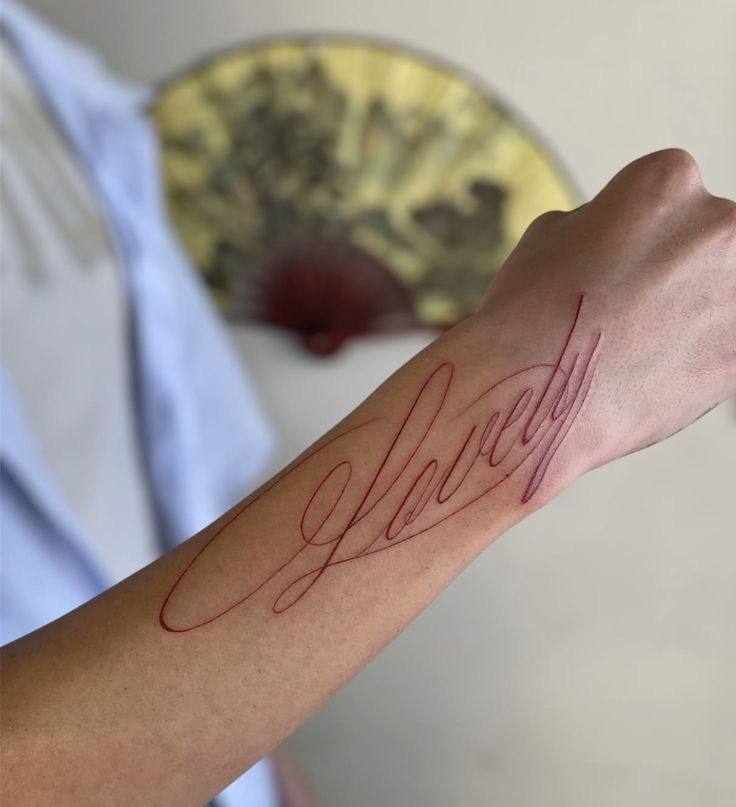
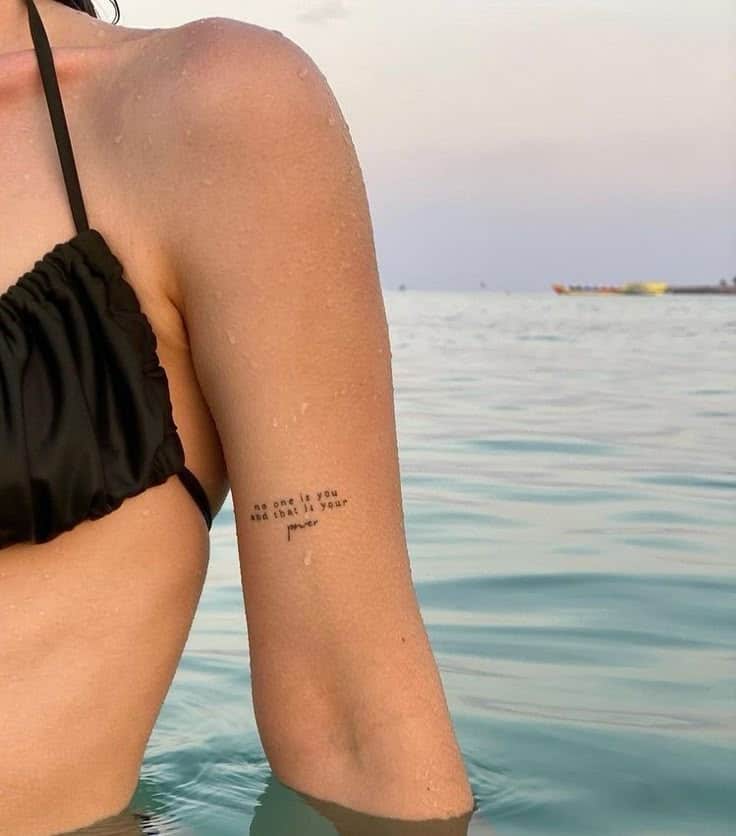
Even after choosing an ideal font style, you want to ensure your overall approach to your lettering tattoo sets you up for dazzling results. The following tips can help you refine your final design, prepare mentally, and collaborate better with your artist.
Work with a professional
A skilled tattoo artist can elevate your design beyond what you might see on a computer screen. They know how certain inks behave on skin, how lines may spread or fade over time, and how to angle surfaces for a cohesive look. They can also fine-tune spacing between letters and adjust proportions to better match the body’s curves. If at all possible, consult with multiple artists who specialize in lettering. Observe their portfolios to see whether they consistently produce crisp, legible text. Doing so helps you gauge what’s possible and decide if their style aligns with your vision.
Consider custom scripts
While searching font libraries is a great way to start, remember that many artists will customize a design just for you. When you have a unique concept—perhaps combining a vintage flourish with a modern minimal letter shape—an artist can sketch various options. Hand-drawn or custom scripts allow for more expressive flair and ensure you won’t encounter an identical tattoo anywhere else.
- Provide references: Bring screenshots or printouts of styles you like. This helps your artist understand your taste.
- Discuss modifications: Ask how to simplify or elaborate certain letters for better readability or aesthetic appeal.
- Iterate thoroughly: It’s better to refine and test multiple variations before placing permanent ink.
Frequently asked questions
Should I design my own font?
Yes, if you have a passion for typography or a background in design, you could create a one-of-a-kind look. However, it’s wise to consult a professional tattoo artist to ensure that your custom letters will translate well on skin in terms of line thickness and spacing.
Are there licensed fonts for tattoos?
Most font designers allow personal use for free or at a nominal cost, but commercial use might require a license. Check the license information of any font you plan to use. Platforms like FontSpace provide clear licensing details (FontSpace).
How can I confirm legibility?
Print out your design at the actual size you plan to tattoo. Step back and read it from a slight distance. If you find the letters bleed together or it’s difficult to read, consult your artist about increasing size, spacing, or adjusting line thickness.
Where should I place a lettering tattoo?
Placement is up to you and should consider visibility, pain tolerance, and how the text might shift with body movement. Forearms, shoulders, and upper backs are common for lettering. Thin areas like the wrist or ankle suit smaller words. If you want a bigger statement, chest or back pieces can accommodate more elaborate scripts or multiple lines of text.
Which styles require the most skill?
Calligraphy tattoos with elaborate flourishes and thick-to-thin transitions demand a high level of skill. Similarly, blackletter or Chicano styles can be intricate to execute, as they include precise angles and shading. Always look for an artist with proven lettering expertise to handle these complex styles.
Trying new tattoo font styles can feel both exciting and overwhelming. After all, a permanent piece of art on your body represents a strong statement about who you are. By researching your options, seeking professional input, and focusing on clarity, you’ll land on a design that holds up beautifully over the years. Whether you choose a classic Gothic look, a minimal typewriter style, or an intricate custom calligraphy piece, the goal is to ensure your ink accurately reflects your personality and story. Your next step? Gather inspiration, chat with an experienced tattoo artist, and watch your creative vision take form in a stylish script you’ll love for a lifetime.
- 820shares
- Facebook0
- Pinterest820
- Twitter0
- Reddit0