Table of contents
- Why tattoo equipment prices feel confusing
- Quick price snapshot: what you actually pay
- Tattoo machines: from $50 kits to $1,300 pro beasts
- Wireless and pen-style machines: freedom has a price tag
- Needles and cartridges: the sneaky ongoing cost
- Inks, power, and safety gear: what beginners forget to budget
- Starter kits vs building your own setup
- Realistic budgets: hobbyist, apprentice, pro
- How to avoid wasting money on the wrong gear
- FAQs about tattoo equipment prices
Why tattoo equipment prices feel confusing
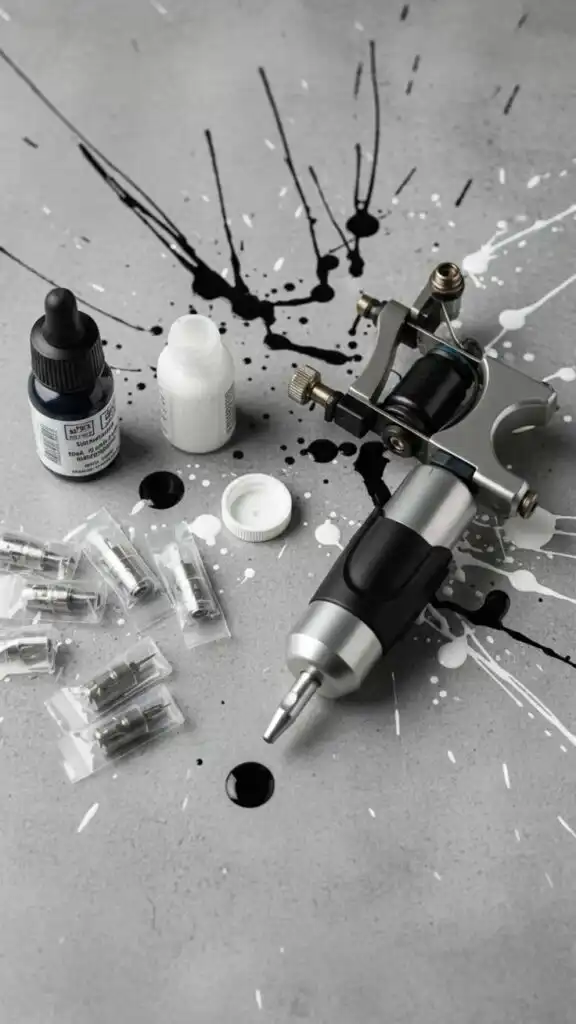
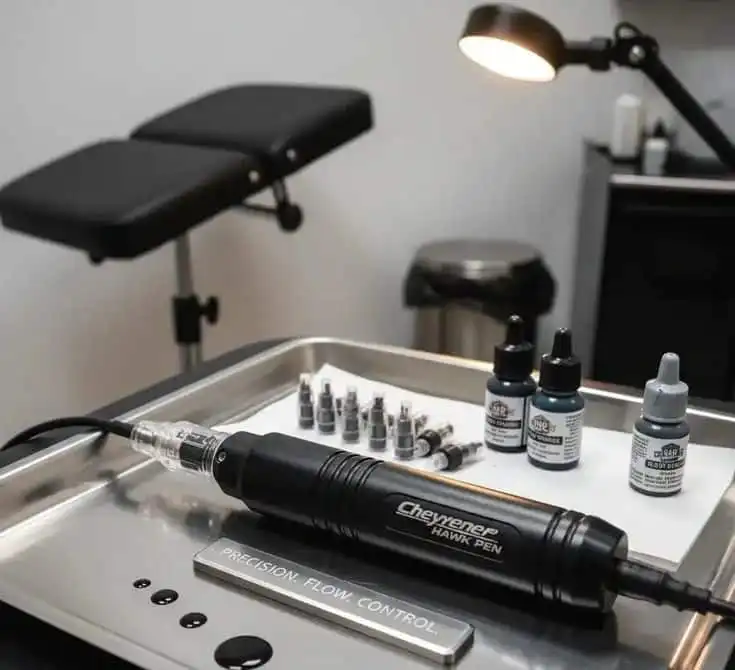
When you first start digging into tattoo equipment prices, it feels wild. One site tells you a full tattoo kit is $120. Another lists a single machine at over $1,300. Amazon waves cheap beginner kits at you. Pro suppliers talk about wireless torque monsters that cost more than your car payment.
If you are asking yourself, “How much is a tattoo gun really supposed to cost?” you are in the right place. You are going to see exactly what drives those prices up, where you can save, and what will flat out blow your mind if you have only seen cheap starter kits so far.
You will walk away knowing what you should actually budget for your level, not someone else’s Instagram fantasy setup.
Quick price snapshot: what you actually pay
Here is a quick overview of tattoo equipment prices pulled from real suppliers and artist discussions:
| Gear type | Typical price range (USD) | Notes |
|---|---|---|
| Beginner machine kits | ~$50 to $120+ | Often on Amazon or basic brand kits, good for practice only (Reddit, Dragonhawk) |
| Mid‑range kits and machines | ~$120 to $350+ | Better quality, smoother performance (Dragonhawk, Reddit) |
| Pro machines (single unit) | ~$300 to $1,300+ | From brands like Critical, Bishop, FK Irons, Cheyenne (Kingpin) |
| Cartridge needles (per box) | ~$26.99 to $38.99 | Quality brands like True Tattoo Supply (True Tattoo Supply) |
| Traditional needles (per box) | From ~$16.99 | For coil setups or specific styles (True Tattoo Supply) |
Right away you can see the big pattern. The machine is a major upfront cost, but your needles and other supplies keep pulling from your wallet over and over again.
Tattoo machines: from $50 kits to $1,300 pro beasts
Let us zoom in on what you are probably most curious about, how much a tattoo gun, or more accurately a tattoo machine, really costs.
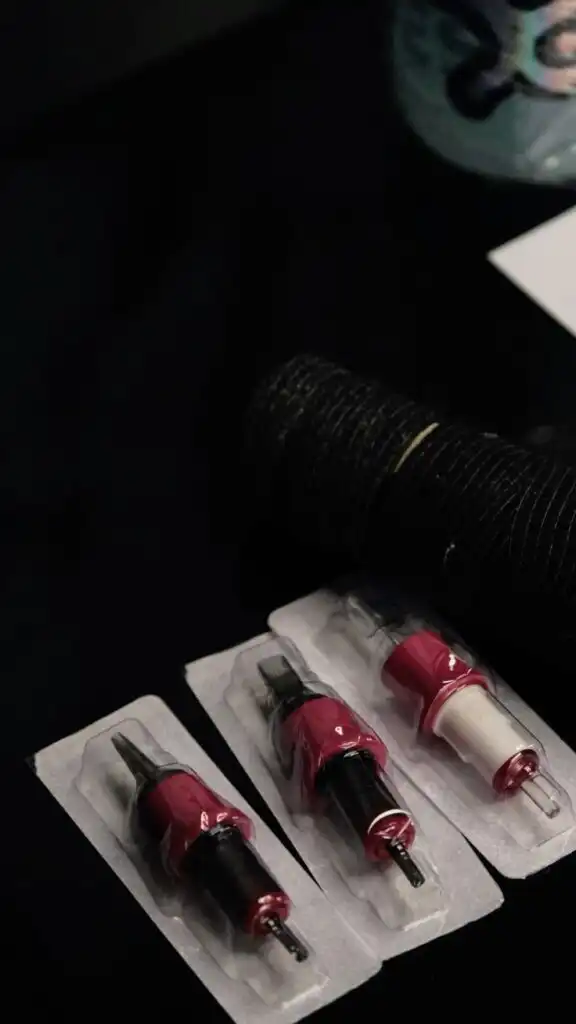
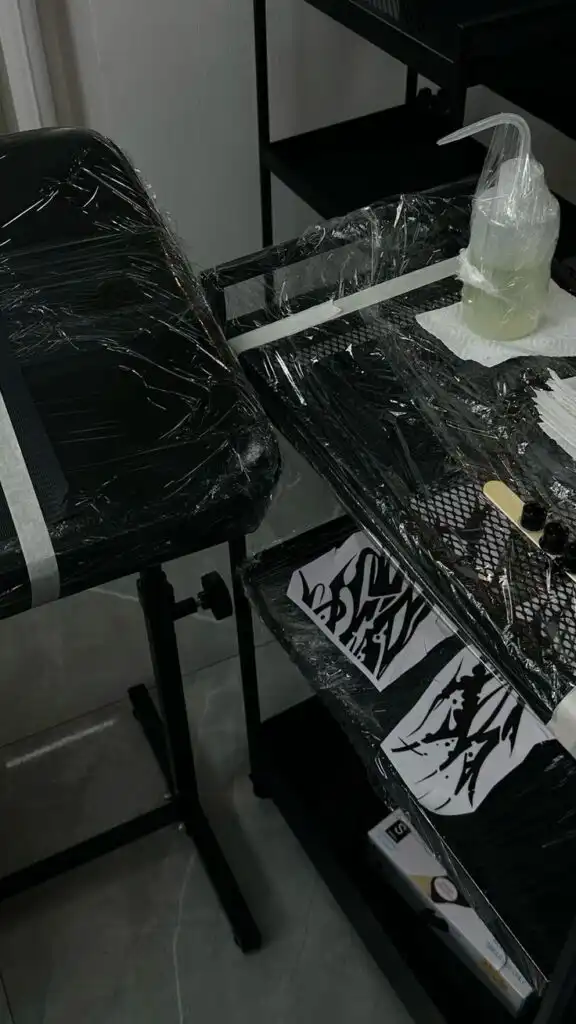
Beginner level: the $50 kit surprise
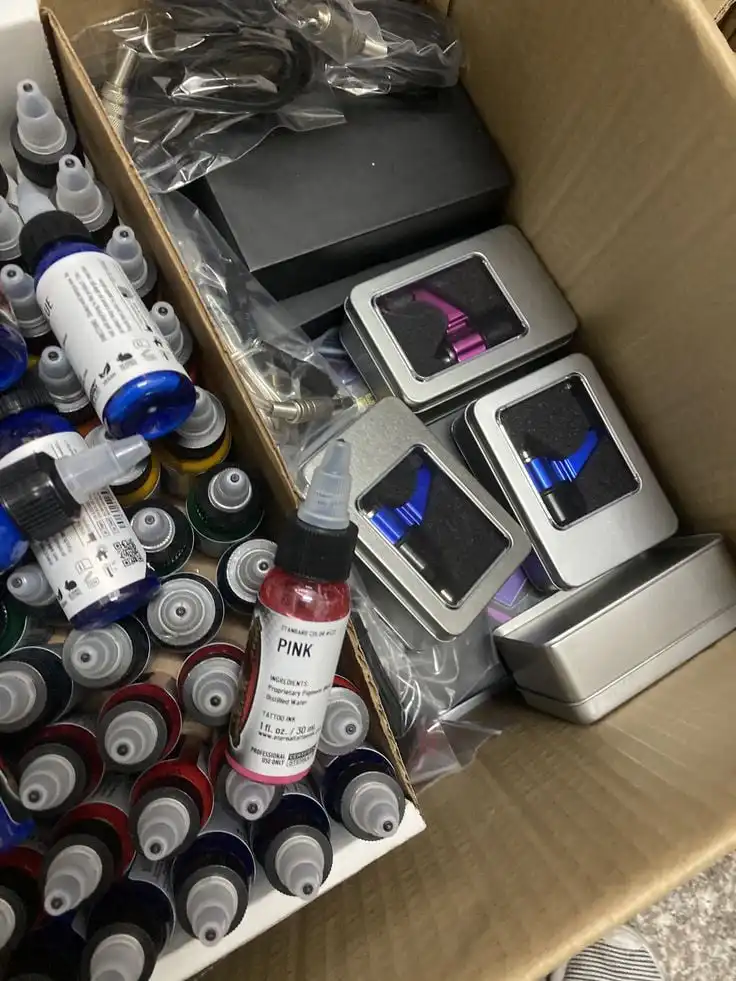
If you just search “tattoo gun” or “tattoo kit” on Amazon, you will see full setups for as low as about $50. Reddit artists confirm that these cheap beginner kits are common and can be tempting when you are broke and eager to try tattooing (Reddit).
What you usually get at that price:
- One or two machines
- Random inks you probably should not use on skin
- A small power supply
- A handful of low quality needles
- A pile of extras that look pro but often are not
These are fine for practicing on fake skin if you absolutely have to start somewhere. Experienced artists on Reddit strongly warn you not to go straight to human skin with these, and to focus on fundamentals and finding an apprenticeship before you invest heavily (Reddit).
So yes, tattoo equipment prices can start shockingly low. They just should not be trusted for real client work.
Mid‑range: Dragonhawk, Mast and smoother sessions
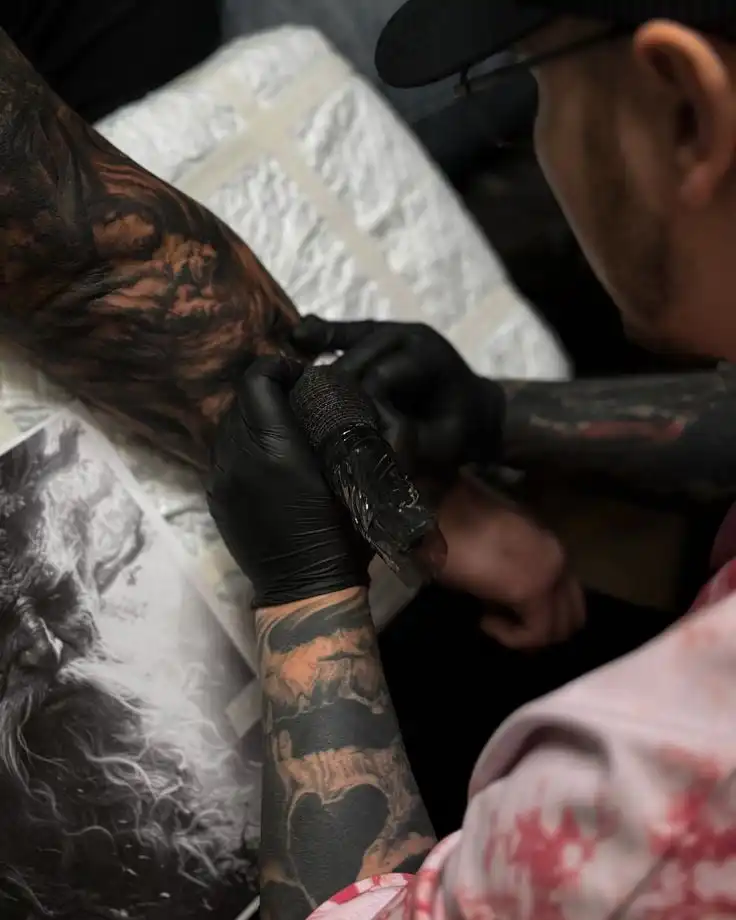
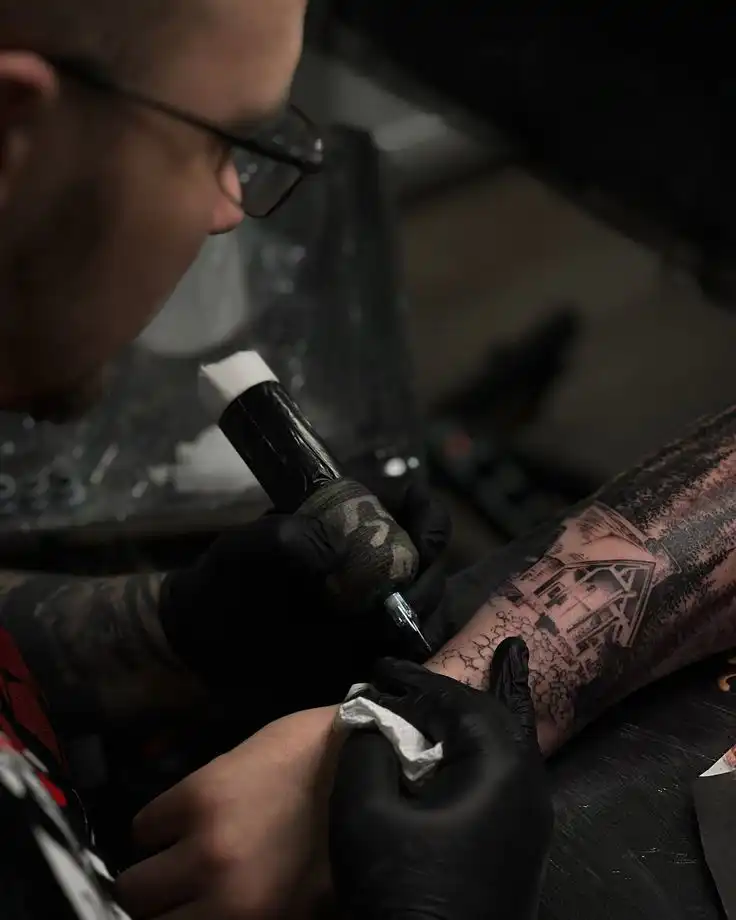
Next tier up, you will see kits and machines in roughly the $120 to $350 range. Brands like Dragonhawk and Mast show up a lot in artist conversations. Users report smoother operation and better results when they put in solid practice (Reddit).
For example, Dragonhawk sells complete tattoo kits in that $120 to $350 window that pack:
- Rotary or pen style machines
- Power solutions and batteries
- Needles and cartridges
- Cords, grips, and basic accessories
You are still not at the top of the mountain, but you are on stable ground now. This is where a serious beginner or apprentice might start investing if they have mentor guidance or clear long term intentions (Dragonhawk Official Store).
Pro tier: $300 to $1,300 and beyond
Here is where tattoo equipment prices really blow minds. According to Kingpin Tattoo Supply, high quality professional machines run from around $300 to over $1,300 as of 2024 (Kingpin Tattoo Supply).
In this tier you are looking at:
- Critical
- Bishop
- Cheyenne
- FK Irons
- Inkjecta
- Axys
These machines are built for daily professional use, not weekend dabbling. They are designed to last several years with proper care and maintenance according to Kingpin, which makes that heavy price tag more like a long term investment than a one time splurge (Kingpin Tattoo Supply).
If you are just starting, most pros will tell you not to jump here immediately. Build your skills and get guidance first, then upgrade when your work and your bookings justify it.
Wireless and pen-style machines: freedom has a price tag
Cordless is tempting. No dragging around clip cords. No power supply box sucking up tray space. Just you, your machine, and flow.
This freedom absolutely shows up in tattoo equipment prices.
Example: Critical Torque Lite set
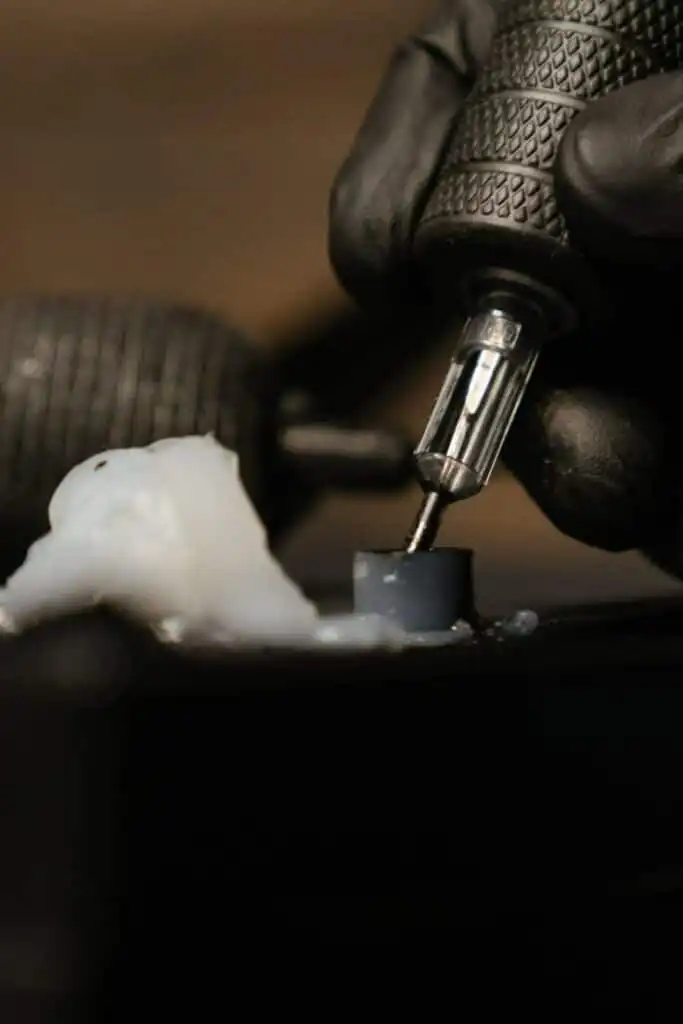
The Critical Torque Lite Lining & Shading Machine Set from Eternal Tattoo Supply is a great example of an all in one setup that tries to balance performance and value. It features:
- A balanced 3.8 mm stroke
- A custom German brushed motor
- A design focused on crisp single needle lines and soft black and grey blends
- Fully assembled, so you can literally use it right out of the box (Eternal Tattoo Supply)
You also get the Critical Connect V3 Battery, with:
- Up to 15 hours of runtime
- A customizable LED interface
- Session tracking built in
- Bluetooth 5.0 for connecting with the Critical foot switch
- A 34 mm grip that helps reduce hand fatigue during long days (Eternal Tattoo Supply)
Eternal Tattoo Supply lists this Critical Torque Lite set at $49.00 on their product page (Eternal Tattoo Supply). That price is surprisingly low for the level of features, so you will want to check for current pricing, availability, and whether that number reflects a sale, refurbished option, or set specific to a certain configuration.
What you can take from it is this. Wireless and feature packed gear lives in a wide price band. You can find aggressively priced bundles that get you into the wireless world, and you can also find top tier wireless units on Kingpin that sit deep in the $300 to $1,300 bracket and beyond depending on the brand and features (Kingpin Tattoo Supply).
Starter bundles from EZ Tattoo Supply
EZ Tattoo Supply offers wireless and adjustable stroke pen bundles that are clearly designed to appeal to beginners and working artists who want flexibility:
EZ P3 Pro Adjustable Stroke Wireless Tattoo Pen Advanced Bundle
Multiple kit options like 7 Color Basic or 10 Color Lining
Includes professional wireless machines and Intenze tattoo inks (EZ Tattoo Supply)
Inferno Wireless Tattoo Pen Kit
Adjustable stroke from 2.0 mm to 4.5 mm
Includes 5 essential ink colors
Targeted at artists of all styles (EZ Tattoo Supply)
Rampage Direct Drive Lining Black Basic Tattoo Kit
4.5 mm stroke, direct drive, ready for linework focused artists (EZ Tattoo Supply)
For beginners, EZ even has the EZ Kit Dagger V2 and EZ Beginners Tattoo Kit FILTER Freedom that blend performance with budget, especially if you want a wireless pen style feel without going straight to top tier prices (EZ Tattoo Supply).
Wireless freedom is not cheap at the very top, but there are more entry lanes now than ever.
Needles and cartridges: the sneaky ongoing cost
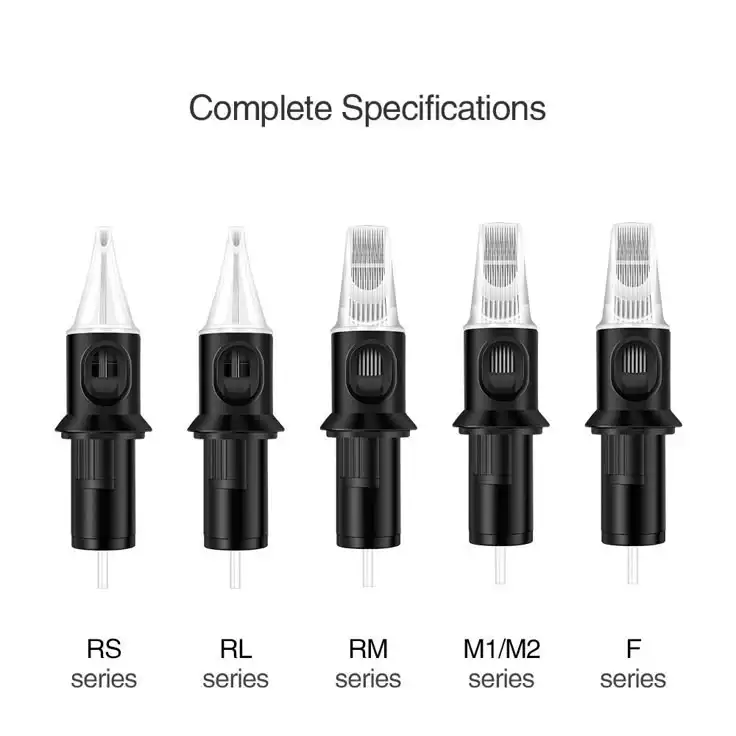
You can buy a machine once. You will buy needles over and over for as long as you are tattooing. This is where tattoo equipment prices really add up over a year.
True Tattoo Supply gives you a clear look at modern cartridge and needle pricing as of 2025 (True Tattoo Supply):
Membrane Liner Cartridge Needles
From $33.99
Membrane Turbo Liner Cartridge Needles
From $38.99
Cartridge Liner Needles (Band Drive)
From $26.99
Cartridge Round Shader, Mag Shader, Curved Mag (Band Drive)
All from $26.99
Traditional Tattoo Needles
Start at $16.99
For a new artist, a $27 to $39 box might not feel huge. But when you are doing multiple clients per day, five days per week, those boxes move fast.
So when you think about how much a tattoo gun costs, mentally tack on:
- A monthly needle budget
- The styles you work in, lining versus shading versus packing
- Whether you use multiple sizes on each piece
Pro move for planning: build a rough per tattoo cost estimate for needles and supplies, then back into your pricing and your monthly spending.
Inks, power, and safety gear: what beginners forget to budget
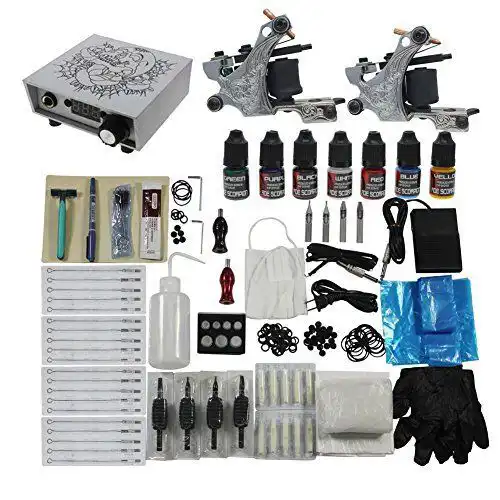
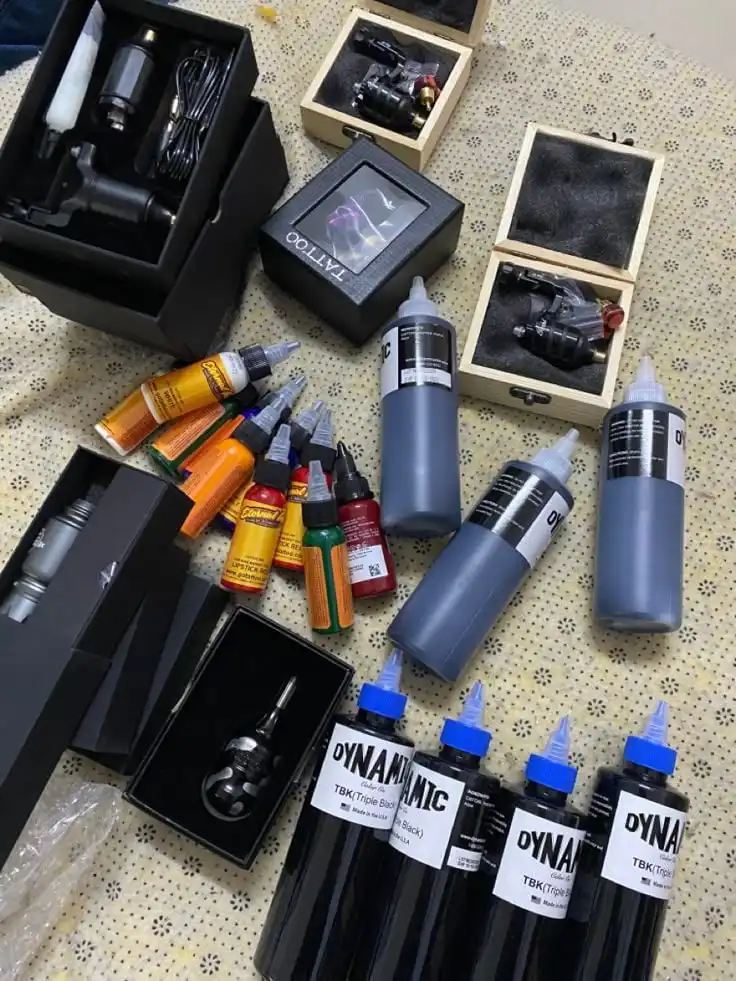
Once you get past the machine and needles, a bunch of “small” items show up that are actually core to tattoo equipment prices.
Ink and ethics
Eternal Ink, sold by Eternal Tattoo Supply, is vegan, cruelty free, and made in the USA. That ethical profile matters to a lot of clients and artists now, and it can absolutely influence your buying decisions and how you present your work (Eternal Tattoo Supply).
You will pay more for high quality, ethically produced inks than you will for mystery bottles from a random kit. What you get back in consistency, safety, and client trust is worth it.
Power supplies, cords, and grips
If you are not going fully wireless, you still need:
- Reliable power supply
- Clip cords or RCA cables
- Foot switch unless you run with a wireless battery setup
These do not always look expensive in isolation, but quality adds up fast. A weak power supply that surges or drops can ruin your lines. So this is an area where cheaping out becomes expensive in time and touch ups.
Even with wireless, you will deal with:
- Extra batteries
- Charging bases or cables
- Replacement grips
The Critical Connect V3 Battery that comes in the Critical Torque Lite set is a great example of a battery that pulls real weight with its long runtime and advanced features, and that kind of performance is built into the price (Eternal Tattoo Supply).
Hygiene and safety essentials
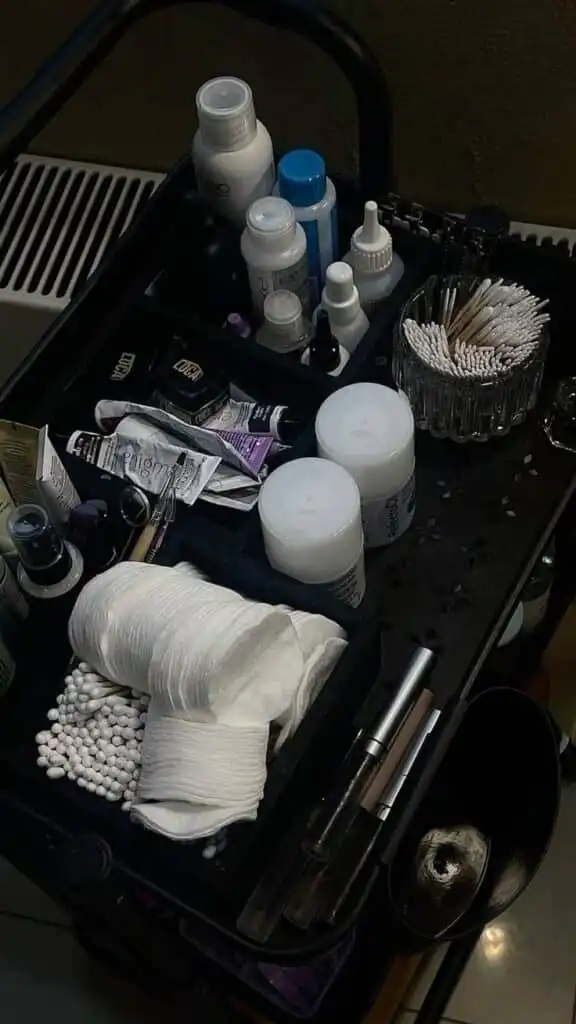
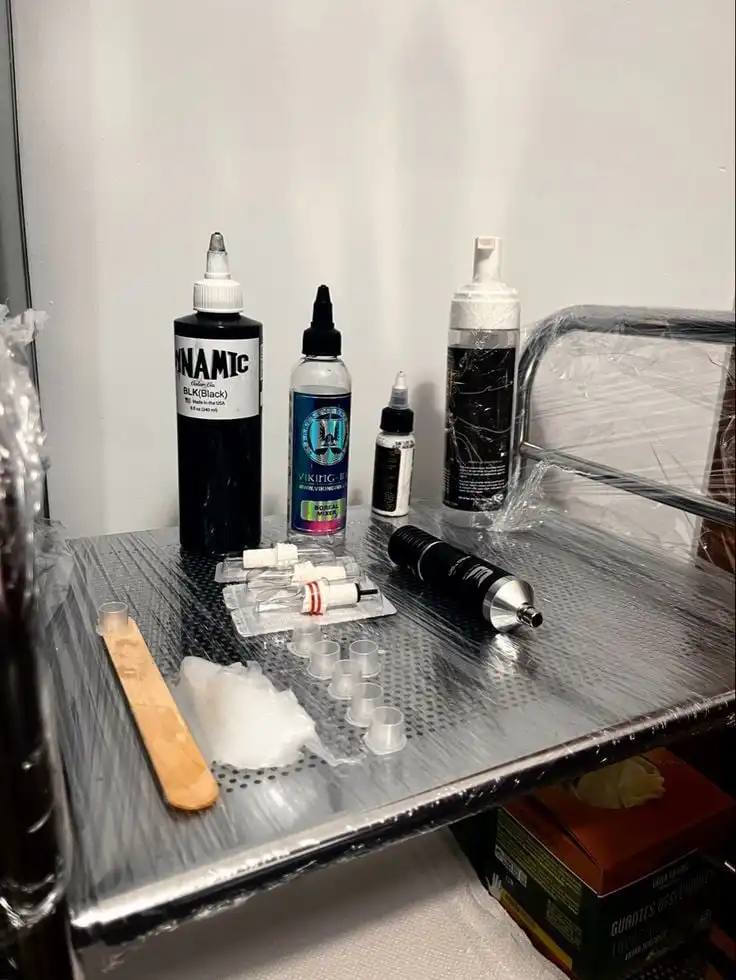
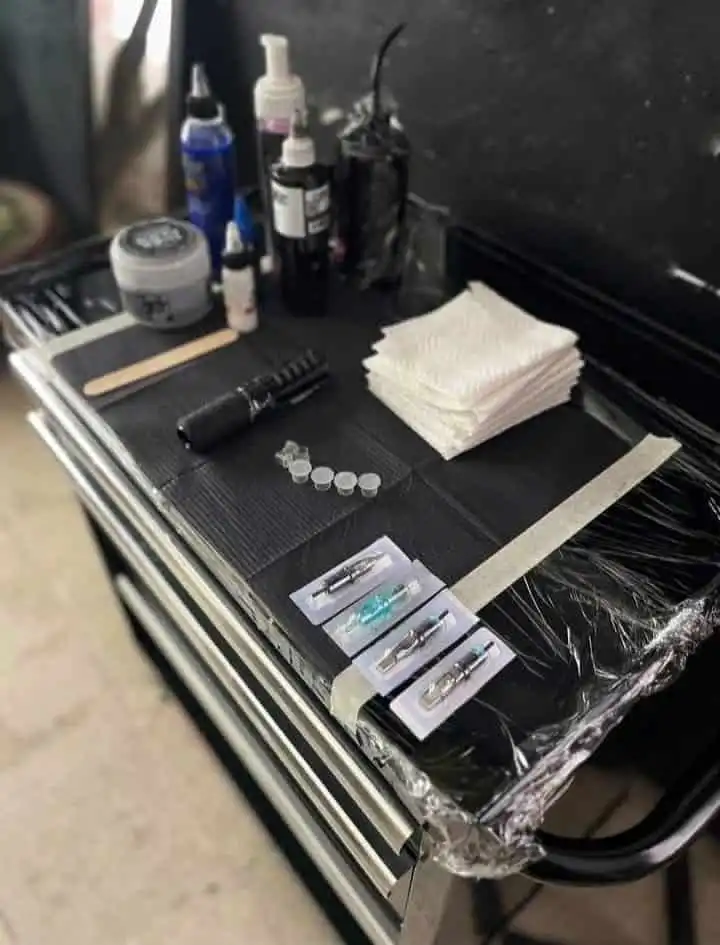
Beginners on Reddit often get reminded that a tattoo machine alone does not make a safe setup. You also need (Reddit):
- Fake skin for practice
- Stencil printer and stencil paper
- Transfer paper
- Grip tape and machine covers
- Aftercare products like Hustle Butter
- Surface barriers and proper cleaning supplies
These do not always show up in the “how much is a tattoo gun” conversation, but if you want to tattoo responsibly, they belong in your budget from day one.
Starter kits vs building your own setup
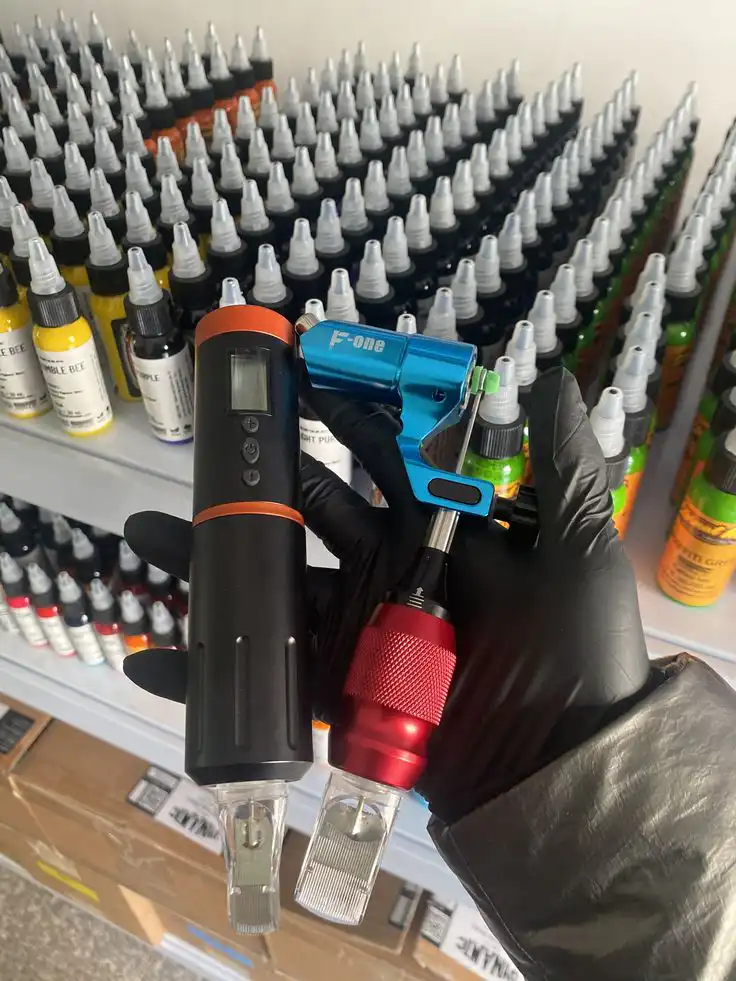
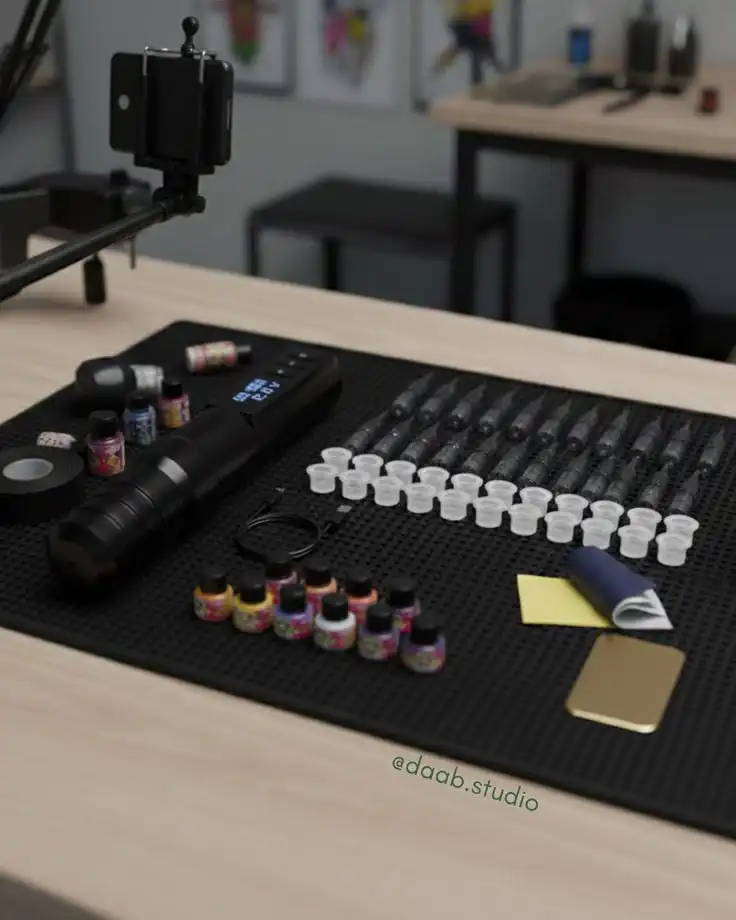
You have two main paths when you are starting your gear journey:
- Buy an all‑in‑one kit
- Build a custom setup piece by piece
Each approach hits your wallet differently.
When a kit makes sense
Kits from brands like Dragonhawk or EZ Tattoo Supply package machines, needles, power, and inks in one purchase. For example:
- Dragonhawk kits in the $120 to $350 range are built to give you “enough of everything” to start practicing or doing basic work (Dragonhawk Official Store).
- EZ Tattoo Supply’s starter bundles combine wireless machines, stroke adjustability, and Intenze inks so you do not have to piece everything together alone (EZ Tattoo Supply).
Kits are good for you if:
- You are at the very beginning and need to understand the gear ecosystem
- You have a mentor helping you sort out what is usable and what is not
- You are mainly practicing on fake skin and not going straight to clients
When building your own setup wins
If you already know you are in this for the long haul, building your own rig might cost more up front but save money and headaches later.
You might:
- Choose a high quality rotary machine in the $300 to $700 range
- Pair it with a trusted power supply or wireless battery
- Pick your own cartridges from True Tattoo Supply or similar
- Select inks like Eternal or Intenze based on your style and ethics
Over time, you:
- Replace only what you outgrow
- Avoid throwing out junk components from kits
- Develop a setup that matches your hand and your style perfectly
This is usually where apprentices and pros land after they get past the “kid in a candy store” phase.
Realistic budgets: hobbyist, apprentice, pro
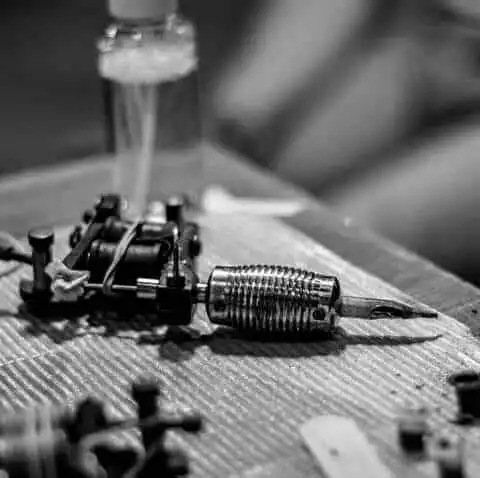
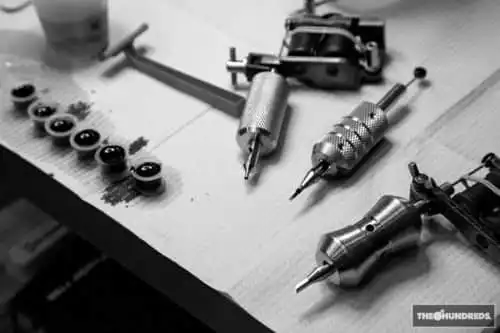
Let us put all these tattoo equipment prices into three simple, realistic tiers. These are not exact totals, but they give you a ballpark based on how serious you are and what kind of work you are doing.
1. Curious hobbyist / fake skin only
You are drawing, learning, and not working on human skin.
Your potential budget:
- Basic beginner kit: ~$50 to $120
- Extra fake skin and a few boxes of cartridges or needles: ~$50 to $150
Rough range: $100 to $250
Your main goal here is learning. You do not need pro tier everything. You do need to understand that this is practice gear, not client gear.
2. Apprentice or serious beginner
You are in or seeking an apprenticeship, taking hygiene seriously, and may do supervised tattoos.
Your potential budget:
- Mid‑range kit or standalone rotary machine: ~$120 to $350+
- Extra cartridges and traditional needles: ~$100 to $300 over time (True Tattoo Supply)
- Quality inks and aftercare: variable, but expect at least ~$150+
- Hygiene supplies, barriers, cleaning agents: ~$100+
Rough range: $400 to $1,000+ spread over your early learning period
This is also where rotary machines are often recommended due to their ease of use for beginners, as Kingpin notes (Kingpin Tattoo Supply).
3. Working professional
You are earning from tattooing, booking clients, and your setup is an extension of your reputation.
Your potential budget:
- One or more pro rotary or pen machines: ~$300 to $1,300 each (Kingpin Tattoo Supply)
- Wireless batteries or high end power supply: from ~$200+ depending on brand and features
- Continuous restocking of cartridges and needles: hundreds of dollars per year
- Large ink sets from trusted brands, vegan or cruelty free if that fits your values
- All the hygiene, aftercare, and shop level supplies
Rough range: $1,500+ to set up a full pro station, then ongoing supply costs every month
At this level, gear is not just a cost. It is a business decision tied to how smooth your sessions feel, how quickly you work, and how consistent your healed tattoos look.
How to avoid wasting money on the wrong gear
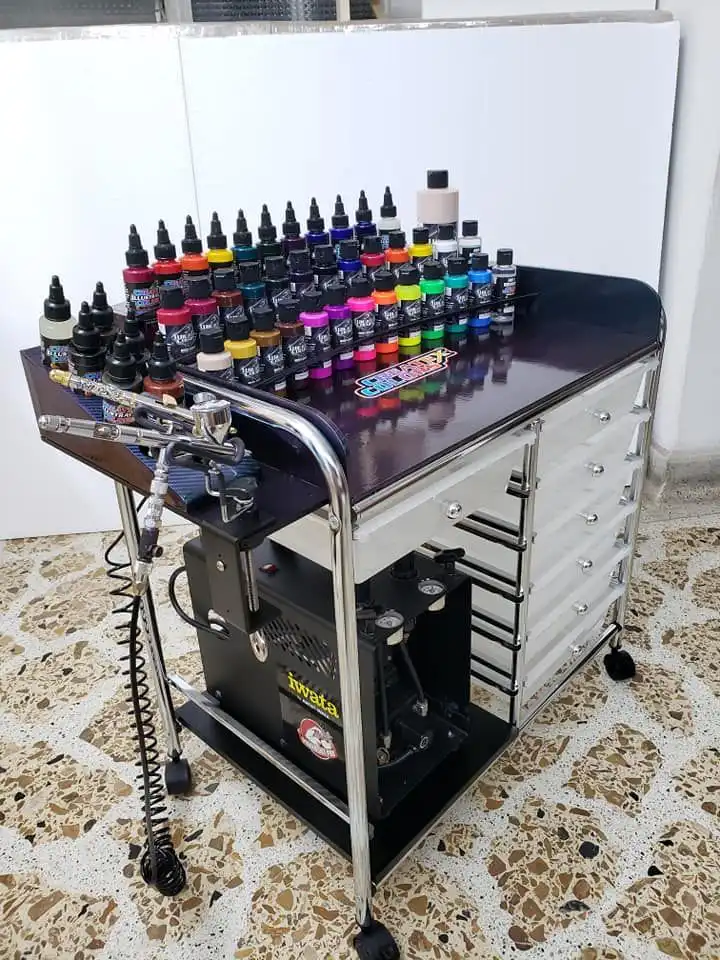
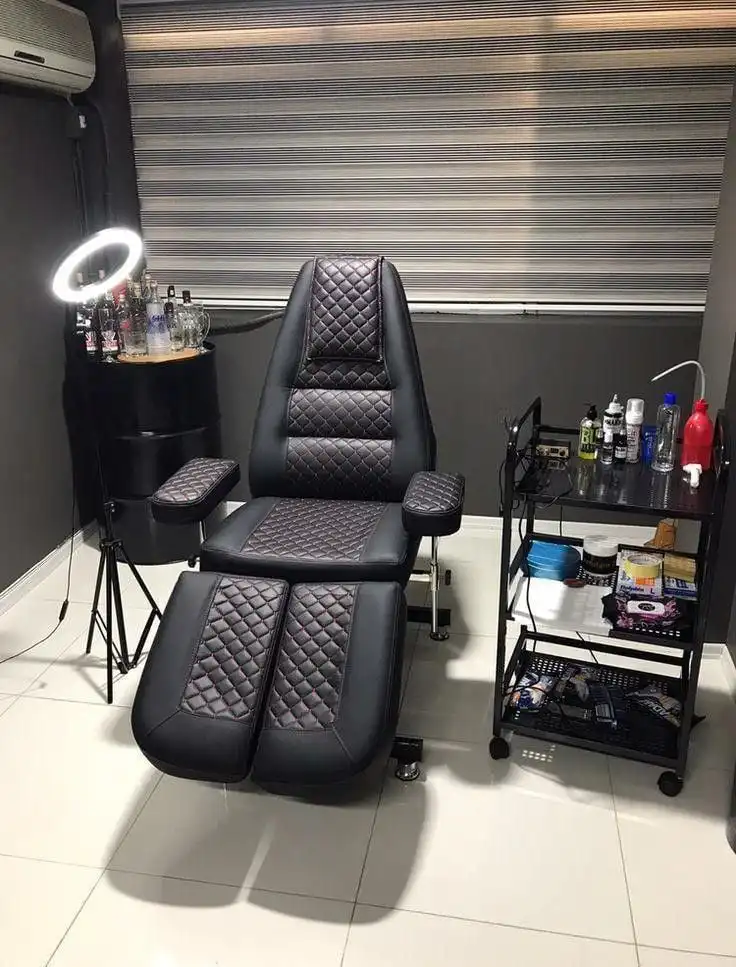
Tattoo equipment prices will keep climbing if you chase every shiny object. You can keep your budget under control without cheaping out in the wrong places.
Use these filters before you buy.
1. Match gear to your current level
- Total beginner on fake skin: start with a reasonable kit, not a $1,000 machine
- Apprentice: pick a mid‑range rotary your mentor is comfortable with
- Working artist: invest in pro grade gear that can keep up with your booking volume
Buying gear your skills cannot yet use is like putting race tires on a bike with training wheels.
2. Prioritize safety and reliability
Ask yourself:
- Does this brand show ingredient and safety info for their inks or just buzzwords
- Does the machine come from a reputable supplier like Kingpin, Eternal, or a trusted brand
- Are the needles and cartridges from known sources like True Tattoo Supply, or from an unmarked bag
If you are going to splurge anywhere, splurge where it affects client safety and healed results.
3. Use artist reviews and mentors, not just ads
Platforms like Reddit can give you raw, unfiltered opinions about what worked for real beginners and what sat in a drawer after three sessions (Reddit).
Pair that with:
- Advice from your mentor
- Brand reputations from suppliers like Kingpin and Eternal
- Your own experience after dozens of hours on fake skin
The goal is not to own every machine. It is to own a small, tight setup that you know inside and out.
FAQs about tattoo equipment prices
1. How much does a tattoo gun actually cost?
If you are just looking at the machine, tattoo equipment prices range widely:
- Cheap beginner “guns” or machines: ~$50 and up, often as part of kits on Amazon or basic brand packages
- Mid‑range rotary or pen machines: roughly $120 to $350+ depending on brand and features (Dragonhawk Official Store)
- Pro machines: around $300 to over $1,300 as listed by Kingpin Tattoo Supply in 2024 (Kingpin Tattoo Supply)
Your level and your plans should decide which bracket is actually worth it for you.
2. Are $50 tattoo kits worth buying?
They can be worth it only for one thing: practicing on fake skin. Reddit users and experienced artists repeatedly warn against using ultra cheap kits on human skin because of quality, consistency, and safety concerns (Reddit).
If you grab a $50 kit, treat it like a sketchbook, not a final canvas tool.
3. Why are professional tattoo machines so expensive?
Pro machines from brands like Critical, Bishop, Cheyenne, FK Irons, and Inkjecta sit higher in the tattoo equipment prices chart because they are:
- Built with better motors and materials
- Designed to run for long hours daily
- Engineered for specific purposes like smooth shading, precision lining, and wireless convenience
- Supported by warranties and long term parts availability
Kingpin notes that high quality wireless tattoo machines can last several years with proper maintenance, which stretches that cost over a lot of sessions (Kingpin Tattoo Supply).
4. How much should you save before starting an apprenticeship?
Artists on Reddit suggest not rushing to buy top tier gear before you have a mentor. Instead, you should:
- Focus on drawing and fundamentals first
- Consider a mid‑range rotary or kit in the $120 to $350 range once you have guidance
- Budget for needles, fake skin, and hygiene supplies, not just the machine (Reddit)
A few hundred dollars saved and a strong portfolio of drawings will usually help you more than dropping over $1,000 on gear too early.
5. What hidden costs do beginners usually miss?
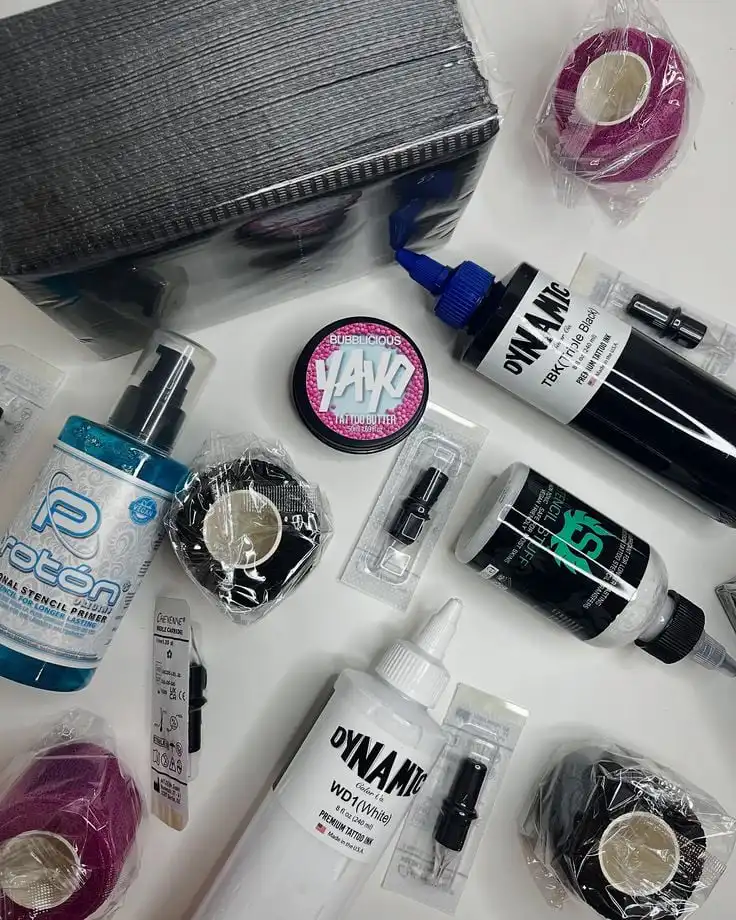
When you first look at tattoo equipment prices, it is easy to think in terms of one machine and one ink set. In reality, you should also plan for:
- Ongoing needle and cartridge purchases, around $16.99 to nearly $39 a box from places like True Tattoo Supply (True Tattoo Supply)
- Hygiene and safety gear, covers, barriers, cleaning solutions
- Aftercare products like Hustle Butter
- Stencil printers, stencil paper, and transfer paper for consistent designs (Reddit)
Once you add those in, you understand the real cost of setting up a safe, responsible tattoo workstation, not just the sticker price of the machine.
You do not have to buy the most expensive setup to do good work. You do need gear that matches your level, respects your clients’ safety, and lets you focus on the art instead of fighting your tools. Start where you are, upgrade with intention, and let your skills, not just your equipment, be what blows people’s minds.
- 3shares
- Facebook0
- Pinterest0
- Twitter3
- Reddit0