Table of contents
- What I really mean by “tattoo gun”
- How much is a tattoo gun on average?
- Beginner budget: What you get at $50 to $150
- Stepping up: Mid‑range machines around $150 to $500
- Pro‑level: When machines cost $500 to $1,300+
- Coils vs rotary vs wireless pens
- The real cost: Everything besides the machine
- How I would choose at each budget
- How long good machines actually last
- My buying checklist before I spend a dollar
- FAQs about tattoo machine prices
What I really mean by “tattoo gun”
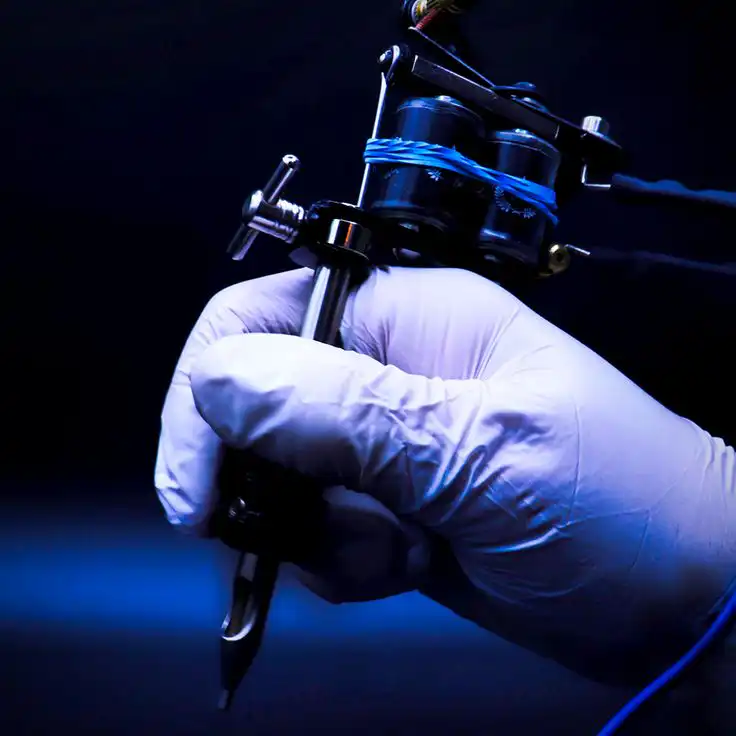
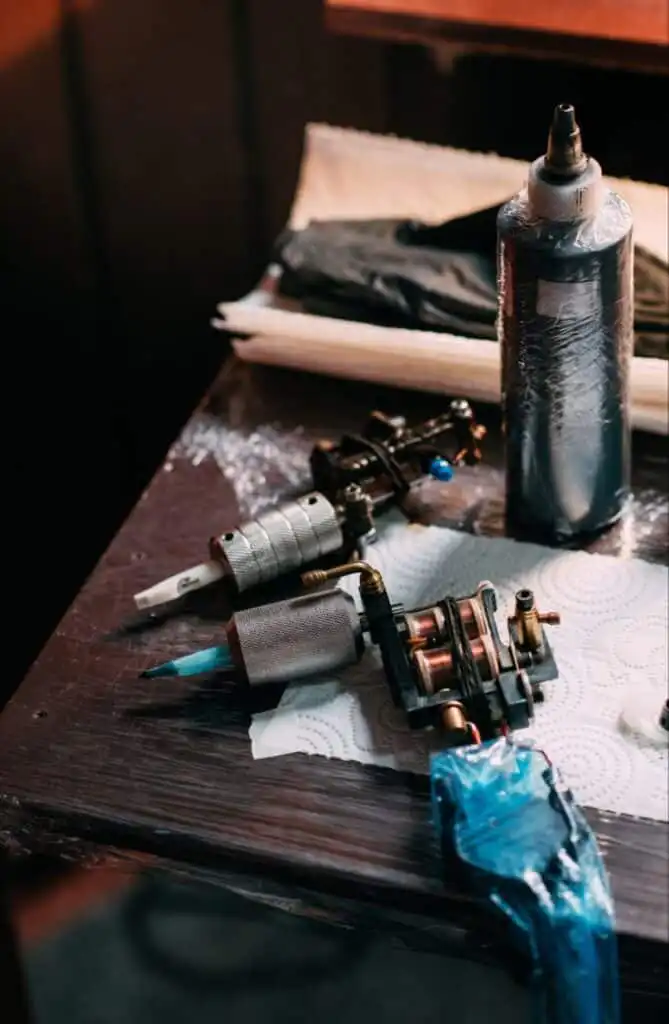
If you are searching for how much is a tattoo gun, I know what you are asking: how much money do you really need to get a proper tattoo machine that is not junk.
I will use the phrase “tattoo gun” here because it is what most beginners type into Google. In the professional world we call it a tattoo machine. Suppliers like Kingpin Tattoo Supply are clear that “tattoo gun” sounds unprofessional and carries the wrong vibe for a craft built on control and care, not on anything weaponlike (Kingpin Tattoo Supply).
So when I say “tattoo gun” in this guide, I mean tattoo machine. Same hardware, better mindset.
How much is a tattoo gun on average?
Here is the short version of what I see in the current market.
Entry‑level / cheap kits
Around $50 to $150
Often sold as beginner kits on Amazon or budget brands, mentioned frequently in Reddit beginner threads (Reddit)
Serious beginner to mid‑range machines
Roughly $150 to $500
Brands like DragonHawk and Mast sit heavily in this zone with better build quality and performance (Dragonhawk Official Store, Reddit)
High‑end professional machines
About $300 to over $1,300 per machine, depending on brand, features and materials
That upper band is confirmed by Kingpin’s 2024 overview of professional machines and brands like Bishop, Cheyenne and FK Irons (Kingpin Tattoo Supply)
One big catch: the machine is not your only expense. I will walk through that in detail, but keep it in the back of your mind while you look at price tags.
Beginner budget: What you get at $50 to $150
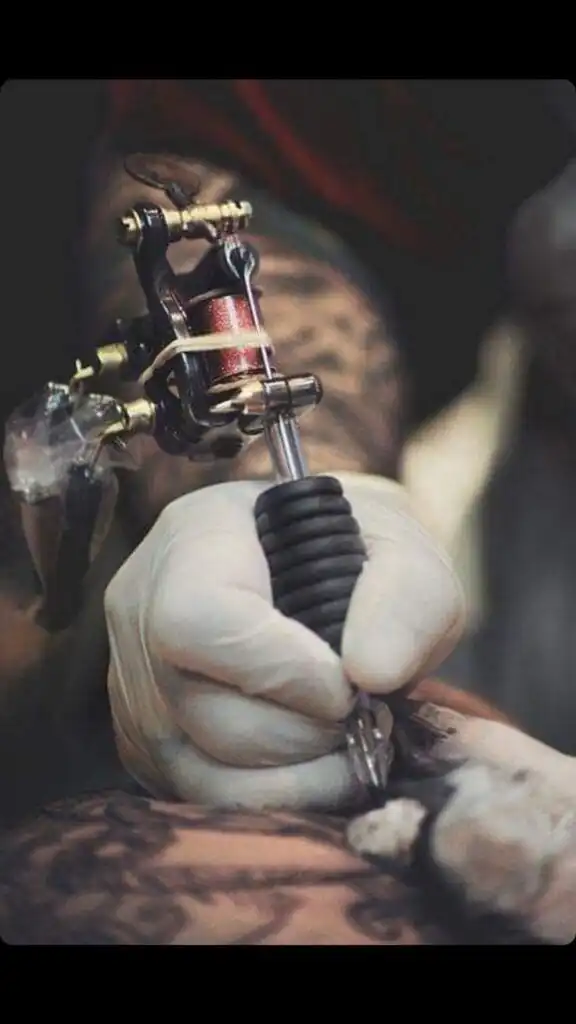
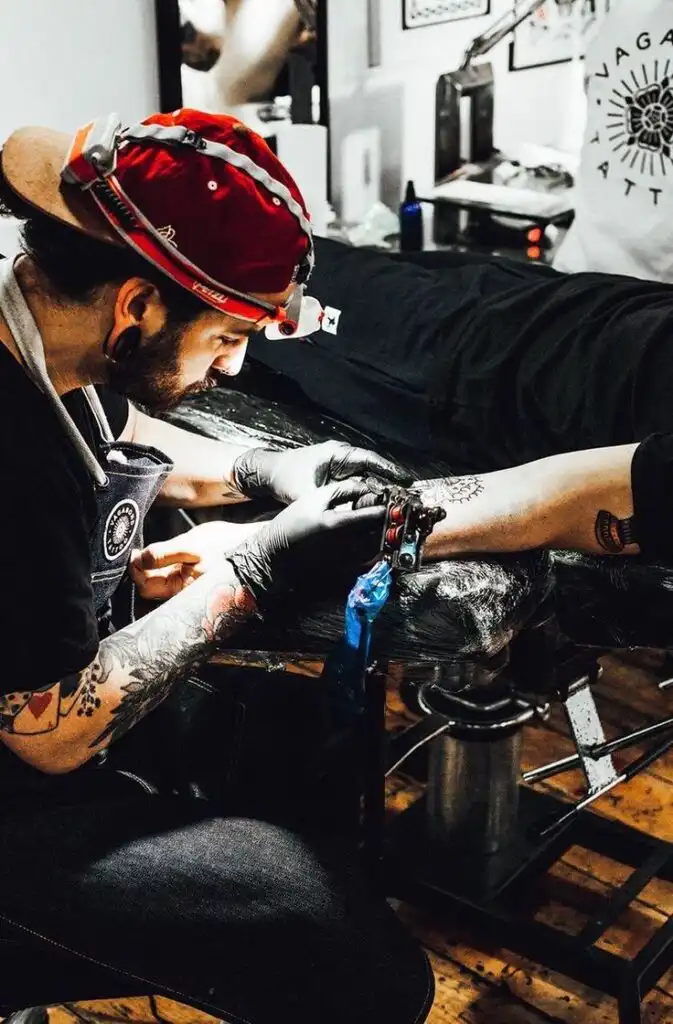
When people ask me “how much is a tattoo gun for a beginner,” this is usually the range they hope for. You can absolutely find machines in this bracket, but you need to be realistic about what you get.
What $50 really buys you
You can start around $50 with:
- Basic coil or rotary machines in cheap kits on Amazon
- Budget coil liners from manufacturers like DragonHawk, with some coil liner machines advertised from about $50 on their official store (Dragonhawk Official Store)
- Beginner kits that include a machine, practice needles and maybe tiny ink bottles
From what I see in Reddit beginner discussions, plenty of people start in the $50 to $100 range to get a feel for machines without committing big money (Reddit).
What you should expect at this level
In this bracket, I expect:
- Inconsistent quality control
Some great units, some that fail fast, some that hit poorly. - Limited support and warranty
If it breaks, it is often cheaper to replace than repair. - Basic performance
Fine for fake skin and very early practice, not what I would use on paying clients.
When I think this price range makes sense
This $50 to $150 zone is useful if:
- You are experimenting on fake skin only
- You want to learn machine handling while you focus mainly on drawing and fundamentals, which Reddit pros insist should come first (Reddit)
- You have a tight budget and would rather spend on practice materials than on a fancy machine
If your plan is serious tattooing and an apprenticeship, I treat this price range as temporary. It gets your hands moving, not your long‑term setup locked in.
Stepping up: Mid‑range machines around $150 to $500
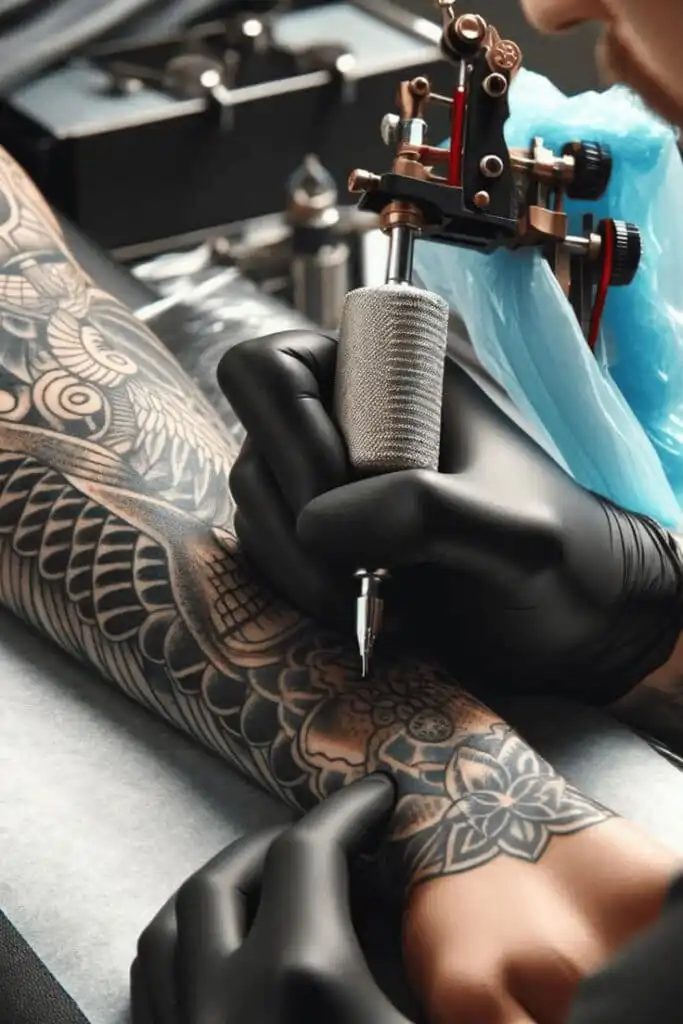
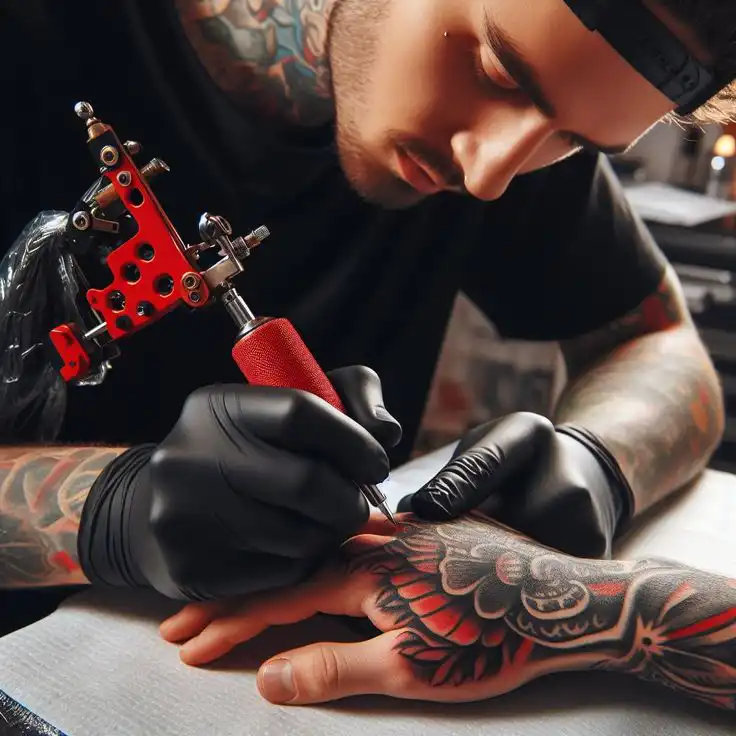
This is the range where I start to feel comfortable recommending real investments for someone moving from pure beginner into committed learner.
Typical prices and brands
From the research and what I see in shops:
- DragonHawk and Mast fill the $100 to $500 band with a ton of machines (Dragonhawk Official Store, Reddit)
- Mast machines are frequently praised in beginner subreddits as versatile and affordable. For instance, a Mast Flip machine discussed on Reddit was around $108 on Amazon at that time (Reddit)
- Wireless pen‑style machines with more features and variable stroke lengths start to show up around $200 to $300
Example: DragonHawk price spread
On DragonHawk’s own site you can see:
- Coil liner machines around $50 at the low end
- Rotary pen machines with wireless power supplies around $300, clearly aimed at professional use (Dragonhawk Official Store)
They also offer many wireless tattoo pen machines with different stroke lengths and features, designed to fit different tattooing styles and budgets in this band.
First‑time buyers on DragonHawk’s official store can also knock off a bit of the price with a 5% discount using coupon code vip2025 (Dragonhawk Official Store). It is not huge, but on a $300 machine every bit helps.
Why I like this range for serious beginners
Once you are under guidance from a mentor or apprenticeship, I think $150 to $500 is the realistic sweet spot:
- Materials and build quality improve noticeably
- You get better consistency in line work and shading
- Wireless systems and pen designs cut down on cord clutter and fatigue
- You can grow into the machine instead of replacing it in six months
I still recommend checking every purchase with your mentor. The Reddit community is very firm on this point: do not drop serious money on a high‑end machine without experienced advice, or you risk paying for features you do not need yet (Reddit).
Pro‑level: When machines cost $500 to $1,300+
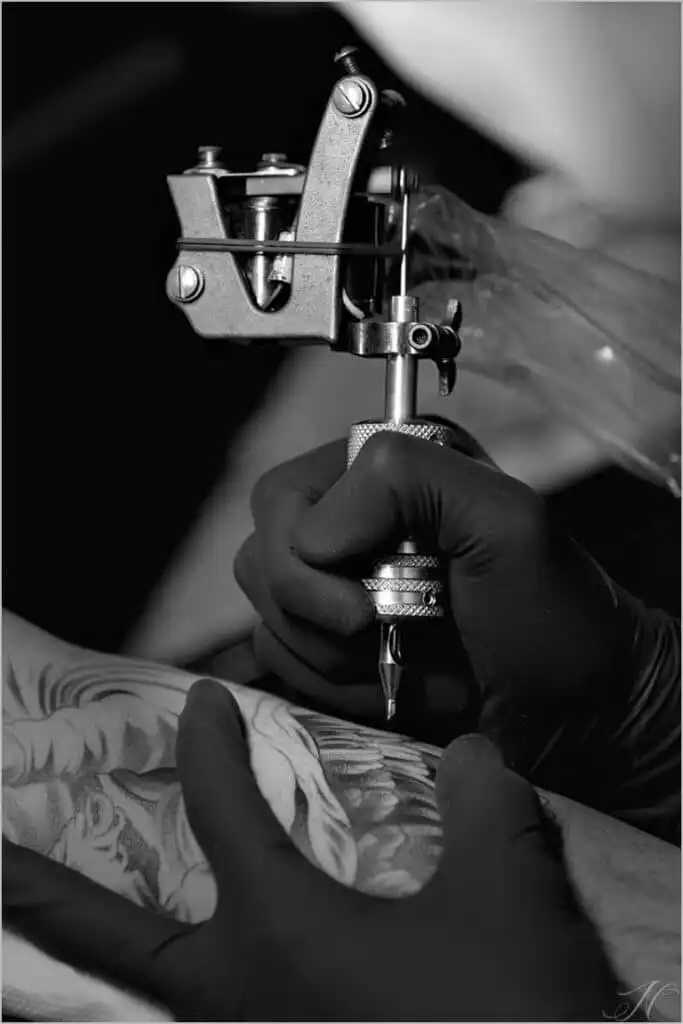
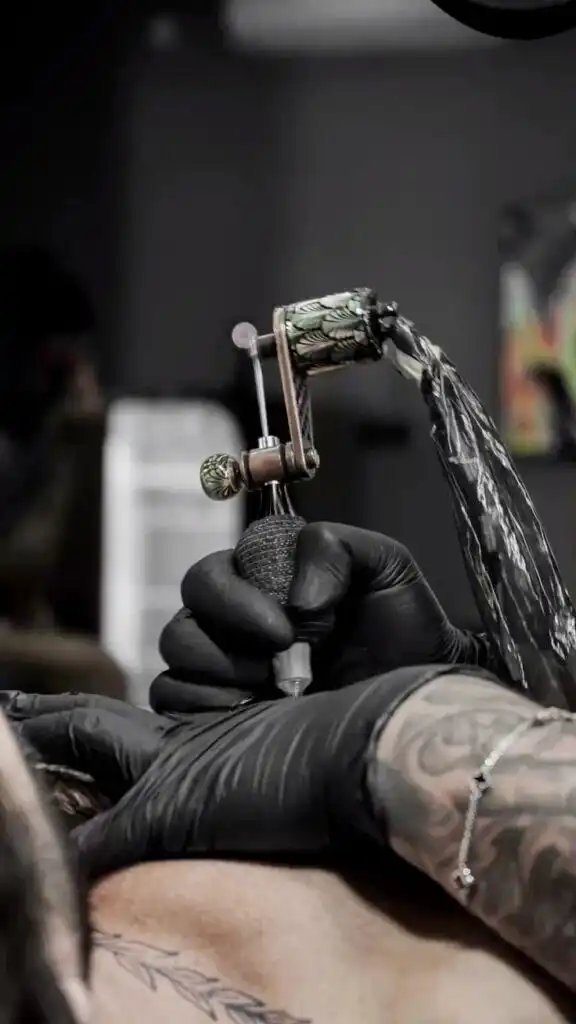
This is where the question “how much is a tattoo gun” shifts from “How cheap can I go” to “What is the right tool for my style, speed and volume.”
What top‑tier machines cost
According to Kingpin’s 2024 breakdown:
- High quality professional machines usually sit between $300 and over $1,300
- Price depends on brand, build, motor quality, features, and materials used (Kingpin Tattoo Supply)
Kingpin carries brands and models like:
- Bishop
- Critical
- Inkjecta
- Cheyenne
- FK Irons
- Their own Prime Pen and other branded machines
All of these run the gamut of coil, rotary, pen and custom designs (Kingpin Tattoo Supply).
What you are paying for at this level
In this bracket, I expect:
- Extremely consistent hit and stroke
- Refined ergonomics and balance for long sessions
- Powerful but smooth motors, especially on wireless pens
- Reliable long‑term performance, which Kingpin notes can last several years with proper maintenance (Kingpin Tattoo Supply)
At this point your machine choice is not about “Can it work” but “Does it fit my rhythm and technique perfectly.”
Should a beginner ever buy in this range
I rarely suggest that. The Reddit community is blunt:
- Professional‑grade machines are significantly more expensive
- Apprentices are usually told to wait for mentor guidance before buying anything in that bracket (Reddit)
Until you can clearly describe your style and needs, dropping $800 on a flagship machine is more of a flex than a smart move.
Coils vs rotary vs wireless pens
Price is only half the story. The type of machine shapes both your budget and how you learn.
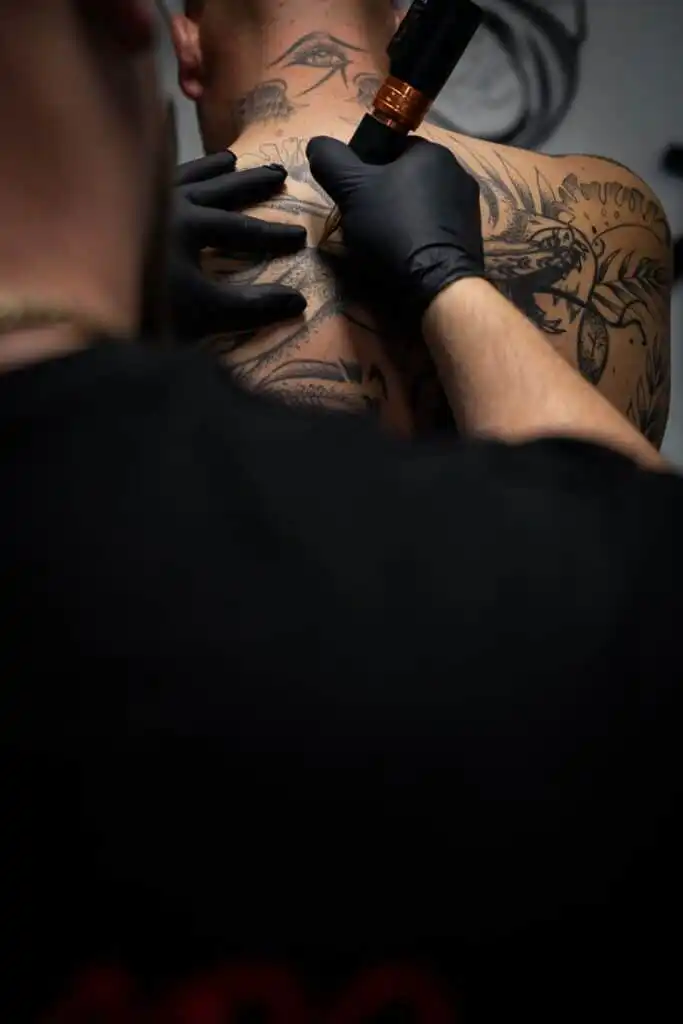
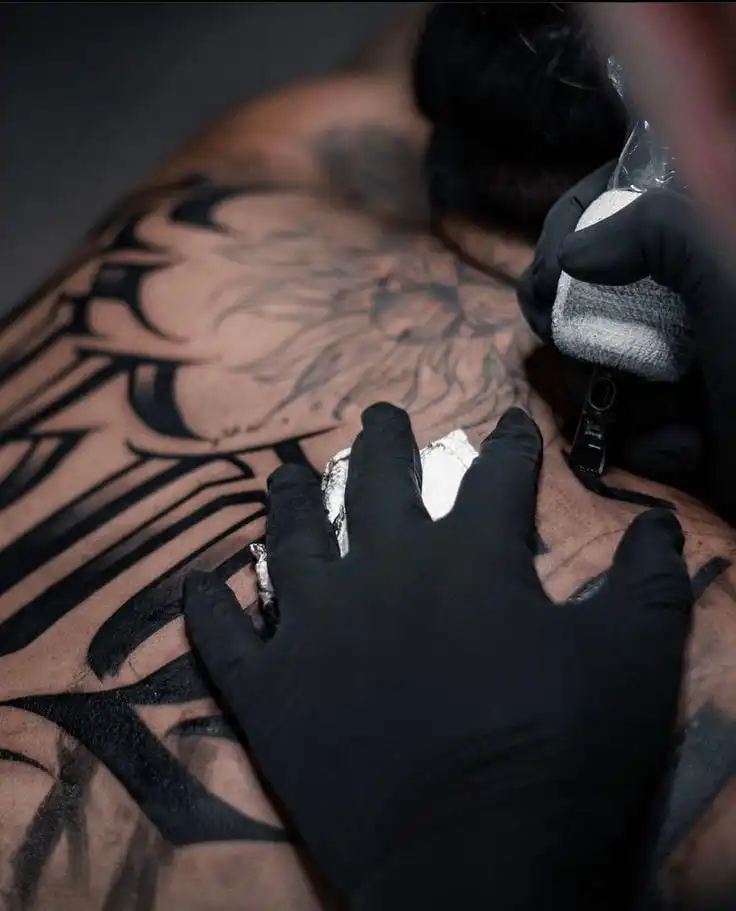
Coil machines
- Often a little cheaper at the entry level
- More traditional feel, heavier, with a distinctive sound
- Many experienced artists like coils for versatility and the way they hit
Suppliers like Kingpin point out that experienced artists may favor coils, but for beginners they are often not the easiest path (Kingpin Tattoo Supply).
Rotary machines
- Generally quieter and smoother
- Simpler mechanics, which usually means fewer things to adjust
- Frequently recommended as a better choice for beginners because they are easier to handle and maintain
Kingpin explicitly recommends rotary tattoo machines for beginners (Kingpin Tattoo Supply).
Wireless pen‑style machines
- Essentially rotary machines built into pen‑shaped bodies
- Many mid‑range and pro‑level options are wireless, running off battery packs
- DragonHawk, for example, offers a wide range of wireless tattoo pen machines with different stroke lengths and features, plus rotary tattoo machine pens with wireless power supplies at around $300 for pro‑level models (Dragonhawk Official Store)
For a beginner, a wireless pen feels familiar if you draw a lot, and the cordless setup reduces clutter.
The real cost: Everything besides the machine
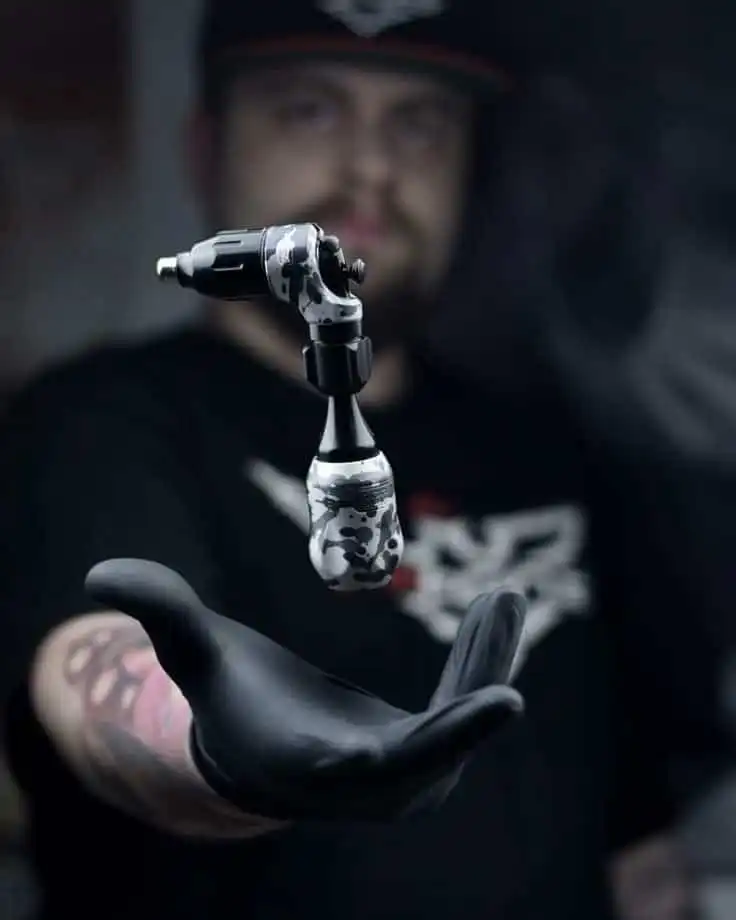
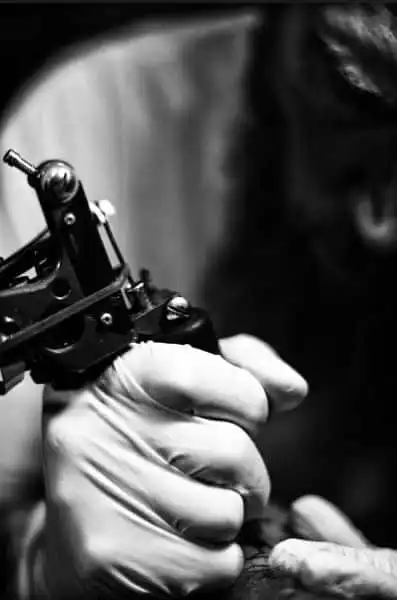
When someone asks me “how much is a tattoo gun,” I always add, “for the machine, or for the whole setup”
Reddit discussions make a key point: you must budget for supplies, not just the machine itself (Reddit, Reddit).
Common extra costs to plan for
You will likely need:
- Power supply (if your machine is not wireless)
- Clip cord and RCA cables
- Practice materials like fake skin
- Needles or cartridge needles
- Inks suitable for practice
- Stencil printer and stencil paper
- Transfer paper
- Grip tape or disposable grips
- Aftercare products
Some starter kits attempt to include everything, but the quality of supplies often matches the low price. I would rather see someone buy a decent mid‑range machine and then slowly add good‑quality consumables than rely on whatever the cheapest kit throws in.
How I would choose at each budget
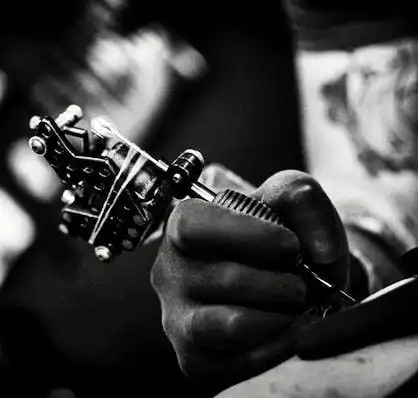
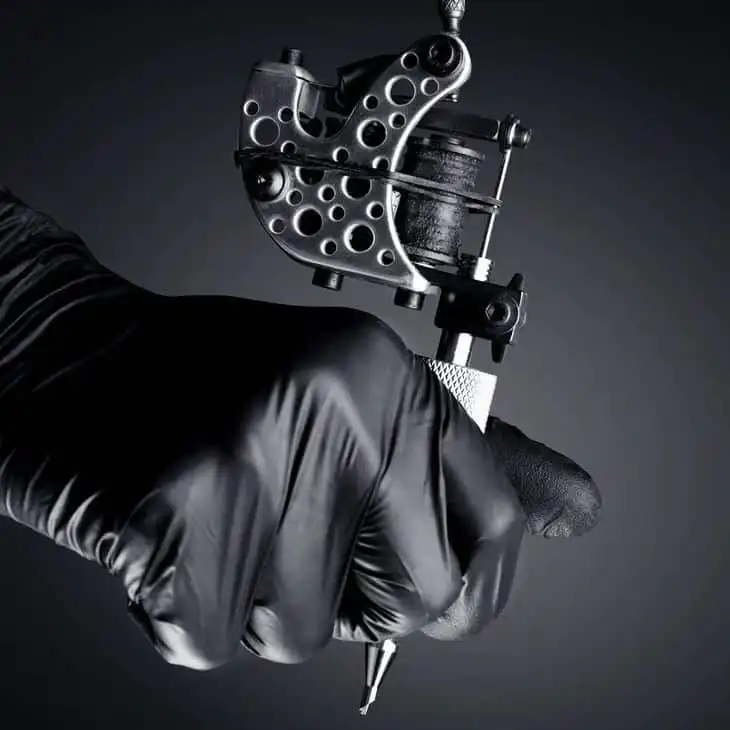
You are probably not buying a dozen machines at once, so here is how I would personally approach different budgets.
If I have around $100 total
My priority:
- A simple, reliable rotary or pen machine around $70 to $100
- Enough practice supplies to tattoo only on fake skin
This is the “taste test” stage. I do not overthink brand or features yet. I use this time to work on line control, shading, needle depth awareness, not to chase a perfect machine.
If I have $250 to $400
Now I am serious about an apprenticeship or guided learning. I aim for:
- A mid‑range rotary or wireless pen from a known brand like Mast or DragonHawk in the $150 to $300 area
- Good fake skin and cartridges
- A basic but decent power supply unless the machine is wireless
Since first‑time customers at DragonHawk’s site can use the vip2025 code for a 5% discount, I would factor that in if I am buying directly from them (Dragonhawk Official Store).
If I have $600 to $1,000+
At this point I should:
- Already have mentor guidance
- Have a strong sense of my style and preferred weight, balance and stroke
Then I would look at the pro catalogs on suppliers like Kingpin, where professional machines range from $300 to $1,300+ across brands like Bishop, Cheyenne, FK Irons, Prime Pen and more (Kingpin Tattoo Supply).
In this bracket, I am not buying to “start tattooing.” I am buying to refine my daily tool and rely on it for years.
How long good machines actually last
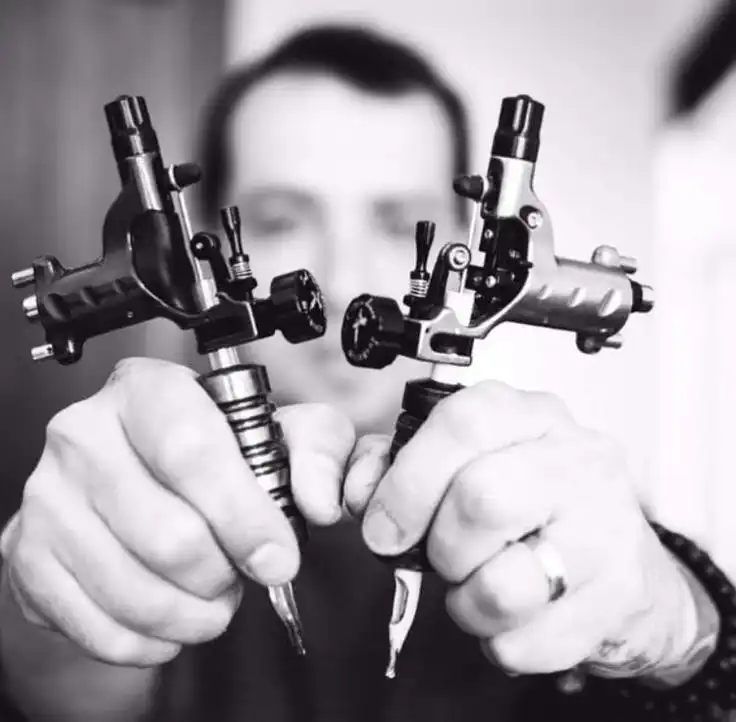
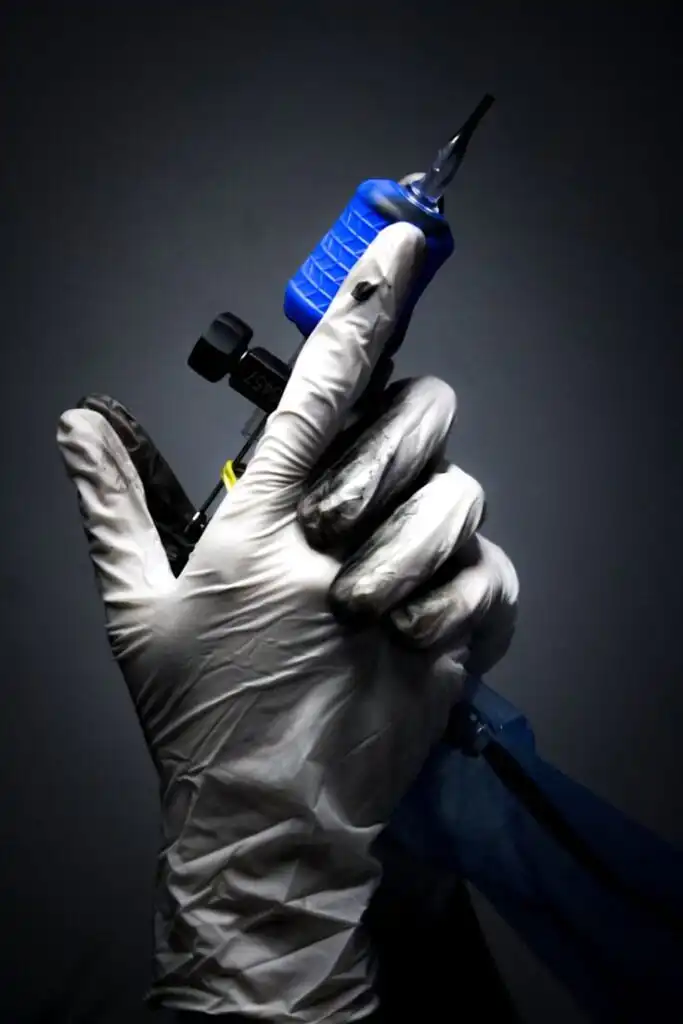
If you treat your gear well, the price spread I mentioned earlier begins to make sense.
Suppliers like Kingpin note that high quality wireless tattoo machines can last for several years with proper maintenance, especially if you follow manufacturer recommendations and clean and service them correctly (Kingpin Tattoo Supply).
If I spread a $900 machine over five years of heavy use, that is:
- $900 / 5 years = $180 per year
- That is less than many people spend annually on disposable supplies
So the upfront shock of a premium machine softens once you calculate long‑term cost per year or per client.
My buying checklist before I spend a dollar
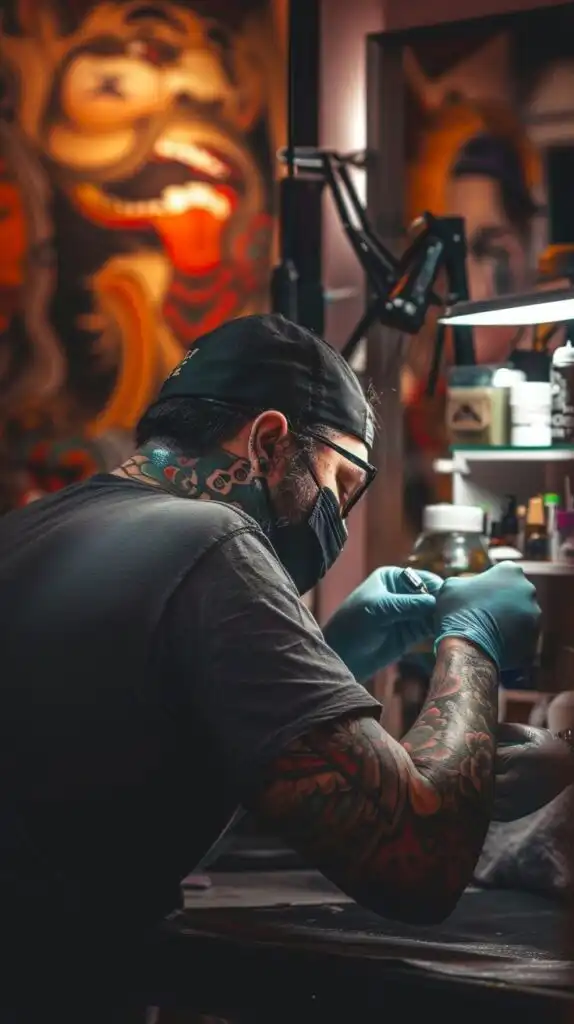
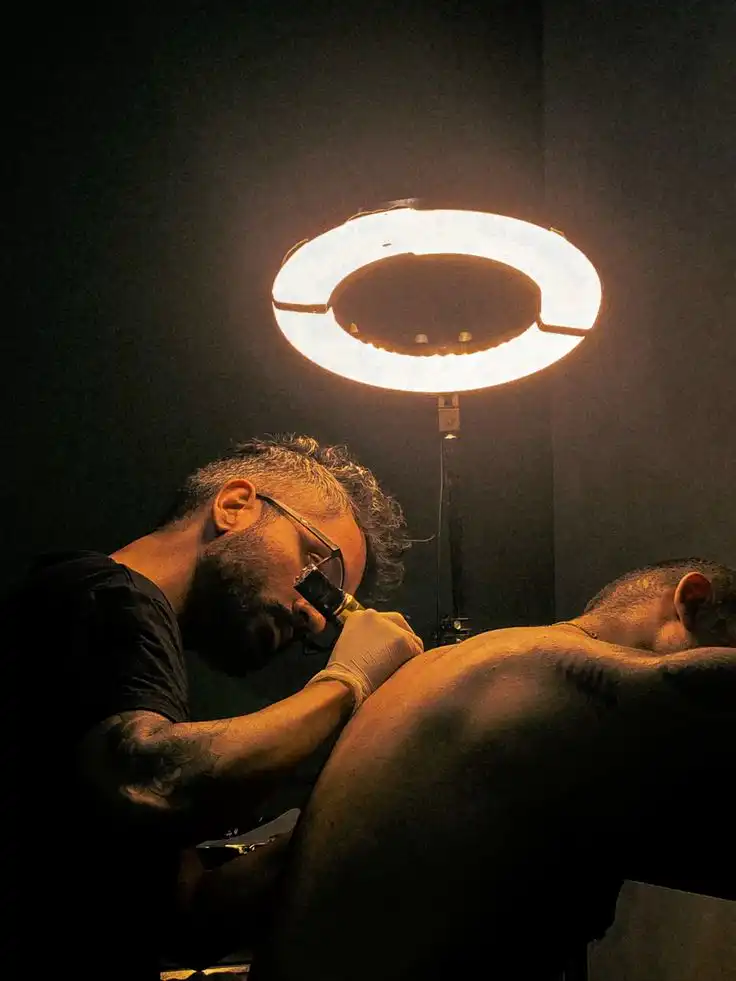
Before I click “buy,” I run through a simple list regardless of whether I am buying a $150 rotary or a $1,000 wireless pen.
1. Am I clear on why I am buying now
- Am I upgrading a limitation I actually feel
- Or am I trying to buy my way around practice
If it is the second one, I stop.
2. Have I talked to someone more experienced
- If I am an apprentice, did my mentor agree this is a good fit
- If I am self‑taught, have I at least cross‑checked opinions from working artists, not just marketers
Reddit threads stress this again and again: seek mentor guidance before sinking money into high‑end gear (Reddit).
3. Does my budget cover supplies too
I never spend every dollar on the machine. I keep room for:
- Fake skin
- Cartridges or needles
- Inks
- Sanitary disposables
A great machine with no safe supplies is useless.
4. Do I understand the machine type
- Coil vs rotary vs wireless pen
- Compatible grips, power options, and cartridges
Kingpin’s explanation of machine types and price bands is worth reading closely when deciding between rotary and coil designs (Kingpin Tattoo Supply).
5. Am I buying from a real source
For brands like DragonHawk and Mast, I look for:
- Official stores
- Reputable distributors like Kingpin
That keeps warranty, returns and product authenticity on my side.
FAQs about tattoo machine prices
1. How much is a tattoo gun for a complete beginner
For a true beginner working only on fake skin, a tattoo machine can cost as little as $50 to $150, especially in basic starter kits on platforms like Amazon (Reddit).
Just remember that the machine alone is not enough. You also need practice skin, cartridges or needles, ink and other supplies.
2. How much should I really budget to start tattooing
If you want a decent mid‑range setup instead of the cheapest kit, I would personally plan roughly:
- Around $150 to $300 for a reliable rotary or pen machine from a brand like Mast or DragonHawk
- Extra for power supply, fake skin, cartridges, inks, stencil materials and hygiene items
Reddit users often mention entry setups in the $130 to $160 range, but that figure usually grows once they add all the missing supplies (Reddit).
3. Why are some tattoo machines over $1,000
Professional machines from brands sold through suppliers like Kingpin can reach $1,300+ because of:
- Premium motors and electronics
- High quality materials and precise machining
- Wireless systems, advanced ergonomics and brand reputation
Kingpin’s catalog clearly illustrates this top‑tier range, especially around models like the Bishop Power Wand and Critical Torque (Kingpin Tattoo Supply). These tools are built for full‑time professional workloads.
4. Is it better to start with a cheap machine and upgrade later
For most people, yes. Many beginners on Reddit recommend starting with cheaper machines in the $50 to $100 zone, then upgrading once they know they are committed and have some technique under their belt (Reddit).
The key is to use that early gear only on fake skin and focus on fundamentals rather than expecting cheap hardware to carry your results.
5. Does a more expensive machine automatically make my tattoos better
No. A high‑end machine can support great work but it cannot replace fundamentals. The Reddit community is very clear that drawing skill, technique and proper training matter more than machine price, especially at the beginning (Reddit).
I treat good machines as amplifiers. They amplify your existing skills. If technique is weak, they amplify that too.
If you take one thing from this guide, let it be this: when you ask how much is a tattoo gun, think in terms of “What do I need for my current stage”, not just “What is the biggest machine I can afford.” Start simple, respect the craft, listen to mentors, and let your tools grow with your hands, not ahead of them.
- 32shares
- Facebook0
- Pinterest29
- Twitter3
- Reddit0