Dreaming of turning everyday objects into beautiful, functional products that make life easier and more exciting? Then you’re likely on the hunt for the best industrial design colleges. This journey is all about pairing your creative vision with practical skills, so you can thrive in fields like product development, user-centered design, and manufacturing. Below, you’ll find a step-by-step breakdown of how to identify the perfect industrial design program for your goals. Let’s dive in and map out your path toward a rewarding design career.
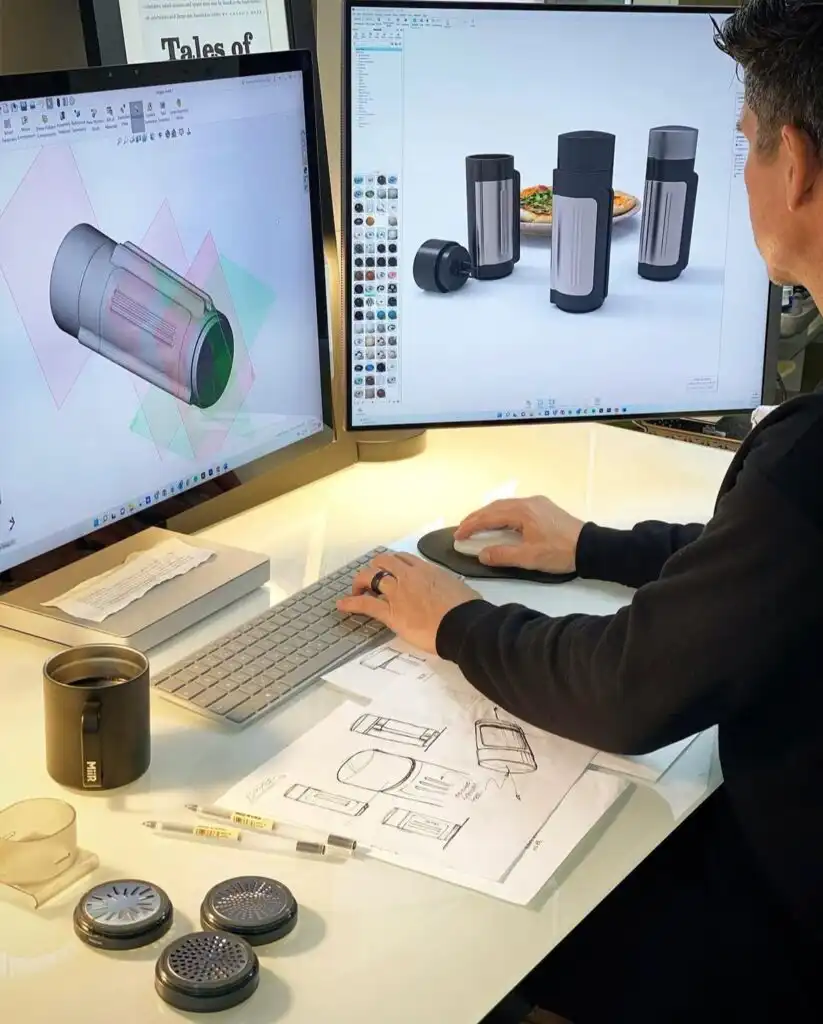

Clarify your design focus
Before exploring any campus tours or rankings, take a moment to define what “industrial design” means to you. Are you fascinated by consumer electronics? Are you drawn to sustainable furniture design? Or maybe you want to explore user experiences in automotive design? The clearer you are, the easier it is to spot a college that aligns with your dream outcomes.
- Write down your top interests. Perhaps you’re into wearables, automotive, medical devices, or home goods.
- Sketch out your career goals. Visualize where you’d like to work and what projects you’d love to create.
- Note any personal strengths. Do you excel at freehand drawing, 3D modeling, or brainstorming innovative materials?
When you know your passion points, you’ll be better equipped to read course offerings and see if a program’s core focus matches yours.
Defining program specializations
Not all industrial design (ID) degrees look the same. Some colleges might emphasize technical engineering, while others push creative arts or human-centered design.
- Technical angle: If you’re into the nuts and bolts of designing for large-scale production, prioritize schools that offer classes in manufacturing processes and engineering fundamentals.
- Creative arts foundation: If you crave a program steeped in conceptual and aesthetic development, look for robust studio courses in sketching, concept art, and product storytelling.
- User and research orientation: Love problem-solving with empathy? You might prefer a curriculum that includes design thinking, user testing, and iterative prototyping.
Once you lock in on a specific flavor of industrial design, you’ll be able to narrow your search and focus on schools that fit best.


Explore global rankings
Rankings aren’t the end-all, but they can give you a powerful snapshot of a school’s research output, faculty reputation, and overall academic strength. Understanding how these lists are created will help you weigh them appropriately.
How rankings are formed
Different ranking platforms analyze data in unique ways. For instance, EduRank’s 2025 list for Product and Industrial Design is based on more than 2.7 million citations drawn from 107,000 academic papers, reflecting the research impact of 949 universities worldwide. That approach highlights which institutions are pushing innovation in the field. (EduRank)
Similarly, The Art Career Project compiles its own analyses by looking at factors like curriculum breadth, faculty accomplishments, and industry connections. And on Niche, student feedback merges with acceptance rates, net costs, and test scores to rank various degree programs. All these methods serve different audiences, so it’s wise to look at more than one.
Leading names in global lists


EduRank’s 2025 global rankings name five heavy hitters:
- Massachusetts Institute of Technology (MIT)
- Delft University of Technology (Netherlands)
- University of Michigan – Ann Arbor (USA)
- Stanford University (USA)
- Pennsylvania State University (USA)
At the top of EduRank’s list, MIT stands out for its massive research performance, including a major citation count. (EduRank) Delft University of Technology, meanwhile, is well-known for innovation in product and architectural design. The University of Michigan – Ann Arbor has robust engineering and design synergy. Stanford thrives on tech collaborations, and Penn State has a presence in interdisciplinary design.
Digging into methodology
Rankings often weigh publication volume and impact, but you might not be aiming to become a research scholar. If you plan to jump directly into product development or user-experience design, also check other factors, like studio facilities, internship placements, and alumni success stories. Use rankings as a starting point for your deeper investigation, not as the sole decider.
Compare top programs


Once you’ve scoped out global lists, it’s time to dig deeper into specific schools that resonate with you. Are you leaning more toward a major research powerhouse, or do you want a more intimate setting with smaller class sizes? Let’s see what each type can offer.
Research-driven institutions
- Massachusetts Institute of Technology (MIT). Dubbed the #1 in Product and Industrial Design research for 2025. Media labs, cutting-edge tech, entrepreneurial culture. You’ll find interdisciplinary projects bridging engineering, design, and even AI.
- Stanford University. Known for small faculty-to-student ratios (around 6:1) and generous research funding (over $6.5 million annually for undergraduates). (College Transitions) Students often collaborate with top tech firms like Google or OpenAI for prototypes.
Balanced research and teaching
- Georgia Institute of Technology. Offers a larger student-to-faculty ratio (18:1). Even so, 52% of students study abroad, which can give you global design perspectives. Recent grads have a median salary of $84,000, often landing roles at Amazon and Google. (College Transitions)
- University of Illinois at Urbana-Champaign. With a 20:1 ratio, it’s more on the large side, but 40% undergrads participate in research. A good fit if you want to combine your creative energy with rigorous academic exposure. About 91% of grads report positive outcomes within six months. (College Transitions)
Specialized arts-focused schools

- Rhode Island School of Design (RISD). Known for its robust arts and design pedigree, with cross-access to Brown University for interdisciplinary electives. A prime choice if your imagination thrives in a fine-arts environment.
- ArtCenter College of Design. Revered for automotive and consumer product design degrees. Emphasizes real-world critiques, a strong professional network, and a portfolio-driven approach.
By stacking up these kinds of details, you can see how each program’s DNA might fit your own ambitions.
Assess cost factors
College finances can impact you for years to come. You’ll want to find the sweet spot between academic excellence and affordability, so you can graduate with less debt. Let’s look at some of the metrics used to gauge value.


Best value schools
College Factual highlights the best value product design schools in the Southeast for 2023. For families earning $75–$110k per year, they rank Georgia Institute of Technology – Main Campus #1, Appalachian State University #2, North Carolina State University #3, Virginia Tech #4, and Savannah College of Art and Design (SCAD) at #8. (College Factual)
What’s interesting here is how these schools balance tuition or net price with robust programming. For example:
- Georgia Institute of Technology in 2020–2021 had an approximate attendance cost of $17,557, a 0.9% default rate, and a retention rate of 97%.
- Appalachian State University had a cost of $18,770, a 3.6% default rate, and an 86% retention rate.
- Virginia Tech, with the highest quality ranking in that region, costs about $23,999, with an impressive 1.2% loan default rate.
Considering ROI
For industrial design grads, average salaries can range from $75,000 to $110,000, depending on region, role, and experience. (The Art Career Project) If you’re picking between a school with a higher net price vs. one that’s more affordable, look into their job placement rates. A program that lands you a job at a top tech company or a renowned design firm might justify heavier up-front costs.
Scholarships and funding
Most schools list scholarship opportunities, especially for art or design talents. You can also find merit awards for strong SAT/ACT scores, leadership roles, or portfolio excellence. If finances are a major concern, prioritize institutions with robust scholarship and grant offerings. Loans, though helpful, can rack up interest. When in doubt, dig deeper into each college’s financial aid page, attend webinars, and call admissions for clarity.
Review campus culture


Your day-to-day environment can shape your creativity and motivation. A campus buzzing with design events, diverse student orgs, and well-equipped labs might be the difference between a routine college experience and one that truly fuels your passion.
Student community
- Look for design clubs, hackathons, and local industry meetups. Your peers often become your first network, collaborating with you on projects that go beyond the standard curriculum.
- Check each college’s retention rate. A high rate (90%+ is great) means students are generally happy and engaged. If a campus has a low retention, investigate why.
Facilities and resources
- 3D printing shops, specialized wood and metal laboratories, virtual and augmented reality labs like Rochester Institute of Technology’s MAGIC Spell Studios (The Art Career Project) can supercharge your learning.
- Multifunctional studios for constant prototyping ensure you can iterate designs rapidly. California College of the Arts, for instance, focuses on sustainability and hands-on interdisciplinary projects. (The Art Career Project)
Creativity fueling campus life


Does the school host design exhibits or competitions? Do they invite industry speakers regularly? These events can expose you to big ideas, professional critiques, and networking opportunities. Even the environment of the city or town — from local technology hubs to arts scenes — can inform your design journey. For example, the University of Washington’s location near Seattle fosters strong connections with Amazon and Microsoft for collaborative projects. (The Art Career Project)
Investigate hands-on opportunities
Open labs and top-notch professors are fantastic, but you also need real-world immersion to become workforce-ready. Let’s look at the kind of practical experiences you might seek.
Internships and co-ops
Drexel University is known for its cooperative education approach. Their 9:1 student-to-faculty ratio ensures you get guidance, and about 900 students study abroad every year. (College Transitions) Co-ops can put you side by side with professionals, build your confidence, and help you see how a product moves from concept to shelf.
Alumni networking
- Carnegie Mellon University grads reportedly have an average starting salary of $124,107, with many heading to companies like Google or Microsoft. (College Transitions) That kind of alumni base can open doors if you’re aiming for top-tier roles.
- Target schools that track and share alumni success. Where are graduates working? How often do they come back for guest lectures or portfolio reviews?
Undergraduate research


If you see yourself exploring cutting-edge design topics, join labs or research groups. At Georgia Institute of Technology, many undergraduates collaborate with faculty or leading corporations on design solutions. This synergy hones your problem-solving instincts and might even lead to a published paper or a patent.
Create your shortlist
Now that you’ve compared rankings, finances, campus culture, and hands-on possibilities, it’s time to make a shortlist of about three to seven schools that fit your criteria.
- Gather your essential data. Compile acceptance rates, tuition costs, and any personal notes.
- Assess intangible factors. Reflect on each school’s vibe: Are you craving an urban setting or a serene campus?
- Line up any unique must-haves. For instance, maybe you want a low student-to-faculty ratio. Or an advanced 3D printing studio.
- Rank them by personal preference. You might classify them as “dream,” “target,” and “safe” schools.
It’s helpful to keep a spreadsheet or simple chart of all these details. This clarity cuts through decision fatigue when it’s time to finalize your applications.
Sample comparison table
Below is a fictional example of how you might structure your data. Actual stats can come from the references mentioned above.
| College | Acceptance Rate | Net Price | Key Strength | Retention Rate |
|---|---|---|---|---|
| Georgia Tech | 16% | ~$15,901 | Research & internships | 97% |
| University of Washington | 56% | ~$11,000 | Tech collaborations (Amazon) | 94% |
| Virginia Tech | 57% | ~$22,205 | High teaching quality | 93% |
| Carnegie Mellon University | 17% | ~$36,000 | Small class sizes | 96% |
You could add columns for co-op programs, location, or starting salaries to capture an even better overview.
Move toward enrollment


With a shortlist in hand, direct your energy toward the application process. This is where your portfolio, test scores, and personal statement all come into play.
Portfolio prep
For industrial design programs, a high-quality portfolio can tip the scales in your favor, sometimes even more than grades or standardized test scores. Include:
- A variety of creative samples: from sketches to 3D renderings.
- Work that shows design thinking: concept sketches, user research, iterative prototypes, and final products.
- Your personal style. Let your unique viewpoint shine. If you have a flair for minimalism or a love of bright color, let that be clear.
Entrance exams and GPAs
Some top-tier schools have selective acceptance rates. Carnegie Mellon, for example, can be quite competitive, with a 6:1 student-to-faculty ratio, a sign that you’ll receive ample mentorship if accepted. (College Transitions) Aim to meet or exceed the average test scores posted on admissions pages. This signals you’ll thrive in a demanding environment.
Essays and recommendation letters

Stay authentic. Use your essay to illustrate what sparked your interest in design, how you approach solving problems, and why the world needs your creativity. For recommendations, pick teachers or mentors who can speak to both your technical acumen and your creative drive.
Frequently asked questions
How important are rankings when choosing a design program?
Rankings offer a broad view of a school’s reputation and research impact. That said, they’re not the only factor. Focus on program fit, hands-on opportunities, and cost to ensure you thrive personally and professionally.What sort of portfolio do I need for industrial design?
Most colleges want to see your process, from initial concept sketches to refined prototypes. Include a mix of mediums, whether that’s hand-drawn renderings, digital designs, CAD models, or real-life prototypes. Always highlight your design thinking.Do I need a master’s degree in industrial design to succeed?
Not necessarily. A bachelor’s degree may be enough for entry-level roles, especially if your portfolio is strong. A master’s degree can help if you’re eyeing advanced research, leadership positions, or specialized niches.What are industrial design salaries like?
According to data gathered in 2024, industrial designers can earn median salaries between $75,000 and $110,000, depending on your region, company, and years of experience. (The Art Career Project) Top graduates from places like Carnegie Mellon can earn even more.How do I know if a school’s environment is right for me?
Visiting the campus is the best way to gauge vibe and resources. If that’s not possible, explore virtual tours, speak with current students or faculty, and follow design clubs or student-led events on social media.
Ready to embark on your industrial design journey? Your next step is to flesh out that shortlist, tighten up your portfolio, and send those applications. The best industrial design colleges aren’t just about big names — they’re about synergy with your goals, your budget, and the kind of designer you dream of becoming. With these steps, you’re well on your way to choosing a school that can jump-start your creative future. Good luck, and keep sketching!
- 428shares
- Facebook0
- Pinterest428
- Twitter0
- Reddit0