Home baking transforms your kitchen into a creative space where simple ingredients become delicious treats that bring joy to your table. Whether you’re drawn to the comforting aroma of fresh bread, the satisfaction of decorating a homemade cake, or the simple pleasure of warm cookies, baking at home offers something for everyone. You don’t need professional equipment or years of experience to start creating memorable baked goods.
Home baking is accessible to anyone willing to learn basic techniques, follow reliable recipes, and practice fundamental skills that build confidence in the kitchen. Starting with straightforward recipes that have short ingredient lists helps you develop your abilities without feeling overwhelmed. As you gain experience, you’ll naturally progress to more complex projects and discover your own baking preferences.
The home baking community offers endless resources to support your journey, from tested recipes and troubleshooting guides to educational content that explains the science behind successful baking. You’ll find that each baking session teaches you something new, whether it’s understanding how ingredients interact or perfecting techniques that seemed challenging at first. The combination of creativity, practical skills, and the reward of sharing homemade treats makes home baking a fulfilling activity worth exploring.
Key Takeaways
- Home baking is accessible to beginners through simple recipes and foundational techniques that anyone can learn
- Practice with basic skills builds confidence and prepares you for more creative and specialty baking projects
- A supportive community and abundant educational resources help home bakers improve their skills and discover new recipes
Getting Started With Home Baking
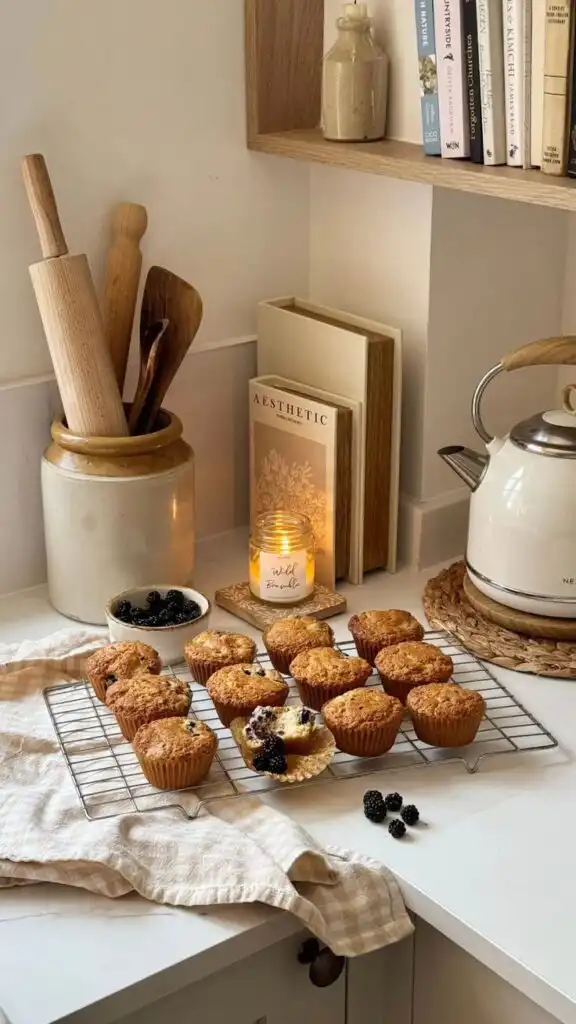
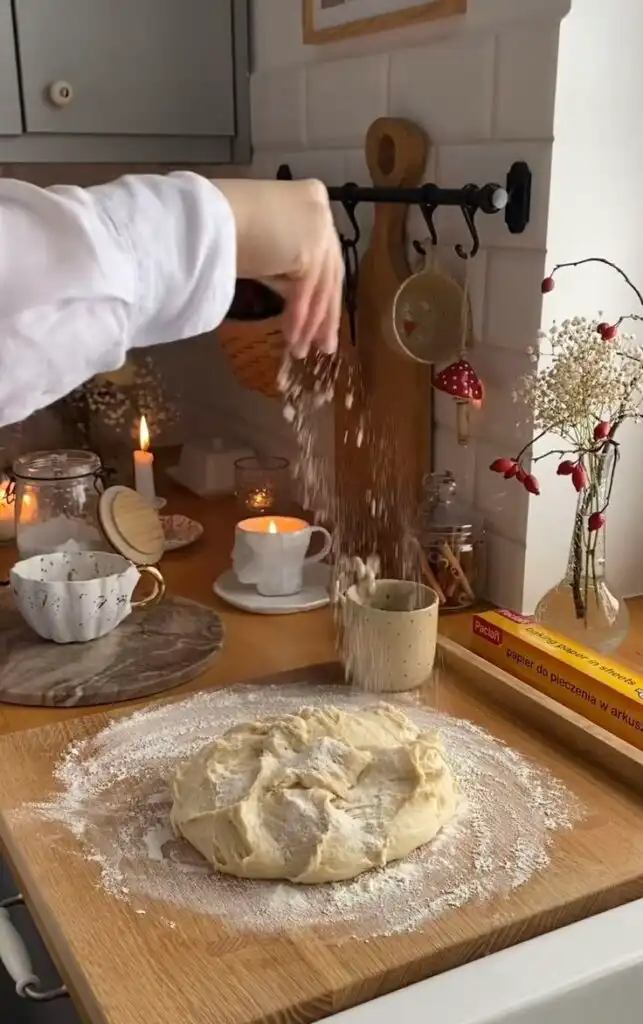
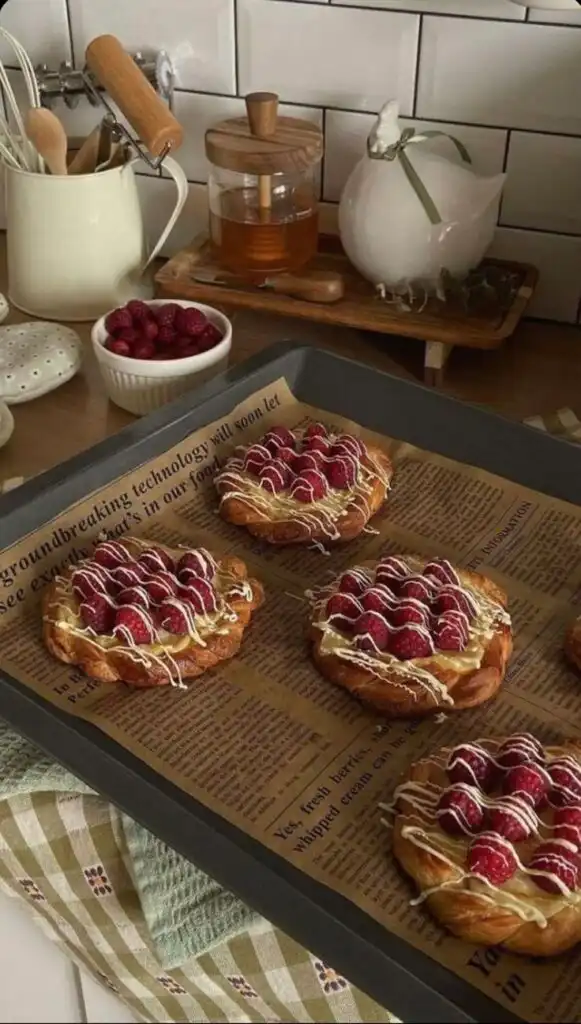
Home baking requires specific tools, quality ingredients, and proven techniques to achieve consistent results. Understanding these fundamentals will help you create everything from simple cookies to elaborate cakes with confidence.
Essential Tools and Equipment
You don’t need to fill your kitchen with expensive gadgets to start baking at home. A few key items will cover most recipes you’ll encounter.
Measuring tools are non-negotiable for baking success. You’ll need measuring cups for dry ingredients, a liquid measuring cup with a spout, and measuring spoons. A kitchen scale provides even more accuracy, especially for flour.
Mixing equipment includes at least two mixing bowls in different sizes, a whisk, wooden spoons, and a rubber spatula. A hand mixer makes quick work of batters and doughs, though you can mix by hand when starting out.
Baking pans form your foundation. Start with a 9×13-inch rectangular pan, two 9-inch round cake pans, a muffin tin, and two baking sheets. Choose light-colored metal pans for even browning.
You’ll also need parchment paper for easy release, a cooling rack, an oven thermometer to verify your oven’s accuracy, and a timer. These basics will support most baking 101 recipes you want to try.
Understanding Basic Ingredients
Flour provides structure in baked goods. All-purpose flour works for most recipes, while cake flour creates lighter textures and bread flour adds strength to yeast doughs.
Sugar does more than sweeten. It tenderizes baked goods, helps them brown, and retains moisture. Granulated sugar is your everyday staple, while brown sugar adds molasses flavor and extra moisture.
Leavening agents make baked goods rise. Baking powder contains both acid and base, activating when moistened and heated. Baking soda requires an acidic ingredient like buttermilk or yogurt to work. Always check expiration dates since old leaveners lose potency.
Salt enhances flavors and strengthens gluten structure. Even sweet recipes need a pinch to balance flavors.
Fats like butter add flavor and tenderness. Use unsalted butter so you control the salt level. Eggs bind ingredients, add moisture, and contribute to structure. Milk and other liquids hydrate dry ingredients and create the right consistency.
Store ingredients properly to maintain freshness. Keep flour and sugar in airtight containers, refrigerate whole grain flours, and bring cold ingredients to room temperature before mixing.
Foundations of Baking: Techniques and Skills
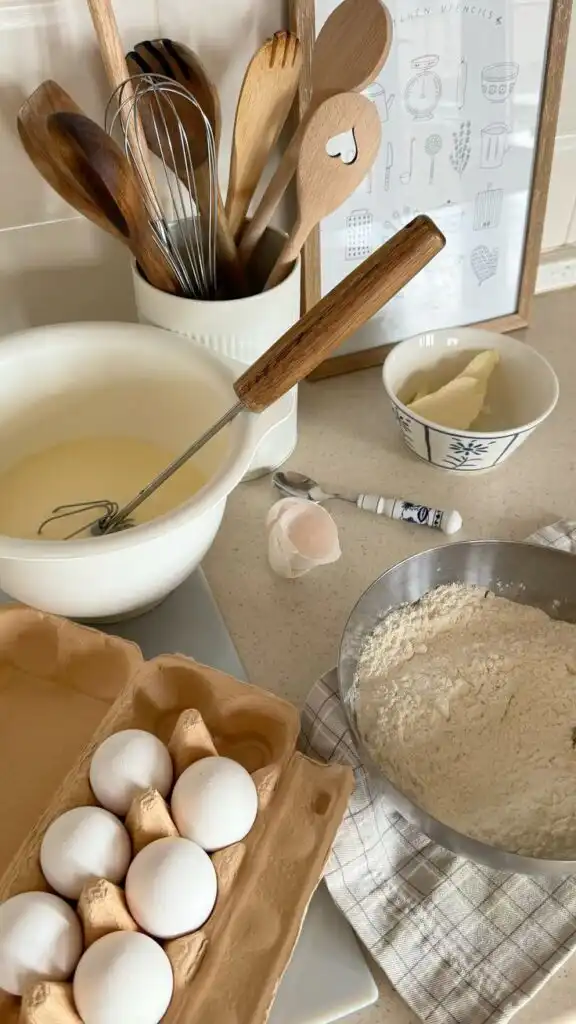
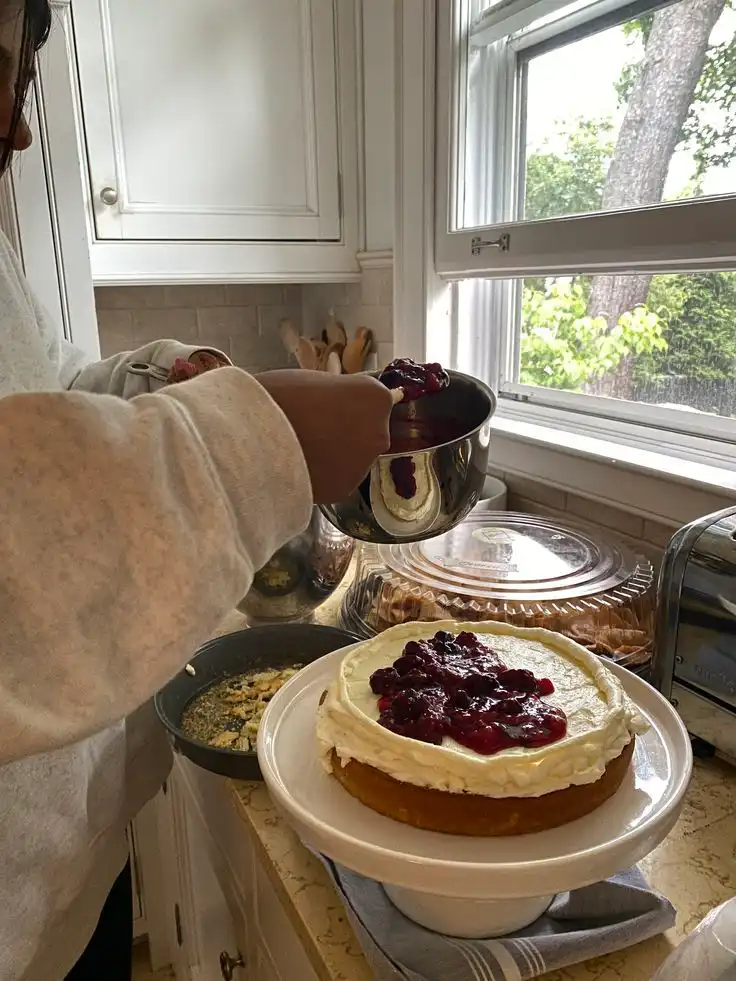
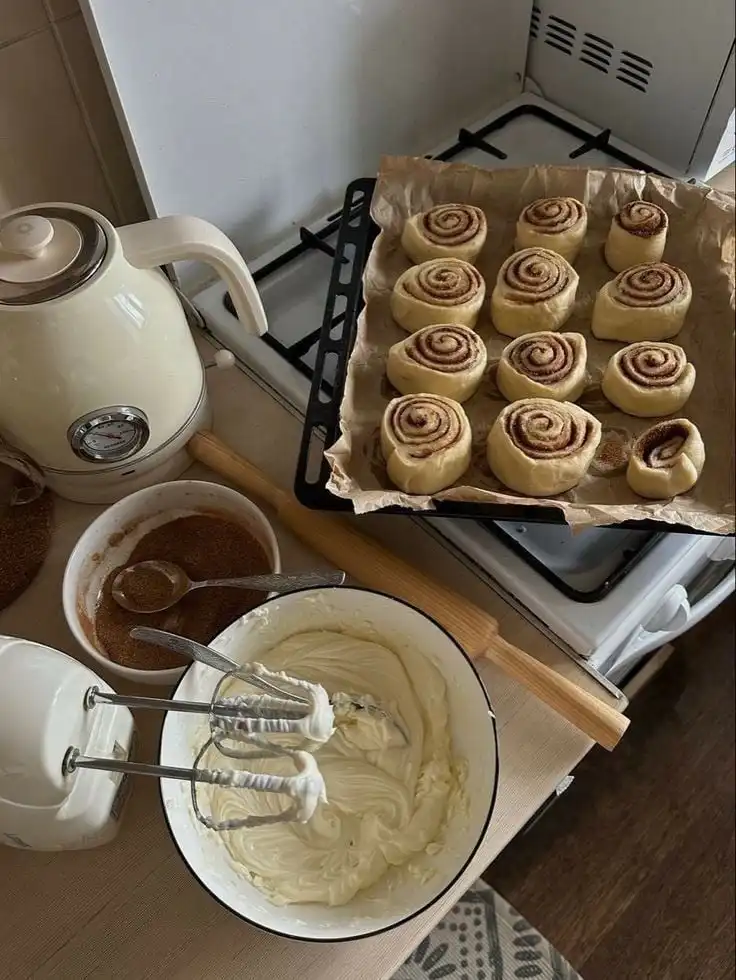
Precision in measuring, proper mixing techniques, and understanding your oven are the three pillars that separate successful bakes from disappointing ones. These fundamental skills form the backbone of baking at home and give you control over your results.
Measuring Ingredients Accurately
Baking requires exact measurements because the ratios between ingredients create specific chemical reactions. Use measuring cups designed for dry ingredients and liquid measuring cups with spouts for wet ingredients. Always level off dry ingredients with a straight edge rather than scooping directly from the container, which compacts them and adds extra volume.
A kitchen scale provides the most accurate measurements and eliminates guesswork. Weighing ingredients in grams ensures consistency across batches and recipes. When you measure flour by weight instead of volume, you avoid adding up to 25% more flour than needed, which leads to dense, dry baked goods.
Key measuring practices:
- Spoon flour into measuring cups instead of scooping
- Measure liquids at eye level on a flat surface
- Pack brown sugar firmly but don’t compress white sugar
- Use nested measuring spoons for small quantities
Mixing Methods Explained
Different mixing methods affect the texture and structure of your final product. The creaming method beats butter and sugar together to incorporate air, creating light cakes and cookies. Beat them until the mixture turns pale and fluffy, usually 3-5 minutes.
The muffin method combines dry and wet ingredients separately, then gently folds them together with minimal stirring. This technique prevents gluten development and keeps muffins, quick breads, and pancakes tender. Stop mixing as soon as the flour disappears, even if small lumps remain.
The folding technique preserves air bubbles in delicate batters. Cut down through the center of the mixture with a spatula, sweep across the bottom, and bring it up the side in a circular motion. Rotate the bowl a quarter turn and repeat until ingredients combine without deflating the batter.
Oven Use and Temperature Control
Your oven’s actual temperature often differs from the dial setting by 25-50 degrees. Buy an oven thermometer and check the real temperature before you start baking 101 projects. Preheat for at least 15-20 minutes to ensure even heat distribution throughout the cavity.
Position your racks before heating the oven. The center rack provides the most even heat for most baked goods. Place items in the center of the rack with at least two inches of space around them for proper air circulation.
Avoid opening the oven door during the first half of baking time, as temperature drops can cause cakes to sink and affect rising. If you need to rotate pans for even browning, do it quickly during the final third of baking time. Dark pans absorb more heat than light-colored ones, so reduce the temperature by 25 degrees when using them.
Popular Home Baking Recipes
Home bakers rely on a core collection of recipes that deliver consistent results with accessible ingredients. The most popular categories include bread recipes that range from simple loaves to artisan styles, cookie recipes that satisfy every preference from chewy to crisp, and dessert recipes that require minimal equipment.
Bread Recipes for Every Baker
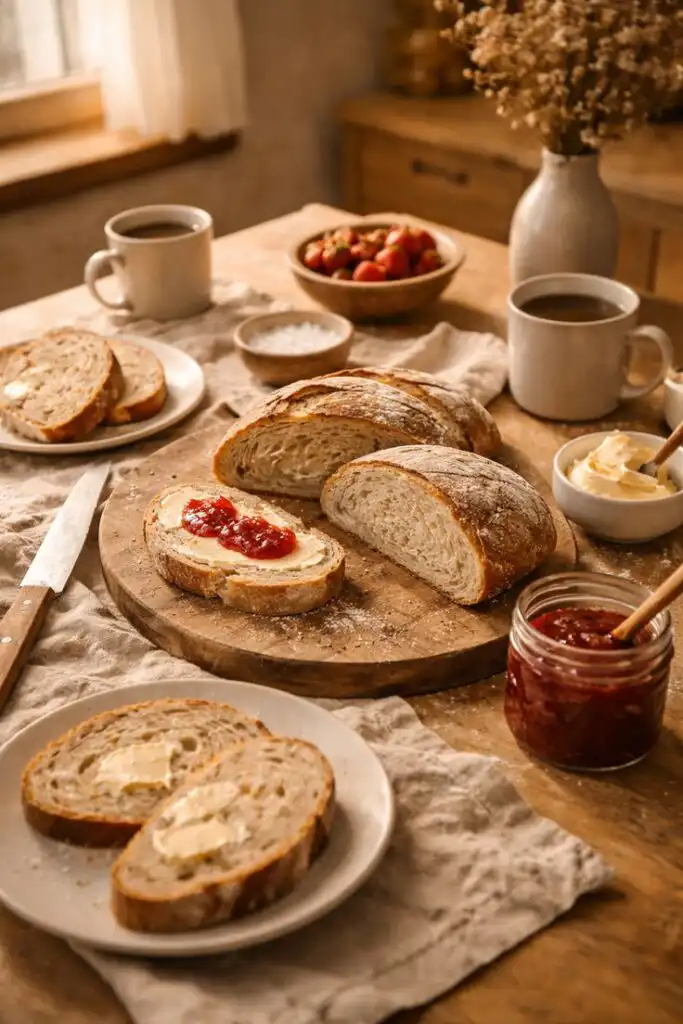
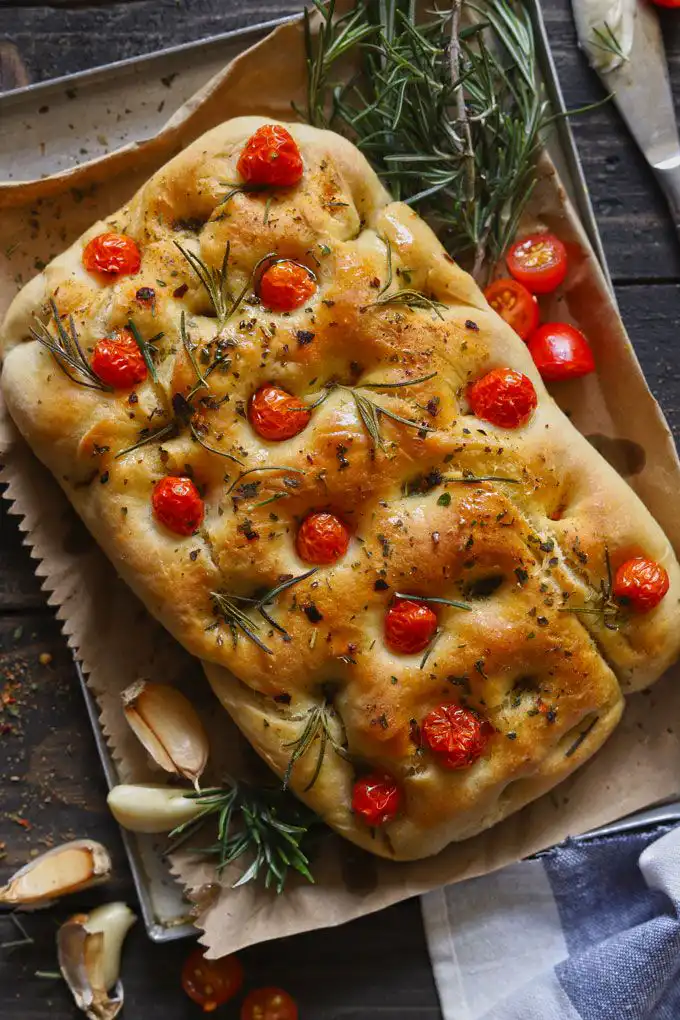
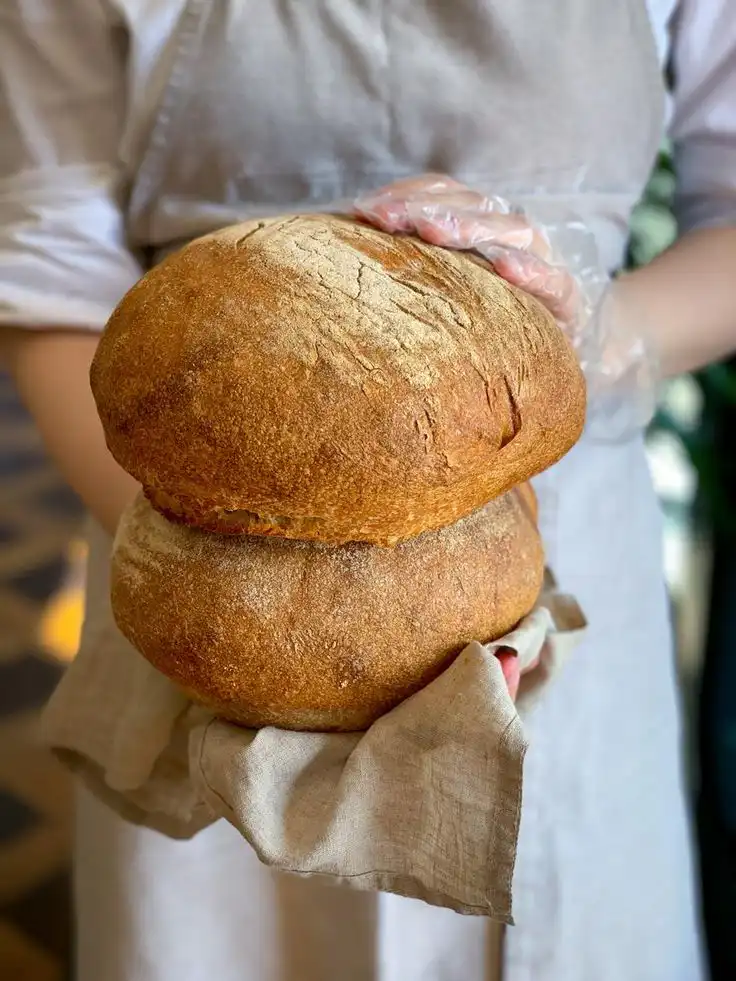
Bread baking has become increasingly accessible for home kitchens. You can start with basic recipes like sandwich loaves or dinner rolls that use simple ingredients: flour, yeast, water, salt, and sometimes sugar or butter. These foundational recipes teach you essential techniques like kneading, proofing, and shaping.
More advanced bakers often move toward artisan-style loaves with crispy crusts and open crumb structures. No-knead bread recipes have gained popularity because they require minimal hands-on time while producing bakery-quality results. You’ll also find variations like whole wheat bread, sourdough starters, and enriched doughs for brioche or challah.
Quick breads offer another approach entirely. These recipes use baking powder or baking soda instead of yeast, which means you can make banana bread, zucchini bread, or cornbread in under an hour from start to finish.
Cookie Recipes You’ll Love

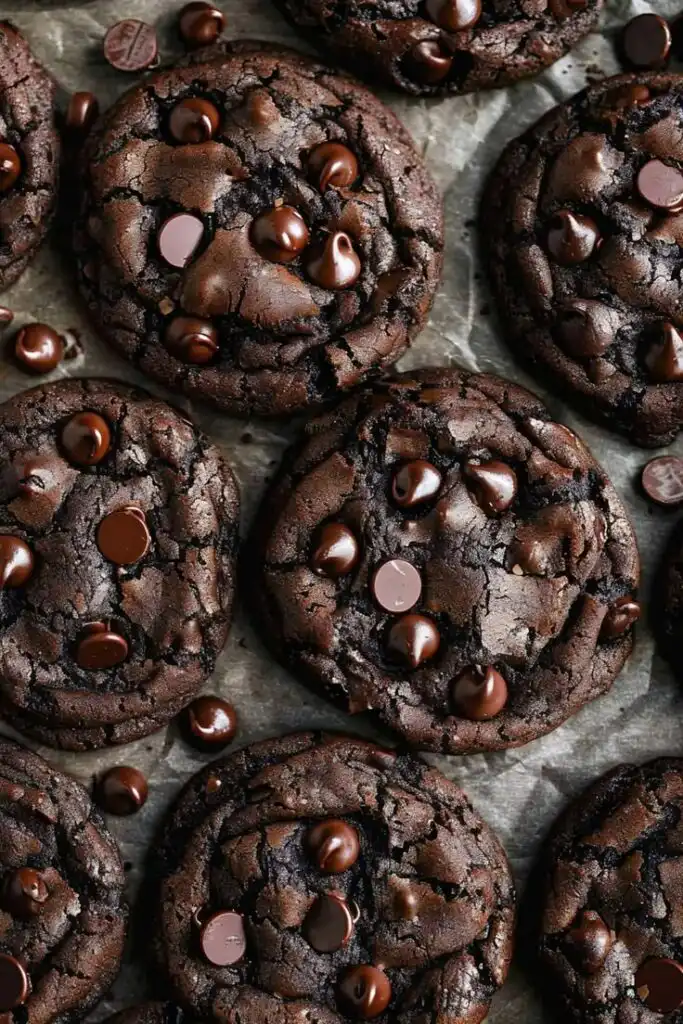
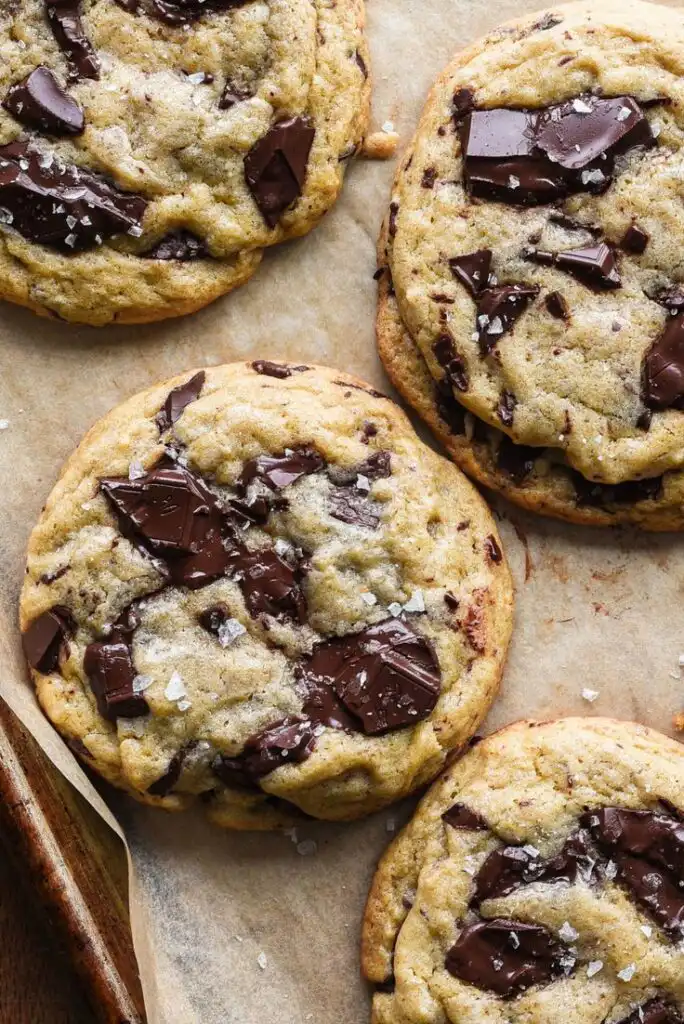
Cookie recipes remain the most frequently baked items in home kitchens. Oatmeal cookies provide a chewy texture and wholesome flavor, often enhanced with raisins, chocolate chips, or dried cranberries. You can adjust the ratio of brown sugar to white sugar to control how chewy or crispy they turn out.
Scottish shortbread requires just three ingredients: butter, sugar, and flour. This classic recipe produces rich, crumbly cookies that showcase the importance of quality butter. The dough presses into pans for traditional wedge shapes or rolls into logs for slice-and-bake convenience.
Flourless peanut butter chocolate chip cookies appeal to gluten-free bakers. These recipes typically combine peanut butter, sugar, eggs, and chocolate chips to create naturally dense, protein-rich cookies. The absence of flour makes them simpler to prepare while maintaining excellent flavor and texture.
Simple Dessert Recipes
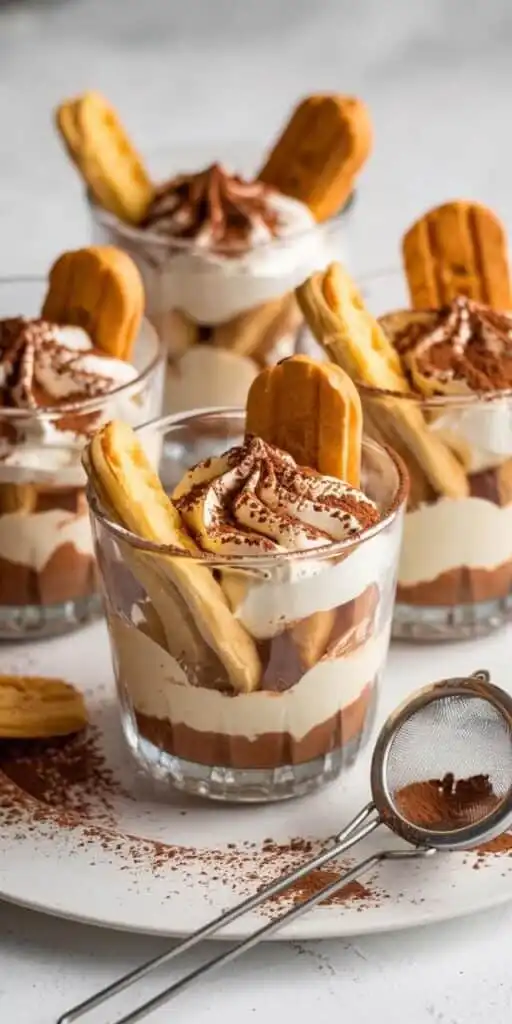
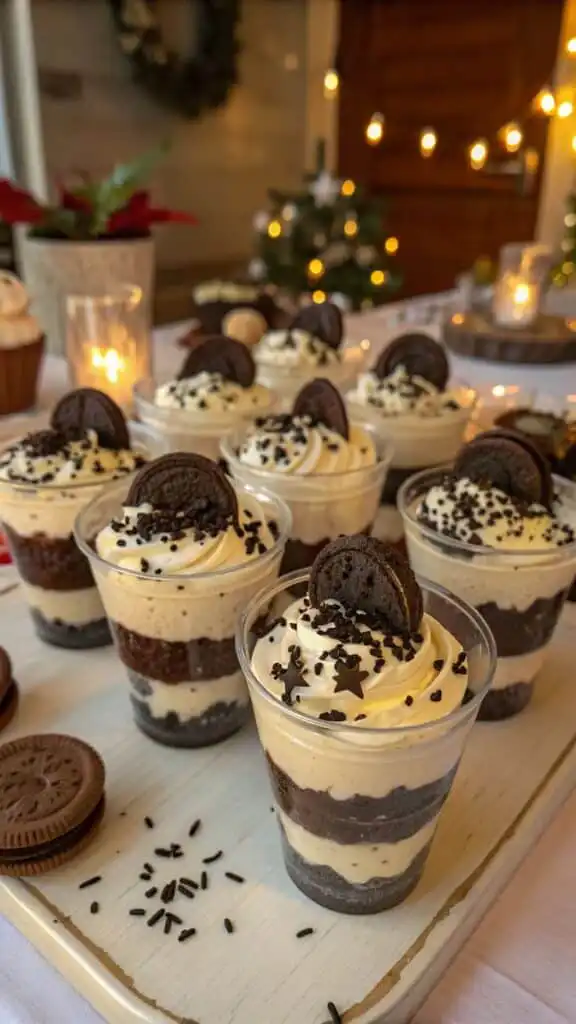
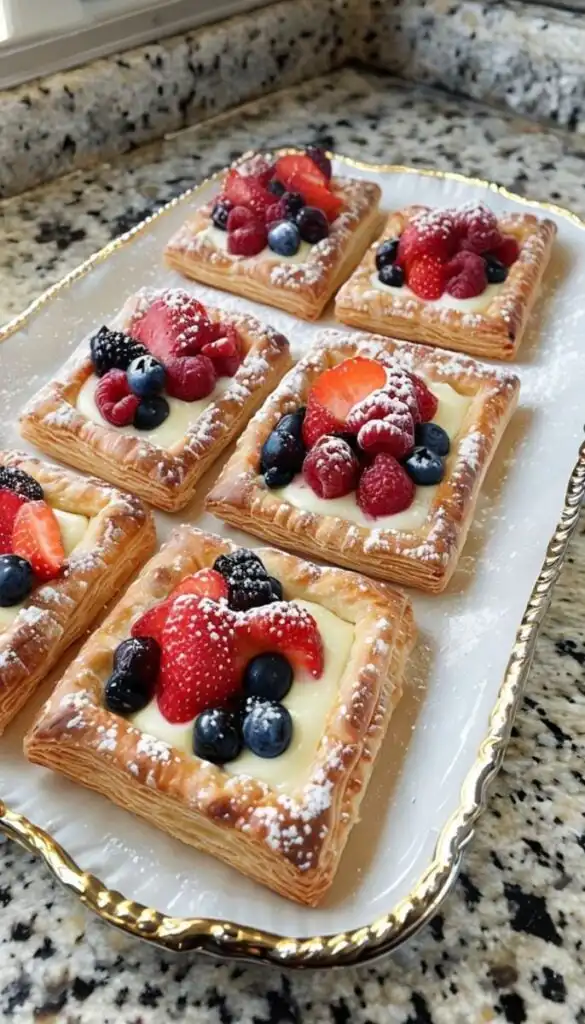
Beyond bread and cookies, you’ll find numerous dessert recipes designed for home bakers. Brownies and blondies require single bowls and basic mixing techniques. Sheet cakes offer generous portions without the complications of layer cakes or fancy frosting work.
Fruit cobblers and crisps work well because they’re forgiving with measurements and timing. You can use fresh or frozen fruit depending on the season. Bar desserts like lemon squares or magic cookie bars cut into neat portions for easy serving.
Muffins bridge the gap between breakfast and dessert. Basic muffin batter accepts countless variations: blueberries, chocolate chips, nuts, or spices. Most recipes follow similar ratios and methods, so once you master one, you can adapt it endlessly.
Specialty and Creative Home Baking Projects
Beyond standard cakes and cookies, specialty baking opens doors to projects that accommodate dietary needs, celebrate special moments, and engage younger bakers. These creative approaches let you experiment with unconventional techniques while producing memorable treats.
No-Bake and Flourless Treats
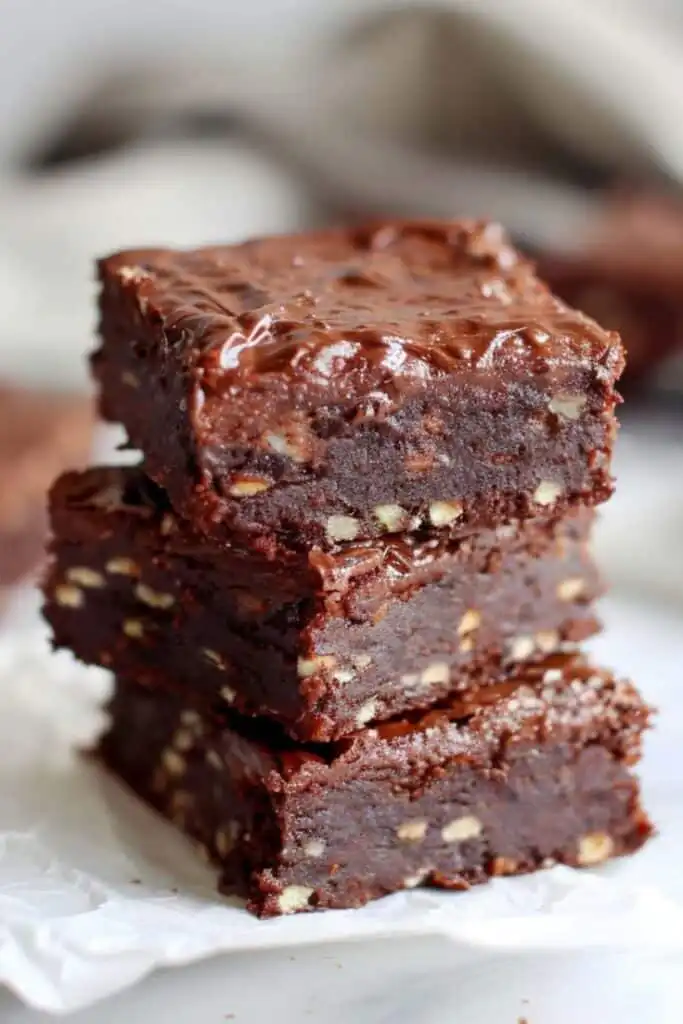
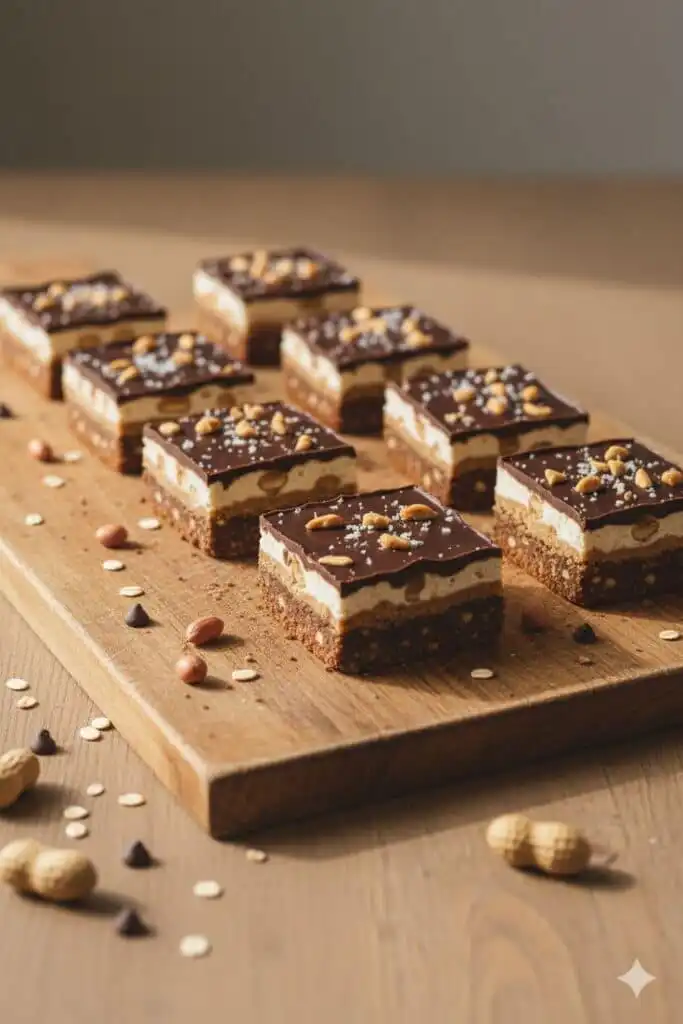
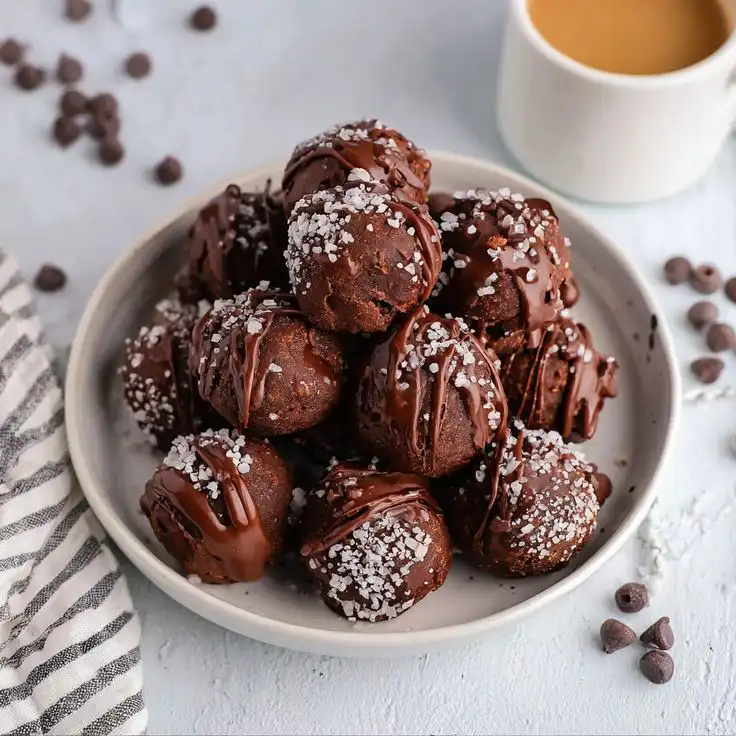
No-bake desserts offer you a solution when you want homemade sweets without turning on your oven. These treats are perfect for hot weather or when you’re working with limited kitchen equipment.
Flourless peanut butter chocolate chip cookies stand out as an incredibly simple option that requires just a few pantry staples. You’ll combine peanut butter, sugar, an egg, and chocolate chips to create chewy cookies that naturally skip the flour. They’re ready in under 15 minutes and work well for gluten-free diets.
No-bake cheesecakes, energy balls, and icebox cakes give you additional options. You can make refrigerator tarts with graham cracker crusts, chocolate mousse cups, or layered desserts with whipped cream and cookies. These projects rely on chilling rather than baking to set their structure.
Holiday and Occasion Baking
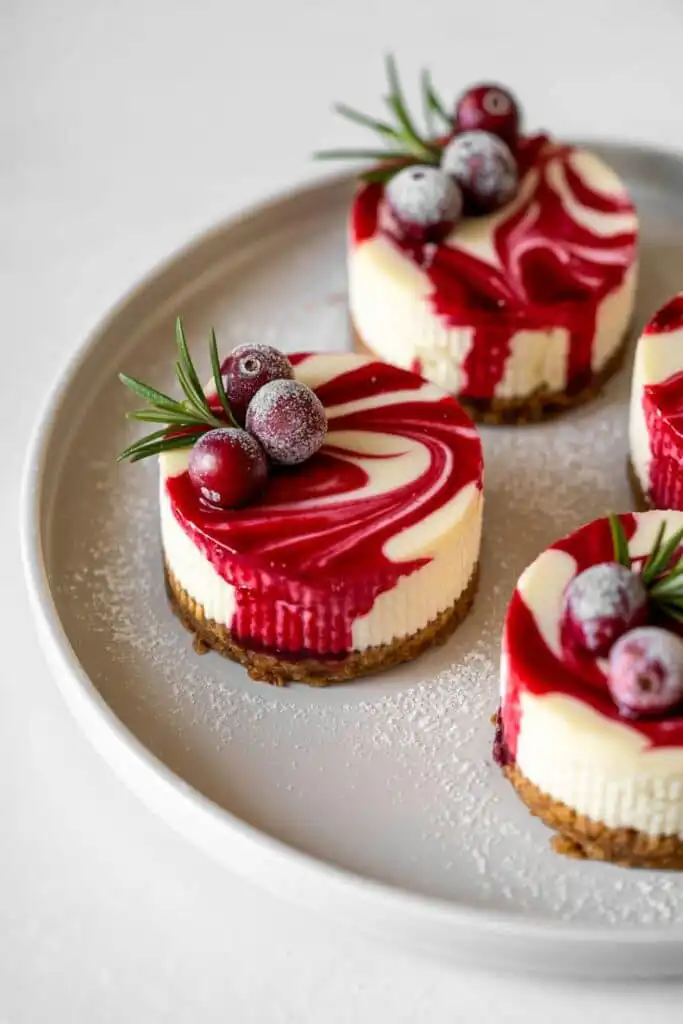
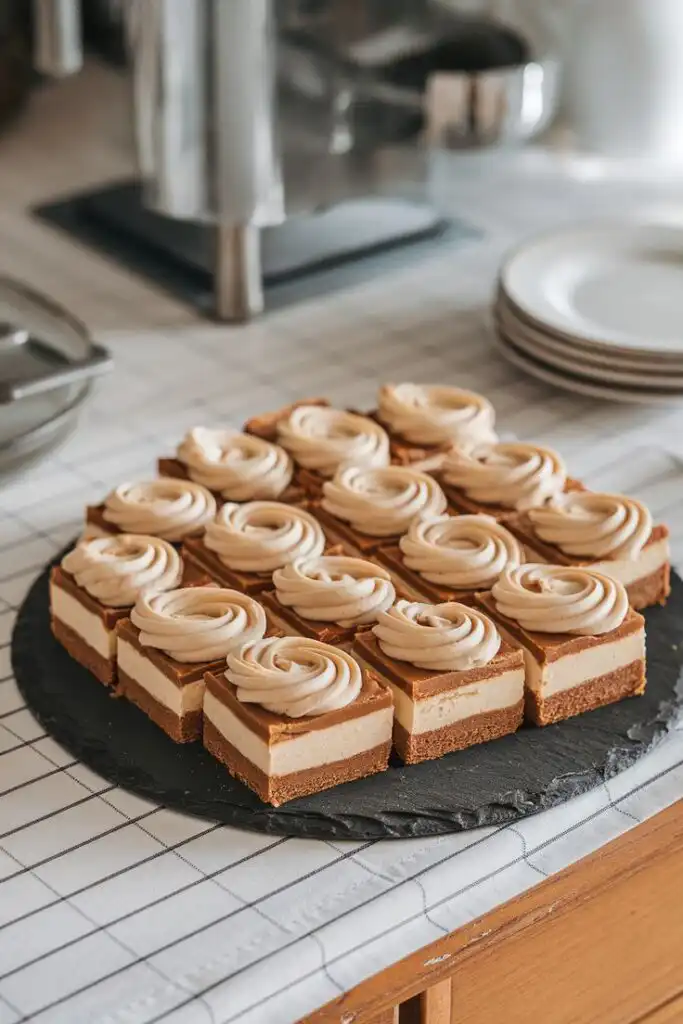

Special occasions call for baking projects that match the celebration’s spirit. Holiday baking lets you create edible traditions that family members look forward to year after year.
Monkey bread serves as a crowd-pleasing option for brunches and gatherings. You’ll coat dough pieces in cinnamon sugar, layer them in a bundt pan with a buttery brown sugar mixture, and bake until golden. The pull-apart nature makes it perfect for sharing.
Decorated sugar cookies work for any holiday when you use themed cookie cutters and royal icing. Yeast breads like challah or hot cross buns add meaning to religious celebrations. You can also tackle layer cakes with buttercream decorating for birthdays, creating rosettes, borders, and custom messages.
Fun Bakes for Kids
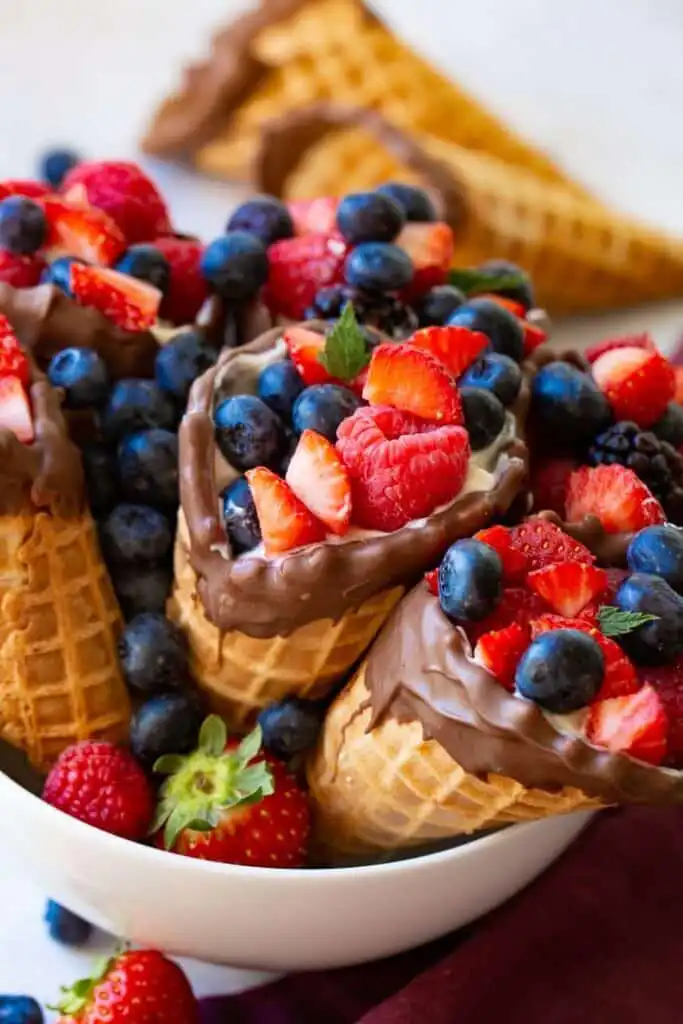

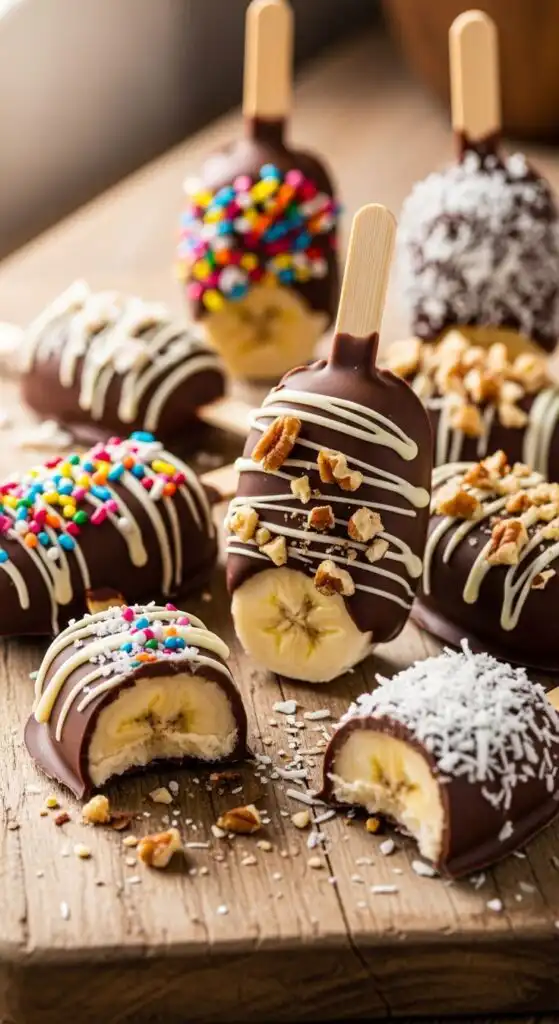
Kid-friendly baking projects balance simplicity with creative freedom. These activities teach basic kitchen skills while keeping young bakers engaged and excited.
Start with recipes that involve hands-on shaping, like homemade pretzels, dinner rolls, or cut-out cookies. Kids enjoy pressing cookie cutters, rolling dough balls, and using sprinkles. Cupcake decorating stations let them personalize their creations with frosting, candies, and edible decorations.
No-bake options like Rice Krispies treats or chocolate bark minimize oven risks while still delivering satisfying results. You can set up assembly-line activities where kids layer parfaits, dip strawberries in chocolate, or build their own mini pizzas on English muffins before baking.
The Home Baking Community and Resources
Home bakers have access to dedicated organizations and networks that provide educational materials, recipes, and support for developing baking skills at every level.
About the Home Baking Association
The Home Baking Association serves as a central resource for anyone interested in learning to bake from scratch. This organization focuses on education by offering comprehensive lesson plans, baking resources, and recipe collections designed to inspire new bakers.
You can find valuable materials whether you’re an educator, parent, community volunteer, or home baker. The association’s website provides recipes, activities, and lesson plans that work both in your home kitchen and classroom settings.
The organization’s key strategies include identifying and supporting baking educators, extending educational materials to various learning environments, and promoting the benefits of home baking. They advocate for year-round baking education and work to maximize resources that expand their reach to wider audiences.
Learning and Support Networks
Beyond formal organizations, you’ll find growing networks of home bakers who share knowledge and experiences. These communities connect through online platforms where bakers exchange tips, troubleshoot challenges, and celebrate successes together.
Educational resources from established baking companies complement community support. You can access video tutorials, technique guides, and answers to common baking questions from expert sources. These materials cover everything from ingredient storage to mastering specific recipes.
The home baking movement continues to expand as more people discover the satisfaction of creating baked goods at home. This growth strengthens the community and increases access to quality educational content focused on natural ingredients and foundational techniques.
- 211shares
- Facebook0
- Pinterest208
- Twitter3
- Reddit0