

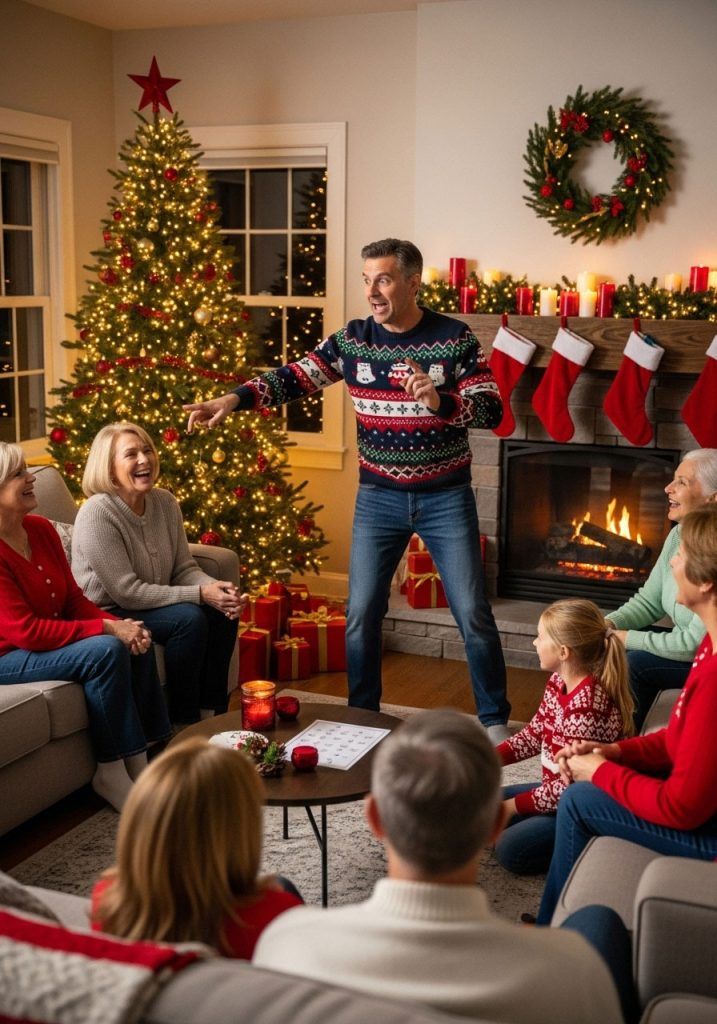
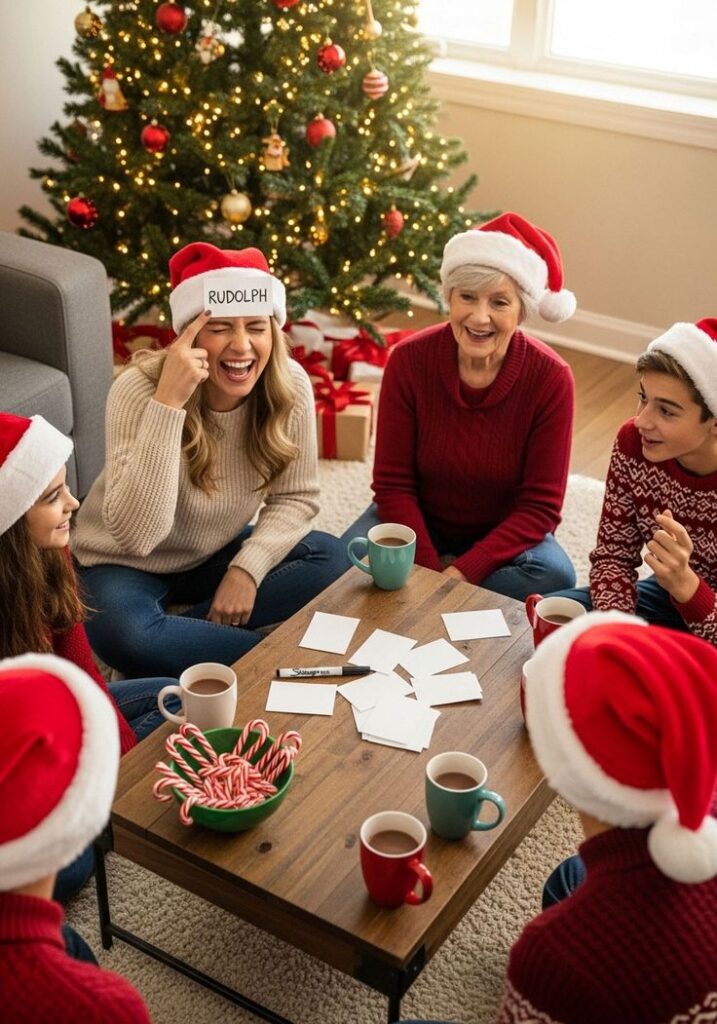
Family Christmas games with gifts bring extra fun and excitement to holiday gatherings. These games encourage everyone to join in, share laughter, and enjoy the spirit of giving. The best games mix easy rules with gift exchanges, creating moments that both kids and adults will remember.
Planning the right games can make a big difference in how successful the celebration feels. Choosing games that fit the family size and include meaningful or funny gifts helps keep everyone engaged. Simple setups and clear instructions make it easier for all ages to participate without stress.
With the right approach, gift-based Christmas games add a special touch to holiday traditions. They can be made more fun with homemade or themed prizes and adjusted to match different family needs. This makes the event lively, fair, and accessible for everyone joining the fun.
Key Takeaways
- Easy-to-play games with gifts boost family fun and holiday joy.
- Customizing games to family size and ages keeps all involved.
- Thoughtful planning ensures games are smooth and enjoyable for everyone.
Best Family Christmas Games With Gifts
Family Christmas games with gifts add fun and excitement to holiday gatherings. Some focus on gift exchanges with simple rules. Others include activities that encourage creativity or teamwork. These games suit different ages and keep everyone involved.
Popular Gift Exchange Games


Popular gift exchange games often use a simple format to keep everyone engaged. One example is the “White Elephant” game, where players pick and swap gifts, aiming for the best or funniest present. This game creates laughter and light competition.
Another favorite is “Secret Santa,” where each person buys a gift for one other player. This game stays private until the gifts are opened. It adds surprise and thoughtfulness.
Both games work well for groups of any size. Gifts usually have a set price limit to keep things fair. Players often include funny or useful items to make the game enjoyable.
Games for All Age Groups
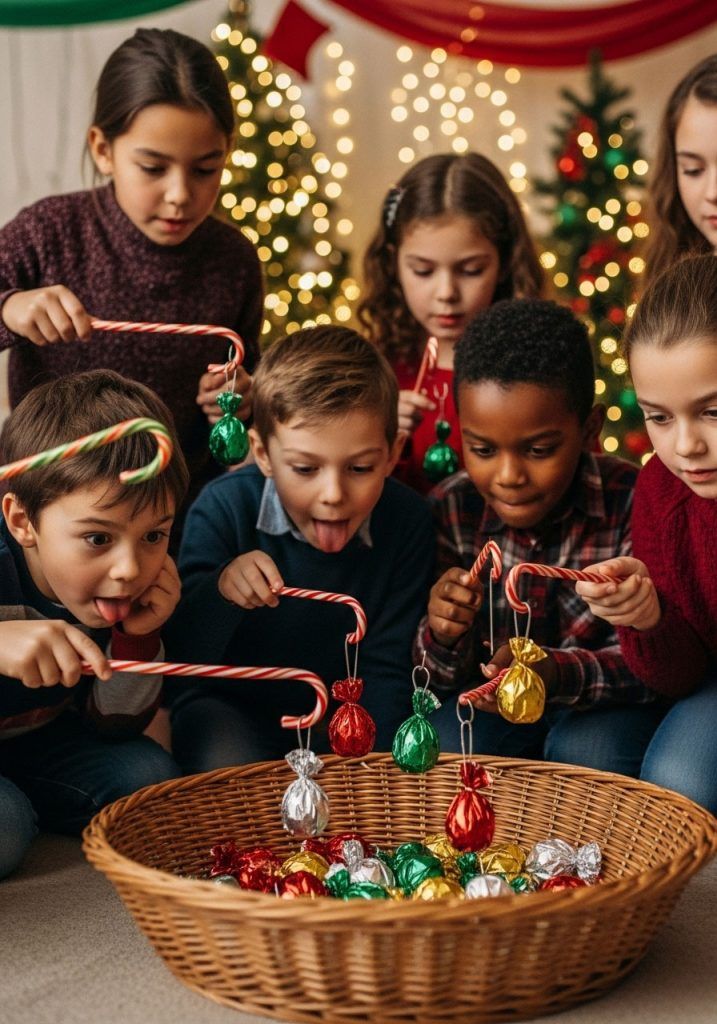
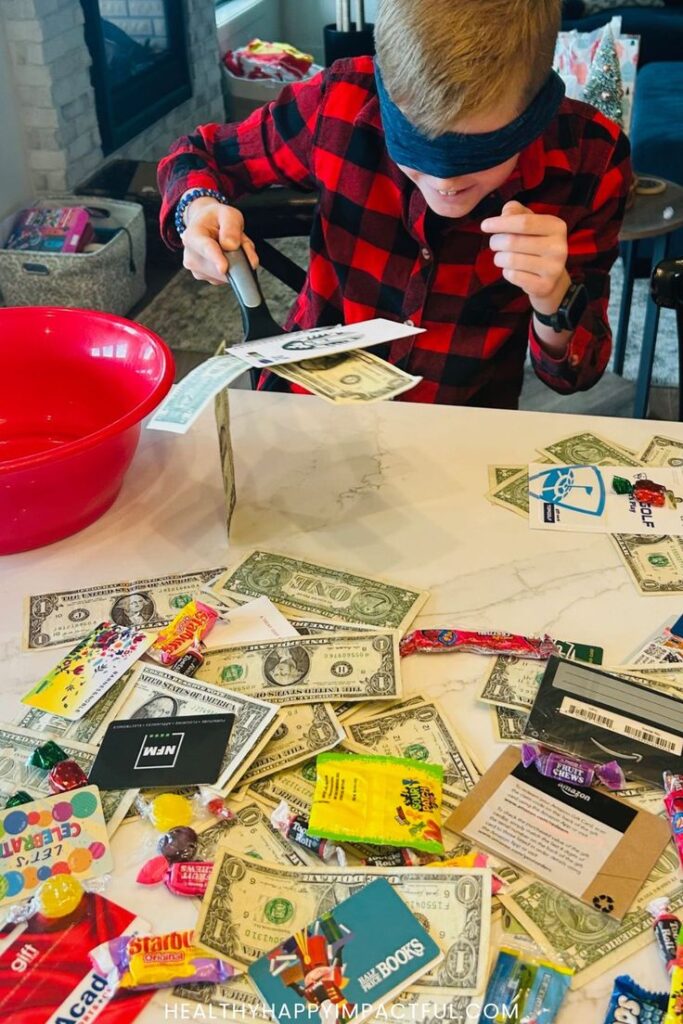
Some games suit all ages, making family play easier. “Pass the Parcel” is good for younger kids but fun for everyone. Players unwrap a small part of a wrapped gift when music stops. Layers may include small treats or clues.
“Guess the Gift,” where players feel wrapped boxes and guess what’s inside, works well too. It encourages kids and adults to guess based on touch only.
Choosing games that balance skill and luck ensures no one feels left out. Adapt rules slightly for very young players or older adults to keep the game fair and fun.
Creative Gift Wrapping Challenges
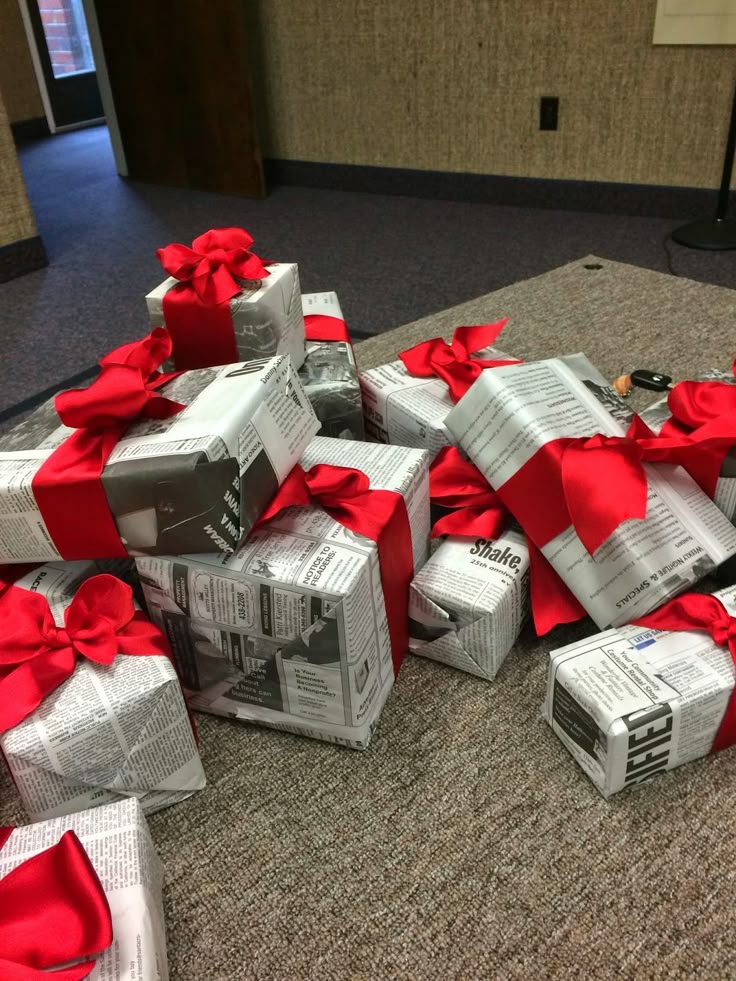
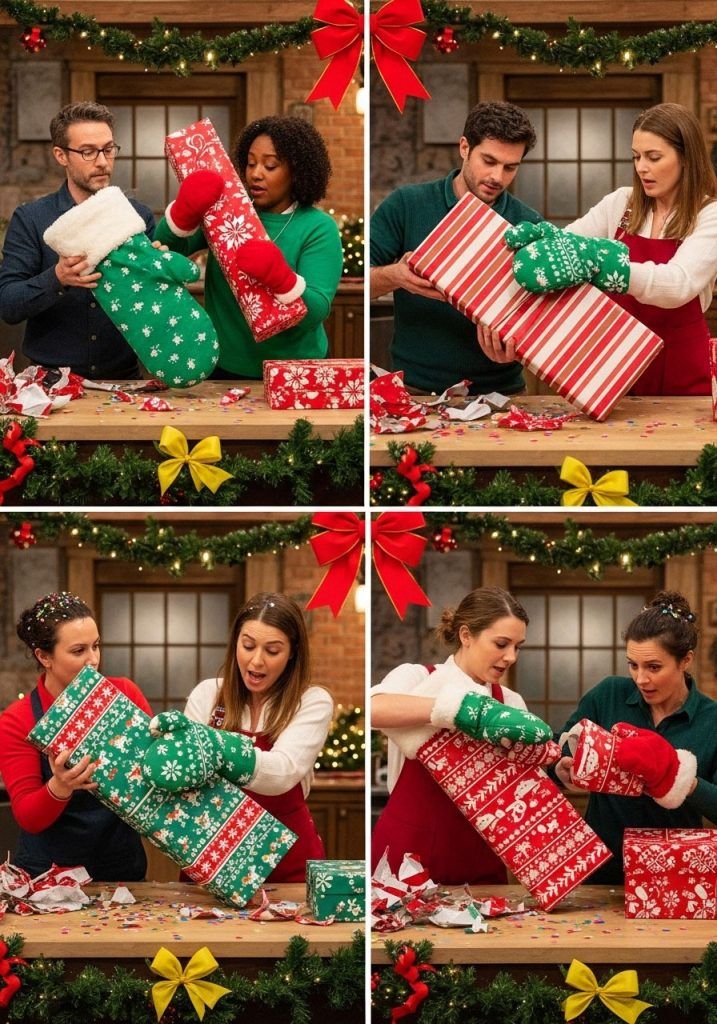
Creative wrapping challenges add a twist to gift giving. Families can race to wrap a gift in the funniest or most unusual way. For example, wrapping a gift with oven mitts or using newspaper instead of wrapping paper.
Another idea is “Themed Wrapping,” where everyone decorates gifts to match a set theme like “winter wonderland” or “movie night.” Creativity becomes part of the gift experience.
This kind of game encourages teamwork and laughs. It also makes receiving gifts more exciting because the package is part of the fun.
Team-Based Gift Games
Team-based gift games involve groups working together, adding competition and cooperation. One example is “Gift Relay,” where teams race to carry a wrapped gift through a simple obstacle course without dropping it.
Another is “Team Wrap-Off,” where teams compete to wrap as many gifts as possible within a time limit. Points are given for neatness and speed.
These games build group spirit during holiday celebrations. They work well for larger families or mixed-age groups, letting everyone contribute to the fun.
How to Organize Christmas Family Games With Gifts
Organizing family games with gifts requires clear planning, selecting the right presents, and setting the mood to keep everyone engaged and happy. The rules must be simple and fair, gifts should match the group, and the setting should feel warm and festive.
Setting the Rules and Guidelines

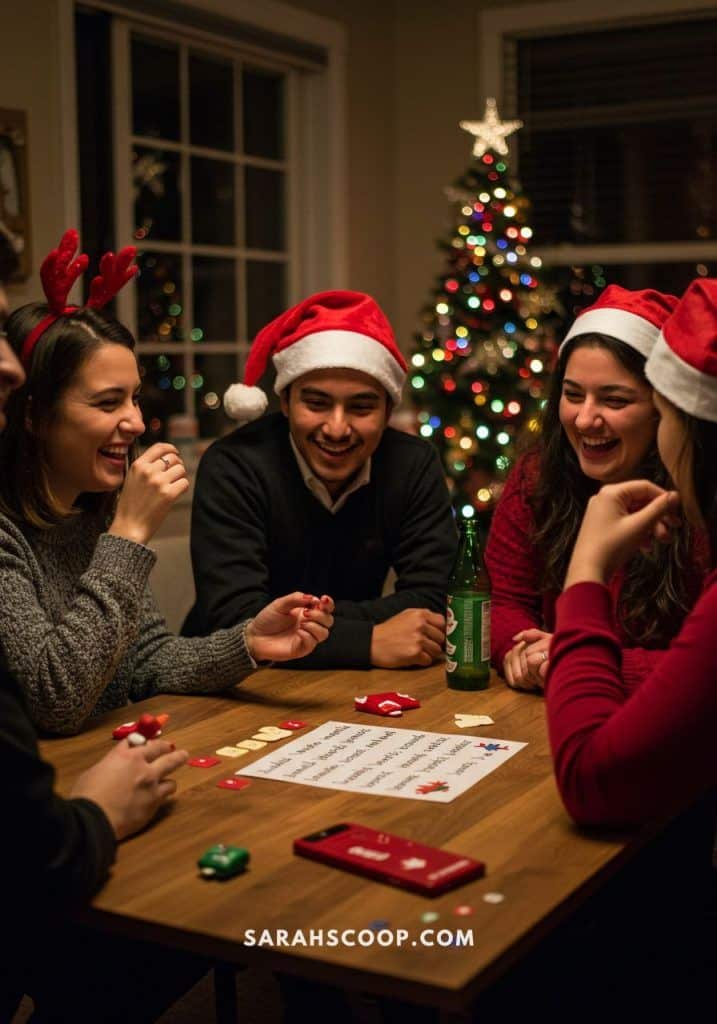
Clear rules help avoid confusion and keep the games fun for everyone. The organizer should explain how each game works before starting. This includes how to win, how prizes are won or exchanged, and any limits on participation.
It is important to keep rules simple. Complex instructions can frustrate kids or older family members. Time limits on turns and game rounds help the event move smoothly. Everyone should agree on these rules before the games begin.
Rules for gift exchange should include price limits and whether gifts are new or can be reused. This ensures fairness and manages expectations. Being clear about these guidelines helps the games stay friendly and enjoyable.
Choosing Appropriate Gifts


Choosing gifts that suit all ages and tastes makes the experience better. Small, useful, or fun presents work well. These might include gadgets, games, books, or snacks. Gifts should be easy to open and safe for children.
A good tip is to pick gifts that do not cause competition or jealousy. Avoid very expensive or personal items. Setting a price range—usually around $10 to $25—keeps it fair and comfortable for everyone.
If the group includes kids, gifts should match their age and interests. For adults, practical or humorous gifts are often popular. Having a mix helps keep the game interesting.
Creating a Festive Atmosphere

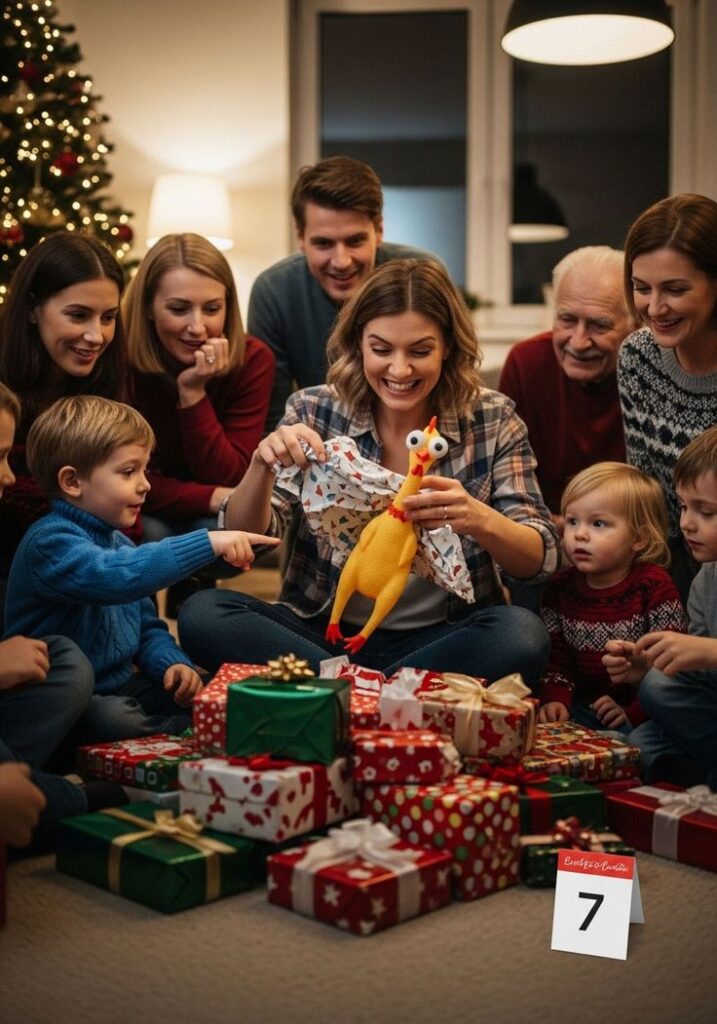
The right setting makes games more enjoyable. Decorating the main room with lights, garlands, and a Christmas tree adds to the cheer. Seating should allow everyone to see and take part easily.
Playing holiday music quietly in the background sets a joyful tone without distracting. Providing snacks and drinks helps keep energy up.
Keeping the space warm and cozy encourages people to relax and have fun. Soft blankets, candles, or a fireplace can add a nice touch. A festive setting helps everyone feel involved and excited about the games.
Unique Gift Game Ideas for Different Family Sizes
Games with gifts change depending on how many people play. Some games fit smaller groups well, while others work better with many players. The right game keeps the fun balanced and makes sure everyone gets a chance to join.
Small Family Gatherings

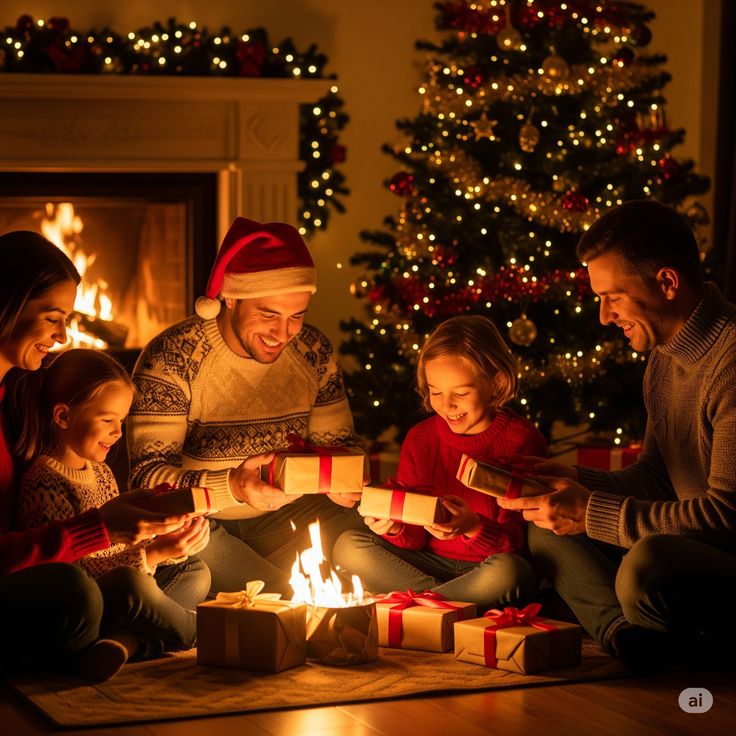
For families of four to six, simple gift exchange games work best. Secret Santa is a popular choice. Each person draws a name and buys a gift for that person. It keeps the gift-giving personal and low-stress.
Another idea is the Gift Swap Game. Everyone brings one wrapped gift. Players take turns choosing gifts or stealing from others. This game adds excitement but works well only if the group is small to avoid long waits.
Small groups can also try Trivia with Gifts. Ask holiday questions, and correct answers win small presents. It adds fun and learning without needing many players.
Large Family Celebrations
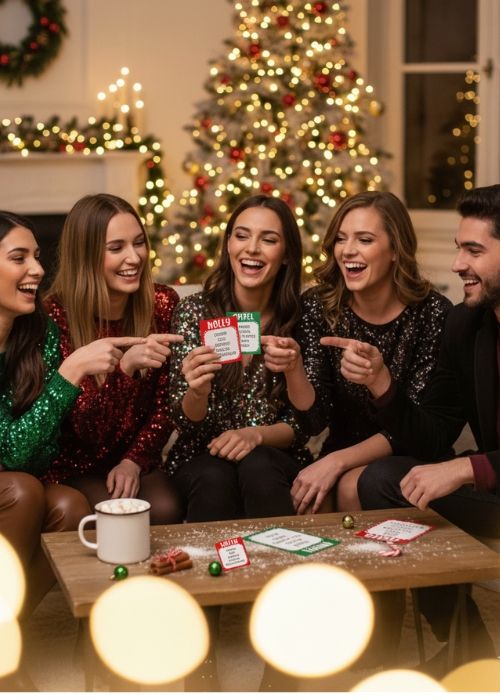
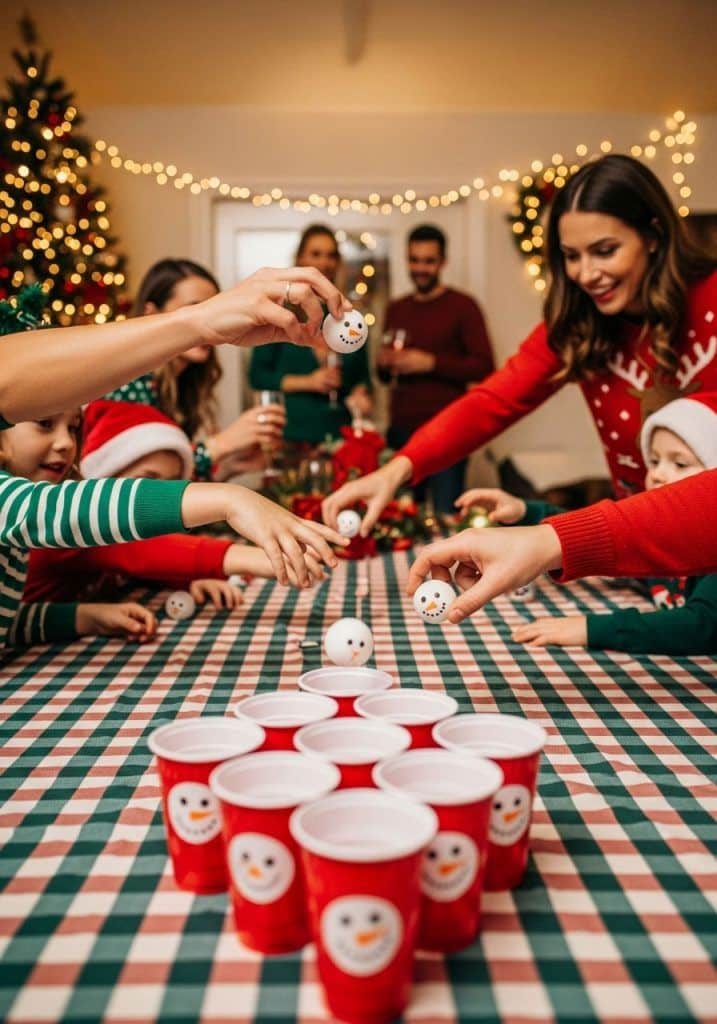
When many people gather, games need to include everyone quickly. White Elephant is perfect here. Each guest brings a gift, usually funny or unusual. Players pick or steal gifts in turns. The game moves fast and keeps people laughing.
Gift Auction is another option. People get fake money to bid on wrapped gifts. This keeps the game moving and gives everyone a chance to win.
Large groups should limit gift values to keep things fair. Using a timer per turn also helps keep the event lively.
Games for Extended Family Members

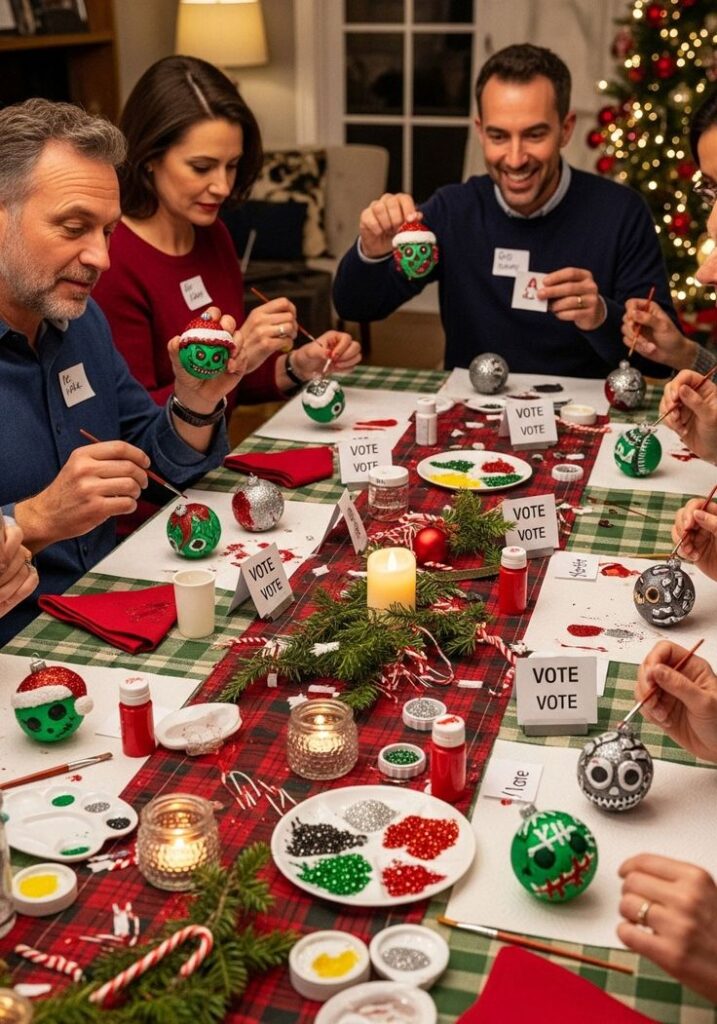
Extended families have different age groups and interests. Choose games that work for kids and adults together. Hot Potato Gift Passing fits well. Pass a gift while music plays. When the music stops, the person holding the gift keeps it.
Storytelling with Gifts is another good choice. Each gift is linked to a story or memory. Players share stories as they unwrap. This game encourages sharing and connection.
To make sure everyone enjoys the game, pick gifts that suit a variety of tastes and ages. This helps keep all family members engaged.
Themed Christmas Gift Games
These gift games add a festive twist by using popular holiday themes. They create a fun and interactive way for the family to exchange presents while staying in the Christmas spirit.
Holiday Movie-Inspired Gift Games
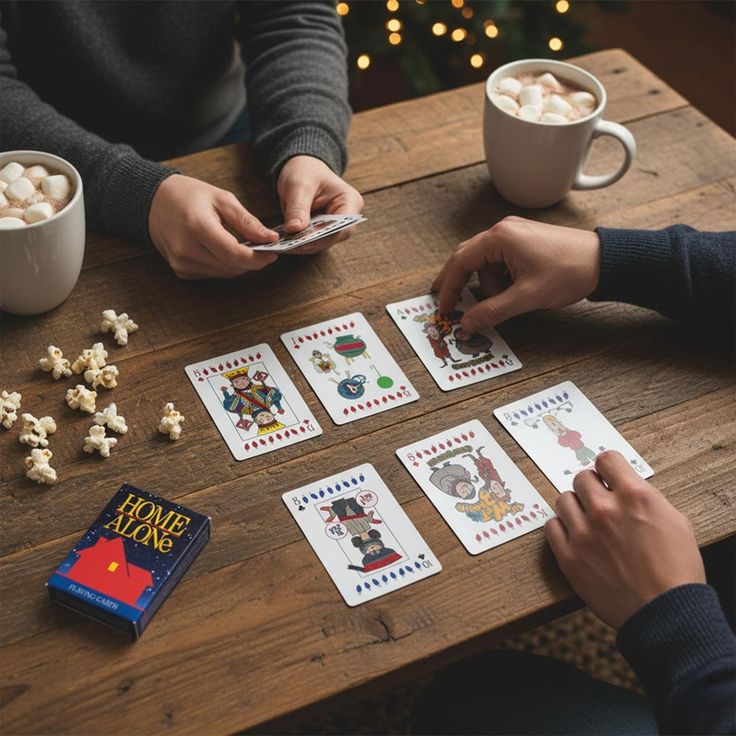
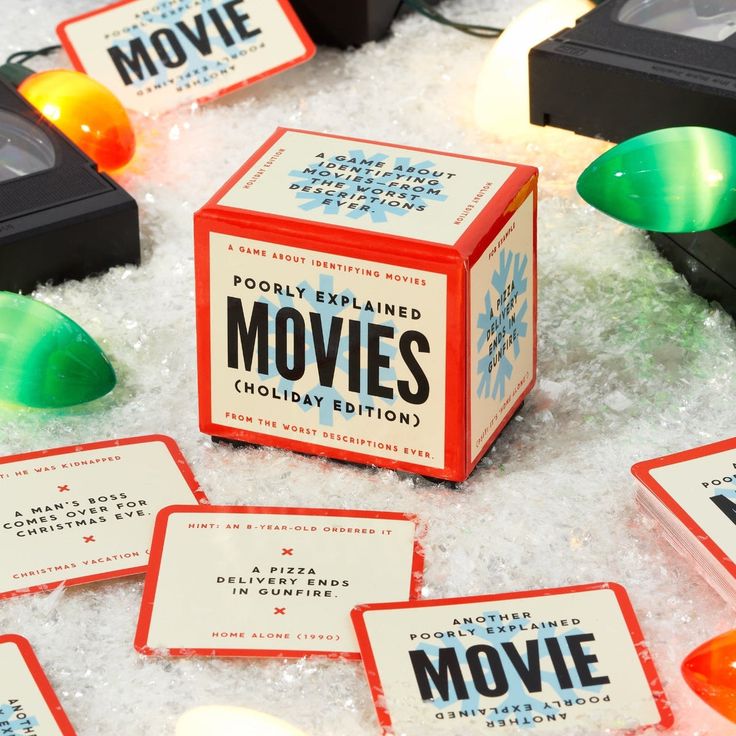
Games based on holiday movies bring familiar stories to life. For example, a Home Alone scavenger hunt has players finding hidden gifts around the house, similar to how Kevin sets traps in the movie. Another popular option is a Elf trivia game where answering questions correctly wins small gifts.
Participants enjoy recognizing scenes and characters and using this connection to play. It works well with movies like The Polar Express or A Christmas Story. These games encourage teamwork and laughter. Prizes should be wrapped with movie-themed decorations, like wrapping paper featuring characters or scenes from the film.
Christmas Carol-Based Activities


Using Christmas carols as a game base involves music and quick thinking. One common game is “Name That Carol,” where a short clip of a song plays, and players guess the title. Winners earn small gifts. Another version has players completing missing lyrics, which adds a fun challenge.
In group settings, a carol relay can offer competitive fun. Teams race to sing lines or complete a puzzle related to a carol. Prizes are often small themed gifts like ornaments or candy canes. These games create a festive mood by putting music at the center of gift exchanges.
Winter Wonderland Challenges


Winter Wonderland challenges use cold-weather themes and physical or mental contests in the game design. A classic example is a snowball toss game where players throw soft “snowballs” at targets to win gifts. Another is a freeze dance where music pauses randomly, and those who move are out.
These games can be done indoors with props like white balloons or cotton balls to mimic snow. They add energy and movement to the gift exchange. Prizes often include warm items such as gloves or hats. This style fits families that enjoy active and playful Christmas gatherings.
Gift Game Strategies and Tips
Successful family gift games often depend on clear plans and thoughtful rules. Balancing fun and fairness helps keep everyone involved and happy. Attention to different age groups and personalities makes the games enjoyable for all.
Maximizing Engagement


To keep everyone interested, use simple rules that are easy to follow. Clear instructions prevent confusion and speed up the game. Choosing games that allow everyone to participate actively boosts excitement and energy.
Rotating turns between players ensures no one feels left out. Adding small challenges or twists, like timed rounds or surprise swaps, keeps the mood lively. Using colorful timers or scoreboards can make the game feel more interactive and fun.
Encouraging Fair Play
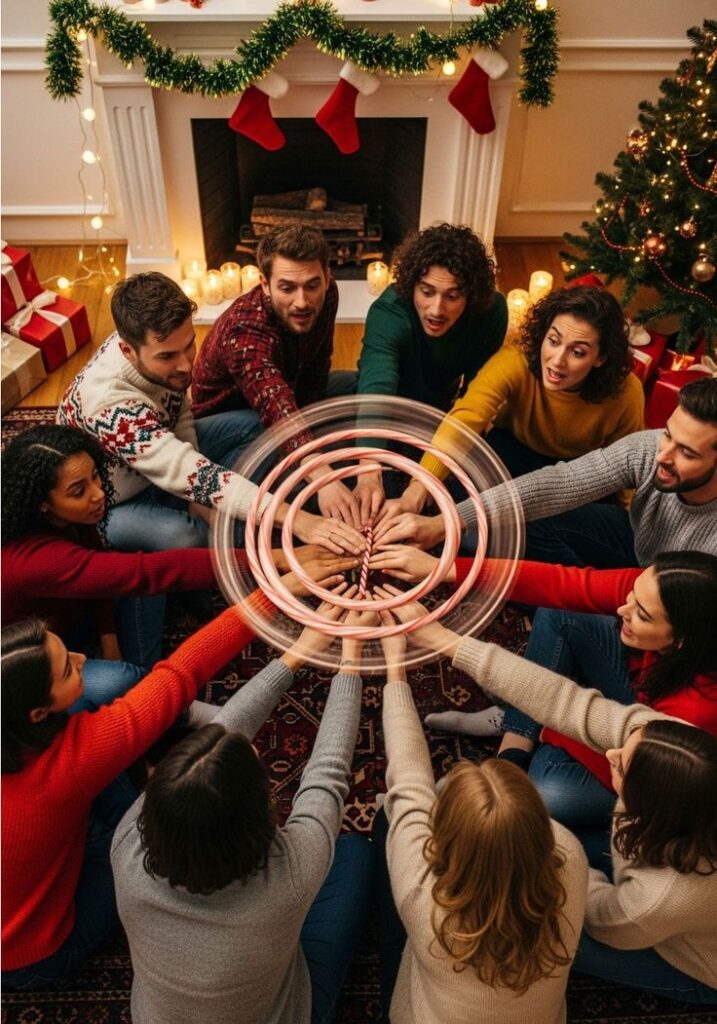
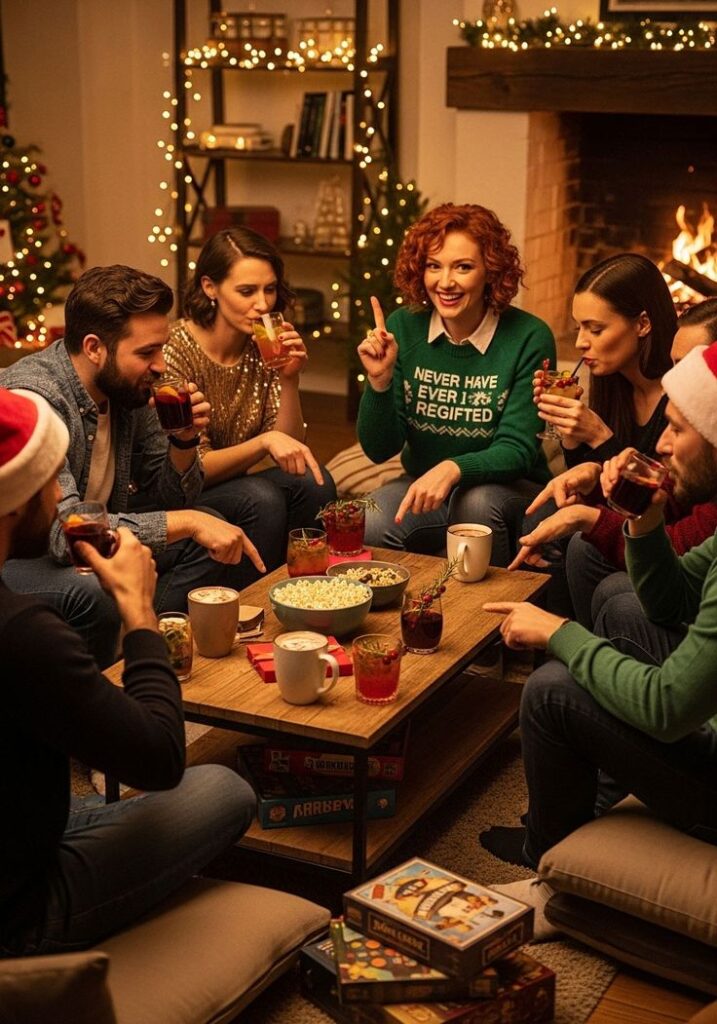
Fair play makes gift games enjoyable for all players. Setting rules about when gifts can be opened or stolen stops cheating. Explaining these rules before the game starts helps avoid misunderstandings.
Encourage respectful behavior by reminding players to take turns and keep their choices polite. Avoid complex trading rules that might favor older or more experienced players. Using neutral moderators can help manage disputes calmly.
Keeping Games Inclusive
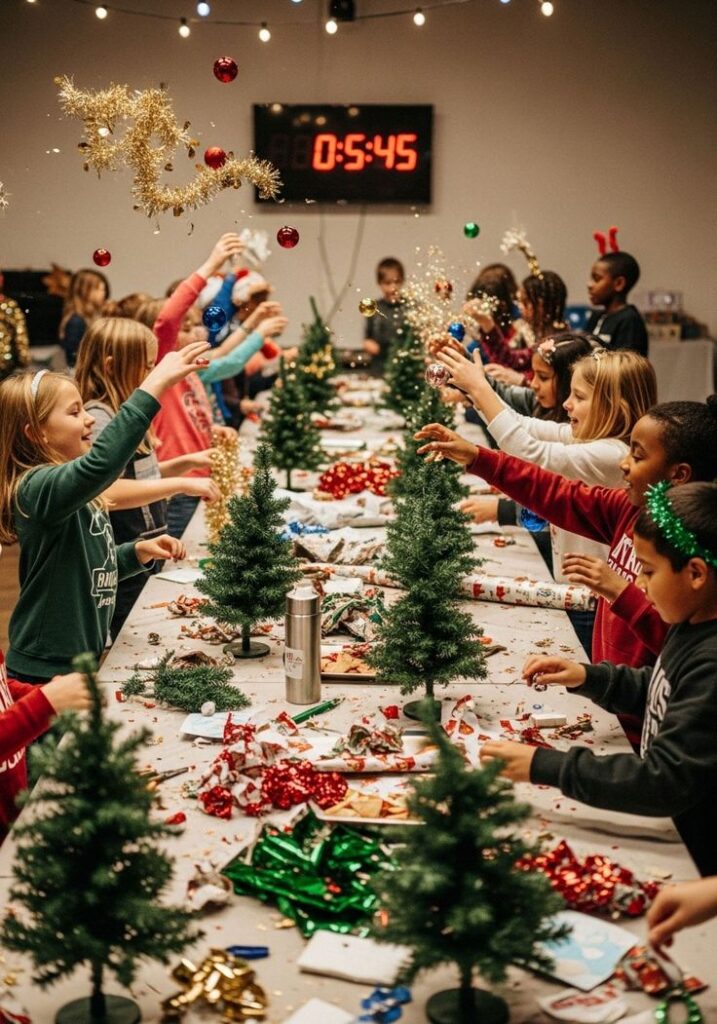

Include everyone by tailoring gifts and games to all ages. Avoid gifts that only appeal to certain groups, like only kids or adults. Choose games where abilities vary but all can join in easily without skill barriers.
Plan game times that suit different attention spans. Short rounds keep younger children engaged and prevent boredom in adults. Use themes that connect to all family members, making the experience welcoming and fun for all.
Adapting Christmas Gift Games for All Ages
Different age groups enjoy specific types of gift games based on their interests and abilities. Choosing the right games helps keep the fun active and fair. Some games work better for small hands and simple rules, while others match older players’ creativity or thinking skills.
Games for Young Children
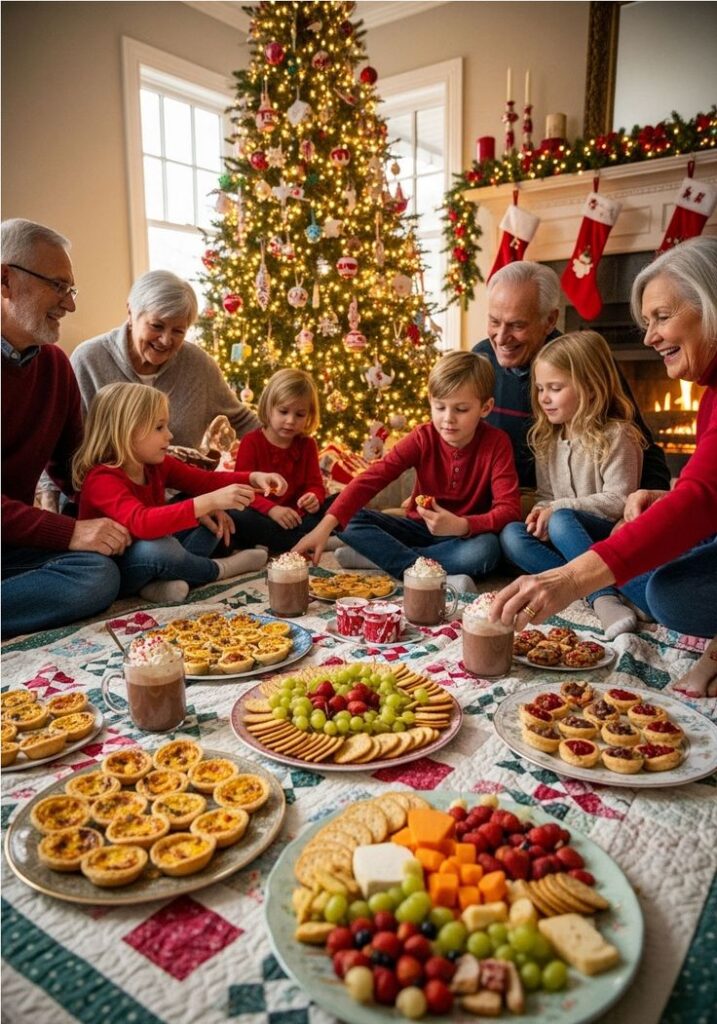
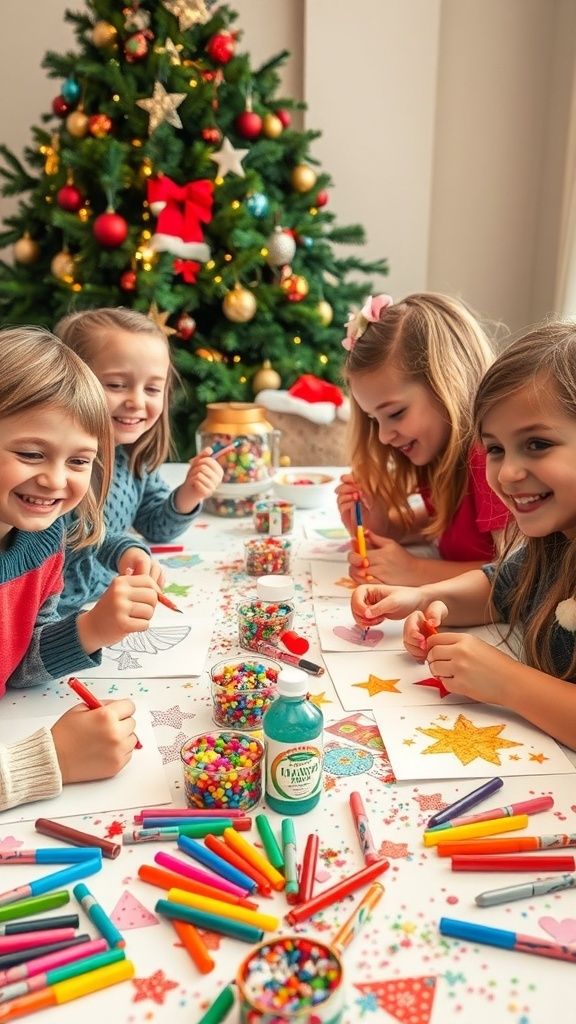
For young children, simple and quick games work best. Pass the Parcel is a popular choice where a gift is wrapped in many layers. Kids unwrap one layer each time music stops. It is fun and easy to understand.
Games like Christmas Bingo or Matching Gift Cards keep young children engaged without long waiting times. Gifts should be small and safe, such as stickers, crayons, or small toys. Rules need to be clear and simple. This avoids frustration and keeps the focus on having fun.
Parents or adults can help children follow the steps and cheer them on. It’s important to keep the pace steady and celebrate all the players’ turns.
Teen-Friendly Gift Games
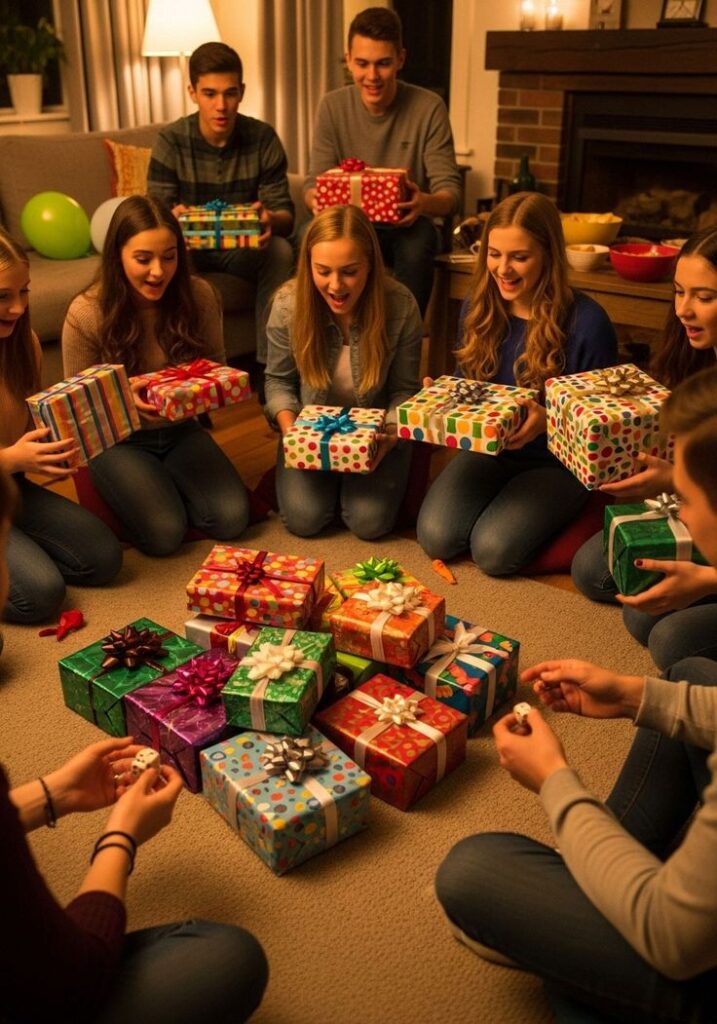
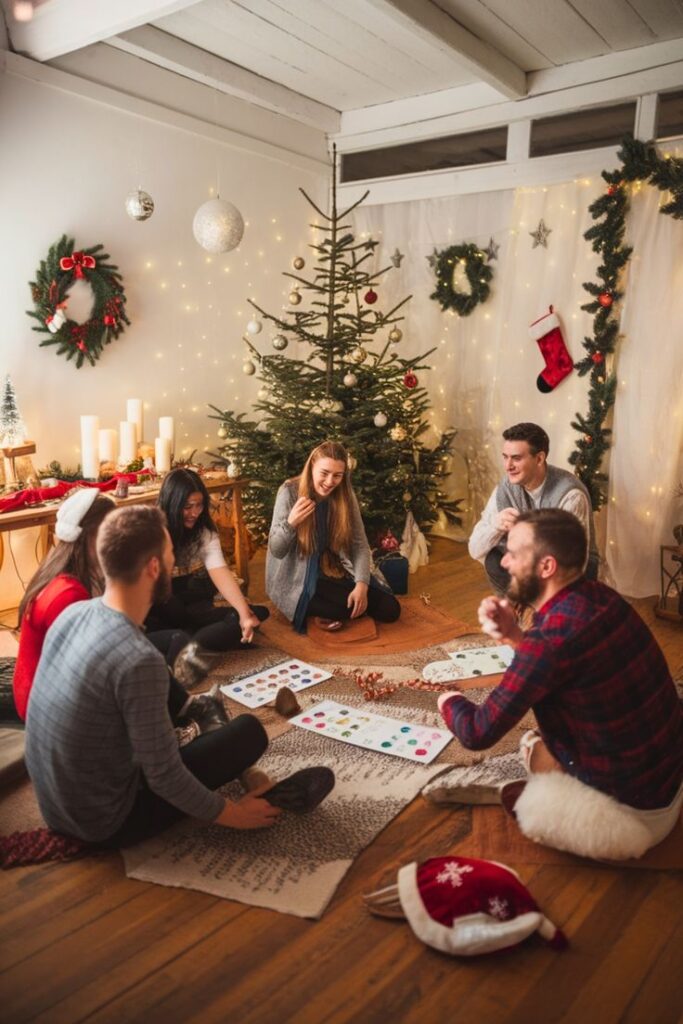
Teens enjoy games that involve strategy, quick thinking, or a bit of friendly competition. White Elephant or Yankee Swap works well here. Players get to choose or “steal” gifts, which adds excitement.
Games with a creative twist also appeal to teens. For example, making up funny challenges or dares before opening gifts can increase laughter and energy.
Gifts should match teen interests like gadgets, books, or gift cards. Rules can be a bit more complex, but they should still allow everyone to participate comfortably. Teens enjoy games that let them plan and interact.
Activities for Seniors
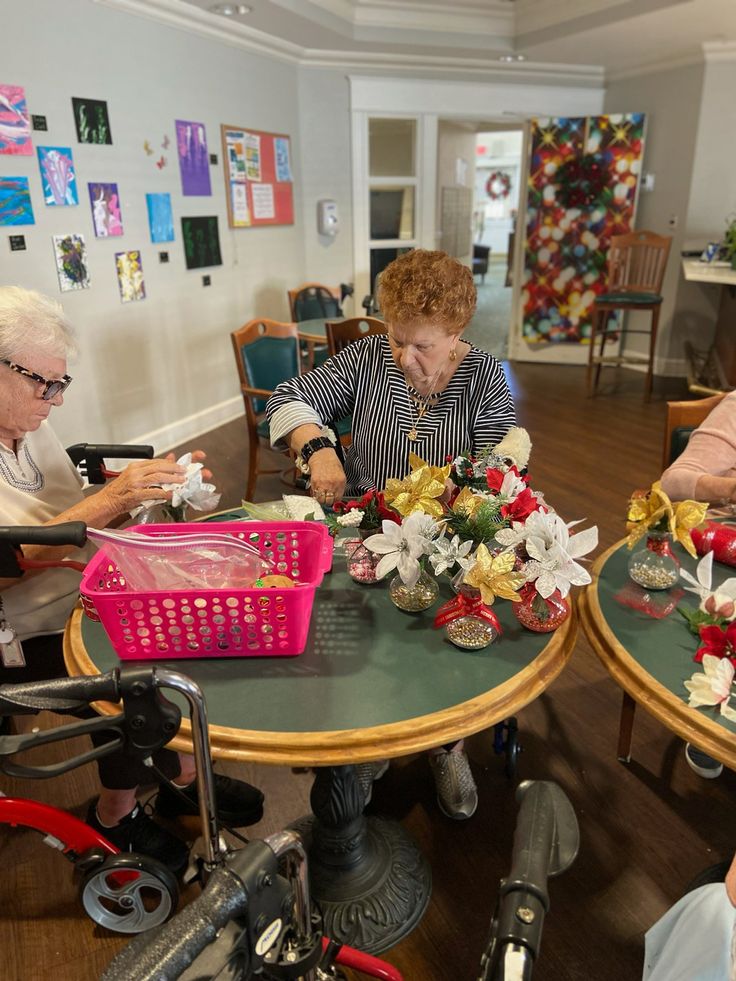

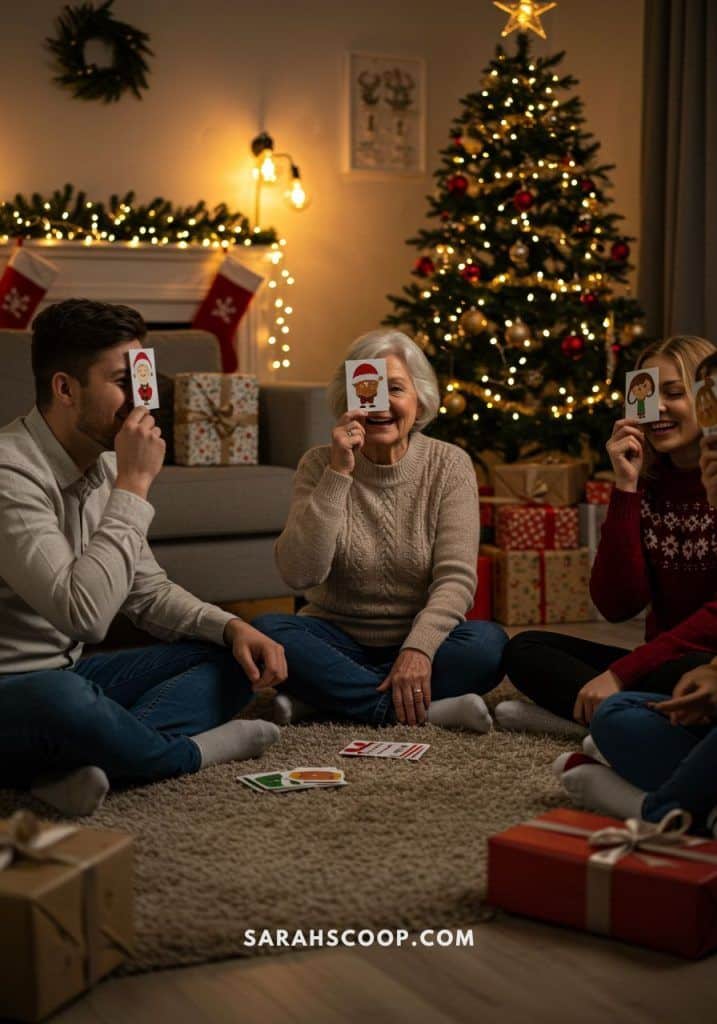
Gift games for seniors focus on comfort and ease of play. Games that require minimal movement, like Guess the Gift where players shake presents and guess what’s inside, work well.
Word games or simple trivia related to Christmas can be paired with gift giving to keep seniors mentally active. Gifts should be thoughtful, lightweight, and useful, like warm socks or small kitchen gadgets.
It helps to keep the rules straightforward and allow players more time to take turns. Making sure seating is comfortable during the game supports participation. Social connection is as important as the game itself for seniors.
DIY and Homemade Gifts for Game Prizes
Homemade gifts make game prizes special and add a personal touch. These gifts can be creative, fun, and fit different budgets. They also offer a meaningful way to celebrate without spending much money.
Crafting Memorable Gifts
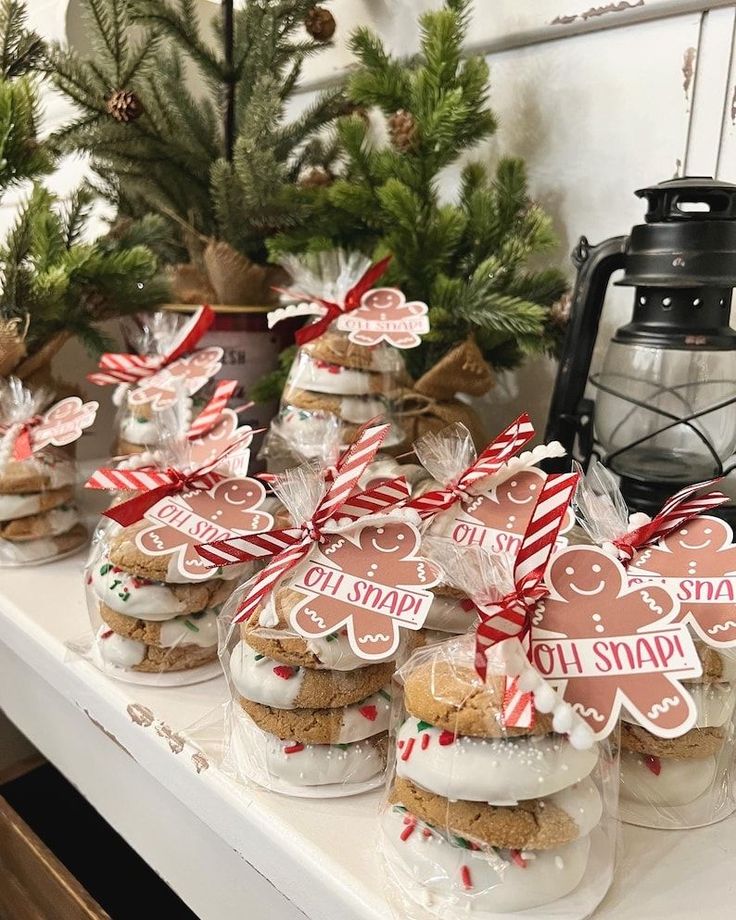
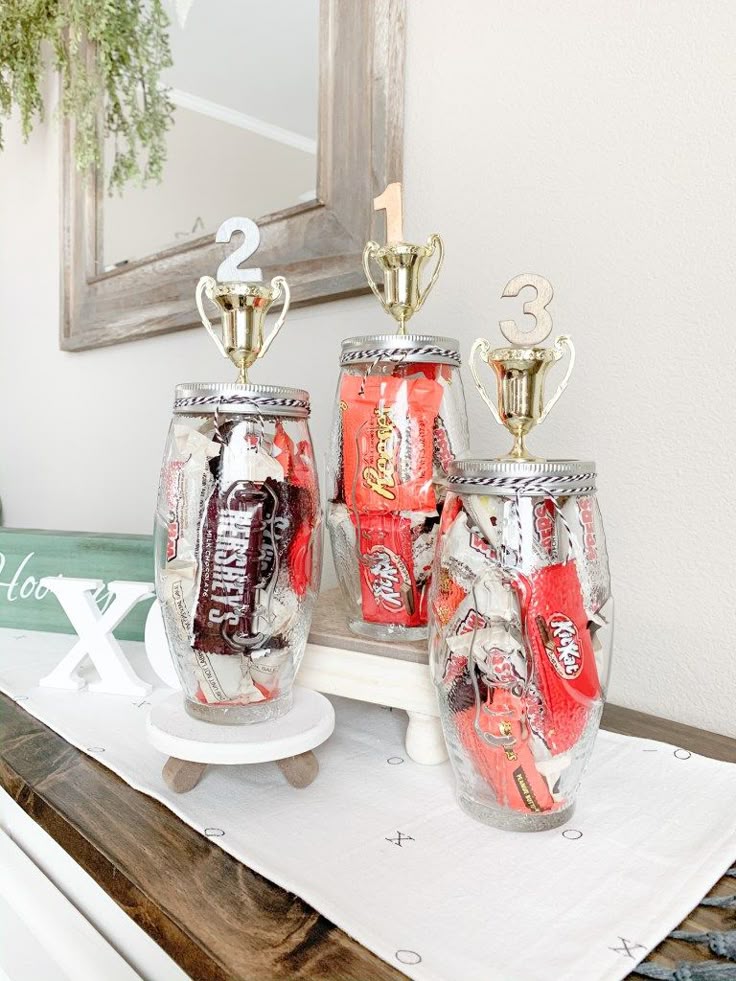
Making gifts at home allows for creativity. People can personalize items like photo frames, mugs, or ornaments with names or special messages. Simple crafts such as decorated jars filled with candy, homemade candles, or knitted scarves work well.
Using basic materials such as paper, fabric, or small trinkets keeps the crafting easy and accessible. Personalized notes included with the gift add warmth. These gifts show thoughtfulness and give winners something unique to remember.
Budget-Friendly Prize Ideas
Low-cost gifts can still be exciting and useful. Items like baked goods, handmade bookmarks, or small potted plants are affordable and appreciated. Wrapping gifts in colorful paper or adding simple decorations can make them look festive.
Creating bundles of small prizes in baskets or boxes stretches a small budget further. Gift cards to local stores or coffee shops can also work for prizes without costing much. The key is to balance cost and value, so prizes feel thoughtful but don’t overspend.
Safety Considerations and Accessibility
Choosing safe gifts and making games inclusive helps everyone enjoy family Christmas activities without worry or exclusion. Proper planning ensures both safety and fun for all participants.
Gift Selection for Safety
When picking gifts for family games, avoid items with small parts if young children are involved. These can be choking hazards. Gifts made of non-toxic materials are best for any age.
Sharp objects, breakable items, or anything with cords should be left out to prevent accidents. It’s important to check for age recommendations and warnings on packaging.
For food-related gifts, consider allergies or dietary restrictions. Labeling ingredients clearly can prevent health issues. Wrapping gifts safely, without loose ribbons or tape that could cause cuts or choking, is also crucial.
Inclusive Game Variations
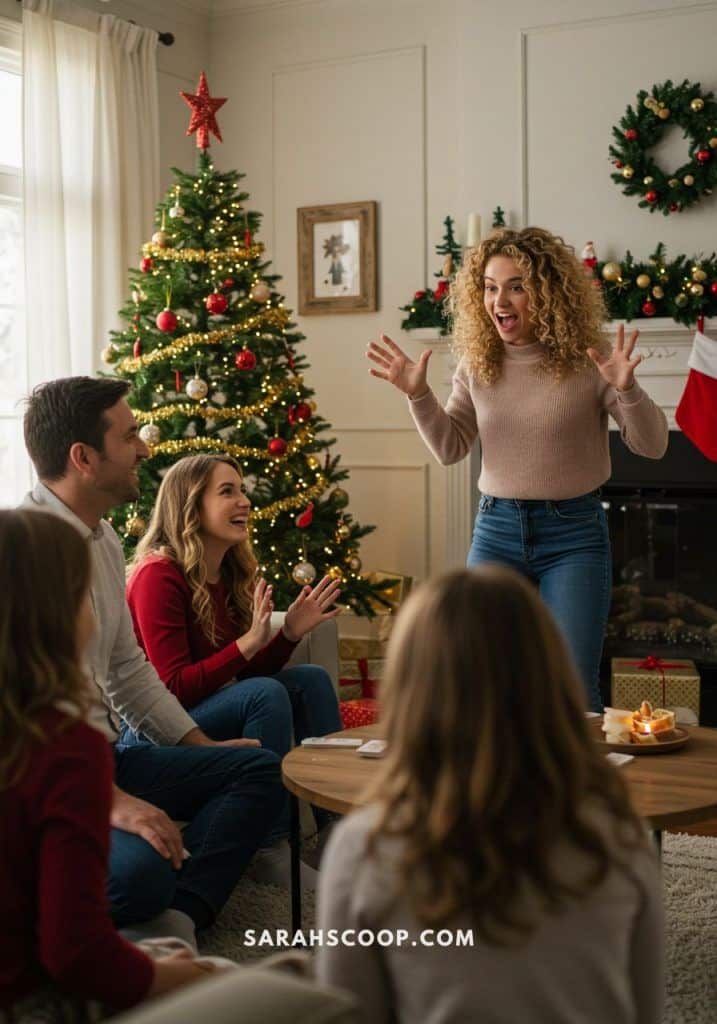
Games should be easy for everyone to join, including those with limited mobility or disabilities. Offering simple rules or alternative ways to participate can help.
For example, instead of physical activities like running or grabbing, have players pass gifts or use question cards. Visual aids or written instructions can support people with hearing or learning challenges.
Adjusting the pace of the game allows slower participants to keep up without feeling rushed. Using larger gift sizes or items with easy-to-handle textures makes gift exchanges comfortable for all ages and abilities.
Conclusion
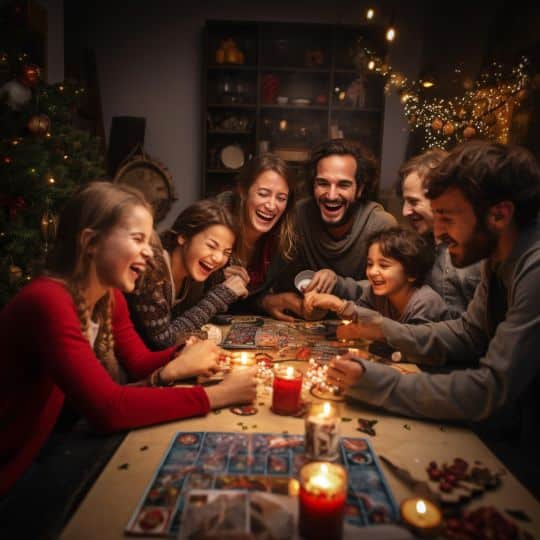

Family Christmas games with gifts add fun and excitement to holiday gatherings. They keep everyone involved and create good memories.
Games can be simple or creative. Each one helps bring family members closer by encouraging laughter and teamwork.
Using gifts makes the games more interesting. Small, thoughtful presents work best. It keeps the focus on enjoying time together, not the value of the gifts.
Here are key tips for success:
- Choose games that fit the group’s age and size.
- Pick gifts that everyone will like or find useful.
- Set clear rules to keep things fair and friendly.
When done right, gift games become a holiday tradition. They bring joy to all ages and make celebrations feel special. The focus stays on sharing happiness, not just giving presents.
- 0shares
- Facebook0
- Pinterest0
- Twitter0
- Reddit0