The most expensive rebrand I’ve ever watched fail cost around $180,000 — new logo, new signage system, new website, redesigned reception. The agency did good work. The client was genuinely excited. Then, three weeks after the grand reopening, a client photographed a cockroach on the conference room table and posted it. The brand hasn’t fully recovered two years later.
- The Branding Layer Most Businesses Ignore
- Brand Experience = Environmental Experience
- Prevention as Brand Strategy
- How Spatial Design Either Invites or Repels Pest Problems
- Internal Culture and the Pride of Place
- The Sensory Brand: What Smell and Sight Tell Clients Before You Say a Word
- The Takeaway: Brand Happens in Physical Space
That story sounds extreme. It isn’t. The physical environment isn’t a supporting element of your brand experience — it is the brand experience, for everyone who walks through the door.
And the gap between a meticulously designed space and a space that communicates genuine care is often measured in things you’d rather not think about.
The Branding Layer Most Businesses Ignore
When designers talk about brand identity, the conversation defaults to the visible toolkit: logo, typography, color system, photography style. These are the parts that get presented in decks and debated in workshops. They’re also, in isolation, insufficient.
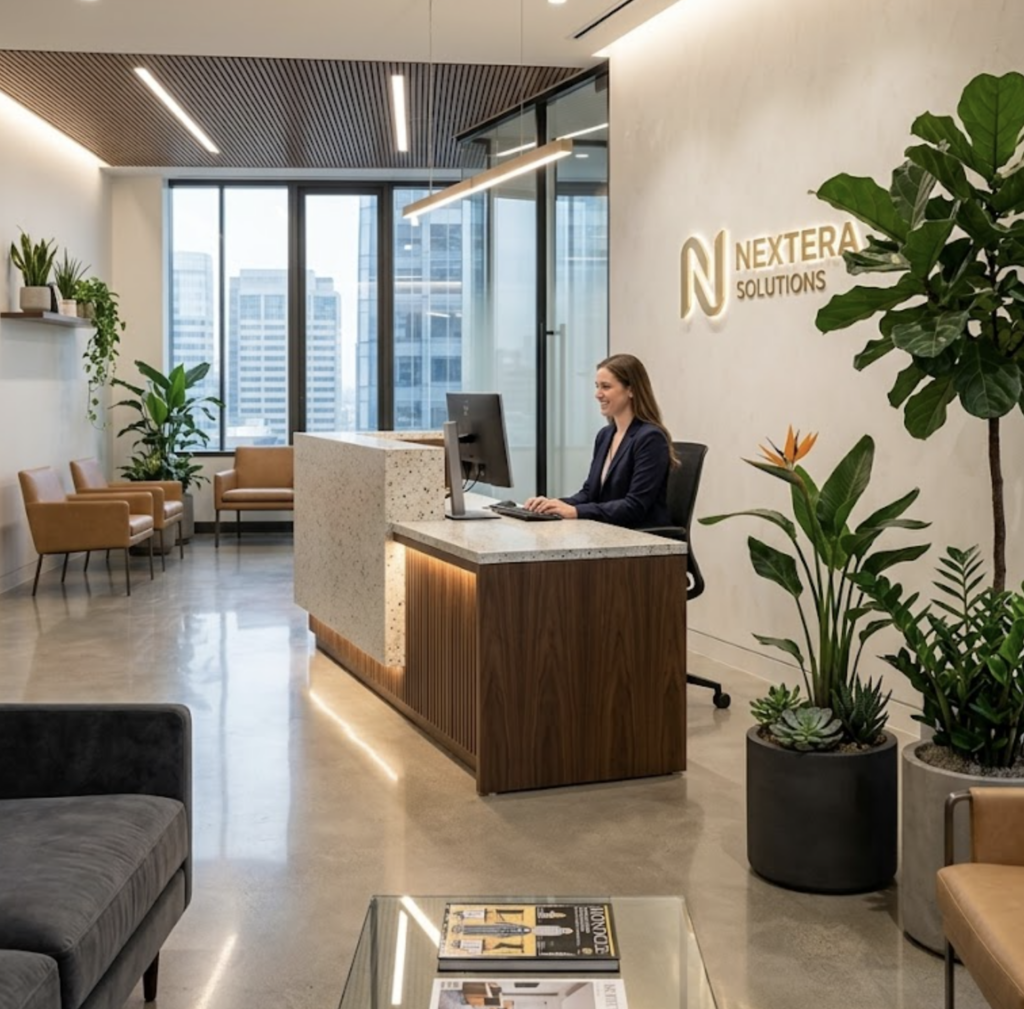
Your brand isn’t what you intend it to be. It’s what clients experience when they interact with you — the cumulative impression built from every touchpoint, including the ones nobody designed. The weight of a door handle. The smell of a reception area. Whether there are ants in the hallway on the third Tuesday in July.
A single pest incident doesn’t just create a hygiene concern. It creates a credibility problem that your visual identity cannot absorb. The logo on the wall doesn’t compensate for what the client just saw on the floor. In fact, the more polished the branding, the more jarring the disconnect — because polish sets an expectation that environmental failures violate directly.This is why integrating professional commercial pest control services into an operational strategy isn’t a facilities management footnote. It’s a brand decision, made at the same level of intentionality as any other customer-facing investment.
Brand Experience = Environmental Experience

There’s a concept spatial designers work with called ambient credibility — the unconscious sense a visitor forms within the first thirty seconds of entering a space about whether this is an organization that pays attention. It happens before a word is spoken. It comes from the quality of light, the smell of the air, the surface condition of the floor they’re walking across.
High-end hospitality brands understand this viscerally. The reason a Four Seasons lobby smells the way it does — that specific, faintly floral neutrality — is because someone specified it. The reason the surfaces stay clean isn’t because they get cleaned more often than other hotels; it’s because the maintenance protocol was designed as a brand requirement, not a housekeeping schedule.
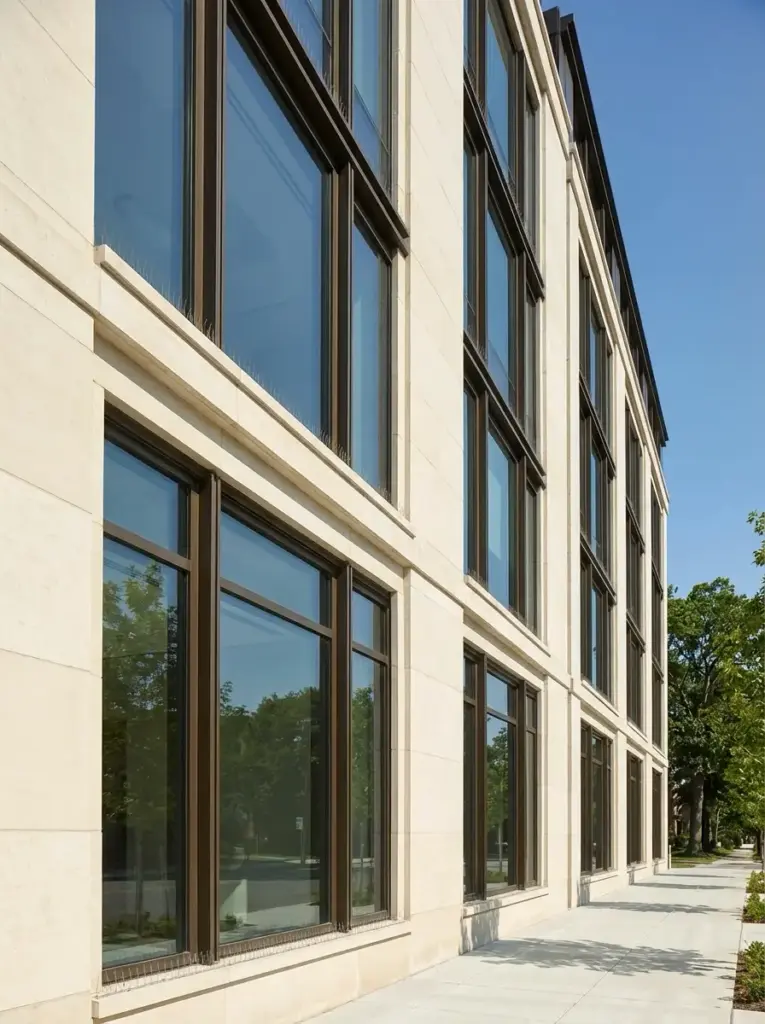
A meticulously maintained environment echoes everything your design efforts suggest in the background, narrating a non-verbal tale of dependability. But this ambient credibility doesn’t start at the reception desk — it begins at the property line. The architectural silhouette and exterior conditions are the first handshake your brand offers.
For this reason, maintaining the exterior and surrounding environment of your business is just as important as maintaining the interior. For example, birds gathering or nesting around rooftops, ledges, or entry points can quickly create hygiene issues and leave a negative impression on visitors. In situations like these, hiring professional deterrent and maintenance services from reputable firms like Rapid Facility Services helps businesses keep their premises clean, well-managed, and aligned with the high standards their brand represents.
Prevention as Brand Strategy
Consistency is the fundamental requirement of effective branding. The visual system is consistent. The tone of voice guidelines are consistent. The client-facing communication is consistent. But consistency in operational standards — the invisible infrastructure that keeps the physical experience matching the designed one — gets less attention, and it’s where brand erosion typically begins.

The most reliable way to maintain environmental consistency isn’t reactive — it isn’t catching problems after they’ve become visible. It’s the same approach that works in every other area of brand management: systematic, proactive, and designed to prevent the problem from reaching the client’s perception in the first place.
This is exactly what professional commercial pest management delivers when properly integrated. Regular site assessments, seasonal treatment schedules, access point audits, and staff reporting protocols create a system that functions like any other quality control process. Problems are identified and addressed before they generate incidents. The investment is measured against the cost of recovery — which, as the story at the start of this article suggests, can be substantial.
For businesses operating in hospitality, health and wellness, retail, or food service — where client experience is sensory and immediate — this isn’t optional risk management. It’s table stakes.
How Spatial Design Either Invites or Repels Pest Problems
Walk into any well-designed commercial space and you’ll notice the same thing: clean sightlines, deliberate material choices, zero clutter. What you’re less likely to notice — but what any interior designer worth their hourly rate has already thought about — is that those same decisions also determine how pest-resistant the space is.
This isn’t a coincidence. It’s intentional design thinking.
Material selection is the first layer. Smooth, sealed surfaces — polished concrete floors, lacquered cabinetry, quartz countertops — leave nowhere for food debris to accumulate and nowhere for small insects to establish a foothold. Porous materials like untreated wood shelving, exposed brick, or gap-prone tile grout create the kind of micro-environments that pest infestations quietly begin in. In my experience, the commercial spaces that end up with recurring pest issues are almost always the ones where the original fit-out prioritized aesthetics without considering maintenance reality.
The second layer is circulation and storage design. Cluttered back-of-house areas, overpacked storerooms, and kitchen layouts with dead zones behind equipment are pest magnets — not because the business is careless, but because the design created spaces that are difficult to clean thoroughly. The fix isn’t just professional pest control; it’s a layout review. Think: open shelving with legs rather than floor-level cabinetry, sealed storage units rather than cardboard boxes on the floor, HVAC and pipe runs that are accessible for inspection rather than buried behind permanent walls.
The brands that get this right — the Apples, the Ace Hotels, the high-end retail studios — design for cleanability from the first floor plan sketch. The result is a space that looks effortless to maintain because it actually is.
Internal Culture and the Pride of Place
The brand experience doesn’t stop at the client. Your team experiences the space every day, and the condition of that space communicates something to them before they’ve done a single piece of work.

A well-maintained, clean, pest-free environment tells employees that the organization they’re part of takes its physical standards seriously. That message sounds minor. In practice, it contributes to whether people feel proud of where they work — whether they’d bring a client to the office without hesitation, whether they’d recommend the company to a friend, whether the energy they bring to client work is the energy of someone representing something they believe in.
Environmental pride is genuinely transferable. The way a team member greets a visitor, the care they bring to a deliverable, the confidence they project when representing the brand in an external meeting — all of these are downstream of whether the physical environment signals competence and care or signals indifference.
The businesses that cultivate genuine brand evangelists inside their teams are, without exception, the ones where the internal standards match the external promises. Pest control is part of those internal standards, in the same register as equipment maintenance, air quality, and lighting quality. Not glamorous, but foundational.
The Sensory Brand: What Smell and Sight Tell Clients Before You Say a Word
There’s a concept in environmental psychology called ambient belonging — the sense a visitor gets within the first thirty seconds of entering a space that tells them whether they’re in a place that’s looked after. It’s not a conscious checklist. It’s faster than that. A scent, a surface, a quality of light. The brain processes all of it before a word is spoken.
Designers work with this constantly. The choice of a diffuser in a reception area over a synthetic air freshener. The decision to specify matte finishes rather than glossy ones that show every fingerprint. The use of live plants — real ones, properly maintained, not the dusty artificial ficus in the corner — as both biophilic design and a signal that someone pays attention to the living things in this space.
Pest activity disrupts this ambient signal at the most fundamental level. A single fruit fly circling the reception desk, a line of ants across the bathroom floor, the faint musty odor of rodent activity in a back corridor — these aren’t just hygiene failures. They’re sensory brand failures. They tell the client’s nervous system that the space is not controlled, not monitored, not cared for.
The brands that invest in sensory design — that specify their coffee fragrance, their background music tempo, their material texture at reception — should consider pest management as part of that same investment. Because no amount of Aesop hand soap in the bathroom recovers the brand equity lost the moment a client spots something that shouldn’t be there.
A well-maintained space smells neutral and clean. It feels deliberate. Every surface, every corner, every threshold reinforces the same message your logo and your website are working to communicate: we are a business that pays attention. That message is only as strong as its weakest physical point.
The Takeaway: Brand Happens in Physical Space
Design that lives only on screens is incomplete. Your brand exists in the rooms where your clients sit, the corridors your team walks every morning, the facade that greets everyone approaching the building. It lives in the smell of the air, the condition of the surfaces, and the absence of anything that shouldn’t be there.
Every pixel of your digital presence is doing work to create an expectation. The physical environment either validates that expectation or contradicts it — and contradictions are remembered far longer than confirmations.
Pest management, exterior maintenance, environmental upkeep: these aren’t the interesting parts of running a business. They’re the invisible infrastructure that keeps the interesting parts credible. Build that infrastructure with the same intentionality you bring to the visible brand, and the experience your clients have will match the experience you’ve designed for them.
That’s what brand integrity actually means.
- 3shares
- Facebook0
- Pinterest0
- Twitter3
- Reddit0