Many popular carpet shampoos still contain petroleum-based surfactants, synthetic fragrances, optical brighteners, phosphates, and PFAS. These “forever chemicals” rinse down the drain, persist in waterways, harm aquatic life, and can linger in your carpet fibres for months.
Even worse, the “fresh scent” you love is often just a chemical mask covering up residues that off-gas into the air your family breathes.
Find out if your carpet shampoo is secretly polluting the planet or saving it. Let’s pull back the label and see what’s inside the bottle.
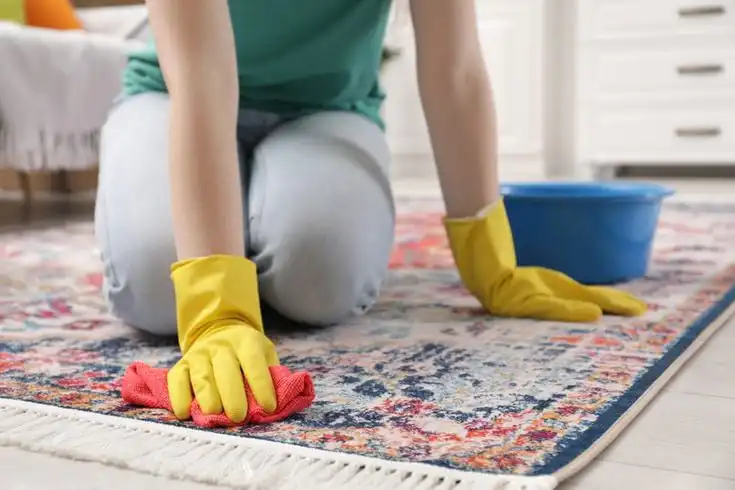
What Makes a Carpet Shampoo Truly Eco-Friendly?
Not all “green” carpet cleaners are created equal. To decide whether a shampoo is genuinely eco-friendly, we can look at five important parameters:
- Ingredient Safety. Eco-friendly shampoos use non-toxic, plant-based ingredients. They avoid harsh chemicals, synthetic fragrances, and high levels of volatile organic compounds (VOCs), which can trigger allergies, headaches, or respiratory irritation.
- Biodegradability. A truly green shampoo breaks down safely in water and soil. This ensures that when residues enter drains or water systems, they don’t pollute rivers, harm aquatic life, or contribute to long-term environmental damage.
- Sustainable Packaging. The container matters. Recyclable, refillable, or biodegradable packaging reduces plastic waste and lessens the product’s overall environmental footprint. Concentrated formulas are also a plus, cutting down both packaging and transportation emissions.
- Efficiency in Use. Eco-friendly cleaning isn’t just about the ingredients—it’s also about the process. Products that work with minimal water, energy, or heat are better for the planet. Methods like steam cleaning or hot water extraction combined with plant-based shampoos maximise cleanliness while reducing resource use.
- Effectiveness Without Harm. Finally, an eco-friendly shampoo should actually clean. It should lift dirt, tackle stains, and neutralise odours without leaving harmful residues behind. The best products balance environmental responsibility with practical performance.
Understanding these five parameters helps you separate marketing claims from genuinely sustainable options.
The Problem With Commercial Cleaning Products
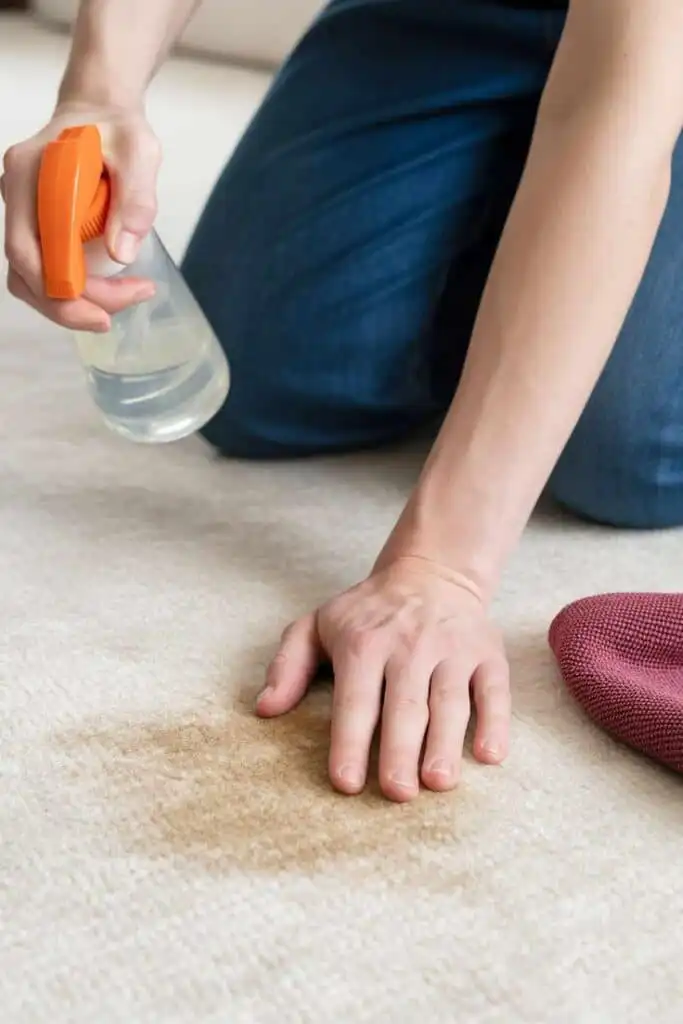
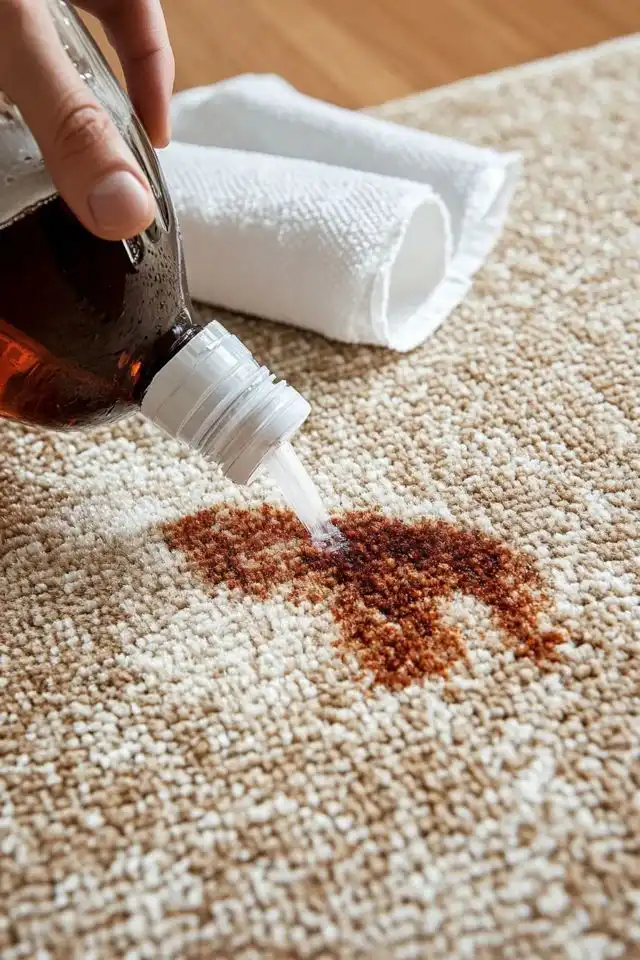
It’s easy to assume that any shampoo will leave your carpets spotless, but many conventional products don’t tell the whole story.
While they might remove visible dirt, they often rely on strong chemicals, artificial fragrances, and other ingredients. These substances can irritate your skin, trigger allergies, or leave lingering odours in your home.
Plus, they can also evaporate into the air, affecting indoor air quality and sometimes even causing headaches or respiratory issues. Moreover, the residues left behind can actually attract more dirt, meaning that your carpets might get dirty again sooner than expected.
Another downside is the environmental impact. Most mainstream shampoos come in single-use plastic bottles and aren’t biodegradable.
When residues go down the drain, they can harm aquatic life and ecosystems. On top of that, many products need lots of water or heat to work effectively, which increases energy use and water waste.
In short, while conventional shampoos may promise quick results, they often compromise long-term cleanliness, home safety, and the environment. That’s why exploring truly green alternatives is well worth considering.
Green Carpet Shampoos That Actually Work
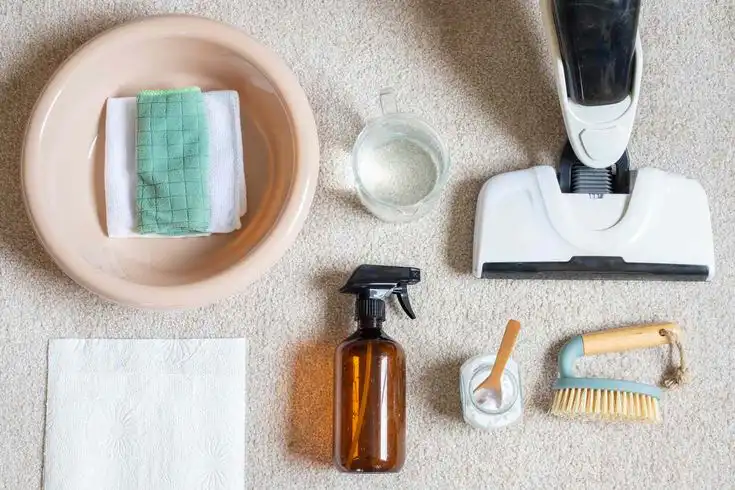
If you’ve been worried that eco-friendly cleaning means compromising on results, here’s some good news: modern green carpet shampoos can be just as effective as conventional products—often even better.
Many of today’s plant-based options harness natural surfactants, enzymes, and gentle essential oils to lift dirt, neutralise odours, and tackle stubborn stains without leaving behind harmful residues.
Some even include antibacterial properties from ingredients like tea tree or citrus extracts, making your carpets fresher and healthier.
These shampoos are also designed with your home in mind. They’re safe for children, pets, and anyone with allergies or sensitivities, so you don’t have to worry about irritation or lingering chemical smells.
At the same time, they’re kinder to the planet, with biodegradable ingredients and reduced environmental impact.
For those who like to get hands-on, DIY mixtures are another great option. Simple combinations like a paste of baking soda and water for spot cleaning, or club soda for fresh spills, can deliver impressive results without any harsh chemicals.
Adding a few drops of essential oils like lavender or eucalyptus gives a subtle, fresh scent while boosting natural antimicrobial action.
If convenience is a priority, many local carpet cleaning services now offer professional treatments using eco-friendly products. They can refresh your carpets thoroughly while keeping chemicals, water use, and waste to a minimum.
How to Make Smart, Eco-Friendly Choices

With so many products claiming to be “green” or “natural,” it can be tricky to know what’s genuinely eco-friendly. A few strategies can help you separate the solid facts from marketing hype.
Check the Labels Carefully
Look for certifications you can trust. In the UK, labels like the EU Ecolabel, the Soil Association Organic mark, and the Allergy UK Seal of Approval signal that a product is worth using. It has been independently assessed for safety, environmental impact, and reduced allergens.
Avoid vague claims like “all-natural” or “eco-friendly” without supporting proof—these can be misleading.
Investigate Ingredients
Take a moment to scan the ingredient list. Eco-friendly carpet shampoos use plant-based surfactants, enzymes, or essential oils instead of harsh chemicals.
Steer clear of products with phosphates, chlorine, ammonia, or synthetic fragrances, which can irritate your family and harm the environment.
Consider Packaging and Waste
Eco-conscious choices extend beyond the shampoo itself. Recyclable bottles, refill stations, or concentrated formulas all help reduce plastic waste.
Some brands now offer cardboard-based or pouch packaging, which cuts down on single-use plastics. Choosing these options supports sustainable practices across the industry.
Do a Little Research
A quick online search can reveal whether a brand is truly committed to sustainability. Look for transparency in sourcing, manufacturing, and disposal practices. Reading reviews and visiting the manufacturer’s website often provide insights that labels alone can’t.
Combine with Professional Services
On site carpet cleaning services that specialise in eco-friendly products are worth considering. They can save time, use less water and energy, and ensure your carpets are thoroughly refreshed without introducing harmful chemicals into your home.
Conclusion
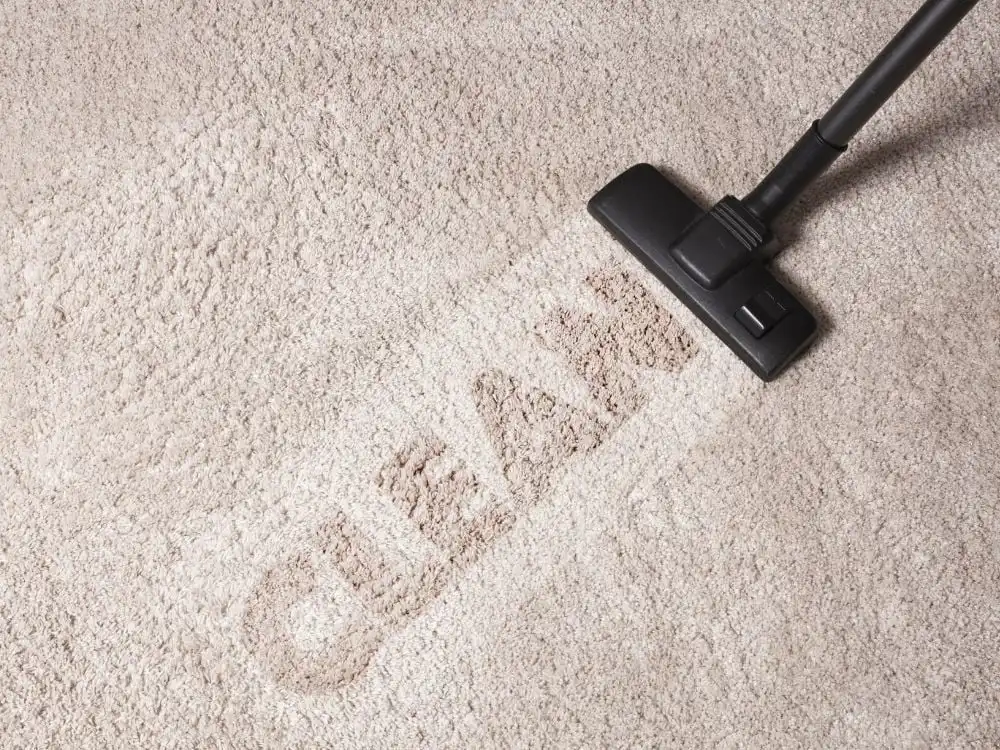
Truly green carpet shampoos now exist and perform better than the old chemical heavyweights. Look for options that clean deeply, without leaving a toxic legacy behind.
Switching to sustainable products isn’t just a feel-good move. It’s a powerful way to protect your home, safeguard nature, and stop paying companies that profit from poisoning the planet.
Your carpets deserve to be clean, and the earth deserves to stay that way too. Fortunately, with the right bottle, you no longer have to choose between the two.
- 0shares
- Facebook0
- Pinterest0
- Twitter0
- Reddit0