Embarking on a DIY project can be an exciting yet challenging experience, especially when it comes to selecting the right materials. Whether you’re sprucing up your garden or erecting an outdoor structure, having the best materials on hand can make all the difference. This article will guide you through the essential considerations and material options to ensure your project is a success.
Understanding Material Costs and Benefits
When planning any DIY task, understanding the financial implications of material choices is crucial. For instance, metal structures offer a more affordable solution due to their construction method. That’s DIY points out that buildings using these prefabricated panels are not only cost-effective but also simple to put together, saving both time and money in the construction process.
In addition to cost, consider how the materials will benefit your project in terms of longevity and functionality. Metal, for instance, is known for its durability, making it suitable for projects that require robust structures. By opting for materials that balance cost and quality, you ensure your DIY efforts yield long-lasting results.

Besides material costs, it’s also important to factor in maintenance expenses. Some materials may require additional upkeep, which could offset initial savings. Therefore, evaluate your willingness and ability to maintain specific materials to prevent unforeseen expenses.
Enhancing Home Improvement with the Right Materials
Home improvement projects often aim to enhance both aesthetic appeal and functionality. Selecting material that contributes effectively to these goals is paramount. According to Home Improvement Stack Exchange, installing a solid wood fence can significantly decrease wind flow by as much as 50%, which can be advantageous for maintaining calm outdoor spaces.

By choosing materials that provide practical benefits like wind reduction, you can maximize the utility of your home improvement efforts. Solid wood fences not only add charm to a property but also contribute to tranquility and privacy. This dual benefit underscores the importance of aligning material choice with your project’s desired outcomes.
Design is just one aspect; materials can also affect the environmental impact of your project. Wood, for example, is a renewable resource when sourced responsibly, making it an eco-friendly choice. When updating your home, consider sustainable materials to ensure your projects are not just beautiful, but also environmentally conscious.
Revamping Landscape with Contemporary Material Choices
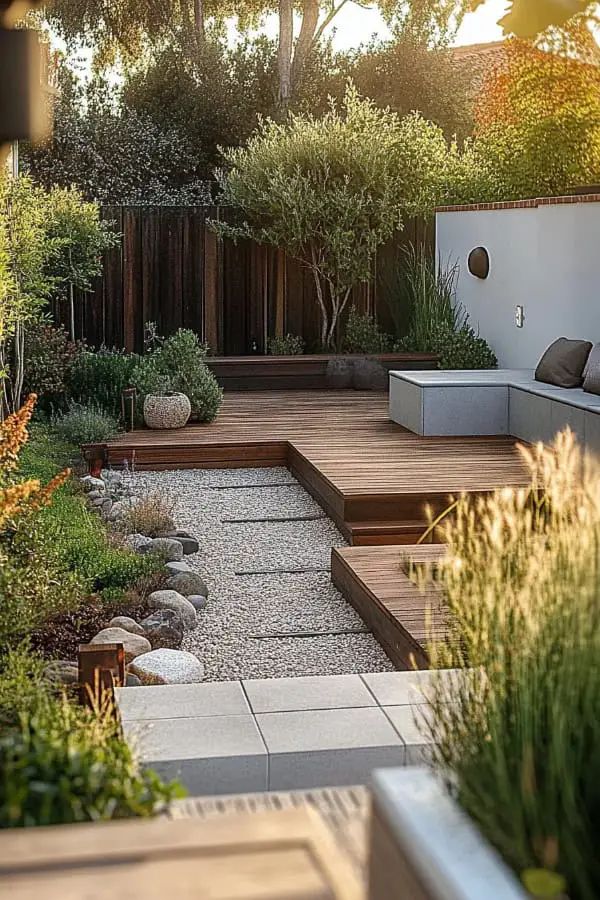
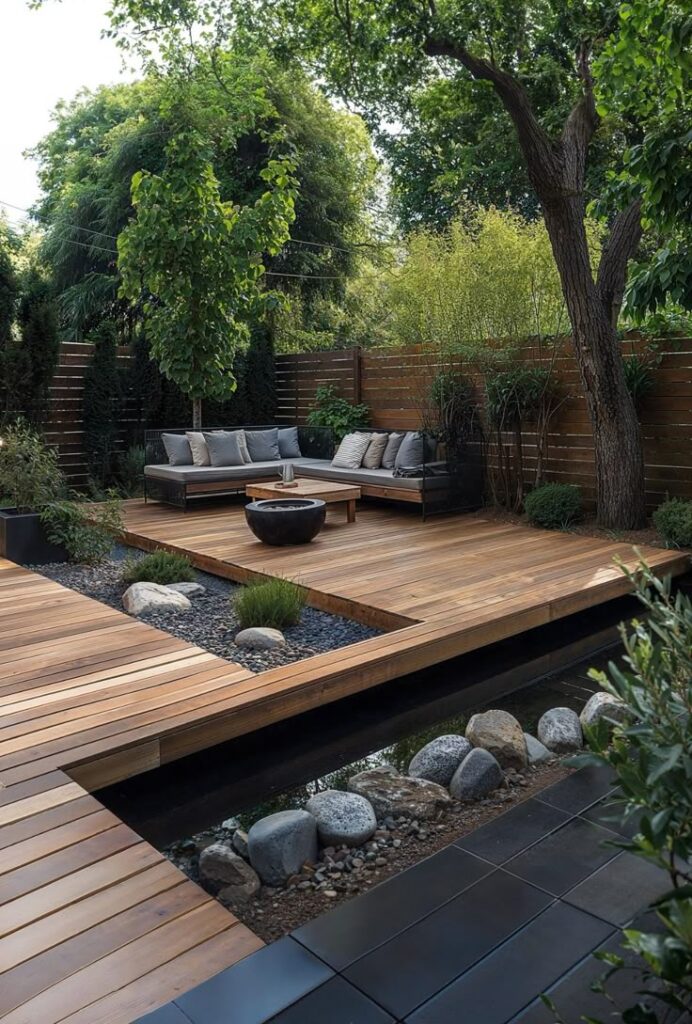
Revitalizing outdoor spaces is a common goal for many DIY enthusiasts, especially as seasons change and surfaces become worn. This Old House reports that a leading reason for landscape renovations in 2023 was replacing outdated surfaces, finishes, and materials. This indicates a growing trend towards refreshing exteriors with modern, durable materials.
In landscape projects, selecting materials like stone or composite decking can offer significant aesthetic upgrades. These materials are not only visually appealing but often require less maintenance than traditional options. By integrating contemporary materials, you can elevate the overall appearance and longevity of your landscape projects.
Furthermore, considering the local climate when choosing landscaping materials can enhance your project’s success. For instance, in areas prone to high rainfall, opting for water-resistant materials will prevent damage and prolong the life of the surfaces. Thoughtful material selection can transform ordinary gardens into lush landscapes with enduring beauty.
Incorporating the right materials into your DIY endeavors can greatly influence the outcome and satisfaction derived from each project. By weighing cost, durability, aesthetic, and environmental impact, you can make informed decisions that benefit both your wallet and your home. Remember, successful DIY projects start with smart material choices that align with your vision and practical needs.
- 3shares
- Facebook0
- Pinterest0
- Twitter3
- Reddit0