DIY furniture woodworking projects are the fastest way to learn real making skills because the result has to work in your home, not just look good in a photo. Start with straight cuts, square frames, and useful pieces: shelves, stools, side tables, benches, crates, and simple coffee tables.
The trick is choosing the right first build. A wobbly chair teaches a hard lesson; a clean shelf teaches measuring, drilling, sanding, and finishing without punishing every tiny mistake. If you are still comparing materials, read the guide to choosing materials for your next DIY project before you buy lumber.
- Best DIY furniture woodworking projects for beginners
- Project picker
- Tools and woodworking basics
- Beginner seating
- DIY coffee table
- DIY sofa ideas
- DIY shelf projects
- Common mistakes
- FAQ
Best DIY furniture woodworking projects for beginners
The best beginner DIY furniture projects are small, useful, and structurally simple: floating shelves, plant stands, shoe racks, side tables, pallet coffee tables, entryway benches, and simple storage crates. These builds teach the core sequence: measure, cut, dry-fit, drill, glue, sand, finish, and test for wobble.
I would avoid a full dining table, complex chair, or heavy cabinet as a first build unless you have someone experienced nearby. For a broader home-improvement path, this DIY home improvement essentials guide pairs well with the furniture projects below.
Project picker: match the build to your skill level
| First afternoon | Picture ledge, coat rack, shoe rack, storage crate, floating shelf |
| Weekend project | Coffee table, side table, plant stand, entryway bench, desk riser |
| Needs careful measuring | Nightstand, console table, ladder bookshelf, drop-down desk |
| Save for later | Dining table, sofa frame, outdoor loveseat, anything load-bearing for daily seating |
Start with tools, wood, and simple joins
Woodworking intimidates people because they imagine needing expensive tools, years of training, and a dedicated workshop. The reality is much more accessible. A basic toolkit costing under $150 handles 80% of beginner furniture projects, and you can work in a garage, basement, or even outdoors.
Essential starter tools:
Your first toolkit needs just a few quality items. A cordless drill with a good battery handles drilling and driving screws—this is your most-used tool. A circular saw cuts boards to length; a jigsaw handles curves. Add a tape measure, speed square for marking angles, sandpaper in several grits (80, 120, 220), wood glue, and a set of clamps. That’s genuinely enough to build most projects in this guide.
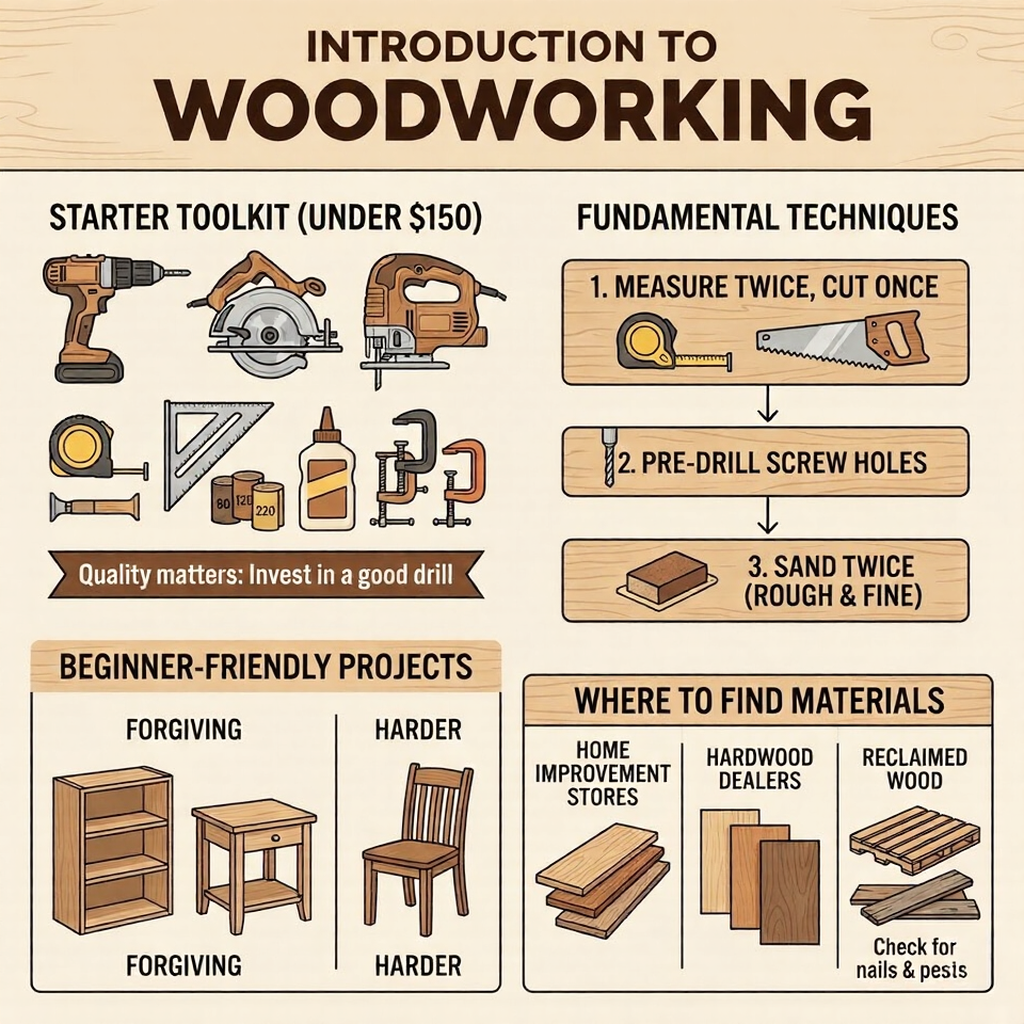
Quality matters more than quantity. One good drill beats five cheap tools that strip screws and die mid-project. Buy the best you can afford for your drill; economize elsewhere.
Choosing beginner-friendly projects:
Not all furniture projects suit beginners equally. Shelves and simple tables forgive mistakes—slightly uneven cuts disappear when assembled, and flat surfaces hide imperfection. Chairs are harder because angles must be precise or they wobble. Start with forgiving projects and build precision skills gradually.
Fundamental techniques:
Three habits prevent 90% of beginner frustration. First, measure twice, cut once—this cliché exists because cutting errors waste materials and time. Second, pre-drill screw holes to prevent wood splitting, especially near edges. Third, sand everything at least twice (rough grit first, fine grit second) before finishing. These basics separate frustrating builds from satisfying ones.
Where to find materials:
Home improvement stores sell construction lumber cheaply—pine 2x4s and 1x boards work for most projects. For nicer pieces, hardwood dealers sell oak, walnut, and maple. Reclaimed wood from pallets, old furniture, or demolition sites costs nothing and adds character. Just check for nails and treat for pests before bringing reclaimed wood indoors.
Beginner seating: chair, stool, and easy hacks
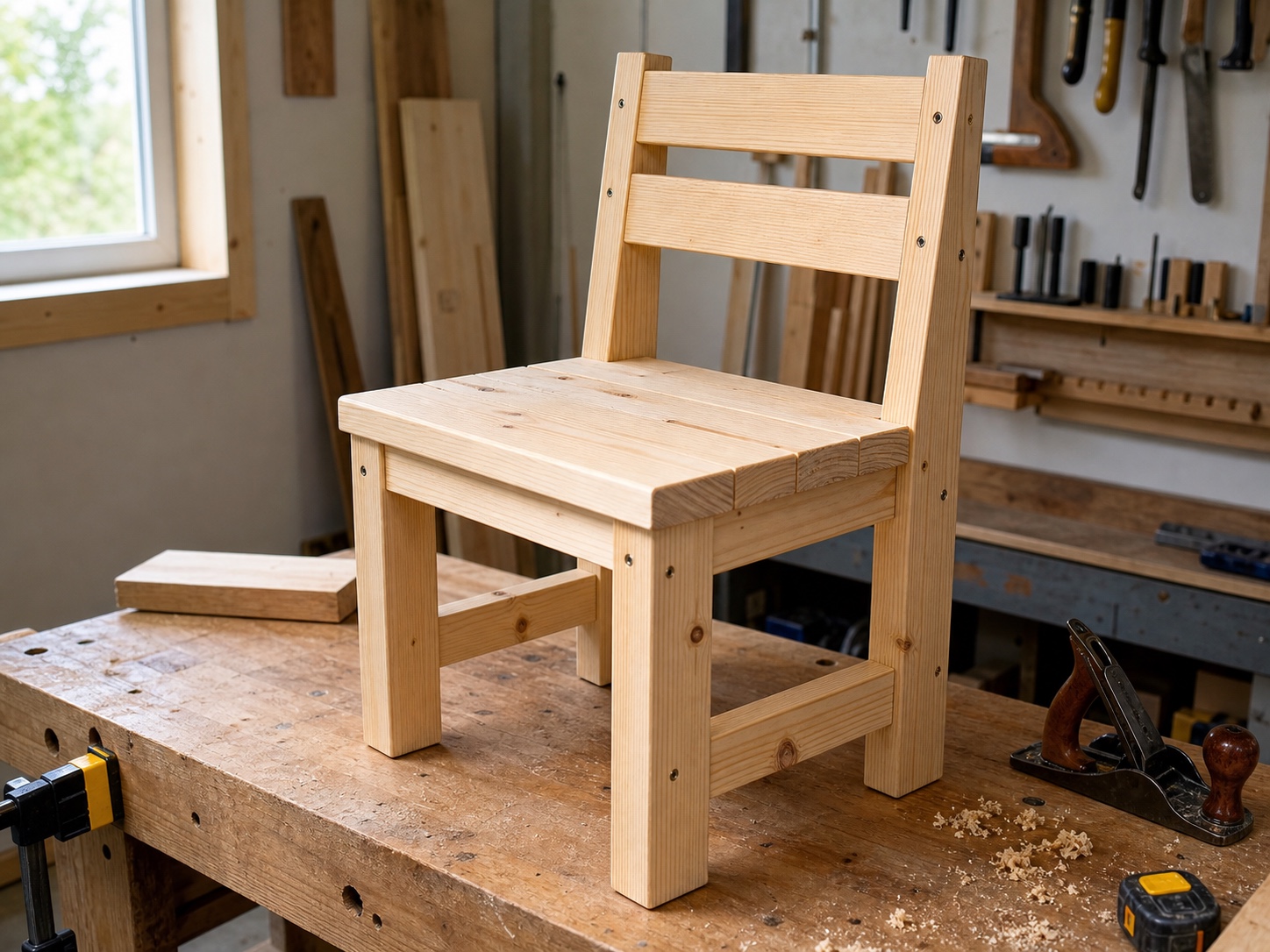
Chairs intimidate beginners because they seem complex, but they’re really just geometry: a seat, a back, and legs at angles. Once you understand the underlying structure, chairs become approachable.
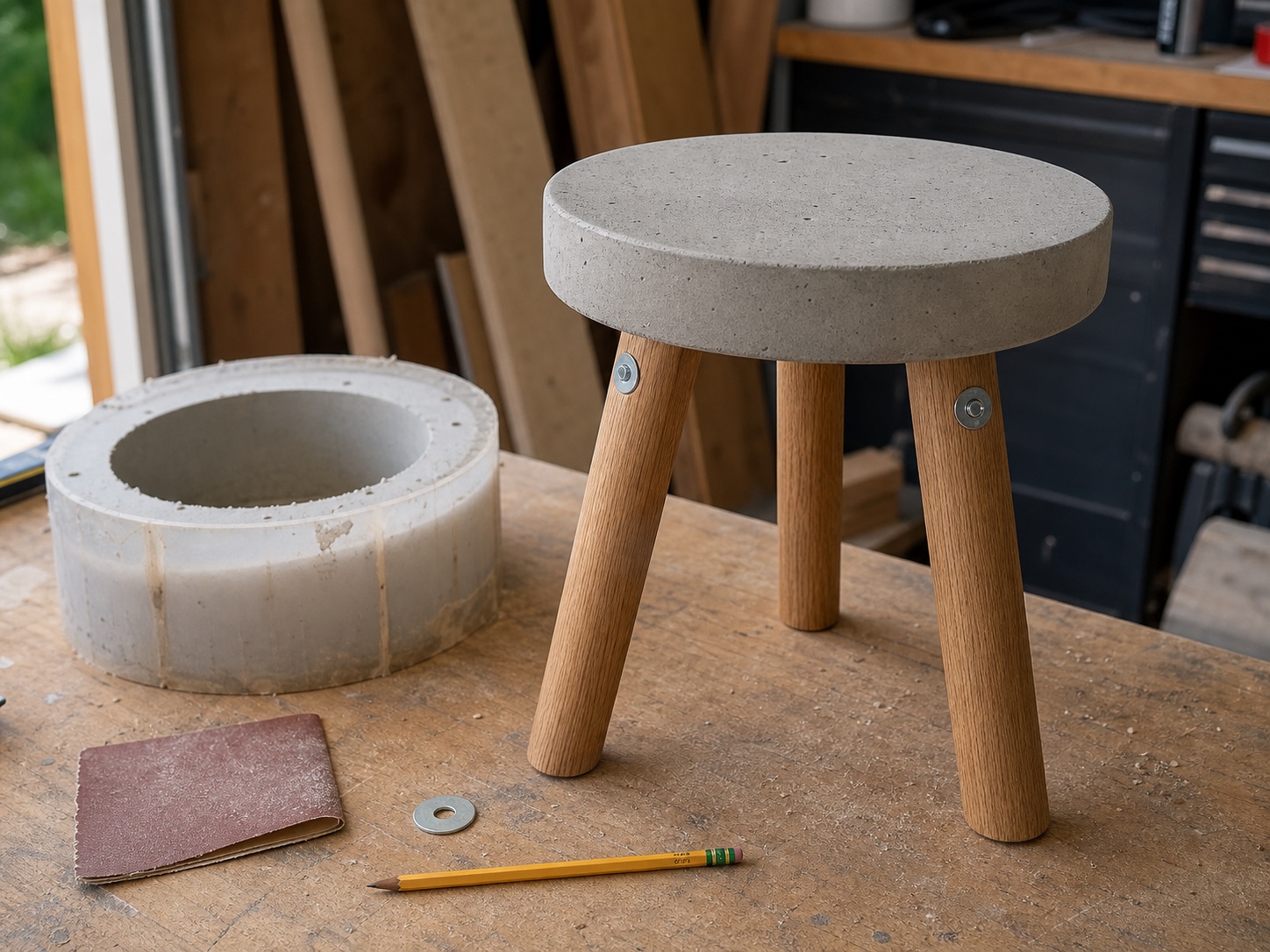
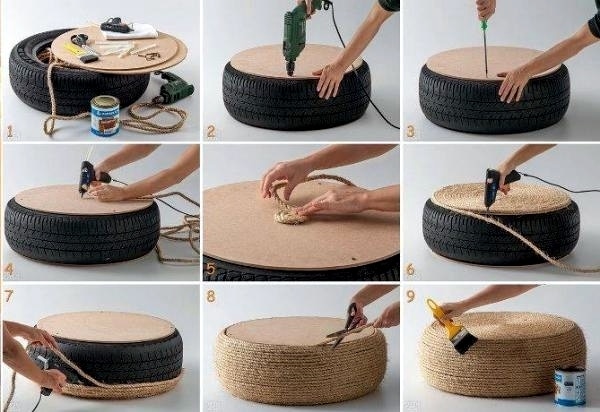
Use these seating examples as the beginner path: start with a simple chair form, then a stool where the geometry is smaller and easier to test.
The concrete stool:
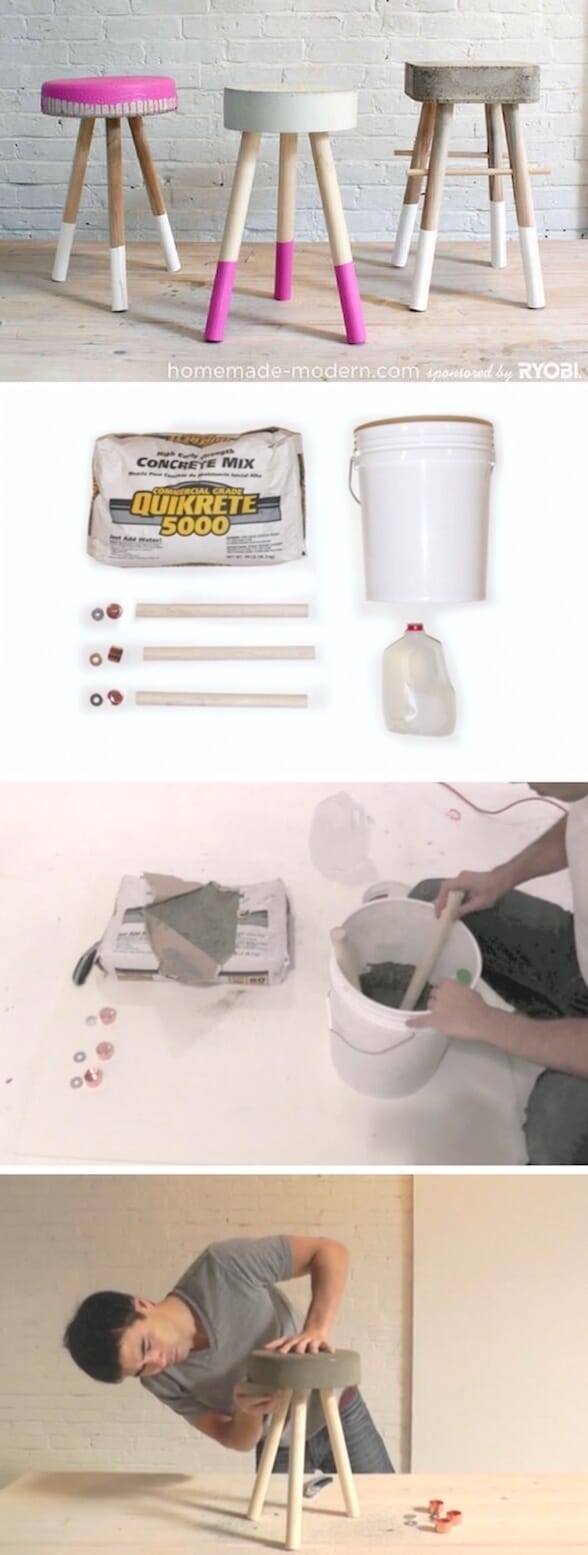
The simplest seating project needs only cement, water, and three wooden dowels. Mix concrete in a bucket mold, insert the dowel legs at angles, let cure. Total cost: under $15. Total time: 30 minutes plus curing. The result is surprisingly sturdy and works perfectly for outdoor seating, plant stands, or workshop stools.
IKEA hacks:
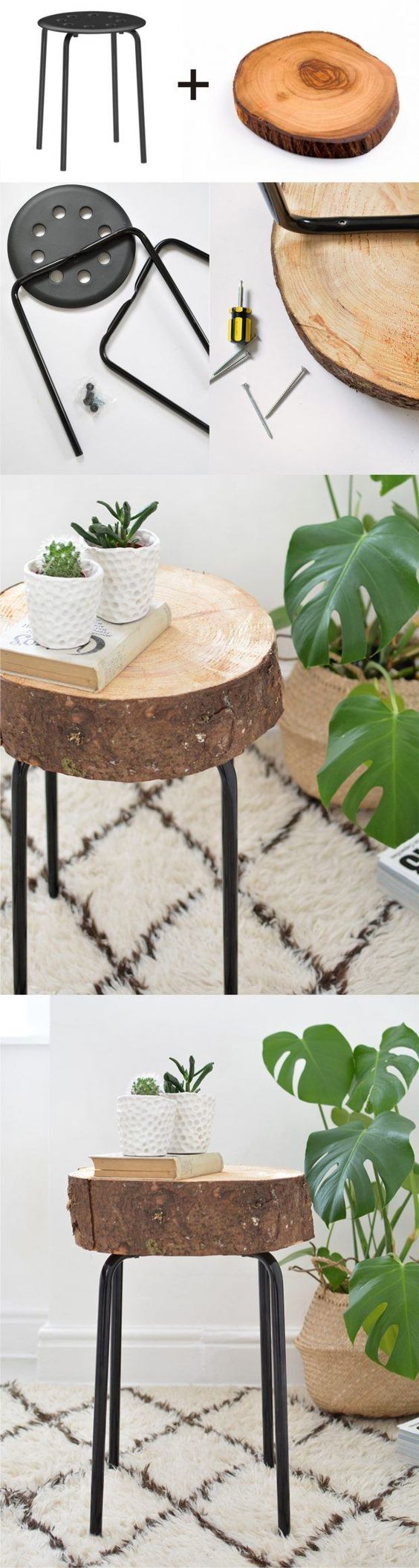
Not ready to build from scratch? IKEA furniture provides excellent hack material. Buy a basic $25 chair, then transform it: paint in bold colors, reupholster the seat, add decorative elements, replace hardware. You end up with something unique that looks custom-made, and you learn finishing techniques before tackling full construction.
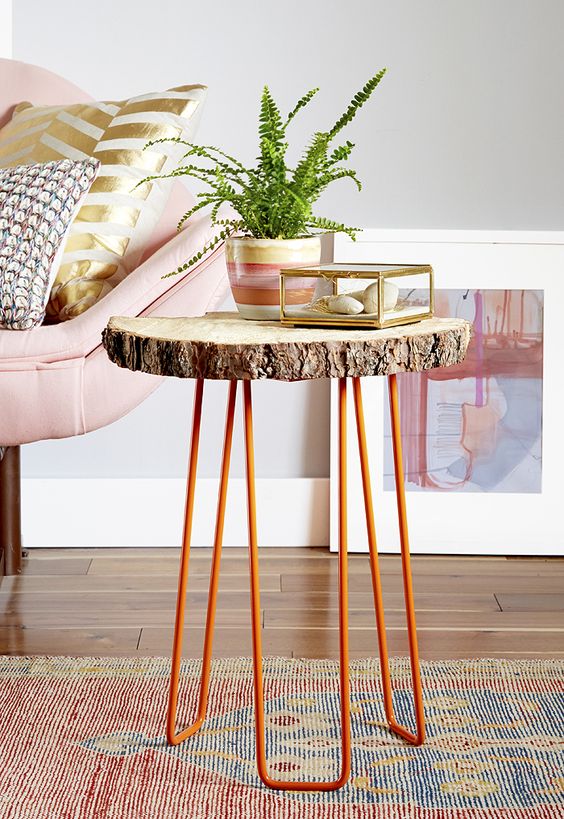
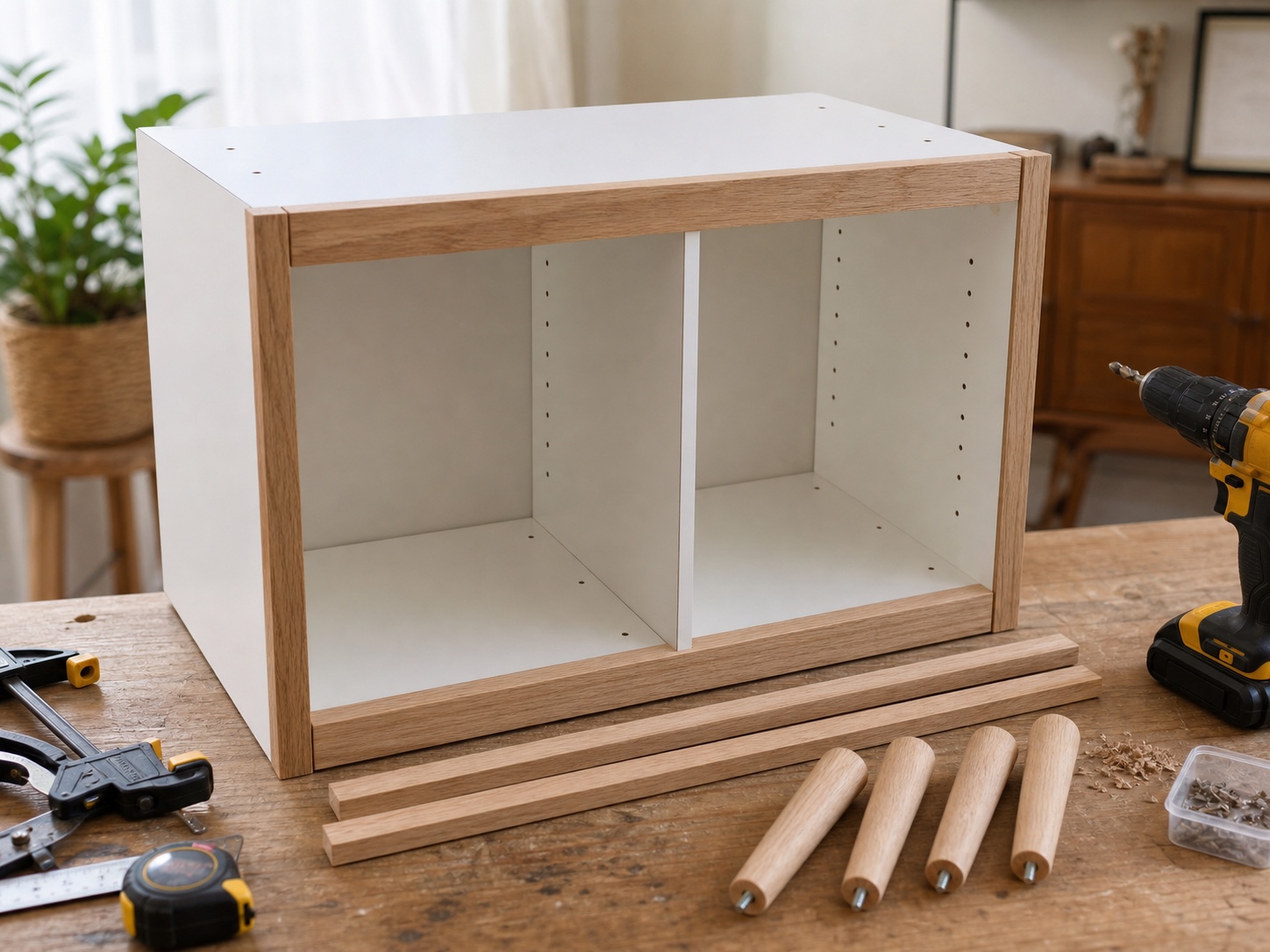
The same idea works beyond accessories: replace the legs, add a better top, or wrap plain edges in real wood trim. Small upgrades teach finishing and proportion before you build a full piece from scratch.
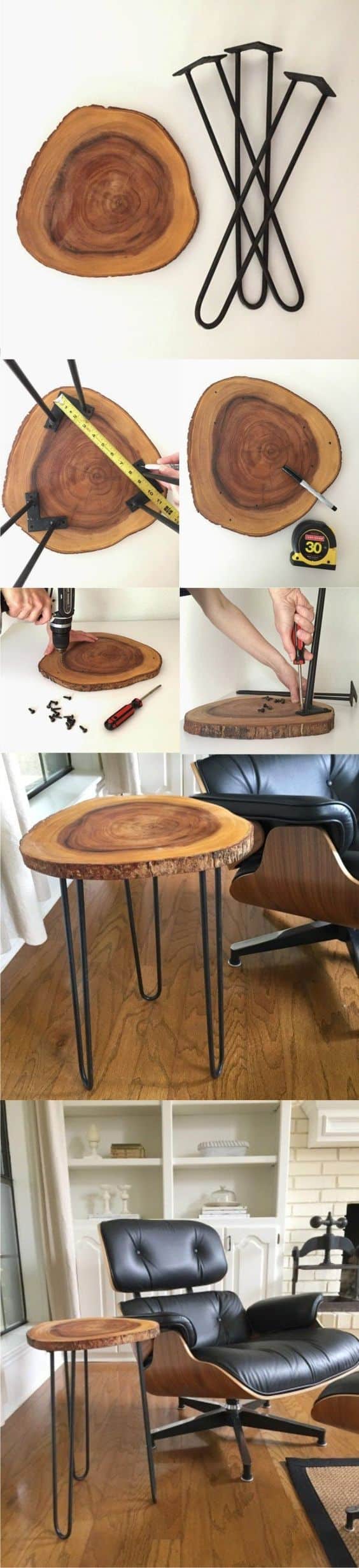
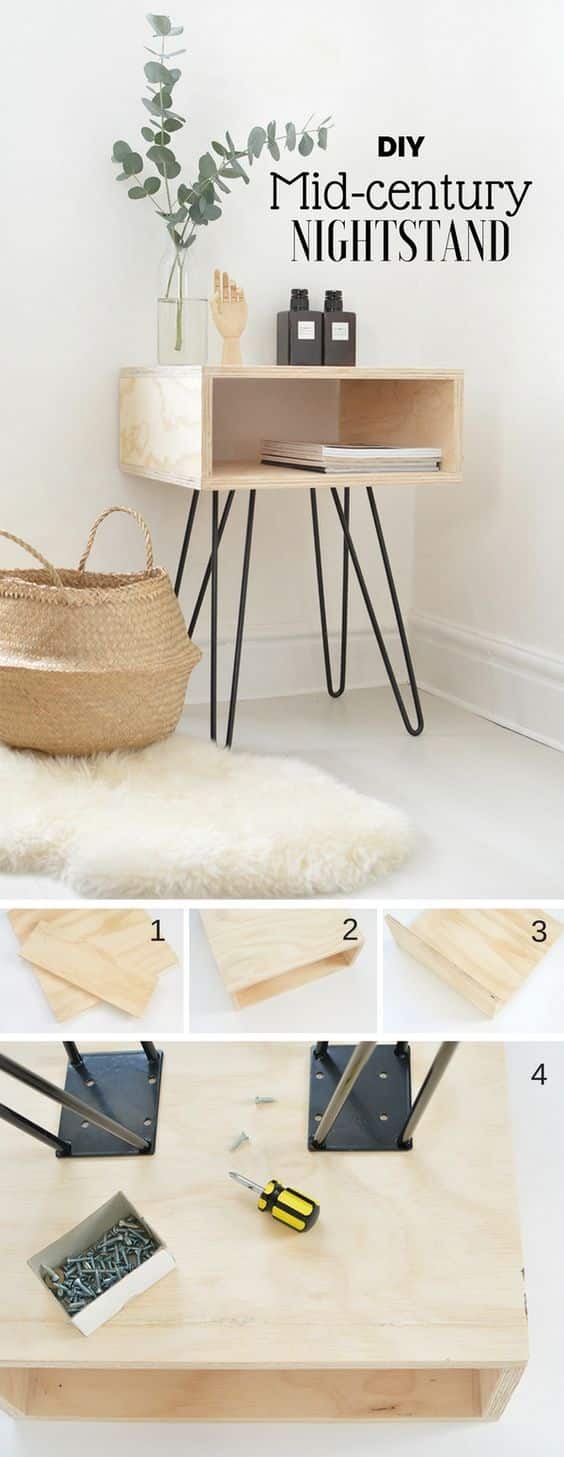
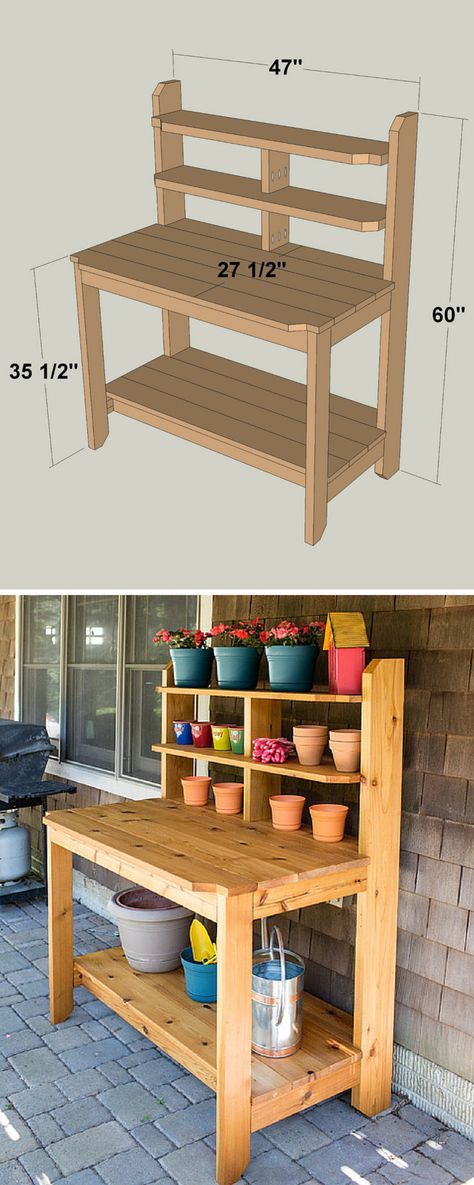
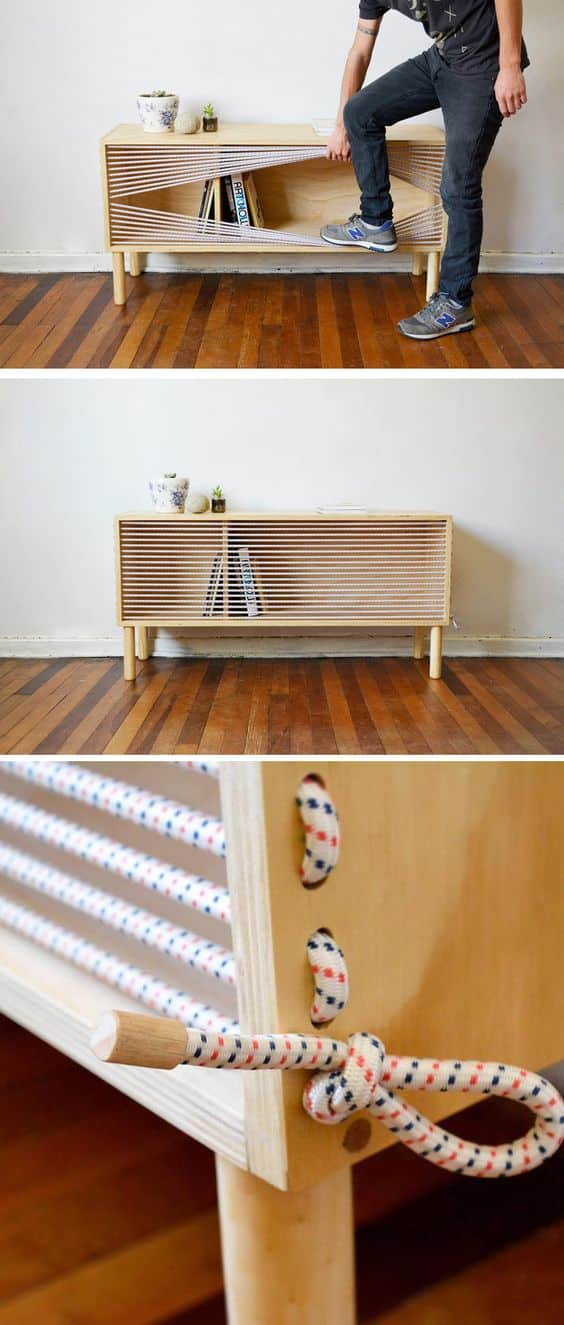
diy nightstand ideas) You need: steel furniture, plywood and glue.
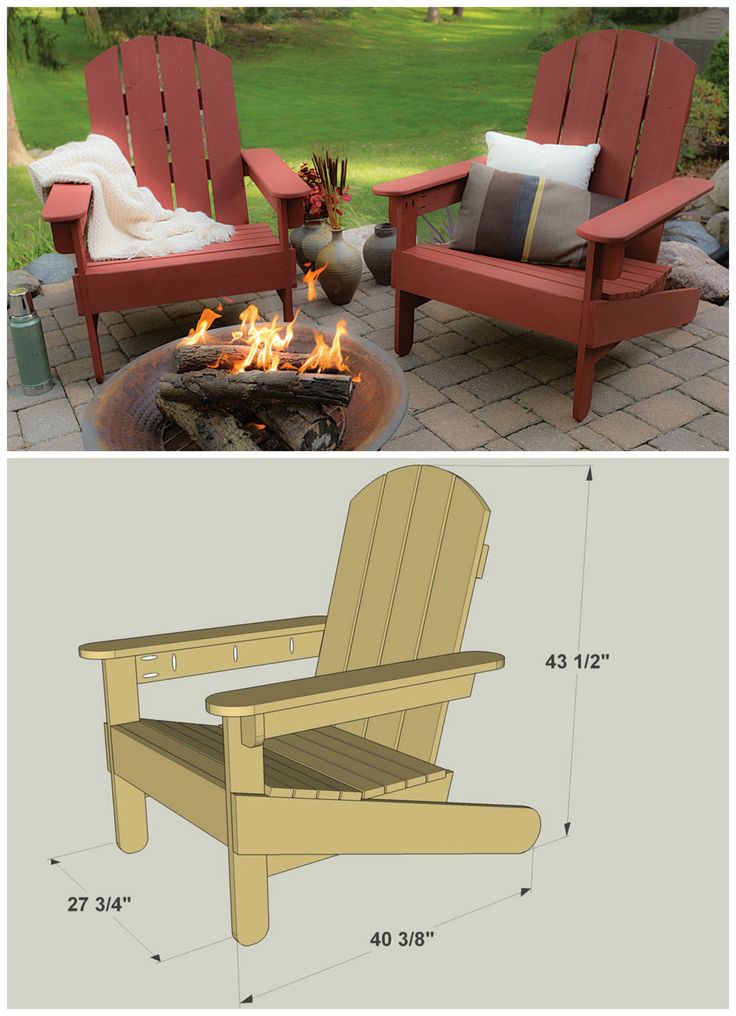
DIY outdoor chair which will create coziness for your garden or backyard.
DIY coffee table ideas
Coffee tables are the ideal first “real” furniture project. The structure is simple, flat surfaces hide cutting errors, and the results immediately improve your living space.
Coffee tables and small side tables are the safest first ‘real furniture’ category because the shapes are simple and the finished piece is useful immediately.
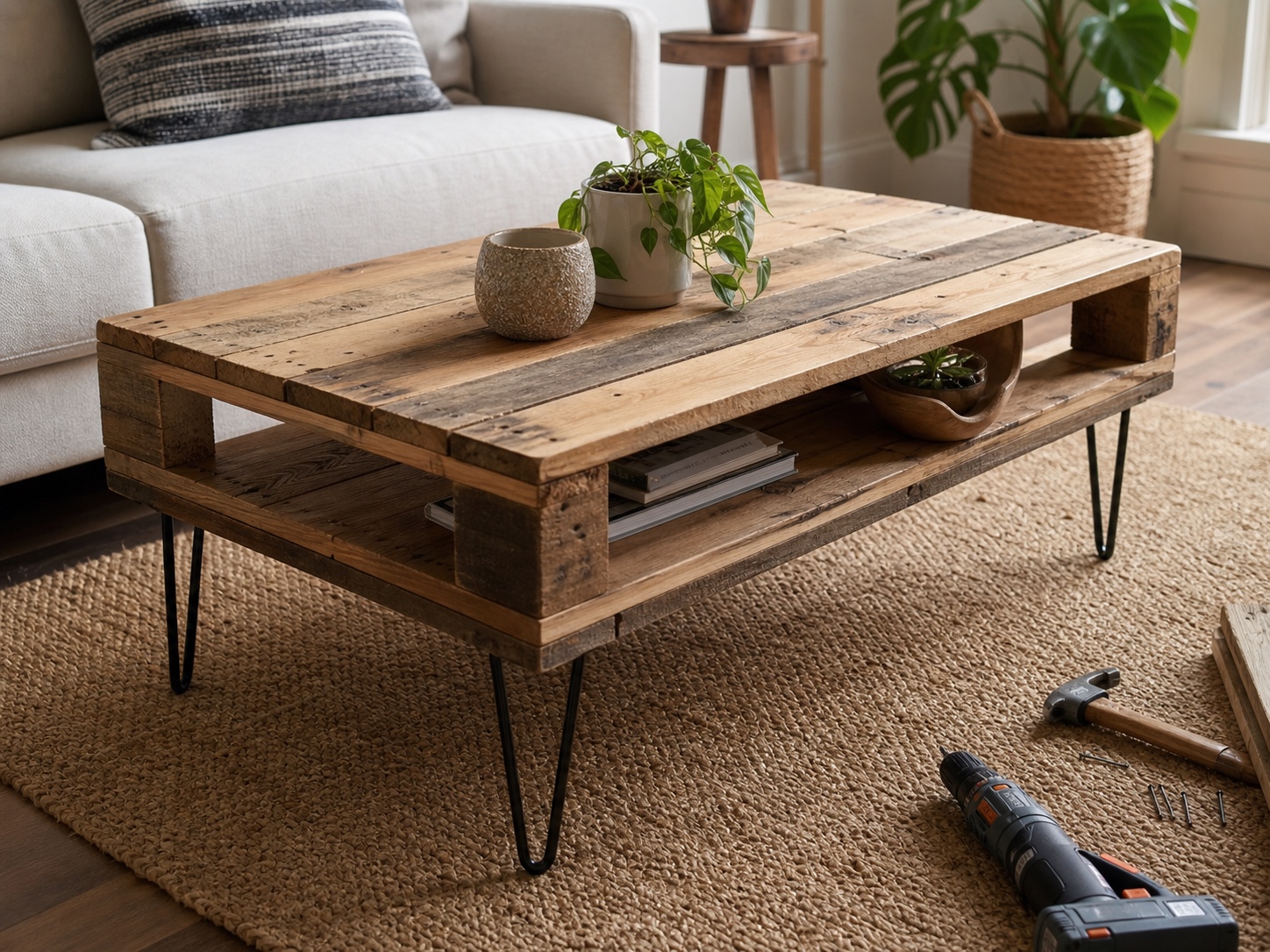
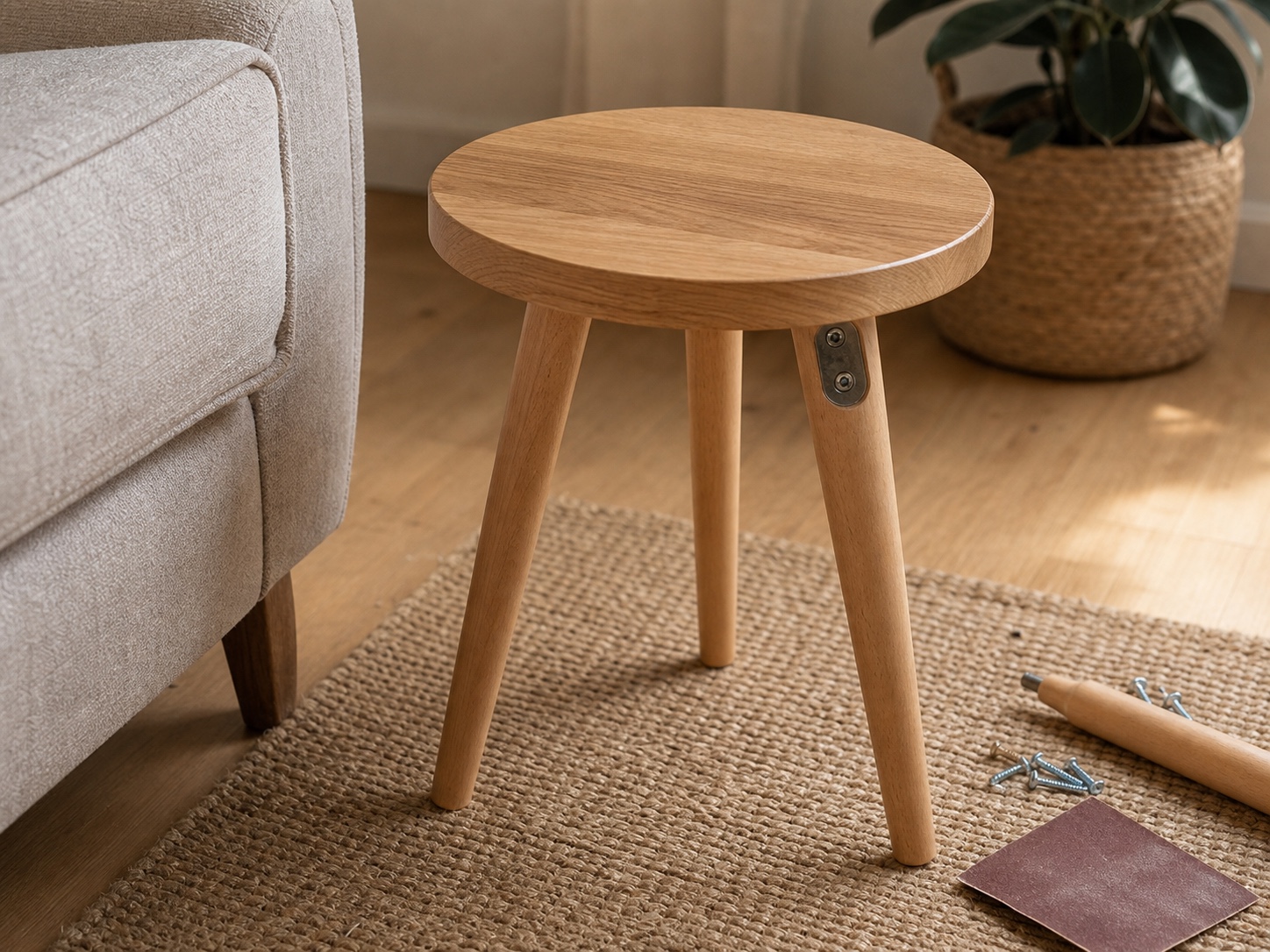
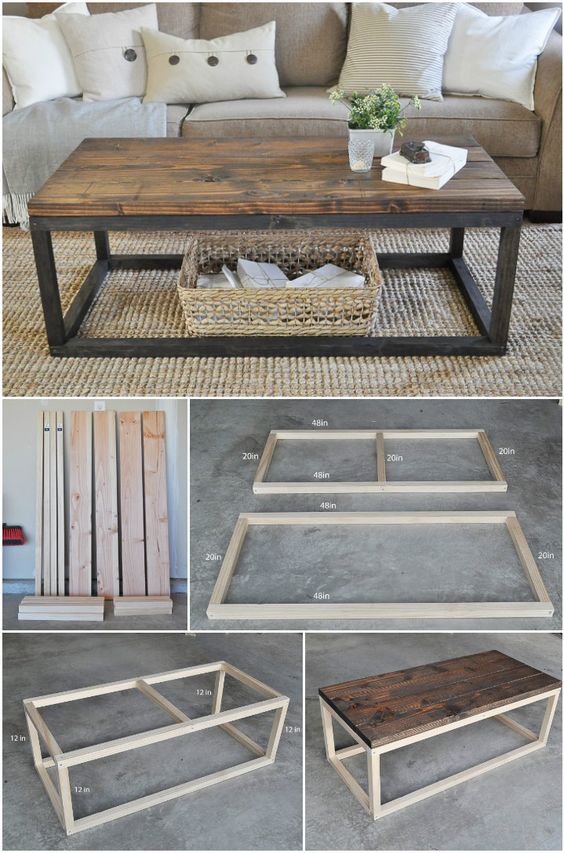
For a coffee table, start with a flat top, a stable base, wood glue, screws, sandpaper, and a finish that matches the room. If you want a reclaimed look, the dedicated DIY pallet coffee table guide is the natural next step.
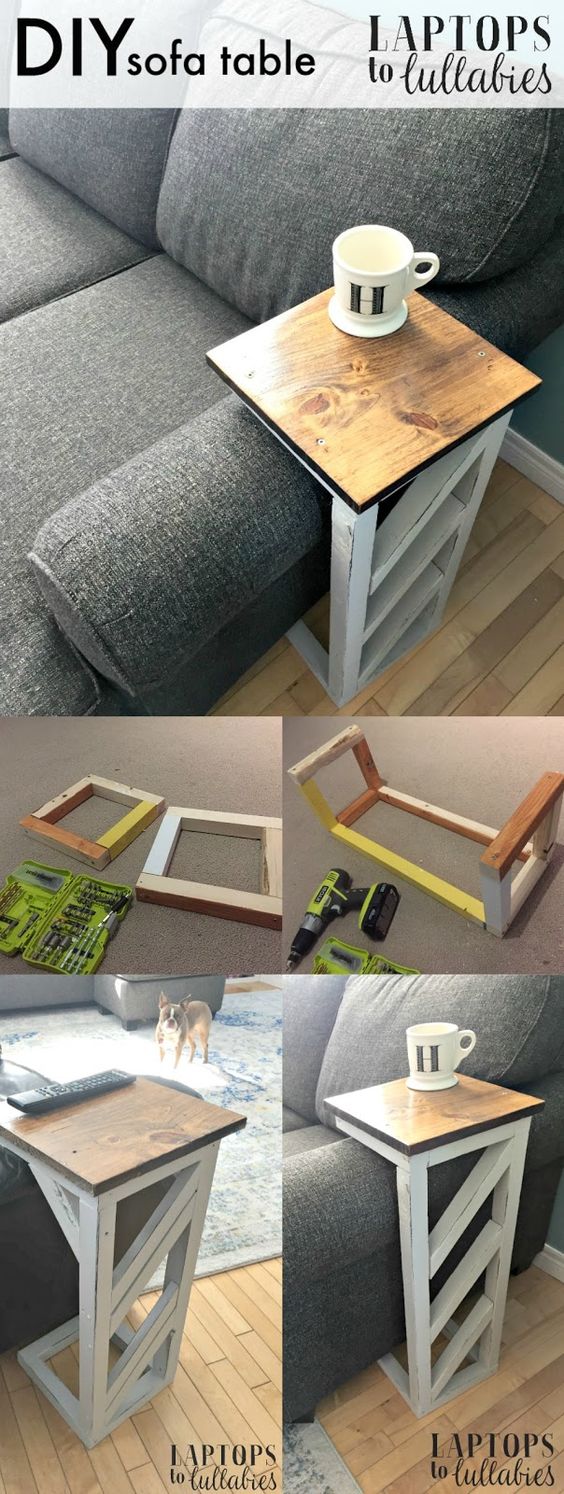
Sofa table – small, short project for your room or garden that can be completed in an afternoon.
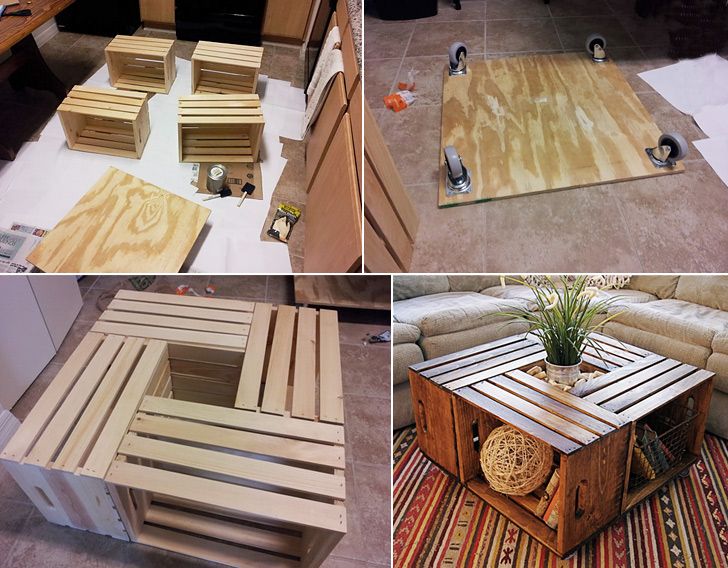
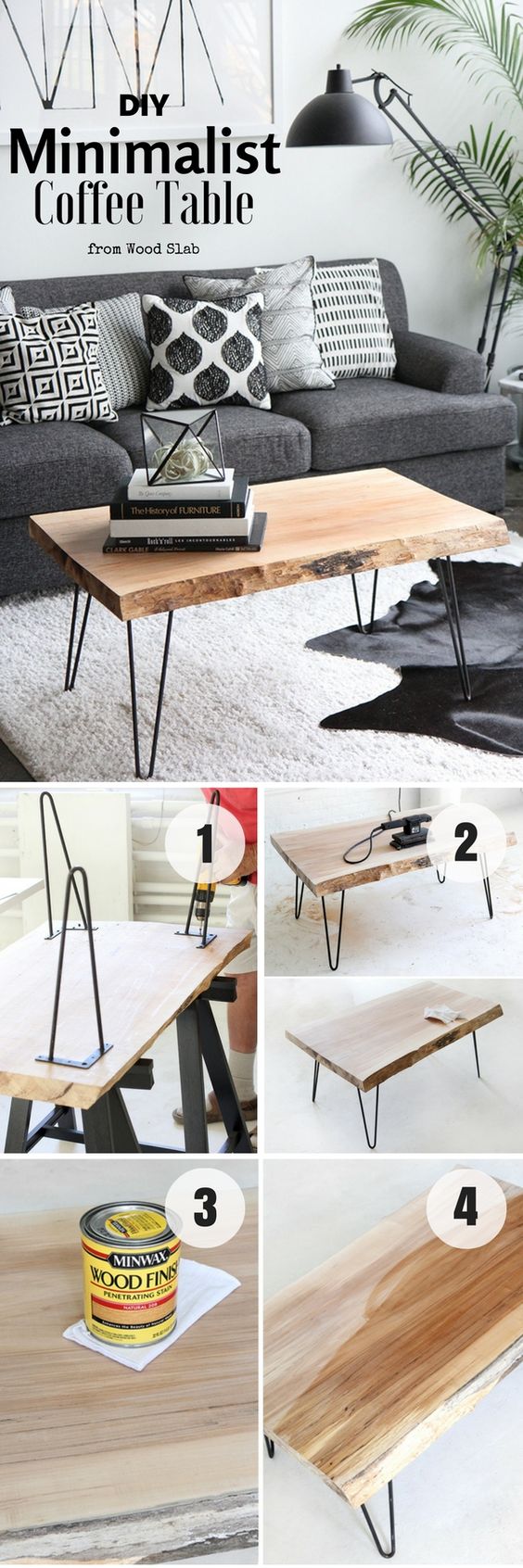
Minimalist coffee table. This is a short project that you can finish in an afternoon. You need: piece of wood, steel furniture, paint or stain and self-tapping screws.

Variant for sofa coffee table. Cool and easy) Woodworking plans consider also such as sofas and tables.
DIY sofa ideas
Building a full upholstered sofa requires advanced skills, but several approaches bring comfortable seating within beginner reach.
For sofa builds, keep the frame simple and decide cushion dimensions before cutting. Outdoor pallet seating belongs in the same category, but it needs better sanding and weather protection.
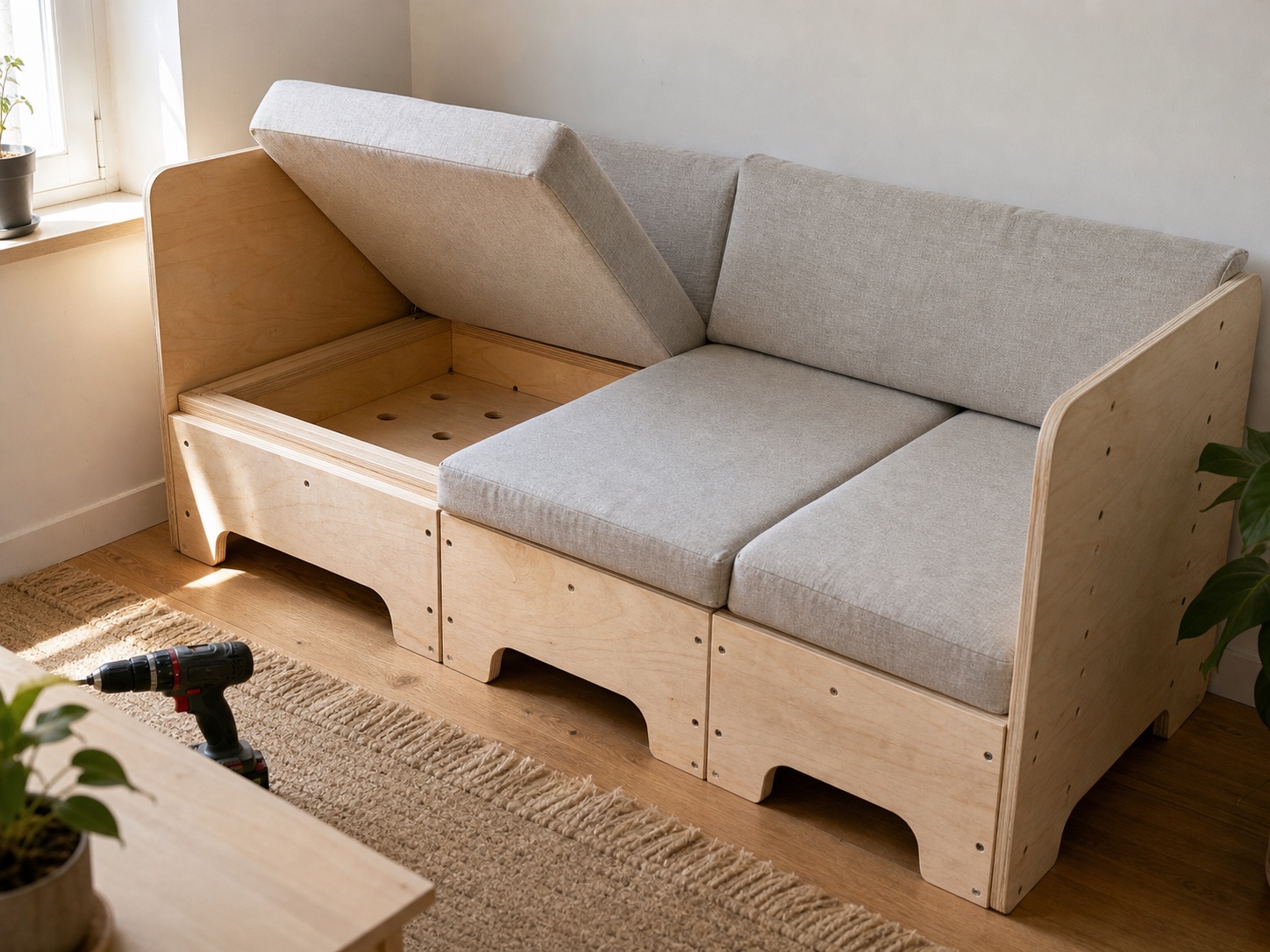
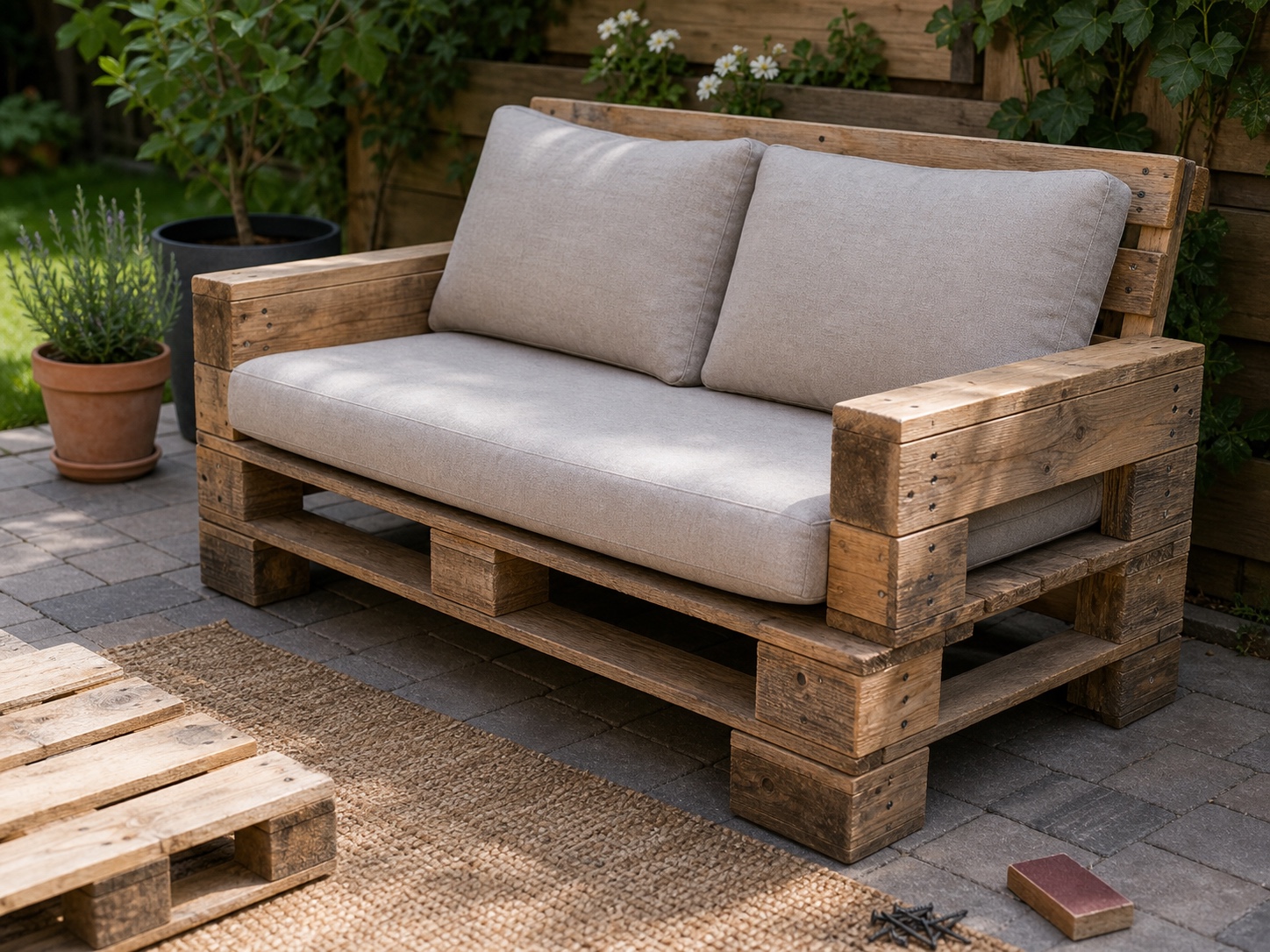

For a beginner sofa frame, use plywood or straight construction lumber, proper screws, wood glue, outdoor-rated finish if needed, and cushions sized before you cut the frame.
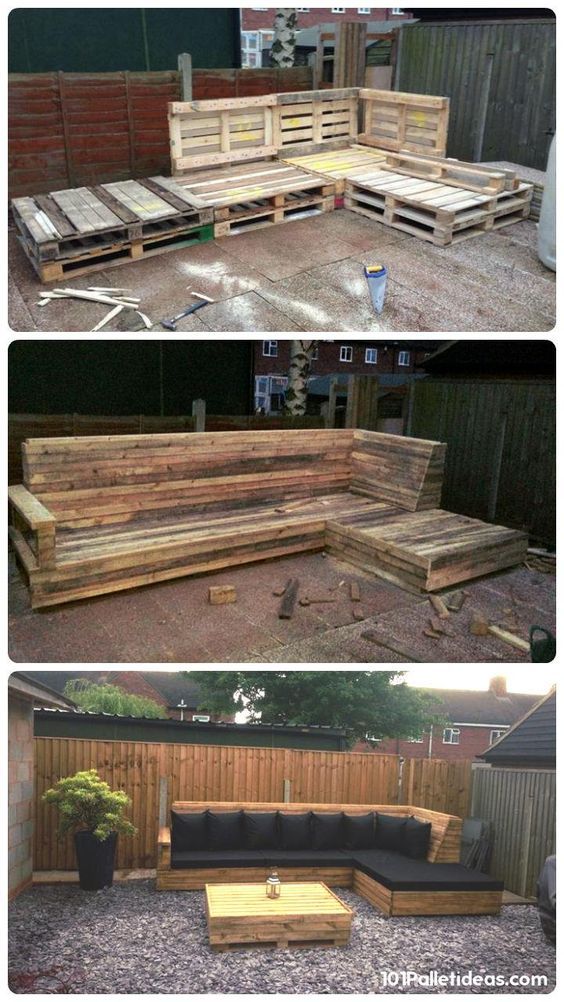
Sofa pallets ideas about your garden or backyard.
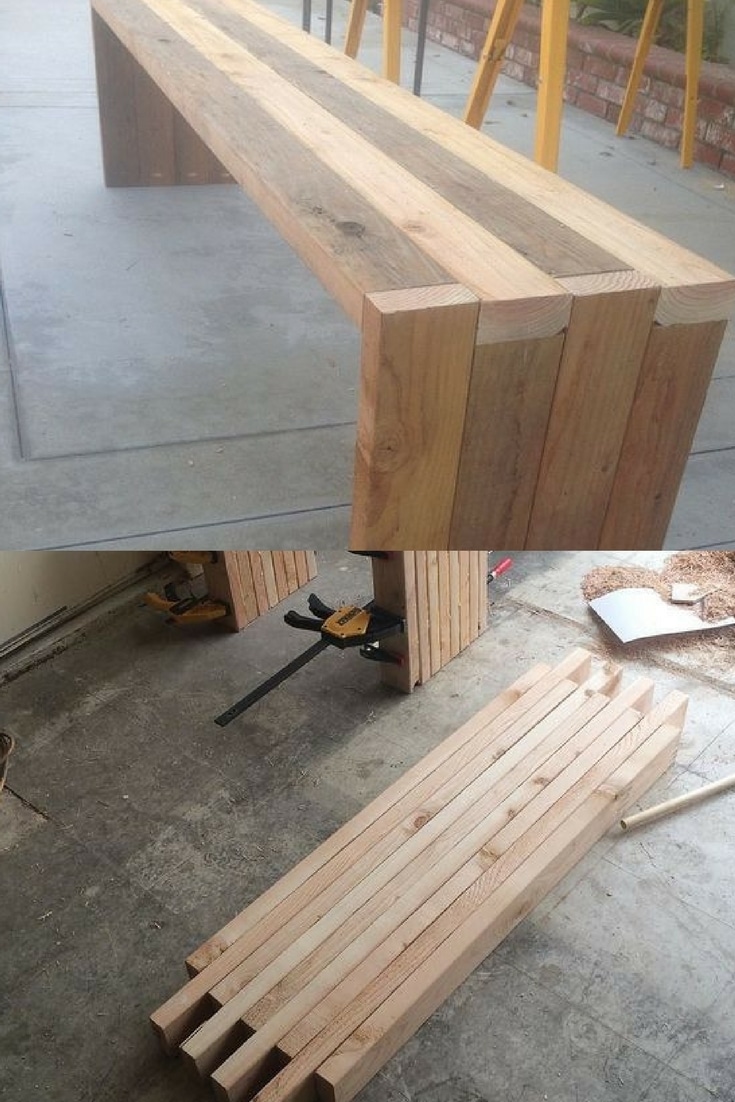
bench diy
DIY shelf projects
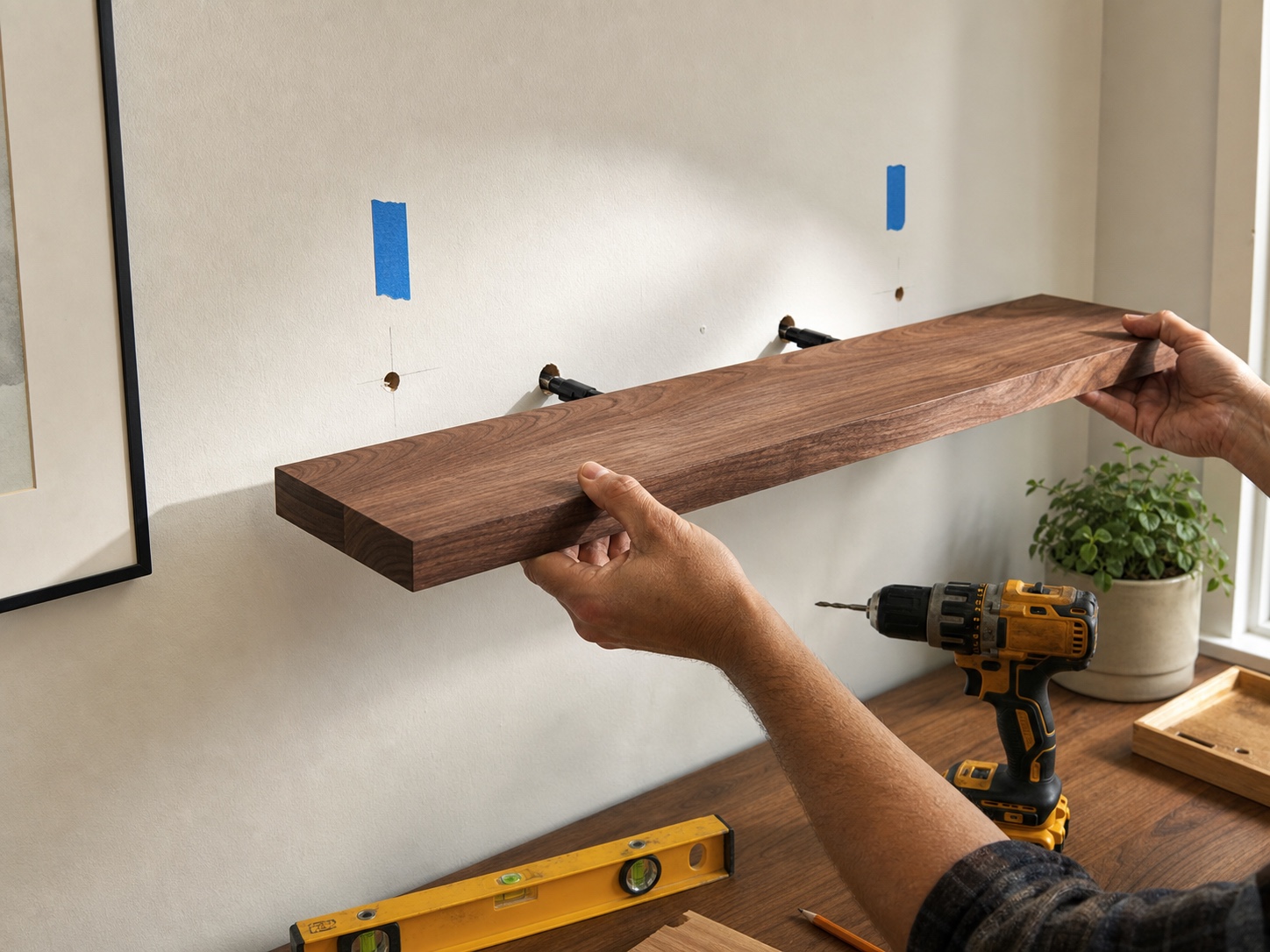
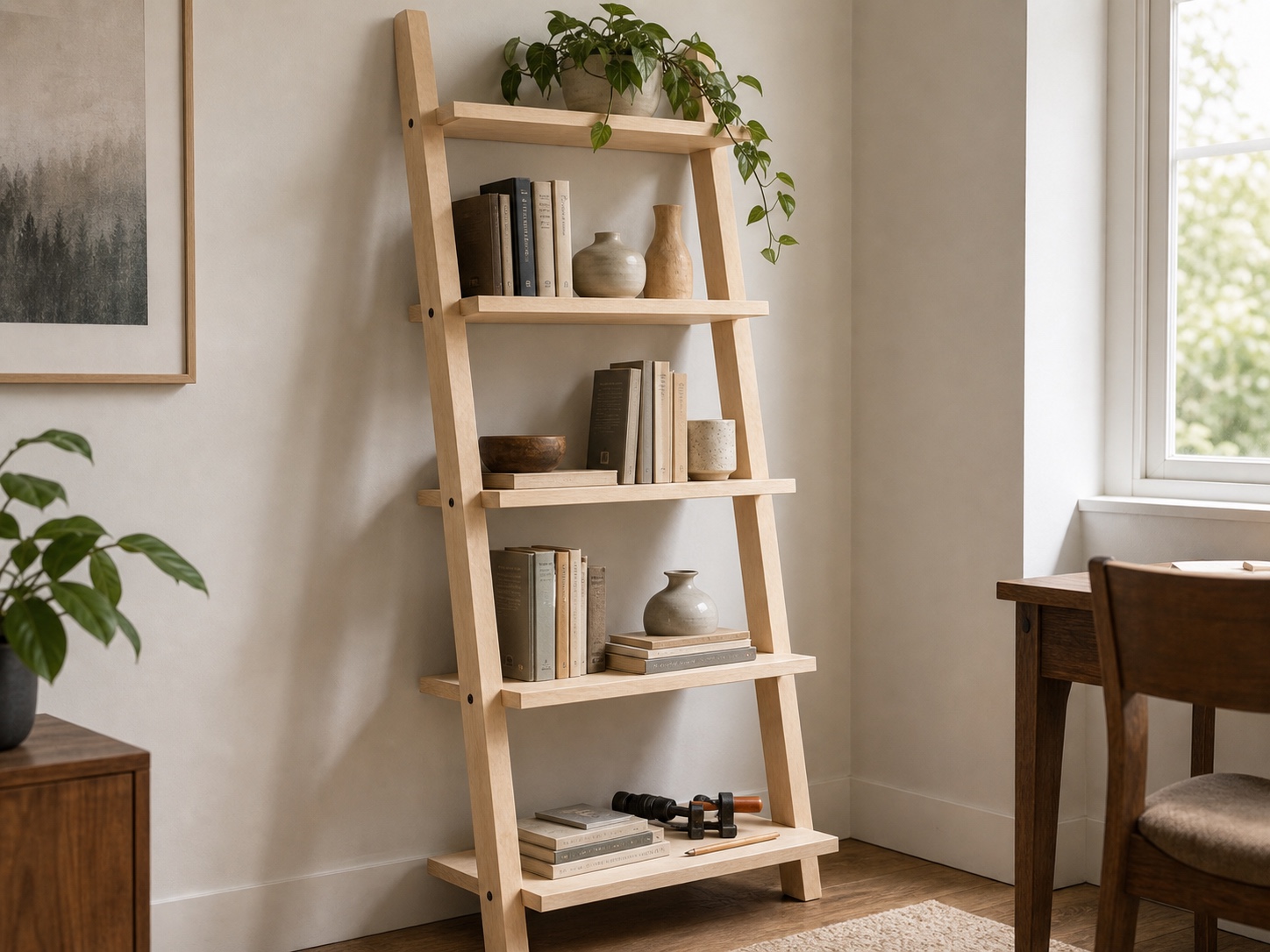
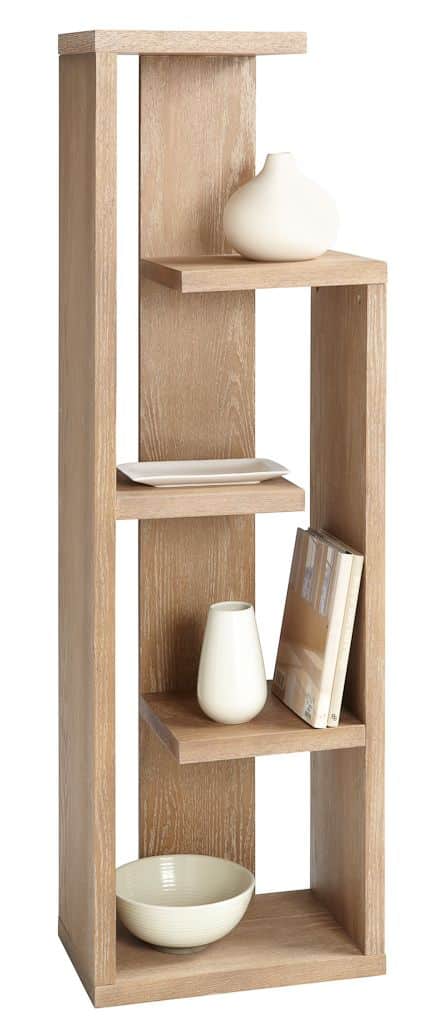
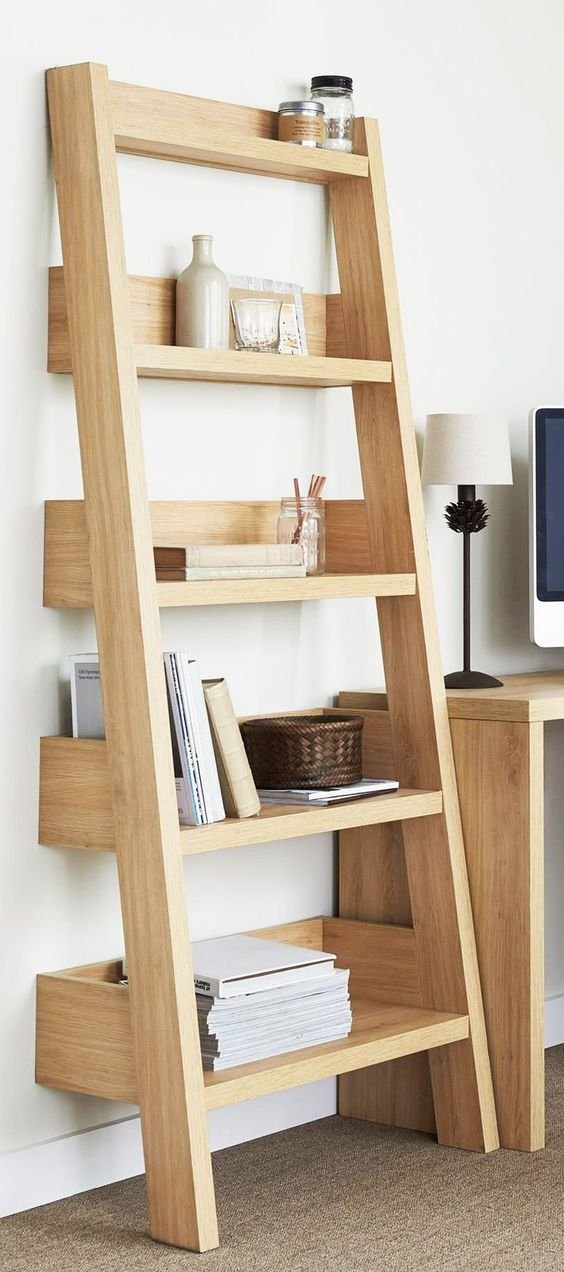
Shelves are the gateway project—simple enough for absolute beginners, useful enough to actually want, and instructive for fundamental skills you’ll use in every future project.
Shelf projects are where beginners learn accuracy: straight cuts, bracket spacing, wall anchors, and enough depth for real objects.
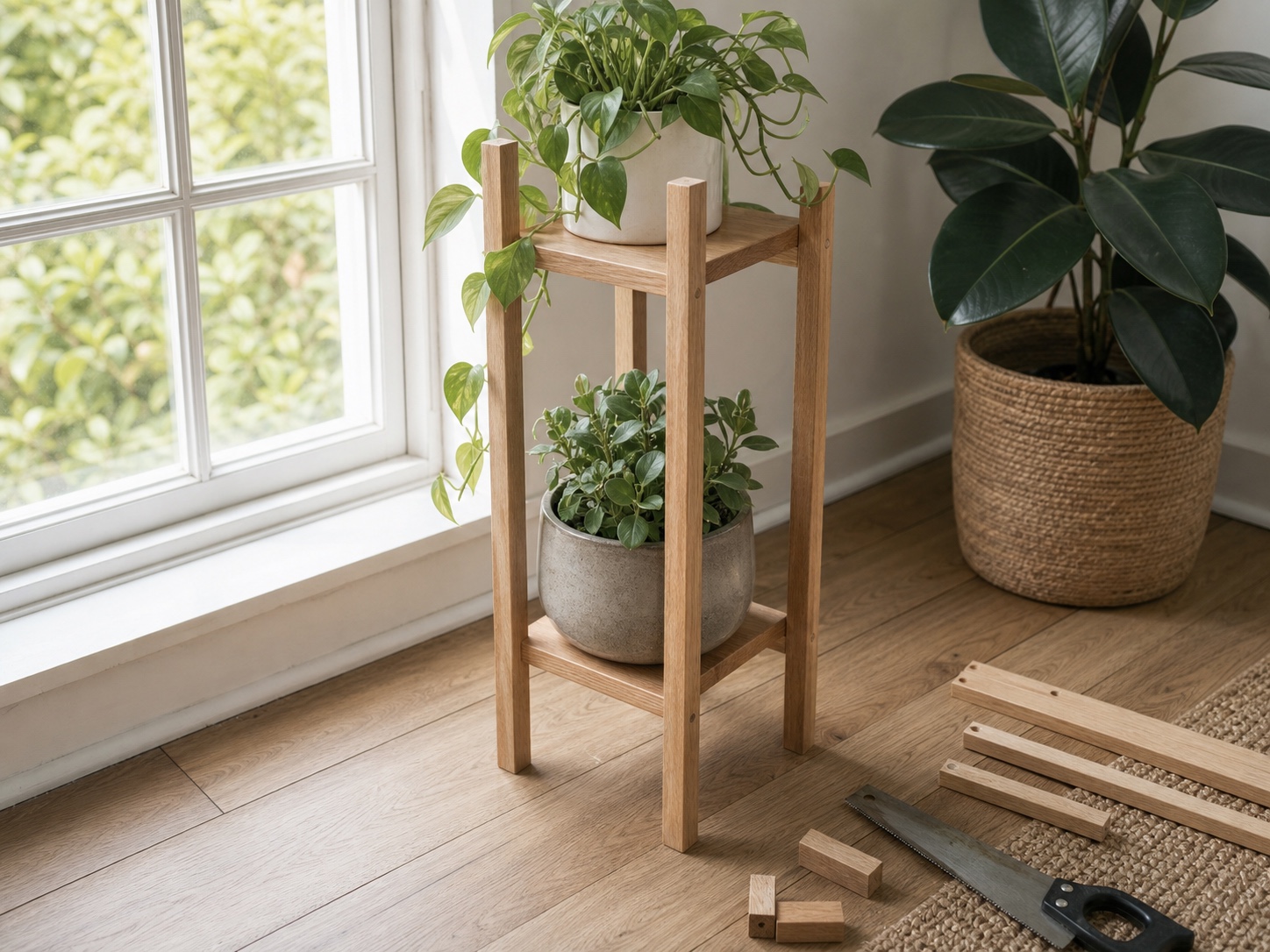
DIY floor stand
A floor plant stand is a small structure, so it is a good place to practice square frames before building heavier furniture.
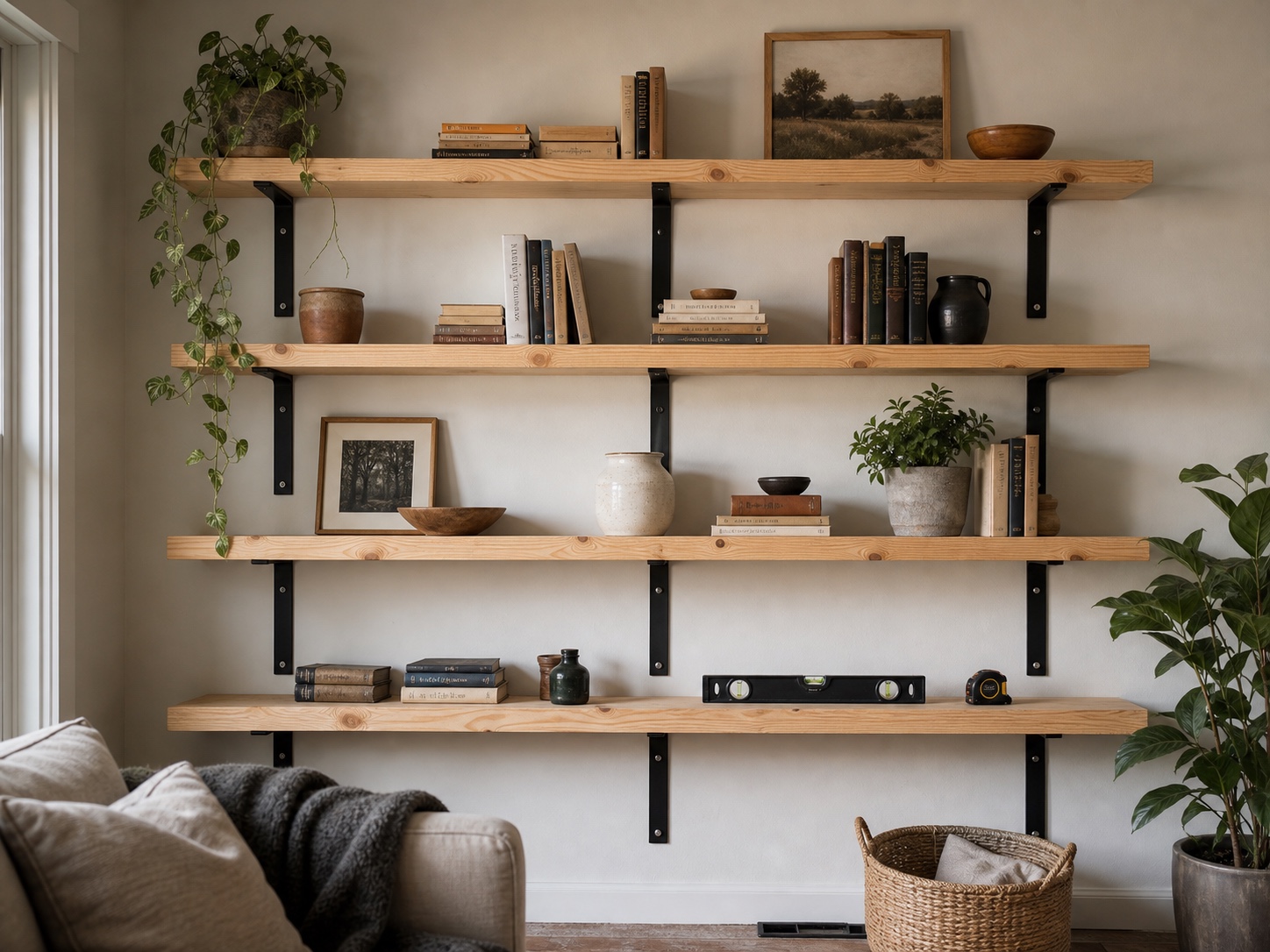
DIY shelf wall
Full wall shelving installations transform rooms but require more planning than individual shelves.
For a full shelf wall, plan the spacing like a grid before drilling. Books, ceramics, plants, and framed pieces all need different shelf depths.
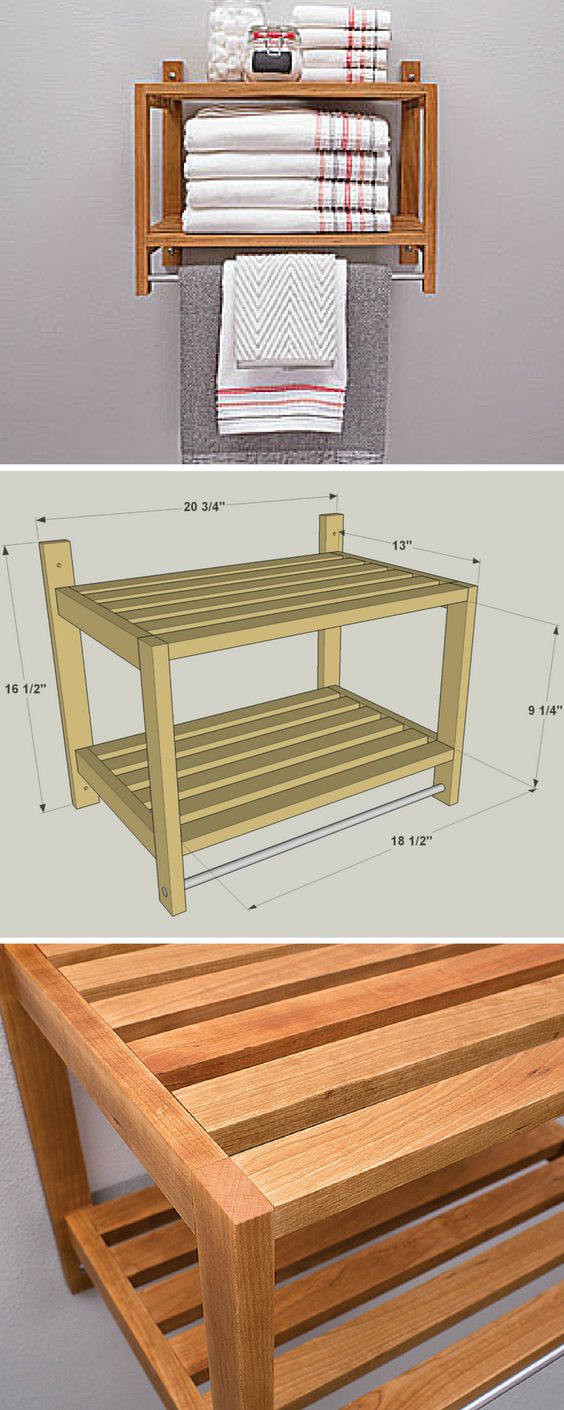
Planning the layout:
Before drilling anything, map your entire installation. Mark stud locations across the wall. Decide shelf heights and spacing. Ensure the design works with room proportions and intended contents. Consider weight distribution—heavier items go on lower shelves and near studs.
Ensuring alignment:
The challenge with multiple shelves is keeping everything level and aligned. Use a laser level if possible (they’re affordable now), or draw level lines across the entire wall before mounting anything. Nothing ruins a shelf wall like one crooked shelf.
Visual impact:
Well-executed shelf walls create dramatic focal points. Consider painting the wall a contrasting color behind the shelves, adding integrated lighting, or mixing shelf depths for visual interest. The extra planning effort pays off in transformed spaces.
Decor ideas
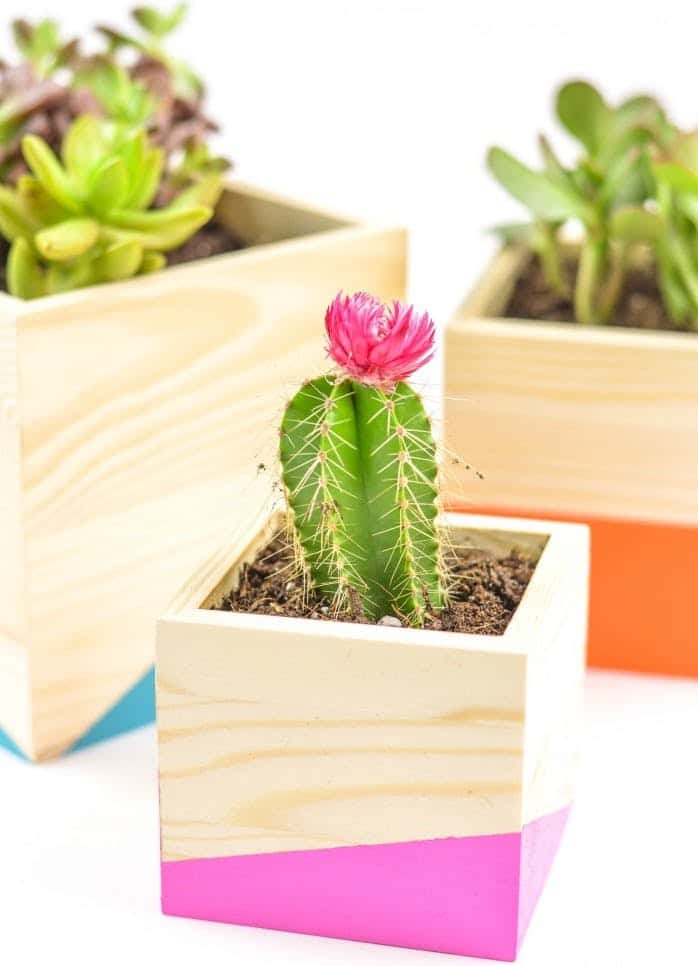
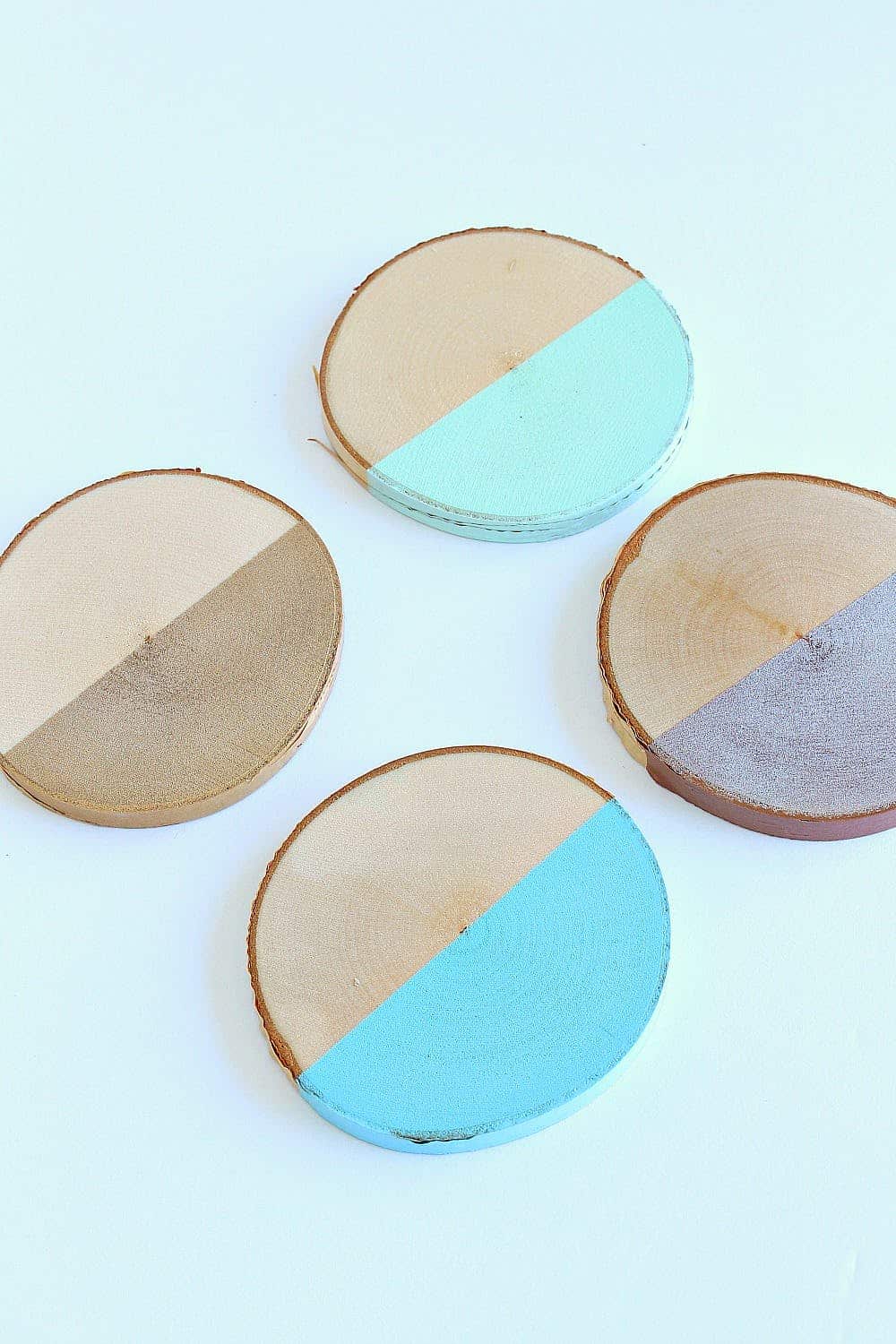
Small decorative projects keep skills sharp between major builds and use up scrap materials that would otherwise be waste.
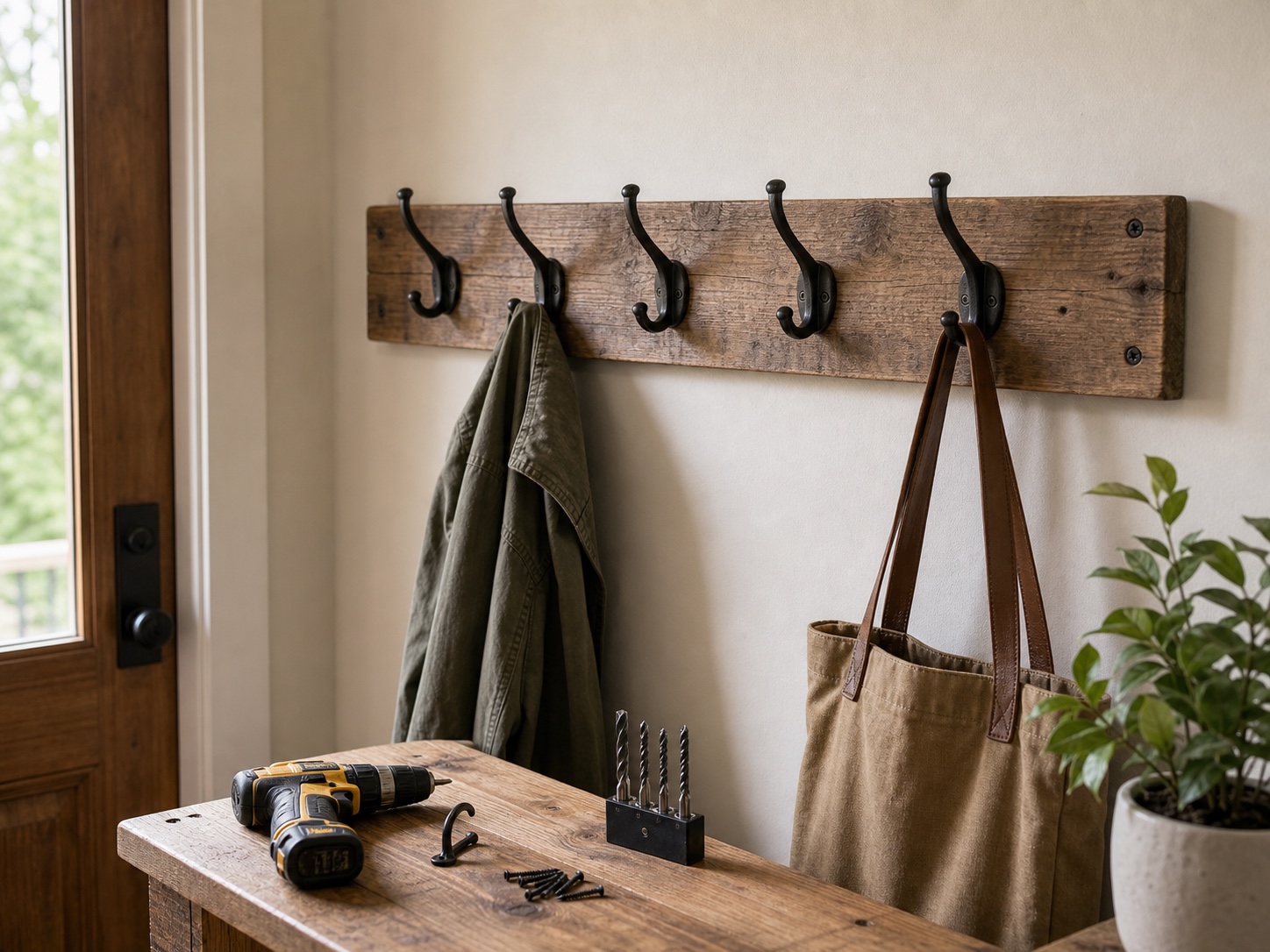
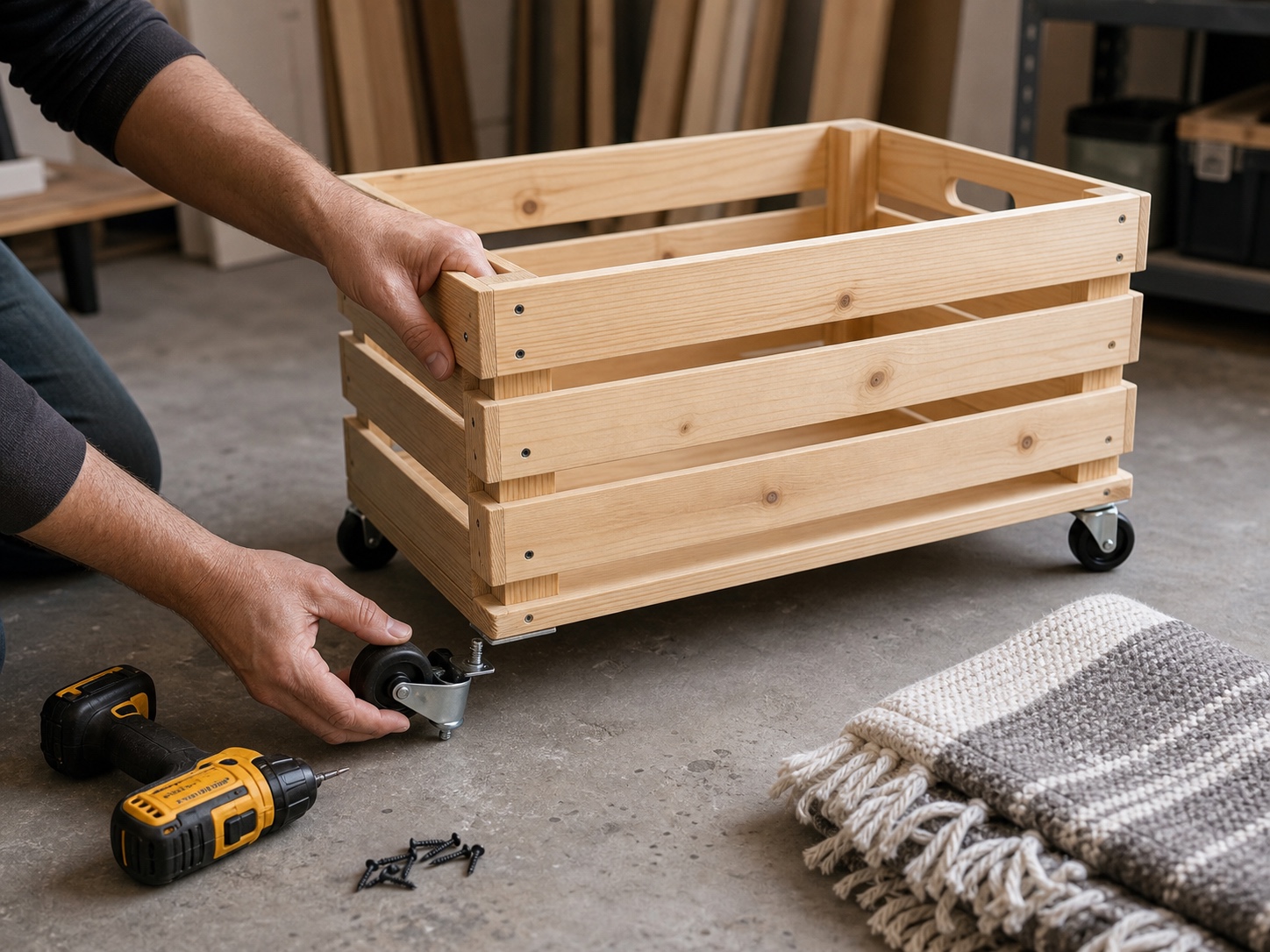
Small decor and storage builds are the scrap-wood category: fast, useful, and perfect for practicing hooks, casters, ledges, and small hardware.
Picture frames:
Custom frames require only basic miter cuts (45-degree angles at corners) and finish work. Build frames for odd-sized artwork, mirrors, or family photos. The skills transfer directly to larger trim and molding work.
Coat hooks and racks:
A board plus some hooks creates functional entryway storage. Add character with reclaimed wood, decorative brackets, or creative hook choices. These projects take an hour and solve real organizational problems.
Floating nightstands:
Small wall-mounted boxes beside beds provide storage without taking floor space. Build them as practice for the joinery and mounting techniques needed for larger projects.
Using scraps:
Every project generates offcuts. Collect them in a bin and use them for small projects, testing finishes, or practicing new techniques. Free materials mean zero risk experimentation.
DIY table and desk projects
Dining tables and desks follow coffee table logic at larger scale, with a few additional considerations.
Small tables, desks, and entryway storage
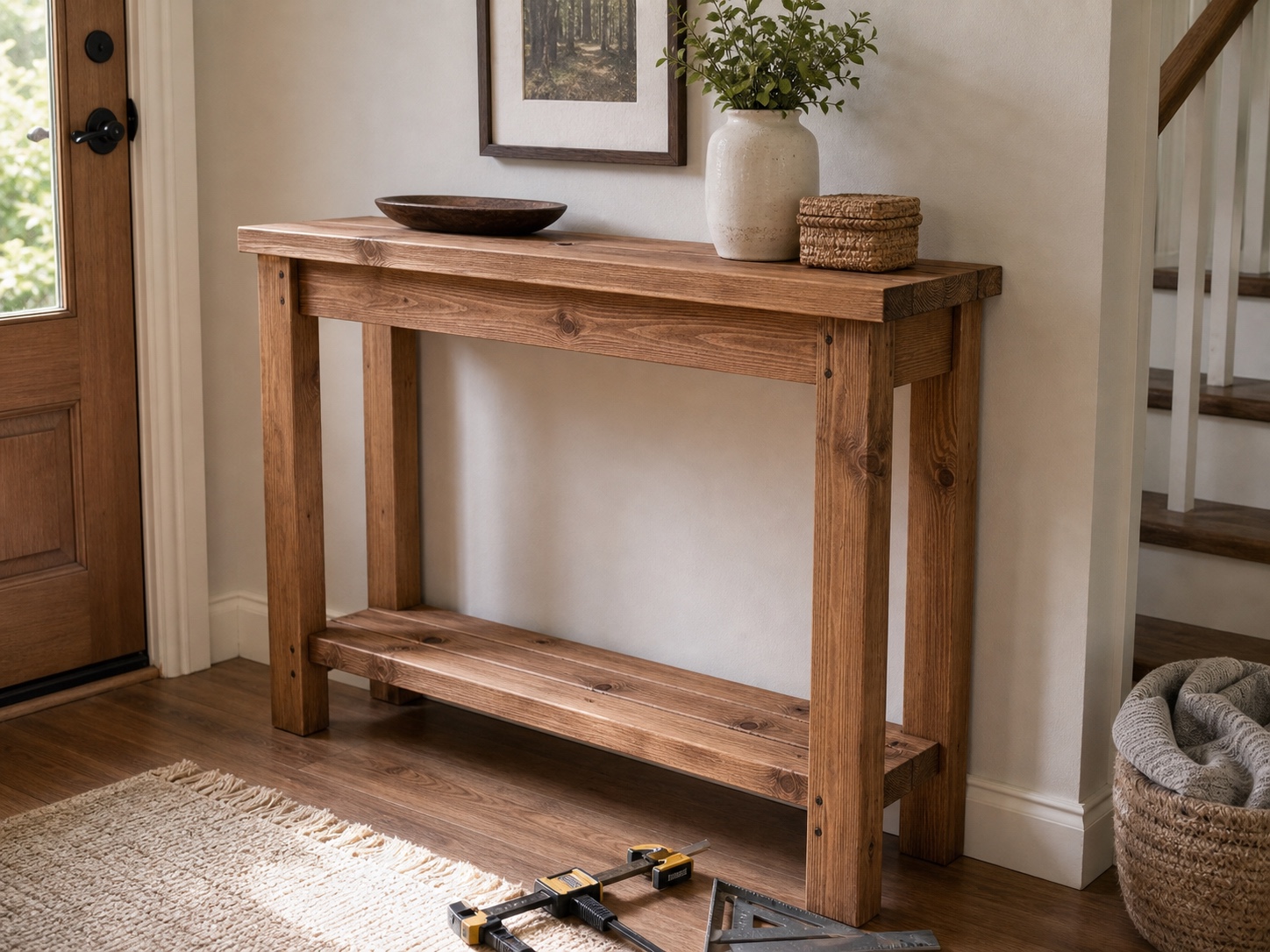
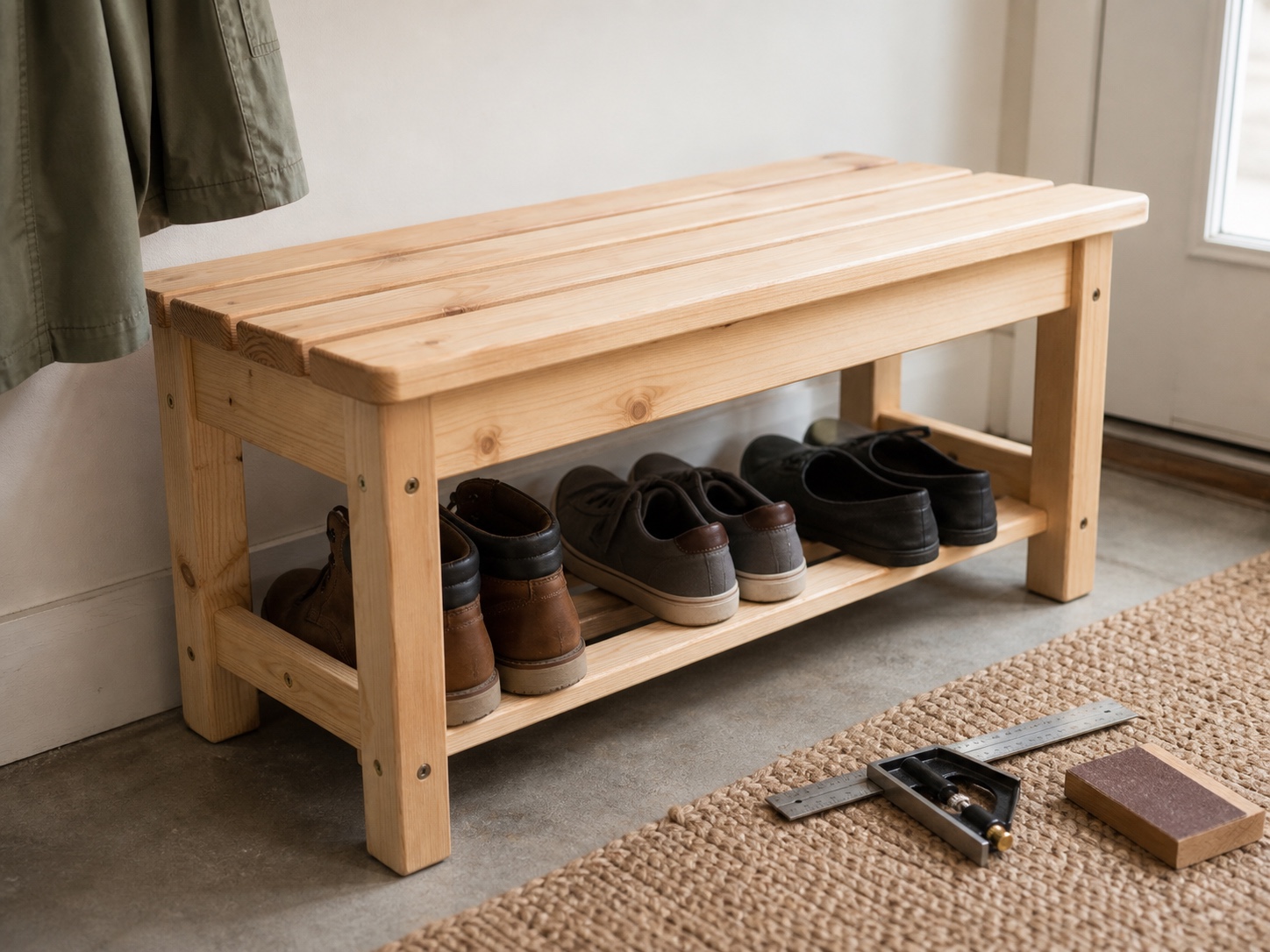
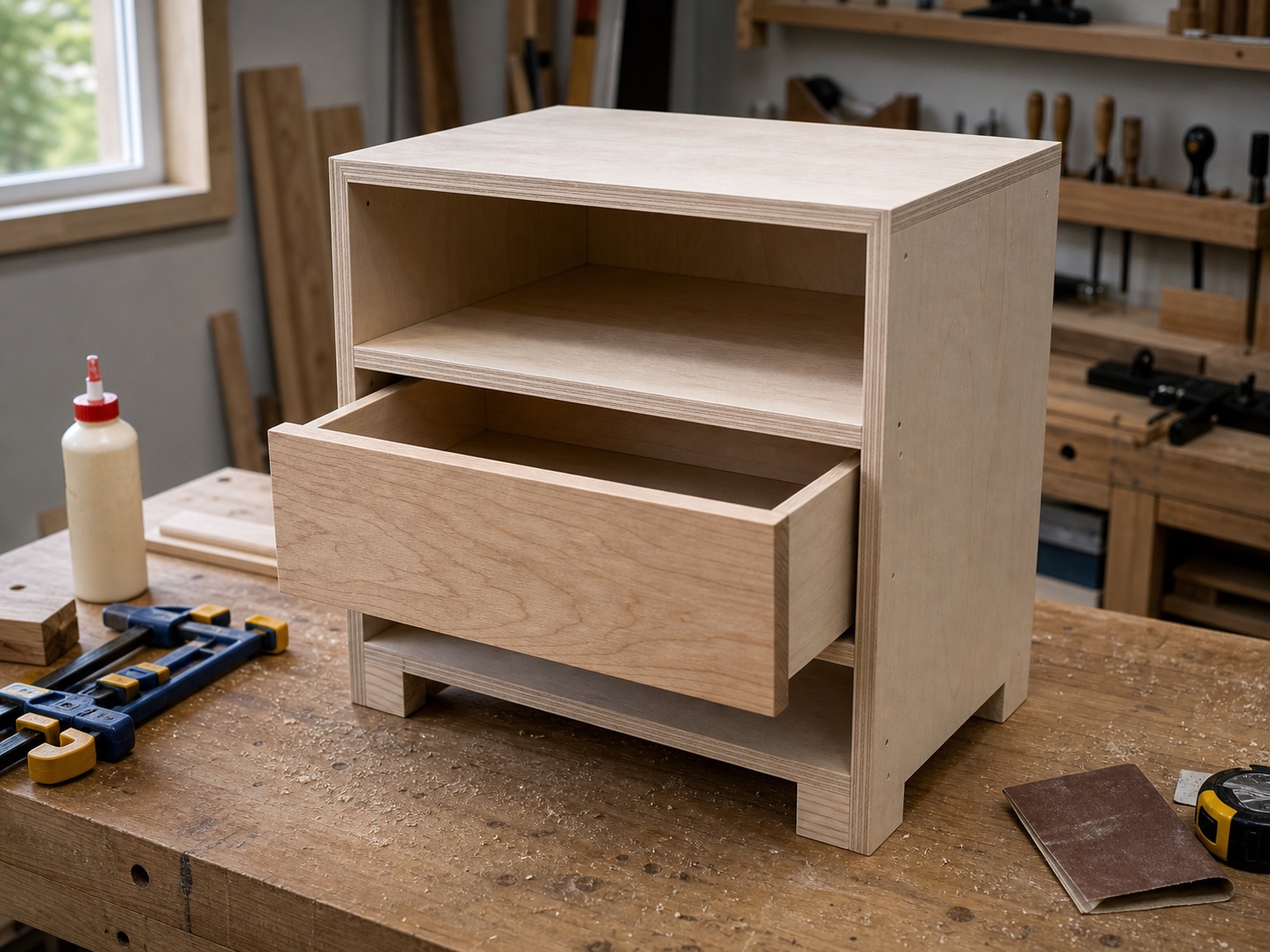
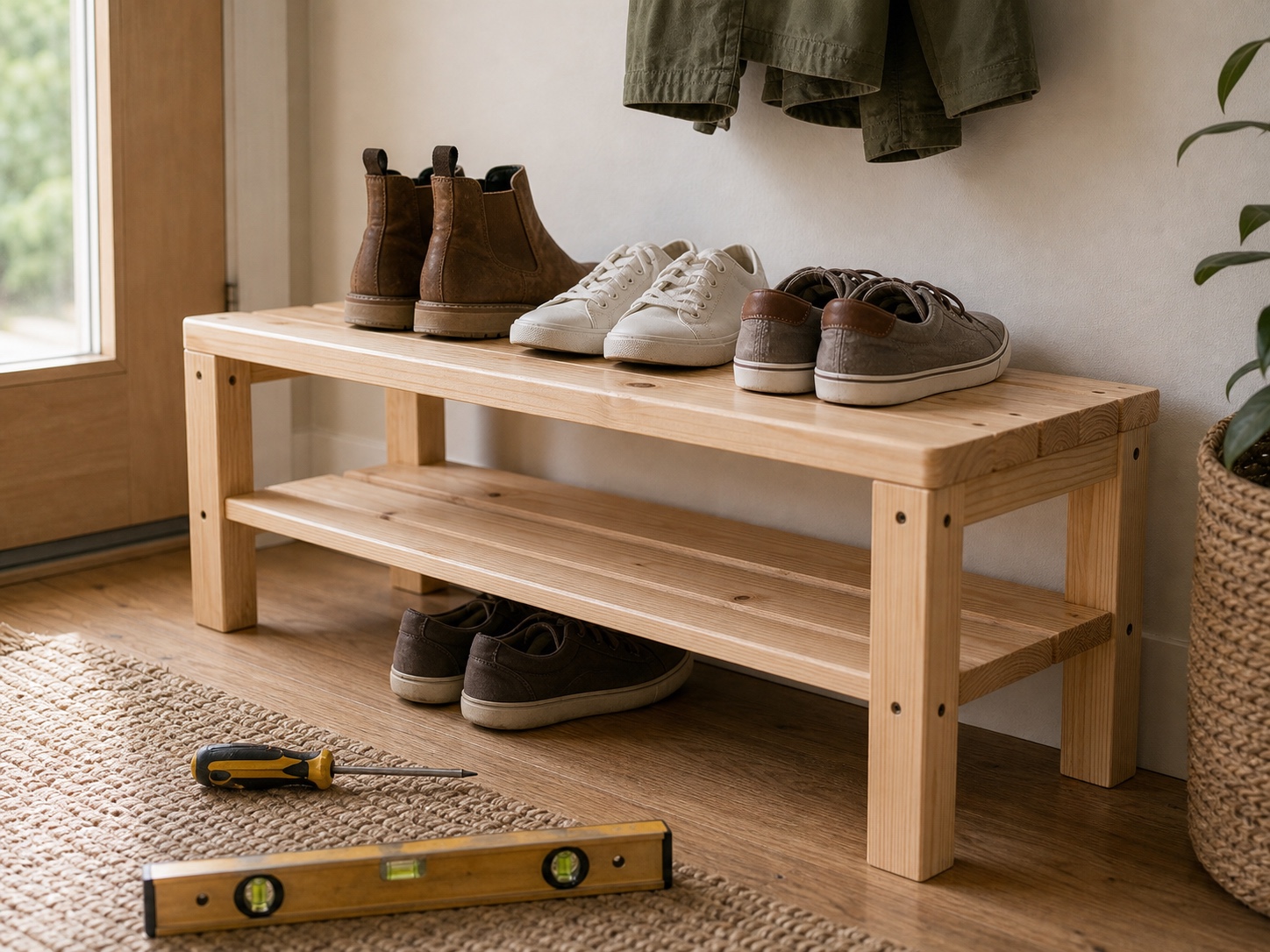
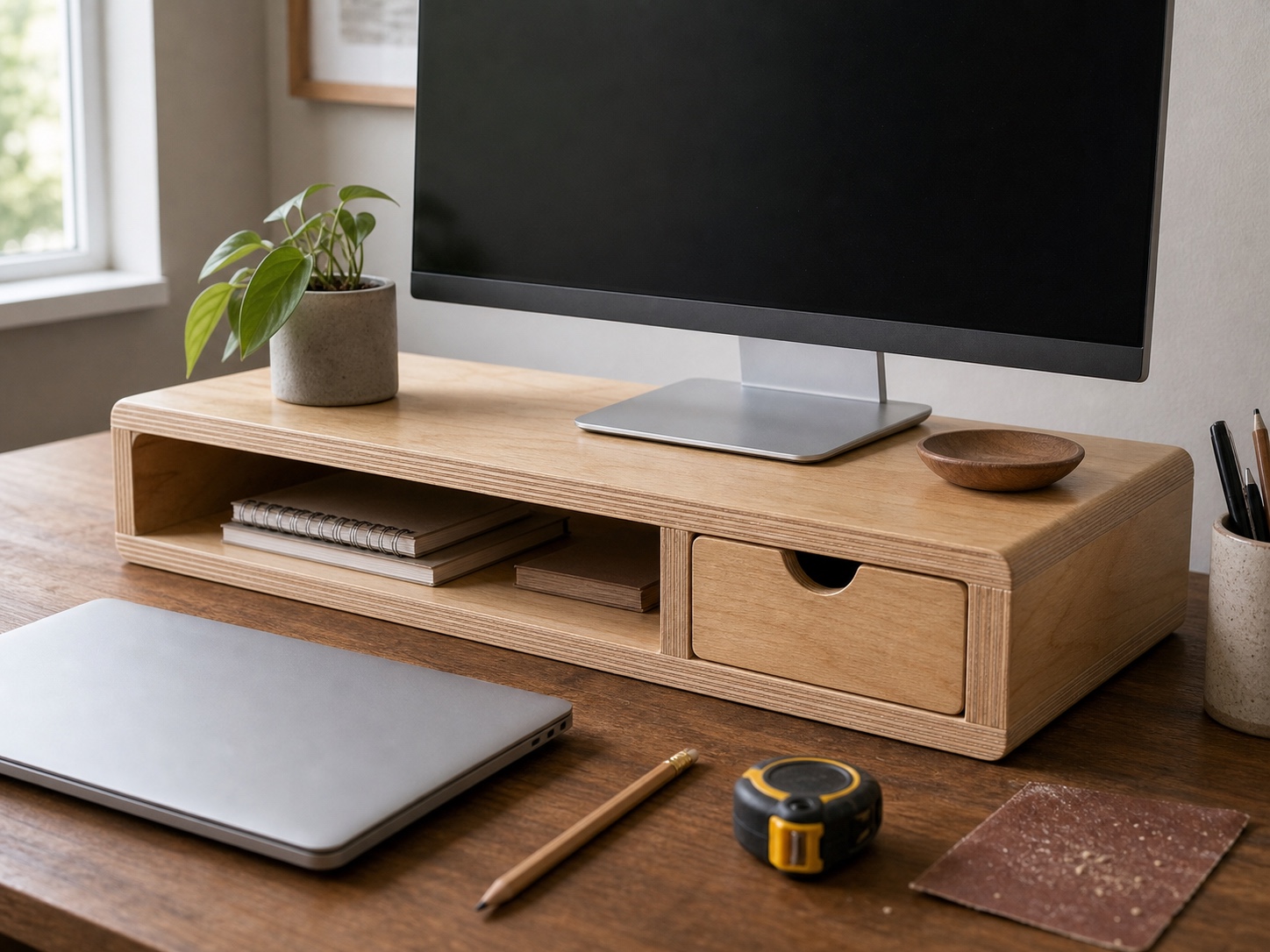
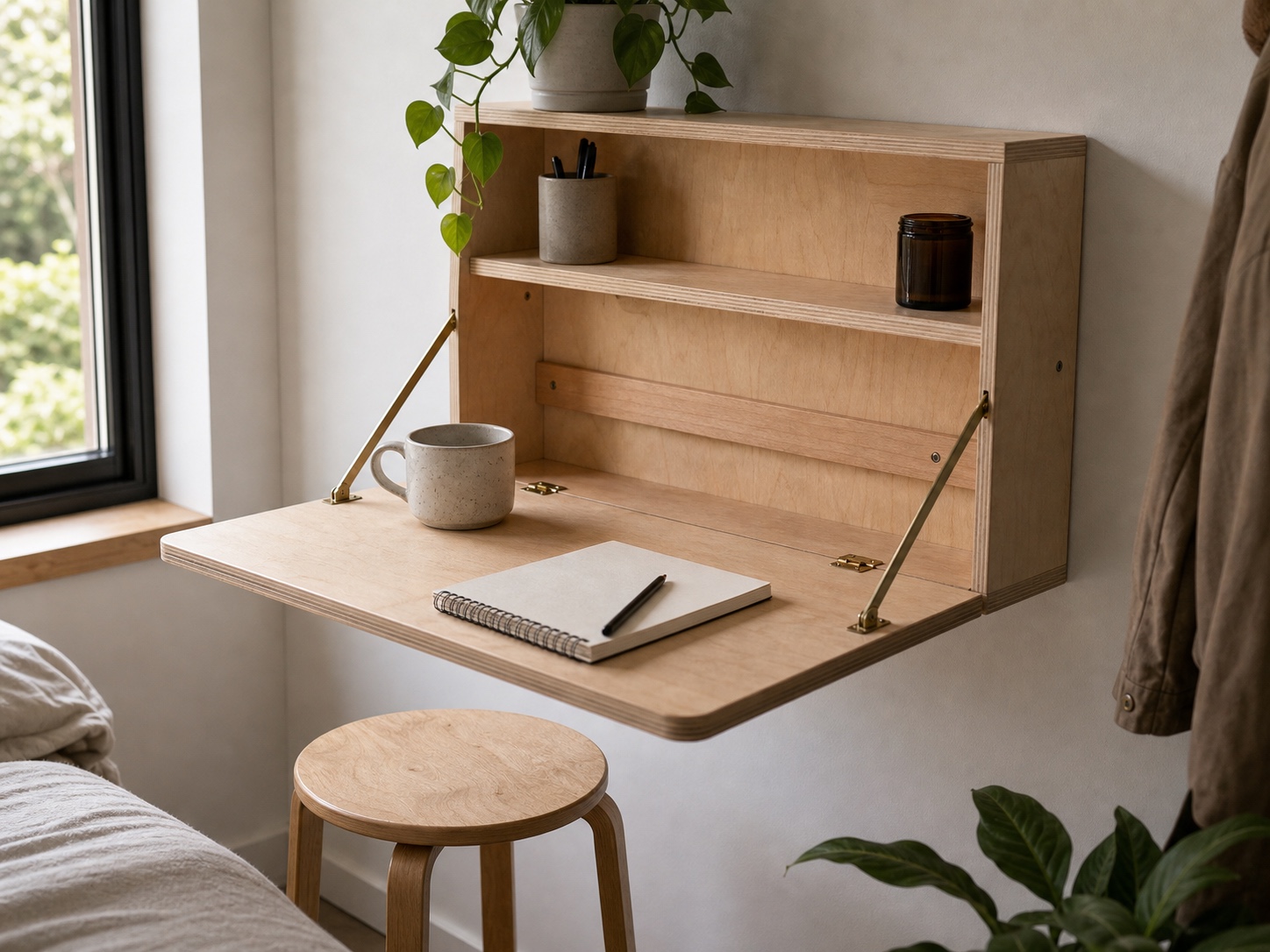
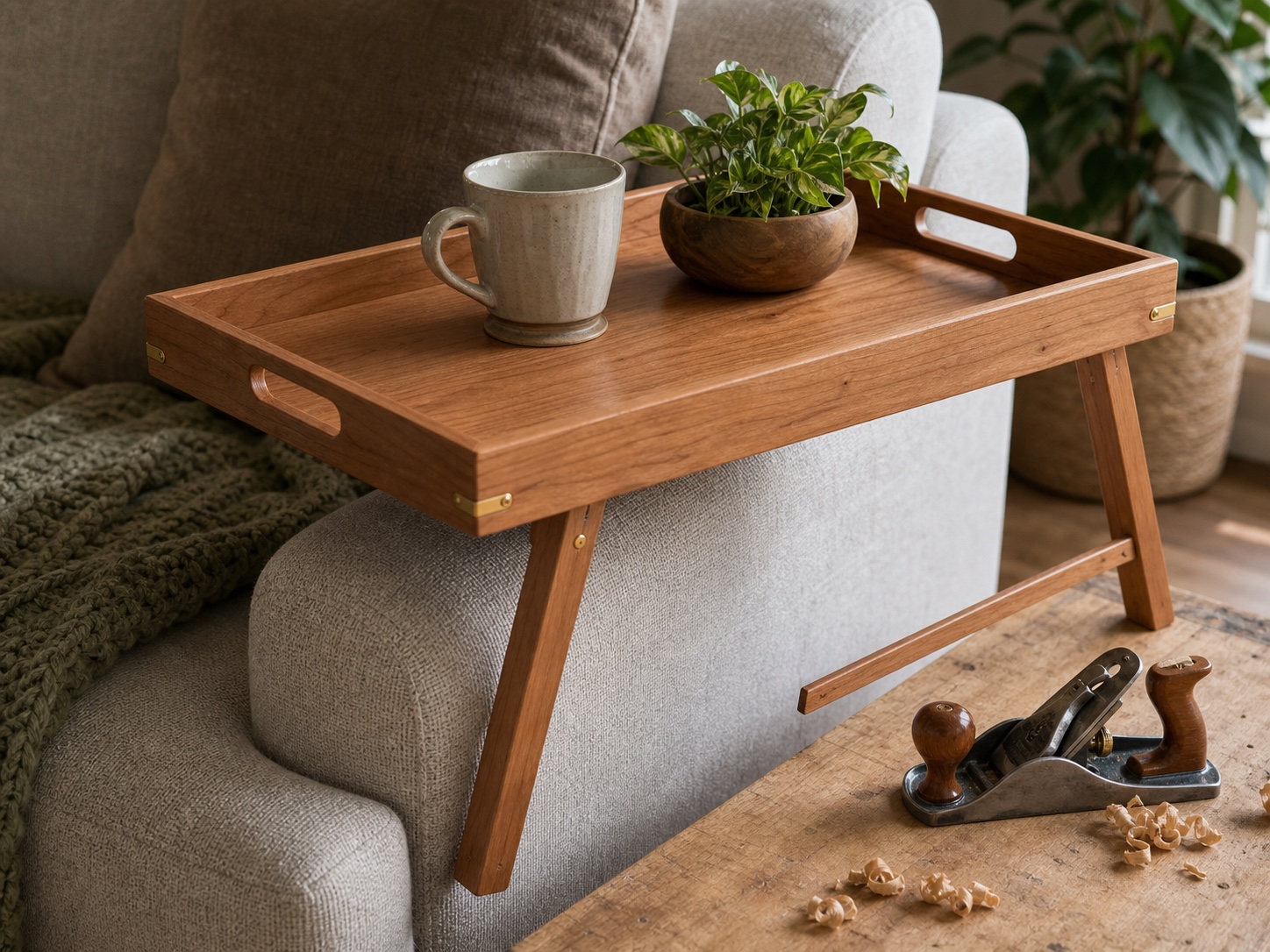
This category is where the projects get more furniture-like: consoles, benches, nightstands, shoe racks, desk risers, tray tables, and fold-down desks. Keep the proportions tied to the room, not just the board size.
Structural requirements:
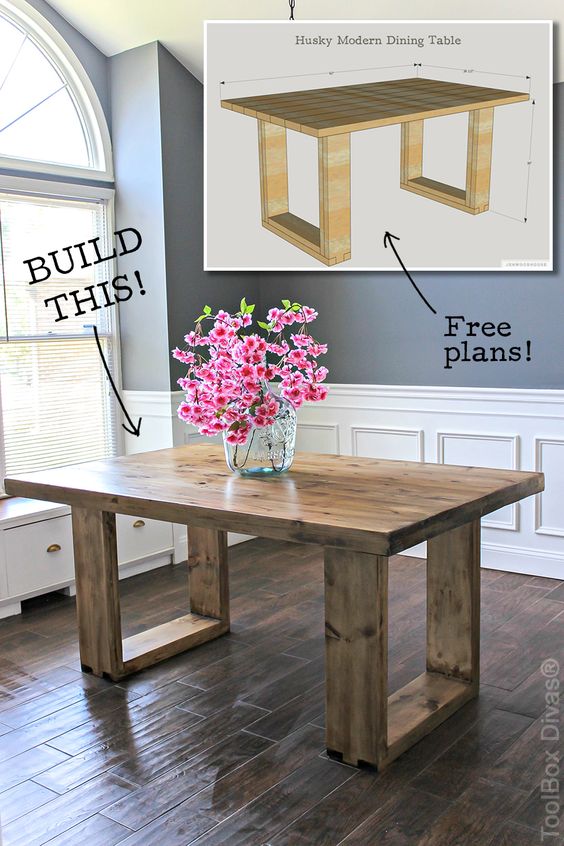
Larger tops need more support to prevent sagging. Add a frame (called an apron) connecting the legs just below the tabletop. This apron prevents racking (the side-to-side wobble that plagues poorly designed tables) and supports the top against downward pressure.
Farmhouse table construction:
The classic farmhouse table uses thick legs, a sturdy apron, and a planked top. Construction is straightforward and forgiving—the rustic aesthetic actually benefits from slight imperfections. These tables seat families and last generations.
Desk considerations:
Desks need cable management that tables don’t. Plan for power strips, cord routing, and possibly monitor mounting. Height matters more for desks than dining tables—standard desk height is 28-30 inches, but adjust for your chair and working style.
Extending table life:
Dining tables take daily abuse. Use quality wood (hardwoods resist dents better than softwoods), apply durable finishes (polyurethane or conversion varnish), and consider removable table pads for daily protection.
A garage corner can support occasional builds, but frequent furniture work benefits from a dedicated garage workshop conversion plan with task lighting, dust-aware ventilation, safe power, tool storage, a durable floor, and clear routes around the bench.
Common DIY furniture mistakes to avoid
The most common beginner mistake is rushing the dry fit. Put the parts together before glue, check the diagonals, and look at the silhouette from across the room. Industrial design training made me picky about this: if the outline feels heavy or awkward, stain will not fix it.
| Wobble | Check square, add stretchers, and tighten the frame before finishing |
| Splitting wood | Pre-drill near edges and do not overdrive screws |
| Messy finish | Sand evenly, remove dust, and test stain on an offcut |
| Weak proportions | Match the height and depth to furniture already in the room |
If your project leans more decorative than structural, the DIY mirror frame ideas and Japandi DIY lamp tutorial are useful practice pieces before larger furniture.
FAQ
What is the easiest DIY furniture project for beginners?
Start with a shelf, plant stand, shoe rack, or small side table. These projects use straight cuts, simple fasteners, and forgiving dimensions. A chair or sofa frame is possible, but seating has to carry body weight safely, so I would build one or two small storage pieces first.
What tools do I need for DIY furniture woodworking projects?
For most beginner DIY furniture woodworking projects, you need a cordless drill, circular saw or jigsaw, tape measure, speed square, clamps, wood glue, screws, sandpaper, and eye protection. A random-orbit sander saves time, but you can still finish small pieces by hand if you are patient.
What wood should I use for beginner furniture?
Pine is cheap and easy to cut, so it is useful for practice pieces. Plywood is better for shelves, cabinets, desk risers, and sofa frames because it stays flatter. For nicer visible tops, use oak, birch, maple, or reclaimed hardwood after you are comfortable measuring and sanding.
How do I make DIY furniture look less homemade?
Spend more time on proportions, sanding, and finish. Slightly round sharp edges, fill obvious screw holes, sand through 120 and 220 grit, and test stain on an offcut before touching the final piece. In design work, the silhouette usually gives away a weak build before the finish does.
Are pallet furniture projects safe indoors?
Pallet projects can work, but choose clean, dry pallets marked HT for heat treated and avoid anything oily, stained, moldy, or chemically suspicious. Sand thoroughly, remove old nails, and seal the wood. For indoor furniture, I prefer pallet boards for rustic tops or shelves, not pieces that need perfect precision.
How much does a beginner furniture project cost?
Small shelves, plant stands, crates, and coat racks can often be built for $15-$50 if you already own basic tools. Coffee tables, benches, and nightstands usually land around $40-$150 depending on wood and hardware. Cushions, legs, hinges, and finish often cost more than beginners expect.
How do I keep DIY furniture from wobbling?
Check for square at every stage instead of waiting until the end. Use clamps while glue dries, pre-drill screw holes, and add stretchers or an apron under larger tables. If a piece wobbles on the floor, test it on a flat surface before blaming the legs.
Can I build DIY furniture without a workshop?
Yes, if you choose small projects and plan the mess. A balcony, driveway, garage corner, or sturdy folding table can handle shelves, crates, side tables, and small stands. Buy pre-cut boards when possible, keep a drop cloth under sanding work, and do finishing outside or in a ventilated area.
Final takeaway
Every finished piece in your home started as material, measurement, and a set of decisions. Your first build does not need to be perfect. It needs to be safe, useful, and finished well enough that you learn what to improve next time.
Starting with DIY furniture means accepting that your first project won’t be perfect. It might wobble slightly, have visible tool marks, or need touch-up finishing. That’s fine. The second project will be better, and the tenth will be genuinely impressive. Skills compound with practice.
This weekend: Build one thing. Choose the simplest project that solves a real problem: a plant stand, shelf, crate, shoe rack, or small table. Finish it completely, including sanding and finishing. Put it somewhere you will see it daily. That completed project proves you can build; the next one gets cleaner.
Your furniture doesn’t have to come from a store. Your hands built your first project. They can build everything else too.
- 159.2Kshares
- Facebook0
- Pinterest159.2K
- Twitter3
- Reddit0