The property market has rapidly changed over recent years, and clever investors in property have realized that the interior design does not merely have to be the beautification aspect, but it is a crucial element to the pre-eminence of the money invested. It may be a simple matter of flipping or developing spec or prepping rentals to hit the market but, but the right decision in interior design may make a huge difference in your bottom line.
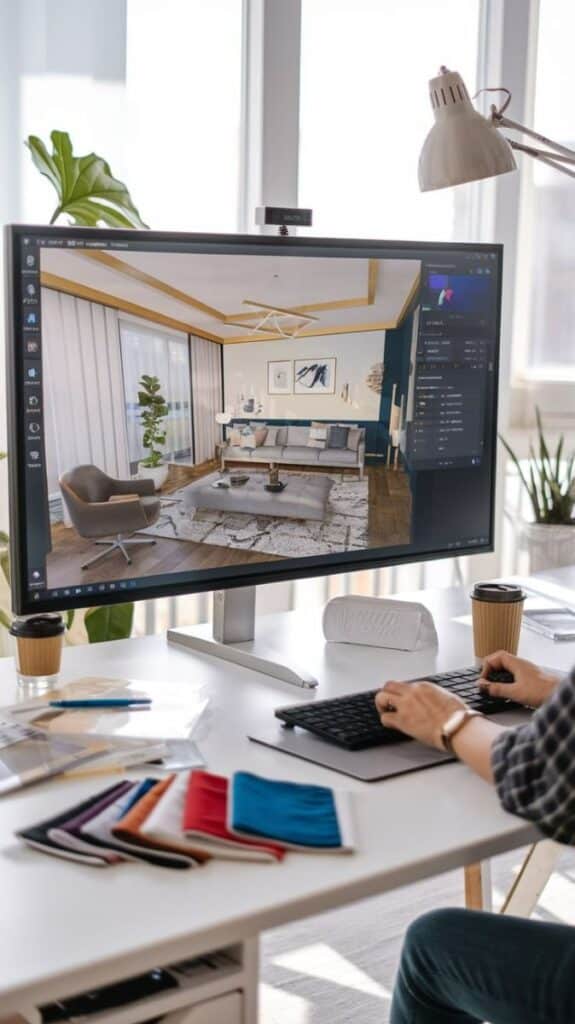
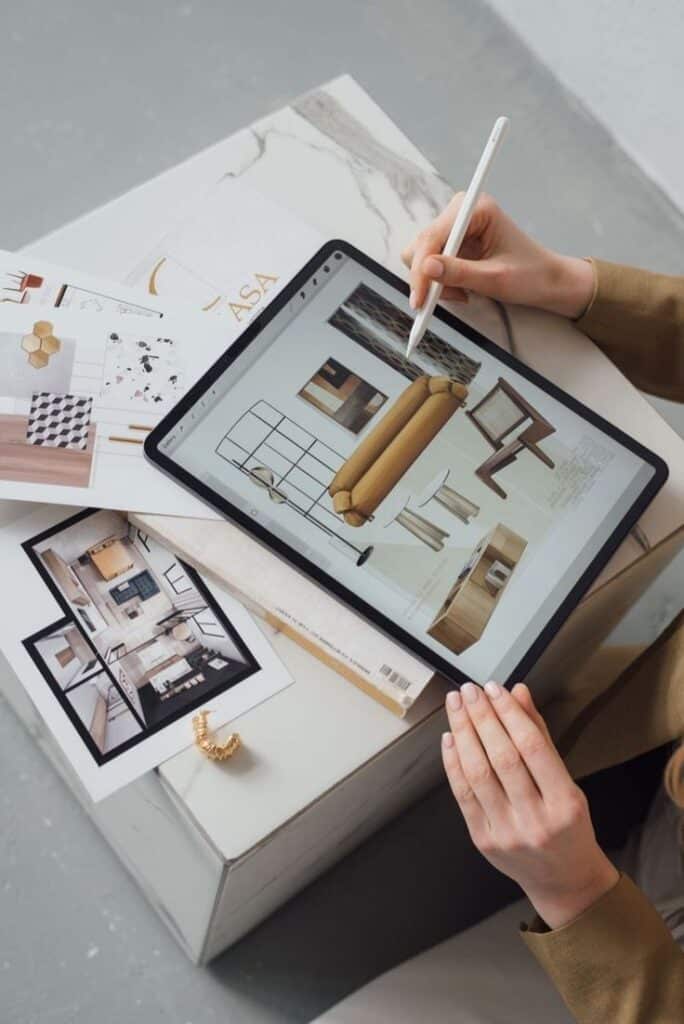
Conceptualizing the Property-Design Connection
The real estate and interior design have been one and the same in the current competitive market. Customers and tenants are not out to find four walls and a roof, but houses that mirror their lifestyle dreams and personal preference. This change has left unprecedented openings to property investors who know how to make the most of design principles.
Psychology of home buying decisions has shown that emotional attachment usually over rules logical thinking. An attractive space creates good emotional feelings which is sufficient to support the high price and high sales rates. At this point, the issue of key rules of design will be a critical requirement in anybody engaged in the development or investment of a property.
For investors seeking comprehensive guidance on maximizing property value through design, resources like PropertyLiftUp offer valuable insights into the intersection of real estate investment and interior design strategy.
The Interior Design Investment Economics
Most property investors are reluctant to spend huge budgets on interior designing because they consider it as a luxury that is not essential, but as a strategic investment. Nonetheless, according to industry statistics, professional interior design-based properties always sell better and sell higher compared to similar properties that have not been given the same consideration.
The trick here is to know the areas where you can spend your design dollars so that it pays off. Not every design improvement will pay off in equally the same way, and familiarity with what aspects of your intended demographic you will hit the most with can be the difference between an ambitious money grab and a financial bomb.
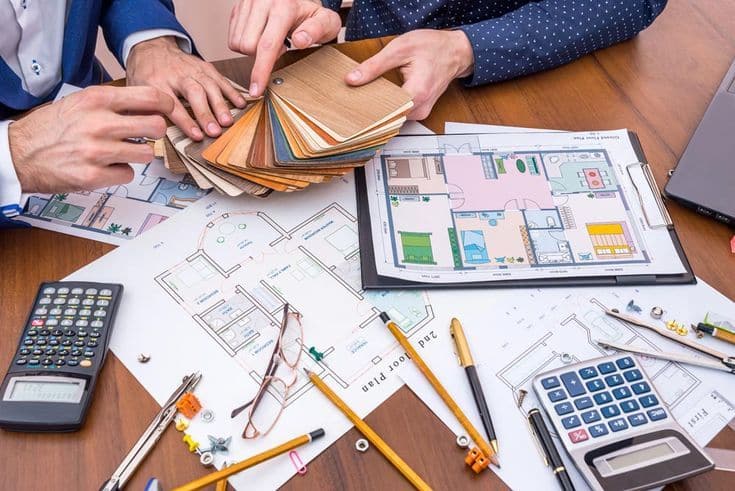
Spec Homes Strategic Design Planning
Spec home construction presents unique design challenges and opportunities. Spec homes must attract a wider market, unlike custom homes constructed to fit a particular customer and still have the impression of being designed and ready to move in.
Successful design of a spec home depends on the knowledge of the target market demographics. Is it a new home for people, a household in expansion, retiring, downsizing, or high-end buyers? Every demographic is unique in terms of tastes and prioritie,s which must be utilized in every design decision made within the floor plans up to the type of fixtures chosen.
Comprehensive spec home construction strategies require balancing universal appeal with distinctive character. The intention is to build spaces that are unique without relying too much on the customisation of preferences and marginalising potential consumers. The principles of the successful design of spec homes include neutral color schemes with the ability to have an accent in strategic areas, high-quality materials that may imply the establishment of value, and layouts that support different lifestyle options.
In spec homes, special attention has to be paid to lighting. Property is sold based on natural light and it is only through intelligent design of artificial lighting that it is easy to make spaces look welcoming when showing during the evening. Multi-layered lighting (ambient, task, and accent lighting) provides depth and flexibility that attracts discriminating purchasers.
Design Master Bedroom: The Ultimate Selling Point
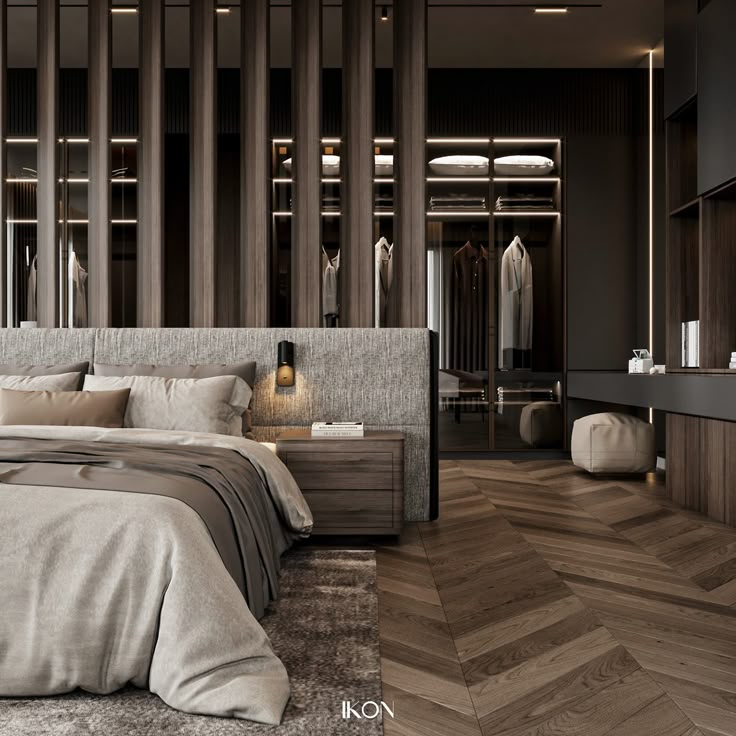
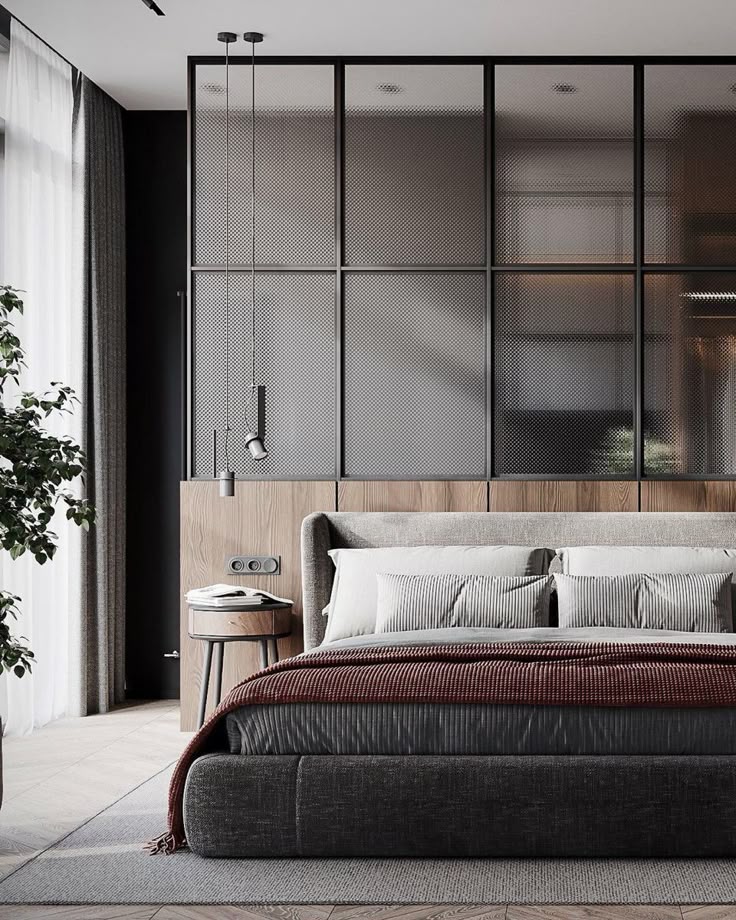
There is one room that affects the purchasing decisions disproportionately; that is the master bedroom. This is a personal retreat which symbolizes escape, comfort, and personal luxury- than which notions homebuyers will find to be highly appealing and worth charging a premium.
Contemporary master bedroom design does not just include installing a bed in the biggest bedroom. Demand has changed where the modern consumer desires spa-like ensuite, huge walk in closets, and bedroom areas that are more like retreats than mere sleeping areas.
Effective master bedroom interior design incorporates several key elements that elevate perceived value. Advanced color schemes produce relaxing moods– imagine soft grays, warm taupes, and blues that the buyer may be accustomed to and not high-impact colors.
The significance of texture in the master bedroom is essential. Bedding, window treatments, and area rugs have layers of textiles that wearers love, but it costs little to achieve depth and luxury. Quality does not necessarily mean spending passionately, but carefully chosen mid-range products can create the visual effect of an expensive one at a tenth of the price.
There can never be a disregard for storage solutions in master bedrooms. Large closets with storage structures indicate the house can support the style of lives of the purchasers without inconvenience. Even your small clothes closets may be upgraded with tailor-made shelving and hanging units, which will offer the maximum functionality and good appearance.
Learning Interior Design Professional Value
Most investors in property undertake DIY interior design to save on money, yet in most cases it becomes counterproductive. High level of interior designing requires professional interior designers who can go way more than paint colours and interior arrangements.
The interior design professionals increased the financial environment and this is an expression of the increasing role of interior design in real estate development. Understanding interior design salary structures and compensation helps property investors appreciate the value these professionals bring and make informed decisions about when to hire design expertise versus handling elements independently.
Professional designers have access to trade suppliers with materials and furnishing being provided at prices unattainable by individual consumers. They are aware of the concepts of spatial planning that ensure that spaces are as useful as possible but as much as possible are stylish. Most importantly, maybe they introduce an impartial view that has not been tainted by individual tastes and therefore any design solution taken is in line with the needs of the market and not the liking of one person.

Property Marketing Psychology of Colors
The choice of color is one of the most influential and, at the same time, one of the most poorly managed components of property design. The colors will evoke different psychological reactions which may be either attractive or repelling towards the potential buyers.
The backgrounds will consistently be neutral which will continue to form the basis of saleable property design although it does not imply the bland and dead spaces. The refined neutrals of today warm grays, greiges, soft whites, offer multifunctional spaces that enable customers to imagine their own style in the space.
There are strategic color accentings that add personality but not bombardment. The bio blues used in the navy imply sophistication, sage green will bring calmness, and warm terracottas will bring invigoration. It is important to employ accent colors in the easily replaceable items such as pillows, artwork, and accessories as opposed to permanent.
Decisions to Flooring That Are Value Impacting
Flooring is a major investment in the property development process and such decisions have a dramatic change in perceived quality and market value. The carpet vs. hardwood vs. luxury vinyl flooring debate is not universal in its solutions but to know what is implied with each option something must be understood.
Solid or engineered hardwood will always be among the most sought-after home qualities by a home buyer. It has the indications of quality, durability, and attractiveness amongst a buyer allergic or with pets. Nonetheless, the investment should be consistent with the general property prices and the demands of the target market.
Luxury vinyl plank (LVP) has also become an interesting option, with a better and more durable appearance of wood that is also cheaper. The contemporary LVP products have broken the stigma of the previous vinyl flooring, and a lot of buyers cannot tell the difference of quality LVP with the real variable of the hardwood.
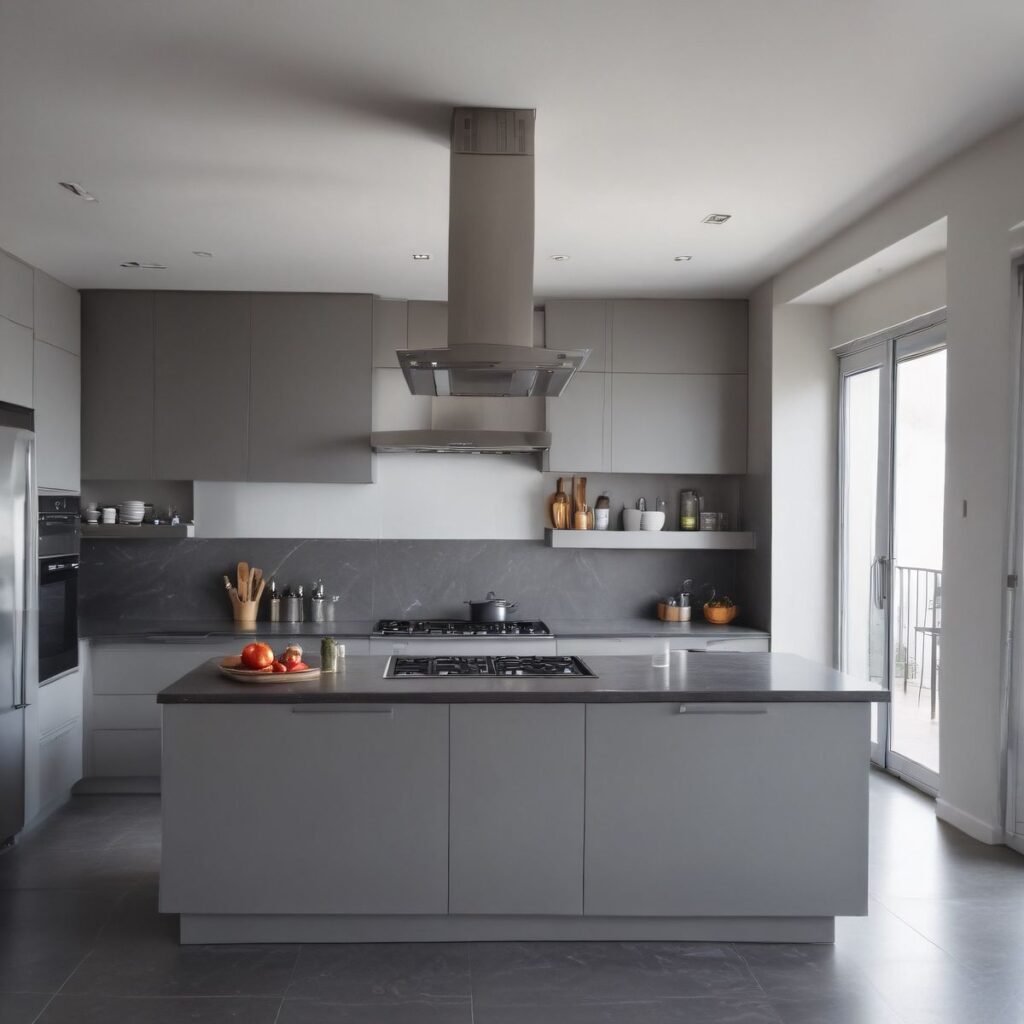
Kitchen and Bathroom: THE ROI Champions
Although all spaces are important, kitchens and bathrooms are the ones that provide out of proportional returns on design investment. They are also lifestyle statements with these functional spaces and customers will have a tendency to develop strong judgments about properties on the basis of these rooms.
The trend in kitchen designs has included open and multifunctional kitchens that will be used to cook, dine and socialize. Attractive chairs, islands, good appliances, and good storage are always important everywhere. The finish level must be appropriate to property positioning the luxury buyers are dependent on stone countertops and custom-built cabinets, and the first-time buyers are focused on practicality and a good value rather than high-quality materials.
The design of the bathroom should be treated in the same way. Simple bathrooms can be made into luxurious theaters with the correct selections: frameless glass shower compartments, floating vanities, quality fittings and fine tile designs can bring up high uniformity without necessarily having to use luxury budgets.
Lighting: The Game Changer You Always Miss
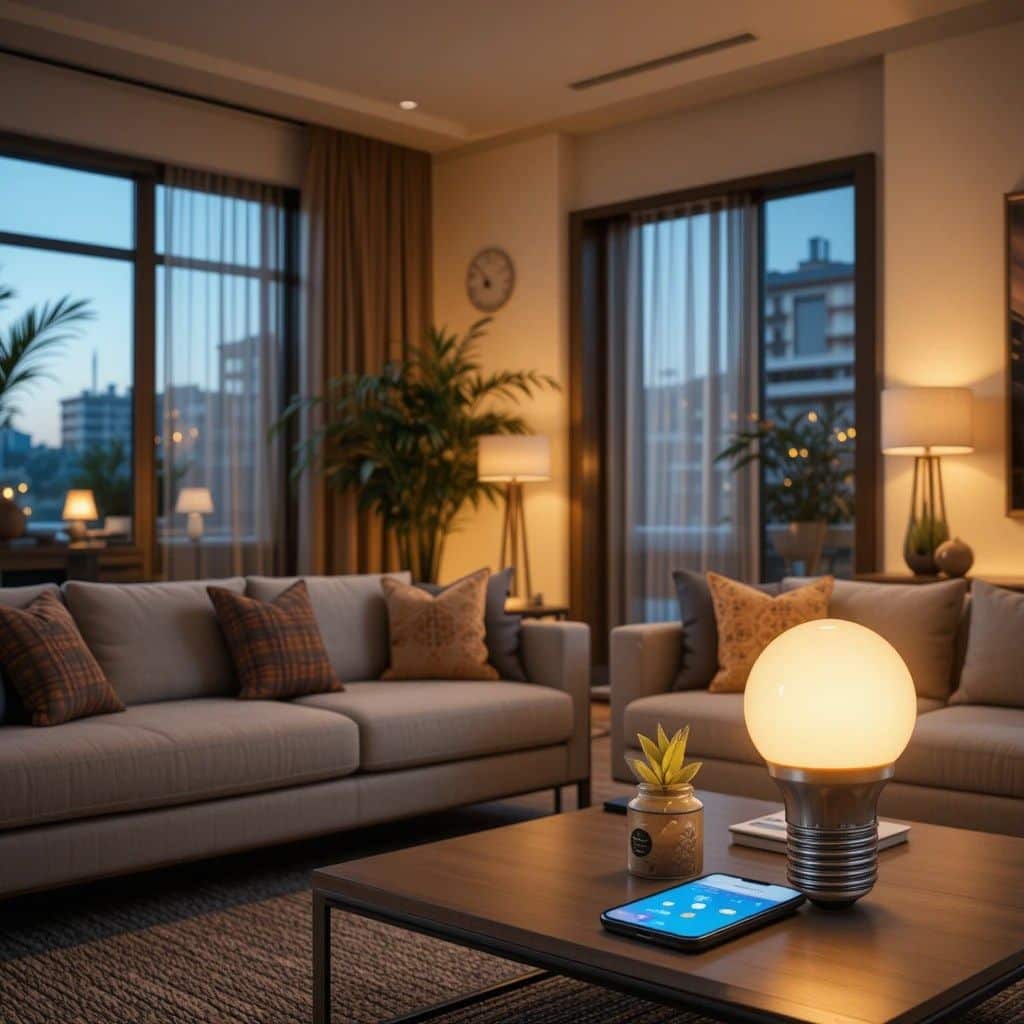
One of the largest impact but least expensive changes that the investor of any property can incorporate is the lighting design. Bad lighting becomes a turn off to beautiful spaces and good lighting brings up even simple designs to great heights.
Architecture should be based on natural lighting because this natural light should be maximized during the initial planning. The positioning of windows, their size, and treatment also influence the direction of light in spaces. Where there is a lack of natural lighting, strategic artificial lighting makes up.
Deep lighting design It reduces the monotony of flat lighting by layer lighting, with recessed ambient lighting, pendant fixtures to provide task lighting, and accent lighting to emphasize architectural elements. Dimmer switches enhance the functionality and value to mindful clients who admire the ability to control the lighting.
Staging vs. Permanent Design
Investors who invest in property need to be able to draw the line between the sale staging and permanent design features. Staging generates emotional value to displaying but will only constitute a short-term investment. Permanent design features are built in, and the choice of fixtures and finishes is more to be considered since they are less easy to change.
The most prosperous property designs are ones that have heavy permanent features, which bring in structure and quality, but neutral enough finishes that can be easily modified by staging or personalization of the space by the buyer. This equilibrium enables properties to be complete and move-in ready and at the same time allow buyer preferences.
Conclusion: Design as Investment Strategy
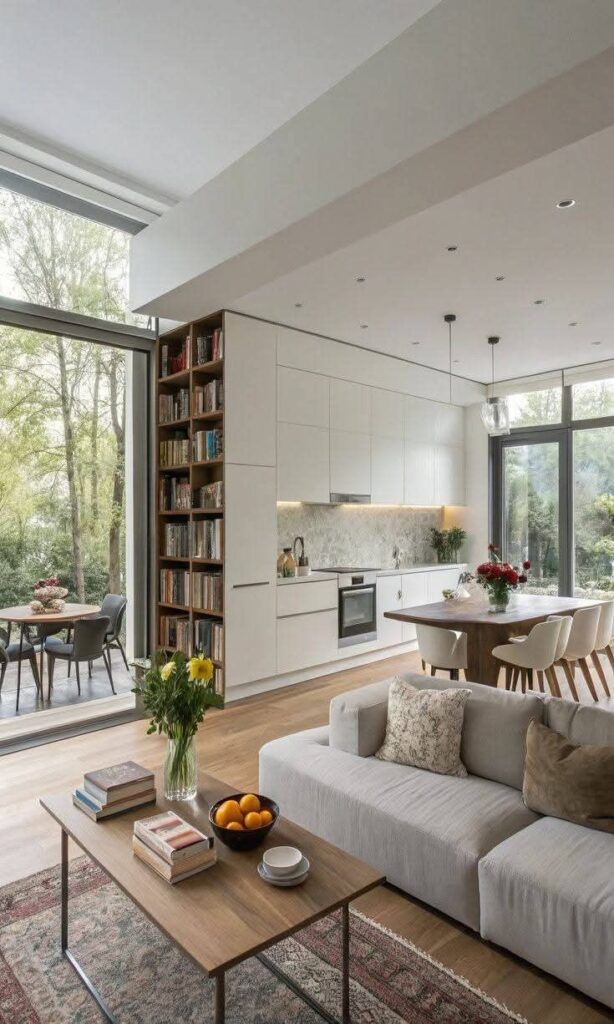
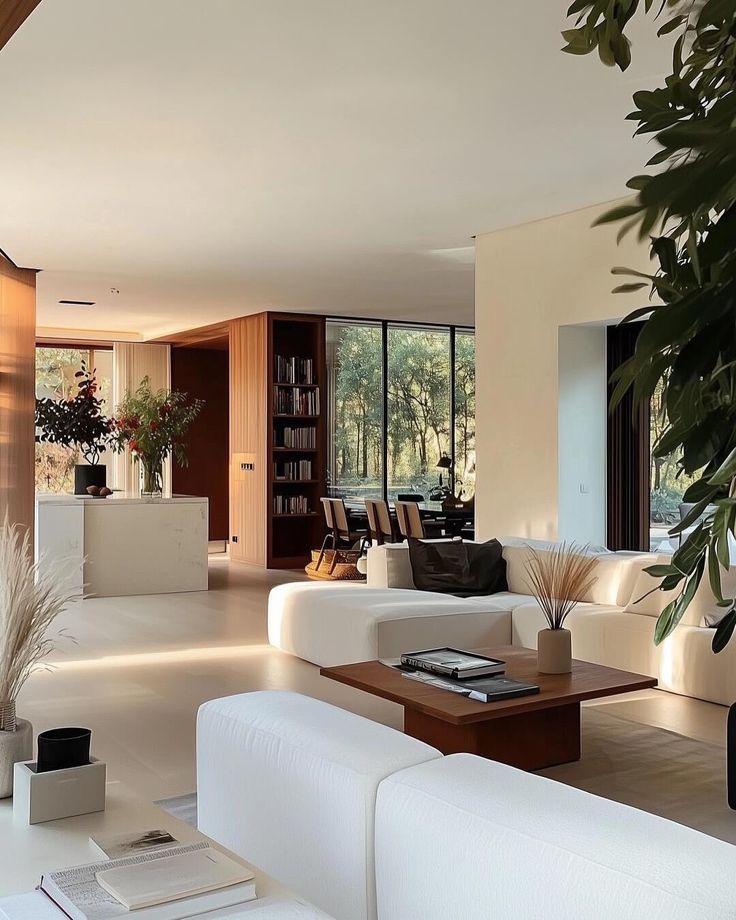
Property investor interior design is much more than merely a matter of beautification; this is a means of covering all returns and quickening sales. Knowledge of the design components that present the greatest ROI, scaling on how target demographics change design choice, and when to head to the professional versus self-service solutions only divides those that make a lot of money in real estate investing and those ones that cannot reach their financial objectives.
Similar features are characterized by the properties that can command high prices and sell faster: they are designed not super personalized, but include high-grade materials and finishes that fit their price niche, and they employ emotional resonance which will make a first-time shopper into an inspired customer.
With the development of the real estate business, buyer expectations getting higher, the contribution of strategic interior design to property investment will be only increased. When investors view design as a fundamental competency as opposed to an adjunct strategy, they put themselves in the niche of enduring success in the growing competitive markets.
- 3shares
- Facebook0
- Pinterest0
- Twitter3
- Reddit0