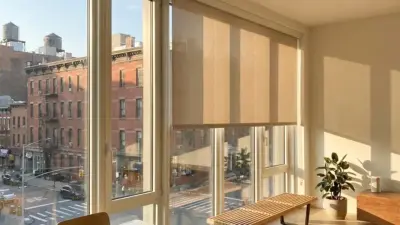
I replaced every window treatment in my house three years ago. Choose roller blinds throughout because they looked clean and minimal in the showroom. Six months later, I’d swapped half of them out. The bedroom was too bright at 6 AM. The home office got unbearably hot by afternoon. The living room felt cold and sterile—same blinds, completely wrong for different rooms.
The expensive lesson: blinds aren’t interchangeable decorative elements. Each type solves specific problems—light control, insulation, privacy, noise reduction—and choosing based on aesthetics alone ignores the functional differences that actually affect daily comfort.
- Smart Blinds: Automation Meets Energy Management
- Zebra Blinds: Precision Light Control
- Cellular Shades: Insulation Champions
- Roman Shades: Soft Sophistication
- Roller Blinds: Minimalist Efficiency
- Venetian Blinds: Classic Adjustability
- Vertical Blinds: Large Window Solutions
- Sheer Shades: Soft Light Diffusion
- Matching Blinds to Rooms: Quick Reference
- FAQ
- Conclusion
Here’s what separates satisfying blind choices from regrettable ones: matching blind types to the specific demands of each room rather than picking one style for the whole house. The bedroom needs blackout capability. The office needs glare control without darkness. The living room needs ambiance and flexibility. Understanding what each blind type actually does—not just how it looks—leads to choices you’ll still appreciate years later.
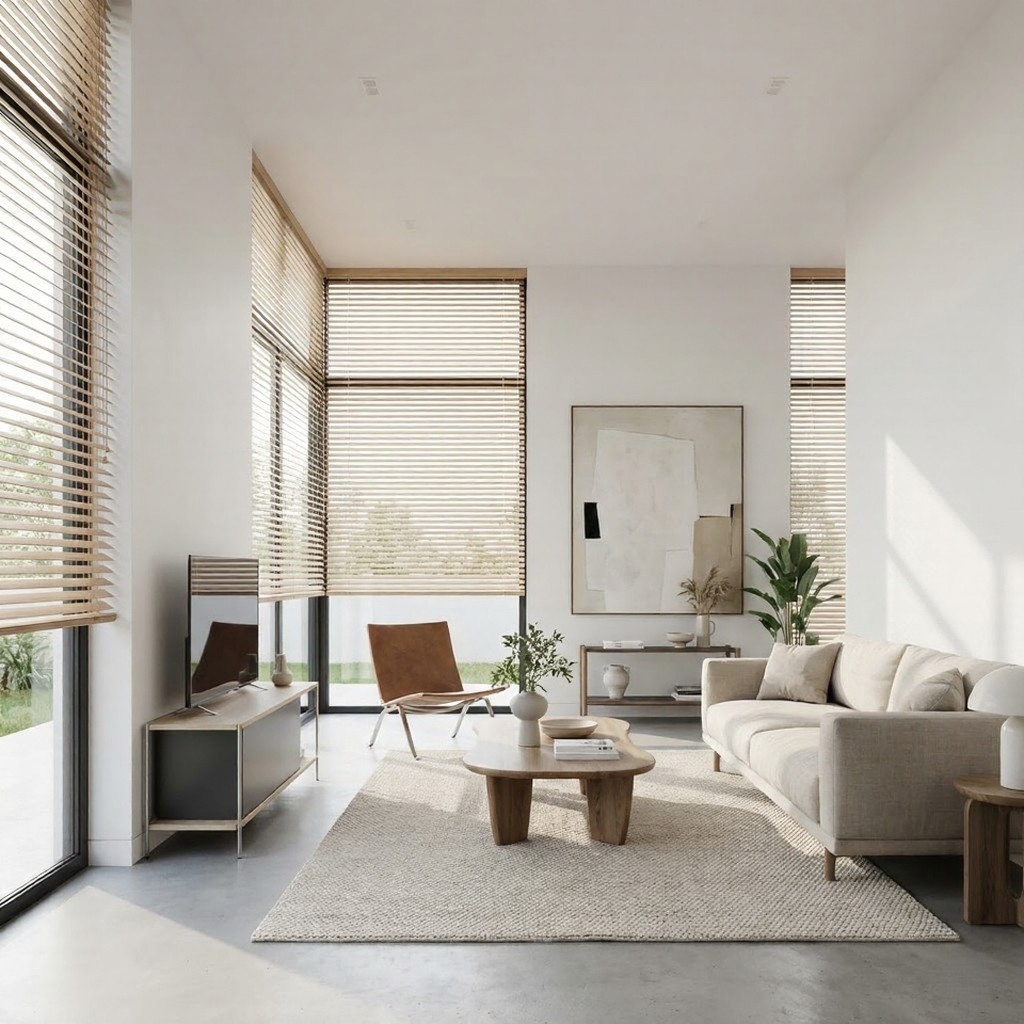
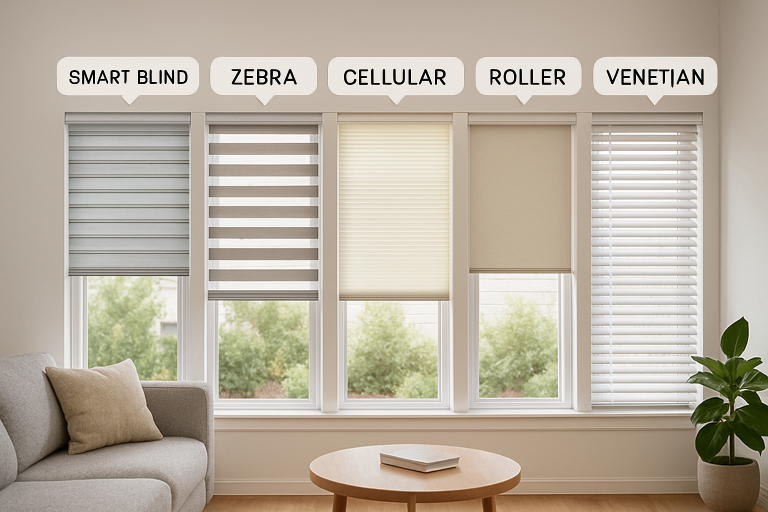
This guide breaks down eight major blind types by their functional strengths, not just their appearance. Match the right type to each room’s requirements, and your window treatments will work as hard as they look good.
These insights come from three rounds of window treatment decisions in my own home, conversations with interior designers and window treatment specialists, and researching how different blind constructions affect thermal performance and light management.
Smart Blinds: Automation Meets Energy Management
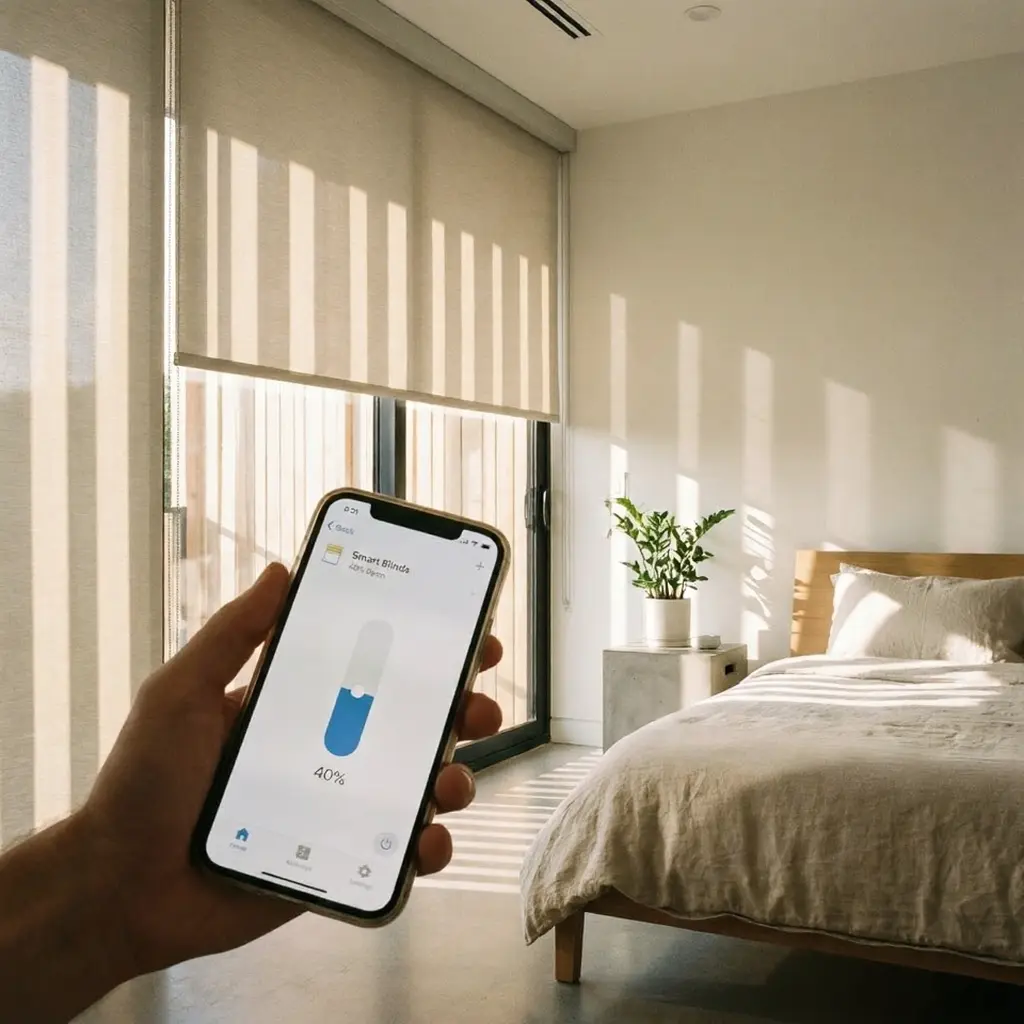
Smart blinds represent the convergence of home automation and practical window treatment. These motorized coverings connect to your home network, responding to smartphone commands, voice assistants, or programmed schedules.
Why Smart Blinds Matter
The convenience factor is obvious—adjusting blinds without leaving the couch or bed. But the real value lies in automation patterns most people never manually maintain:
Morning routines: Blinds open gradually with sunrise, supporting natural wake cycles without jarring alarms.
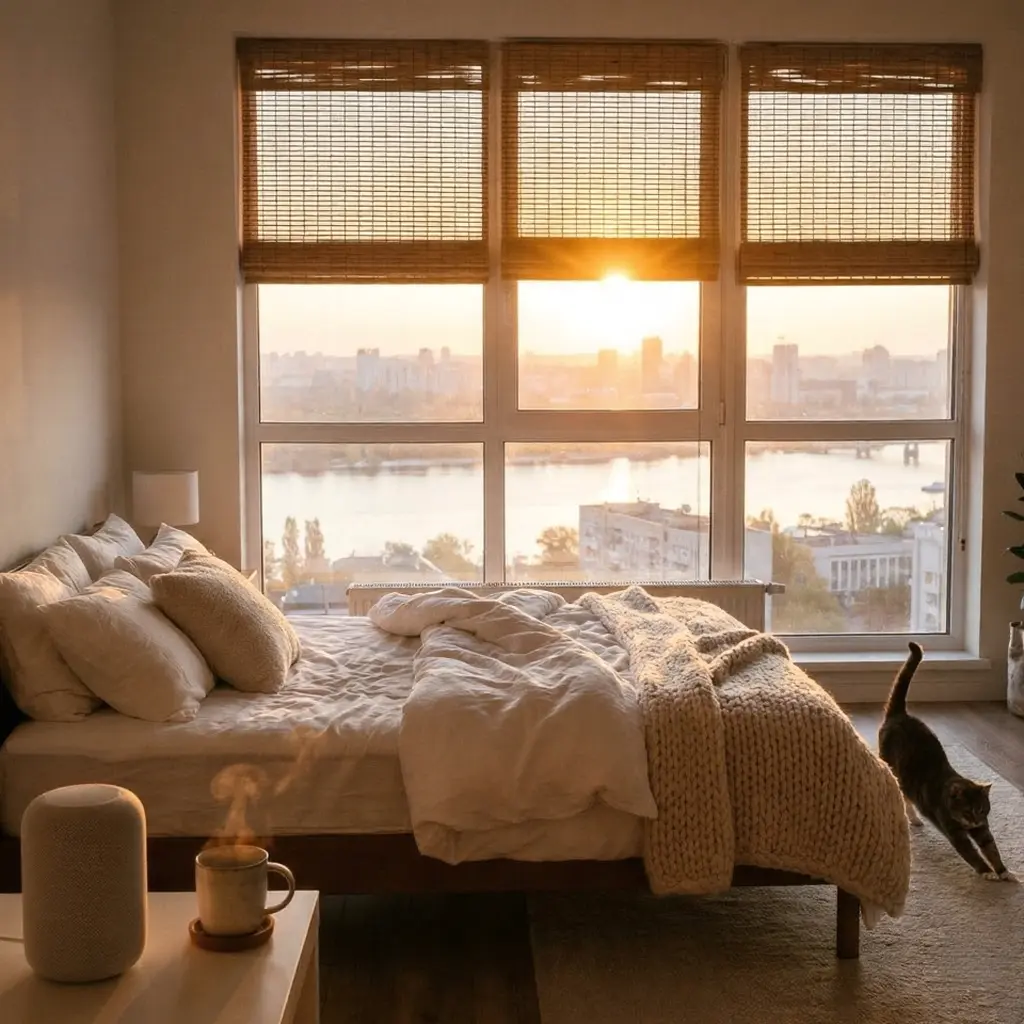
Midday heat management: Blinds on sun-facing windows close automatically during peak heat hours, reducing air conditioning load.
Evening privacy: Blinds close at sunset regardless of whether you remember to do it manually.
Vacation simulation: Blinds follow normal patterns while you’re away, suggesting occupancy to discourage break-ins.
Energy Impact
Automated sun-tracking can reduce cooling costs by 10-15% during summer months. The blinds respond to conditions you’d never manually track—adjusting every hour as the sun moves across your home. This passive temperature management justifies the higher upfront cost for energy-conscious homeowners.
Zebra Blinds: Precision Light Control
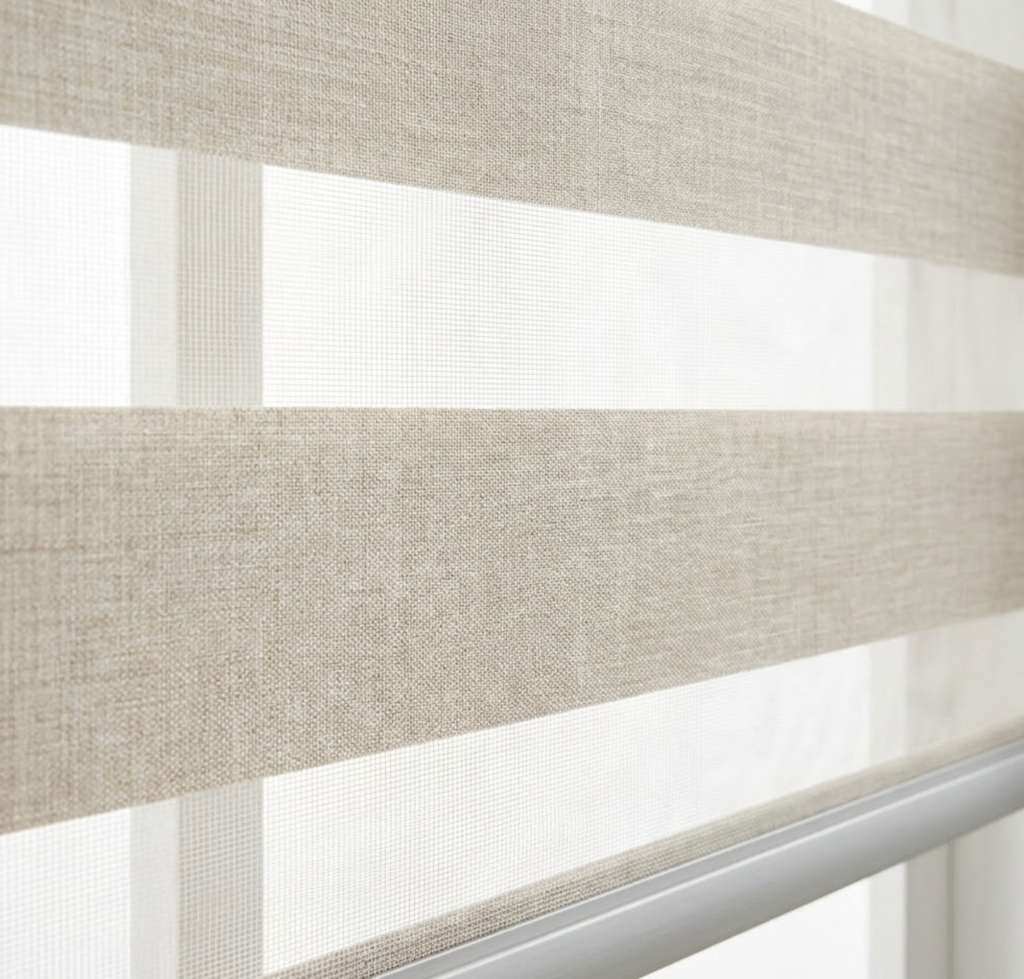
Zebra blinds—also called day-and-night blinds—solve a problem other blinds handle poorly: the middle ground between full light and complete darkness.
How They Work
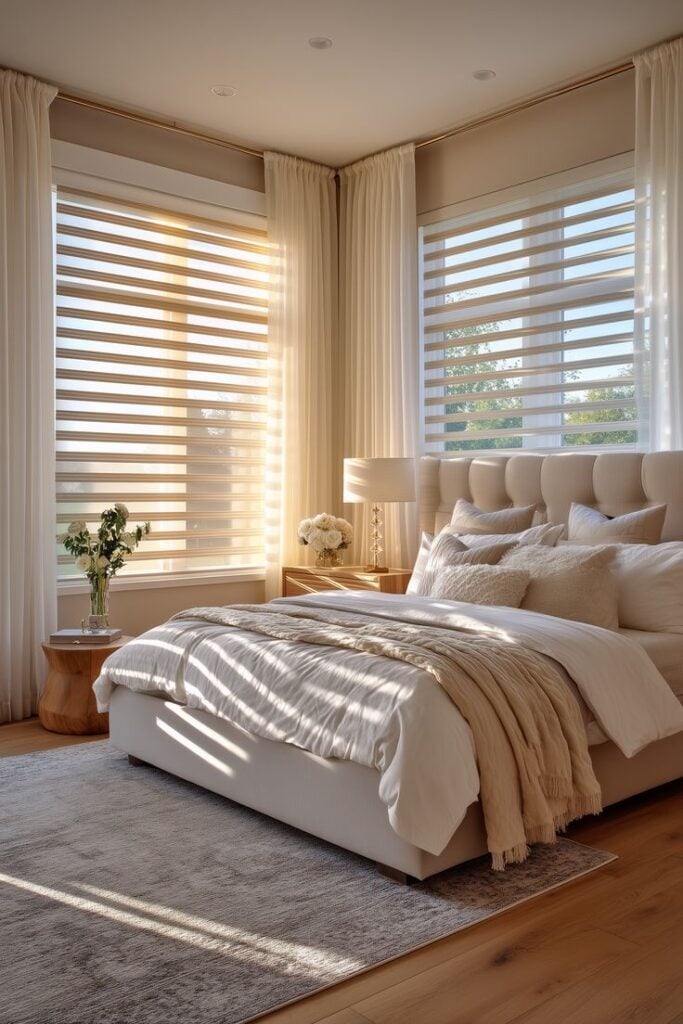
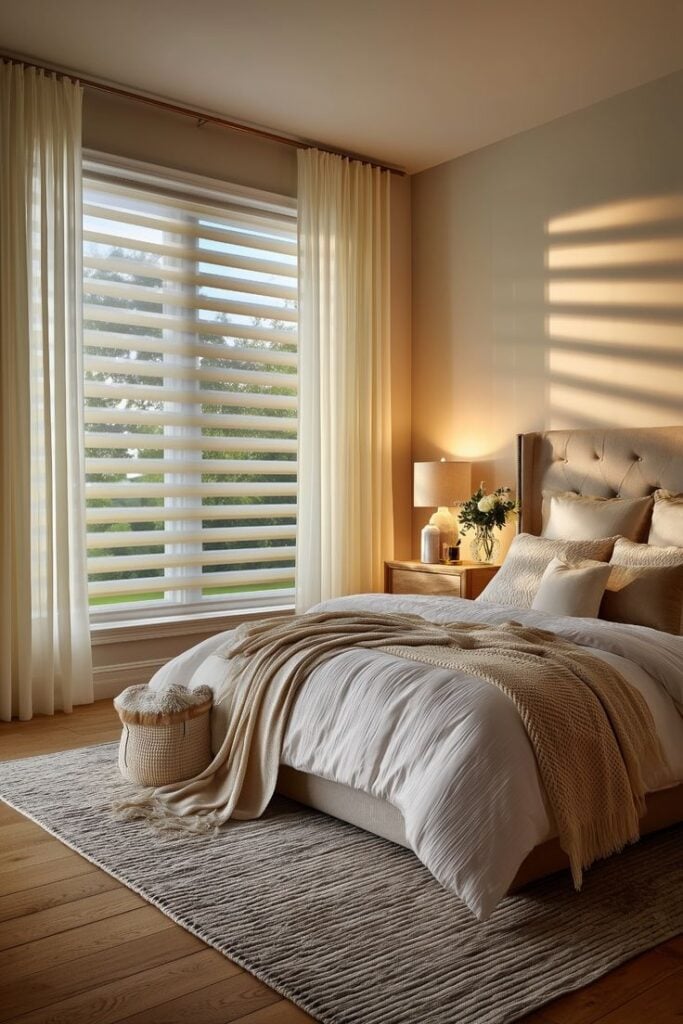
Alternating horizontal bands of sheer and opaque fabric overlap on a continuous loop. Adjusting the alignment shifts between three states: stripes aligned for maximum light through sheer sections, stripes offset for complete privacy through overlapping opaque sections, or any position between.
Best Applications
Home offices: Filter glare while maintaining outside connection and natural light.
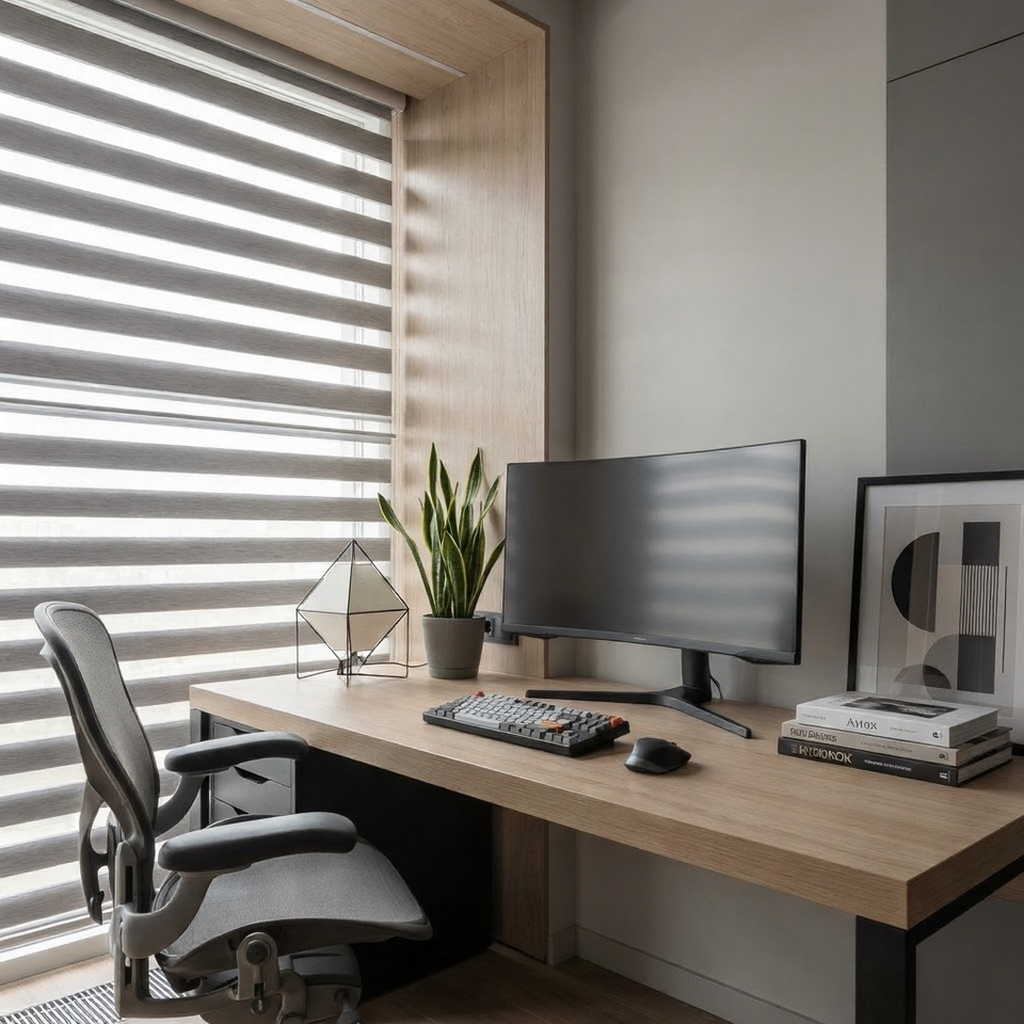
Living areas: Transition from bright daytime to private evening without switching between different treatments.
Kitchens: Control light while maintaining the open, airy feeling that heavy treatments would destroy.
The clean horizontal lines complement modern interiors without the industrial feel of traditional venetian blinds. Seattle homeowners searching for custom window coverings often gravitate toward zebra blinds for their balance of contemporary aesthetics and practical light management.
Cellular Shades: Insulation Champions
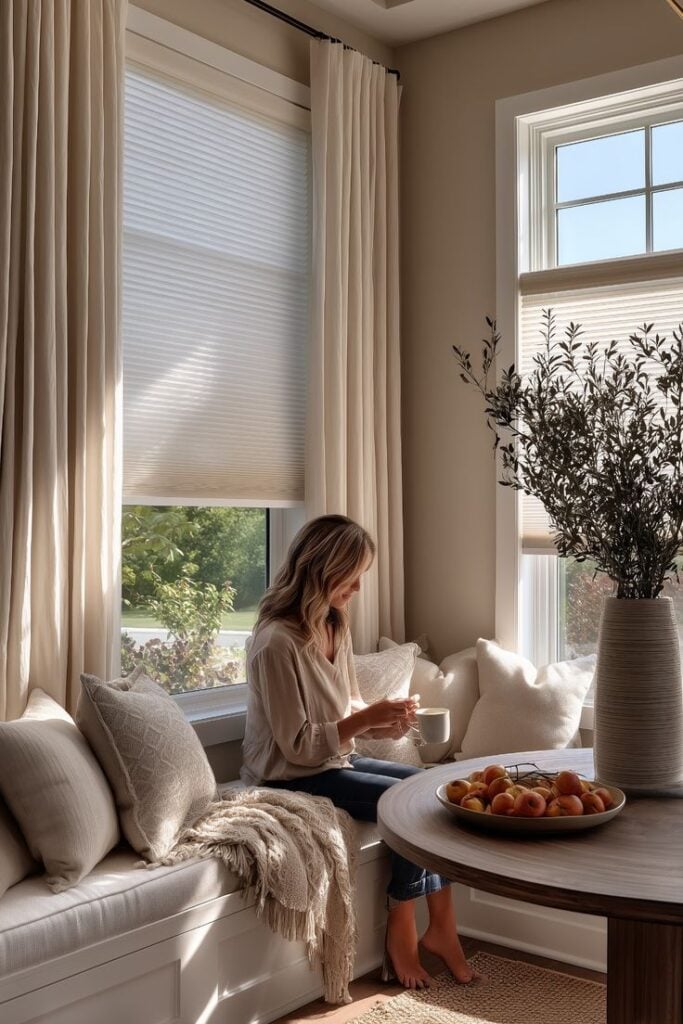
Cellular shades—honeycomb blinds—prioritize thermal performance over all other considerations. Their distinctive construction creates air pockets that insulate windows against temperature transfer.
The Honeycomb Difference
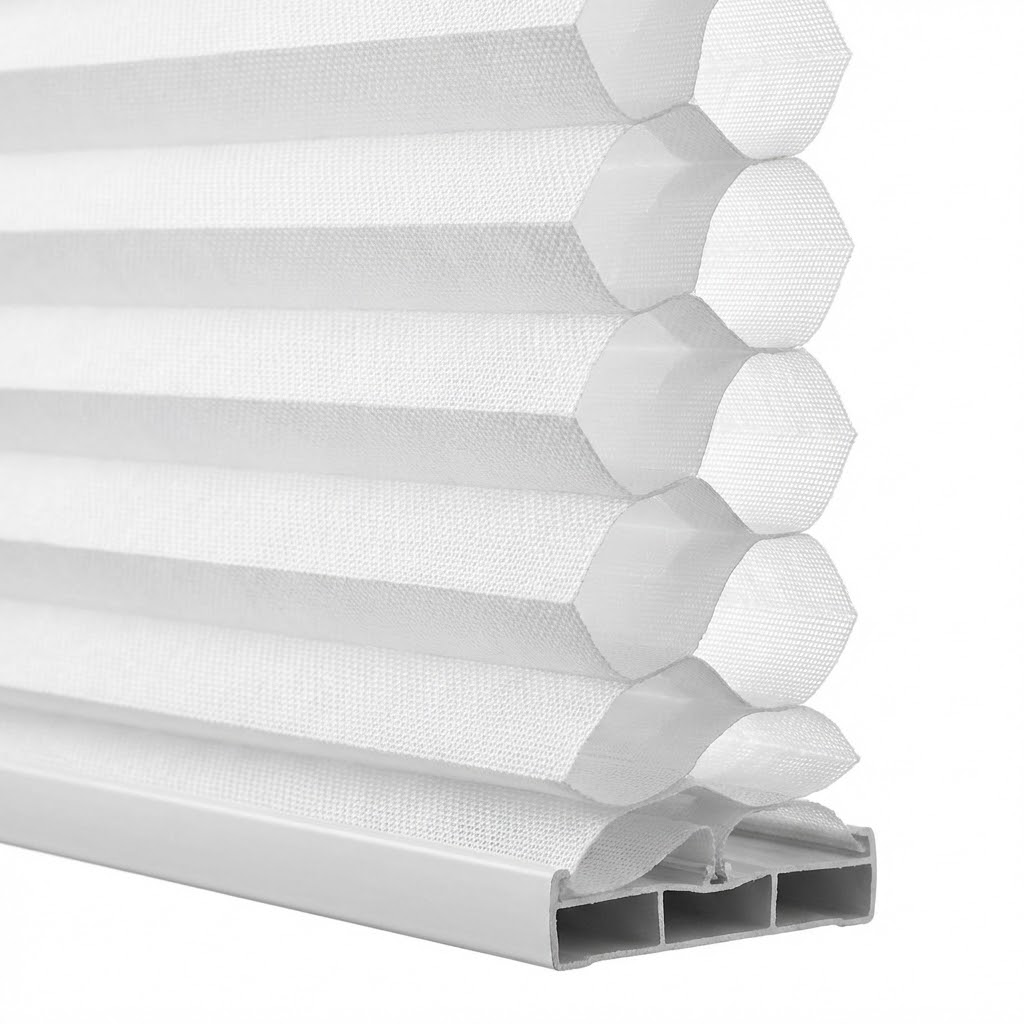
Single-cell designs trap one layer of air. Double-cell designs trap two layers, increasing insulation value significantly. The construction works in both directions: keeping heat inside during winter and blocking solar heat gain during summer.
Measurable Benefits
R-value improvement: Quality cellular shades add R-2 to R-4 insulation value to windows—a meaningful improvement for single-pane windows or older homes with drafty frames.
Sound dampening: The cellular structure absorbs sound, reducing outside noise penetration—valuable for bedrooms facing streets or homes near airports.
Energy savings: Properly fitted cellular shades can reduce heating and cooling energy use by 15-25%, depending on climate and window quality.
Best Applications
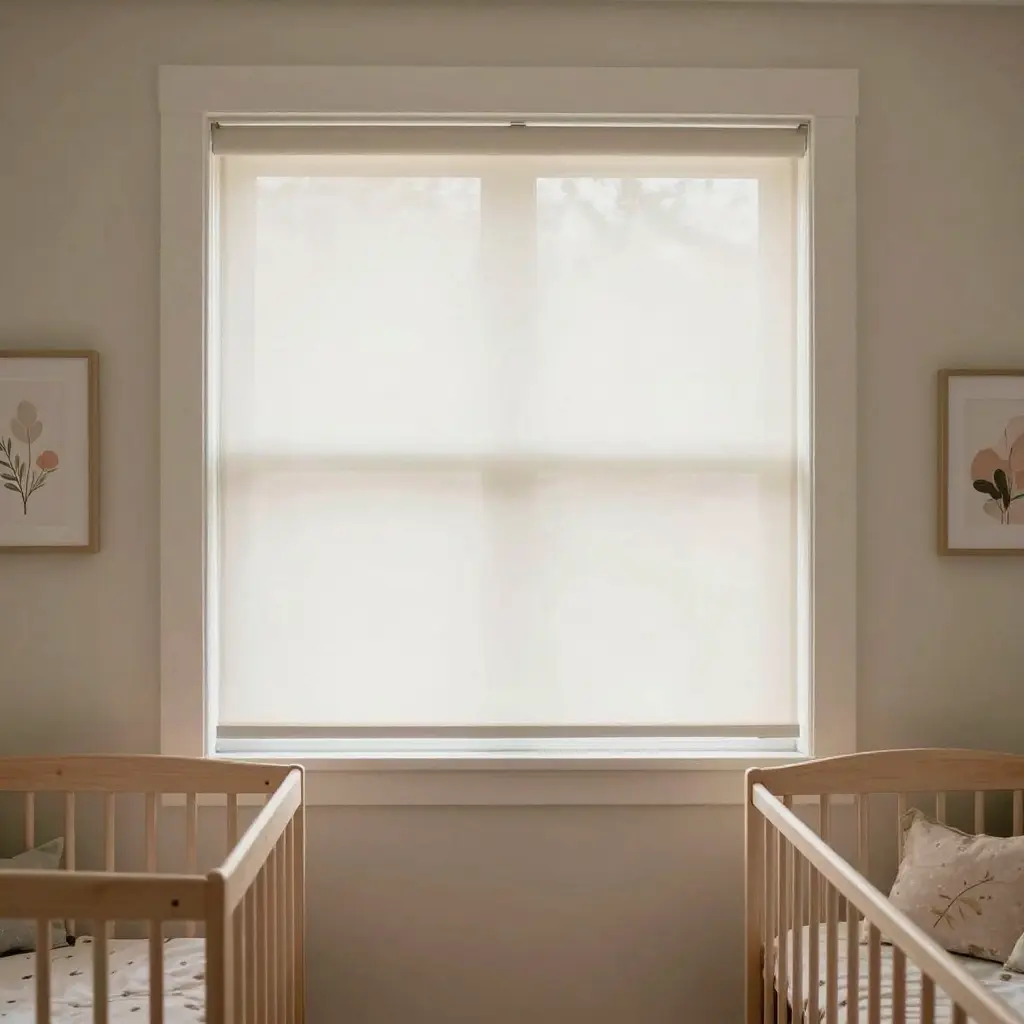
Cellular shades excel in bedrooms, nurseries, and any room where temperature stability and quiet matter more than dramatic aesthetics. Their understated appearance works as a neutral backdrop rather than a design statement.
Roman Shades: Soft Sophistication
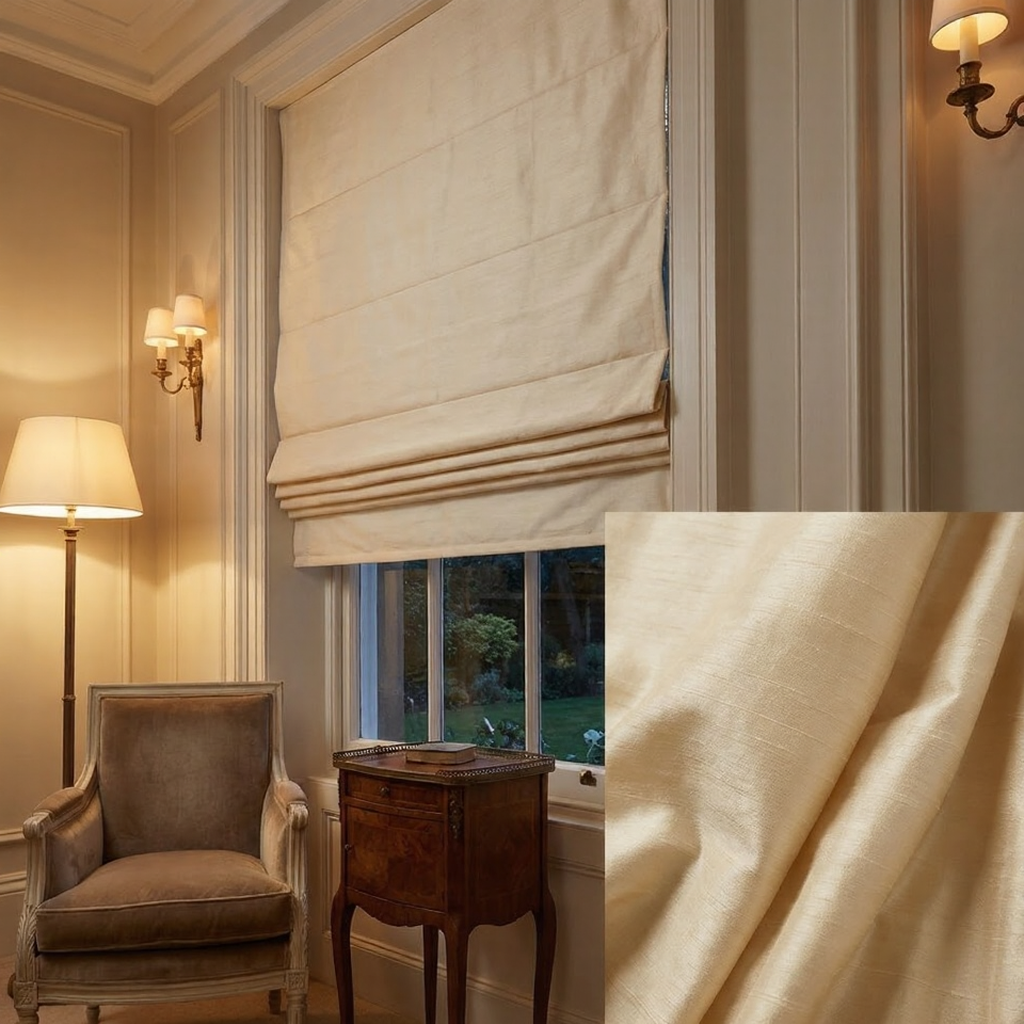
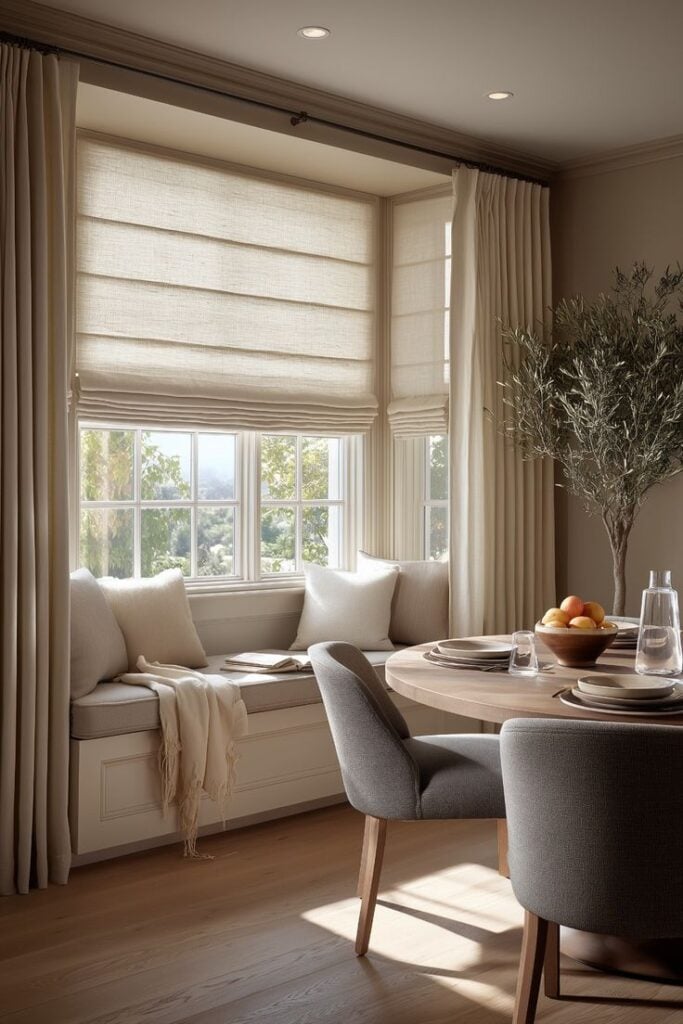
Roman shades bridge the gap between hard blinds and soft drapery, offering fabric warmth with structured operation.
Construction and Movement
Flat fabric panels fold into horizontal pleats when raised, creating soft, layered visual interest. When lowered, they present a smooth, tailored surface. The folding mechanism allows precise height adjustment, unlike simple roller designs.
Customization Range
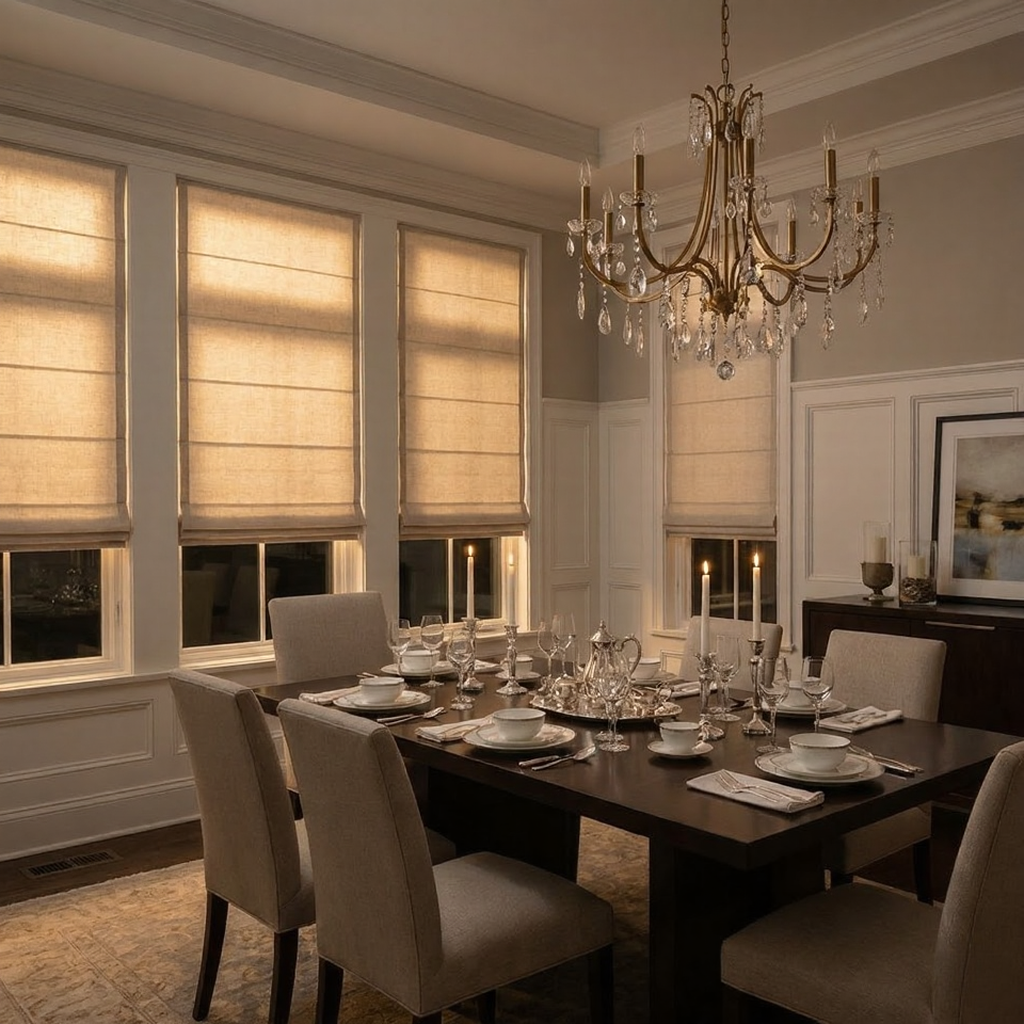
Roman shades accept virtually any fabric, enabling coordination with upholstery, bedding, or accent colors. Lining options range from light-filtering sheers to complete blackout. This flexibility makes roman shades suitable for spaces where generic blinds would feel cold or impersonal.
Best Applications
Living rooms and bedrooms: Where fabric softness complements furniture and textiles.
Formal dining rooms: Where structured elegance fits the space better than casual roller blinds.
Guest rooms: Where visual warmth makes occasional visitors feel welcome.
Roller Blinds: Minimalist Efficiency
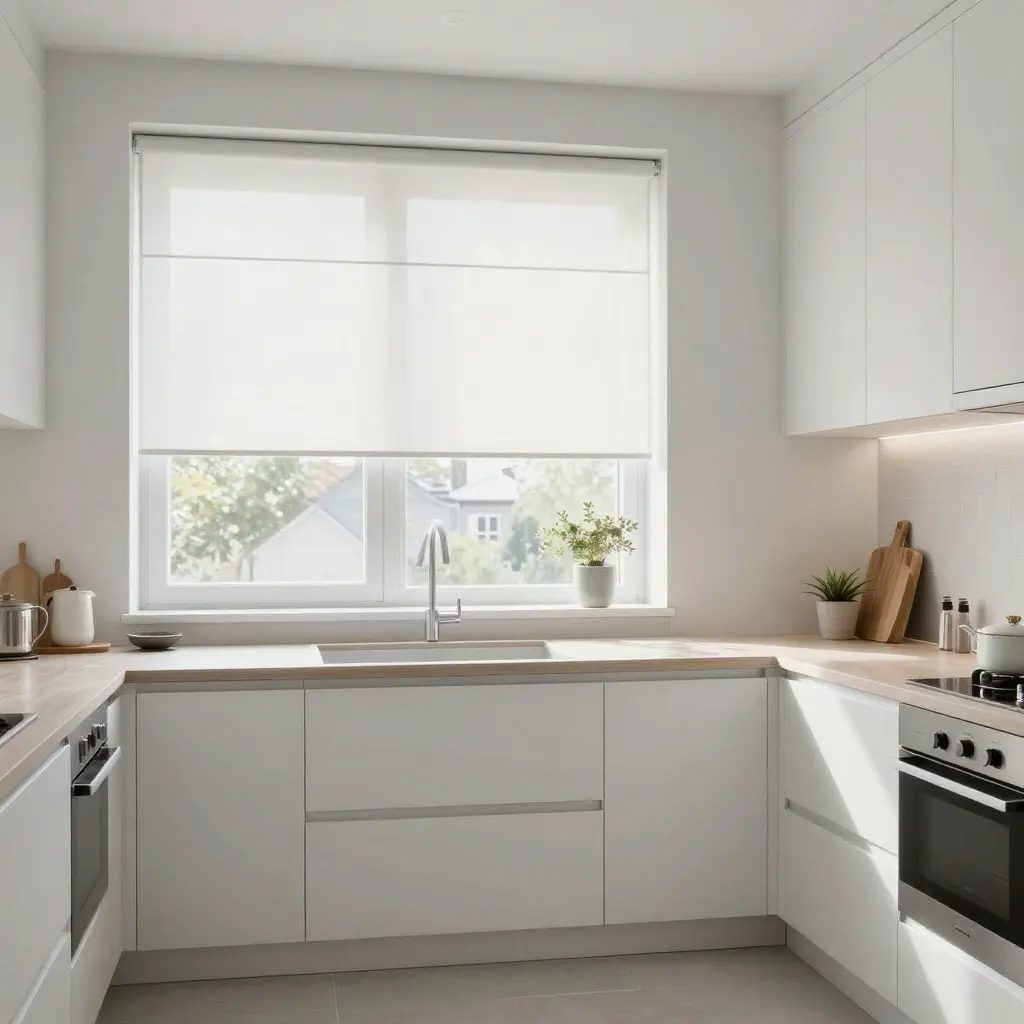
Roller blinds reduce window treatment to its simplest form: a single fabric panel that rolls up and down. This minimalism delivers practical advantages.
Functional Simplicity
Cleaning ease: Flat surface wipes clean with a damp cloth—no slats, cells, or folds collecting dust.
Compact profile: Rolled up, they nearly disappear, maximizing window glass exposure.
Durability: Fewer moving parts mean fewer failure points over the years of daily use.
Material Options
Blackout: Complete light blocking for bedrooms, media rooms, or shift workers sleeping during daylight.
Light-filtering: Diffused daylight without direct sun—comfortable brightness without glare.
Sheer: Privacy during the day while maintaining outside views and maximum natural light.
Best Applications
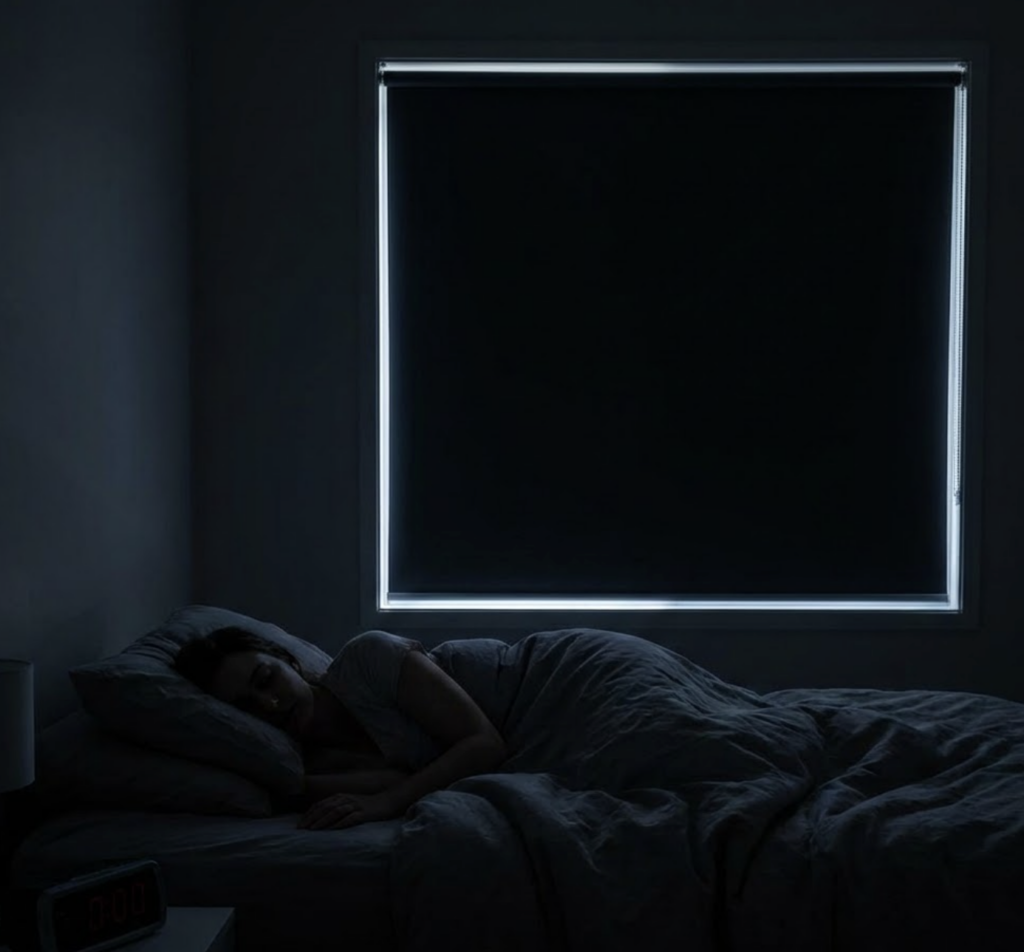
Kitchens, bathrooms, and utilitarian spaces benefit from roller blinds’ easy maintenance. Modern homes with clean architectural lines often use roller blinds throughout to maintain visual simplicity.
Venetian Blinds: Classic Adjustability
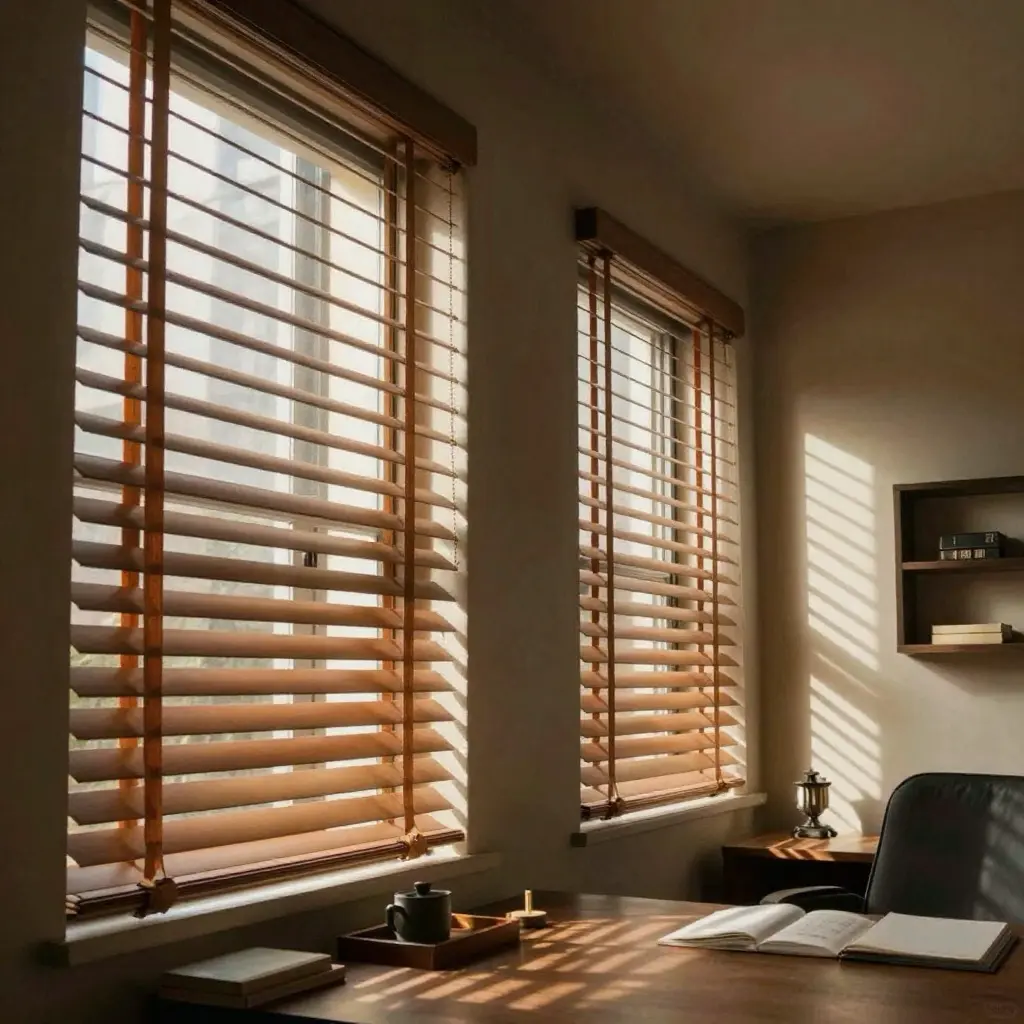
Venetian blinds—horizontal slats connected by cord or tape—remain popular because their adjustability solves problems other types can’t.
Angle Control Advantage
Unlike blinds that are open or closed, Venetian slats tilt through a continuous range. This allows directing light upward toward ceilings (brightening rooms without glare), downward toward floors (privacy while maintaining some light), or anywhere between.
Material Considerations
Aluminum: Affordable, durable, moisture-resistant. Best for kitchens, bathrooms, and utilitarian spaces.
Wood: Warm, natural appearance. Susceptible to warping in humid environments.
Faux wood: Wood appearance with moisture resistance. Heavier than aluminum but more visually substantial.
Best Applications
Home offices and studies benefit from venetian blinds’ precise light direction control. Multi-purpose rooms where lighting needs change throughout the day appreciate the adjustability that simpler blinds lack.
Vertical Blinds: Large Window Solutions
Vertical blinds solve the specific challenge of covering wide windows and sliding glass doors that horizontal treatments handle poorly.
Operational Advantages
Traversing: Slats stack to one side or split to the center, providing complete clearance for door access.
Pivoting: Individual slats rotate for light control similar to horizontal venetians, but scaled for floor-to-ceiling applications.
Durability: Vertical orientation means less dust accumulation than horizontal slats.
Best Applications
Sliding glass doors, patio access points, and full-height windows benefit from vertical blinds’ scale-appropriate design. They’re often the most practical choice where architectural glass meets everyday traffic patterns.
Sheer Shades: Soft Light Diffusion
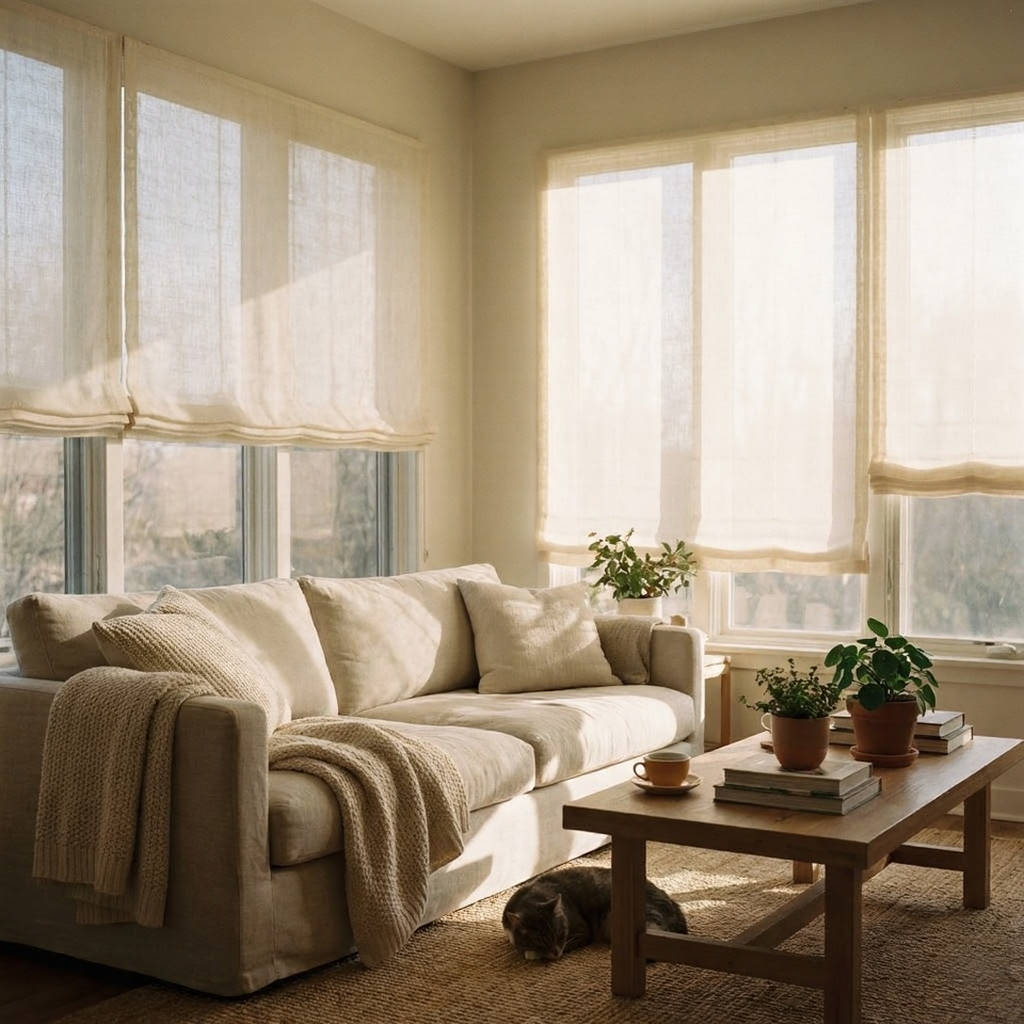
Sheer shades combine the structure of blinds with the softness of curtains, creating gentle light diffusion that neither type achieves alone.
Construction
Fabric vanes float between two sheer fabric layers. The vanes tilt like Venetian slats but diffuse light through the surrounding sheer material, eliminating the harsh light stripes that hard slats create.
Visual Effect
Sheer shades fill rooms with soft, even light rather than direct beams. This diffusion creates comfortable brightness for extended periods without the eye strain of unfiltered sun or the dimness of opaque treatments.
Best Applications
Living rooms, sunrooms, and entertaining spaces benefit from sheer shades’ flattering light quality. They’re particularly effective in rooms where people spend extended time during daylight hours.
Matching Blinds to Rooms: Quick Reference
RoomPriorityBest Types
Bedroom Blackout, temperature Cellular, roller (blackout)
Home Office Glare control, temperature Zebra, venetian, cellular
Living Room Ambiance, flexibility Sheer, roman, zebra
Kitchen Easy cleaning, moisture Roller, aluminum venetian
Bathroom Moisture resistance, privacy Roller, faux wood venetian
Sliding Doors Access, extensive coverage, Vertical
Nursery Blackout, quiet, temperature, Cellular (double-cell)
FAQ
Which blinds are best for energy efficiency?
Cellular shades (honeycomb blinds) offer the highest insulation value due to their air-trapping construction. Double-cell designs outperform single-cell designs. For automated energy management, smart blinds that track sun position provide consistent savings through behavior that no one maintains manually.
What blinds work best for bedrooms?
Blackout roller blinds or cellular shades with blackout lining provide complete darkness. Cellular shades add temperature stability and sound absorption—valuable for light sleepers or rooms facing noisy streets.
Are smart blinds worth the extra cost?
For energy-conscious homeowners or those with many windows, automated sun-tracking can reduce cooling costs enough to justify the investment within 3-5 years. For convenience alone, value depends on how much you’d actually use the automation features.
How do I choose between zebra blinds and venetian blinds?
Zebra blinds offer modern aesthetics and easier cleaning. Venetian blinds offer more precise light direction control through continuous slat angles. For most modern homes, zebra blinds deliver a better balance of function and contemporary appearance.
What’s the most durable blind type for high-traffic areas?
Vertical blinds handle daily door access well. Roller blinds have fewer moving parts to fail. Aluminum venetian blinds resist damage but collect dust. For durability with easy maintenance, quality roller blinds typically last the longest with the least attention.
Conclusion
Choosing blinds room-by-room rather than house-wide prevents the mismatches that lead to replacement within a year or two. Each blind type excels at specific functions: cellular shades insulate, zebra blinds control light precisely, roller blinds simplify maintenance, and smart blinds automate energy management.
Start with function, then filter by aesthetics. A beautiful blind that makes your bedroom too bright or your office too hot fails at its primary job regardless of how good it looks.
This week: Assess each room’s primary window treatment need—is it light blocking, temperature control, glare reduction, or privacy? List your priorities before browsing styles.
Before purchasing: Match your priority list to blind types. Consider whether different rooms need different solutions rather than assuming one type works everywhere.
Long-term: Quality blinds last 10-15 years. Invest in proper fit and appropriate types now rather than replacing ill-suited choices in two years.
Your windows deserve treatments that work as well as they look. Match the right blind type to each room’s demands, and you’ll appreciate the choice every day you live with the results.
- 32shares
- Facebook0
- Pinterest32
- Twitter0
- Reddit0