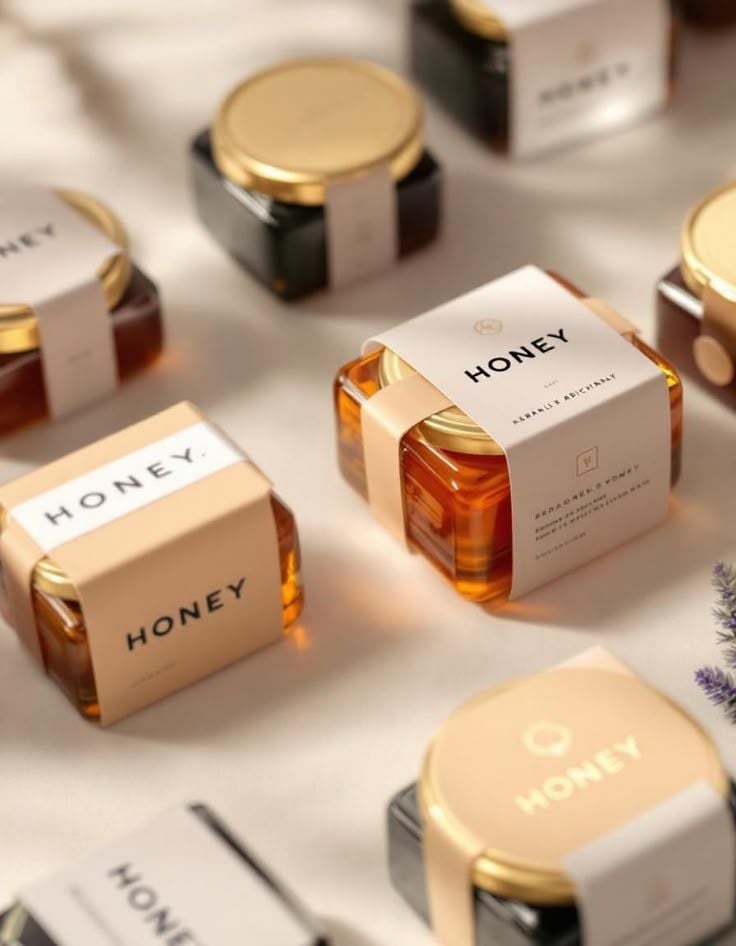
In an increasingly digital marketplace, the physical touchpoint between a consumer and a product has never been more critical. While a brand’s online presence initiates the conversation, the packaging is the first physical handshake. It is the moment where brand promise transitions into reality.
For product designers and brand managers, the challenge lies not just in the visual design, but in the tactile experience.
- The Psychology of Material Selection
- Balancing Aesthetics with Manufacturability
- Sustainability: The New Standard in Packaging Design
- Visual Storytelling : the Art of Finishing Packaging
- Key Takeaways
- Conclusion
- FAQ
- What role does the finishing of packaging play in visual storytelling?
- Why is sustainability important in packaging design, and how does glass meet this need?
- Why is the choice of packaging material crucial for my brand's perception?
- What are the key considerations when selecting materials and finishes for high-end packaging?
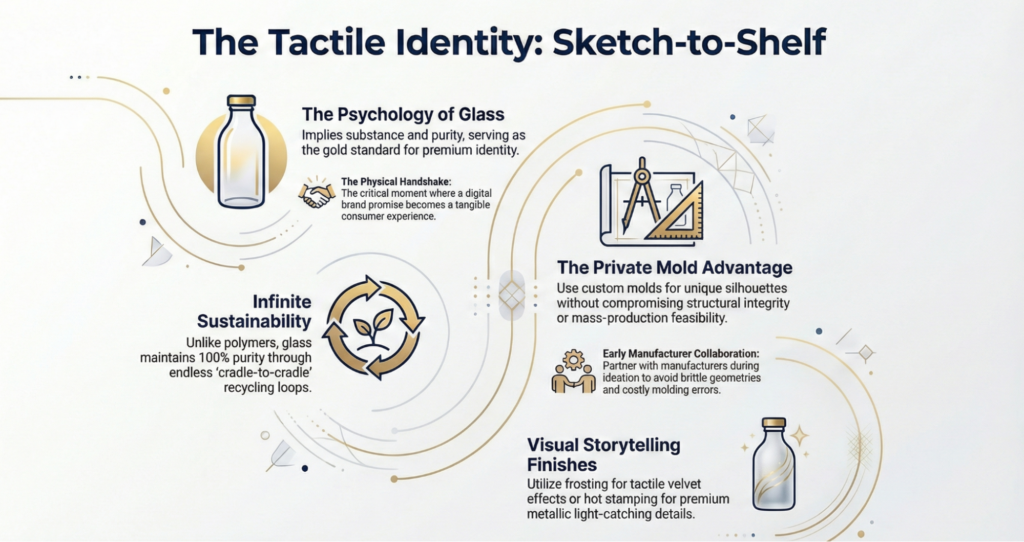
The material you choose does not merely hold the product; it defines the product’s perceived value, sustainability story, and market positioning.
The Psychology of Material Selection
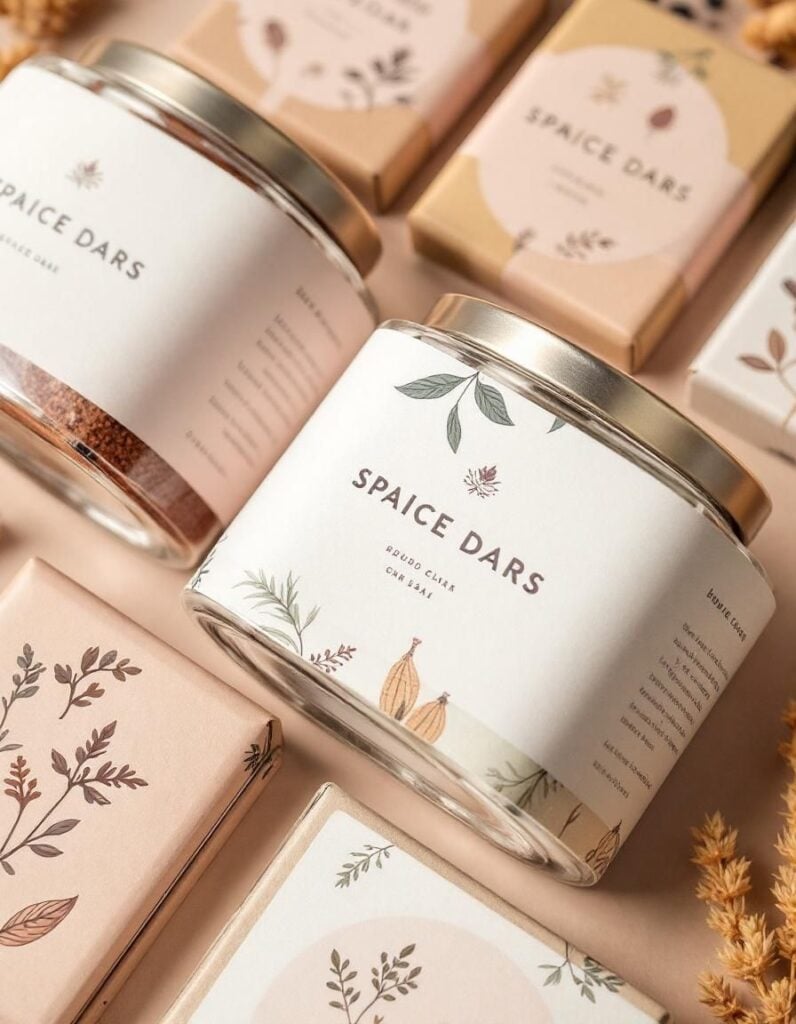
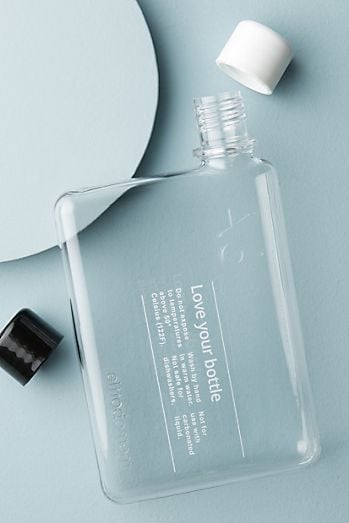
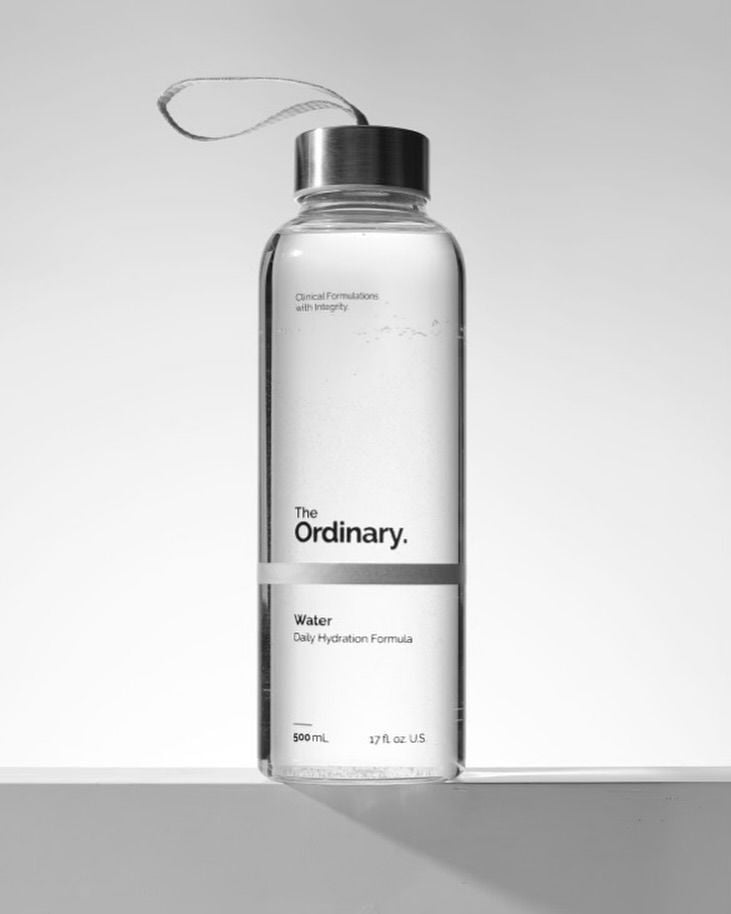
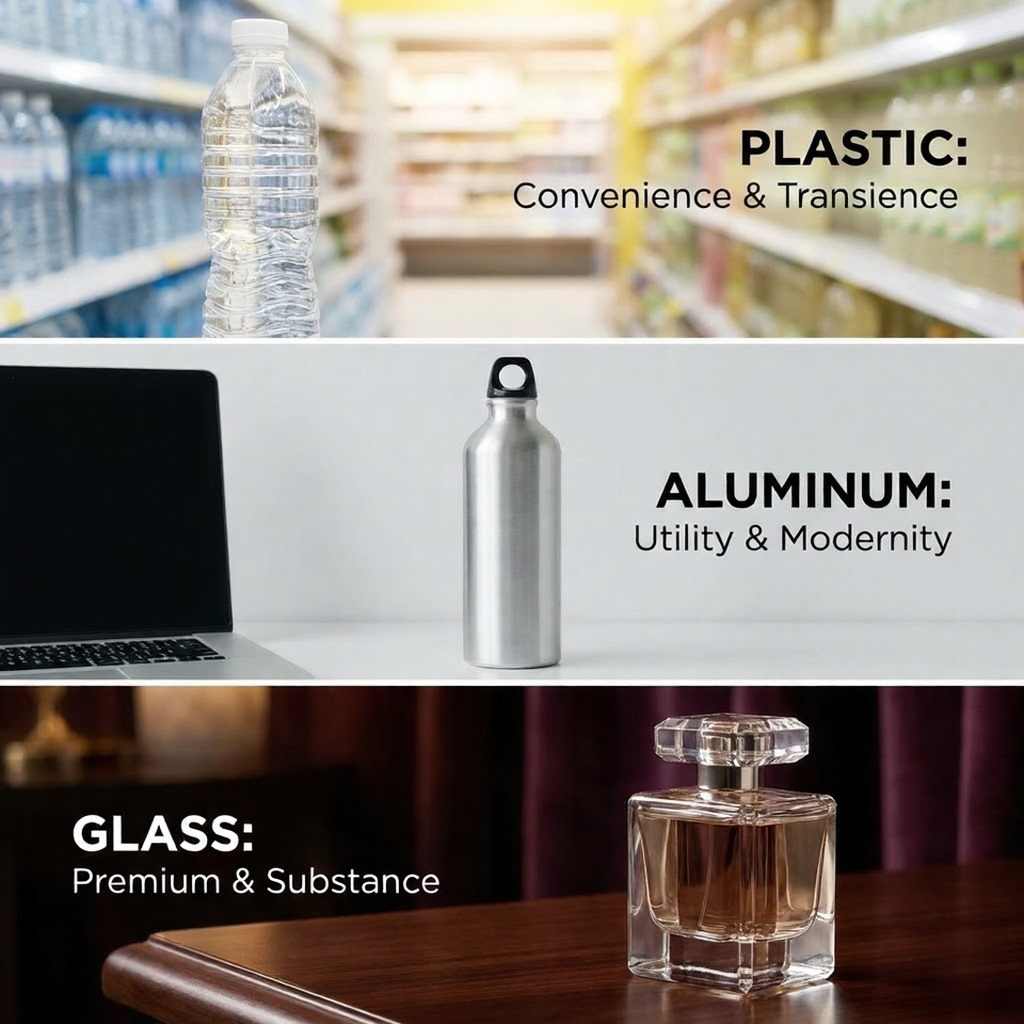
Every material carries a subconscious weight. Plastic often signals convenience and transience, while aluminum suggests utility and modernity. However, glass remains the gold standard for premium identification. Its weight implies substance, and its clarity suggests purity—attributes that are vital in the beauty and wellness sectors.
However, selecting a material is only the first step. While the psychological impact of glass is undeniable—conveying luxury and permanence—translating this abstract feeling into a physical product requires technical precision.
Designers often find that collaborating early with an experienced glass bottle manufacturer such as Daxin allows them to understand the material’s limits and possibilities. This proactive approach ensures that the final vessel not only looks premium but is structurally sound and ready for mass production.
Balancing Aesthetics with Manufacturability
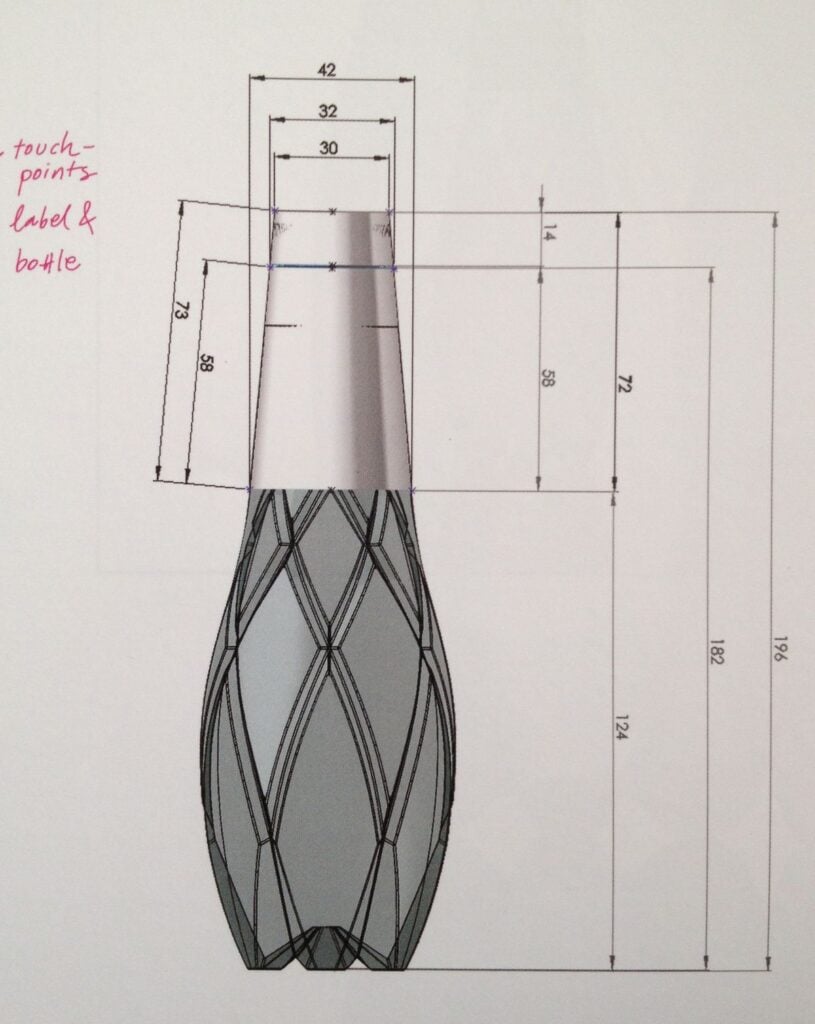
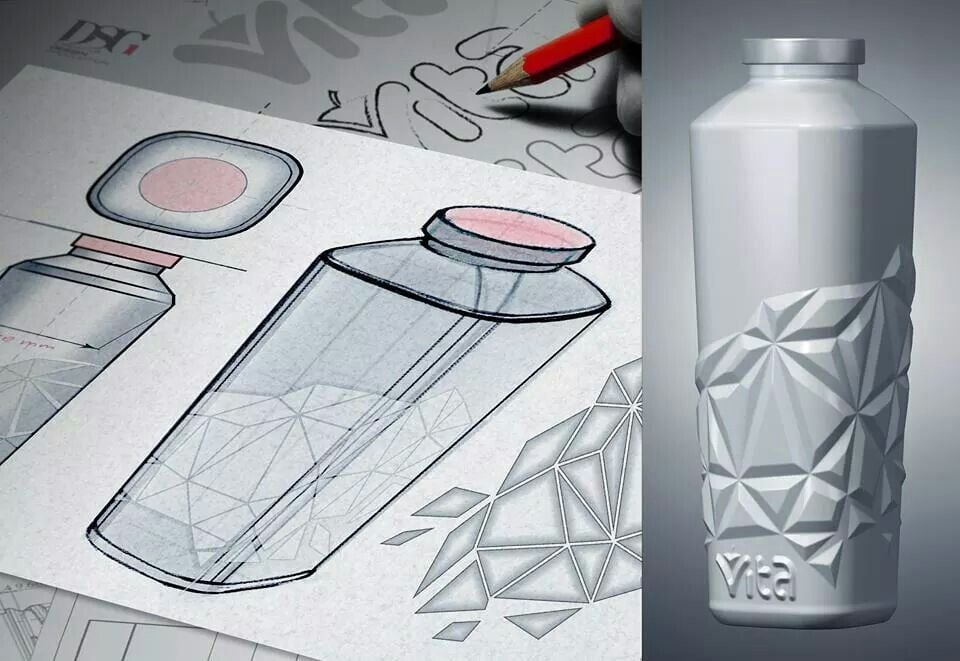
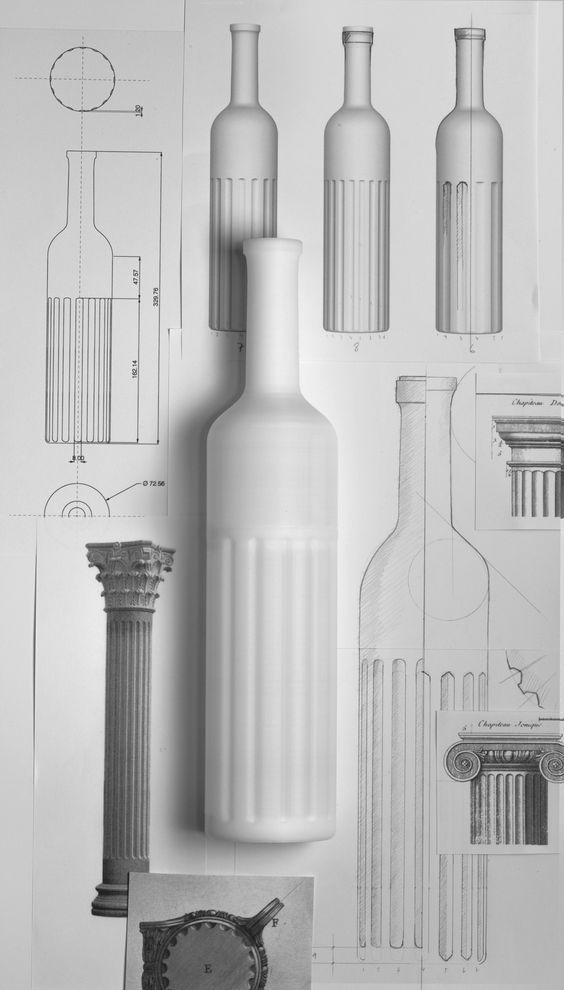
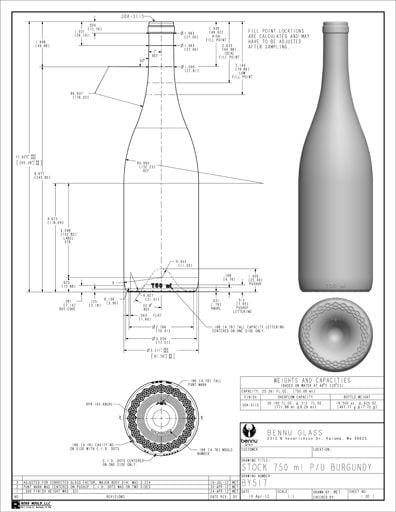
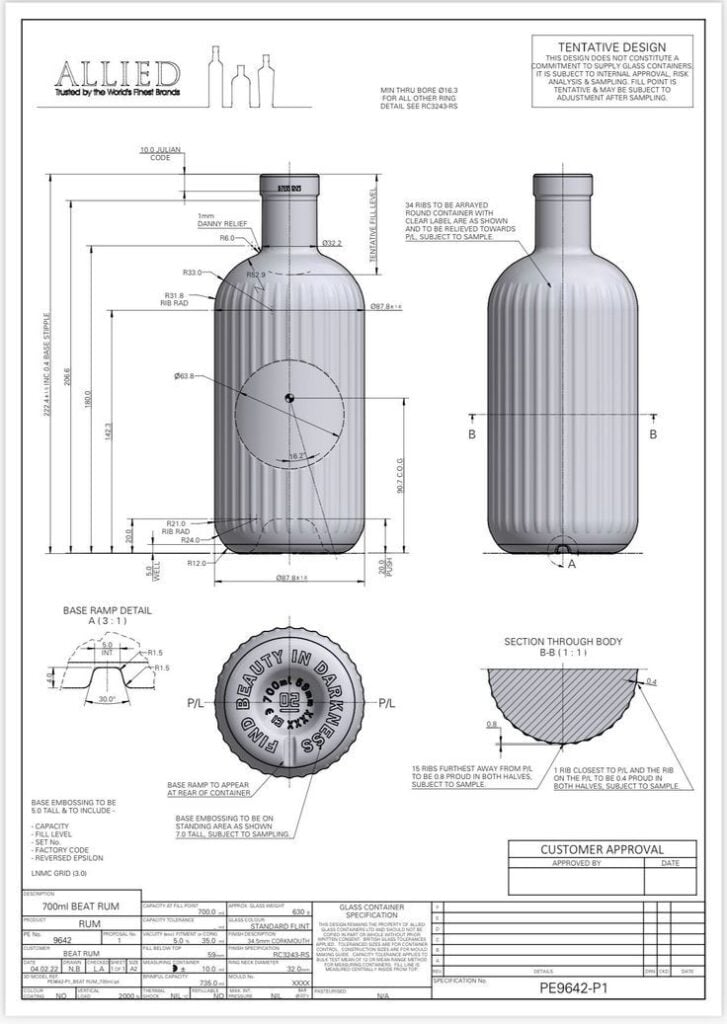
The journey from “Sketch-to-Shelf” is fraught with compromise if the manufacturing process is ignored during the ideation phase. A common pitfall in packaging design is creating complex geometries that look stunning in a 3D render but are brittle or costly to mold in reality.
- The Private Mold Advantage: To achieve a unique silhouette without sacrificing structural integrity, brands should consider private molds. This allows for distinctive shapes—like heavy-bottomed jars or asymmetric bottles—that stock packaging cannot offer.
- The Sketching Phase: Before 3D modeling, the cannot be overstated. It is here that the initial feasibility of a curve or angle is determined.
Sustainability: The New Standard in Packaging Design
Sustainability is no longer a trend; it is a rigid market requirement. Consumers are becoming hyper-aware of the lifecycle of the products they purchase. This is where material choice becomes a strategic business decision.
Unlike polymers that degrade in quality with each recycling loop (“down-cycling”), glass maintains its purity and structural integrity indefinitely. As noted inmaterial-specific data from the EPA, glass is a unique resource that can be recycled again and again without any loss in quality or purity.
Unlike other polymers that gradually lose quality with every recycling cycle – or to put it another way, down-cycle completely and utterly – glass somehow manages to hold onto its purity and structural integrity forever . And as the EPA has noted through various studies on materials , glass is quite the anomaly – able to be recycled over & over & over again with no loss of quality whatsoever.
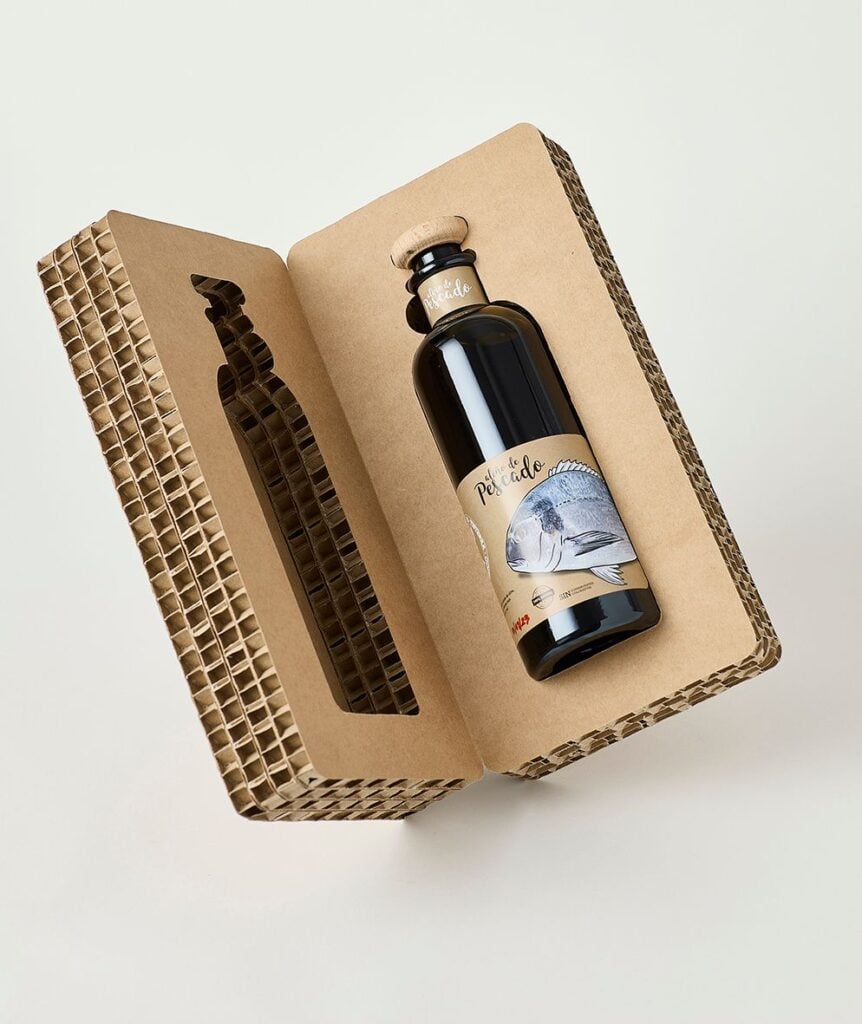
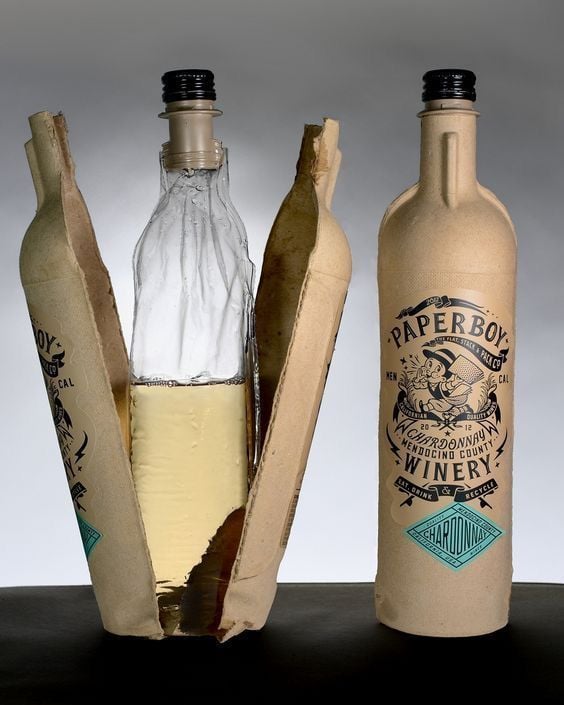
This means its got a “cradle-to-cradle” lifecycle that makes it the go-to material for eco-friendly brands who want to minimize their carbon footprint without having to sacrifice any luxury.
Visual Storytelling : the Art of Finishing Packaging
Once you’ve got the material & the shape all sorted, it’s the outer layer of the packaging – or the finish if you will – that decides how the product interacts with light. & that’s where Visual Storytelling really comes into its own.
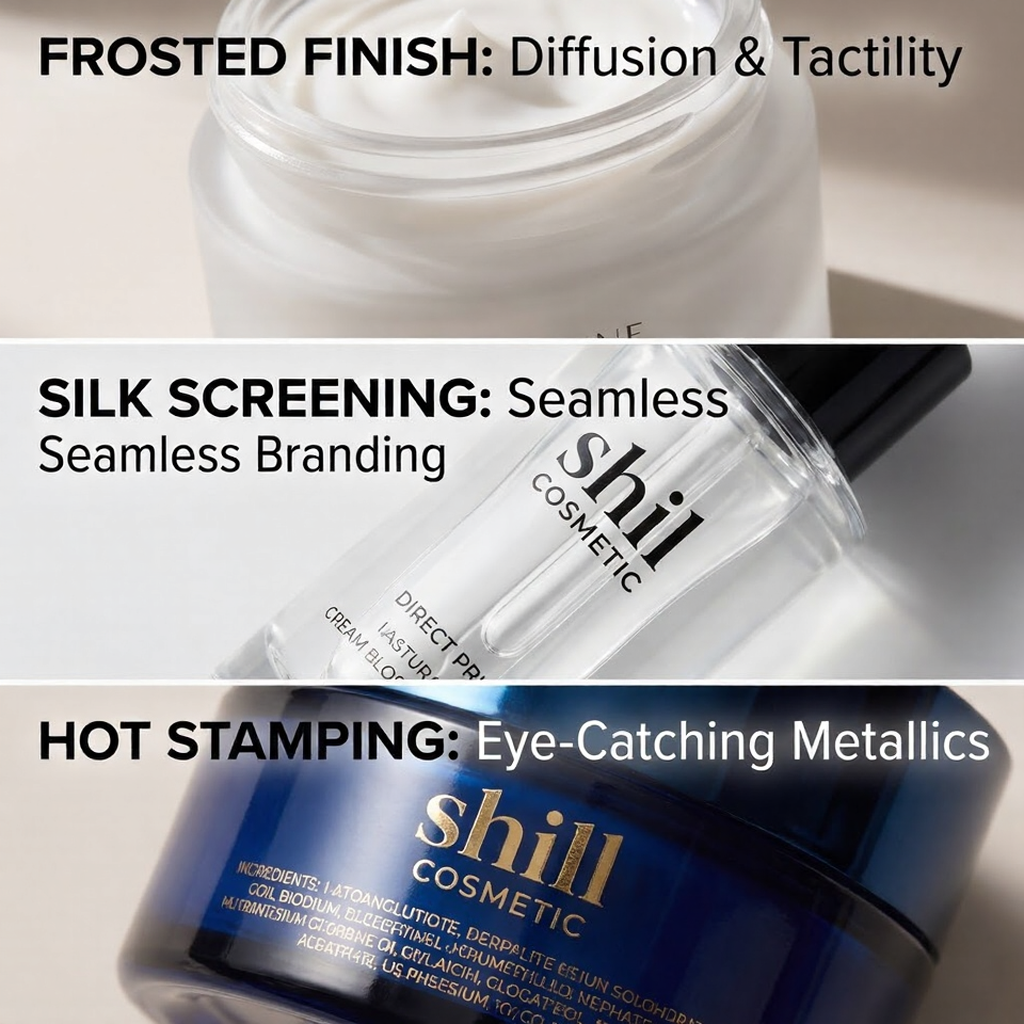
- Frosting/Acid Etching: This one diffuses light & gives off a real soft, tactile feel that’s often associated with high-end beauty products. You know, the sort of thing you’d find in a posh skincare line.
- Silk Screening: This lets you slap on your branding in nice crisp lettering right onto the vessel – all seamless & no cheaper adhesive labels in sight.
- Hot Stamping: And then there’s adding in metallic foils (gold & silver for instance) to really draw the eye to the logo or key ingredients – it’s all rather eye catching.
Key Takeaways
| Area | Key Takeaway | Impact/Data |
| Psychology | Glass signals luxury; plastic implies transience | Defines perceived value & purity |
| Manufacturing | Engage manufacturers early; utilize private molds | Prevents brittle/costly designs |
| Sustainability | Glass offers infinite “cradle-to-cradle” recycling | Zero loss in quality/purity |
| Finishing | Use silk screening or hot stamping | Eliminates “cheap” adhesive labels |
Conclusion
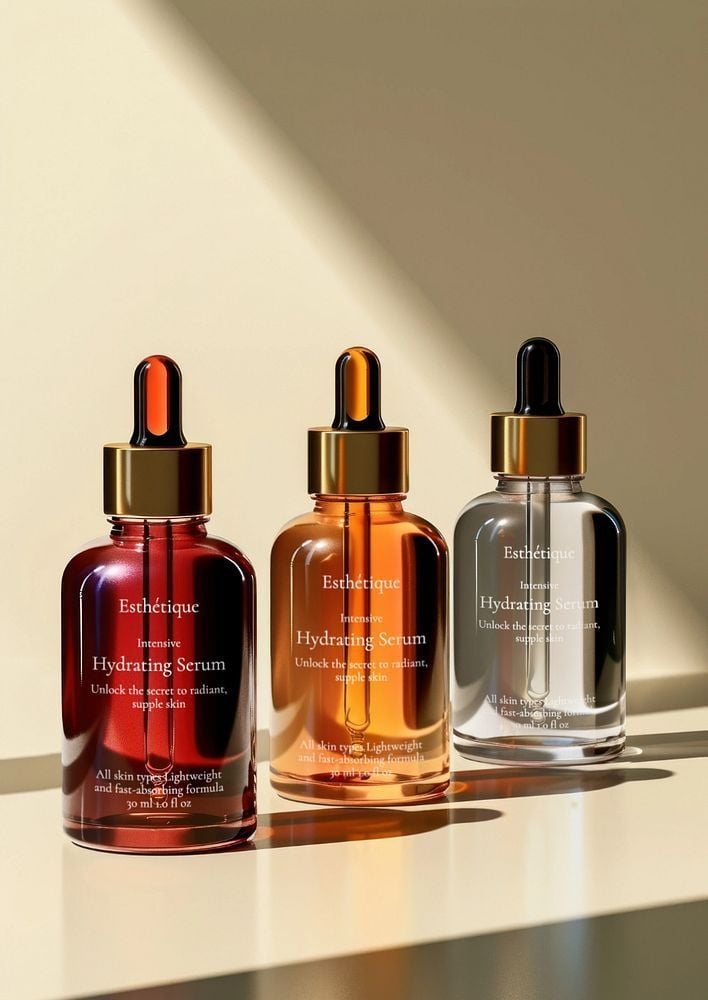
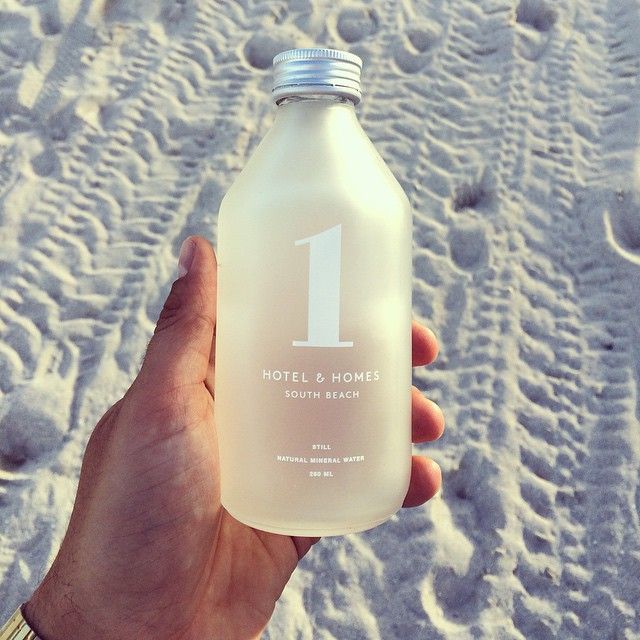
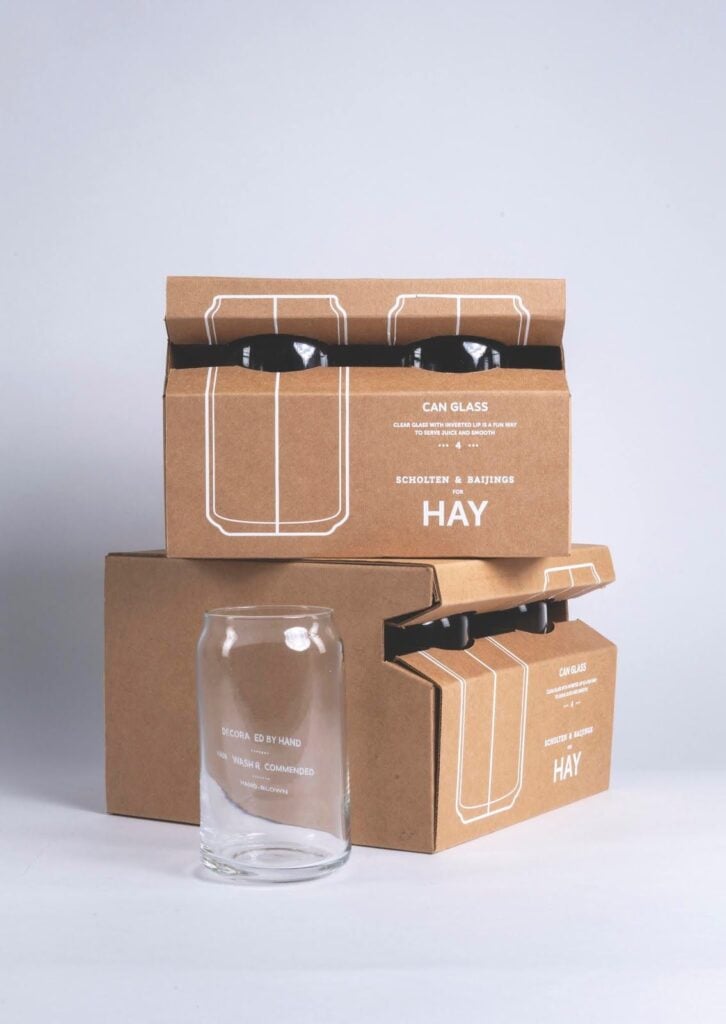
Packaging is not a wrapper; it is a physical manifestation of your brand’s soul. From the psychological weight of the material to the sustainability of its lifecycle, every decision matters. By balancing aesthetic desires with manufacturing realities, designers can create objects that don’t just sit on a shelf—they tell a story.
Looking at the broader product ecosystem, packaging serves as a link connecting brand identity, firmly anchoring the overall image.
FAQ
What role does the finishing of packaging play in visual storytelling?
Finishing techniques like frosting, silk screening, and hot stamping enhance how light interacts with the packaging and help communicate your brand story through visual and tactile details.
Why is sustainability important in packaging design, and how does glass meet this need?
Sustainability is essential as consumers prefer eco-friendly products; glass is ideal because it can be recycled endlessly without losing quality, supporting a circular economy.
Why is the choice of packaging material crucial for my brand’s perception?
The material you choose for packaging profoundly influences how consumers perceive your product, conveying values like luxury, sustainability, or convenience and shaping their overall brand experience.
What are the key considerations when selecting materials and finishes for high-end packaging?
Focus on selecting materials like glass that convey luxury, collaborating with manufacturers early, and using premium finishes such as silk screening or hot stamping to create a sophisticated and cohesive brand presentation.
- 96shares
- Facebook0
- Pinterest96
- Twitter0
- Reddit0