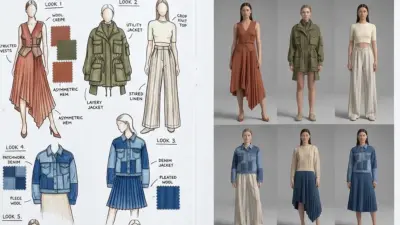
If you’re mapping out the steps to become a fashion designer, you’re in the right place. From choosing the right degree to launching your first collection, this guide walks you through each stage of your journey. By following these actionable tips and tapping into proven resources, you’ll build the skills, experience, and network you need to succeed in the competitive world of fashion.

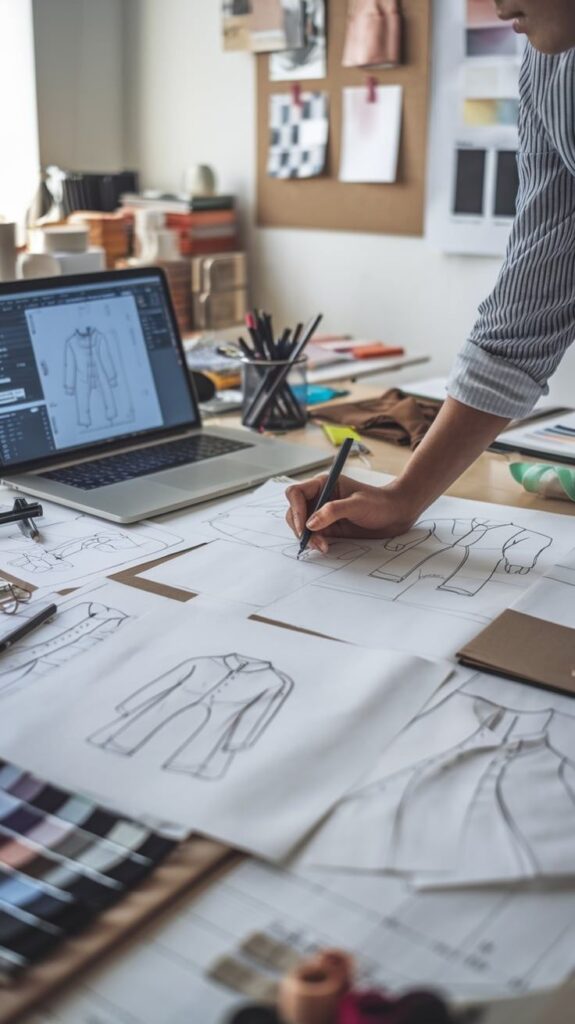
Understand the education path
A solid educational foundation underpins every successful fashion design career. You’ll learn essential techniques, industry terminology, and business savvy that set you apart.
Pursue a relevant degree
Most employers look for candidates with a bachelor’s degree in fashion design or a related art and design field. In a four-year program you’ll dive into fabrics, color theory, computer-aided design (CAD), merchandising, business, and marketing [1]. You can compare traditional and online options by browsing fashion design courses online or exploring fashion design schools near me.
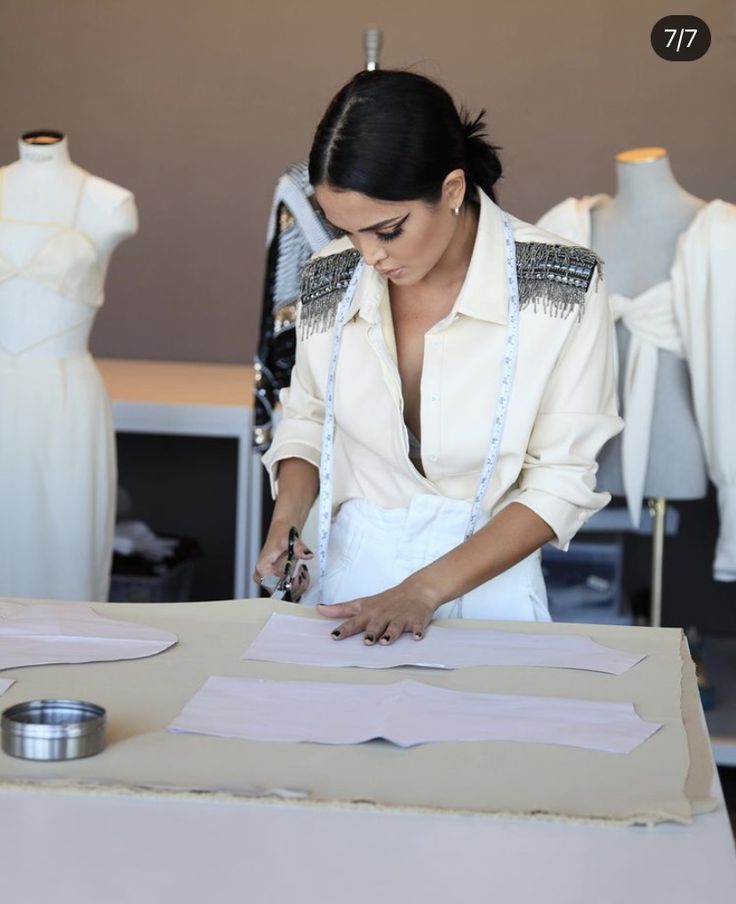
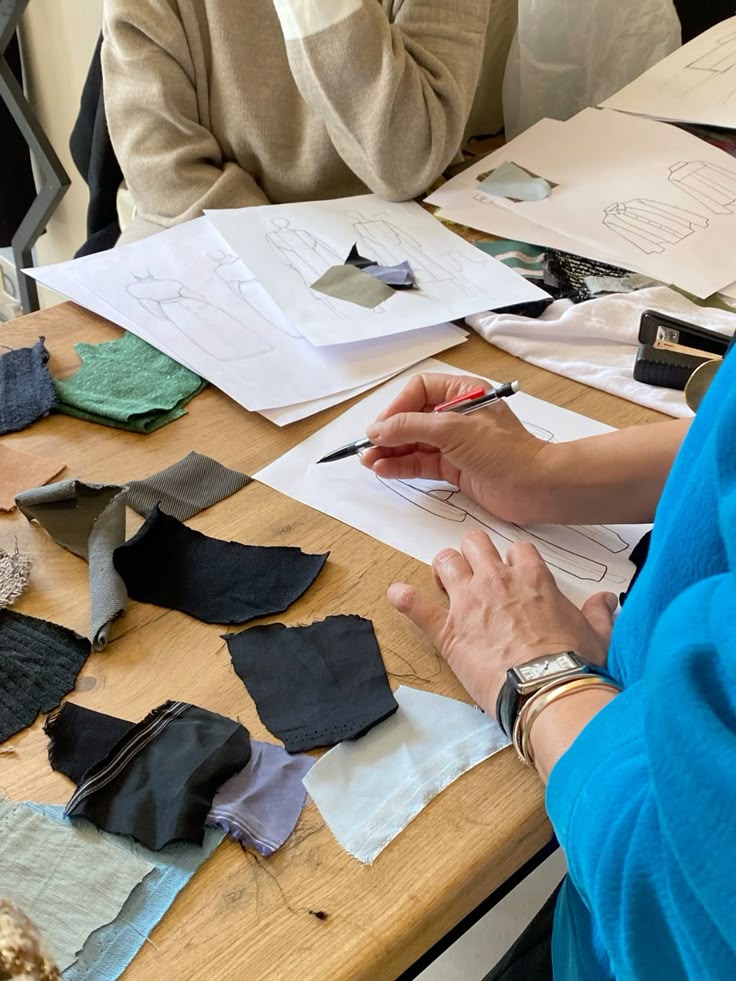
Explore your course options
Before you commit, check each program’s curriculum for:
- Fabric knowledge and textile science
- Garment construction and pattern-making
- Sewing precision and draping
- Digital design tools like CLO3D and Lectra
- Fashion marketing and branding strategies
Institutes like The Cut Fashion Design Academy cover these topics in depth, ensuring you graduate industry-ready [2].
Consider specialized programs
If you already hold a degree in fine arts or marketing, a certificate or diploma in fashion design can sharpen specific skills. Short-term courses often focus on pattern-making, sustainable design, or CAD software—ideal for boosting your resume quickly.
Breaking into the industry typically takes 4–6 years, combining your degree, hands-on experience, and portfolio development [1].
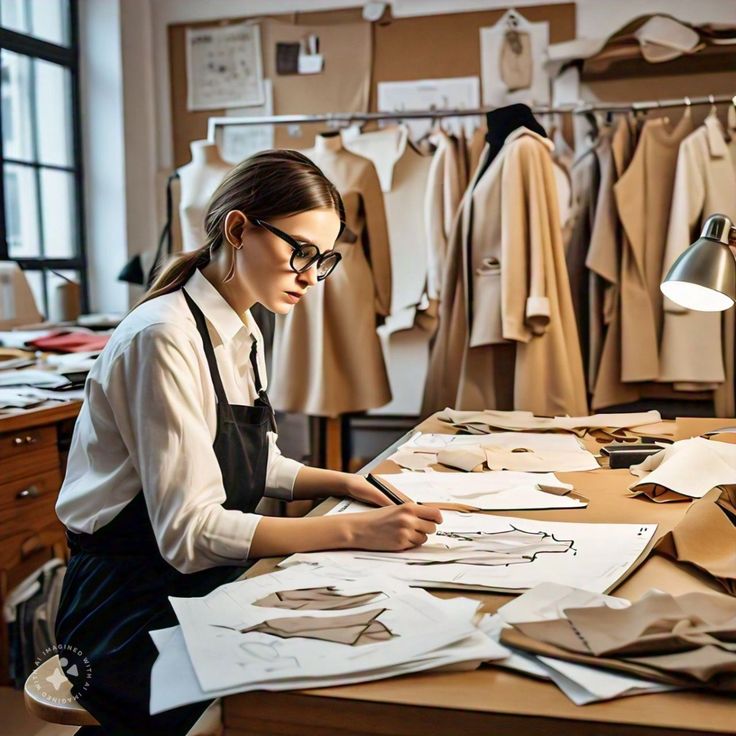
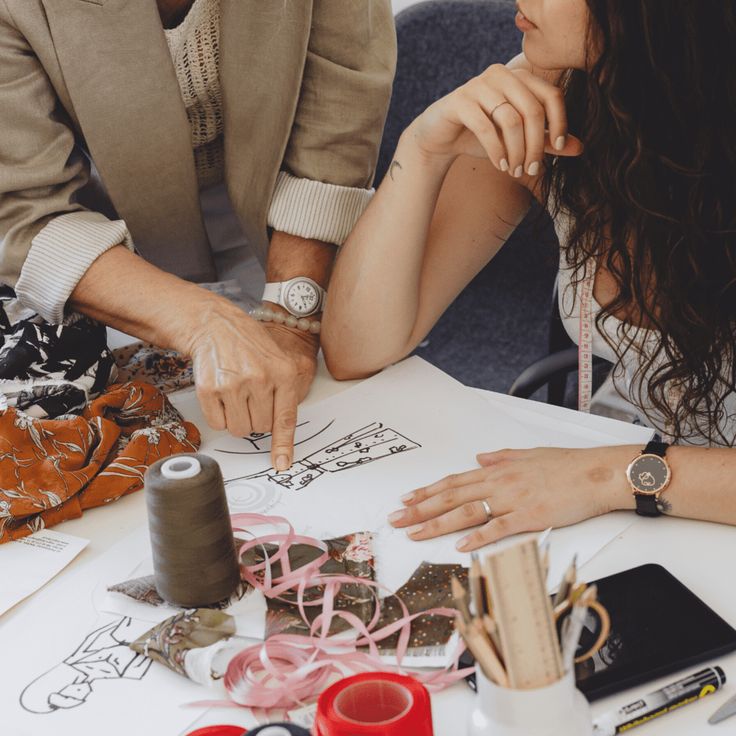
Build technical skills
Your creativity needs a technical toolkit to bring designs to life. Invest time mastering both traditional and digital techniques.
Master garment construction
Solid garment construction skills ensure your sketches translate into wearable pieces. Practice:
- Pattern-making, from flat templates to complex silhouettes
- Sewing methods, including hand-stitching and machine techniques
- Draping on dress forms to test fit, shape, and movement
These core skills form the backbone of every garment you design.

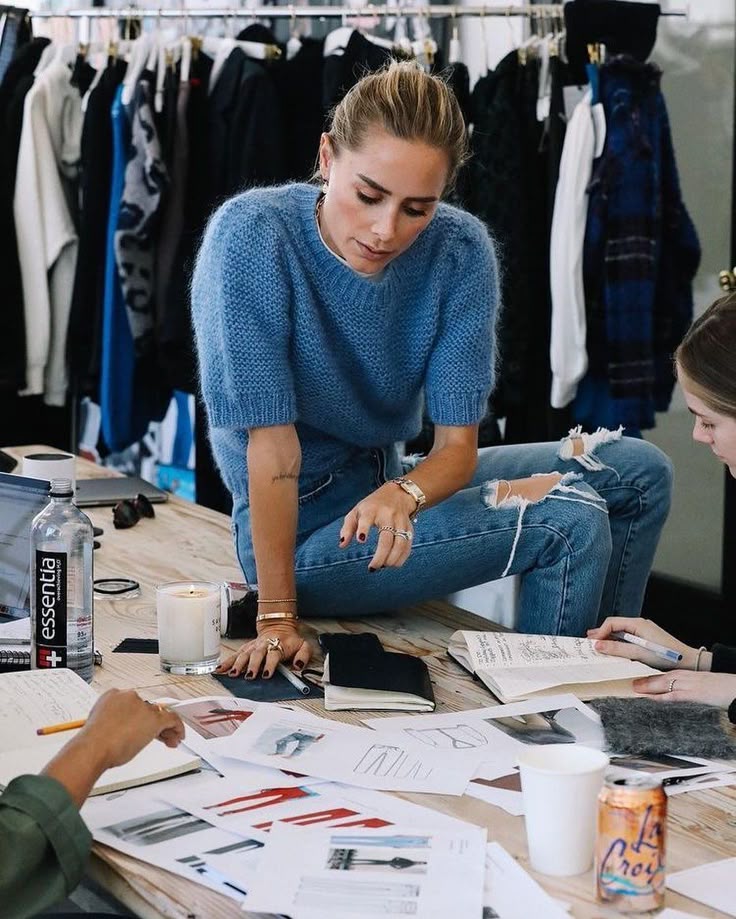
Learn CAD and digital design
Computer-aided design tools have reshaped fashion. Proficiency in Illustrator, InDesign, and 3D software lets you:
- Create precise technical drawings
- Experiment with color and fabric digitally
- Simulate fabric behavior in virtual prototypes
Programs like IFA Paris integrate CLO3D and Lectra into their curriculum, preparing you for 21st-century design challenges [3].
Gain real world experience
Applying your skills in professional settings not only sharpens your craft but also builds connections that lead to job offers.
Secure internships
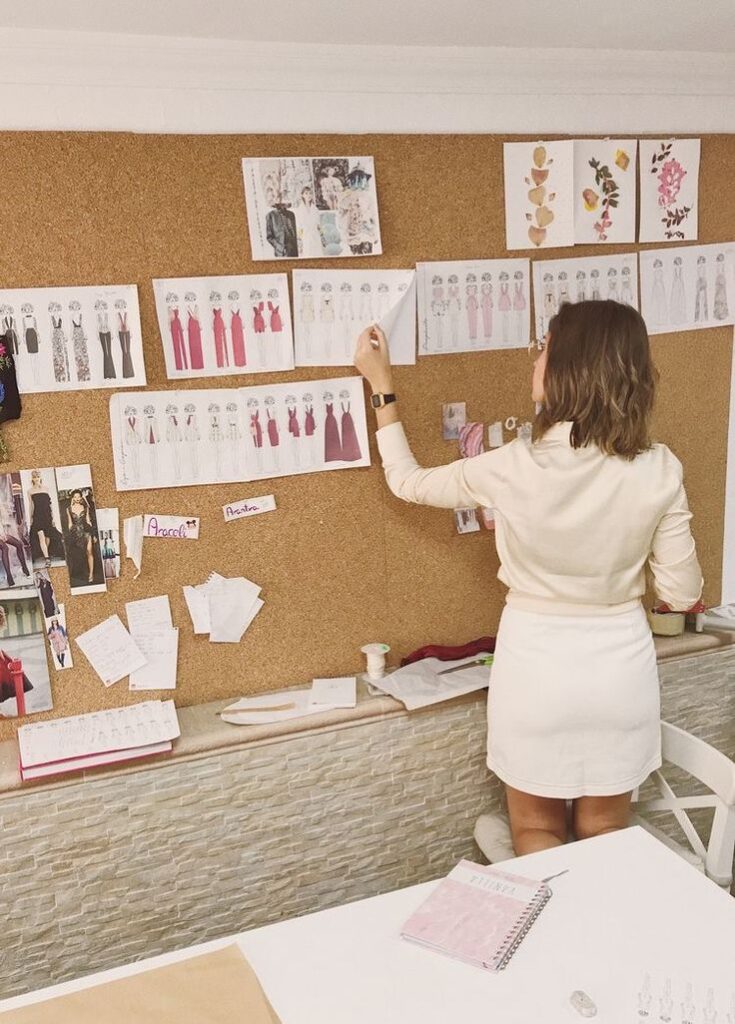
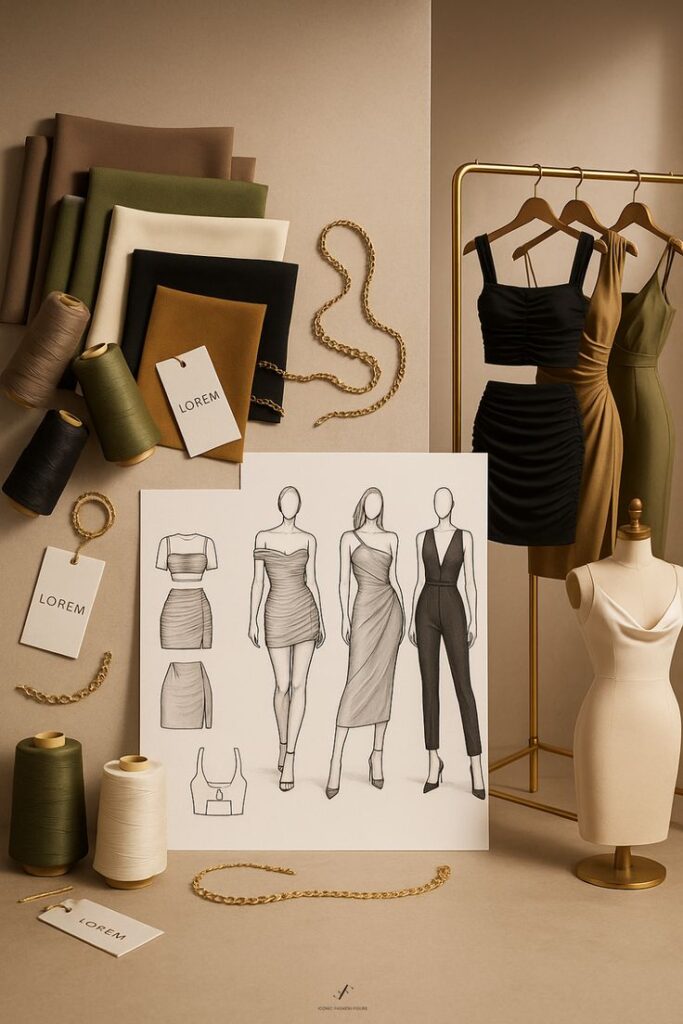
Internships let you observe day-to-day workflows at fashion houses or design studios. You’ll assist with sample development, fabric sourcing, and trend research. To get started, explore opportunities on sites like fashion design internships or through your school’s career office.
Try apprenticeships and co-ops
Longer co-op programs and apprenticeships, such as Drexel University’s six-month placement model, immerse you in production processes and supply chain management. These experiences deepen your technical knowledge and often lead to full-time roles.
Develop your fashion portfolio
Your portfolio is your calling card. It showcases your unique style, technical precision, and adaptability to different markets.
Assemble diverse design projects
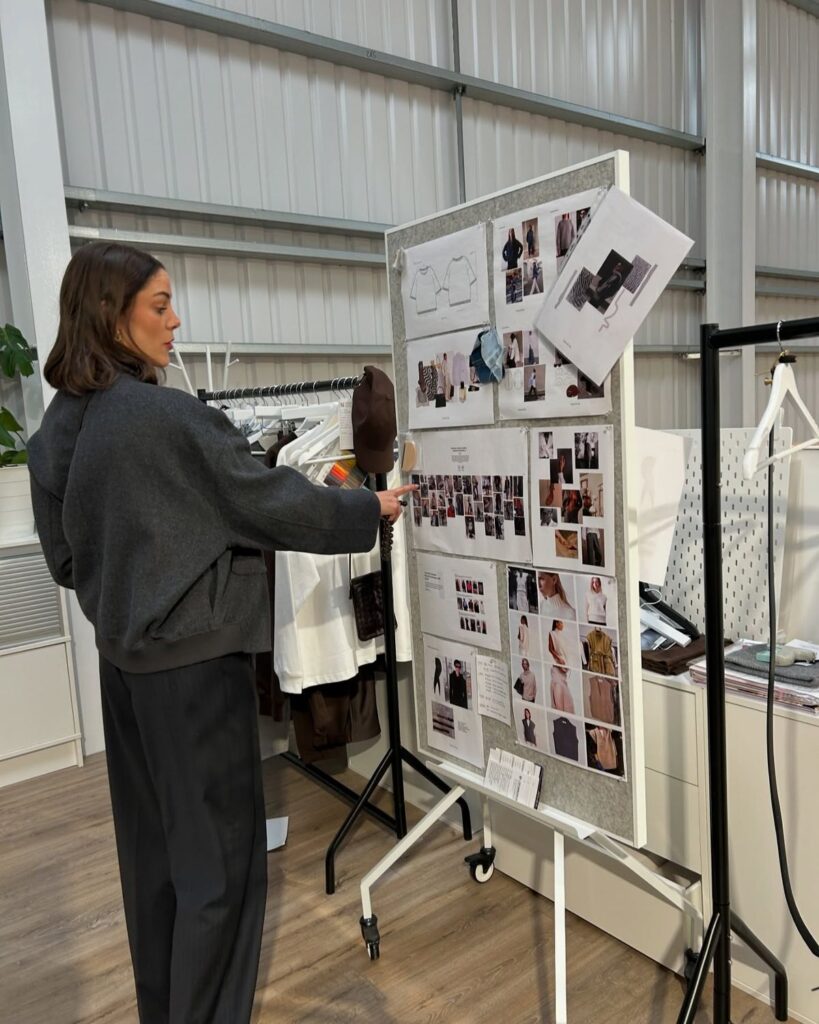
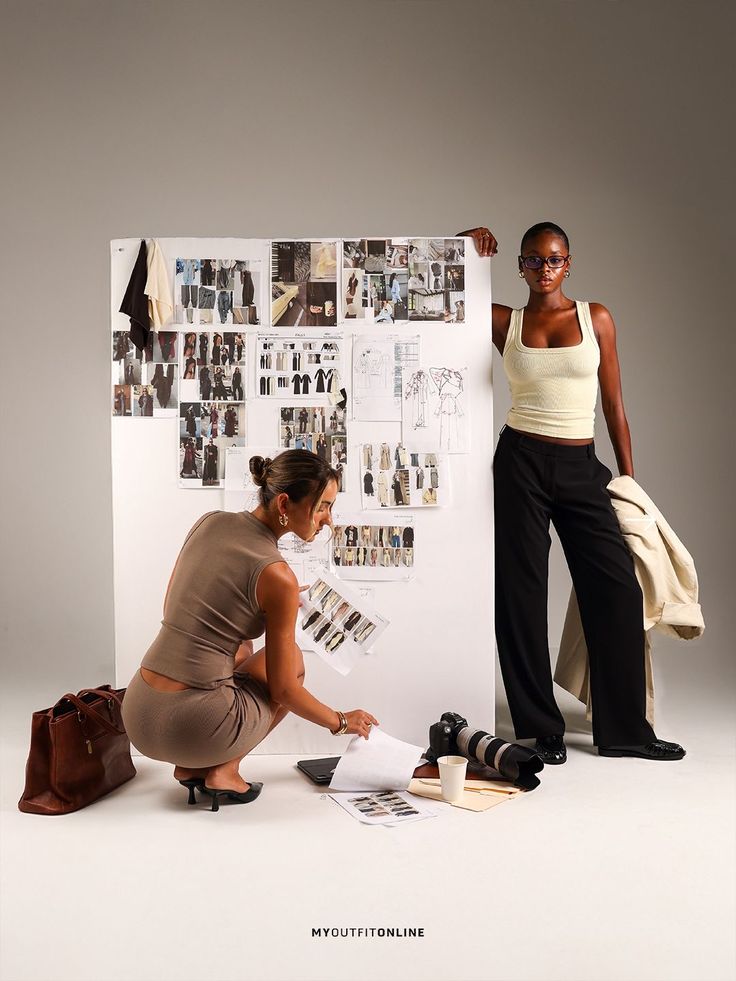
Aim for breadth and depth by including:
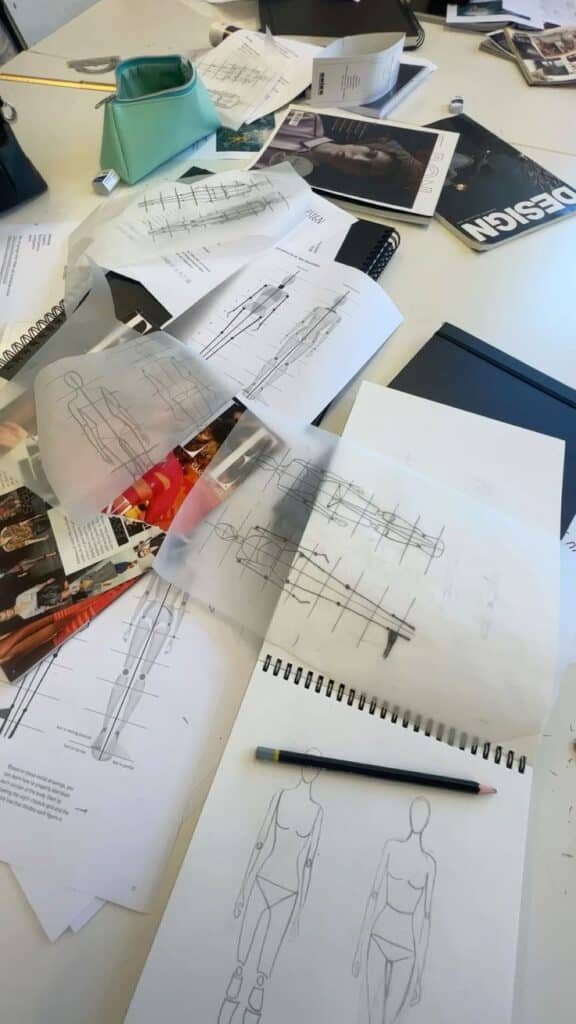
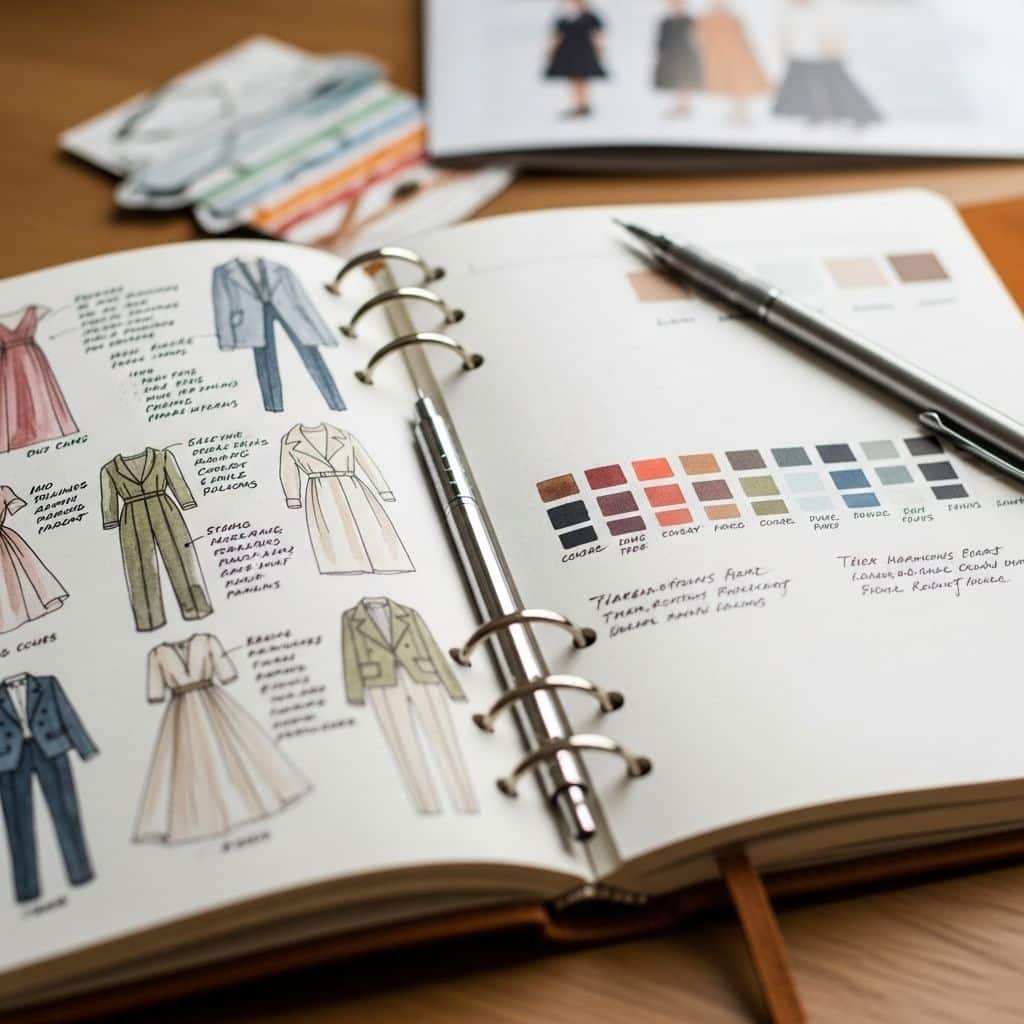
- Hand-sketched concepts and technical flats
- Completed garments or high-quality photographs
- Mood boards and concept explorations
- Digital renderings and CAD files
A well-rounded collection highlights both your creativity and your command of production requirements.
Tailor portfolio for roles
Create two versions of your portfolio: a personal edition with your full creative range, and a specific edition targeted at each job application. For fast-fashion roles, emphasize commerciality and technical drawings. For luxury brands, showcase hand-drawn artistry and unique design philosophy [4].
Cultivate a professional network
Who you know in fashion can open doors as wide as your talent will carry you.
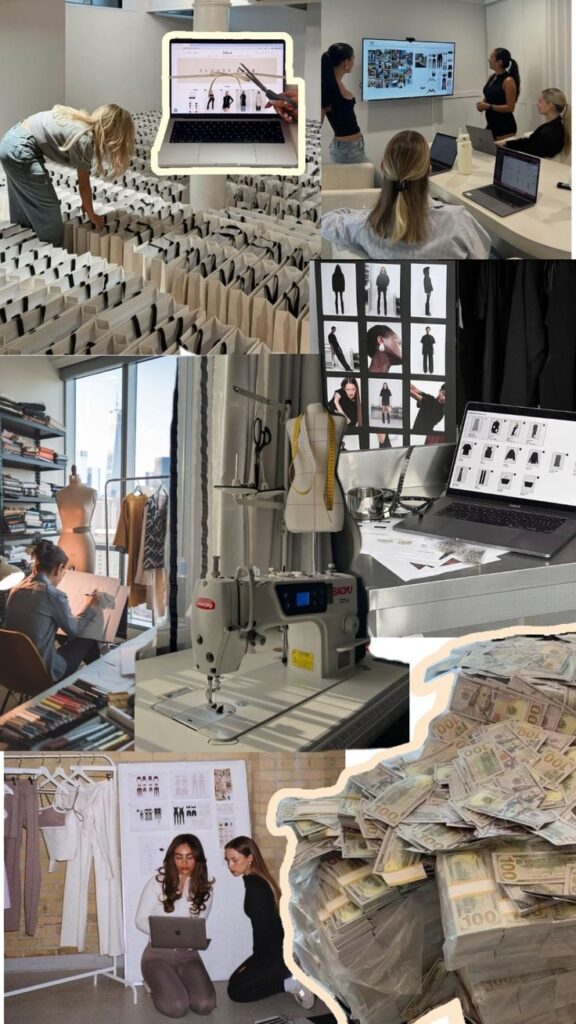
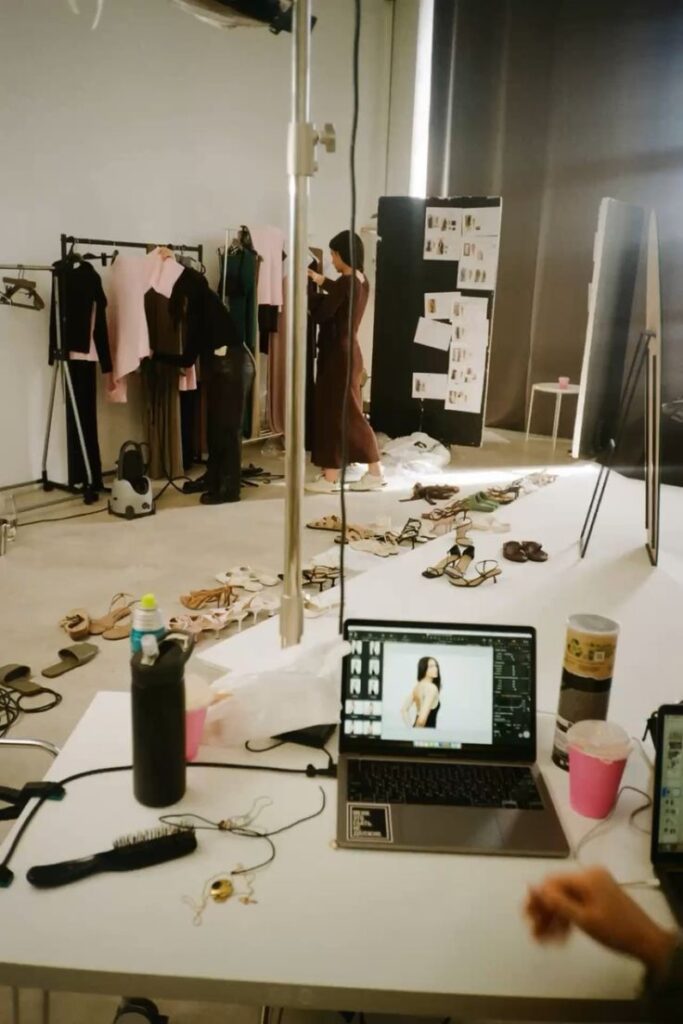
Attend industry events
Fashion weeks, trade shows, and student showcases put you face-to-face with designers, buyers, and editors. Even local pop-up markets can lead to valuable introductions. Keep an eye on event calendars from industry publications like Vogue.
Connect with mentors
Join alumni groups, professional associations, or online communities. Platforms like LinkedIn and specialized forums help you find mentors who can advise on everything from fabric sourcing to brand strategy. Consistent outreach builds relationships that last well into your career.
Stay updated with trends
Fashion evolves at lightning speed. Staying informed ensures your designs stay relevant and marketable.
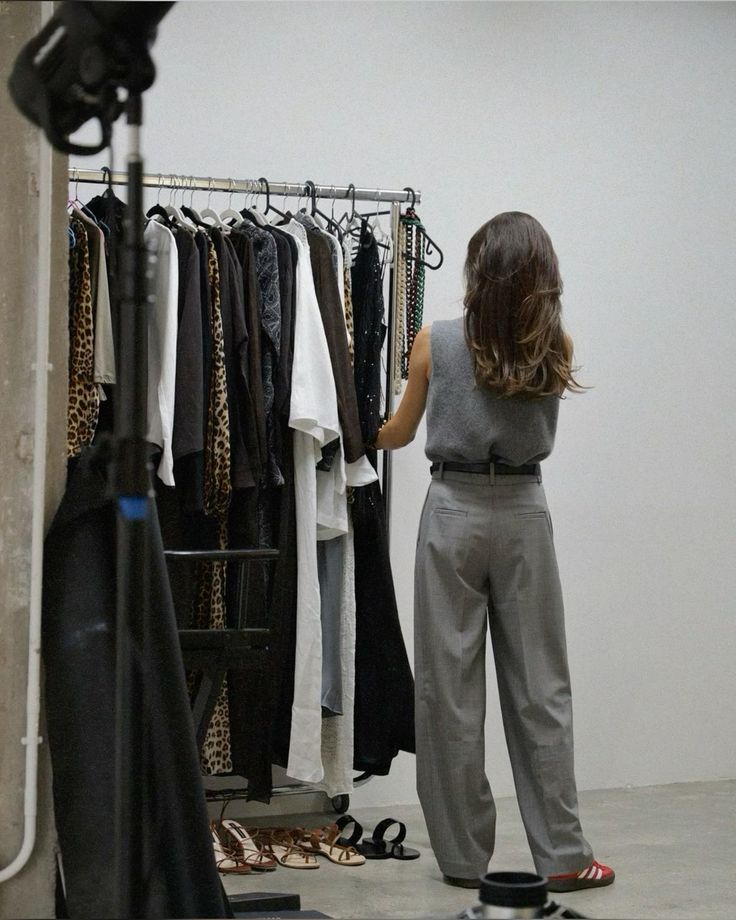
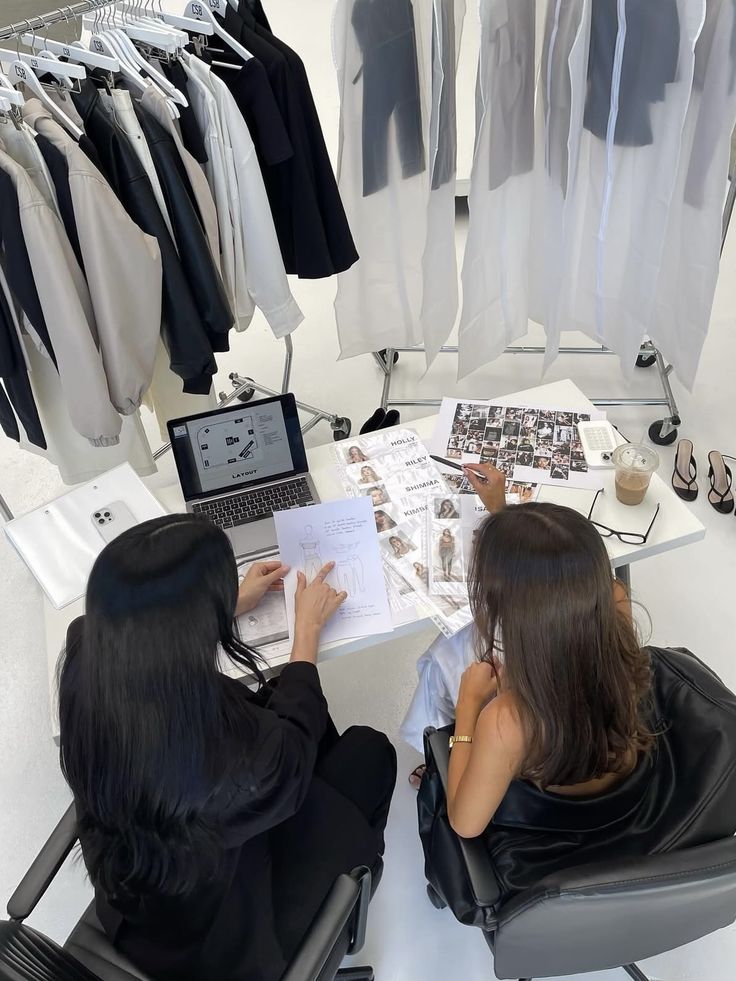
Follow fashion shows and publications
Watch runway videos from major fashion weeks and subscribe to trade magazines. Outlets like Women’s Wear Daily and Business of Fashion offer insight into emerging trends, consumer data, and retail shifts.
Engage with designers online
Social media and design blogs are treasure troves of inspiration. Follow established and up-and-coming designers to see how they blend creativity with real-world constraints. Engage respectfully by commenting on posts or sharing thoughtful questions.
Prepare for job market
As you near graduation, it’s time to polish your image, understand the role you want, and get ready to apply.
Review role requirements
Whether you aim to be a junior designer, patternmaker, or technical designer, study the fashion designer job description carefully. Note any software, portfolio, or experience requirements and address them head-on.
Polish your resume and pitch
Your resume should highlight education, internships, key projects, and technical skills. Craft a concise cover letter that ties your background to the brand’s aesthetic and values. Practice your elevator pitch so you can confidently introduce yourself at networking events or interviews.
Frequently asked questions
What steps do I need to take to become a fashion designer?
Start with a relevant degree in fashion design or a related field, build technical skills in garment construction and CAD, gain experience through internships or apprenticeships, develop a strong portfolio, and cultivate industry connections.
Do I need a college degree to succeed in fashion design?
While some self-taught designers break in, most employers expect a bachelor’s degree covering textiles, design theory, and digital tools. A formal education also provides internship pipelines and networking chances.
How long does it take to become a fashion designer?
On average, it takes 4–6 years—four years for a bachelor’s degree plus additional time to build your portfolio and network. Your learning continues even after you land your first role.
How can I make my portfolio stand out?
Showcase a variety of projects, from hand sketches to digital renderings. Tailor specific editions for each job application, emphasizing either commercial or luxury design strengths as needed.
What soft skills are essential for fashion designers?
Strong communication, adaptability, time management, and attention to detail are vital. You’ll collaborate with suppliers, marketers, and manufacturers, so clear and professional interaction makes you a valued team member.
References
- 946shares
- Facebook0
- Pinterest943
- Twitter3
- Reddit0