Jewelry design represents one of the most intimate forms of artistic expression. Unlike paintings hung on walls or sculptures displayed on pedestals, jewelry becomes part of daily life; worn on bodies, touching skin, accompanying wearers through ordinary moments and extraordinary occasions. This intimacy demands different design considerations than purely decorative art. Jewelry must balance aesthetics with wearability, symbolism with practicality, and personal meaning with technical execution.
The design principles governing successful jewelry apply whether creating entirely new pieces or transforming existing treasures into updated forms. Understanding these principles helps appreciating the craft whilst enabling informed conversations with jewelers when commissioning custom work or considering redesign projects. Good jewelry design isn’t mysterious magic but rather the application of fundamental principles regarding proportion, balance, materials, and meaning that skilled designers develop through training and experience.
Contemporary jewelry encompasses remarkable diversity; from minimalist modern pieces emphasizing clean lines and negative space to elaborate designs incorporating historical influences and symbolic complexity. This range means finding designers whose aesthetic sensibilities align with personal taste matters enormously. The most technically skilled jeweler whose style doesn’t resonate with you produces less satisfying results than a competent designer genuinely understanding your vision and preferences.
Custom Design: Translating Vision Into Wearable Reality
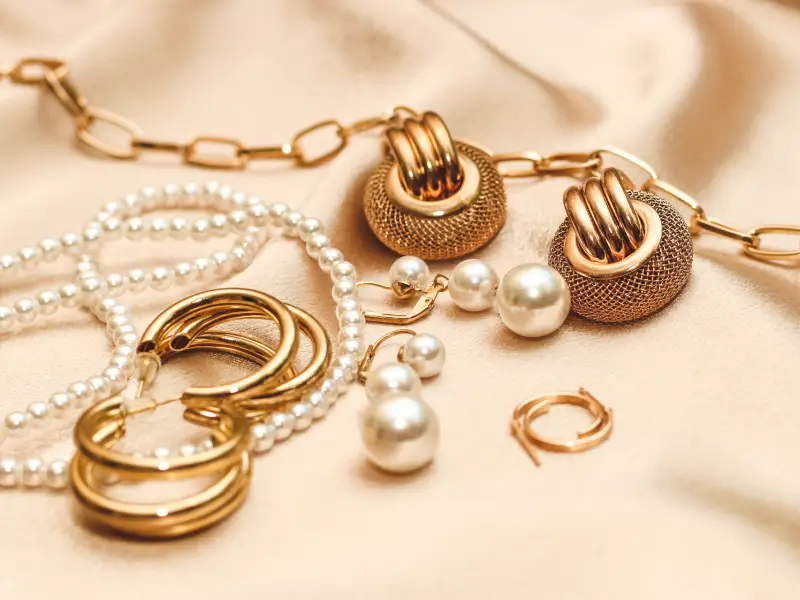
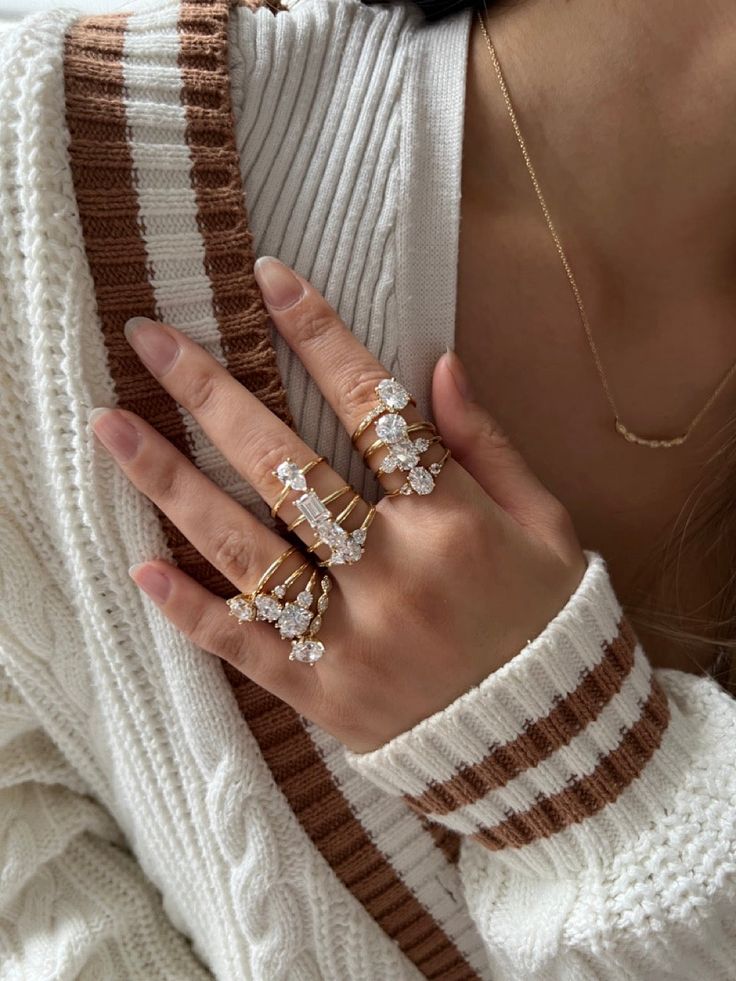
Creating custom jewelry begins with conversation rather than technical work. Skilled designers spend substantial time understanding what clients envision, what the jewelry will symbolize, how it will be worn, and what aesthetic preferences guide choices. This consultation phase determines whether final pieces genuinely satisfy or merely approximate what clients wanted. Rushing this exploratory conversation to jump straight into design sketches almost guarantees disappointment when finished pieces don’t quite capture the intended spirit.
The translation from abstract ideas and emotional concepts into concrete design specifications requires both artistic sensibility and technical knowledge. A client might describe wanting something “elegant but not traditional” or “meaningful but not overly sentimental”; vague directions that skilled designers interpret through questions revealing more specific preferences about metal colors, stone sizes, design complexity, and style references that resonate or repel.
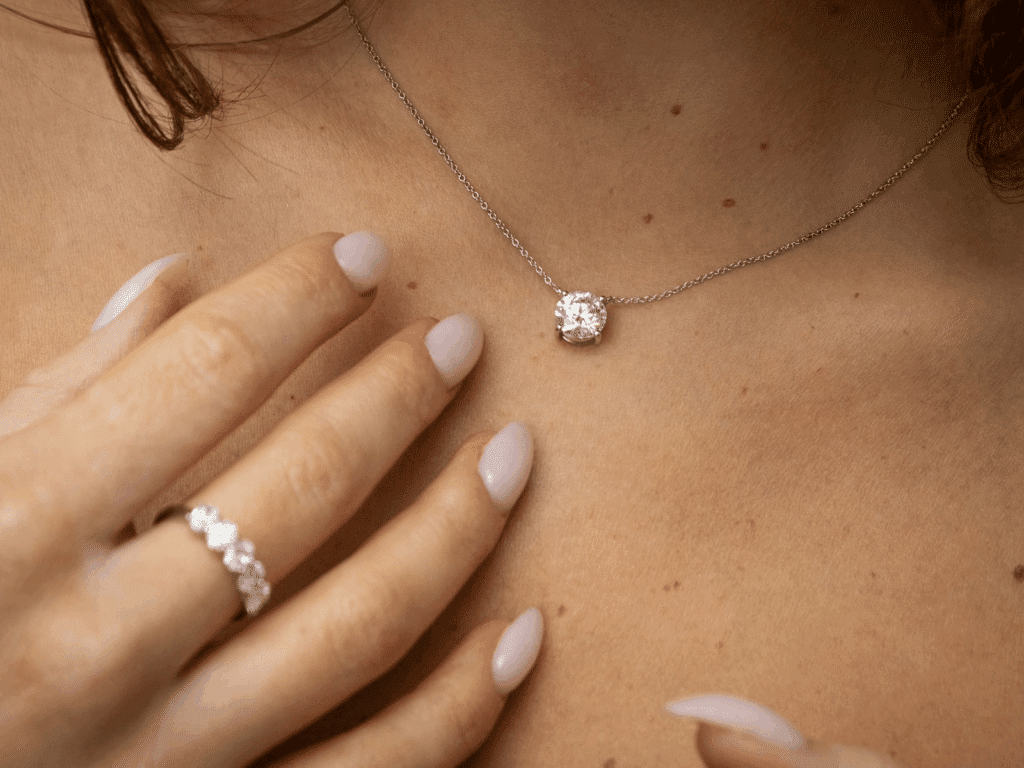
Engagement rings present particular design challenges balancing symbolism, aesthetics, daily wearability, and often substantial emotional and financial investment. These pieces must work technically; sitting securely on fingers, protecting stones from damage, withstanding daily wear without excessive maintenance; whilst also satisfying aesthetic desires and representing commitment in ways meaningful to wearers. The pressure around engagement ring selection often creates decision paralysis that custom design processes can alleviate by removing the “choosing from existing options” framework in favor of creating exactly what makes sense.
Technical considerations affect custom ring design substantially. Finger proportions, lifestyle factors, metal preferences, and stone choices all interact in ways that determine what designs actually work versus merely looking appealing in drawings. A delicate design with exposed stone settings might be beautiful but impractical for someone working with their hands daily. A dramatic raised setting that photographs beautifully could snag constantly on clothing and feel uncomfortable during wear. Experienced designers incorporate these practical concerns into aesthetic choices rather than treating them as unfortunate compromises limiting artistic vision.
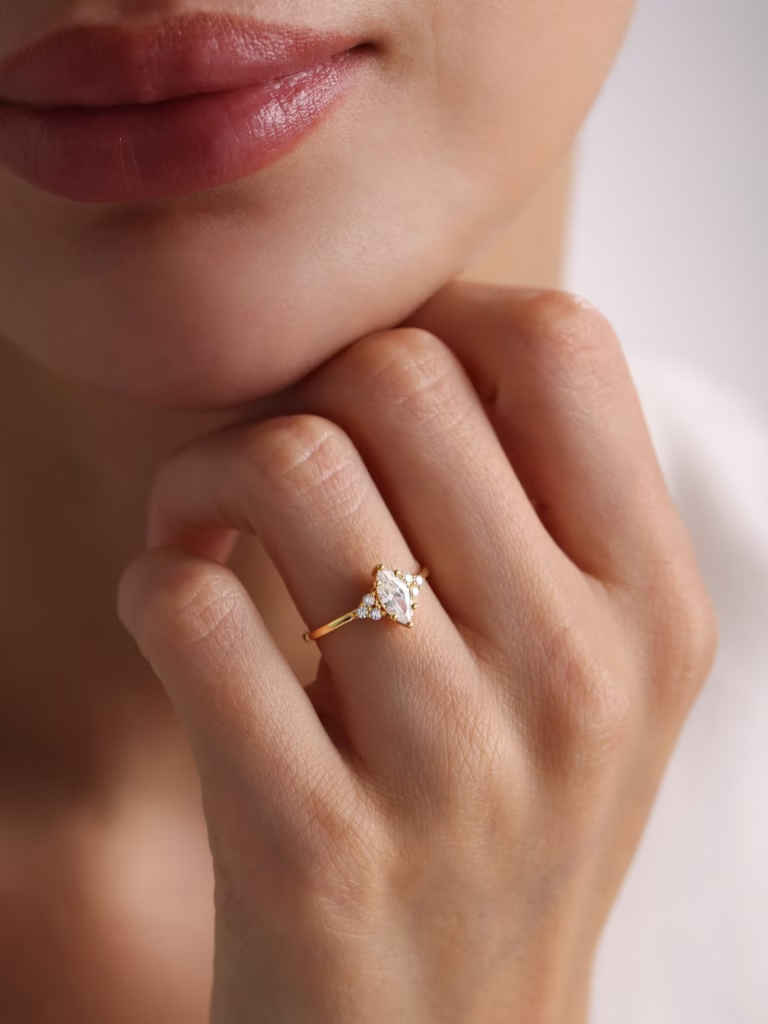
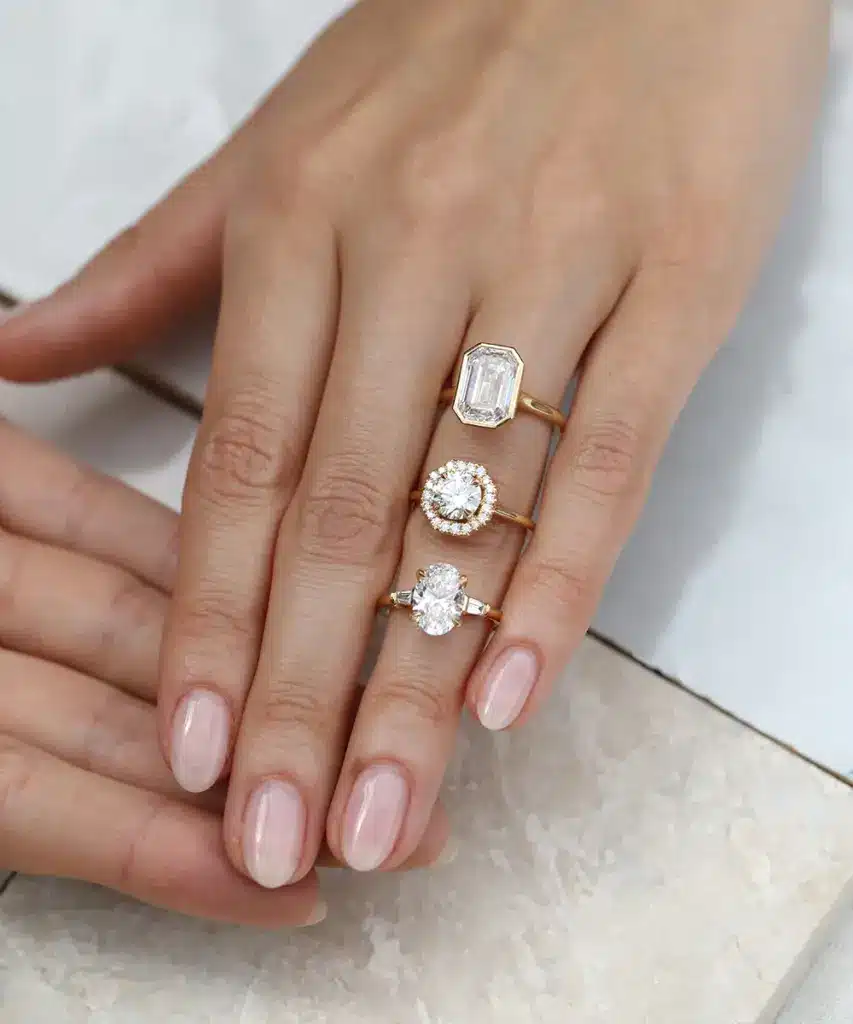
Stone selection represents another dimension where expertise helps considerably. Understanding how different gemstones behave; their durability, how they interact with light, appropriate settings for particular stones, and realistic expectations about appearance and maintenance; prevents disappointments when stones don’t match imagined characteristics. Not every vision translates practically into durable jewelry, and honest designers communicate these limitations whilst suggesting alternatives achieving similar effects through different approaches.
The custom design process for significant pieces like custom design engagement rings typically involves multiple stages; initial consultation establishing vision and preferences, preliminary sketches exploring options, refined designs incorporating feedback, technical drawings specifying exact measurements and construction details, and finally execution transforming designs into physical jewelry. Each stage offers opportunities for adjustment before committing to final forms, though this iterative process requires patience that some clients struggle maintaining when eager to see finished pieces.
Cost transparency matters enormously in custom work. Clients should understand what drives pricing; material costs certainly, but also design time, craftsmanship complexity, and the expertise that skilled jewelers bring to projects. Custom pieces cost more than mass-produced jewelry not just because they’re unique but because they involve considerably more labor from consultation through completion. Understanding this helps appreciating value beyond simple material calculations whilst making informed decisions about where to invest in custom work versus where ready-made options suffice.
The collaborative relationship between client and designer determines custom project success as much as technical skill does. Clients must communicate honestly about preferences, budgets, and concerns rather than agreeing to designs that don’t quite satisfy or hiding budget limitations that make proposed designs unrealistic. Designers must listen genuinely, translate vague concepts into concrete options, and guide clients toward decisions they’ll appreciate long-term rather than just selling whatever clients initially request without questioning whether it truly serves their interests.
Jewelry Transformation: Honoring Heritage While Creating Anew
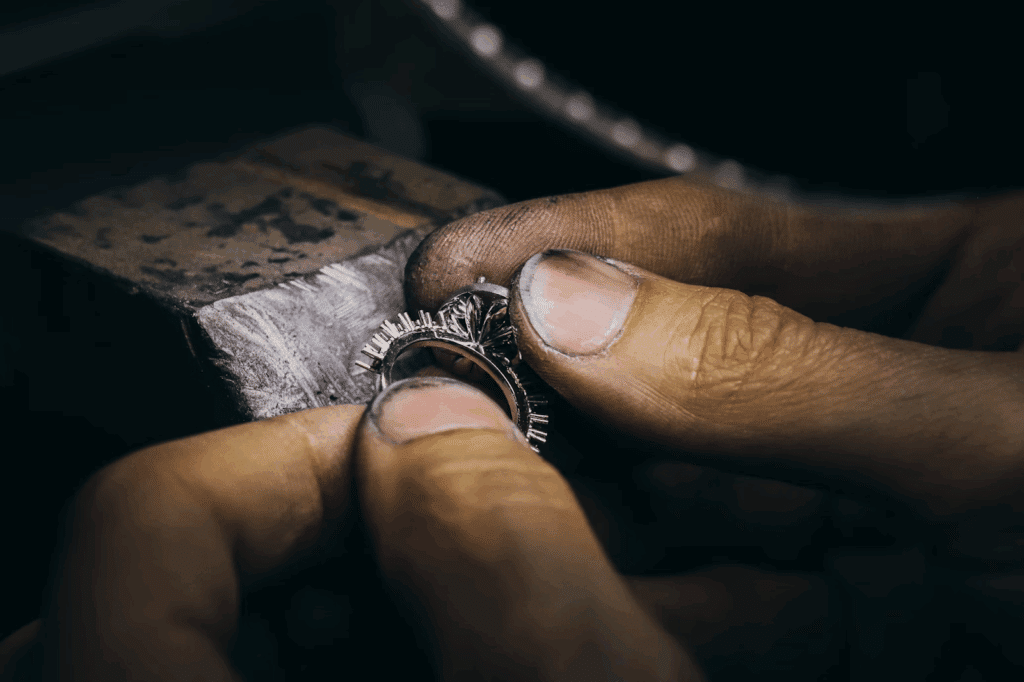
Redesigning existing jewelry presents completely different challenges than creating from scratch. You’re not starting with blank slates but rather with pieces carrying history, emotional attachment, and often specific materials that must be incorporated into new designs. This constraint paradoxically liberates as much as it limits; you’re not choosing from infinite possibilities but rather discovering what’s possible with particular diamonds, gold quantities, and sentimental elements that must feature in transformed pieces.
The motivations for redesign vary considerably. Sometimes inherited jewelry carries deep sentimental value but aesthetics that don’t match contemporary taste or personal style. Other times, divorce or relationship changes make wearing original wedding jewelry emotionally difficult, yet the pieces represent substantial material value and perhaps family significance worth preserving through transformation rather than sale. Lifestyle changes might make original designs impractical; elaborate rings that worked for previous life stages become problematic for new circumstances involving different work or activities.
Redesign conversations begin with understanding what elements must preserve versus what can change completely. Is it the specific diamond that matters, or the gold from grandmother’s ring? Does the overall piece carry significance requiring some recognizable connection to original design, or is complete transformation acceptable as long as incorporating original materials? These questions determine whether redesign creates pieces maintaining visual connection to originals or produces entirely new jewelry simply using materials from previous forms.
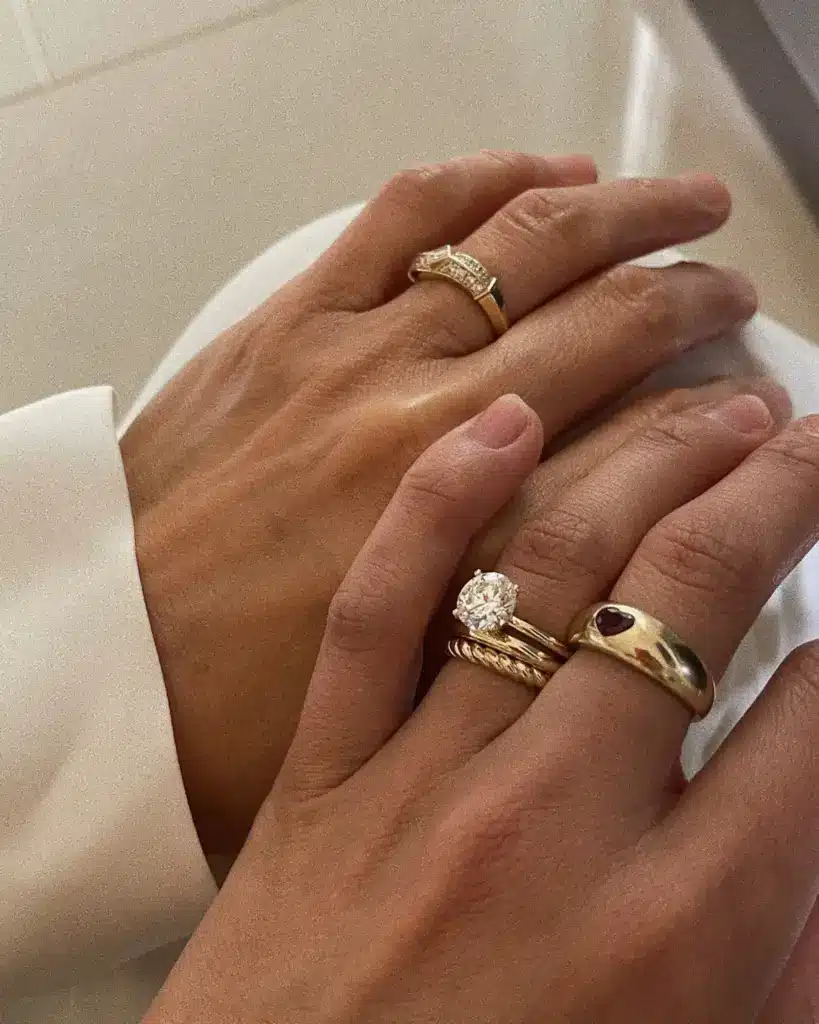
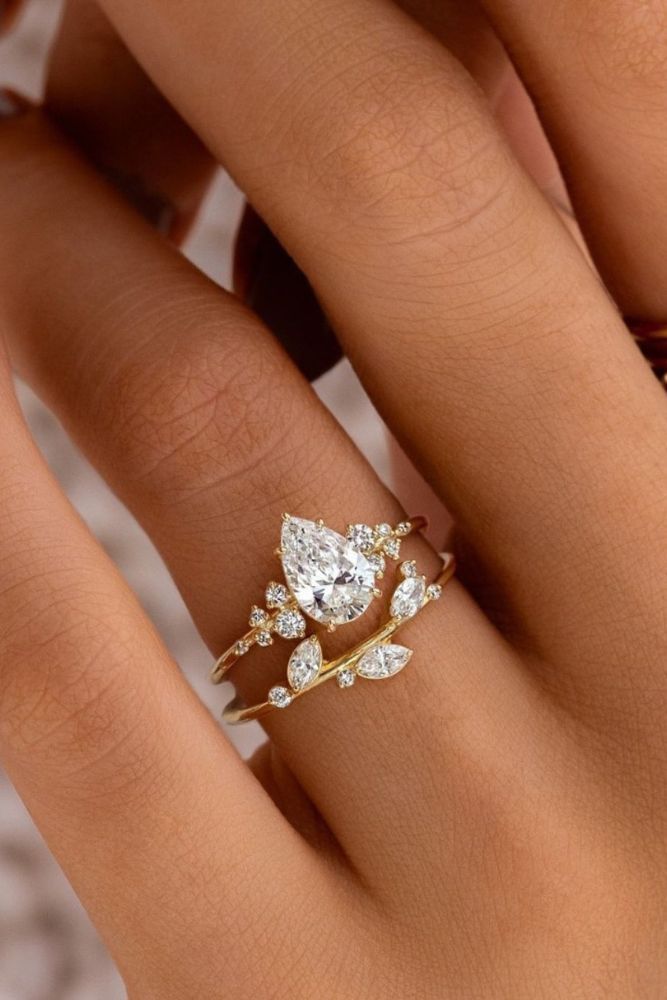
The technical process of redesign wedding ring jewelry typically involves several stages; initial consultation assessing original pieces and discussing transformation goals, design exploration creating options that incorporate required elements, material evaluation determining what from original pieces can reuse versus what might need adding or removing, and finally execution that may involve completely dismantling originals or working with existing structures as foundations for updates.
Material constraints shape redesign possibilities substantially. You’re working with finite quantities of gold or platinum from original pieces, specific stones of particular sizes and qualities, and perhaps other elements that must be incorporated. These realities mean redesign proposals must work within available materials rather than designing ideally then figuring out materials afterward. Skilled redesign jewelers think creatively about maximizing what’s available whilst achieving aesthetic goals within material limitations.
The emotional dimensions of redesign deserve genuine sensitivity from jewelers undertaking these projects. Original pieces often carry memories and significance that make their transformation emotionally complex even when rationally desired. Good jewelers acknowledge these feelings whilst helping clients envision new pieces that honor original significance whilst creating forms better serving current circumstances and preferences. Rushing clients through redesign decisions or treating pieces as merely material value shows lack of understanding about why people commission transformation rather than simply selling and purchasing new jewelry.
Cost considerations for redesign differ from custom creation since you’re providing materials rather than jewelers sourcing everything. However, redesign often proves surprisingly expensive relative to original piece values because skilled labor dominates costs. Completely dismantling pieces, salvaging usable elements, incorporating them into new designs, and executing quality construction requires substantial expertise and time. Understanding this prevents disappointment when redesign quotes approach or even exceed what new jewelry might cost; you’re paying primarily for design and craftsmanship rather than just materials.
Design Diversity: Embracing Varied Aesthetic Languages
Jewelry design encompasses remarkable stylistic range reflecting different cultural influences, historical periods, personal aesthetics, and symbolic systems. This diversity means rejecting the notion that “good design” means any single aesthetic approach. Rather, successful jewelry design means achieving excellence within chosen style frameworks whether minimalist contemporary, elaborate Victorian-inspired, culturally symbolic, or any other aesthetic direction.
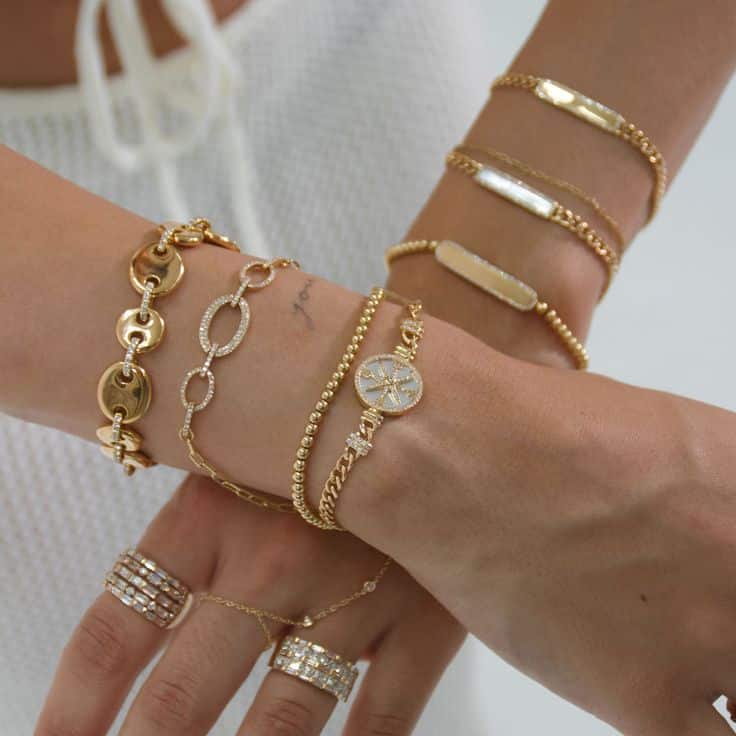
Men’s jewelry represents an expanding category that has moved beyond traditional limitation to wedding bands and watches. Contemporary men’s jewelry embraces diverse styles from subtle minimalist pieces to bold statement items, incorporating various cultural and historical influences that enable personal expression through adornment previously coded primarily feminine. This expansion opens new design territories exploring aesthetics historically associated with masculinity; strength, protection, warrior traditions; through jewelry forms.
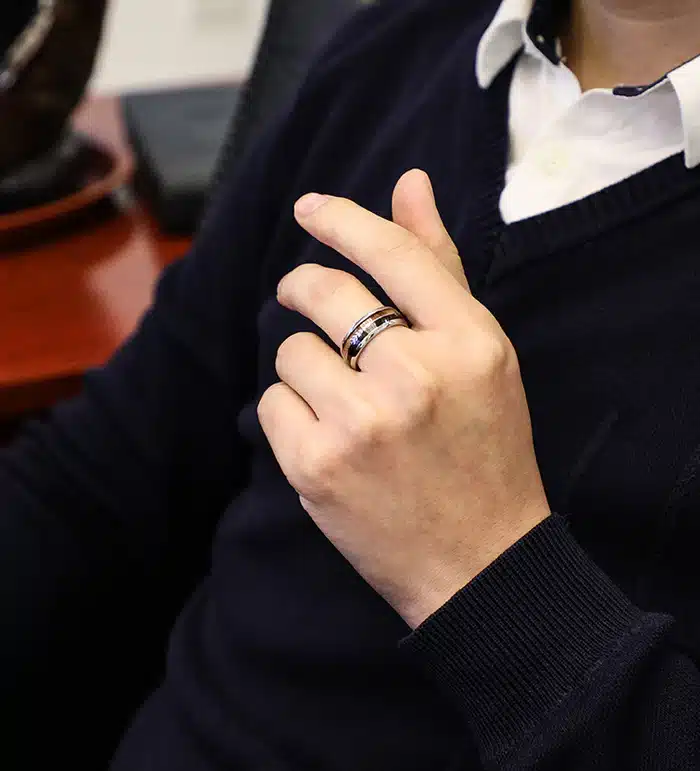
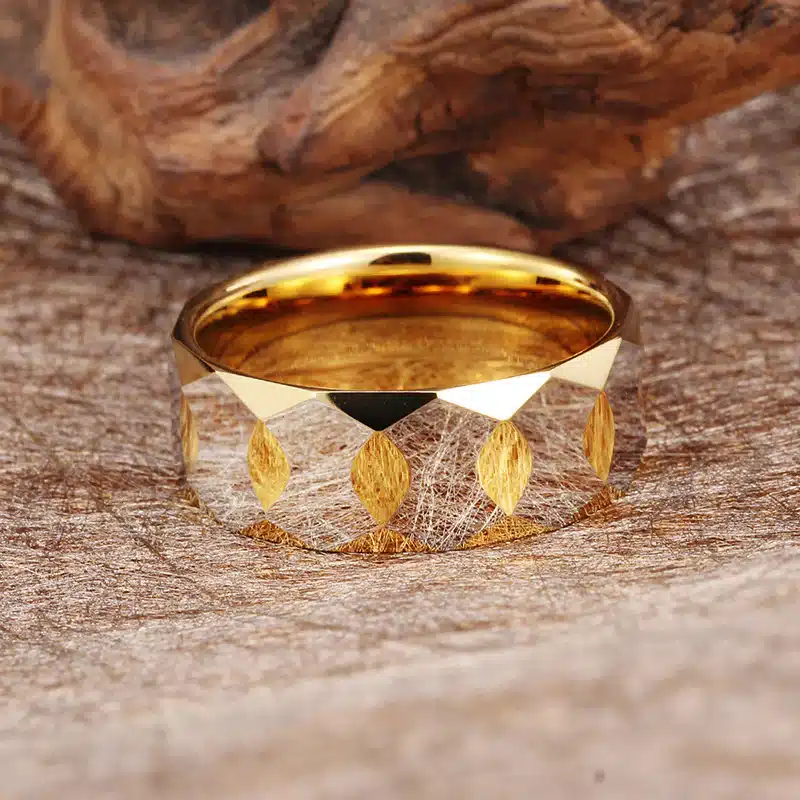
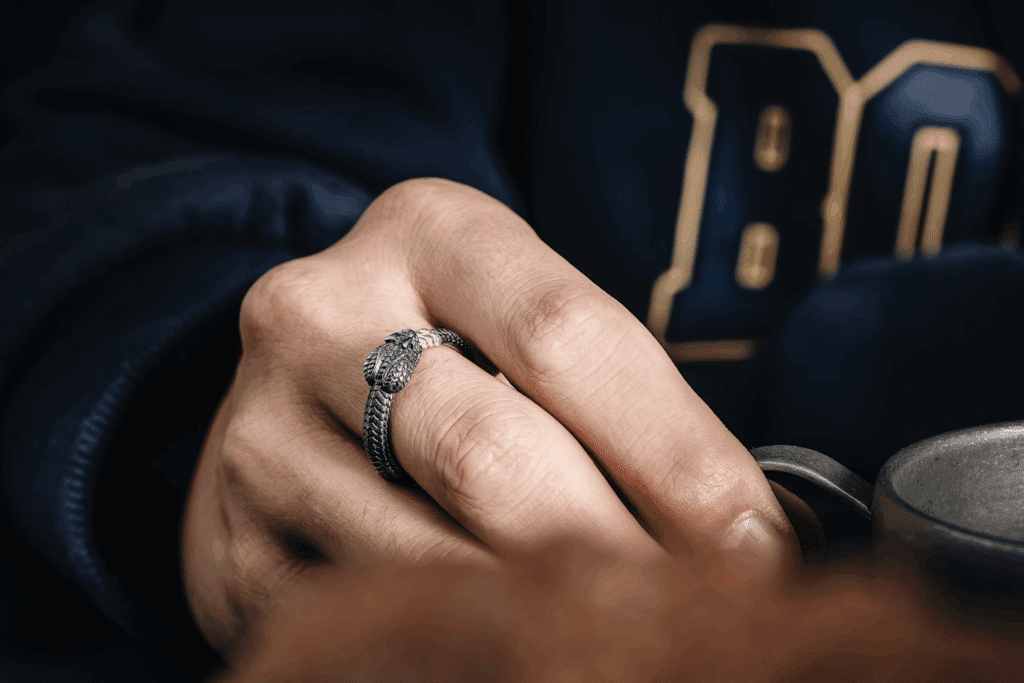
Historically-inspired jewelry demonstrates how design incorporates cultural references and symbolic elements whilst functioning as contemporary accessories. Pieces drawing from Viking, Celtic, medieval, or other historical aesthetics attract people interested in those cultures, the distinctive visual styles they represent, or simply the alternative they provide to mainstream jewelry conventions. Options like mens viking rings exemplify how jewelry design references Norse symbolism, runic elements, and historical metalwork patterns whilst serving as modern personal adornment that expresses cultural connections or aesthetic preferences.
The symbolism embedded in historically-inspired designs adds meaning layers beyond pure aesthetics. Viking jewelry often incorporates symbols like Thor’s hammer, ravens, wolves, or runes carrying specific mythological significance. Understanding these meanings helps selecting pieces that resonate personally rather than just looking interesting without knowing what they represent. For people with Scandinavian heritage, these designs offer connections to cultural roots. For others, they represent appreciation for Norse mythology, history, or simply the bold visual aesthetic that Viking-inspired work typically embodies.
Quality considerations in men’s jewelry parallel those for all jewelry; metal purity affects how pieces age and whether they cause skin reactions in sensitive individuals, construction quality determines durability under regular wear, and design proportions must match hand sizes appropriately. Wide bands can overwhelm smaller hands whilst narrow designs might look insubstantial on larger hands. Trying various styles helps determine what actually works for your specific proportions rather than assuming any design translates universally.
Understanding Design From Client Perspective
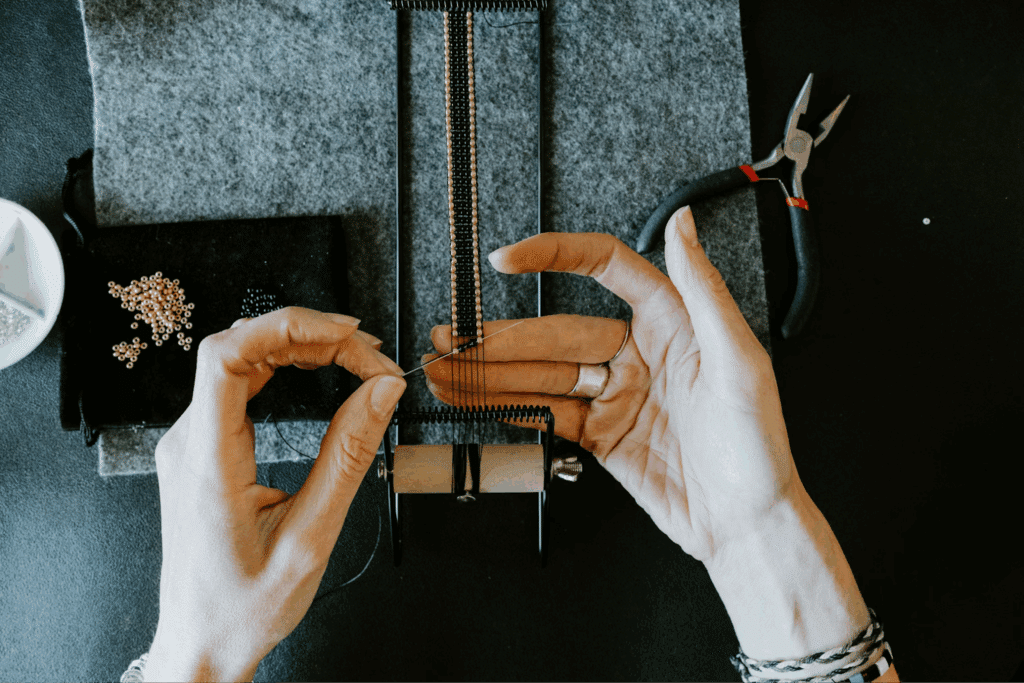
Appreciating jewelry design principles helps whether commissioning custom pieces, considering redesign projects, or simply purchasing existing work more thoughtfully. Understanding how proportion, balance, symbolism, wearability, and craftsmanship interact enables recognizing quality whilst articulating preferences clearly when working with designers. You don’t need technical expertise to commission successful jewelry but rather clarity about what matters to you aesthetically and emotionally alongside willingness to trust skilled designers translating preferences into wearable reality.
The investment in custom or redesigned jewelry extends beyond financial costs to include emotional energy and time collaborating with designers. This investment rewards you with pieces perfectly aligned with vision and circumstances rather than approximate matches from existing inventories. Whether creating engagement rings symbolizing commitment, transforming inherited treasures into forms you’ll actually wear, or commissioning pieces expressing personal style and cultural connections, thoughtful jewelry design produces results satisfying far longer than impulse purchases of whatever’s readily available.
- 0shares
- Facebook0
- Pinterest0
- Twitter0
- Reddit0