What “designing a fashion collection” really means
To understand how to design a fashion collection like a pro designer, it helps to start with the basics. A fashion collection is a group of garments that work together as a coherent story. Each piece, or “style,” can come in different colors, fabrics, and prints, but they all relate through a shared concept, season, and target customer. A reputable luxury brand might release up to 450 styles per season, while a smaller label may work with a much tighter edit of looks (FashionUnited).
Designing a collection is not only about sketching beautiful outfits. It is a structured process that runs from research and concept, through fabric selection and technical development, to sampling and production. The steps below mirror how professional designers and established brands work today.
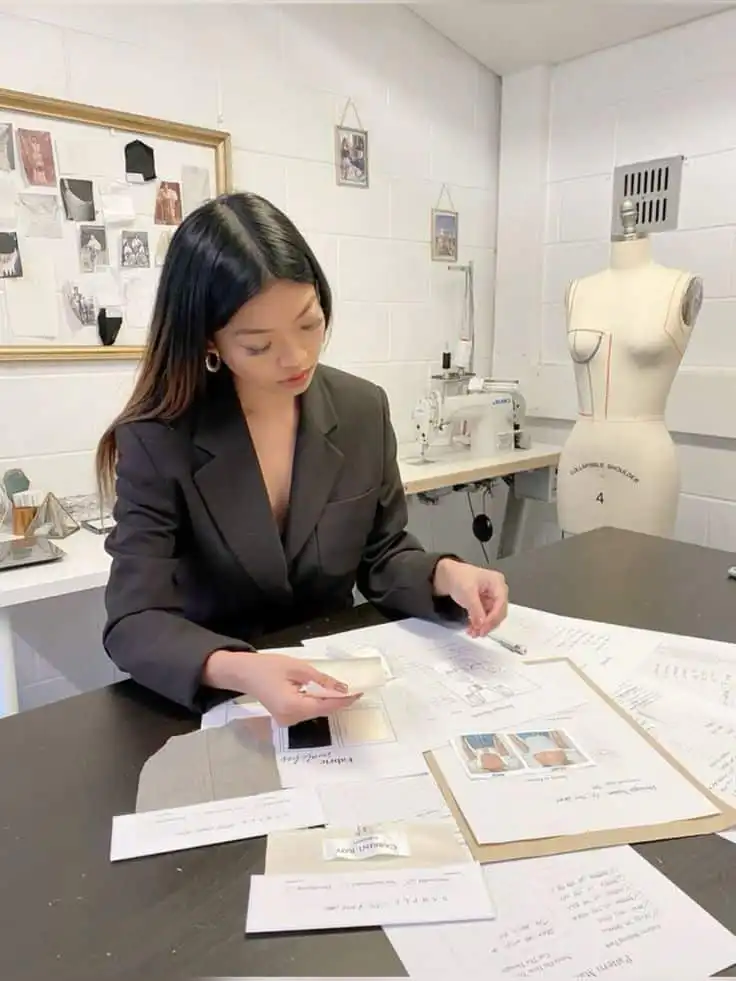
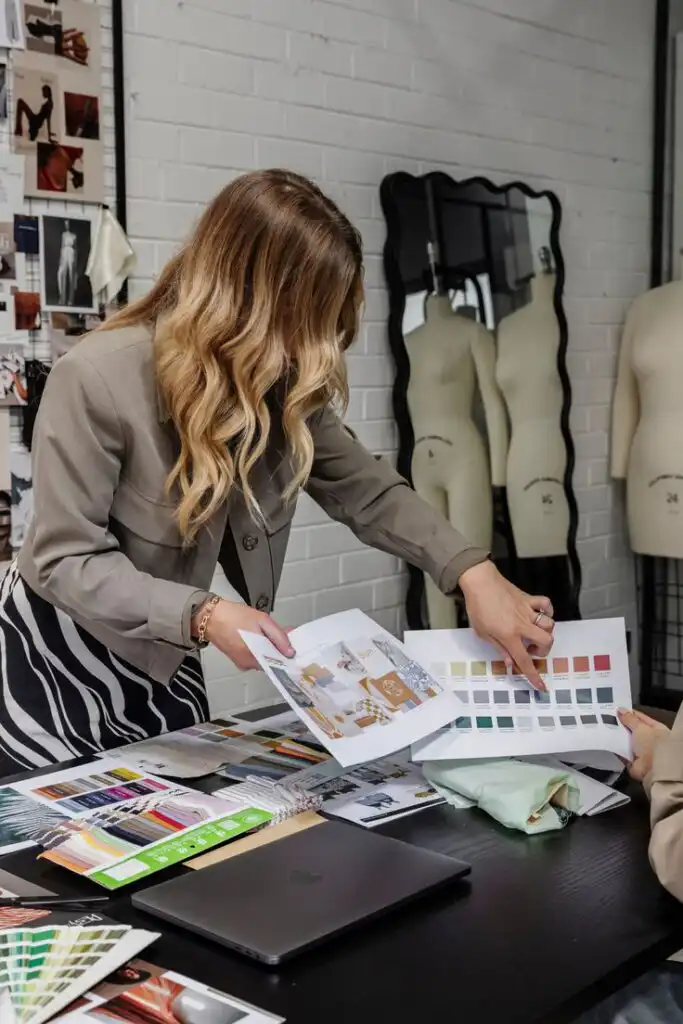
Step 1: Define the target and purpose
Professional designers begin by setting a precise target for the collection. Without this, everything else becomes guesswork.
Clarify who the collection is for
They start with a tight customer profile and context, for example:
- Season: Spring / Summer or Fall / Winter
- Gender or audience: womenswear, menswear, unisex, kids
- Market level: popular, mid-range, premium, or high segment
- Lifestyle: office, streetwear, athleisure, evening, resort
- Income sensitivity: price ceilings and perceived value
A Fall / Winter “Cosmopolitan Woman” collection, for instance, might focus on urban professionals aged 25 to 35 who need day to night versatility and polished separates (Fashion and Illustration).
Define business and creative goals
Professional designers also set clear objectives such as:
- How many looks or styles are needed
- The balance between commercial basics and statement pieces
- Planned retail price range
- Key product categories (outerwear, dresses, knits, denim, etc.)
This step prevents scope creep later and keeps design aligned with real sales expectations.
Step 2: Research trends and the competitive landscape
Once the target is clear, the next professional move in how to design a fashion collection is trend and market research.
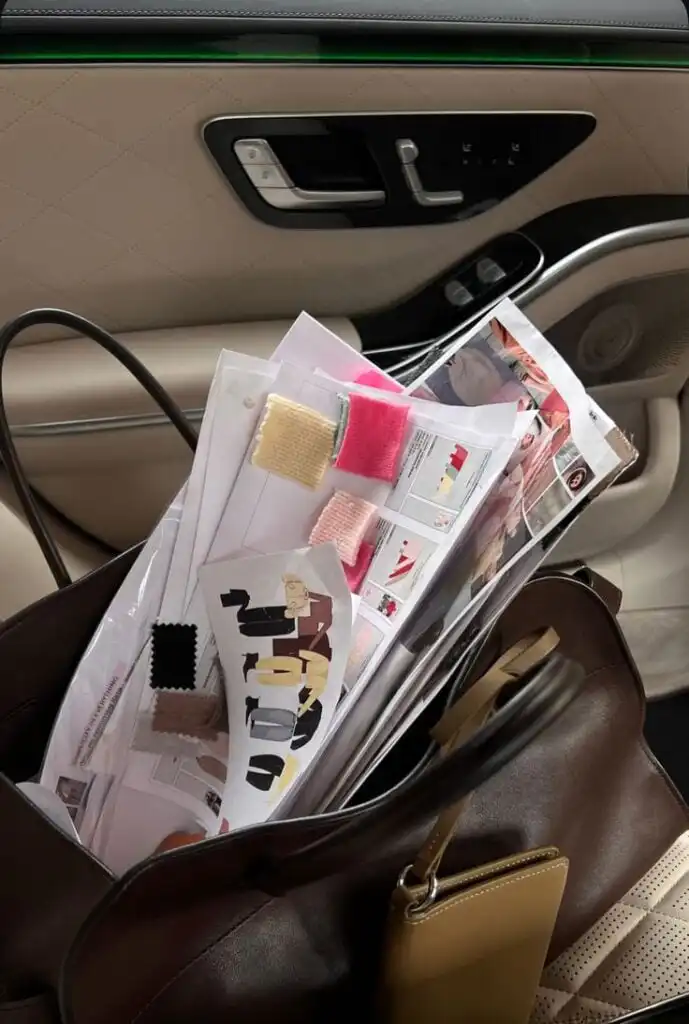
Analyze current fashion trends
Designers examine:
- Fabric developments and surface treatments
- Seasonal color stories and prints
- Silhouettes, cuts, and key details
- Accessories that complement the clothes
Forecasting is often done up to two years ahead in larger houses (FashionUnited). Independent designers may use:
- Runway shows and lookbooks
- Trend agencies and reports
- Street style and social media
- Retail store visits and e commerce browsing
Map out opportunities and gaps
From this research, they identify:
- What is saturated in the market
- Where there is a clear gap for their customer
- Which trends align with the brand and which do not
Then they select a concise color chart that fits the chosen concept and season (Fashion and Illustration). This color chart becomes a backbone for design, materials, and marketing visuals.
Step 3: Build a strong collection concept
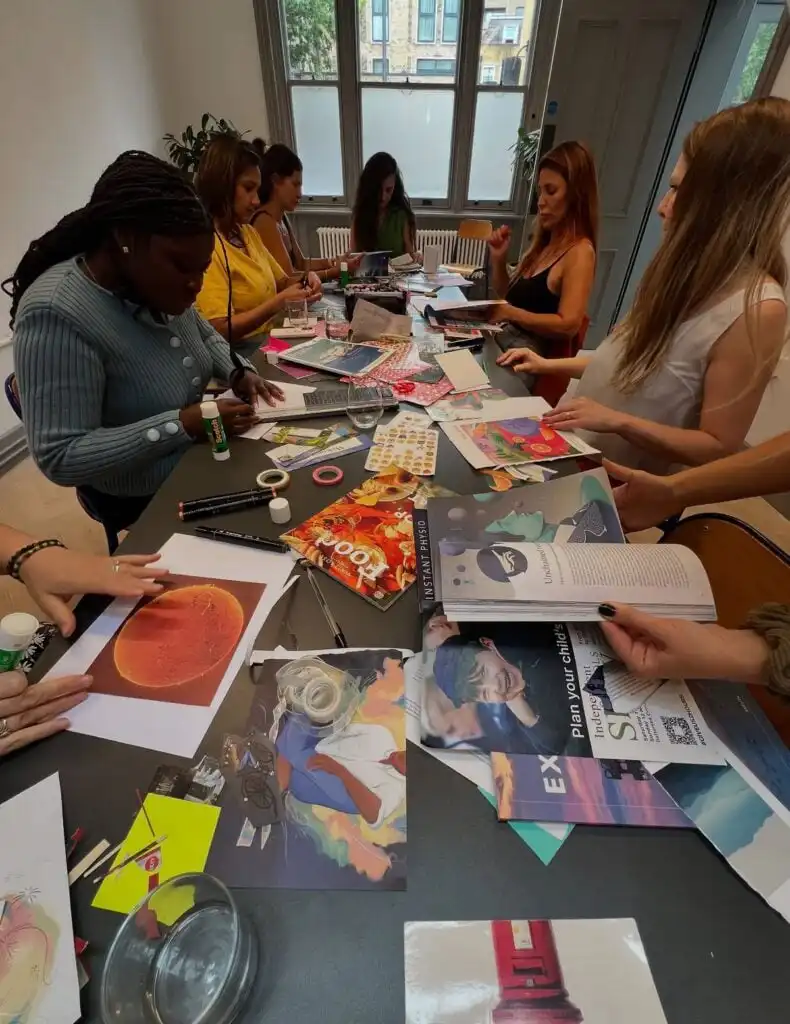
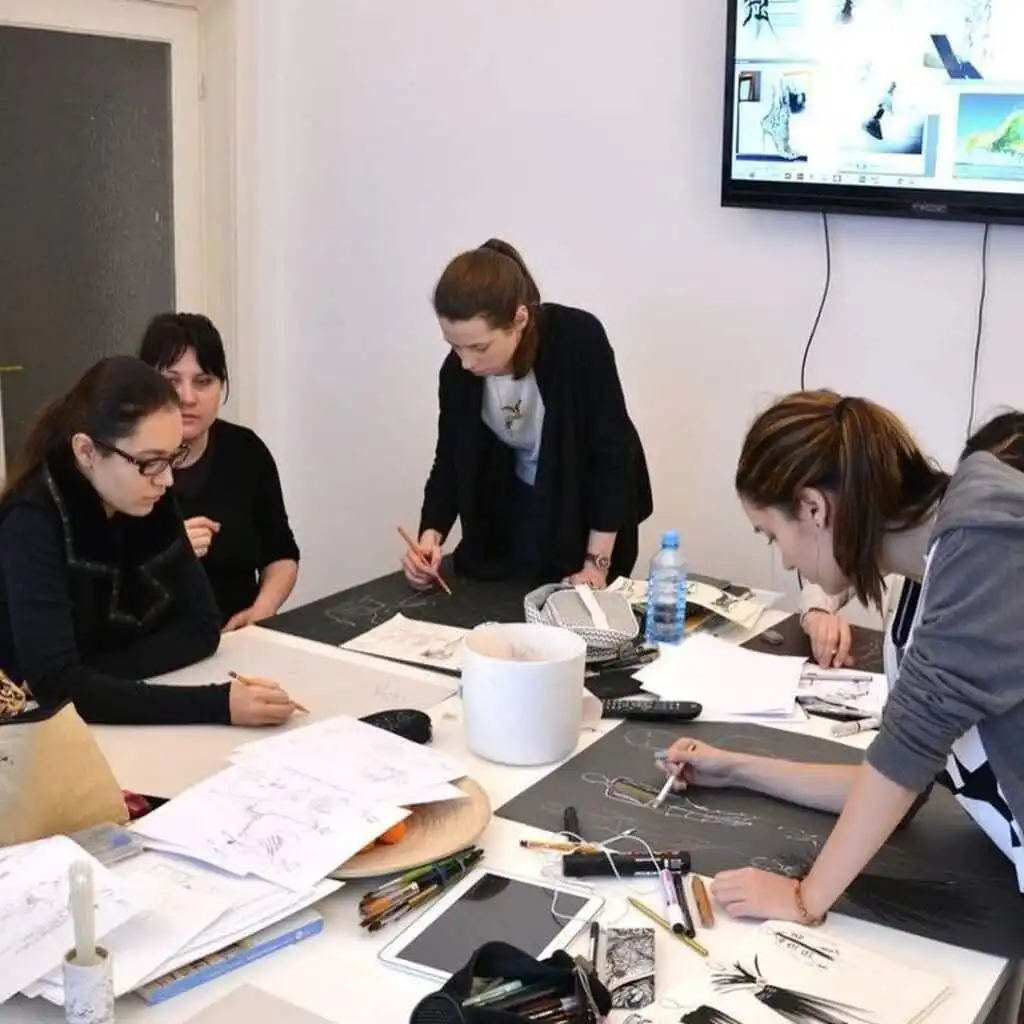
With research in hand, professional designers translate information into a concept that feels both specific and flexible enough to create a full range.
Turn inspiration into a theme
Concepts often draw on:
- Art, architecture, or design movements
- Places, eras, or cultural references
- Emotions or narratives, such as “future nostalgia” or “city at night”
- A very focused customer story, like the “Cosmopolitan Woman” example (Fashion and Illustration)
This concept guides choices around:
- Textiles and textures
- Silhouettes and construction details
- Accessories, trims, and finishing
- Styling and campaign imagery
Check concept against the target
Professional designers test the concept with simple questions:
- Does it fit the season and climate
- Is it believable for this price point
- Will it still be relevant when it hits stores
- Does it create enough variety for a collection, not just one outfit
Only once the answers are clear do they move into more visual work.
Step 4: Create a focused fashion mood board
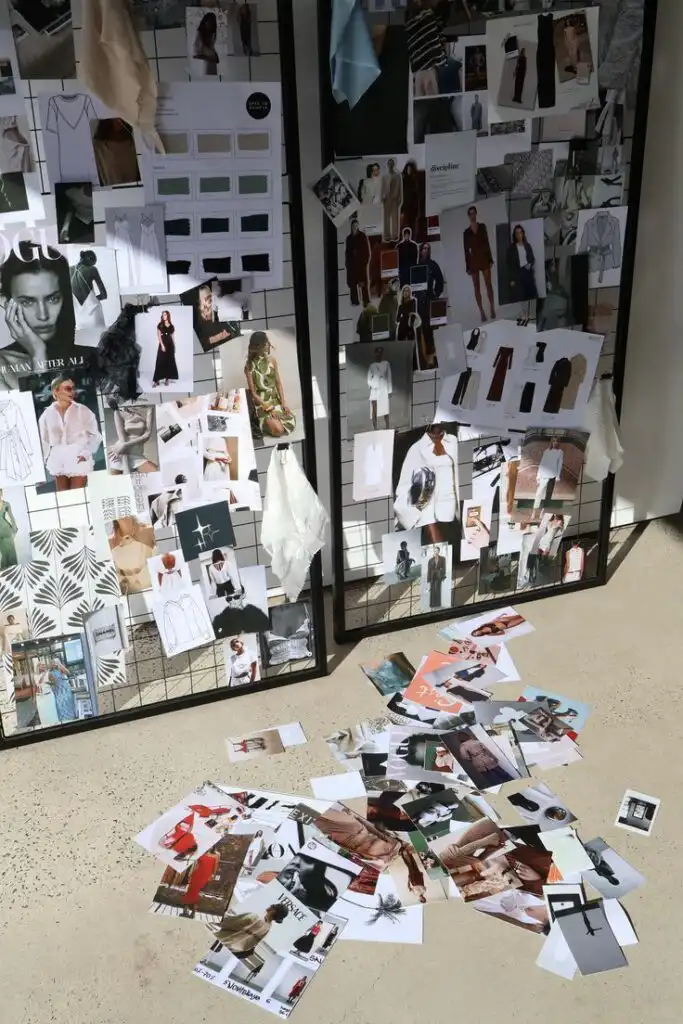
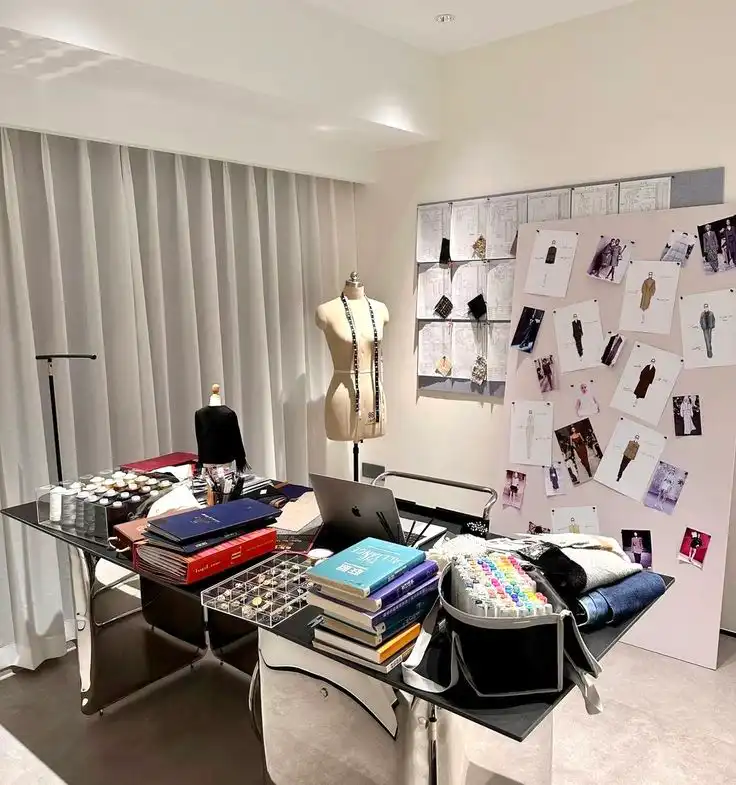
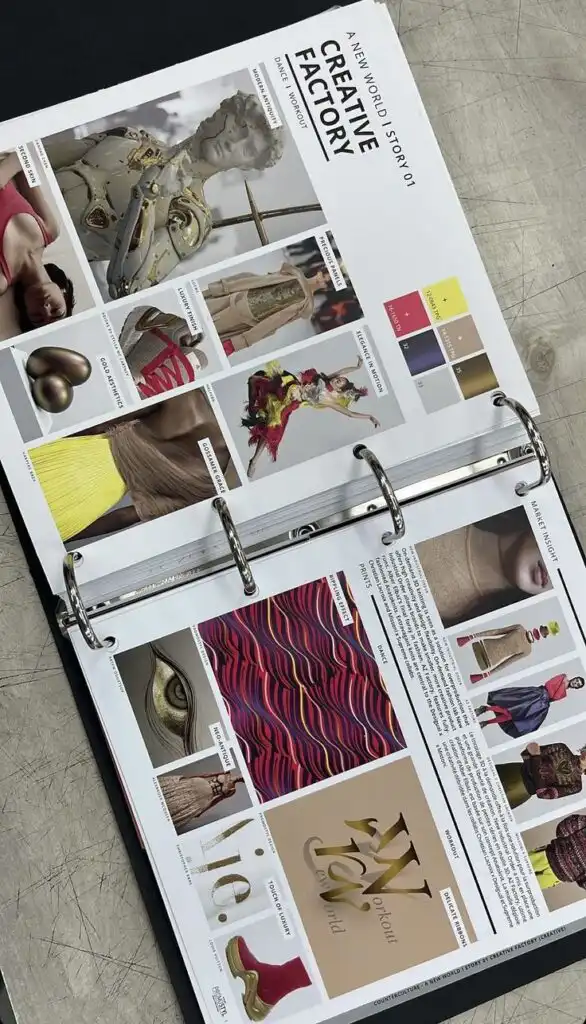
A mood board is the visual backbone of the collection. It is the step that turns abstract ideas into something that the whole team can see and discuss.
Set a precise mood board theme
According to World Fashion Exchange, the first mood board decision is a specific theme, such as a color story, style direction, season, or emotion (World Fashion Exchange). Without this focus, the board becomes a random collage.
Gather diverse inspiration sources
Professional designers pull references from:
- Magazines and books
- Online platforms like Pinterest and Etsy
- Fabric suppliers and swatch cards
- Personal photos, travel snapshots, and sketches
- Vintage garments and archive pieces
World Fashion Exchange suggests including a variety of images and materials to keep the narrative rich but coherent (World Fashion Exchange).
Use digital tools for collaboration
Many teams create mood boards in digital PLM or fashion ERP platforms so that:
- Designers, merchandisers, buyers, and stylists can contribute in real time
- Notes and annotations sit directly beside images
- Past boards can be revisited and iterated (World Fashion Exchange)
Readable text, a clear color palette, and selective image editing help the board communicate the collection’s direction at a glance.
Step 5: Select fabrics and materials like a pro
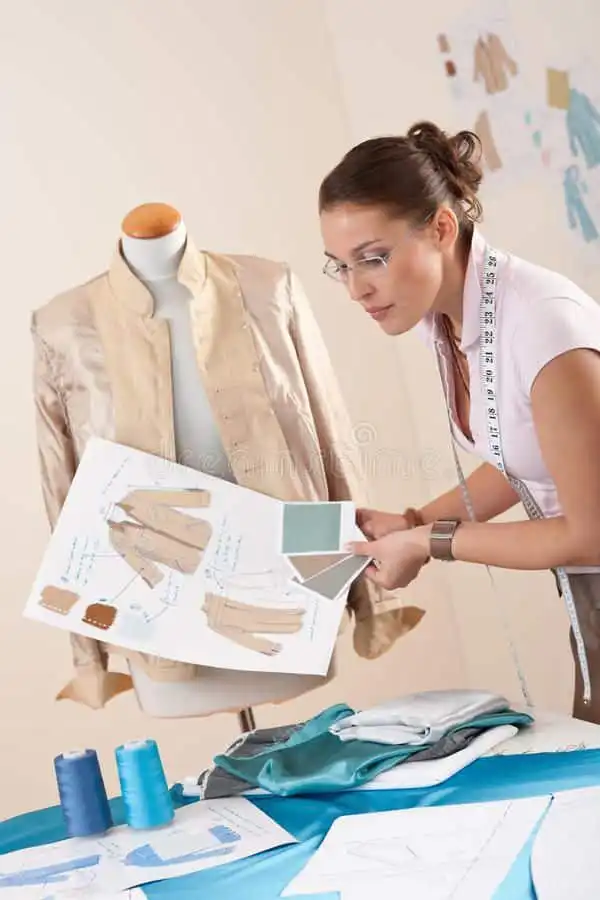
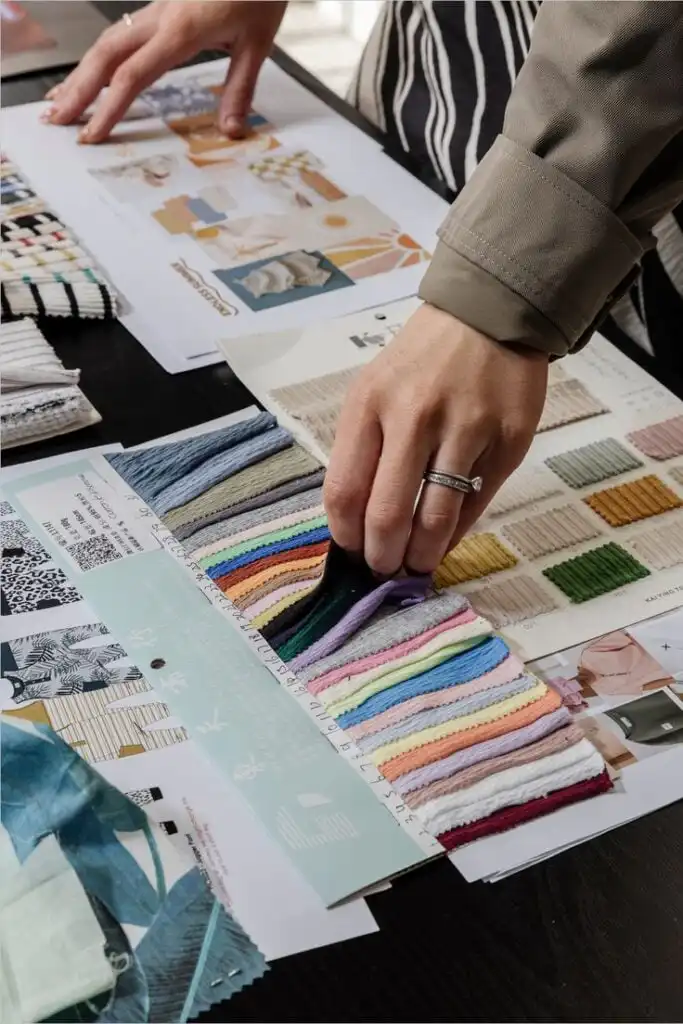
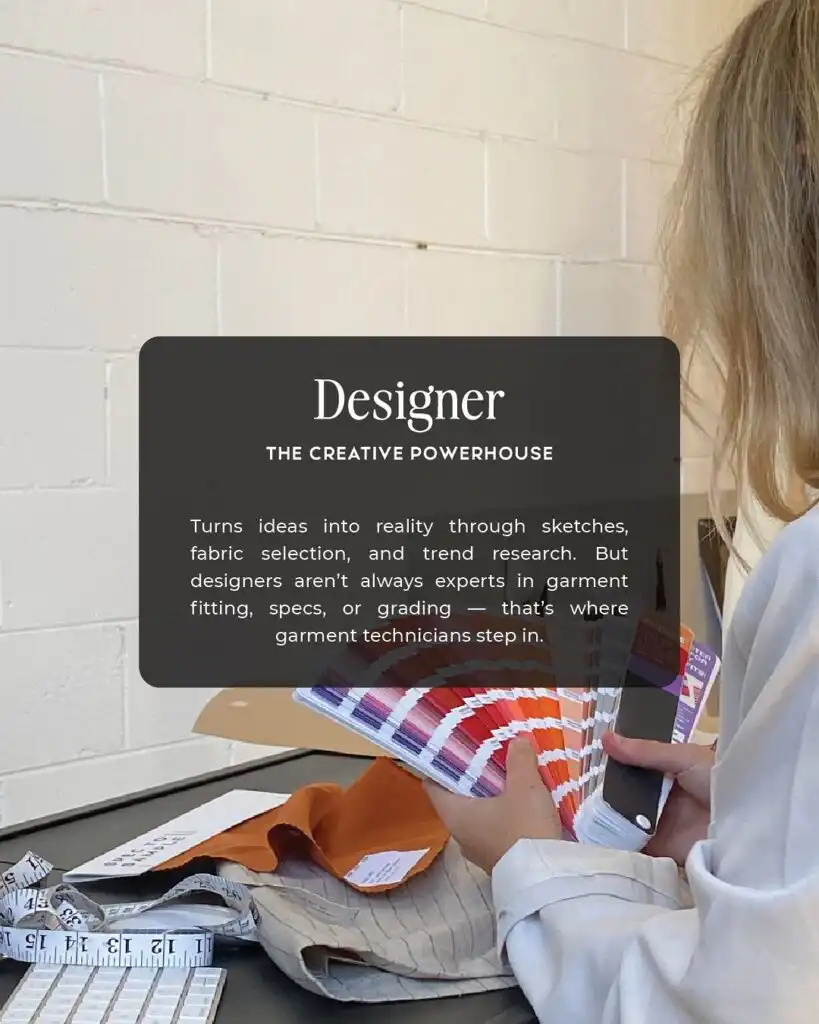
Fabric selection is one of the most decisive parts of how to design a fashion collection. The same sketch can feel cheap or luxurious, wearable or impractical, depending on the textile.
Understand the main fabric categories
Designers usually work across three primary groups:
- Natural fibers: cotton, silk, wool, linen
- Synthetic fibers: polyester, nylon, acrylic
- Blends: cotton polyester, wool acrylic, and others
Each category offers different performance, drape, and care requirements (The Art Career Project).
Match fabric properties to the design
Key properties that guide professional choices include:
- Texture and hand feel
- Drape and structure
- Durability and abrasion resistance
- Breathability and thermal qualities
- Care instructions and shrinkage behavior
For example:
- Lightweight, smooth fabrics work for fluid gowns and blouses
- Medium weight textured fabrics suit structured blazers and trousers (The Art Career Project)
Athletic pieces might use moisture wicking synthetics like polyester, whereas a tailored winter coat could rely on wool for warmth (Hawthorn International).
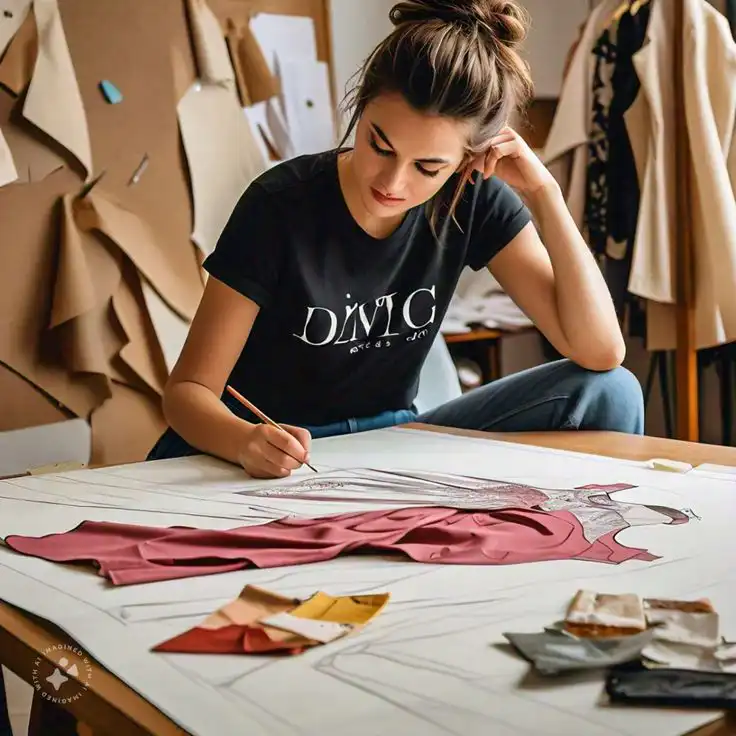
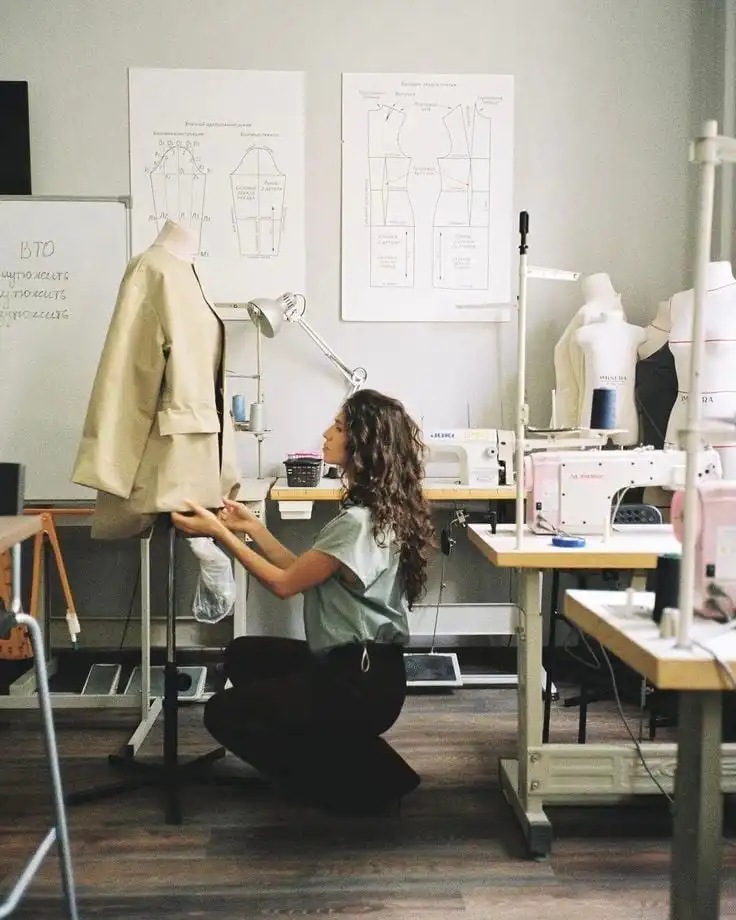
Consider fabric weight and cost
Fabric weight, measured in GSM, affects not only how a garment feels but also its cost. Common T shirt fabrics sit between 160 gsm and 220 gsm and this range influences whether the result feels light and airy or substantial and premium (Hawthorn International). Professional designers factor GSM into both design and margin calculations.
Use blends, weaves, and specialty knits
Blends and specific constructions allow designers to fine tune performance and aesthetics:
- Twill: diagonal ribs for durability and a tailored look
- Pique: breathable structure that hides sweat, ideal for polos
- French terry: soft, looped interior suited for luxury athleisure
- Cotton fleece: fluffy interior for warm casual wear (Hawthorn International)
These choices help differentiate garments that may share similar silhouettes.
Integrate sustainable and premium materials
Sustainability is no longer a niche concern. Designers increasingly choose:
- Organic cotton, hemp, and bamboo
- Recycled fibers
- Premium cottons like Supima
- Responsible alternatives to animal based materials, including faux fur
Such fibers reduce environmental impact and add perceived value for eco conscious consumers (Hawthorn International, The Art Career Project).
Track emerging textile technologies
Forward looking collections may experiment with:
- Smart textiles that respond to temperature or movement
- 3D printed elements and trims
- New sustainable production methods that cut waste and water use
These innovations are reshaping how fabrics perform and how collections are developed (The Art Career Project).
Step 6: Design silhouettes and build the line plan
With concept and fabrics in place, professional designers move into silhouette development and range planning.
Translate the mood into garments
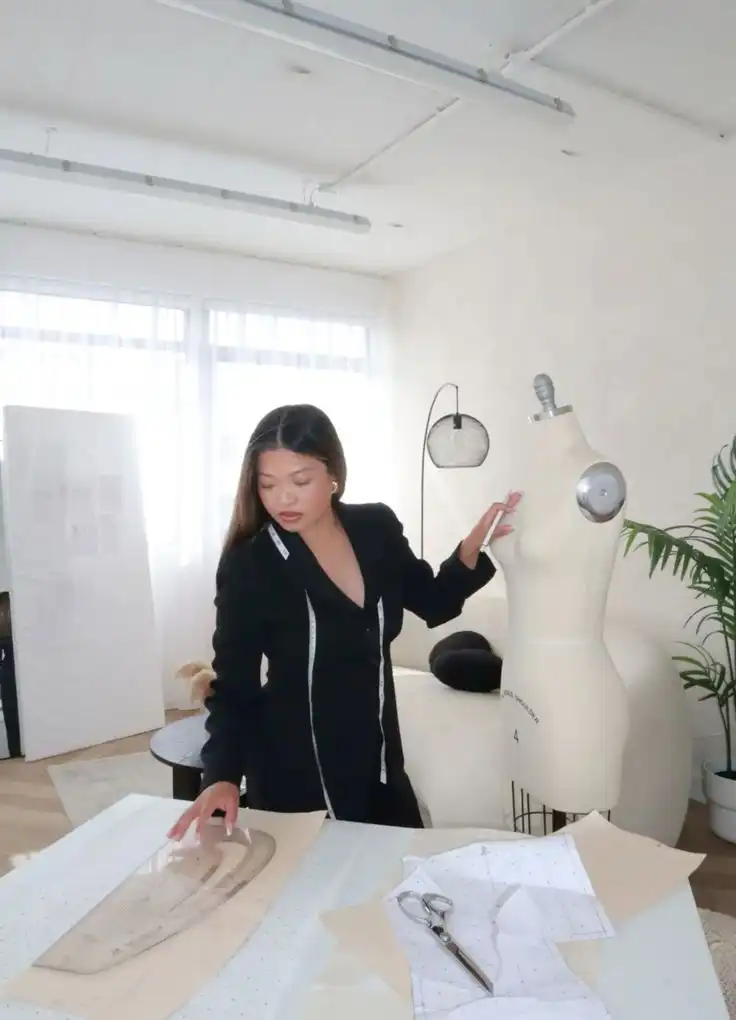
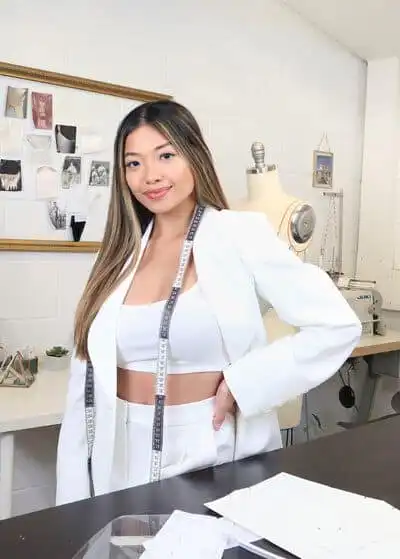
They sketch or drape:
- Key outerwear and statement pieces
- Core tops and bottoms that form the wardrobe backbone
- Dresses, suits, or sets for the season’s primary occasions
- Supporting items like knitwear, layering pieces, and accessories
Each garment must reflect the concept and be appropriate to the target lifestyle and climate (Fashion and Illustration).
Balance commercial, classic, and hero styles
According to FashionUnited, pro level collections usually blend:
- Commercial pieces that are easy to sell and style
- Classic signature pieces that define the brand DNA
- Fashion forward hero items that attract attention and media buzz (FashionUnited)
They are then divided into “drops” timed with the meteorological season so that stores receive fresh product throughout the period.
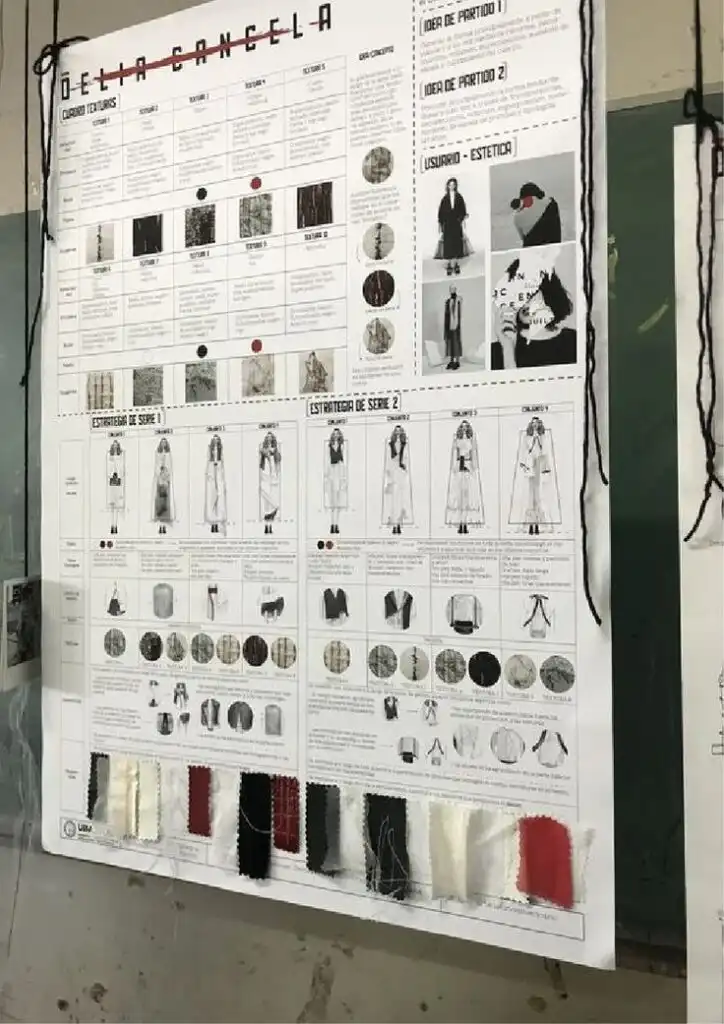
Create a structured collection plan
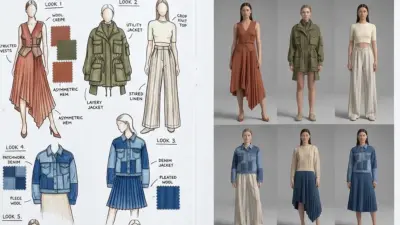
The collection plan, sometimes called a line sheet or range plan, documents:
- All garments with reference codes and working names
- Fabric and trim choices by style
- Colorways and print placements
- Target retail and cost prices
- Supplier and factory references
This plan becomes the link between creative work and production realities (Fashion and Illustration).
Step 7: Develop technical drawings and spec sheets
Professional fashion design relies heavily on technical communication. A strong sketch is not enough for factories to produce accurate samples.
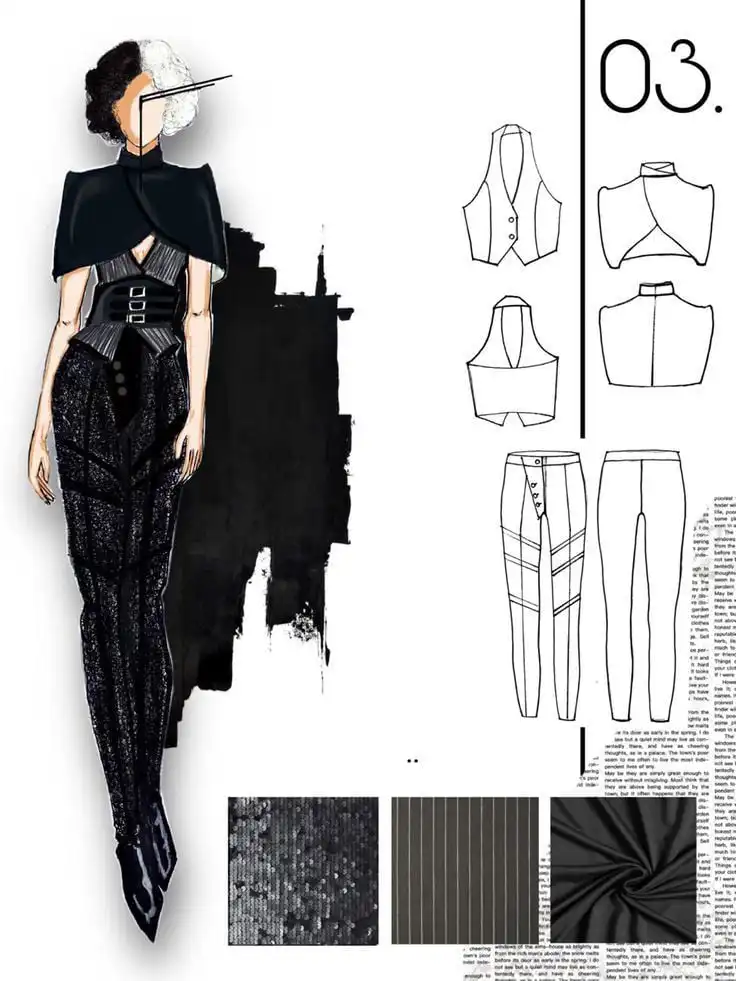
Create clear technical flats
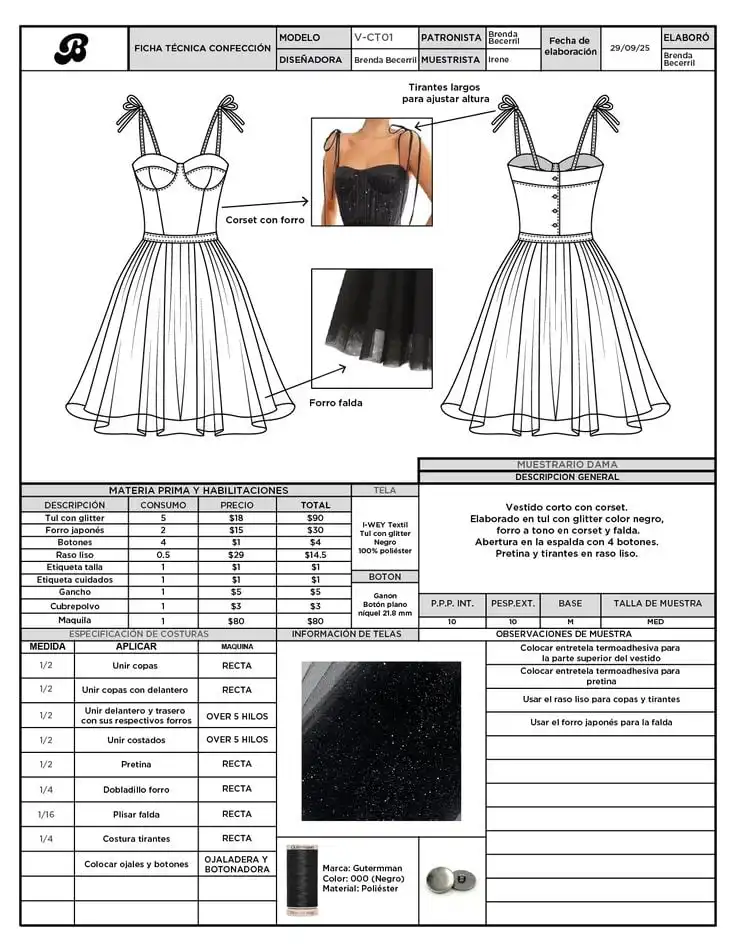
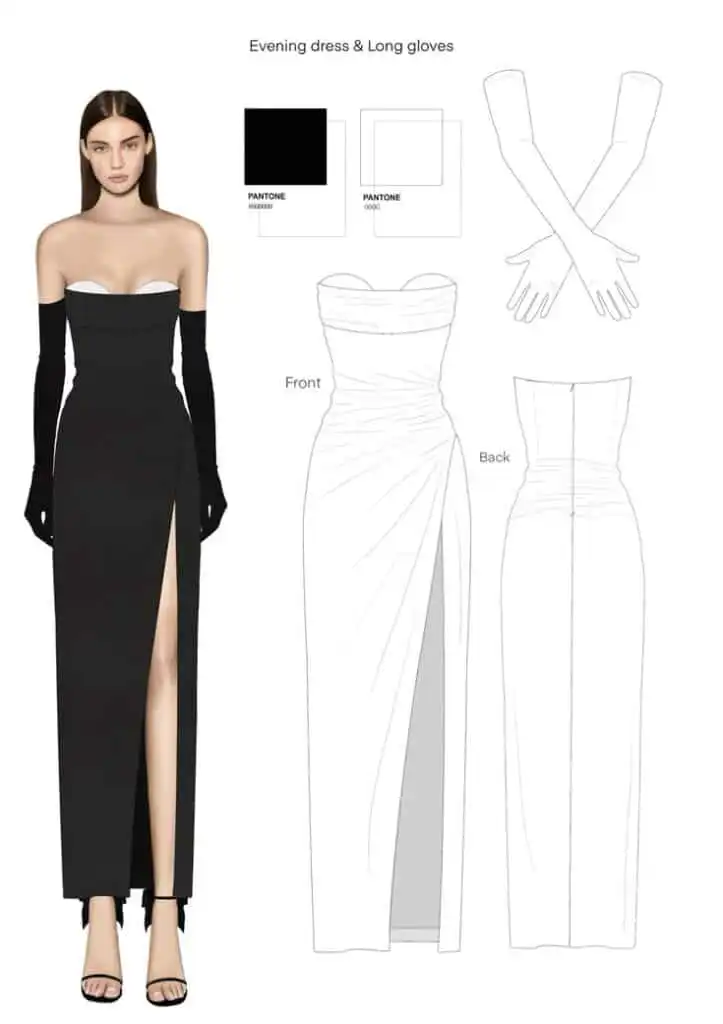
Technical drawings, or flats, show garments laid out with precise details:
- Seams, darts, and panel lines
- Topstitching and finishing
- Fastenings, pockets, and trims
- Proportion of collars, cuffs, and hems
These drawings are usually done in vector software and must be unambiguous so that pattern makers can interpret them correctly (Fashion and Illustration).
Build detailed technical sheets
Tech packs or technical sheets typically include:
- Flat drawings, front and back
- Fabric composition and GSM
- Colorways and Pantone references
- Size specification tables and grading rules
- Construction notes and tolerances
- Labeling, packaging, and quality standards
These documents guide prototypes and final garment manufacturing, reduce sampling errors, and keep production on time (Fashion and Illustration).
Step 8: Prototype, fit, and refine
Sampling is where a fashion collection becomes physical and problems are solved before production.
Develop first prototypes
From tech packs, pattern makers create patterns and first samples. This phase tests:
- Whether the chosen fabric behaves as expected
- If proportions and construction are feasible
- How details like pockets, pleats, and closures function on the body
In larger brands, this leads to Salesman Samples (SMS) that are later used to present the collection to buyers at trade shows or showrooms (FashionUnited).
Conduct rigorous fittings
Designers fit samples on:
- Fit models who represent the brand’s standard body
- Different sizes, once grading is applied, to confirm consistency
They adjust:
- Lengths and volumes
- Placement of seams and darts
- Ease in movement and comfort
- Alignment of patterns and prints
Refinements after fittings often mean updated tech packs and a second round of prototypes before final approval.
Step 9: Prepare for production and delivery
The last step in how to design a fashion collection in a professional way is to connect the creative work to manufacturing and logistics.
Confirm orders and materials
After presenting the collection to buyers, brands:
- Collect wholesale orders per style and color
- Use those orders to decide which styles go into production
- Order fabrics and trims in the required volumes
Garment manufacturing may take 4 to 12 weeks depending on the country, with some locations able to turn around faster than others (FashionUnited).
Plan logistics and retail timing
Once production is complete, garments are shipped to distribution centers, then to stores or direct to consumers. All of this must align with the seasonal calendar. Most brands still operate on 2 to 4 main seasons such as Spring / Summer and Autumn / Winter, sometimes adding pre fall or resort capsules with delivery windows mapped out across the year (FashionUnited).
A designer who understands these operational constraints will make better decisions upstream in concept and line planning.
Frequently asked questions
How many pieces should a first fashion collection have
There is no fixed rule, but new designers typically work with a focused range rather than hundreds of styles. The key is coherence. The collection should offer full outfits and a recognizable story, while staying realistic for the available budget and production capacity.
How long does it take to design a fashion collection
Large brands may plan themes and trends up to two years in advance. For a smaller label, the process from first concept to finished samples can range from a few months to nearly a year, depending on complexity, supplier availability, and how many fitting and revision rounds are needed.
What is the difference between a mood board and a collection plan
A mood board is a visual collage of ideas, colors, fabric references, and inspiration that sets the emotional and aesthetic direction of the collection (World Fashion Exchange). A collection plan is a structured document that lists the actual garments, codes, fabrics, and price targets used to build and sell the line.
How important is fabric choice in designing a collection
Fabric choice is fundamental. It affects aesthetics, comfort, durability, cost, and sustainability. Designers consider fiber type, weave, GSM, and performance qualities such as breathability and moisture management (Hawthorn International, The Art Career Project). Poor fabric decisions can undermine even the strongest concept and silhouette.
Can a small independent brand use the same process as big fashion houses
Yes, the same core steps apply, from defining the target and building a concept, to mood boards, fabric selection, technical development, sampling, and production. Independent designers usually compress timelines and scale down the number of styles, but the underlying methodology that professional designers use is the same.
- 289shares
- Facebook0
- Pinterest289
- Twitter0
- Reddit0