What It Really Takes To Start
If you are googling how to create a fashion line, you are probably somewhere between “I have a fire idea” and “I have no clue what I am doing.”
We are going to fix that.
Creating a fashion line is not just sketching outfits and hoping a factory figures it out. It is a step by step process that blends:
- Creative skills: design, fabric choices, styling
- Business skills: pricing, production, marketing, sales
- Operations: tech packs, sampling, quality control
We will walk through the full path from idea to launch, using practical steps backed by real industry advice from sources like Shopify, Audaces, Maker’s Row, and more (Shopify, Audaces, Maker’s Row).
You will leave with a clear playbook you can actually execute, not just a Pinterest board full of vibes.
Quick Steps to Start a Fashion Line:
- Clarify your vision and define your target audience.
- Research the market to find current trends.
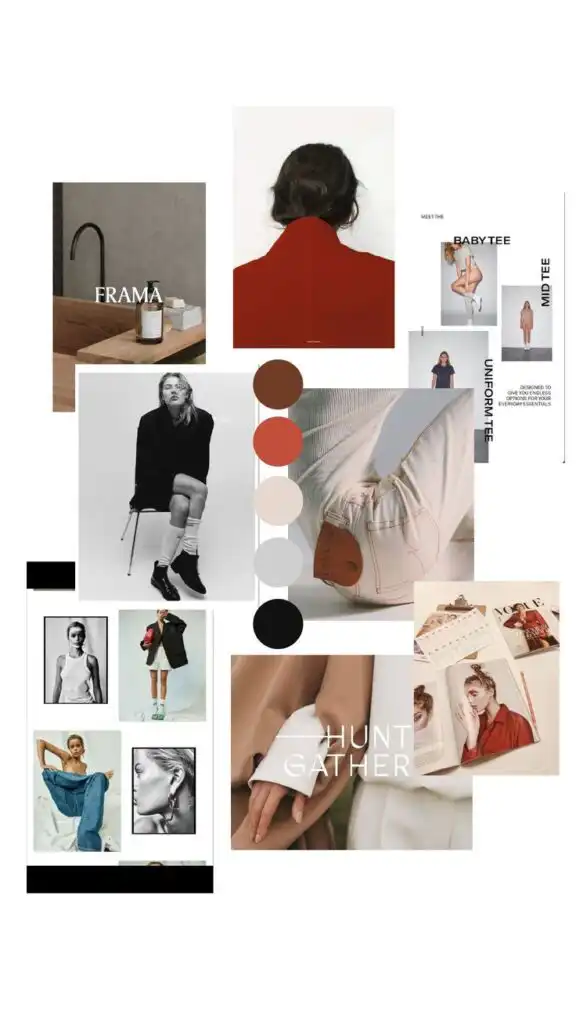
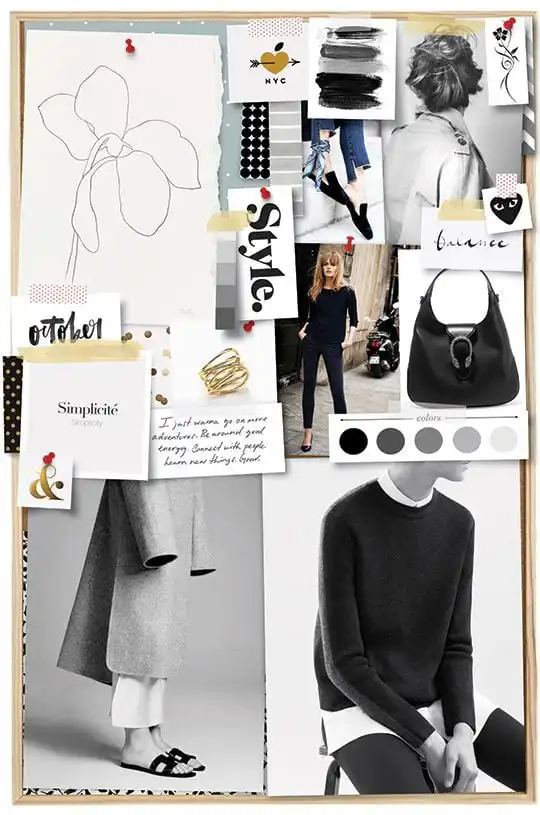
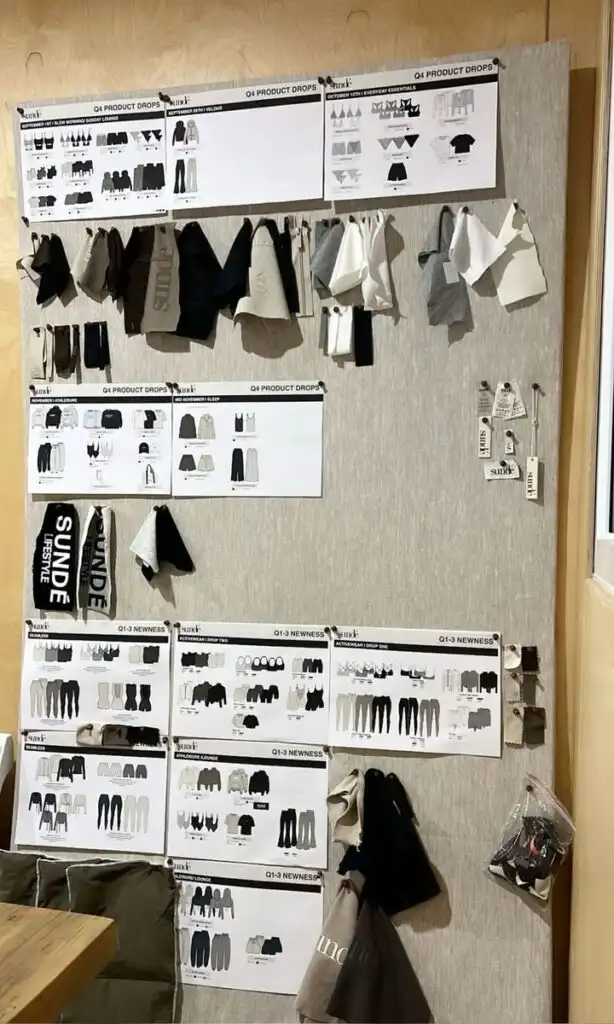
- Create a mood board for your first collection.
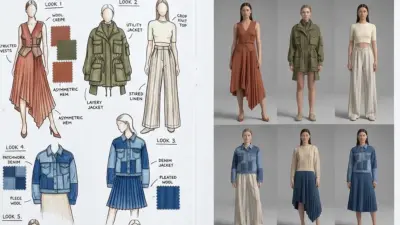
- Design your sketches and technical drawings.
- Source fabrics and find a manufacturer.
- Create samples and test the fit.
- Launch your marketing and online store.
Clarify Your Vision And Brand
Before we touch fabrics or factories, we need a point of view. Your brand is the filter for every decision: designs, price point, photos, captions, even who models your clothes.
Decide Why Your Brand Exists
We can start by asking:
- What problem are we solving for our customer?
- How do we want them to feel when they wear our pieces?
- What do we want to stand for: sustainability, inclusivity, bold prints, minimalism, streetwear culture, something else?
Shopify recommends defining your values, mission, and story early, because it shapes your visual identity, marketing, and even who you hire later (Shopify).
Write a short brand statement:
“We create [type of clothing] for [who] so they can [do/feel what], using [key value or method].”
Example:
“We create size inclusive streetwear for creatives on the go so they can feel comfortable and seen, using small batch, ethically made pieces.”
Keep this line visible. It is your filter.
Choose A Basic Business Model
We do not need a 50 page business plan. We do need a basic direction so we are not designing blindly.
Some options from Shopify’s guidance (Shopify):
Print on demand or screen printing
You print designs on blanks.
Lower upfront cost, easier to test.
Cut and sew line
Custom patterns, unique silhouettes.
Higher cost, more control, more work.
Dropshipping
You sell products you do not hold in stock.
Minimal inventory risk, less control over quality.
For now, just pick a default path. You can evolve later.
Define Your Target Customer
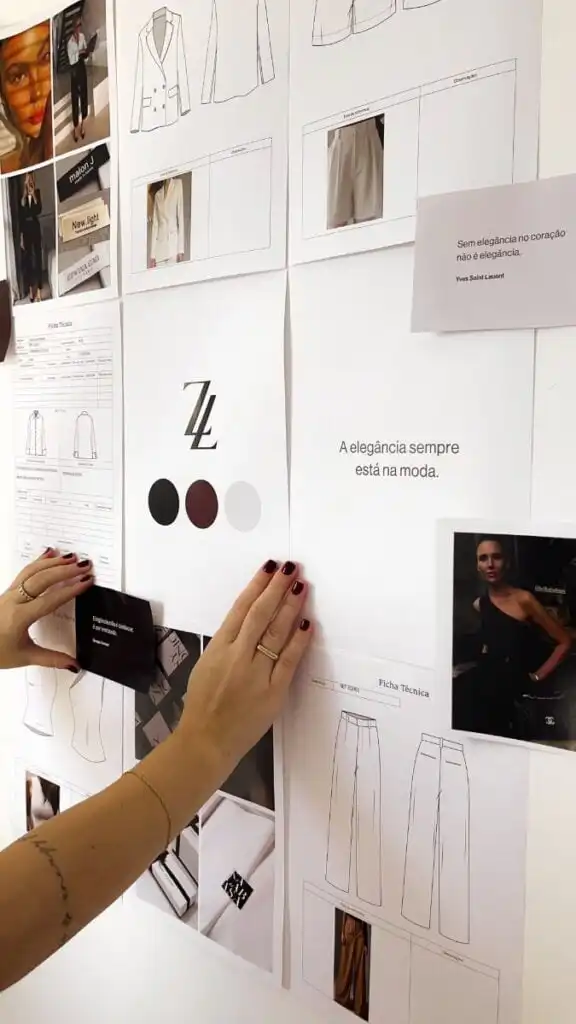
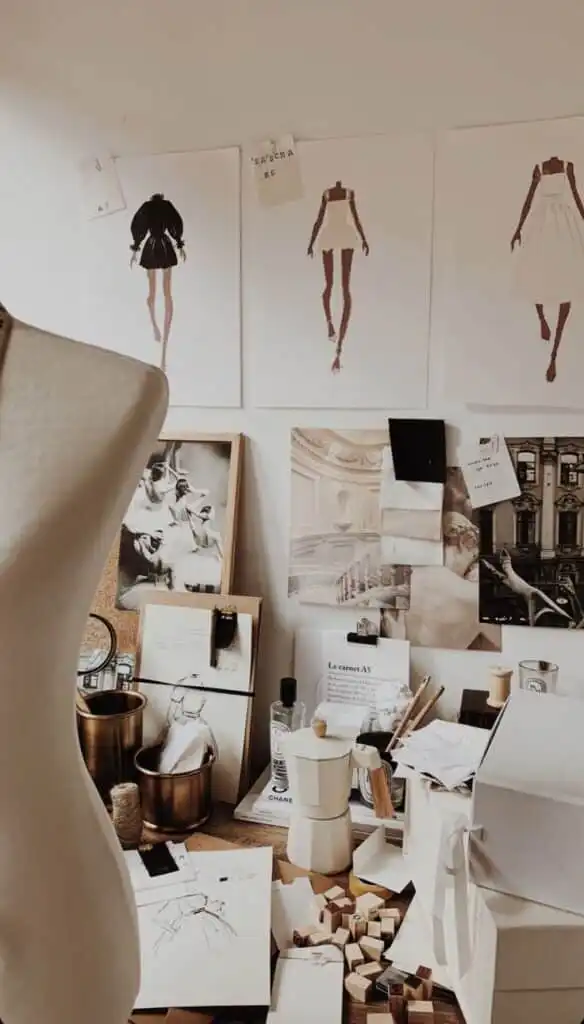
If your line is “for everyone,” it is for no one. The first key step in a professional collection is clearly defining the consumer profile (Fashion and Illustration).
Lock In The Basics
We want to answer:
- Season: Spring, Summer, Fall, Winter, or all year basics?
- Category: Womenswear, menswear, unisex, kids?
- Market level: Luxury, contemporary, mid-market, streetwear, fast fashion?
- Income group: What can they realistically spend on a hoodie, dress, or jacket?
Build A Simple Customer Snapshot
Write a quick profile like this:
- Age range
- Where they live
- What they do for work or school
- What they wear on a typical weekday and weekend
- What brands they already love
- What frustrates them about clothes now
Use real data where you can. Hang out in Reddit fashion subs, Instagram comments, TikTok, and see what people complain about or ask for. This will guide design and pricing.
Choose Your Collection Type And Size
Now we decide what kind of collection we are actually making.
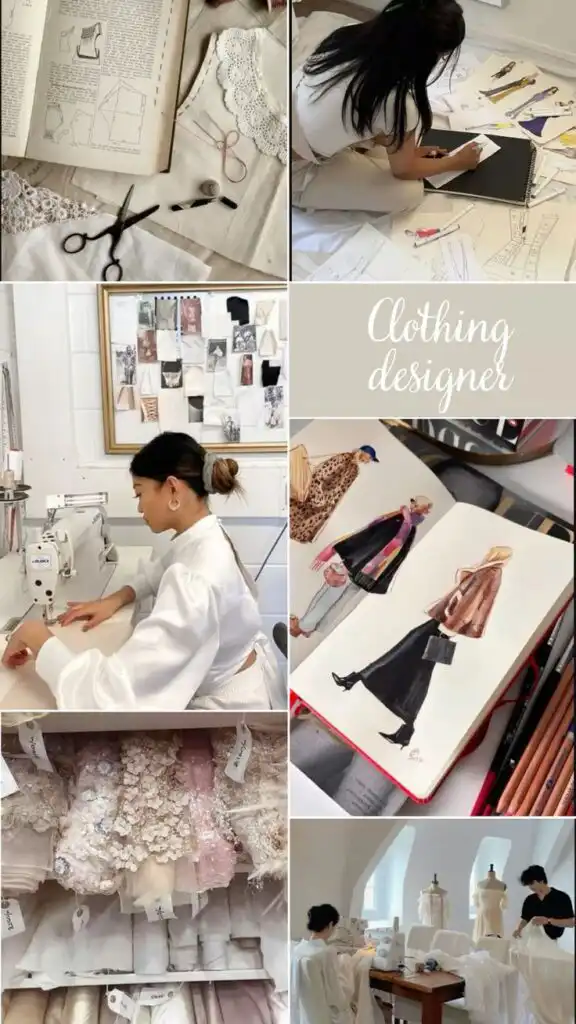
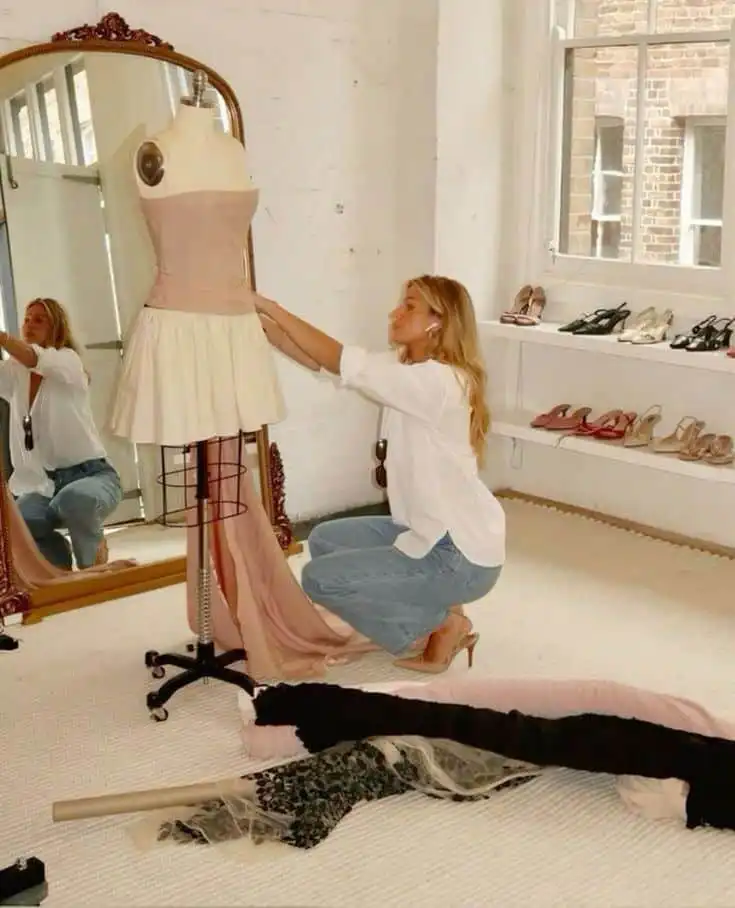
Conceptual Or Commercial?
As Audaces explains, a fashion collection usually fits into one of two broad buckets (Audaces):
Conceptual collection
Strong artistic vision.
Great for runway, editorials, buzz.
Less focused on sales volume.
Commercial collection
Designed to sell, mix and match, be worn daily.
Think clean silhouettes, repeatable shapes, easy sizes.
If this is your first line and you want a real business, we recommend leaning commercial with a clear creative twist.
How Many Pieces Do You Need?
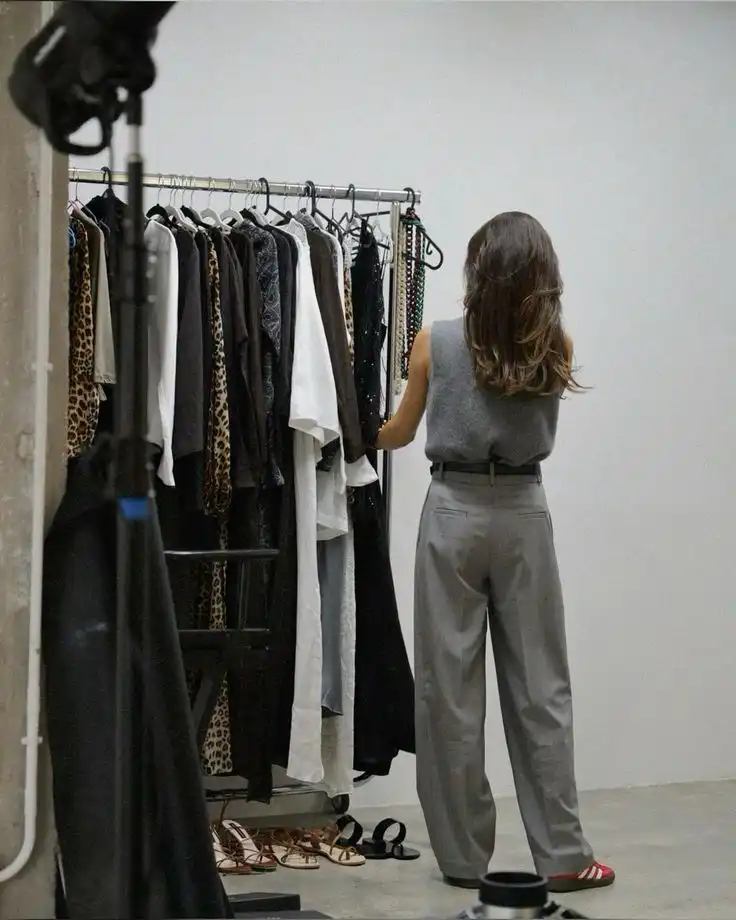
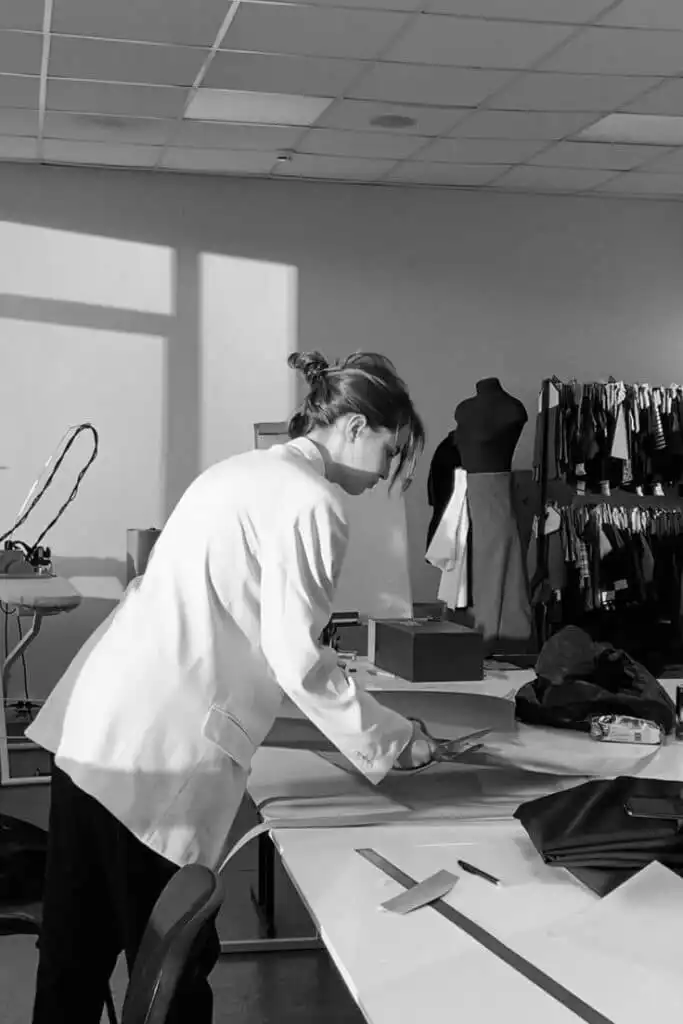
Audaces notes a typical collection has at least 12 pieces or looks, but that can flex based on season, budget, and brand strategy. Capsule collections can be as small as 8 pieces, while bigger brands can drop dozens (Audaces).
If we are starting lean, a good starter range:
- 8 to 12 pieces total
- 2 to 3 “hero” pieces that are your standouts
- A core of mix and match basics that share fabrics or colors
Think full outfits: tops, bottoms, outer layer, maybe one statement item.
Research The Market And Trends
Before we sketch anything, we look outside our own head.
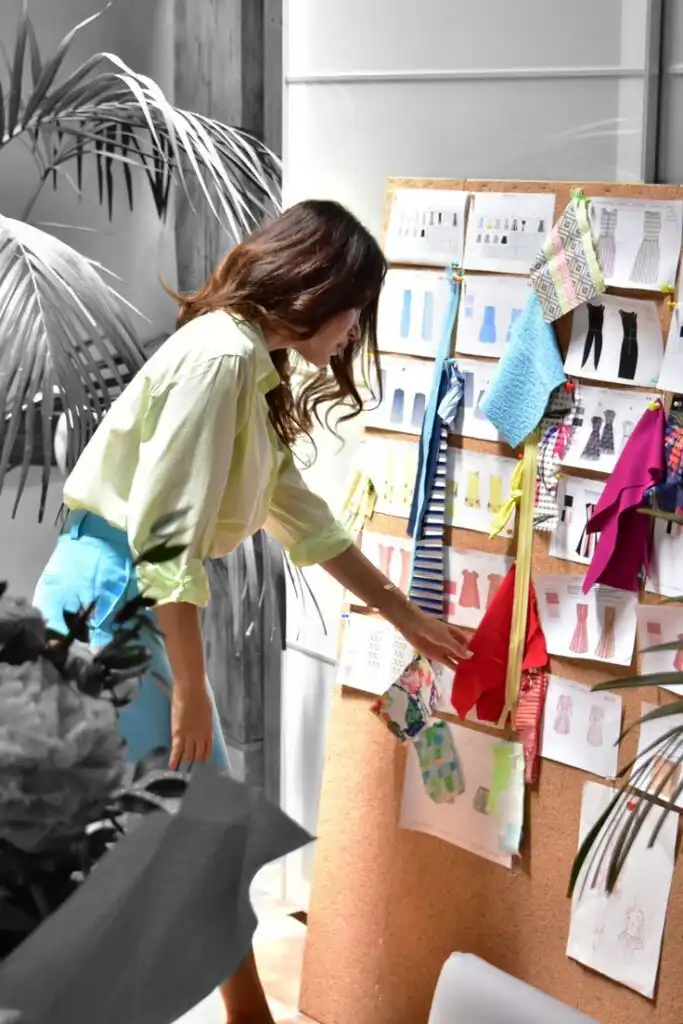
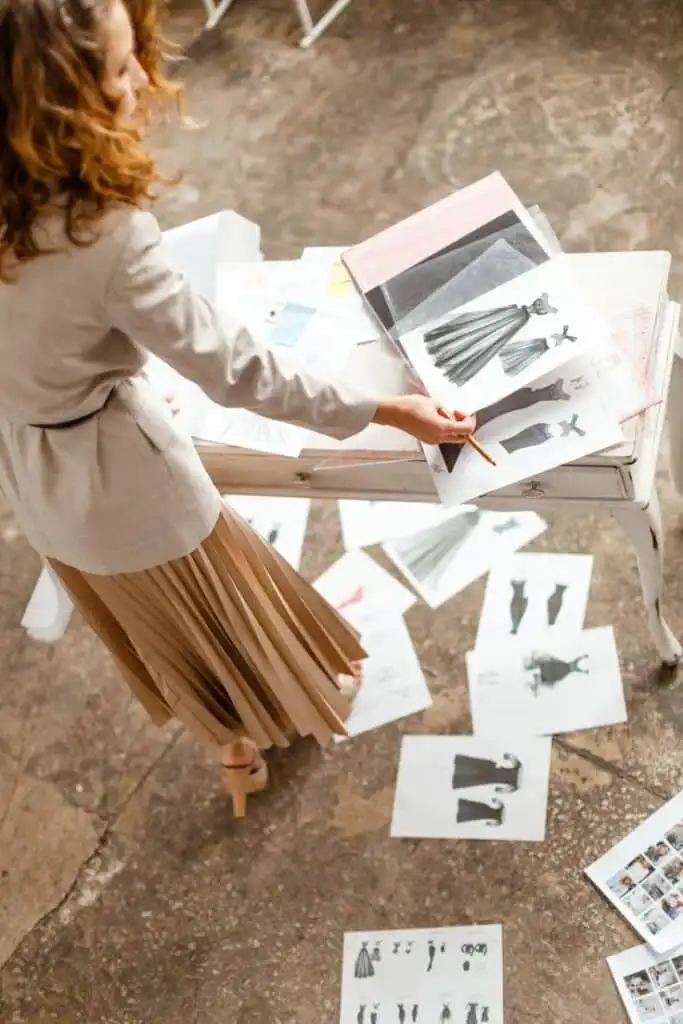
Study Your Competitive Space
We can:
- Make a list of 5 to 10 brands your customer already buys
- Note their prices, fabrics, color palettes, and product types
- Pay attention to what sells out or gets high engagement
This is not to copy. It is so we understand the lane we are competing in.
Track Trends Responsibly
Professional designers always analyze current trends in:
- Fabrics
- Colors
- Accessories
Because those details influence both product characteristics and marketing messaging (Fashion and Illustration).
We can:
- Save screenshots from runway recaps and street style
- Scan Pinterest boards, trend reports, and big European fashion cities for influence (Audaces)
- Notice what keeps repeating: cargo pockets, earthy tones, sheer fabrics, etc.
Then we decide which trends fit our customer and our brand story. We do not need to chase everything.
Build Your Story And Mood Board
Now we turn research into a clear vibe we can design from.
Create A Collection Theme
Audaces stresses the importance of defining a theme and using storytelling to humanize the collection and build an emotional connection (Audaces).
We can shape our story around:
- Place: “Summer nights in New York”
- Time: “90s R&B videos”
- Mood: “Soft power for quiet leaders”
- Cause: “Clothes that respect the planet and the people who make them”
Write 1 to 2 paragraphs describing the world around your line:
Where is your customer going? What is the weather like? What are they doing? Who is with them?
This story will guide design, copywriting, photos, even music at your launch.
Build A Mood Board
Fashion and Illustration lists mood boards as the crucial third step in designing a collection (Fashion and Illustration).
Include:
- Reference photos, film stills, art
- Fabric swatches or textures
- Color palette blocks
- Phrases or words from your story
- Details like zippers, buckles, stitching you love
This is not just pretty. It keeps your collection coordinated and consistent as you design.
Design Your First Collection
This is where we get specific about what we are actually making.
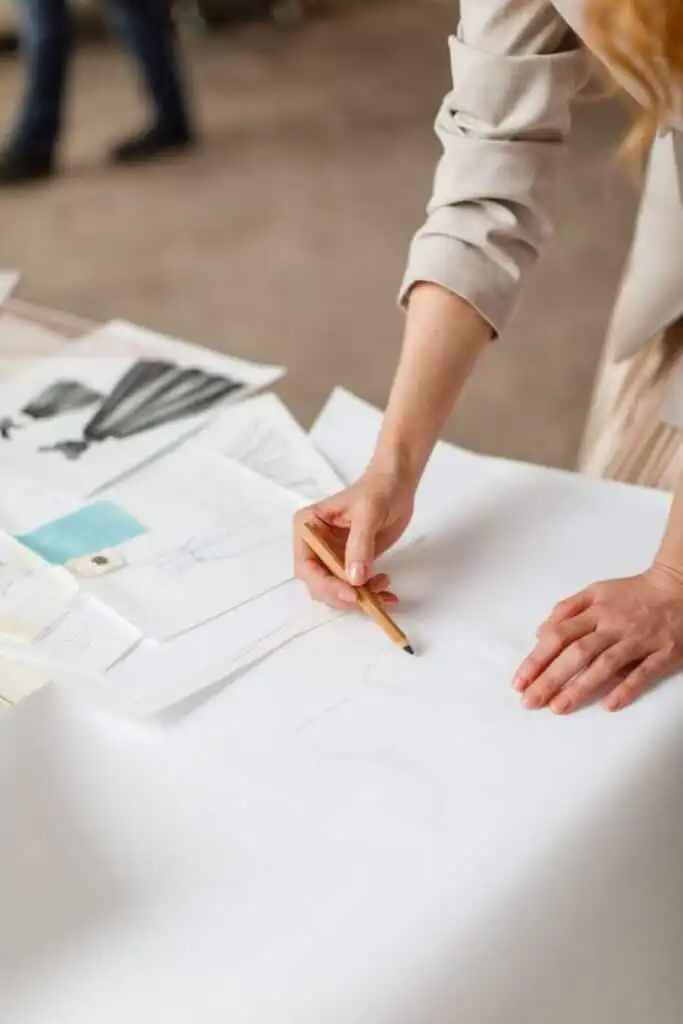
Sketch Your Ideas
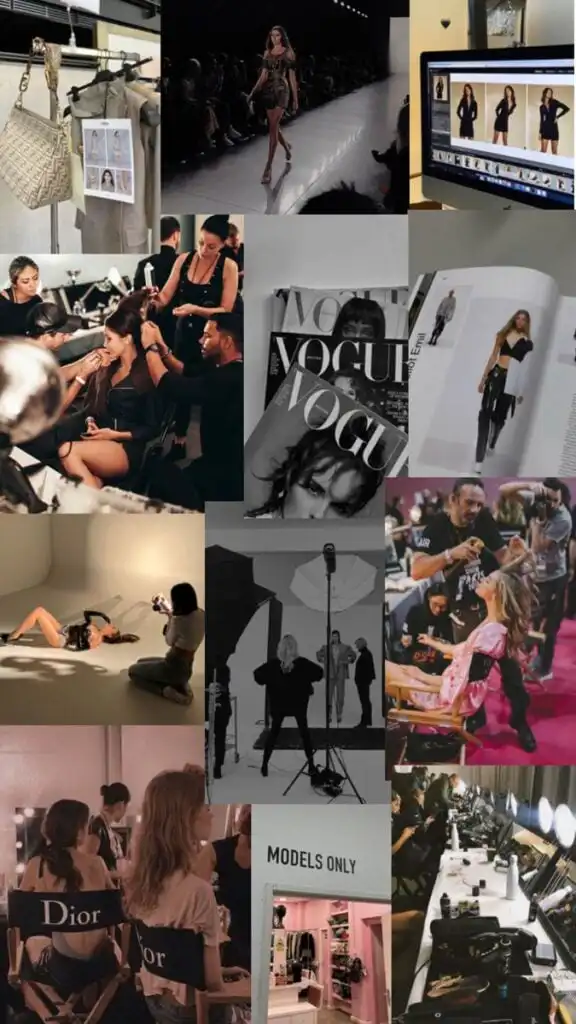
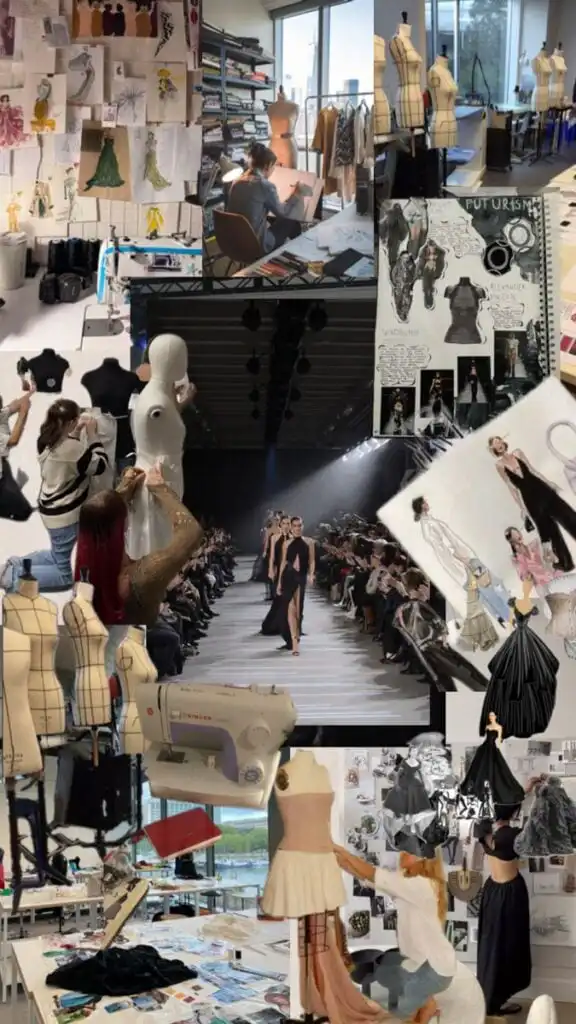
Using your mood board and theme, begin sketching:
- 20 to 30 rough looks first, do not overthink
- Then narrow down to your best 8 to 12
- Make sure pieces can work together and not just as one off looks
Audaces recommends creating sketches and sample garments as core steps in the collection process, before full production (Audaces).
Develop Technical Drawings
Fashion and Illustration highlights the fourth step: technical drawings that show silhouettes and garment details clearly (Fashion and Illustration).
These are flat drawings that show:
- Front and back views
- Seam lines
- Pockets and closures
- Stitch type and placement
We want these pieces to be:
- Versatile
- Compatible with each other
- Logical for production
You do not need to be a master illustrator. Clean, clear, and consistent is enough.
Create Tech Packs And Samples
Once the designs are chosen, we turn art into instructions.
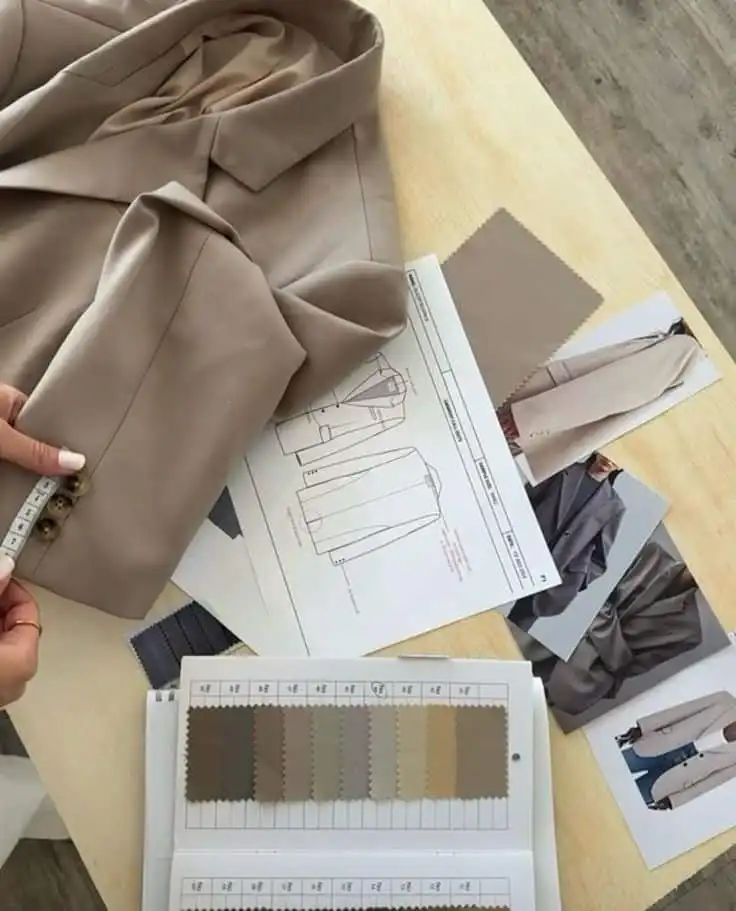
Build Technical Sheets (Tech Packs)
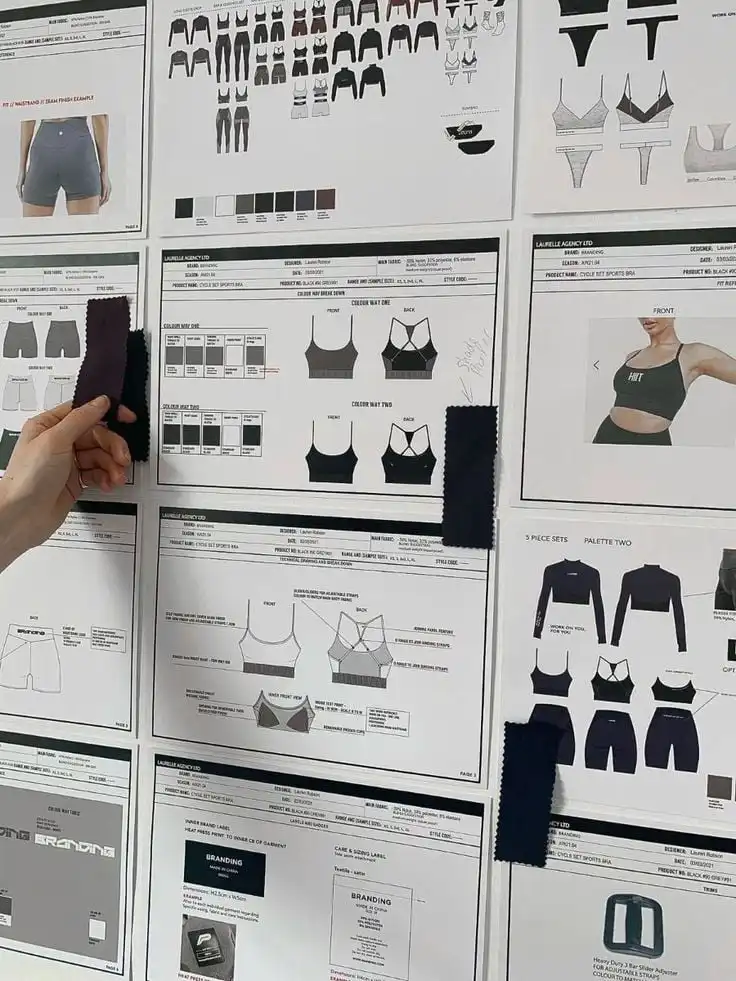
The seventh step in a professional collection is creating detailed technical sheets or tech packs. They document everything a factory needs, from measurements to stitching and construction, and they are tedious but critical (Fashion and Illustration).
A solid tech pack includes:
- Flat sketches
- Measurement specs in all sizes
- Fabric type, weight, and composition
- Trims, labels, and packaging details
- Stitching and seam details
- Colorways and size breaks
- Care label instructions
Without this level of detail, we are asking the factory to guess. That usually ends badly.
Order Samples And Get Feedback
Reddit founders strongly recommend always ordering samples before full production and providing highly detailed tech packs because of potential language gaps and misunderstandings (Reddit).
Our process:
- Order 1 or 2 samples per key style.
- Fit them on real people in your size range.
- Note issues: tight sleeves, see through fabric, crooked seams.
- Gather feedback from potential customers before committing to big quantities.
Adjust tech packs based on what you learn.
Find The Right Manufacturer
Now we figure out who is actually making your clothes.
Start With Your Production Method
As the Reddit guide suggests, the first decision is whether you are doing:
- Screen printing on blanks
- Cut and sew custom garments (Reddit)
This choice changes everything, from suppliers to cost to minimum order quantities.
If You Are Screen Printing
You can:
- Source blank garments from wholesale distributors to keep costs low
- Search for local screen printers on Google or Yelp
- Ask for print samples on your chosen blanks
This is the easiest way to test designs quickly.
If You Are Doing Cut And Sew
For low volume orders under 100 pieces, Reddit founders report:
- Manufacturers in Pakistan with MOQs of 30 to 50 pieces can be practical
- Manufacturers in China usually start to make sense around 100 pieces or more
- It is smart to have multiple manufacturers compete on pricing and capabilities (Reddit)
Always:
- Order samples first
- Provide extremely detailed tech packs
- Maintain relationships with 3 to 5 manufacturers so you are not stuck if one drops out (Reddit)
Use Platforms Like Maker’s Row
Maker’s Row gives brands an easy way to connect with vetted U.S. factories. You can:
- Create a project that explains your vision, specs, and needs
- Browse a network of factories and filter by location or capability
- Message factories directly, ask questions, and collaborate on development
- Choose from free and paid plans as you scale production (Maker’s Row)
It also offers educational guides and webinars so you can learn how to work with factories confidently (Maker’s Row).
Protect Your Money
If you are working with overseas suppliers, Reddit founders recommend:
- Using Alibaba Trade Assurance or PayPal as a service, not as a gift
- Negotiating contract terms that include discounts if delivery dates are missed
- Keeping multiple suppliers active to reduce risk and maintain good pricing (Reddit)
Plan Pricing, Costs, And Profit
Designing is fun. Math is where brands live or die.


Know Your Main Costs
From Shopify’s breakdown, a basic clothing line budget usually includes (Shopify):
- Fabrics and trims
- Patterns and samples
- Production runs
- Equipment if you produce in house
- Shipping and customs
- Packaging and labels
- Marketing and website costs
We want to track all of this in a simple spreadsheet.
The Fashion Business Coach stresses that math and Excel skills are essential to handle measurements, stock, invoicing, sales data, and forecasting in a fashion business (The Fashion Business Coach).
Set Your Prices Strategically
We can start with:
- Cost of goods (COGS)
- Production + labels + packaging + inbound shipping per unit
- Wholesale price
- Typically 2 times COGS or whatever margin keeps you profitable
- Retail price
- Often 2 times wholesale or 4 times COGS, but adjust based on market and brand position
Check where your pricing sits versus your competitors who target the same customer and quality level, then refine.
Choose How You Will Sell
There is no single correct way to sell your fashion line. The right channel depends on your goals, product type, and customer, as Fashion Brain Academy points out (Fashion Brain Academy).
Online Storefronts
Selling through your own site on platforms like Shopify or through marketplaces like Etsy is popular, but there is a catch: simply having a site is not enough.
You must invest in marketing to drive traffic and convert visitors into customers (Fashion Brain Academy).
Pros:
- Full control over branding and customer data
- Scalable once traffic is steady
Cons:
- You must learn or pay for marketing: ads, content, email, etc.
Wholesale To Boutiques
You can sell to:
- Independent boutiques
- Gift shops
- Museum stores
This path helps you build strong buyer relationships and get honest feedback, which is very valuable in the early stages. Selling to big department stores is not recommended for new brands because of complexity and heavy competition (Fashion Brain Academy).
Trunk Shows And Pop Ups
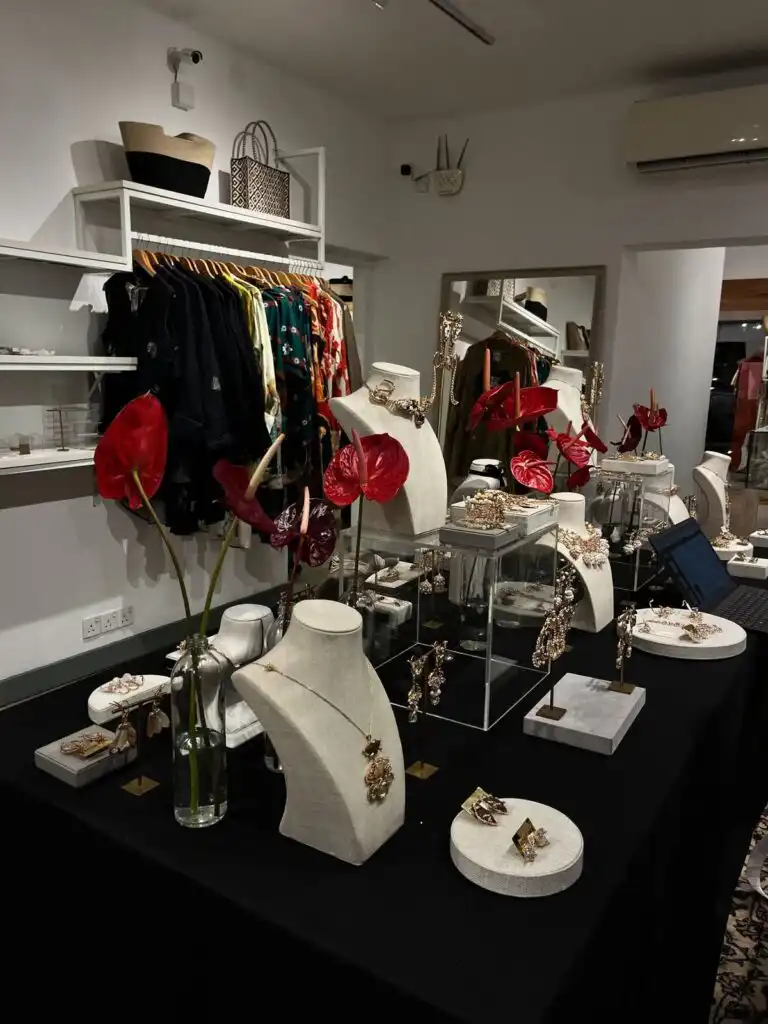
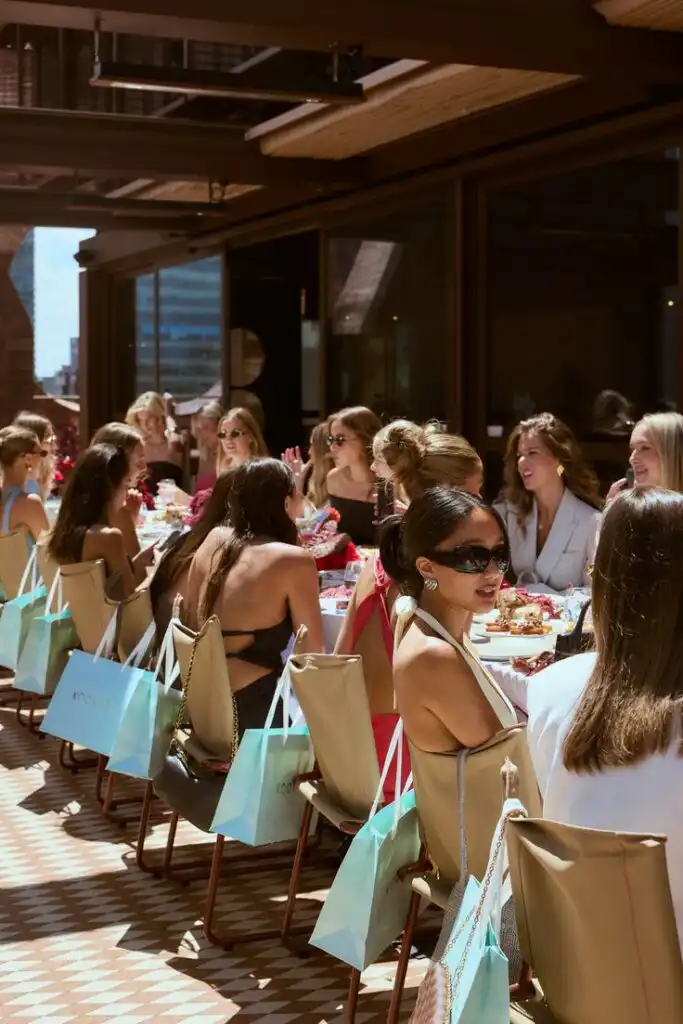
Hosting trunk shows or pop ups inside boutiques or shared spaces:
- Gives you direct access to customers
- Lets boutiques test your line without big upfront orders
- Offers live feedback on fit, price, and style (Fashion Brain Academy)
This is an excellent way to validate designs before going big.
Alternative Channels
Depending on your lane, you can explore:
- Private label: making product under another brand’s name
- Mobile boutiques or fashion trucks
- Subscription boxes
- Pushcarts or kiosks
These are not for everyone, but they can unlock unique opportunities (Fashion Brain Academy).
Get Your Brand Ready To Launch
While production is happening, we set up our front facing world.
Brand Identity And Content
Shopify emphasizes building a strong brand through your mission, story, and visuals, plus consistent social media that builds a lifestyle around your line (Shopify).
We want to:
- Choose a logo and typefaces
- Define a core color palette
- Nail your tone of voice in captions and emails
- Plan a launch photo shoot
The Fashion Business Coach underlines that founders must handle copywriting and photography early on, creating original and licensed safe assets for social media and product pages (The Fashion Business Coach).
Prep Your Product Pages
Great fashion product pages need:
- Clear fit details and measurements
- Multiple photos including lifestyle and close ups
- A story driven description that ties back to your theme
- Care instructions and fabric content
This is where your copywriting skill becomes a real sales driver (The Fashion Business Coach).
Launch, Learn, And Improve
When your pieces finally land, the game is not over. It is just starting.
Launch Smart, Not Perfect
Instead of waiting for everything to be flawless, we can:
- Launch with a clear date and a simple campaign
- Use pre orders or limited drops to manage inventory risk
- Combine online sales with a pop up or small event if possible
A good business strategy plus consistent learning will reduce mistakes and speed up success over time (The Fashion Business Coach).
Track What Matters
Use your Excel or analytics skills to monitor:
- Which styles sell fastest
- Sizes that sell out first or never move
- Customer feedback about quality, fit, and price
Then we:
- Double down on our winners
- Fix recurring problems in the next production run
- Adjust our story and marketing based on real reactions
Fashion is iterative. Each collection is a test and a lesson.
FAQs About Creating A Fashion Line
1. How Much Money Do We Need To Start A Fashion Line?
It depends on your model. A simple screen printed line using wholesale blanks and a local printer can start with a relatively small budget, while a full cut and sew line with custom patterns, multiple fabrics, and overseas production will cost significantly more. Shopify suggests mapping out all costs such as fabrics, samples, production, shipping, and marketing in a basic business plan so you know your real number before you spend (Shopify).
2. Do We Need To Sew Or Pattern Make Ourselves?
No. You can absolutely build a successful line without personally sewing or drafting patterns. What you do need is the ability to communicate clearly with pattern makers, factories, and other partners using tech packs and reference samples. However, some understanding of construction helps you design better and spot quality issues early, which is why many designers learn basic sewing and pattern skills even if they never produce at scale on their own.
3. How Many Pieces Should Be In Our First Collection?
Most professionals agree that a typical fashion collection starts around 12 pieces or looks, with capsule collections going as low as 8 (Audaces). For a first line, 8 to 12 well thought out, mix and match pieces is usually enough. Focus on coherence and quality, not volume.
4. How Do We Find Good Manufacturers And Avoid Getting Scammed?
We can:
- Decide whether we are doing screen printing or cut and sew first
- Use platforms like Maker’s Row to find vetted factories with specific capabilities (Maker’s Row)
- Follow the Reddit community’s advice to always order samples, use detailed tech packs, and protect payments with platforms like Trade Assurance or PayPal as a service, not gift (Reddit)
- Keep 3 to 5 manufacturer relationships active so we have options
Due diligence and small test runs are your best protection.
5. Do We Need A Full Business Plan Before We Start?
Not a 40 page document, but we do need a clear strategy. Shopify and The Fashion Business Coach both highlight that basic business planning, like choosing a model, legal structure, costs, sales channels, and marketing approach, will dramatically reduce mistakes and speed up your path to success (Shopify, The Fashion Business Coach). We can start lean: a one or two page plan that we refine as we learn.
You now have a step by step breakdown of how to create a fashion line that is more than just a cool logo on a T shirt. If we treat this like a real business, stay close to our customer, and keep learning each round, the line will evolve from idea to something people are proud to wear.
- 143shares
- Facebook0
- Pinterest143
- Twitter0
- Reddit0