Fashion designing for beginners can feel overwhelming, but with the right roadmap you’ll transform your creative spark into stunning garments. In this ultimate guide, you’ll learn how to select essential tools, build core skills, explore both hands-on and digital methods, and lay the groundwork for a thriving fashion career. Let’s kickstart your journey to becoming a confident, well-rounded designer.
Gather essential tools
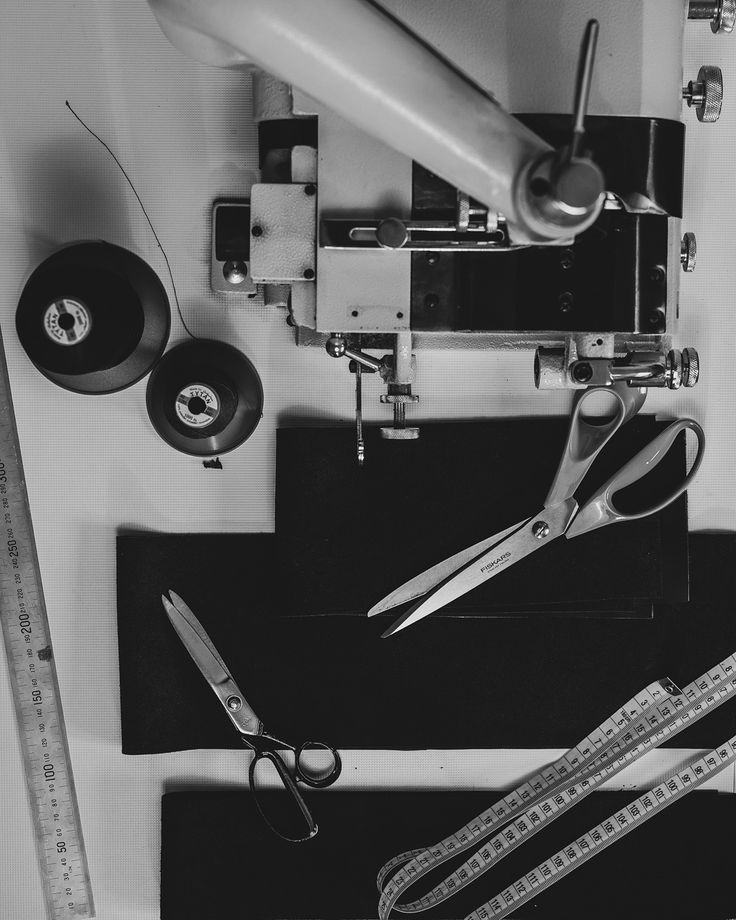
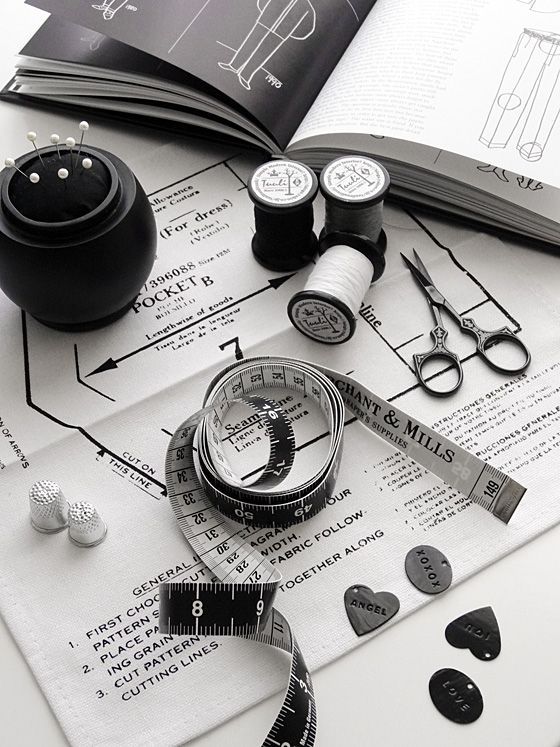
Before you start sketching or sewing, assemble a toolkit that supports every stage of design.
Cutting and drafting tools
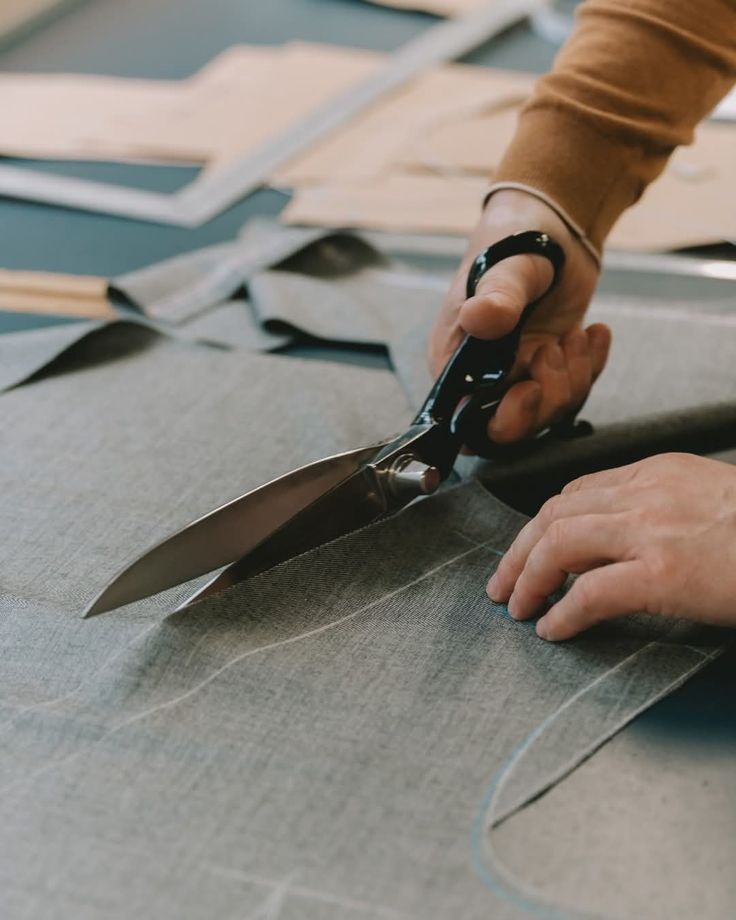
- Fabric shears for clean, precise cuts on textiles
- Lightweight scissors for paper patterns
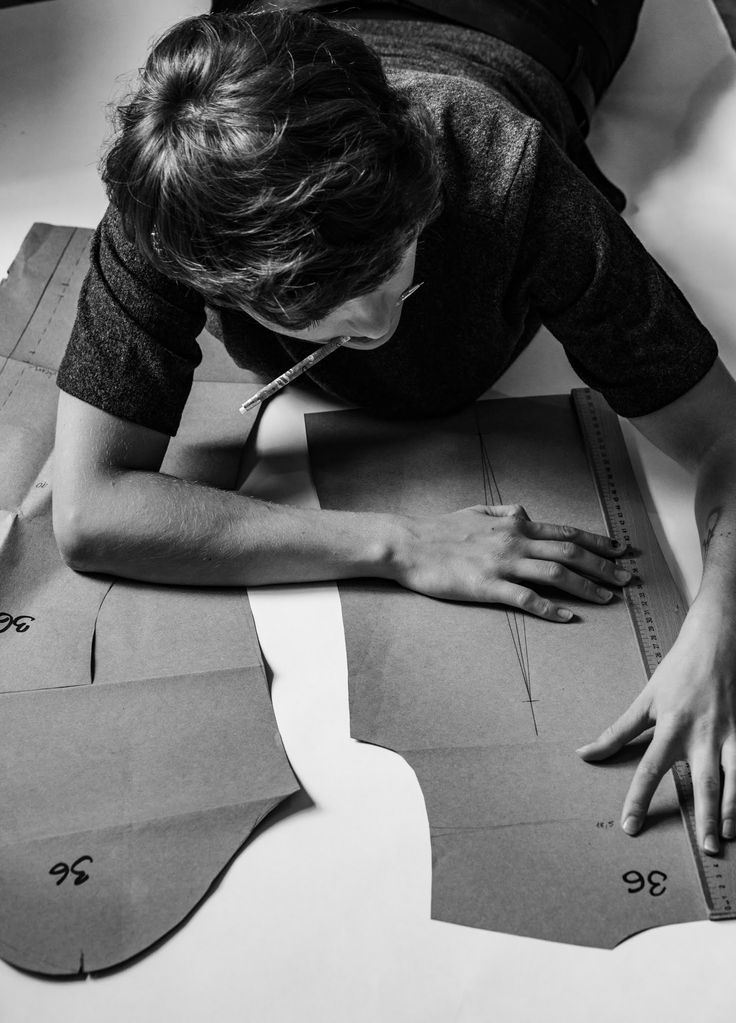
- Mechanical pencils with varying leads (2H, 4H) for crisp pattern lines [1]
- Fashion curves and set square graders to draw smooth necklines, armholes, and straight seam allowances [1]
Draping and fitting aids
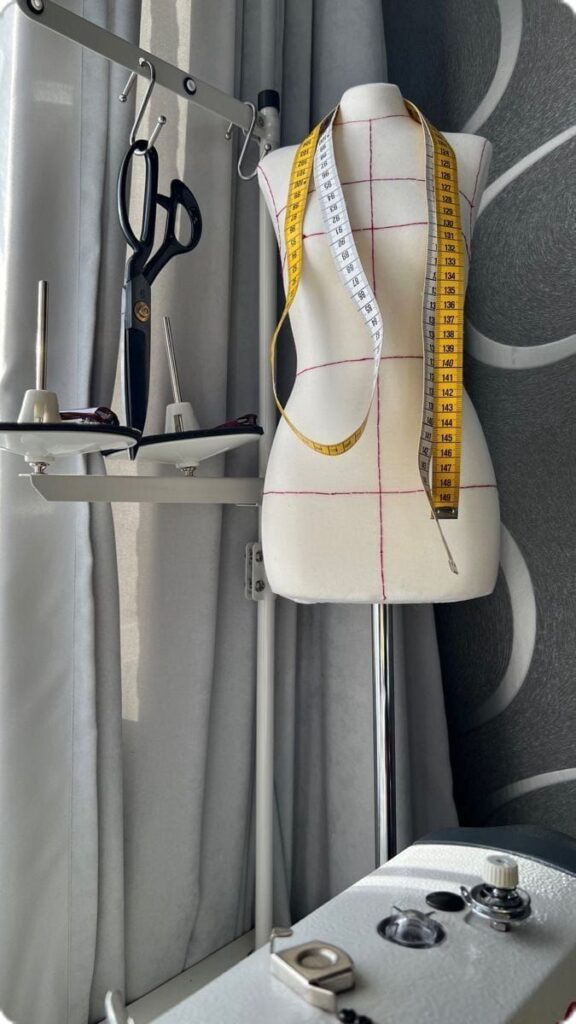
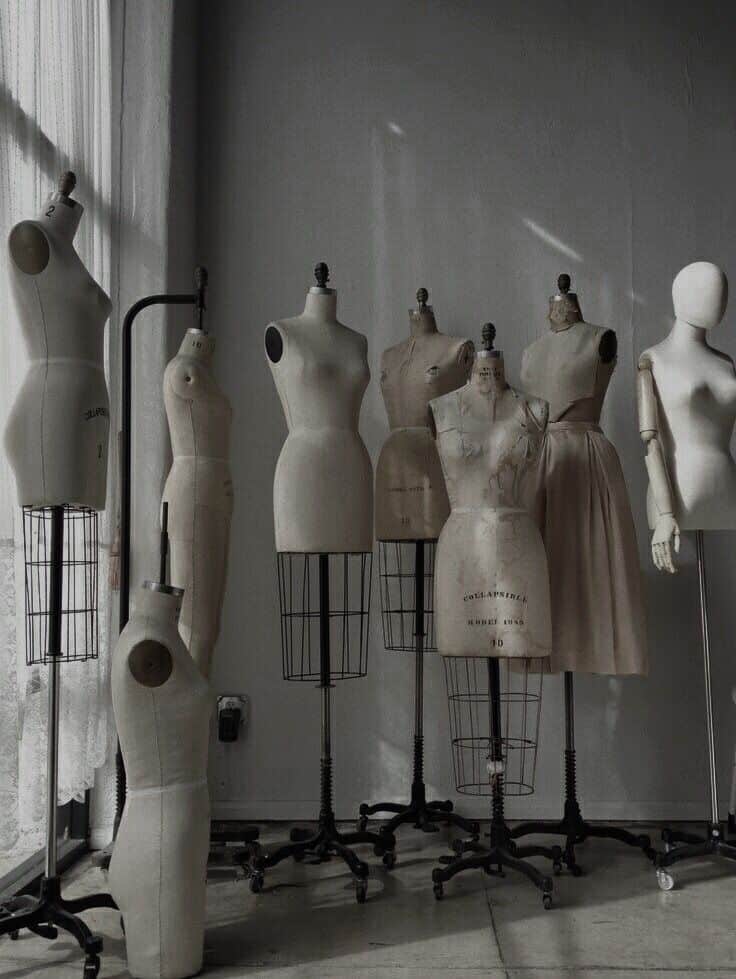
- A quality dress form or garment stand to test fit and drape in 3D, replacing awkward mirror adjustments [2]
- Pins, dressmaker’s chalk, and muslin fabric for mock-up prototypes
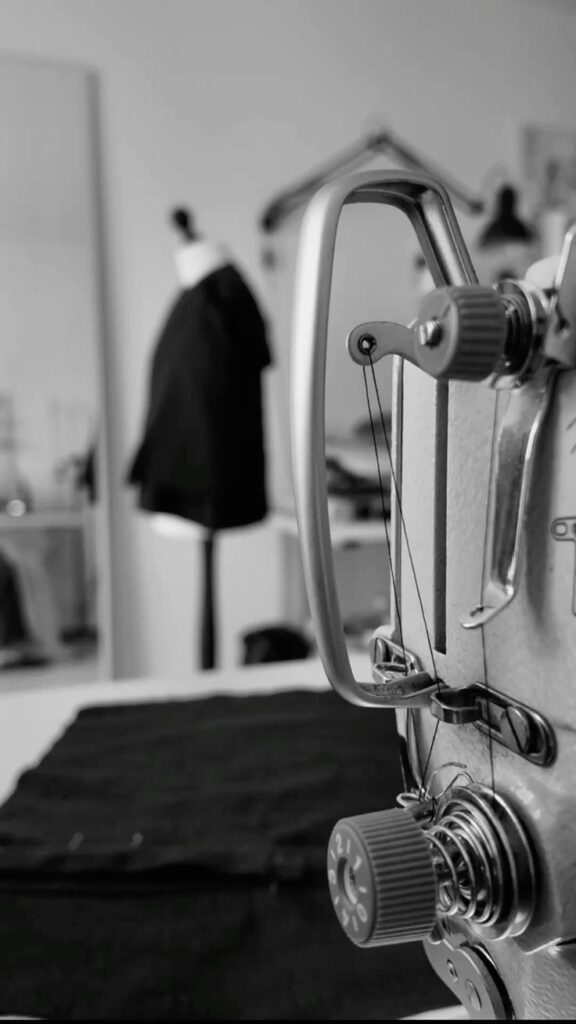
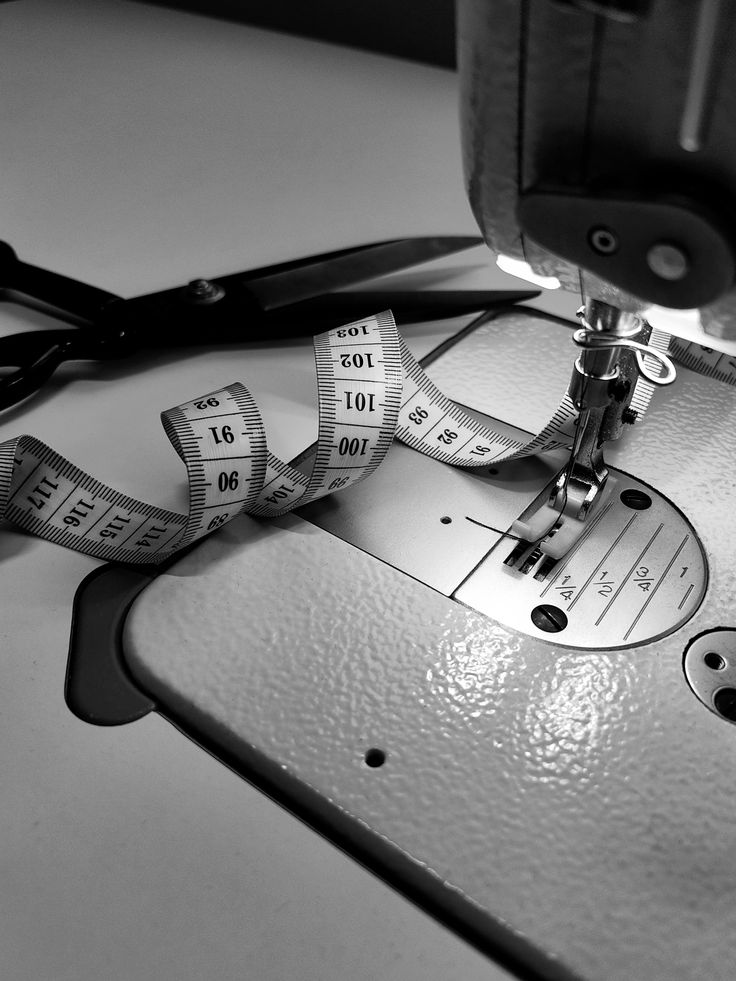
Sewing machines
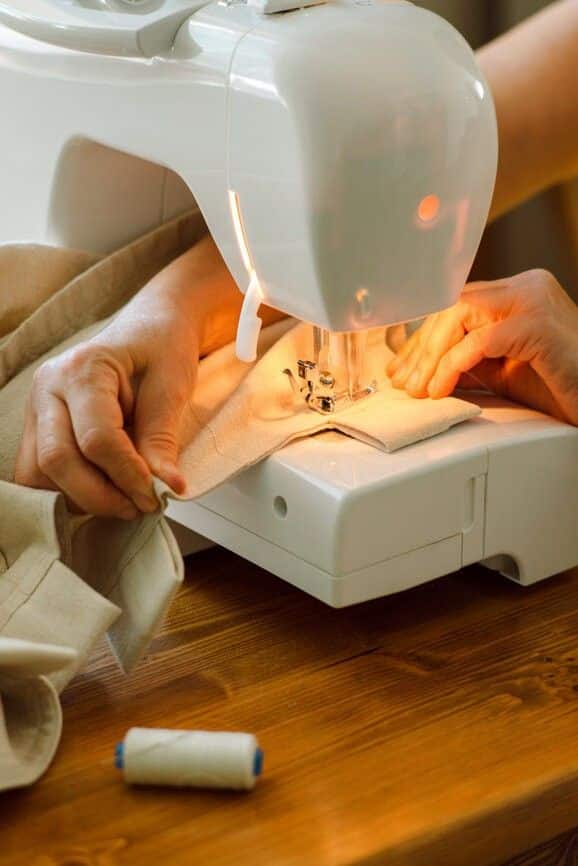
- A reliable domestic sewing machine for home projects
- Consider an industrial model if you plan on heavy fabrics or bulk work, testing machines in person to find your best match [1]
Build foundational skills
Solid basics free you to focus on creativity rather than technical hiccups.
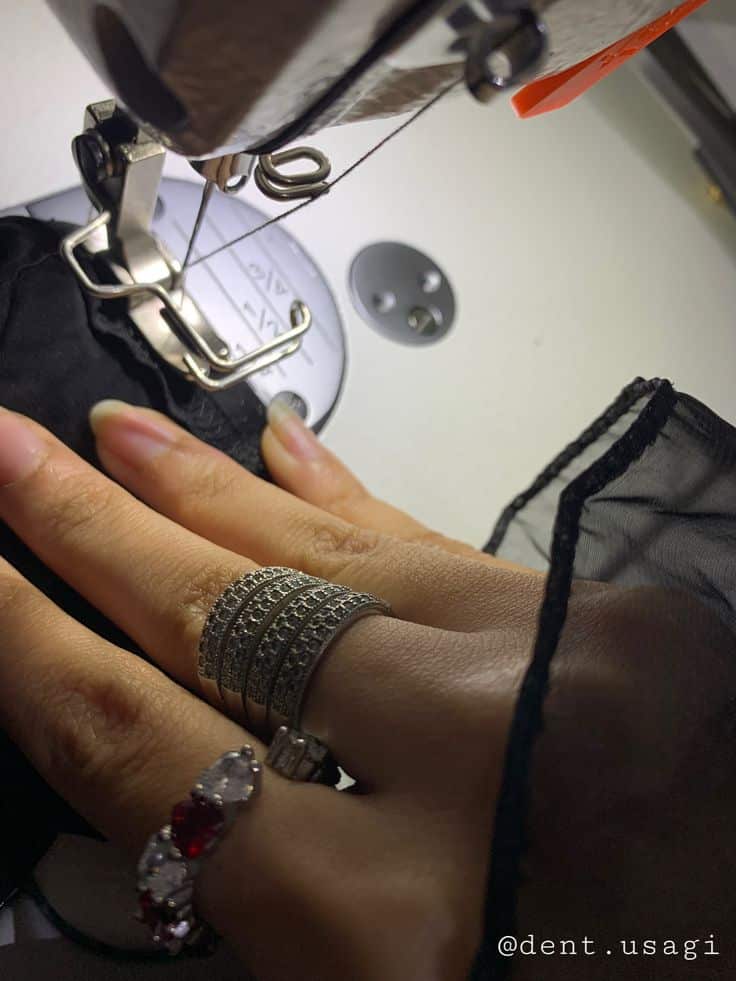
Hand sewing and seams
Practice stitches like the backstitch, slip stitch, and whipstitch to master seam strength and finish.
Try sewing sample seams—straight, curved, and reinforced—to gain muscle memory.
Fashion drawing basics
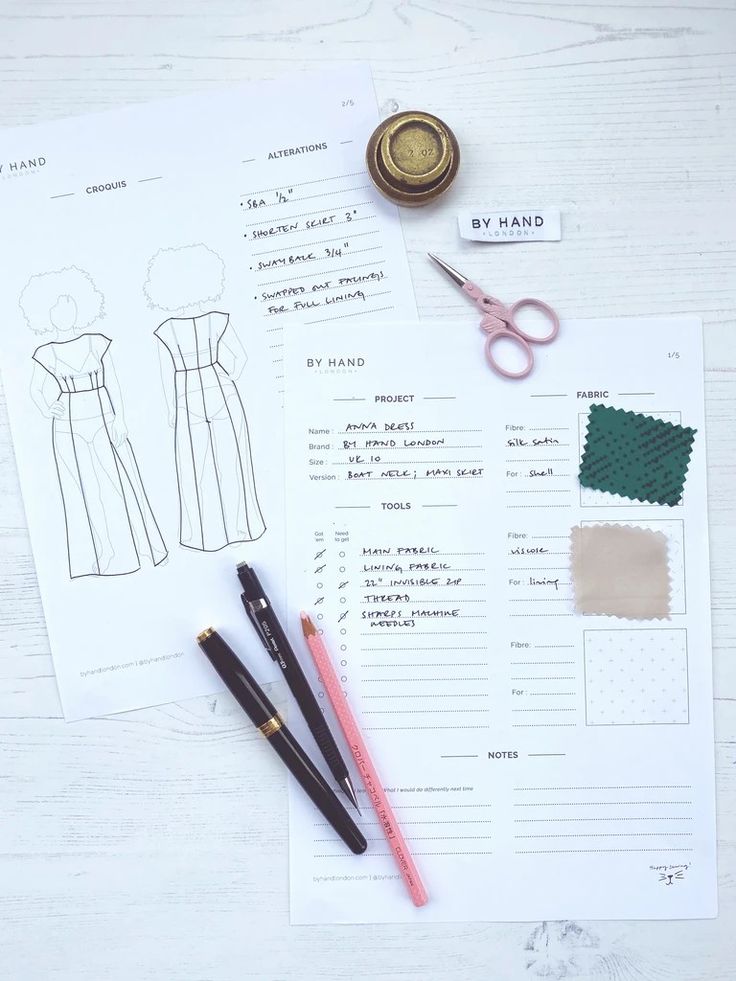
- Sketch simple croquis (fashion figures) in several poses to understand proportions
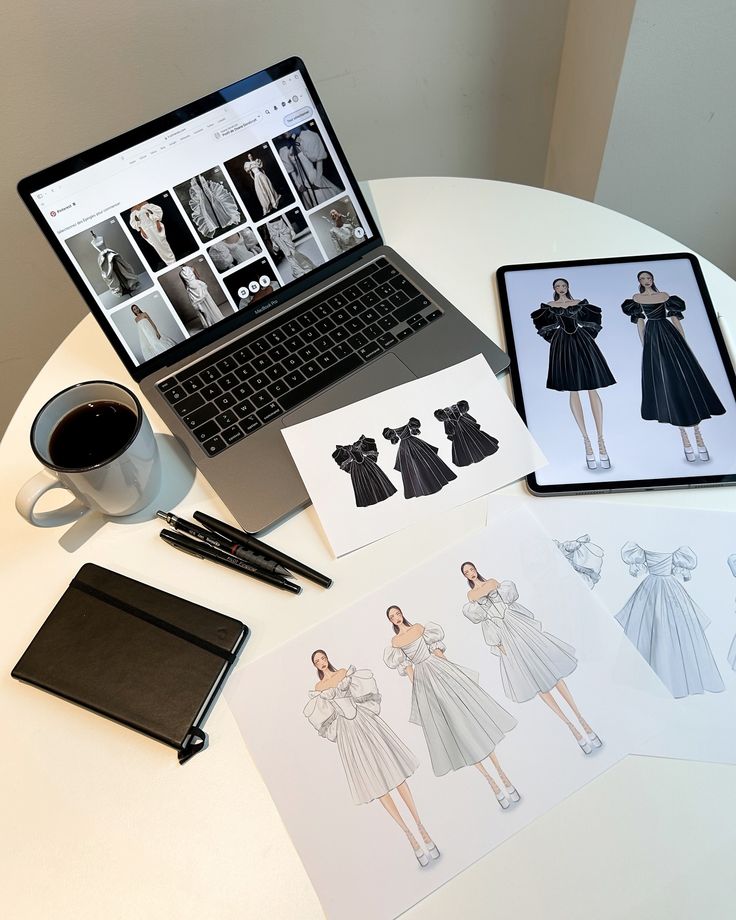
- Render design details in color and texture as you develop your unique sketching voice [2]
Practice pattern drafting
Accurate patterns are the blueprint for professional-looking garments.
Using block patterns
Start with basic slopers—bodice, skirt, pant, and sleeve—to learn how different pieces fit together.
Digital or customized block patterns can speed up adjustments and repeats [1].
Adjusting fit
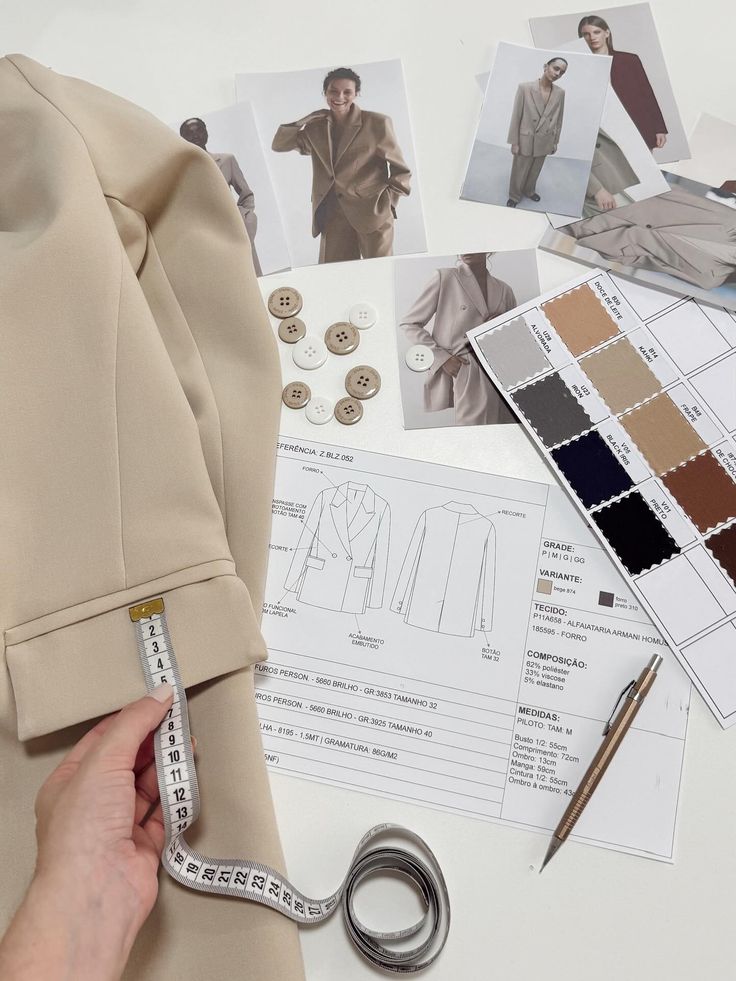
Always create a muslin mock-up before cutting your fashion fabric.
Neglecting pattern adjustments is a common beginner mistake that can affect fit and drape [3].
Master sewing basics
With your patterns dialed in, focus on crisp construction and finishing.
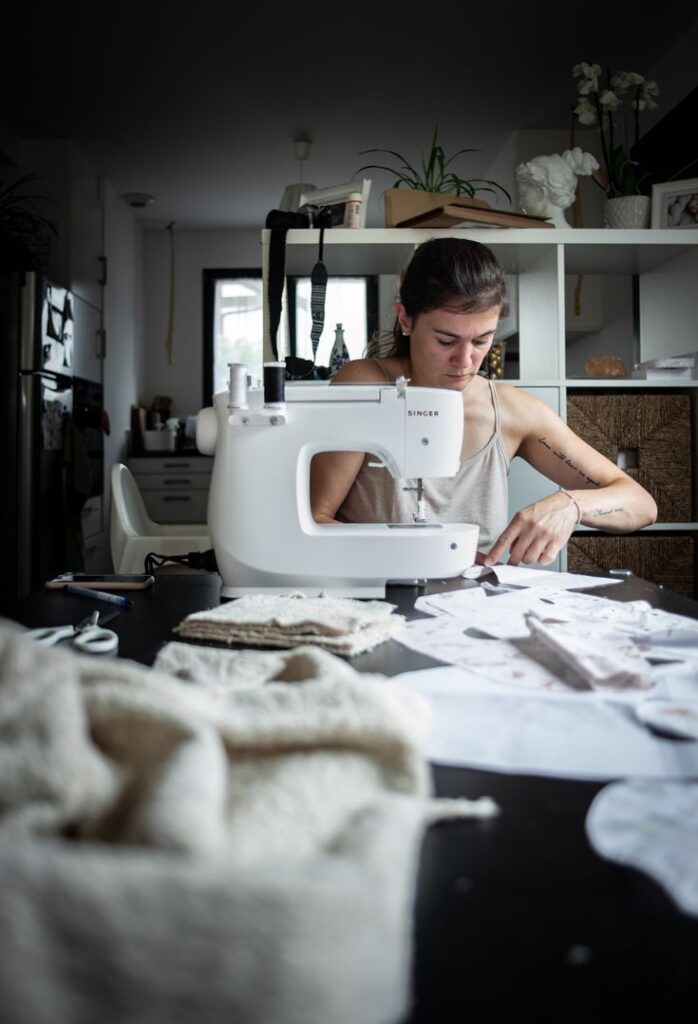
Machine sewing techniques
- Learn how to sew straight, zigzag, and overlock stitches
- Practice installing zippers, pockets, and various hems on scrap fabrics
Sample making
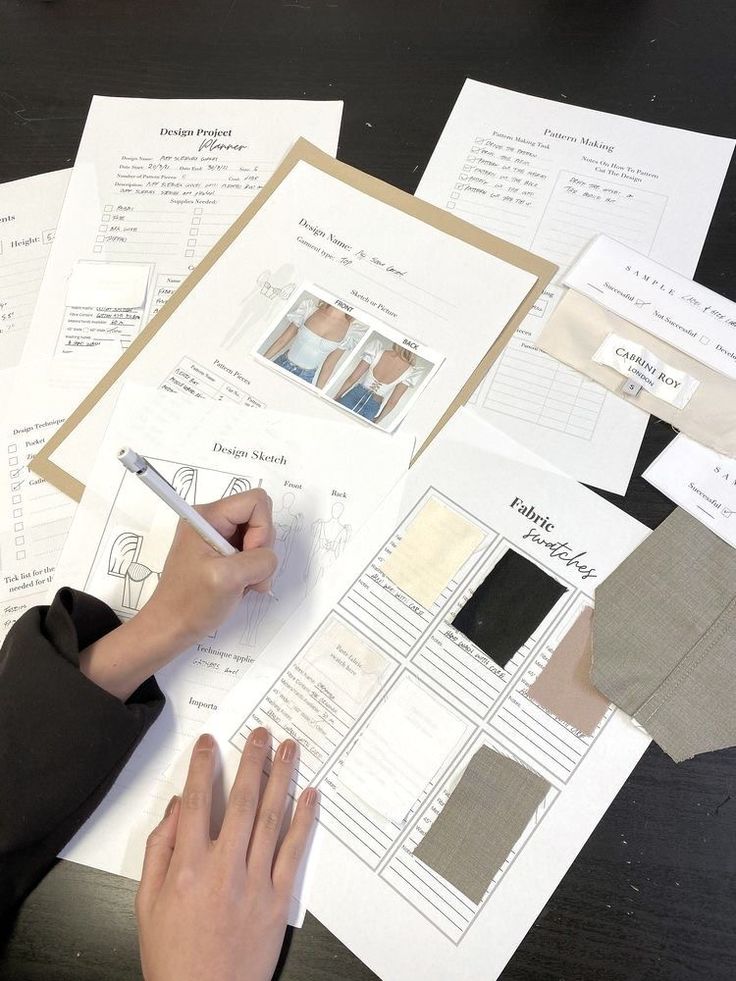
Create prototypes to test design details, fabric behavior, and comfort.
Treat each sample as a learning opportunity—note what works and what to tweak.
Embrace digital design
Familiarity with digital tools expands your design capabilities and streamlines workflows.


CAD and illustration
Software like Adobe Illustrator and Photoshop lets you create polished flats and technical specs, a skill often covered in online programs [4].
Online learning platforms
Discover guided tutorials and video lessons at your own pace. Explore fashion design courses online for topics ranging from draping to business basics.
Explore formal programs
If you prefer in-class feedback and structured schedules, check out best fashion design colleges and compare fashion design degrees to find the right fit for your goals.
Gain practical experience
Real-world projects will sharpen your skills and build your reputation.
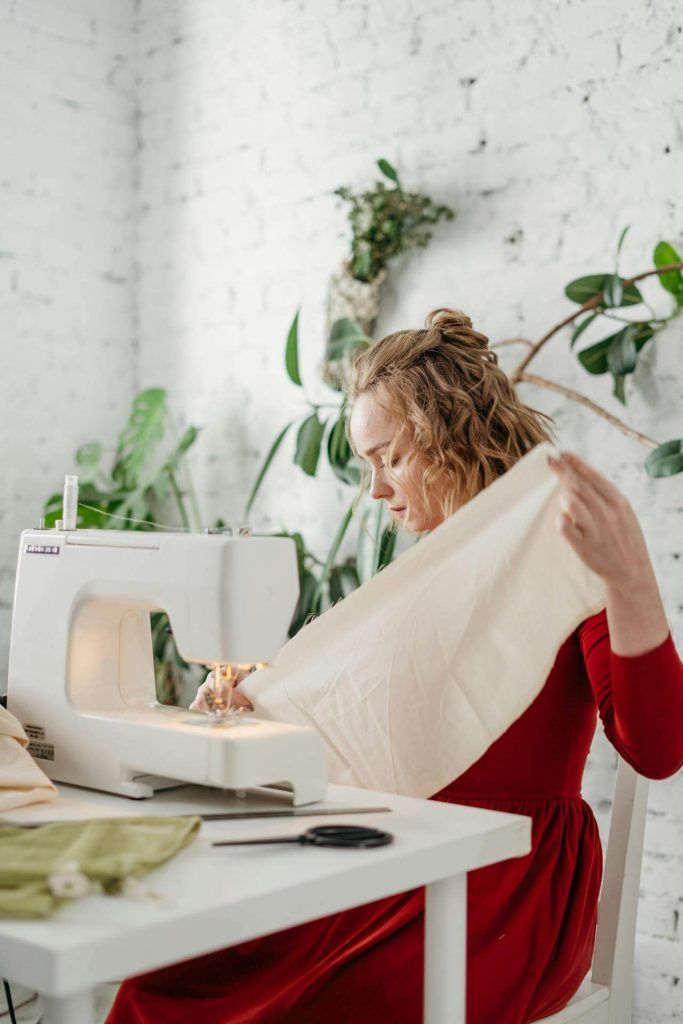
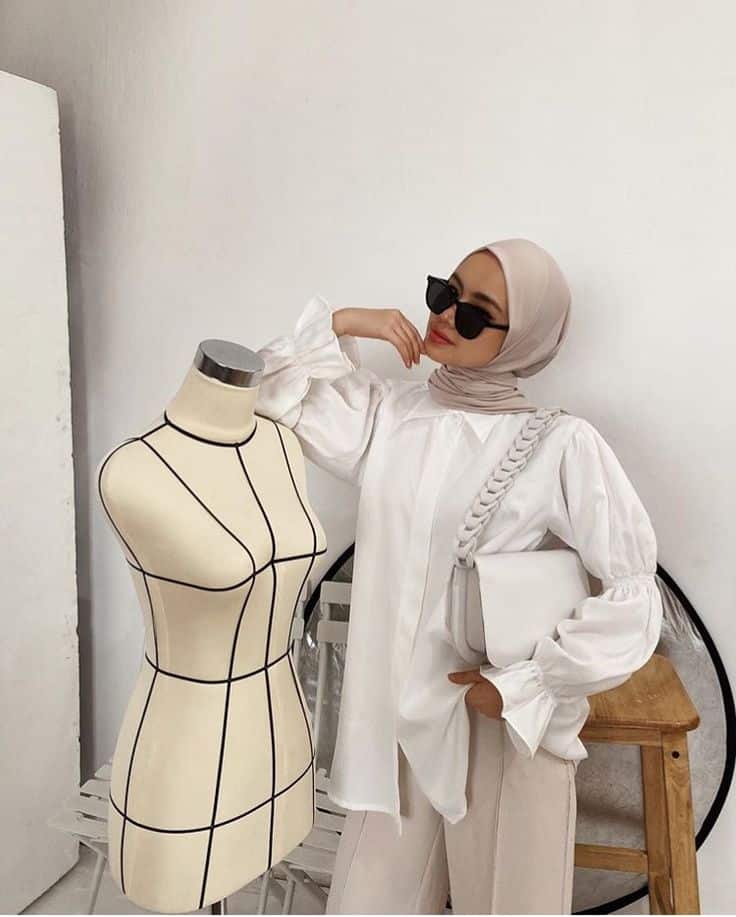
Internships and networking
Seek out fashion design internships to work alongside seasoned professionals, expand your contacts, and observe studio life firsthand.
Portfolio development
Compile your strongest sketches, samples, and finished pieces into a cohesive portfolio. Follow the steps to become a fashion designer as you refine your personal brand.
Develop business acumen
Beyond design, understanding the market and your finances ensures long-term success.
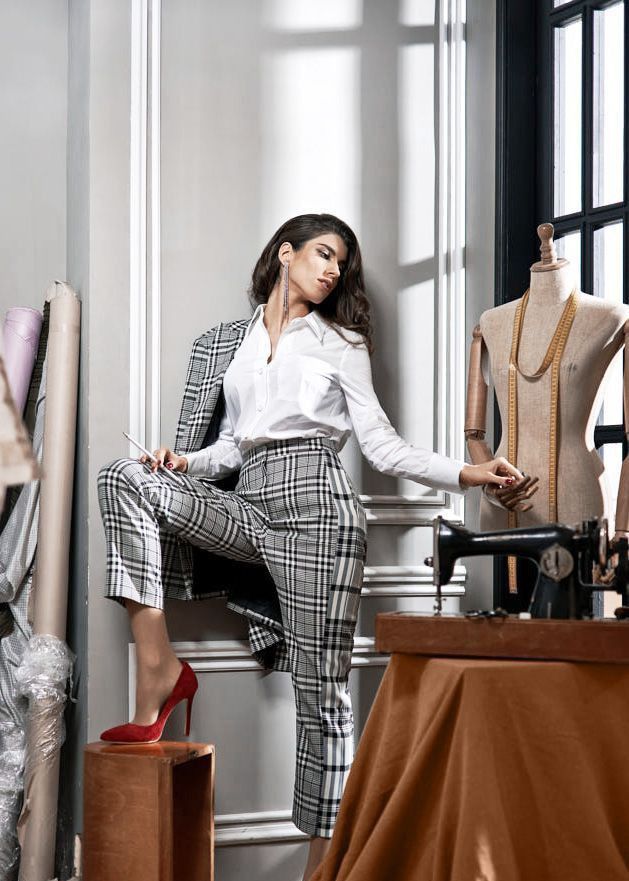
Branding and marketing
Define your brand identity—your voice, aesthetic, and target audience. Study the fashion designer job description and skills needed to be a fashion designer to align your offerings with industry expectations.
Neglecting branding can limit visibility in a crowded market [3].
Budgeting and pricing
Balance your creative vision with realistic budgets to avoid financial pitfalls. Track material costs, labor time, and overhead to set profitable yet competitive prices.
Frequently asked questions
1. What tools do I need to start fashion designing?
You’ll want fabric shears, pattern-making rulers, mechanical pencils, a dress form, and a reliable sewing machine. These basics cover cutting, drafting, draping, and construction.
2. Can I learn fashion design online?
Yes, platforms like University of Fashion and Coursera offer lessons in draping, pattern making, sewing, and business—ideal for self-paced study.
3. How important is a formal degree in fashion design?
A degree can provide structured training and industry connections, but many successful designers are self-taught. Consider your learning style and career goals when choosing between online courses and campus programs.
4. When should I start an internship?
Once you’ve built basic skills—pattern drafting, sewing, and illustration—pursue internships to gain studio experience, build your network, and test your classroom learning in a professional setting.
5. How do I price my first collection?
Calculate all costs (fabric, notions, labor, overhead) and research market rates for similar products. Add a profit margin that sustains your business while offering competitive prices.
References
- 422shares
- Facebook0
- Pinterest422
- Twitter0
- Reddit0