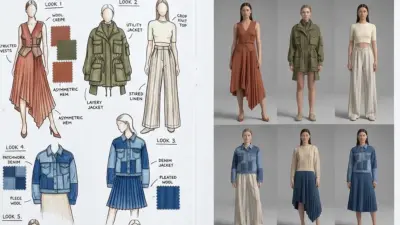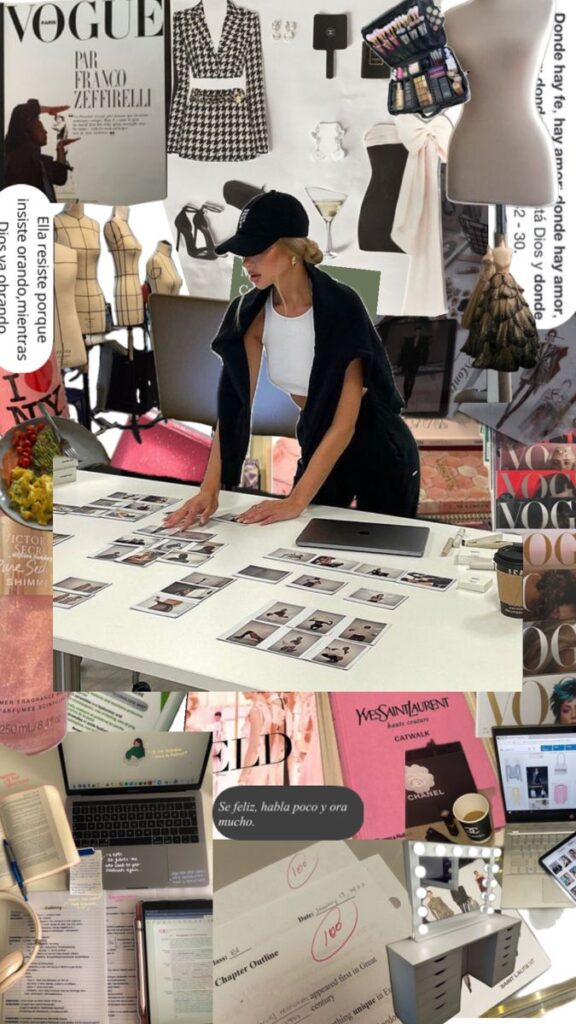
Understanding the fashion designer job description is essential for individuals aspiring to shape style trends and build sustainable careers in apparel design. This comprehensive guide breaks down the core responsibilities, daily workflow, education paths, required skills, compensation outlook, and growth strategies embedded in this role. By mastering each element of the fashion designer job description, professionals can position themselves for long-term success in a competitive industry.
Define Fashion Designer Role

Core Responsibilities
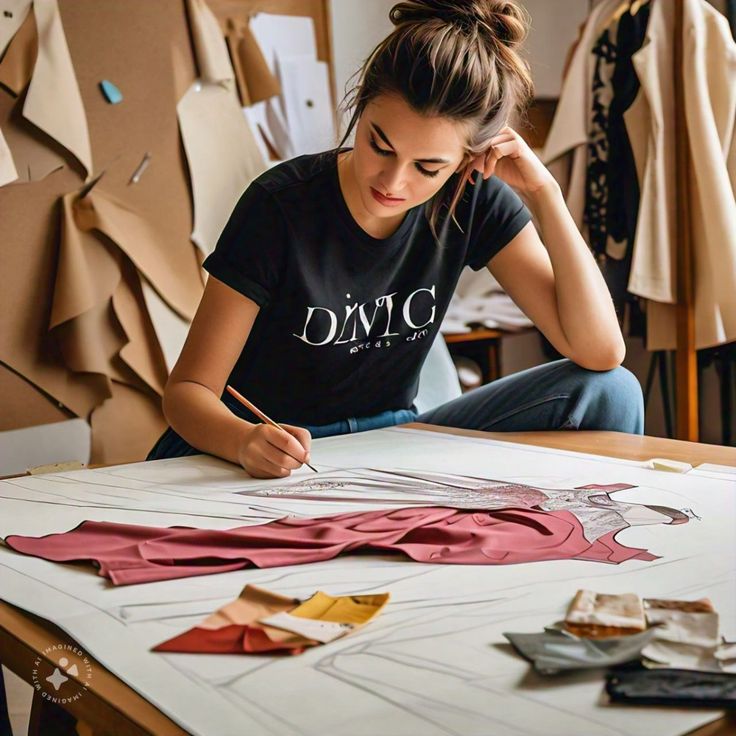
Fashion designers transform creative concepts into wearable products. Key duties include:
- Conducting market research to track trends and consumer preferences
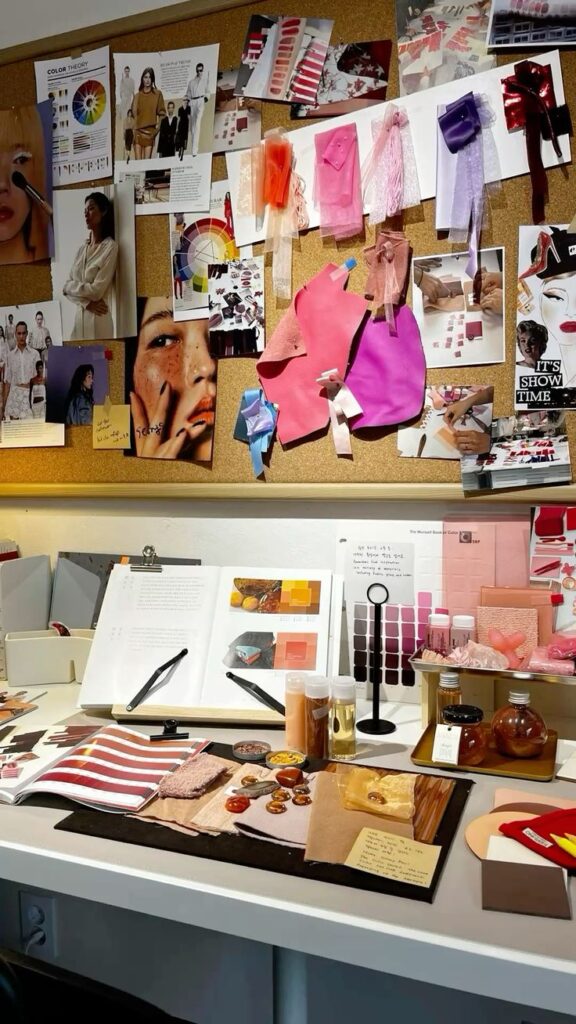
- Developing mood and style boards for client presentations
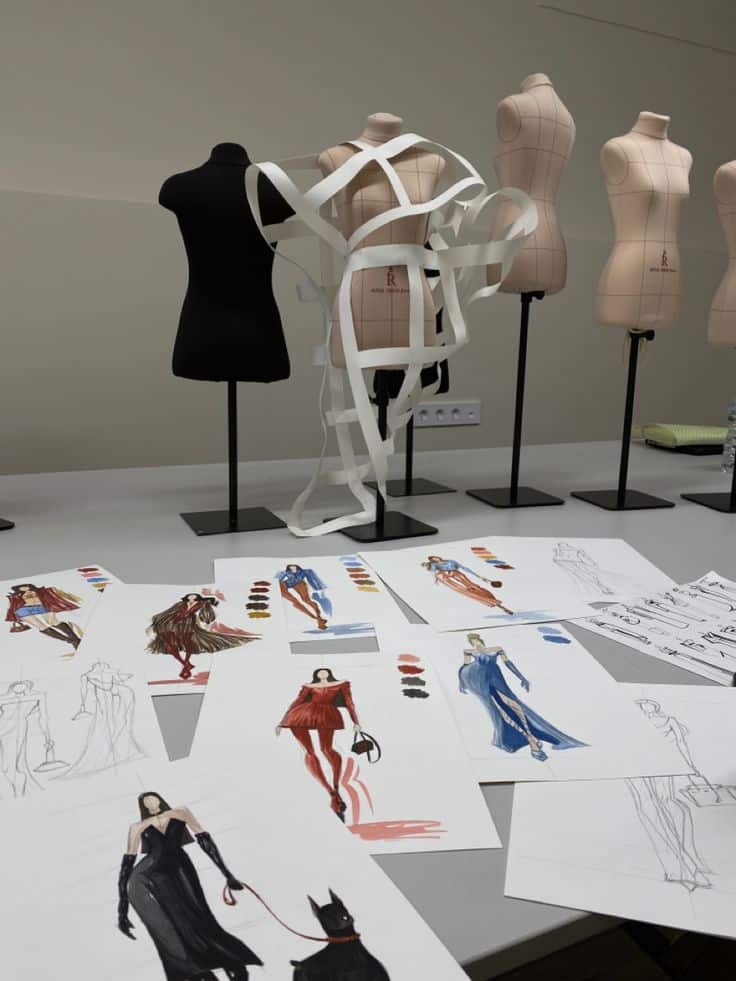
- Sketching garment ideas and refining them through team reviews
- Creating detailed tech packs with construction specs and material lists
- Overseeing sample development and coordinating garment fittings
- Communicating pattern adjustments and approvals to manufacturing partners
All of these tasks align with the workflow documented by KRSTN NDRSN in 2023 [1].
Work Environment
Most fashion designers are employed by wholesale or manufacturing establishments, apparel companies, retailers, and design firms, primarily in New York and California. Self-employed designers often produce custom or high-fashion collections under their own labels. According to the U.S. Bureau of Labor Statistics, this role demands collaboration across departments and occasional travel to factories and trade shows [2].
Explore Daily Workflow

Morning Routine
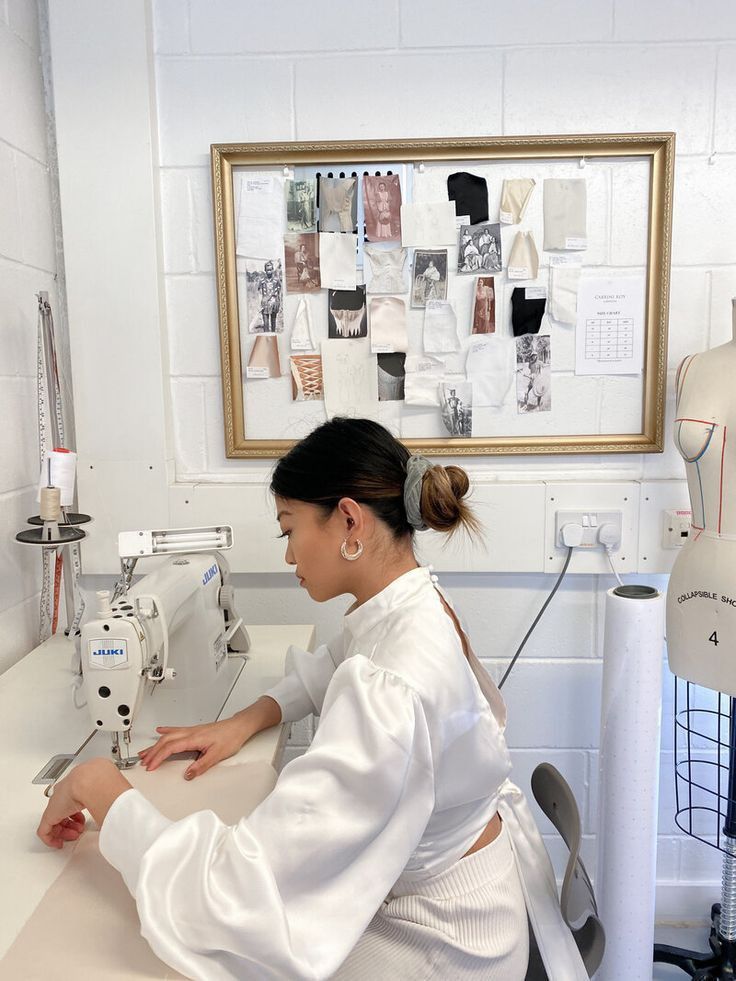
A designer’s day typically begins between 8:30 and 9:30 am, starting with email triage, prioritizing urgent tasks, and delegating responsibilities via Slack or ClickUp to keep projects on track. Daily standup meetings on Zoom foster accountability and help the team balance workloads [1].
Design Process
The creative cycle often spans several phases:
- Market Research & Inspiration
- Mood Board Development
- Initial Sketching
- Team Sketch Reviews
- Client Feedback & Approval
- Tech Pack Finalization
- Sample Production & Fitting
- Pattern Adjustment & Factory Communication
Each stage requires clear documentation and collaboration, ensuring designs move seamlessly from concept to production.
Examine Education Requirements

Degree Qualifications
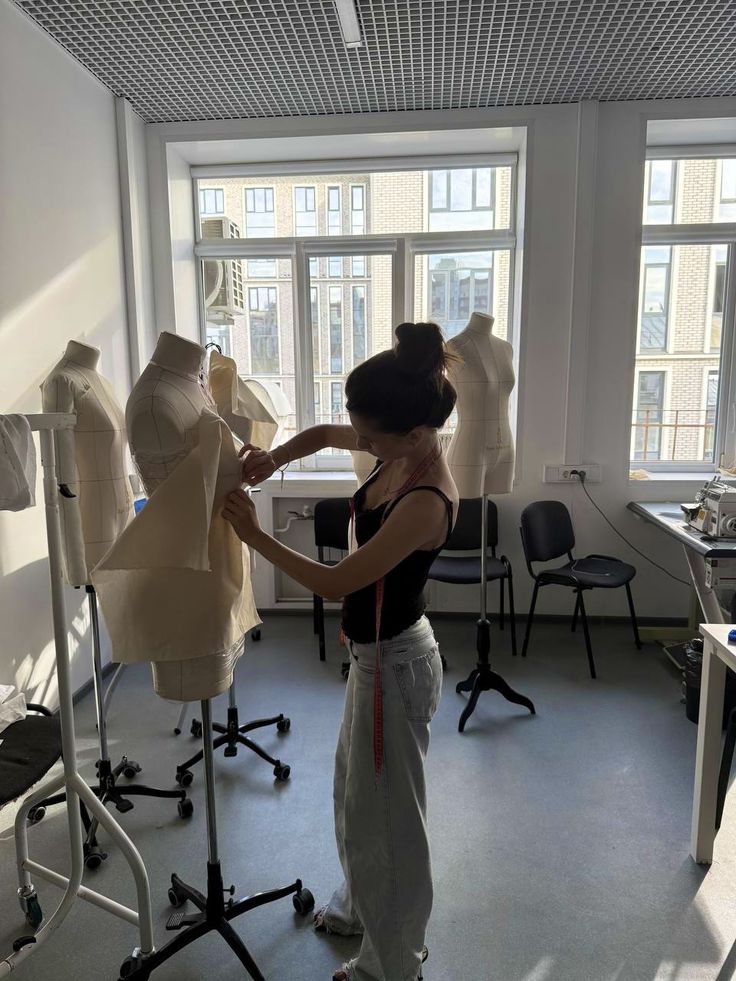
A bachelor’s degree in fine arts, fashion design, or fashion merchandising is typically required, with employers favoring candidates who understand production processes and have strong portfolios. Prospective designers should review detailed fashion designer education requirements, research best fashion design colleges, and locate fashion design schools near me to identify programs that fit their career goals.
Internships And Portfolios
Hands-on experience through internships builds practical skills and industry contacts. Engaging in fashion design internships allows candidates to apply classroom knowledge to real-world challenges. A compelling portfolio, showcasing sketches, tech packs, and sample fittings, remains the most powerful tool for securing full-time positions.
Assess Required Skills
Technical Skills
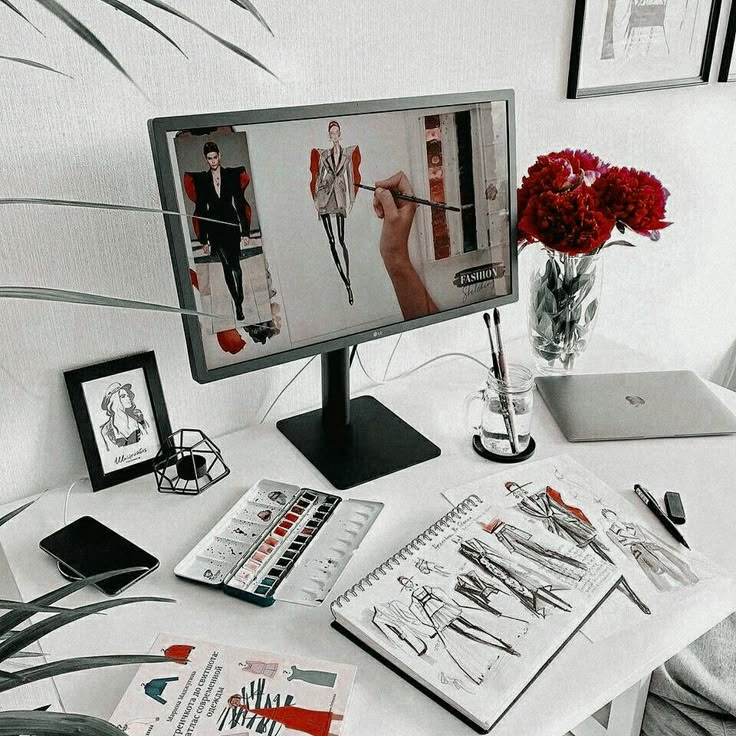
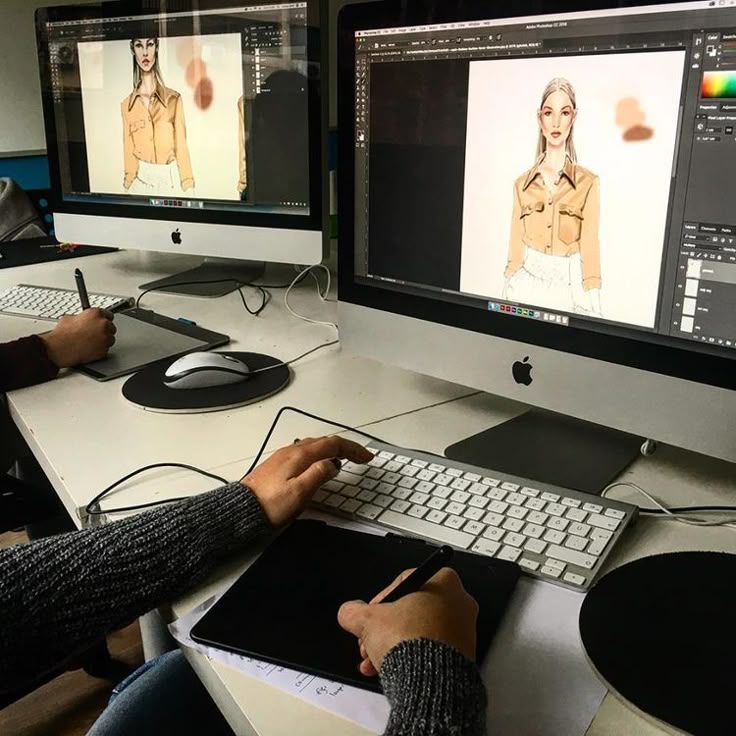
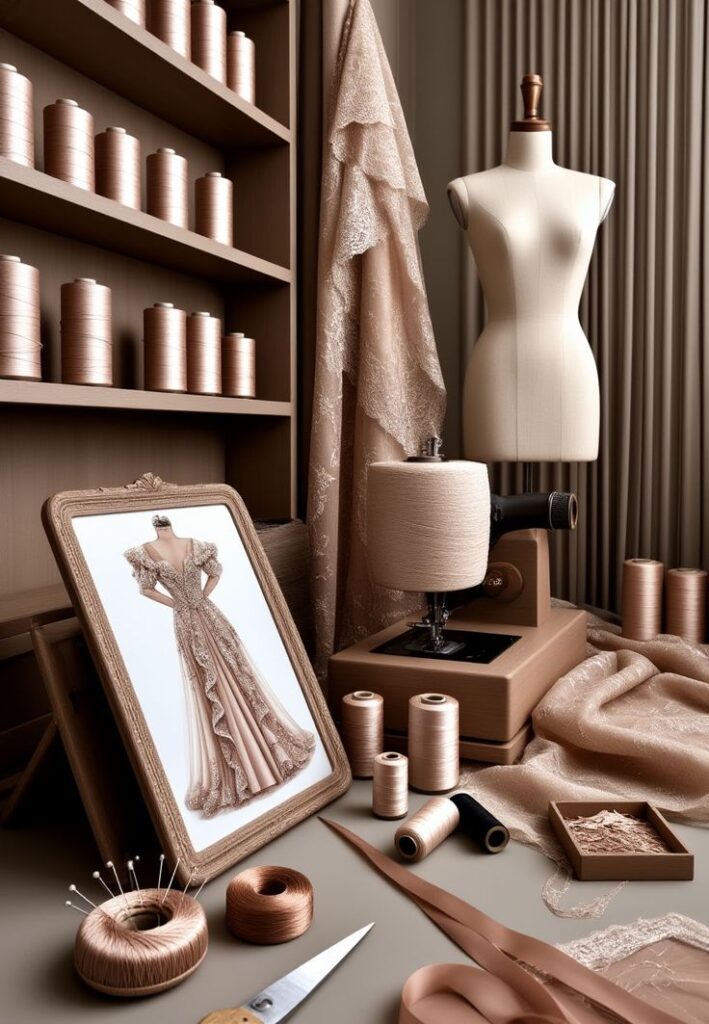
Proficiency in computer-aided design (CAD) software such as CLO3D and Lectra is essential for creating digital prototypes and visualizing concepts in 3D. Mastery of pattern making, garment construction, and material selection underpins the technical execution of every collection [3].
Soft Skills
Creativity, attention to detail, strong communication, and adaptability drive success in a dynamic environment. Teamwork, problem-solving, and business acumen help designers navigate client negotiations and production challenges. For a deeper breakdown, review the guide on skills needed to be a fashion designer.
Analyze Compensation Outlook

Salary Range
According to the U.S. Bureau of Labor Statistics, the median annual wage for fashion designers was $80,690 in May 2024. Earnings vary widely based on experience, location, and employer size [2].
| Percentile | Annual Wage |
|---|---|
| 10th | Less than $35,970 |
| 50th | $80,690 |
| 90th | More than $169,620 |
Hourly Wage
Indeed reports an average hourly wage of $16.02 for fashion designers in 2025, with senior designers and consultants commanding significantly higher rates [4].
Job Growth Projections
Employment of fashion designers is projected to grow 2% from 2024 to 2034, generating about 2,300 openings each year, primarily to replace retiring professionals [2].
Map Career Path
Entry-Level To Senior
Designers often start as assistants or junior designers, supporting sample development and research. Progression to senior roles—such as lead designer, design director, or creative director—requires proven creative leadership and successful collections. Following the outlined steps to become a fashion designer helps map each milestone.
Continuing Education
Ongoing learning maintains competitive edge. Many professionals pursue advanced fashion design degrees, specialized certificates, or short courses to refine techniques, explore sustainable practices, and master emerging technologies.
Leverage Career Resources


Online Learning
Supplement formal education with targeted training. Platforms offering fashion design courses online and beginner tutorials like fashion designing for beginners enable designers to experiment with new tools, software, and methodologies at their own pace.
Industry Networking
Building relationships through trade shows, design conferences, and local meetups accelerates career growth. Active participation in professional organizations and peer reviews fosters visibility and opens doors to collaborations.
Frequently Asked Questions
What Does a Fashion Designer Do?
A fashion designer researches trends, sketches concepts, creates mood boards, develops tech packs, oversees sample fittings, and collaborates with manufacturers to bring garments to market.
What Education Is Required for Fashion Designers?
Most roles require a bachelor’s degree in fine arts, fashion design, or merchandizing, complemented by internships and a strong portfolio to demonstrate technical and creative skills.
Which Skills Are Most Important in This Role?
Key skills include proficiency in CAD software, garment construction knowledge, strong drawing ability, creativity, communication, attention to detail, and business acumen.

How Much Can Fashion Designers Earn?
Median annual wages are around $80,690, with entry-level positions at the lower end and senior or specialized roles exceeding six figures. Hourly rates average $16.02, according to Indeed.
How Can Designers Advance Their Careers?
Advancement relies on building a standout portfolio, networking at industry events, staying current with software and sustainability practices, pursuing advanced degrees or certifications, and demonstrating leadership on successful collections.
References
- (KRSTN NDRSN)
- (BLS.gov)
- (IFA Paris)
- (Indeed)
- 510shares
- Facebook0
- Pinterest510
- Twitter0
- Reddit0