Explore program options
Most schools offer two main paths: an associate degree, which you can earn in one to two years, or a bachelor of fine arts (BFA), which typically takes four years (120 credits) to complete [1]. Your choice depends on your career goals and timeline. You can also explore fashion designing for beginners if you want a taste of design fundamentals before you commit to a full degree.
Associate vs bachelor degree
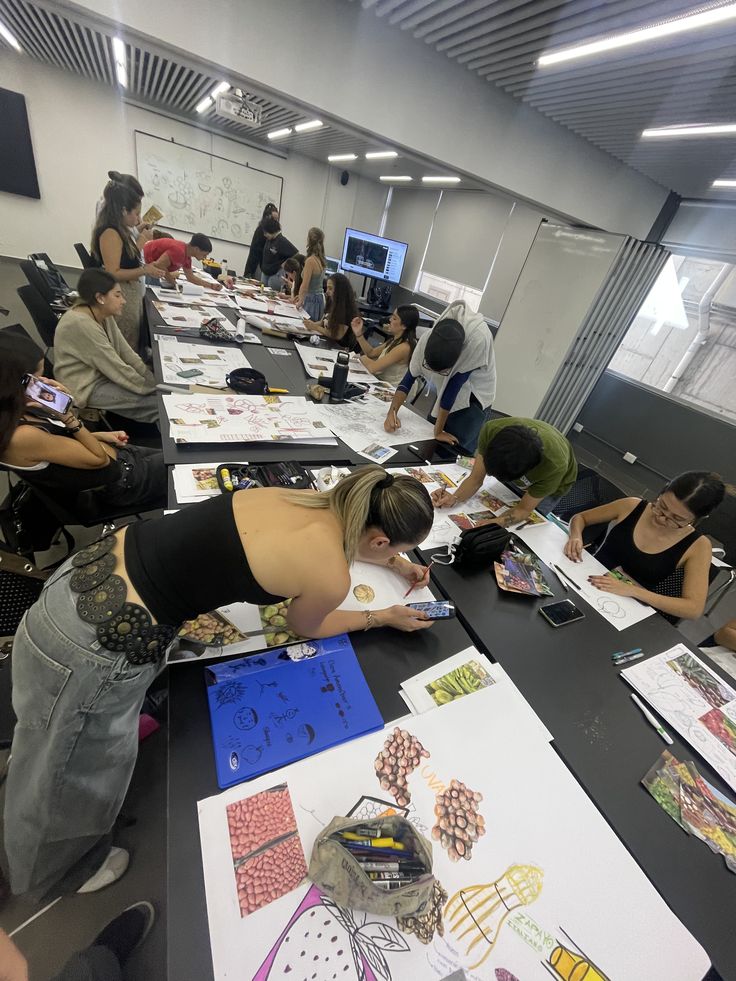
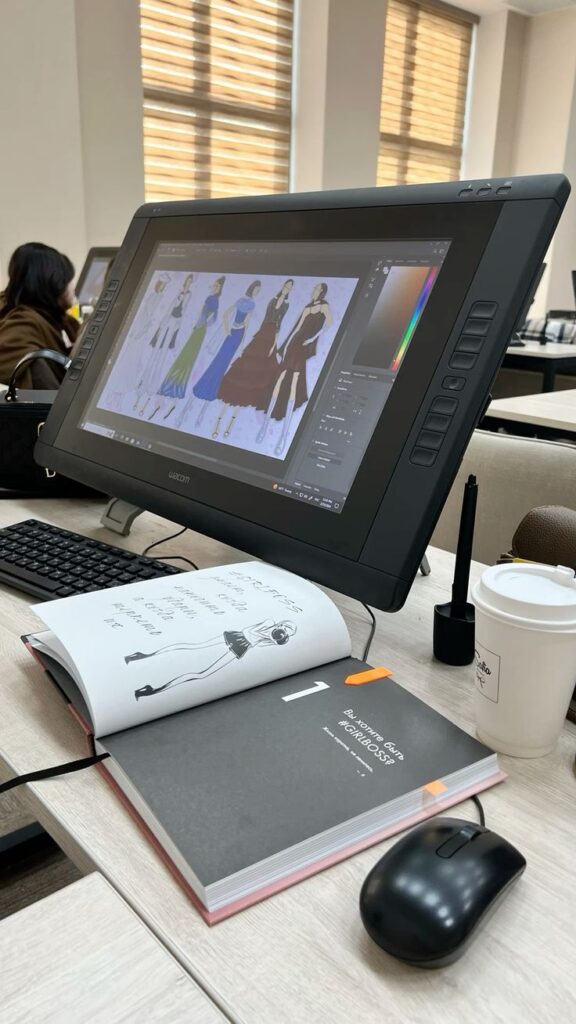
Most students choose between an associate degree for a quick jumpstart or a BFA for a deeper dive into research and portfolio development. Here’s a quick comparison:
| Degree level | Duration | Focus |
|---|---|---|
| Associate degree | 1–2 years | Patternmaking, sewing techniques, CAD basics |
| Bachelor of Fine Arts | 4 years (120 credits) | Advanced design concepts, material research, thesis development |
An associate degree is ideal if you want to enter the workforce sooner or keep tuition costs lower. A BFA prepares you for leadership roles, graduate studies, or specialized positions.
Specialized tracks and electives
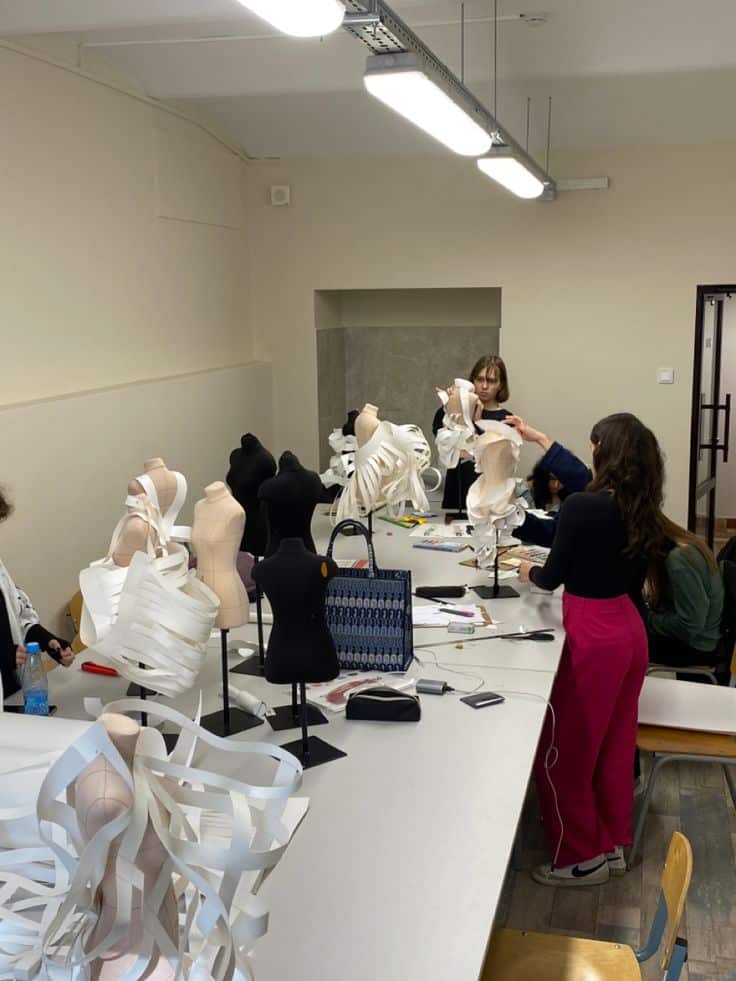
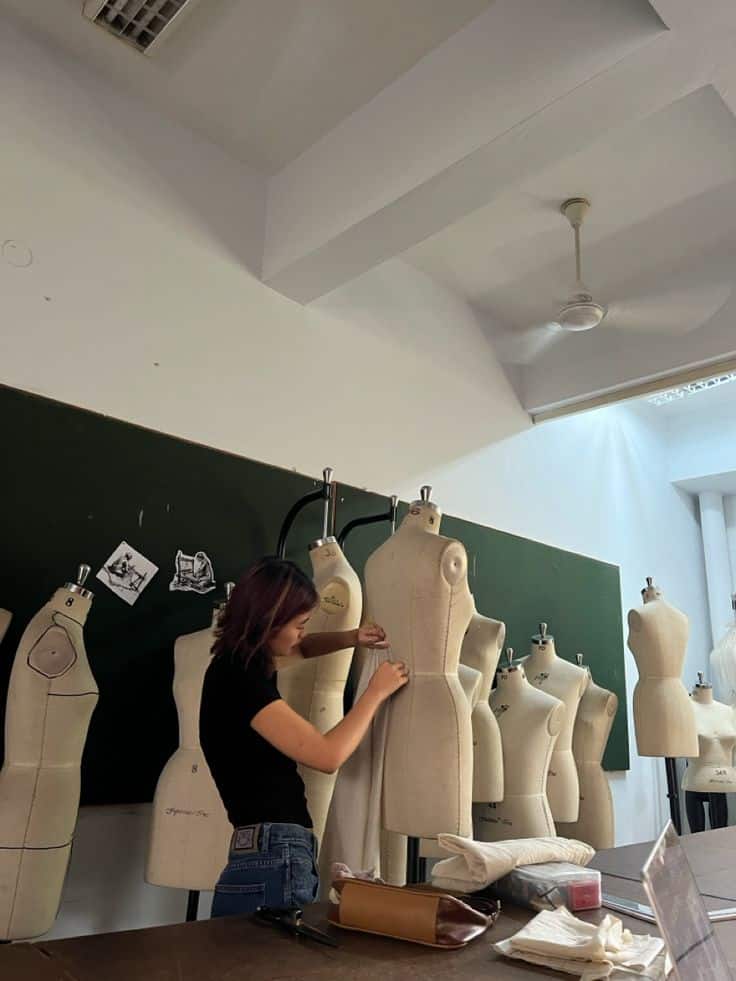
Within most fashion design degrees, you’ll find a range of specializations to match your interests. For example, FIT offers tracks in:
- Children’s wear
- Intimate apparel
- Knitwear
- Special occasion
- Sportswear
Parsons also provides electives in sustainable design, textile innovation, and even business strategy, so you can tailor your curriculum to your career vision.
Flexible scheduling options
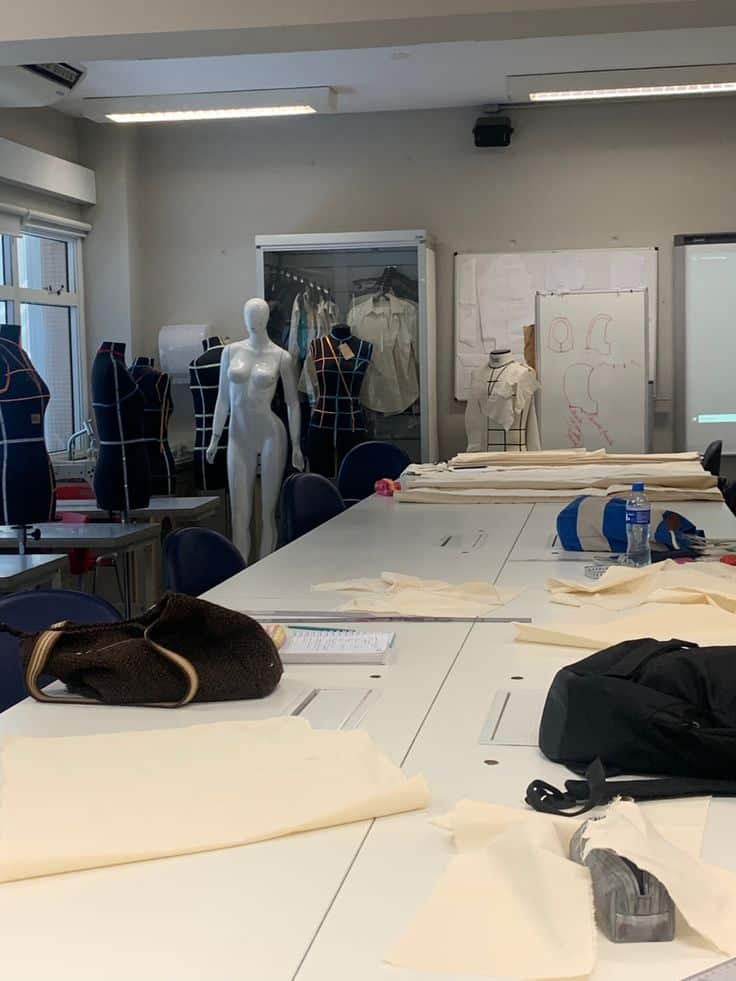

If you need flexibility, look for evening or weekend classes. FIT’s Evening/Weekend Associate Degree Program lets you balance a job or other commitments while you study. You can also explore fashion design courses online to learn at your own pace.
Develop design skills
Foundational coursework
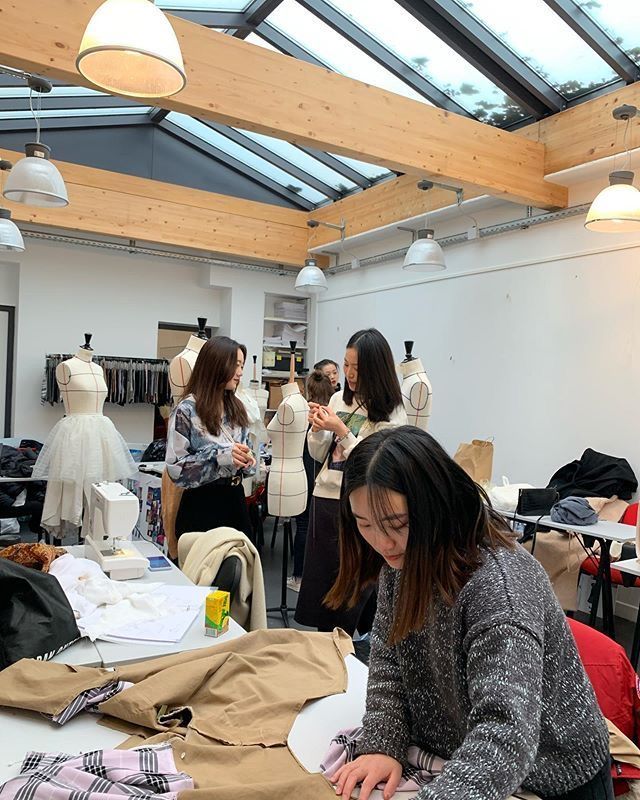
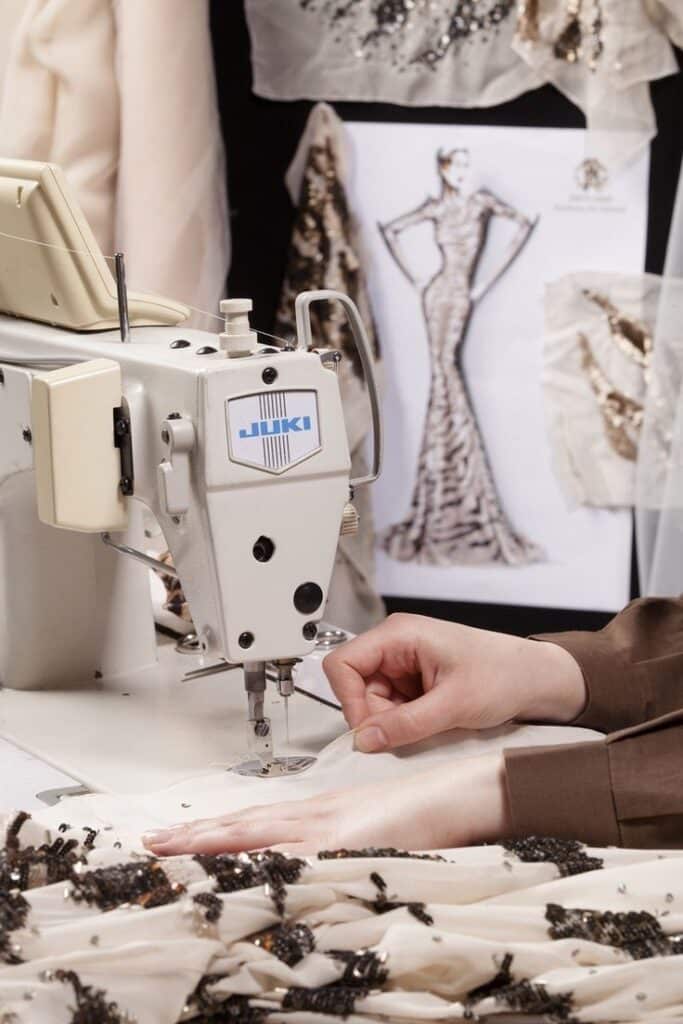
Early in your program, you’ll build a solid foundation with courses in drawing, color theory, textiles, patternmaking, and industry-standard software. FIT’s curriculum is crafted by working professionals and advisory boards to keep you aligned with global trends [2]. You’ll spend hours in labs perfecting sewing techniques and experimenting with fabrics.
Advanced projects and critique
As you advance, you’ll tackle 2D, 3D, and even 4D projects—from garment collections and multimedia presentations to experimental materials. At Parsons, students complete a self-proposed senior thesis that can be a full collection, written research on cultural fashion contexts, or a documentary film, showcasing your unique creative voice [1].
Leverage industry connections
Internships and partnerships
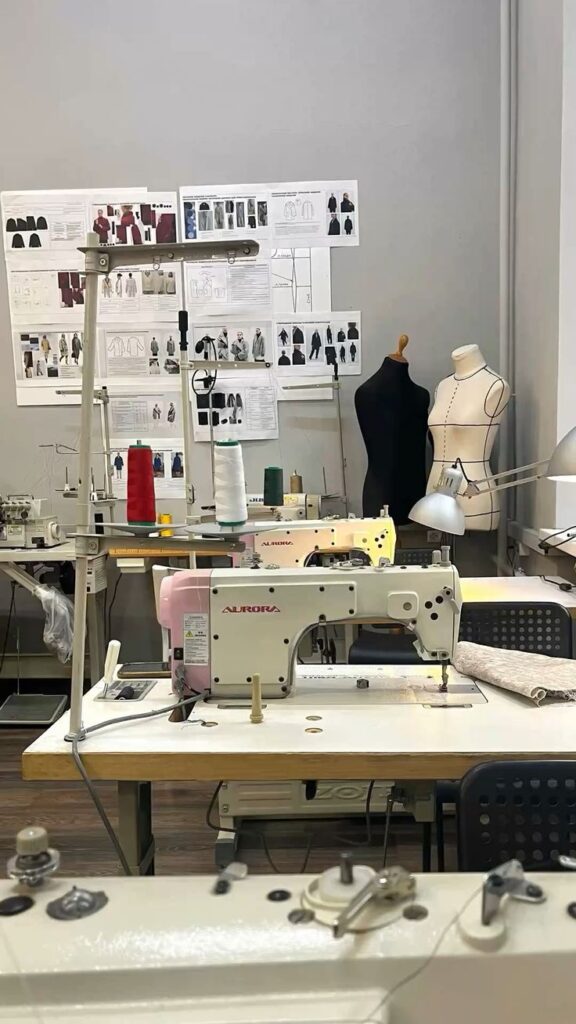
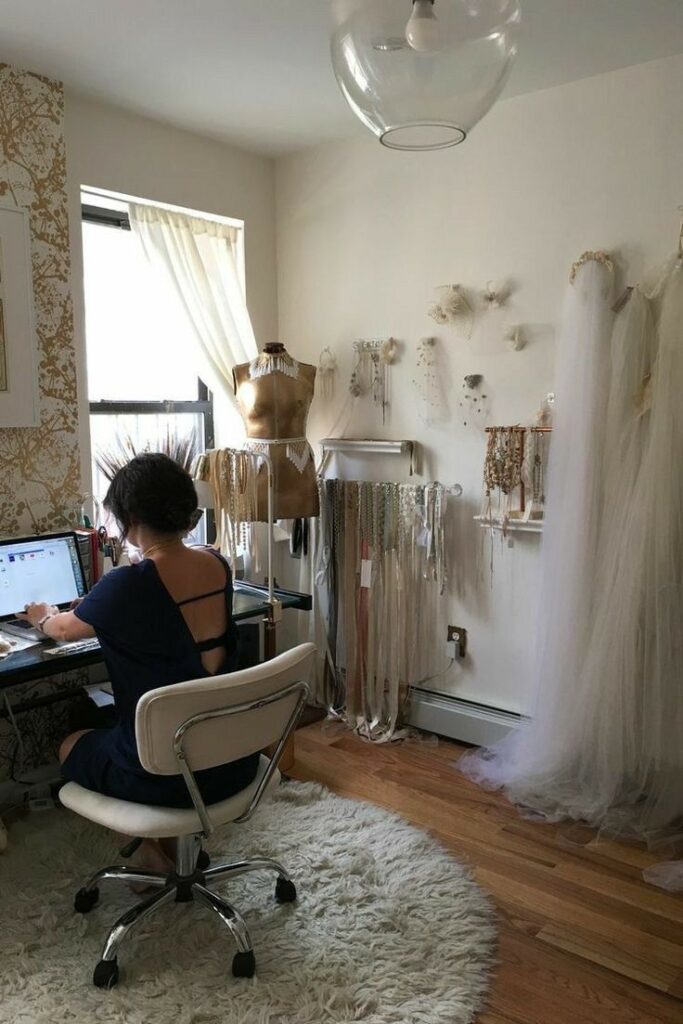
One of the top benefits of a degree is access to structured fashion design internships. These opportunities let you apply classroom learning to real-world briefs, grow your portfolio, and make professional contacts before you graduate.
Alumni and recruiter networks
Top programs maintain strong ties with alumni and industry recruiters. CEOWORLD magazine’s 2025 ranking placed FIT at No. 1 and Parsons at No. 2, in part due to recruiter feedback and global brand influence [3]. You’ll also find mentorship events like the Fashion Scholarship Fund’s FSF LIVE, where you can connect with industry leaders and even win awards [4].
Expand global perspective
International degree programs
If you want a truly global education, consider international editions of your program. FIT offers an International Two-Year Associate Degree and an International BFA in Sportswear, immersing you in a cross-cultural design environment [2]. Parsons lets you transfer up to 60 credits and study at Parsons Paris, broadening your creative outlook.
Study abroad experiences
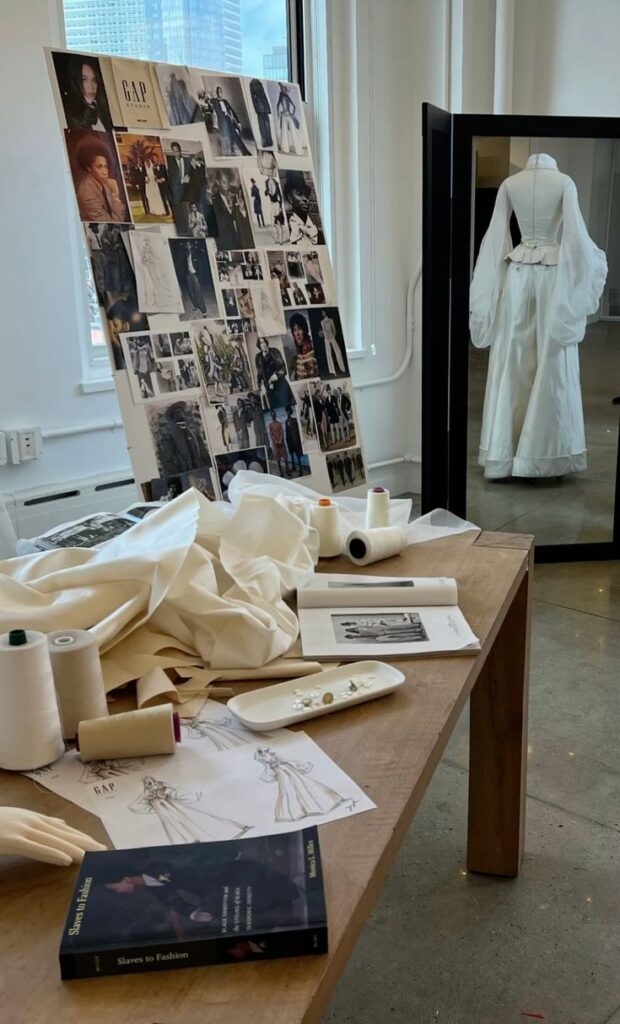
Many schools partner with institutes abroad. FIT runs study trips to Florence and Milan, while Parsons offers semester exchanges in Paris. These experiences deepen your understanding of regional design methods and enrich your portfolio with international influences.
Maximize career opportunities
Employer recognition and ranking
A degree from a top school carries weight in the hiring process. CEOWORLD magazine’s methodology includes employer feedback and job placement rates, and those rankings give you an instant signal of quality when you apply for roles.


Job placement rates
Research shows that graduates from leading fashion design programs often move directly into careers as fashion designers, technical designers, pattern makers, or merchandisers [5]. High placement rates mean your investment in a degree pays off quickly.
Manage tuition costs

Scholarships and grants
Tuition varies widely—from about $3,435 per semester for New York residents at FIT to nearly $50,000 per year at private schools like Parsons [6]. You can ease the burden with scholarships such as:
- Fashion Scholarship Fund awards over $1.9 million annually
- CBC Spouses Visual Arts Scholarship for Black visual arts students
- School-specific grants and merit awards
Many scholarships require a portfolio or essay, so plan your application early.
Affordable programs
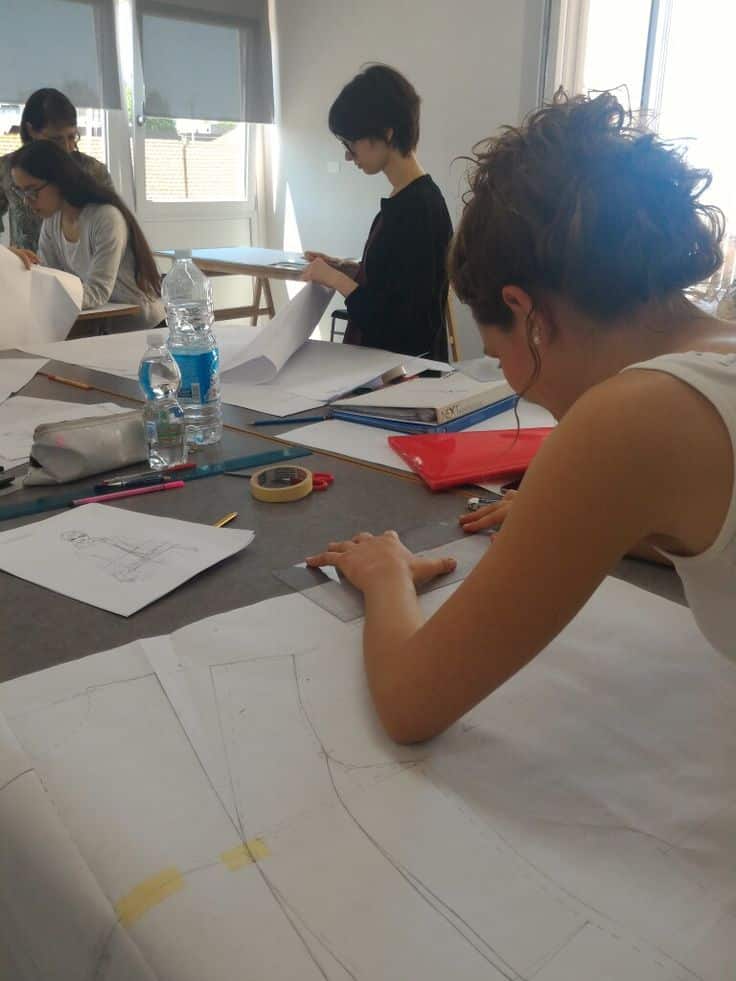
If budget is a concern, look into community colleges or state schools offering associate degrees at lower costs. Search for fashion design schools near me to compare local options and fees. Evening, weekend, and online formats also let you maintain an income while you study.
Frequently asked questions
Which degree level should you choose?
If you want to enter the workforce quickly, an associate degree (1–2 years) teaches core skills and costs less. If you’re aiming for senior or specialized roles, a BFA (4 years, 120 credits) provides deeper research, theory, and a professional portfolio.
Can you study fashion design online?
Yes, many schools offer accredited online options covering sketching, patternmaking, and CAD. Check out fashion design courses online to find programs that fit your schedule and learning style.
Do you need a fashion design degree to become a designer?
A degree isn’t strictly required, but it gives you structured training, industry contacts, and a credential that most employers value. For details on career paths, see the fashion designer job description.
How can you fund your fashion design degree?
Beyond federal aid, explore scholarships like those from the Fashion Scholarship Fund and CBC Spouses Visual Arts Scholarship. Many schools also offer grants and work-study options to reduce your out-of-pocket costs.
What skills will you learn in these programs?
You’ll develop technical skills such as patternmaking, garment construction, and CAD software, along with creative abilities in illustration, textile research, and trend forecasting. For a deeper look at in-demand competencies, see skills needed to be a fashion designer.
References
- (Parsons School of Design)
- (FIT)
- (CEOWORLD magazine)
- (Fashion Scholarship Fund)
- (The Art Career Project)
- (TopUniversities)
- 70shares
- Facebook0
- Pinterest68
- Twitter2
- Reddit0