

Explore the Power of Industrial Design
Choosing the best schools for industrial design is a game-changer when you want to turn your knack for creative thinking into real-life products that seamlessly merge form and function. Industrial design draws on engineering, art, and user-centered research to shape what people use every day—from furniture to tech devices. By studying in a strong program, you position yourself to imagine how products look, feel, and perform in the evolving consumer world.
Industrial design programs in the United States typically lead to a bachelor’s degree in fields like fine arts, industrial design, or architecture. According to the U.S. Bureau of Labor Statistics (BLS.gov), a bachelor’s degree is the standard entry-level requirement for industrial designers. With over 360 accredited institutions offering art and design degrees (BLS.gov), you have plenty of options to choose from. However, accreditation, faculty expertise, and hands-on opportunities are critical factors that can make one school stand out from another.
In this guide, you will explore seven standout programs. You will also learn how to evaluate universities based on objective data—traceable to acceptance rates, net price, and real student feedback—so that you can select a place where your creativity thrives.

Key Criteria to Evaluate When Choosing an Industrial Design Program
Before diving into specific schools, you need to know what sets an excellent industrial design program apart. Below are the core qualities to look for.
Accreditation and Reputation
Start by verifying a program’s accreditation status. The National Association of Schools of Art and Design sets academic standards across art and design disciplines (All Art Schools). Accreditation ensures you learn from a credible curriculum that meets or exceeds industry benchmarks. You can also check for a proven track record of graduate placement—this is a solid indicator that the program’s reputation holds weight with employers.
Faculty Expertise and Experience
Investigate the professors and instructors. Did they work as professional designers before stepping into academia? Are they pursuing active design research or industry collaborations? (All Art Schools) Look for alignment with your goals. If you want to innovate in sustainable product design, for instance, seek professors who specialize in sustainable materials and manufacturing.
State-of-the-Art Facilities
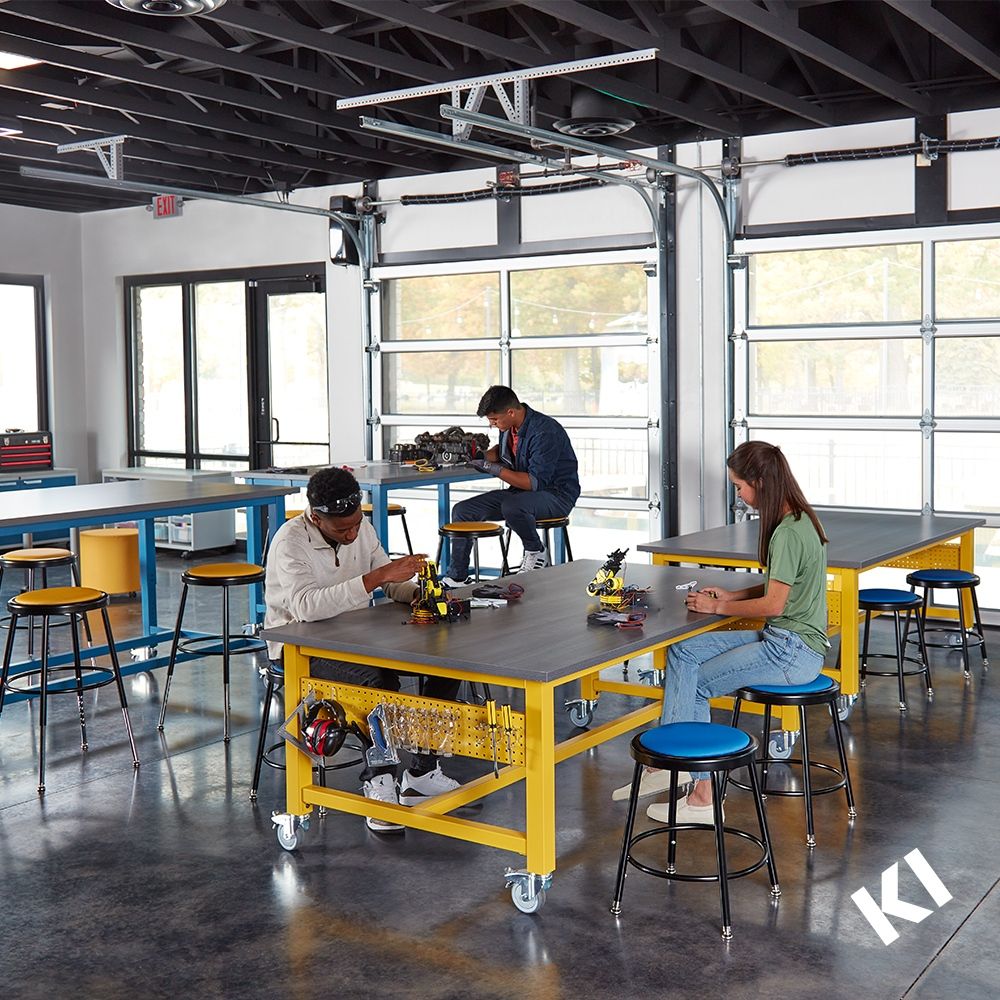
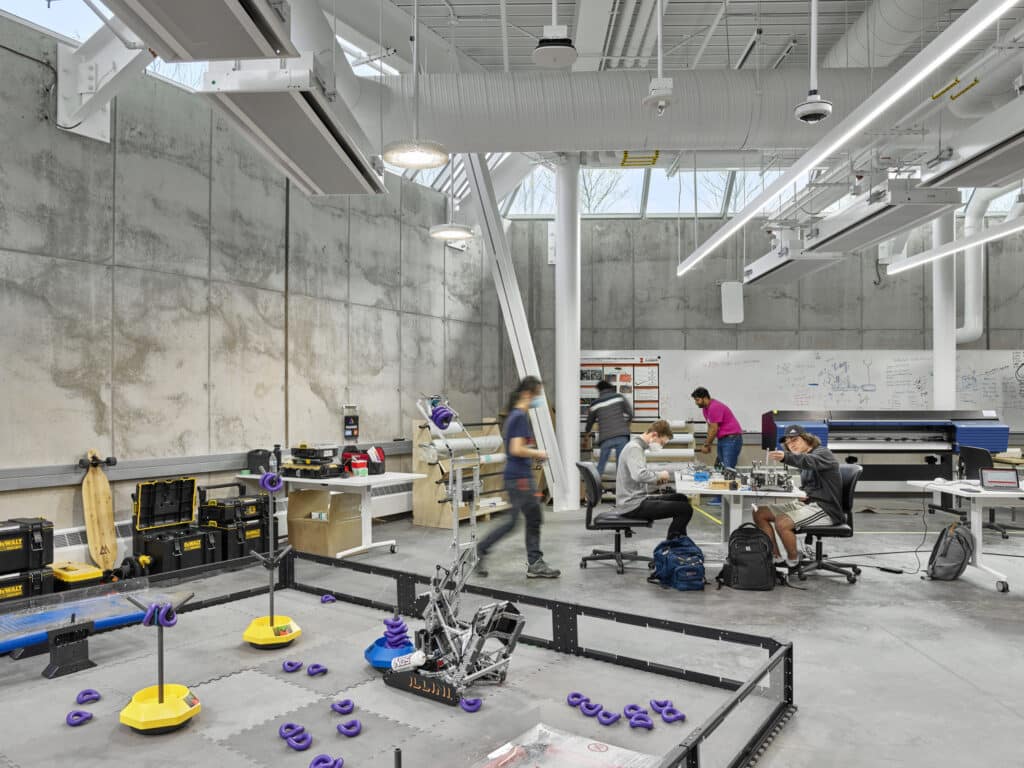
Design students rely heavily on labs, workshops, and specialized software. You want access to:
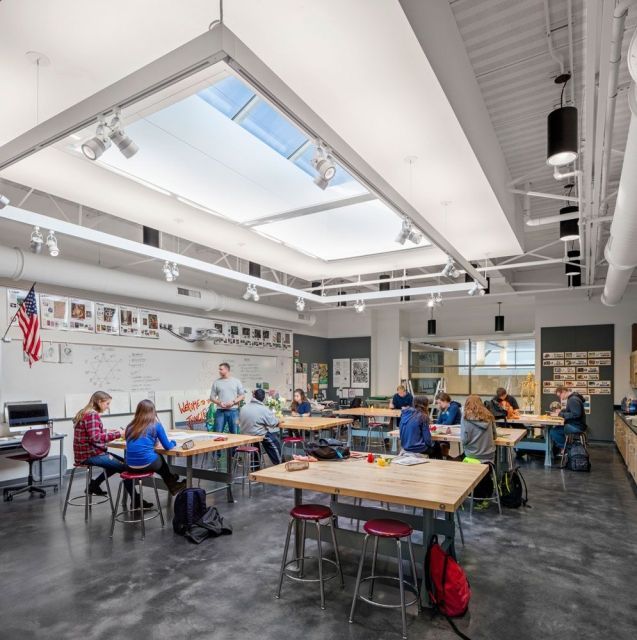
- Studio spaces that keep you inspired and productive
- Computer labs loaded with top-notch software
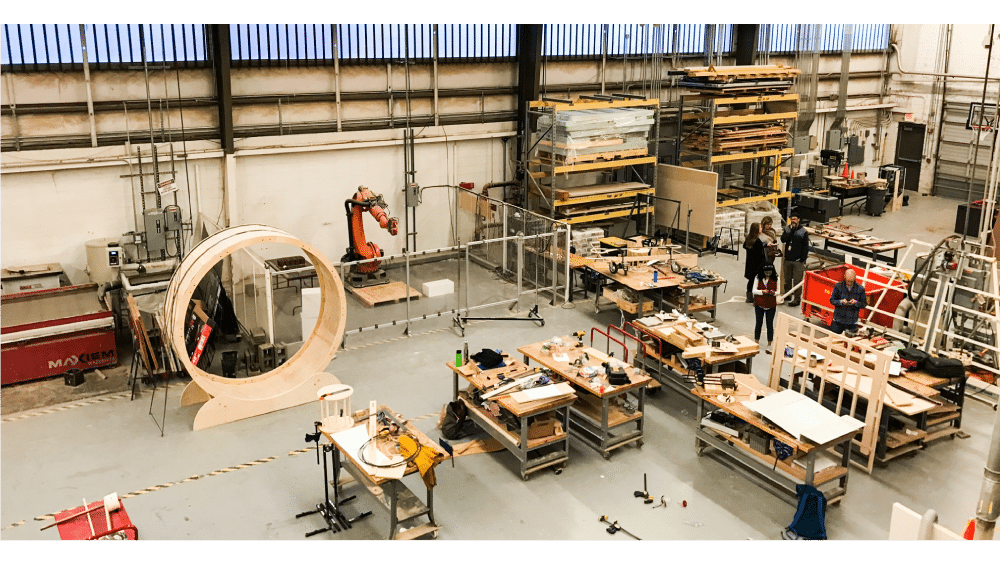
- Woodworking and metalworking facilities
- 3D printers, CNC machines, and other prototyping equipment
When a school invests in well-equipped studios, you can create high-level prototypes and thoroughly test your concepts (All Art Schools).
Internship and Network Opportunities
Practical, real-world experiences are the backbone of an industrial design degree. Find institutions that nurture industry partnerships or have dedicated internship programs (All Art Schools). These connections can help you secure relevant work experience, expand your network, and build an impressive portfolio that highlights your distinctive style.
Portfolio Development Path
A robust program weaves portfolio-building projects into the curriculum. Throughout your coursework, you’ll create concepts, sketches, and final designs that showcase your growth to prospective employers. You want to graduate with a cohesive, professional portfolio that demonstrates both creative flair and manufacturing savvy.

Top Schools to Consider
Below is a curated list of seven institutions offering programs that have consistently drawn industry recognition and student praise. This lineup mixes schools that have appeared on both U.S. and global rankings, ensuring you see options that stand out for many different reasons.
1. Massachusetts Institute of Technology (MIT)
Even though MIT’s global reputation often centers on engineering and technology, it has also claimed the top spot globally for Product and Industrial Design based on its research performance, according to March 2025 data (EduRank). MIT’s industrial design and product development offerings sit at the intersection of user-centered design, robotics, and advanced materials. Here, you’ll find:
- World-class research labs focusing on innovation
- Courses that allow you to prototype and test concepts through rigorous engineering methods
- Networking connections to cutting-edge companies, from aerospace to consumer electronics
You learn to see design within a broader technological ecosystem, which can be a game-changer if you dream of shaping futuristic, impact-driven products.
2. University of Michigan – Ann Arbor
Ranked #3 globally for Product and Industrial Design research impact (EduRank) and #19 in the United States for industrial and product design degrees as of 2026 (Niche), the University of Michigan – Ann Arbor offers you the best of both worlds. You get a significant research profile along with strong undergraduate teaching. Quick stats from Niche:
- Acceptance rate of around 18%
- Net price of about $19,005
- SAT range of 1350-1530
Michigan’s program fosters a collaborative environment that intersects design thinking with engineering and business. You can participate in cross-departmental projects to refine real-world solutions. The campus vibe in Ann Arbor is spirited and diverse, perfect for creative minds that love collaboration.

3. Georgia Institute of Technology
Georgia Institute of Technology (Georgia Tech) sits at #29 in the 2026 national rankings for industrial and product design degrees (Niche). Its acceptance rate stands at 16%, with a net price of $15,901. The typical SAT range is 1330-1530, putting it on par with other highly selective institutions.
Georgia Tech’s design programs lean into engineering principles, preparing you to handle complex manufacturing questions and system design. Located in Atlanta, you’ll find a growing startup scene, established corporations, and a supportive social atmosphere. Courses emphasize user experience (UX) and technology integration, making it a wise option for students who relish a rigorous STEM focus.
4. Swarthmore College
At #36 in the 2026 rankings for industrial and product design degrees (Niche), Swarthmore College offers a more intimate academic setting. It has:
- Acceptance rate of 7%
- Net price of $17,930
- SAT range of 1460-1560
Swarthmore is known for its liberal arts core, which can be a huge asset if you want to layer your design expertise with a broader understanding of human behavior, philosophy, or even political science. You’ll also benefit from convenient public transport to nearby Philadelphia, a hub with museums, design firms, and potential internship sites.

5. University of Illinois Urbana-Champaign (UIUC)
UIUC is ranked #47 in the nation for industrial and product design as of 2026 (Niche). With an acceptance rate of 44% and a net price of $14,297, it makes design education accessible to a broader range of applicants. The SAT range hovers between 1270 and 1510.
This university shines for its large, vibrant community. You can tap into a wealth of extracurriculars, research labs, and practical project-based experiences. UIUC’s industrial design curriculum typically includes courses in sketching, 3D modeling, and advanced manufacturing methods. Thanks to the breadth of the university, you can partner with engineering teams or even business students on cross-functional projects.
6. Virginia Tech
Ranked #58 nationally in 2026 (Niche), Virginia Tech welcomes those who value a strong community spirit. It carries:
- Acceptance rate around 57%
- Net price of about $22,205
- SAT range of 1240-1420
Virginia Tech cultivates an inclusive atmosphere in Blacksburg, where design students build skills in prototyping, problem-solving, and user research. The industrial design curriculum overlaps with engineering and technology, ensuring you’re well-prepared to translate creative ideas into viable, user-friendly products.

7. James Madison University (JMU)
James Madison University’s Industrial Design major stands out for its interdisciplinary, user-centered approach and accreditation by the National Association of Schools of Art and Design (JMU Catalog). You must submit a portfolio for selective admission, and you’ll need to pass INDU 208 (a prerequisite portfolio review course) to tackle upper-level industrial design work.
JMU’s program requires 78 credit hours in art and related courses, with 42 specifically in Industrial Design. Beyond classroom instruction, you can expect:
- Frequent field trips, guest speakers, and workshops
- Scholarship opportunities tied to portfolio feedback days
- Up-to-date tech requirements, ensuring your laptop and software can handle complex design work
Located in Virginia’s scenic Shenandoah Valley, JMU merges a supportive campus culture with respected art and design credentials.

Beyond the Rankings
While these seven schools capture well-earned recognition, your final choice depends on personal fit. Here are some extra elements to keep on your radar:
- Career Services: Seek out career fairs and networking events that link you to companies in furniture design, consumer electronics, automotive, footwear, or other specialized ventures.
- Alumni Network: A robust alumni base can open doors to mentorship or job referrals.
- Interdisciplinary Opportunities: If you see yourself pioneering new products that blend invention and design, search for cross-department offerings. Working with engineering, marketing, or even psychology departments can elevate your perspective.
Meanwhile, global rankings show that outside the U.S., Delft University of Technology in the Netherlands is also a top-tier player in the Product and Industrial Design space. If you ever consider an international path, you’ll find that many best practices apply universally—strong facilities, skilled faculty, and a proven track record of graduate success.

FAQs
1. What Makes a School One of the “Best” for Industrial Design?
A combination of accreditation, industry partnerships, modern facilities, and proven graduate outcomes typically defines a top school. You want a place that provides well-rounded academics, hands-on projects, and strong career connections.
2. Do I Need to Submit a Portfolio to Get Accepted?
Most industrial design programs require a portfolio submission—these can include initial sketches, 3D mock-ups, or final prototypes. It helps admission teams see your creativity and technical skill. Check program guidelines carefully to ensure your work meets all requirements.
3. How Important Is Accreditation?
Accreditation from an organization like the National Association of Schools of Art and Design affirms that your degree meets recognized quality standards. It’s an extra layer of confidence for both you and future employers. Also, accreditation can be critical for credit transfers or advanced study.
4. Which Courses Will I Typically Take?
You’ll likely cover drawing, CADD (computer-aided design and drafting), 3D modeling, industrial materials, processes, and business principles. Along the way, you can expect to build a robust portfolio of real or simulated projects.
5. How Do Internships Shape My Industrial Design Degree?
Internships allow you to apply classroom learning in real-world settings. You can work alongside professionals, refine your skills with real clients, and start forming an industry network. A standout internship can even transition into a full-time job offer.
Industrial design thrives on a balance of creativity, analytics, and user empathy. With the right program, you can become the visionary behind tomorrow’s must-have gadgets, medical devices, or consumer goods. Study your options carefully, then pick the school where your imagination and ambition will flourish. You deserve a degree experience that gives you hands-on practice, top-tier mentorship, and a platform to build designs that people not only see but want to use every day.
- 74shares
- Facebook0
- Pinterest74
- Twitter0
- Reddit0