The sketch was on page twelve of a notebook I kept for three years before I bought the car. A 1968 Datsun 510 in what I was calling midnight green — a custom mix I worked out on paper using an actual paint swatch taped to the page. The bodywork modifications were modest but specific: a subtle front splitter, flush door handles, all the chrome deleted, and powder-coated matte black. I had drawn it from eight angles. I knew exactly what I wanted.
What I had not worked out with the same precision was the money. I bought the car correctly, on a loan that left my cash intact for the build, then spent the first six months discovering what the previous owner had not mentioned.
The floors had been undercoated over rust that went through the sill in two places. The engine bay had been repainted but not rebuilt. The budget I had estimated so confidently turned out to be the budget for the car I had imagined, not the car I had actually bought. The contingency fund saved the project. Nothing else would have.
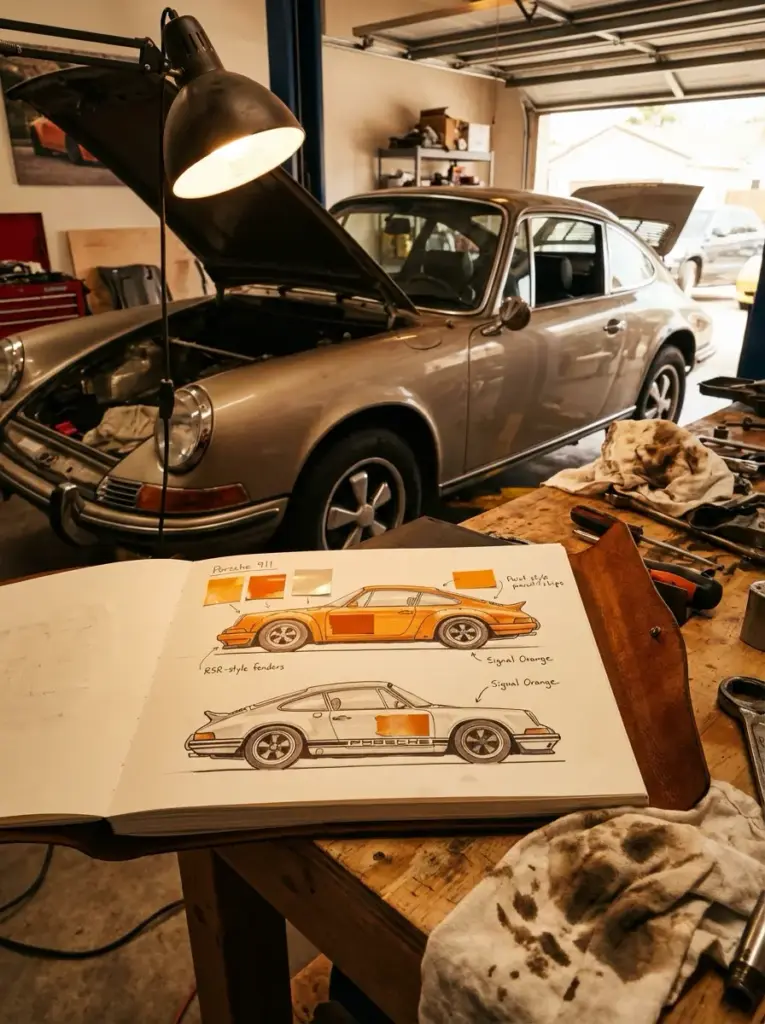
This guide is for automotive artists ready to move the work from the sketchbook to the garage. Not just drawing technique — though that matters — but the full transition: how to visualise a build with enough specificity that the sketch functions as a planning document, how to structure the financing so the restoration does not stop when the first surprise arrives, and the phase sequencing that separates projects that finish from those that stall in garages for decades.
Financing Your Automotive Masterpiece
Once your vision is clear, the practical reality of project capital sets in early. A custom car restoration is a serious financial undertaking. You are essentially commissioning a life-sized piece of drivable art, and that requires substantial funding before any tools are lifted. To get started properly, you must first acquire the perfect base vehicle. Finding the right donor car often means acting quickly when a rare model appears on the market.
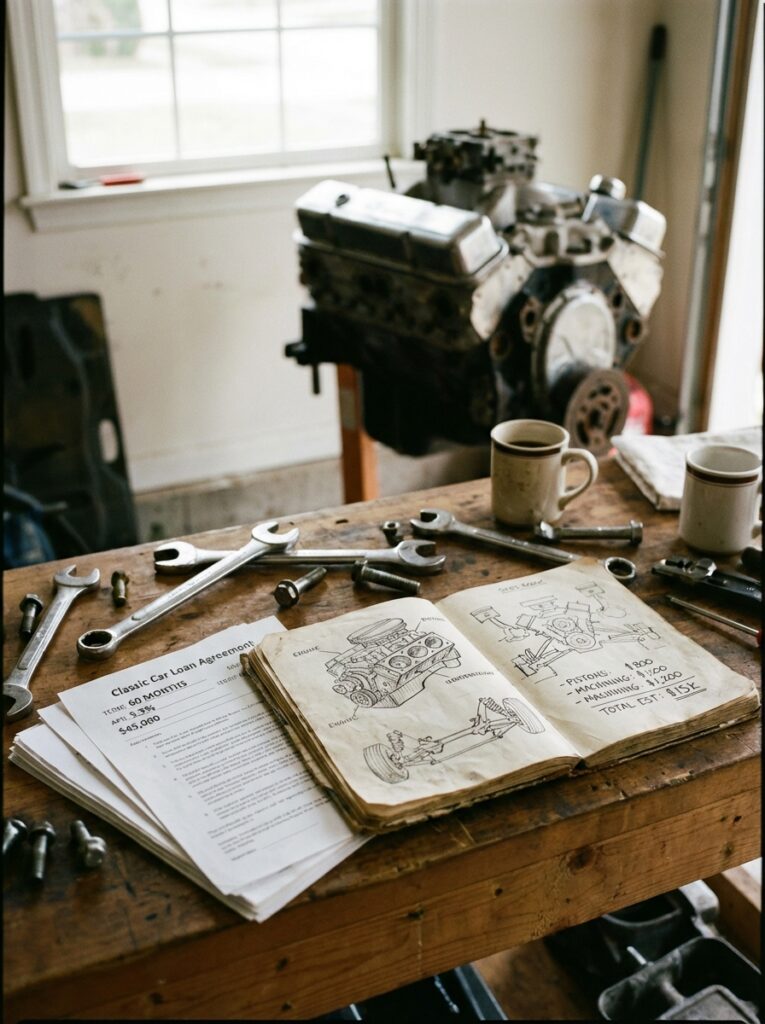
Many dedicated enthusiasts choose to secure a car loan from a reputable provider like ING to comfortably fund the initial purchase. Doing this allows them to preserve their hard-earned cash for custom aftermarket parts, specialised fabrication tools, and the inevitable unforeseen mechanical repairs. By choosing to finance the blank canvas of your project, you can strategically pace your restoration budget over several years instead of depleting your savings all at once.
The Power of Visualising Your Build
Before you even begin looking at classified advertisements for a rusted chassis, your sketchbook remains your most valuable tool. Putting your dream car concept on paper serves a much greater purpose than simply getting the aesthetic details right. Active visualisation is a powerful preparatory step for builders.
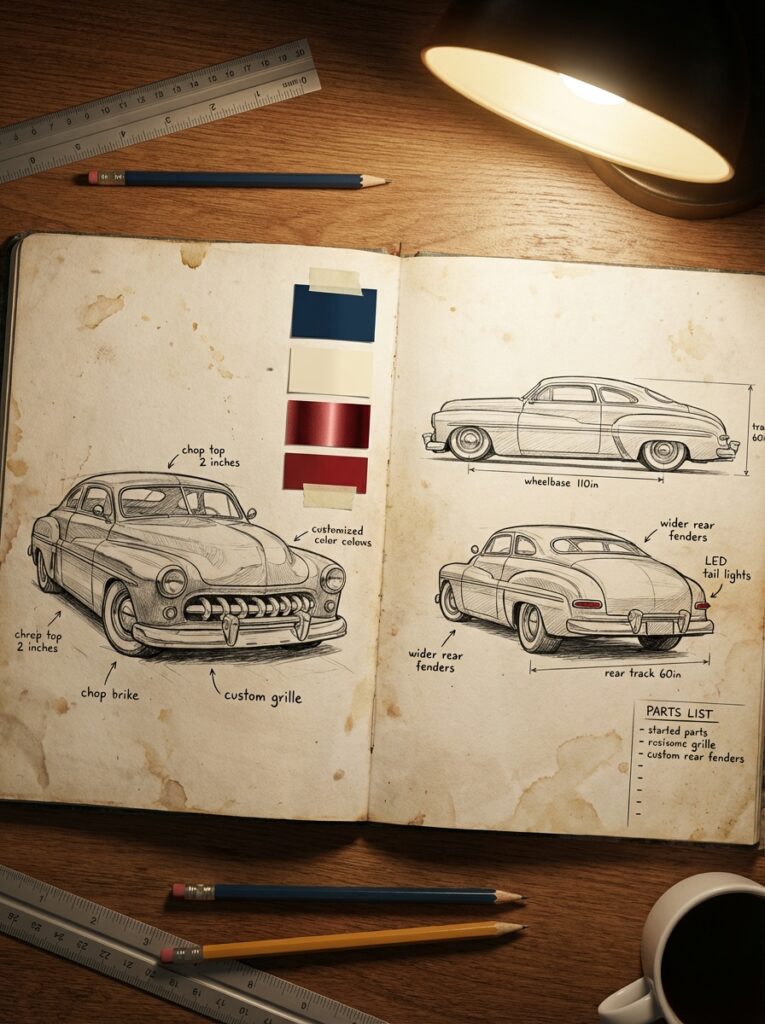
Research shows that mentally rehearsing your goals prepares your brain for complex tasks and significantly reduces the stress associated with tackling a massive, long-term project. For example, research from Stanford Medicine found that mentally running through a routine improves performance by preparing your mind to perfectly execute physical tasks.
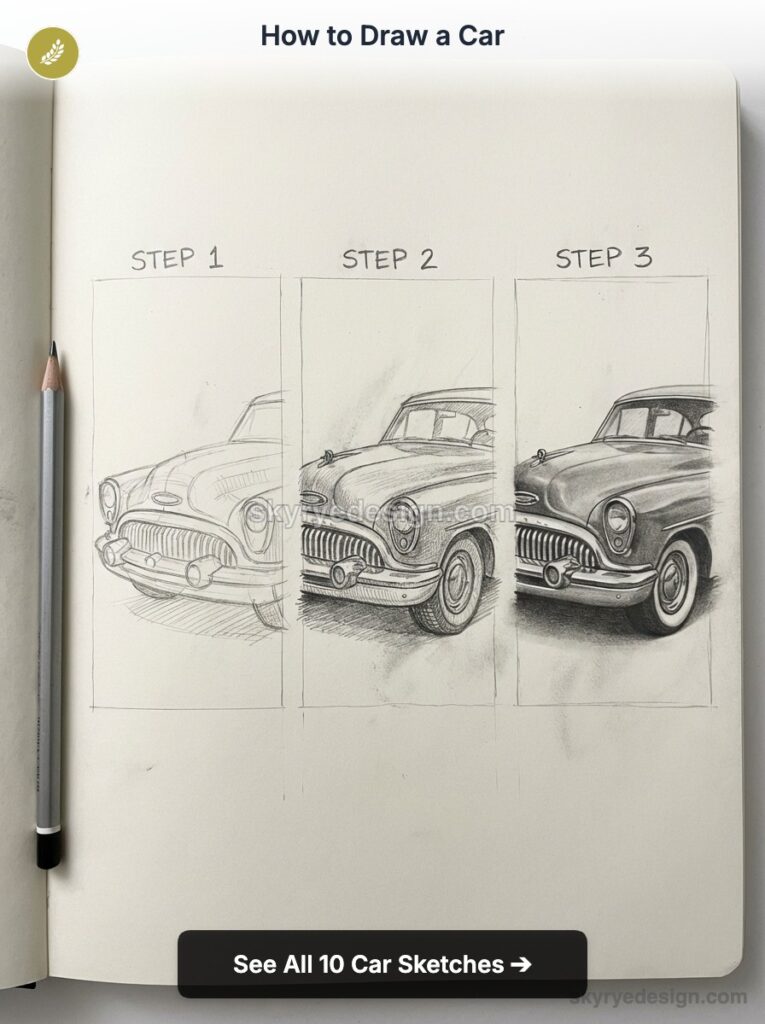
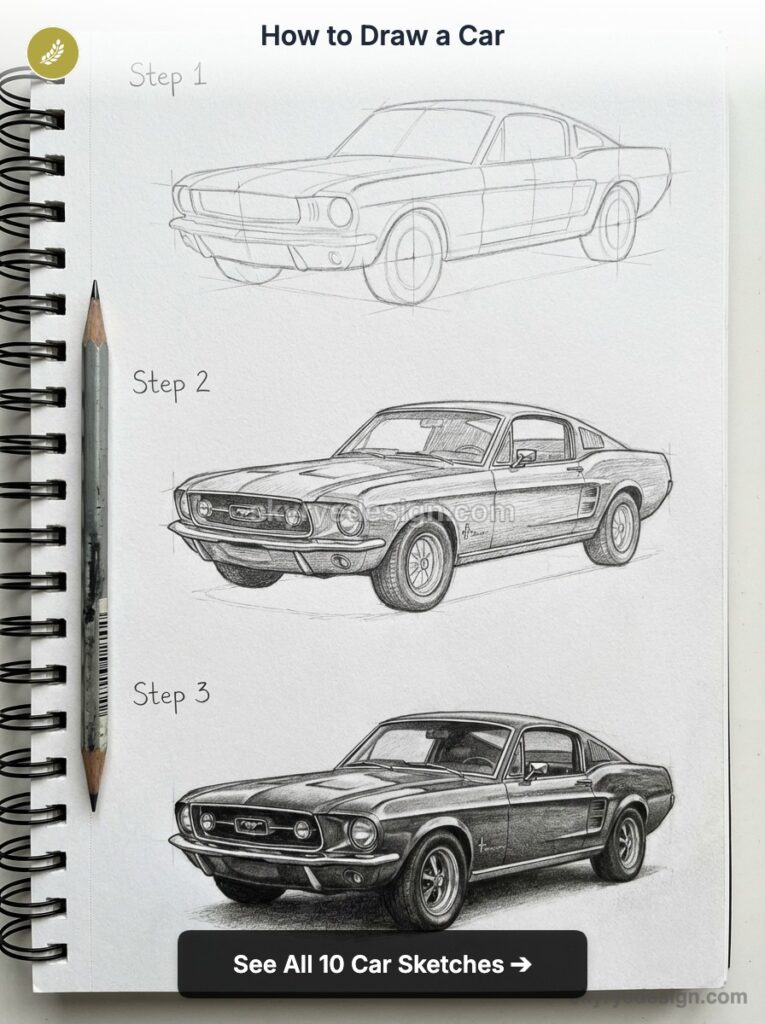
This psychological preparation is absolutely crucial for ambitious builders. Just as an illustrator might study basic body drawing techniques to perfectly capture human proportions, a custom car builder must practice visualising the mechanical anatomy of their dream vehicle on paper before they ever buy a donor chassis. Taking the time to meticulously render reflective surfaces, test different paint colours, and adjust iconic bodywork allows you to spot potential design flaws early on.
Crucial Steps to Transition from Sketch to Street
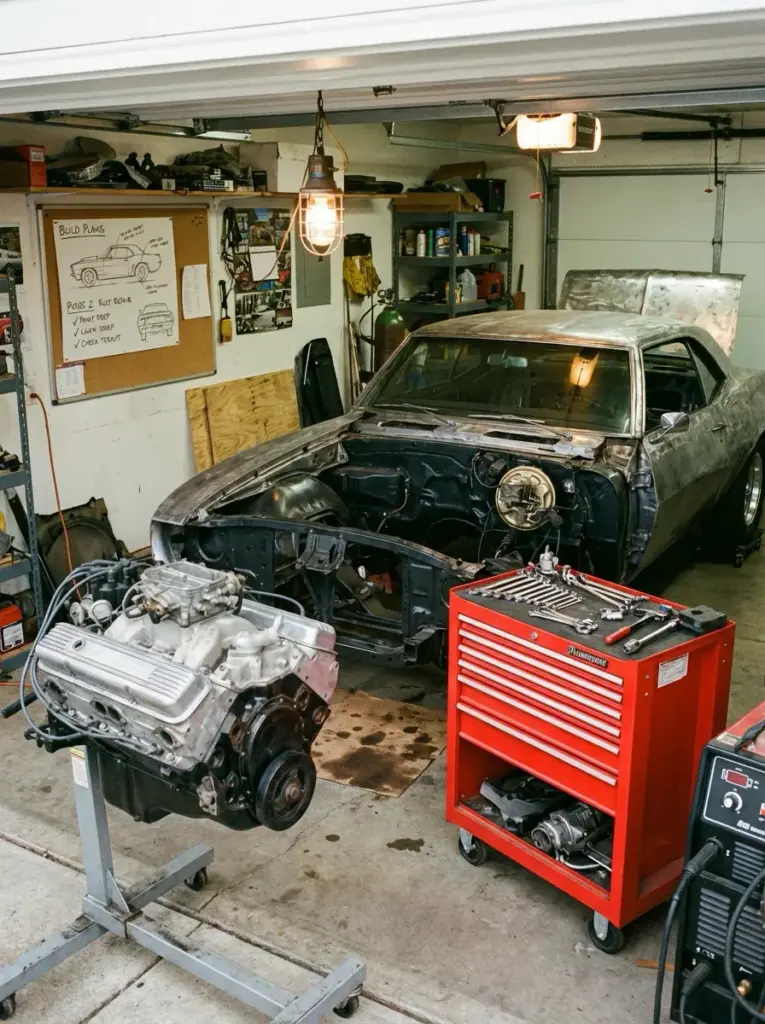
Moving from your quiet drafting table to the dusty environment of a garage requires a highly structured approach. Here are the essential steps to follow when planning your custom build:
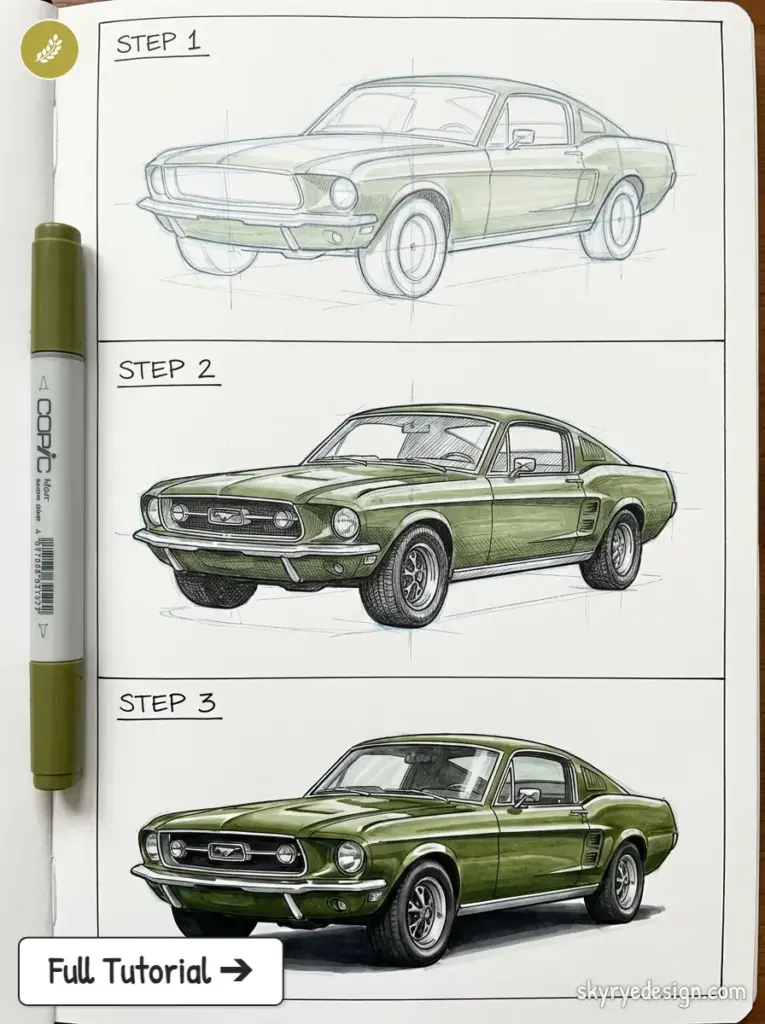
- Break down the build: Categorise the project into manageable phases such as engine rebuilding, upgrading the suspension for modern drivability, bodywork preparation, and interior upholstery.
- Source reliable parts early: Use your detailed sketches to identify exactly which aftermarket components or original salvage parts you need to achieve your desired aesthetic without compromising safety.
- Establish a realistic timeline: Custom metalwork and mechanical fabrication take a lot of time. Assume every major task will take twice as long as you initially expect.
- Create a contingency fund: Set aside at least an extra twenty percent of your budget for hidden rust, broken bolts, or other mechanical surprises that will inevitably arise during the teardown.
- Invest in quality tools: You cannot build a mechanical masterpiece with subpar equipment. Allocate a portion of your budget to acquire the specific tools needed for restoration, such as a reliable air compressor and a high-quality welder.
Do not underestimate the importance of preparation. The jump from a two-dimensional concept to a fully functioning vehicle is filled with challenges, but a meticulously crafted plan makes the process much smoother. Grab your favourite sketchbook, meticulously map out those classic lines, and get ready to turn your ultimate automotive dream into a stunning physical reality on the open road. With the right financial backing and a clear visual roadmap, there is no limit to what you can build.
The Sketchbook and the Garage Are the Same Project
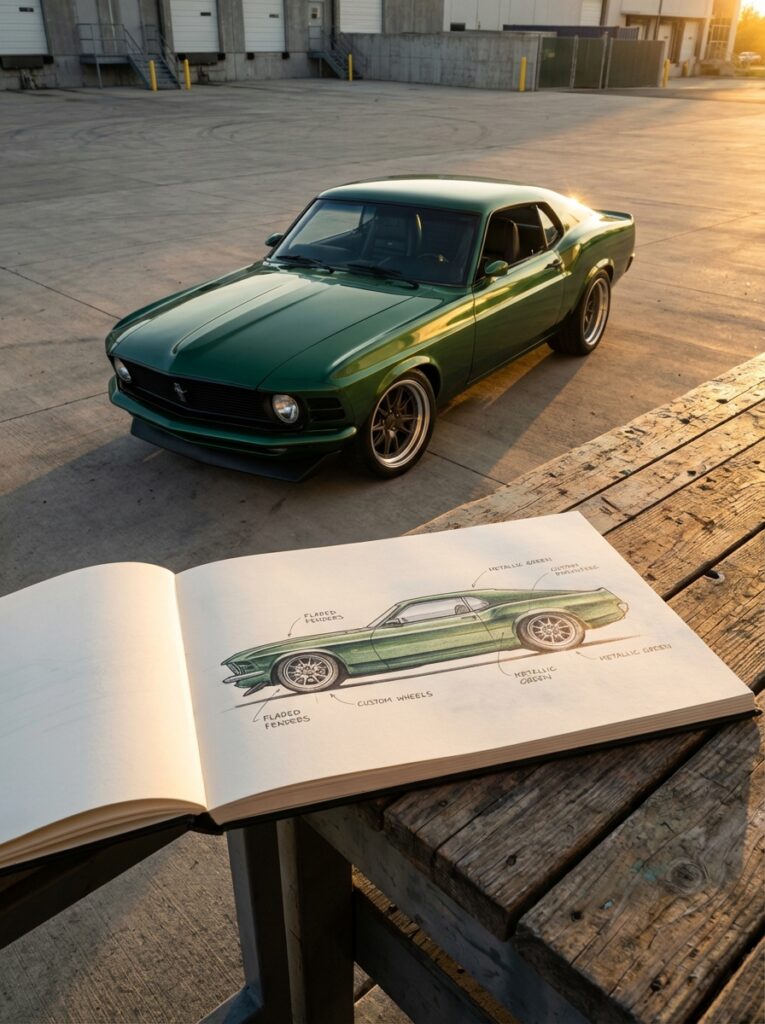
The sketch on page twelve of that notebook is still in the notebook. The Datsun is in the garage, painted midnight green, with the modifications I drew three years before I bought the car. Not all of them — the front splitter changed during bodywork, and the interior went a different direction when I found the right seat material — but the essential vision held across the entire project because it was documented specifically enough to survive the inevitable deviations.
That specificity in the sketchbook is what made the financial planning credible. When you can show a fabricator a detailed drawing of exactly what you intend to build, the conversation about cost and timeline becomes grounded rather than speculative. The sketchbook is not separate from the project — it is the earliest and most valuable phase of it. Every hour spent rendering paint combinations and working through modification logistics is an hour of problem-solving that costs nothing but time and catches problems that would otherwise cost real money.
Custom car restoration is the point at which the sketchbook stops being a space for speculation and becomes a building document. Get the drawing specific. Get the financing structure right from the start. Build the contingency fund before you need it. Understand that the project which finishes is almost always the one planned most carefully — not the one with the most ambitious initial vision.
FAQ: Custom Car Restoration
Q: How much does a custom car restoration cost?
Driver-quality restoration of a common classic: $15,000-$40,000 in parts and labour. Show-quality with custom bodywork and performance upgrades: $50,000-$150,000 or more. The reliable rule: estimate your project cost, double it, add 20% contingency on top. Hidden rust, unavailable parts, and fabrication surprises are guaranteed on any restoration.
Q: How do you finance a classic car purchase?
Specialist classic car loans (lenders who understand collector values, 2-7 year terms), personal loans for smaller purchases, or home equity lines for significant builds. Financing the base vehicle preserves cash reserves for the build — the loan funds the acquisition while savings remain available for parts, fabrication, and the contingency fund.
Q: Why is a sketchbook important for car restoration planning?
A detailed build sketch is a communication tool with fabricators and body shops, a cost-planning document, and a project record that survives multi-year builds. Research from Stanford Medicine confirms that mentally rehearsing complex tasks through visualisation improves physical execution. The builder who arrives with annotated drawings gets a fundamentally different result from one who arrives with a verbal description.
Q: What is a contingency fund in car restoration?
A reserved 20-25% of the project estimate held for unexpected costs. Not discretionary — never spend it on planned upgrades. Hidden rust, seized fasteners, discontinued parts, and mechanical failures during reassembly are constants on any restoration. The contingency fund is what determines whether these discoveries pause the project temporarily or end it entirely.
Q: How long does a custom car restoration take?
Driver-quality with available parts: 1-2 years of consistent weekend work. Show-quality with custom fabrication: 3-5 years. Ground-up custom build: 5-10 years or more. The single most reliable rule: assume every major task takes twice as long as your initial estimate. Build your schedule around this reality from the first day of planning.
- 5shares
- Facebook0
- Pinterest5
- Twitter0
- Reddit0