Key Takeaways
- Start with budget-friendly mods under $200 like window tint, LED interior lights, seat covers, and license plate frames for immediate visual impact with minimal risk.
- The best custom car modifications balance style, function, and budget—wheels, wraps, and exhaust upgrades deliver the most noticeable changes per dollar spent.
- Realistic 2024 customization costs range from a $500 starter build (tint, LEDs, seat covers) to $5,000+ enthusiast builds with wheels, suspension, and partial wraps.
- Always check warranty terms, insurance requirements, and local regulations before modifying—tint darkness, exhaust noise, lighting colors, and ride height all have legal limits.
- Easy DIY ideas for beginners include steering wheel covers, floor mats, plug-in ambient lighting, and vinyl decals that require zero mechanical experience.
Customizing your car in 2024 is more accessible than ever. Whether you drive a 2012 Mazda 3 or a 2023 Honda Civic, there are dozens of ways to transform your vehicle into something that feels uniquely yours. From simple weekend projects under $50 to full exterior overhauls, custom car ideas span every budget and skill level.
These sources provide expert advice, inspiration, and practical tips to help you plan and execute your custom car projects successfully.
This guide walks you through cool affordable mods, the best all-around customization ideas, realistic cost ranges, and easy DIY projects for complete beginners. You will find specific 2024 pricing examples, practical tips, and clear advice on staying legal and warranty-safe throughout the process.
Before You Start: Warranty, Insurance & Legal Checks
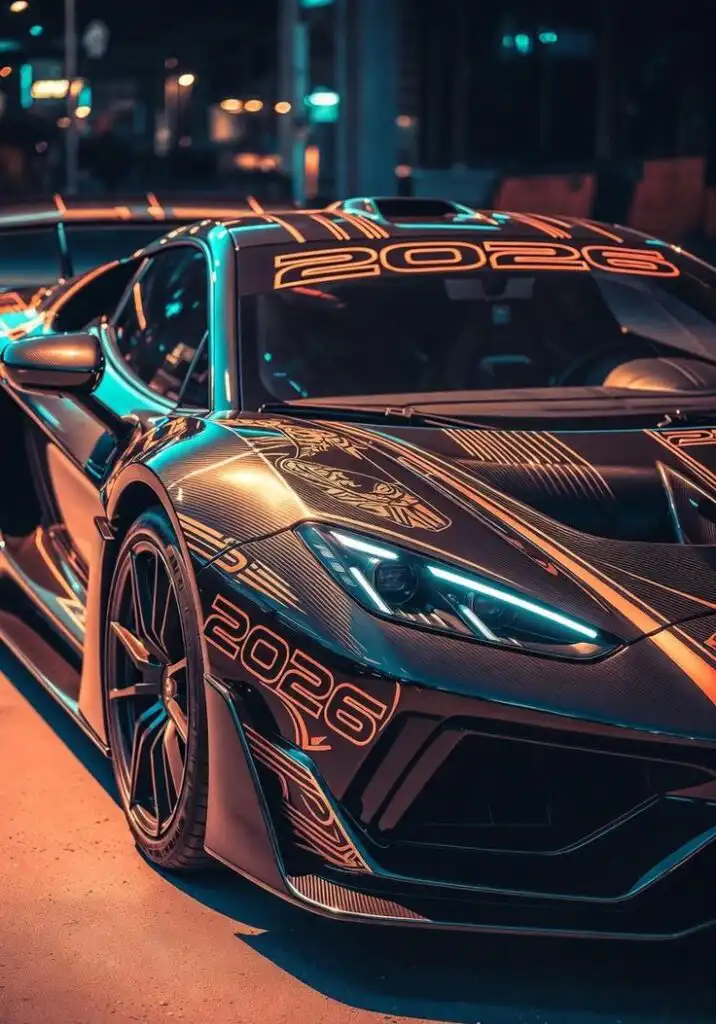
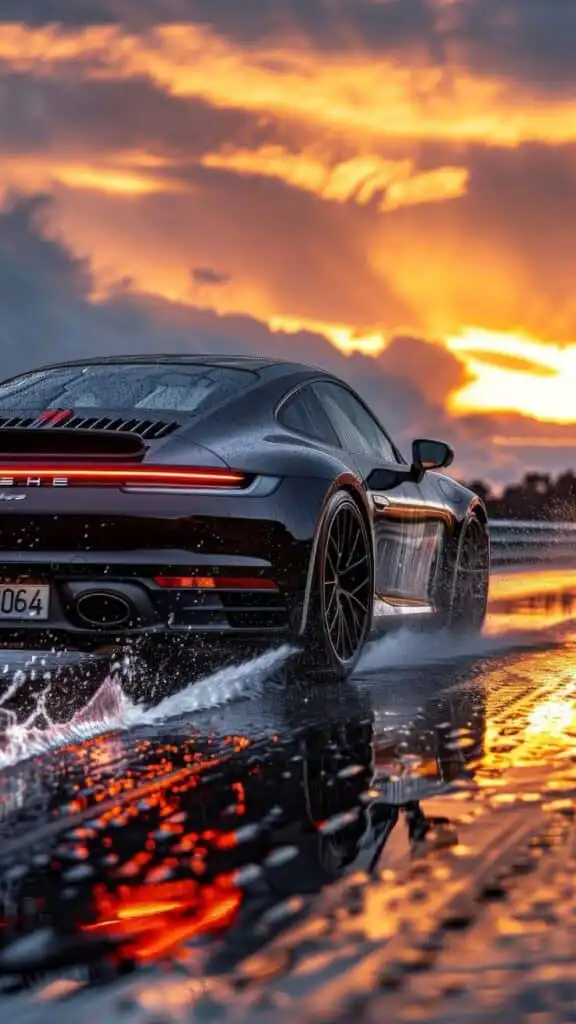
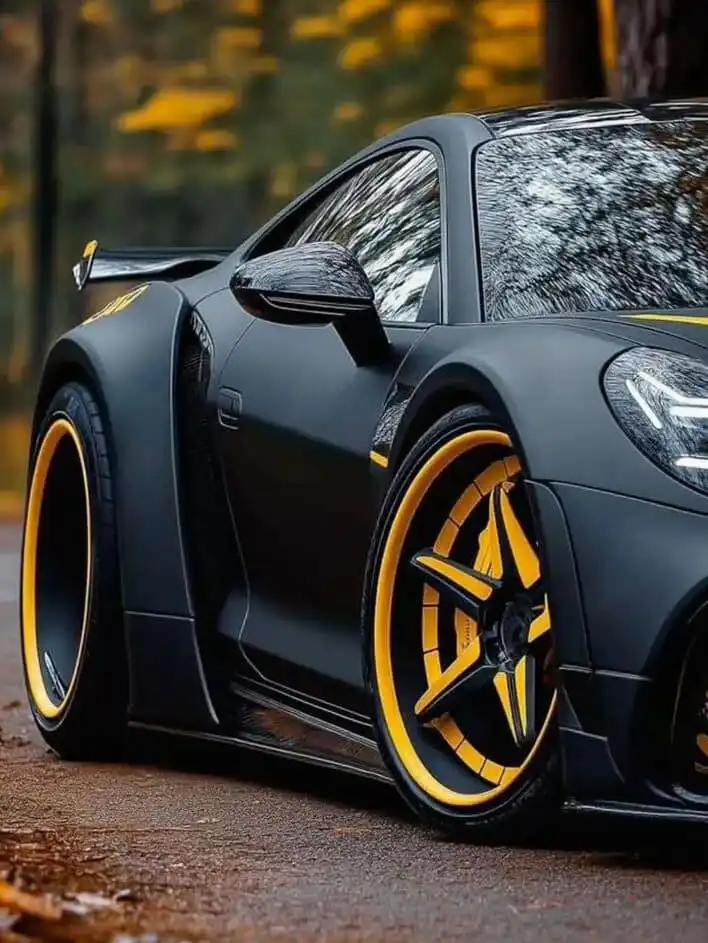
Before you order that first part or schedule an installation, take a few minutes to cover your bases. The excitement of personalizing your ride can quickly turn into frustration if a modification voids your warranty, raises your insurance premium, or earns you a fix-it ticket.
Customization regulations vary widely depending on where you live. In the US, each state sets its own rules for window tint, exhaust noise, lighting colors, and suspension modifications. The UK and Canada have their own frameworks as well. What passes inspection in Texas might get you pulled over in California.
Understanding Warranty Implications
Some modifications can void parts of your factory or extended warranty, while others are completely safe. Here is a general breakdown:
| Modification Type | Warranty Risk |
|---|---|
| Seat covers, floor mats, phone mounts | Usually safe |
| LED interior bulbs, license plate frames | Usually safe |
| Window tint, steering wheel covers | Generally safe |
| Cold air intakes, cat-back exhausts | May affect powertrain warranty |
| ECU tunes, turbo kits | High risk of warranty denial |
| Suspension changes, wheel size changes | Can affect related components |
Review your owner’s manual, warranty booklet, or extended service contract fine print before any performance modifications. When in doubt, call your dealer or warranty provider directly. A quick phone call can save you thousands in denied claims.
Leased Vehicles and Reversible Mods
If you are leasing a vehicle, your contract likely restricts permanent changes like paint, drilling, or cutting into body panels. The good news is that many popular modifications are completely reversible:
- Vinyl wraps instead of paint
- Seat covers instead of reupholstery
- Plug-in accessories instead of hardwired installations
- Bolt-on wheels that can be swapped back to stock
This approach lets you personalize your lease without penalties at turn-in.
Quick Legal Checklist
Before proceeding with visible exterior or lighting modifications, check your local laws on:
- Window tint percentages (front windows often have stricter limits than rear)
- Headlight and taillight colors (blue and red forward-facing lights are typically illegal)
- Underglow lighting (banned or restricted in many states)
- Exhaust noise limits (California and New York have strict enforcement)
- Minimum ride height and wheel/tire specifications
A reputable local shop can often provide guidance specific to your area, but the ultimate responsibility falls on you as the vehicle owner.
Affordable Custom Car Ideas Under $200
This section covers budget-friendly customizations in the $20 to $200 range that almost any car owner can tackle in a weekend. These mods require minimal tools, carry low risk, and deliver noticeable results.
Prices reflect typical 2024 US retail ranges and may vary by location and vehicle type.
Window Tinting (From About $120–$300)
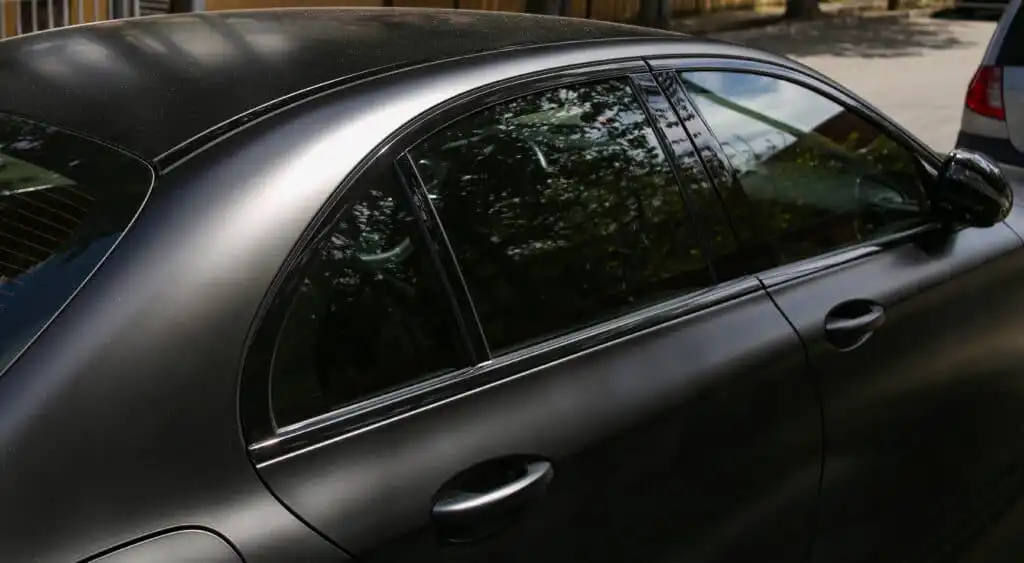
Window tint is one of the most popular first modifications, especially in sunny states like Florida, Texas, and Arizona. Beyond looking sleek, quality tint provides UV protection, reduces cabin heat, and adds privacy.
DIY vs Professional Installation
- Pre-cut DIY tint kits typically cost $40–$80 and work well on flat side windows
- Professional installation runs $150–$300 for a small sedan in 2024
- Complex rear glass with defrosters and curves is better left to pros
Legality Matters
Tint darkness is measured in Visible Light Transmission (VLT) percentage. Lower numbers mean darker tint. Many states allow around 35% VLT on front windows but permit much darker shades on rear windows. Installing illegal tint can result in fix-it tickets, removal costs, and failed inspections.
Film Types
For hot climates, ceramic tint offers superior heat rejection despite a higher price point. Dyed films are more affordable but fade faster and block less infrared energy. The extra investment in ceramic often pays for itself in reduced AC load and long-term durability.
License Plate Frames & Simple Exterior Accents (Usually $15–$60)
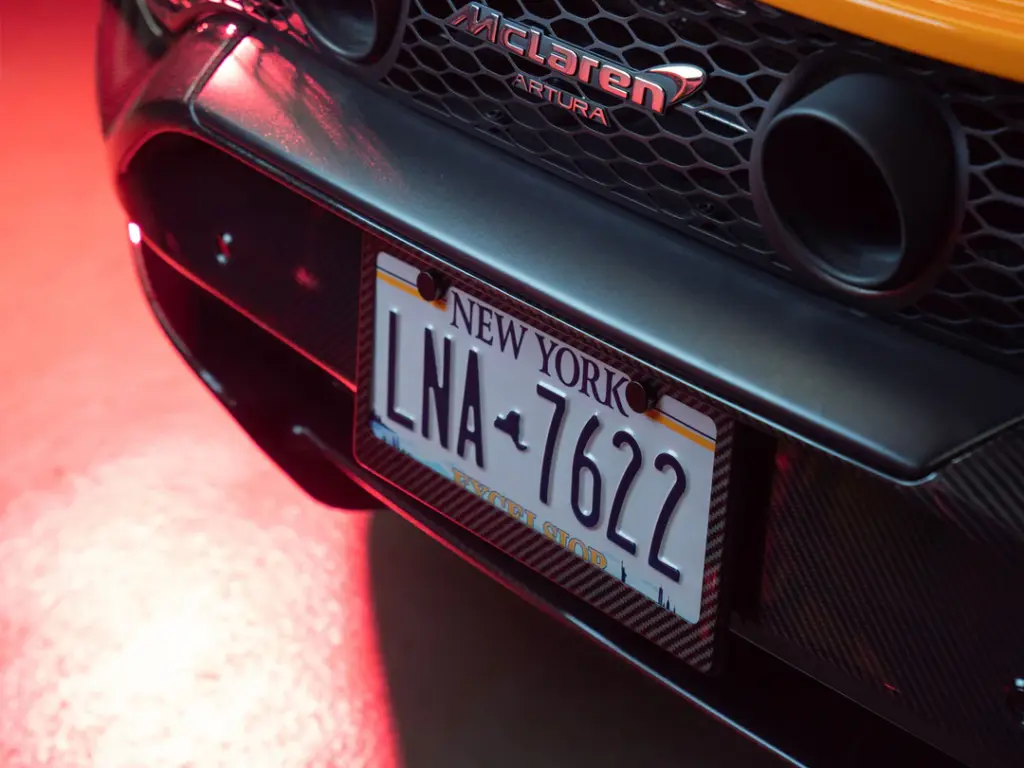
License plate frames offer a low-risk way to add personality without affecting safety or warranty. Options range from team logos and carbon-fiber styles to stainless steel and humorous slogans.
Coordinate frames with other small accents for a cohesive look:
- Colored valve stem caps ($5–$15)
- Body-color mirror cap covers ($30–$80)
- Simple stick-on trunk spoilers ($40–$100)
- Blacked-out or color-matched badges ($15–$50)
Installation typically requires only removing two to four screws with a screwdriver, making this ideal for beginners with zero experience.
One reminder: some regions restrict plate coverage, so choose frames that do not obscure numbers, letters, or registration stickers.
LED Bulb Swaps & Accent Lighting (Around $25–$150)
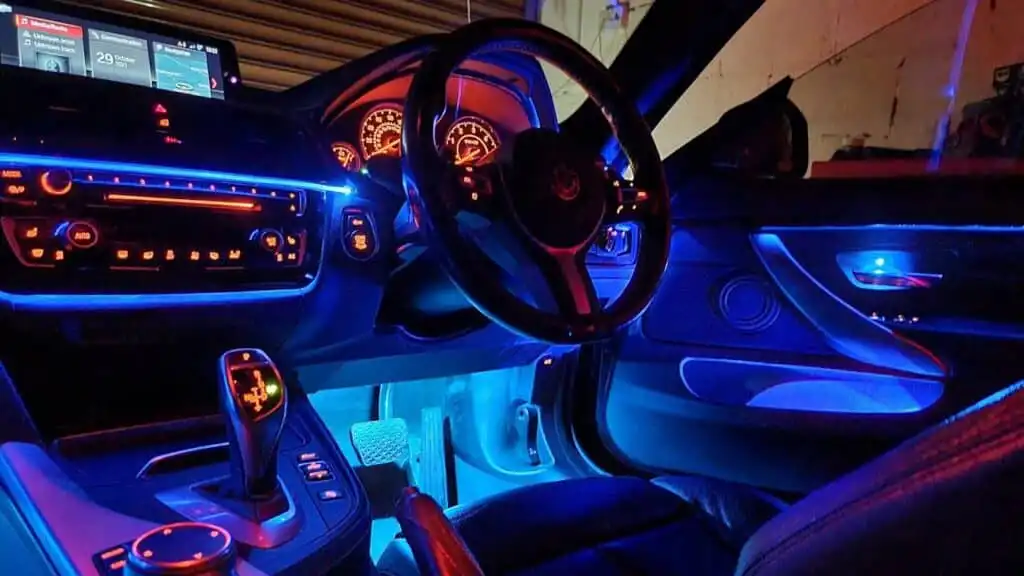
Swapping halogen bulbs for quality LED bulbs in interior lights, license plate lights, and reverse lights is an easy way to modernize even a 2008–2014 model car. The crisp white light immediately makes older interiors feel more current.
Cost Ranges
| Upgrade Type | Typical Cost |
|---|---|
| Full interior LED kit | $25–$60 |
| LED headlight replacement bulbs | $50–$150 |
| Ambient footwell light strips | $20–$50 |
| App-controlled interior accent kits | $40–$100 |
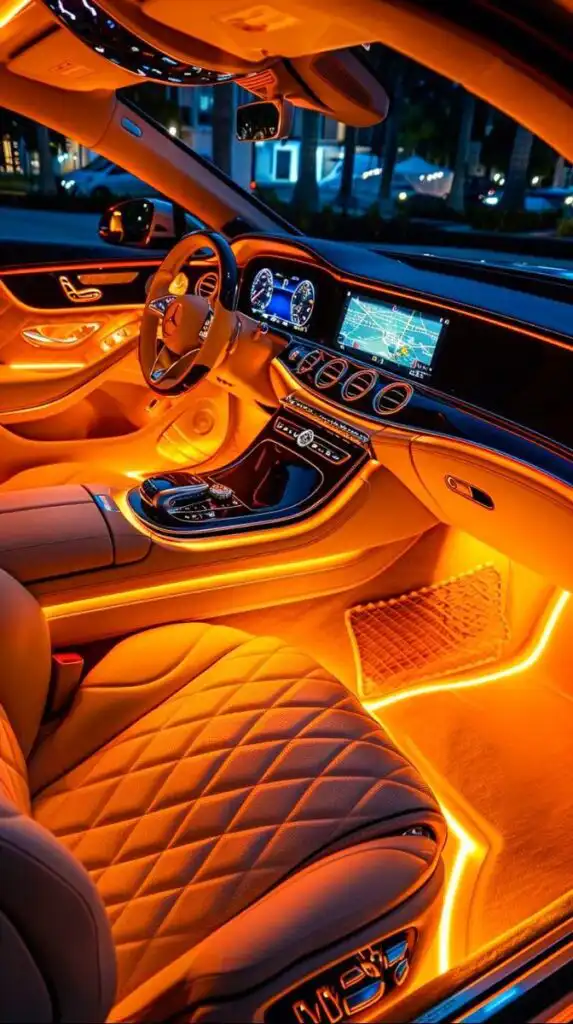
Auxiliary interior LED strips that plug into a 12V outlet or USB port and controlled via remote or app are a fun addition that requires zero wiring knowledge.
Safety Caution
Avoid illegal exterior colors—blue and red forward-facing lights are prohibited in most US states. Also, un-aimed aftermarket headlight bulbs can blind other drivers. If you upgrade headlights, ensure proper alignment.
Steering Wheel Covers, Shift Knobs & Interior Trim (Typically $20–$100)
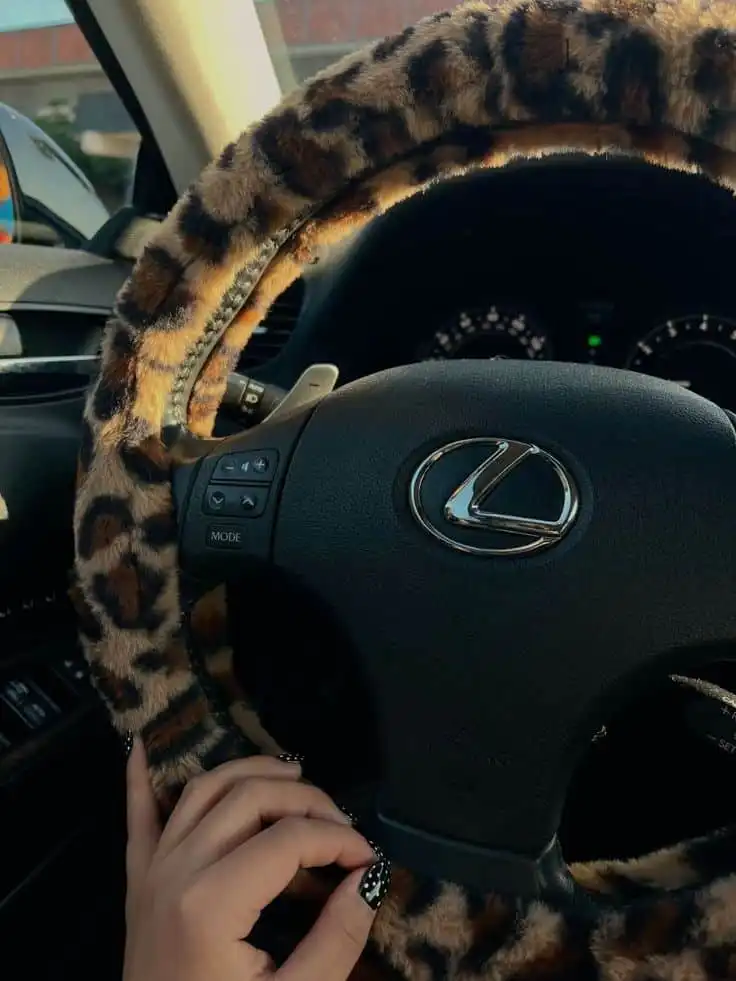
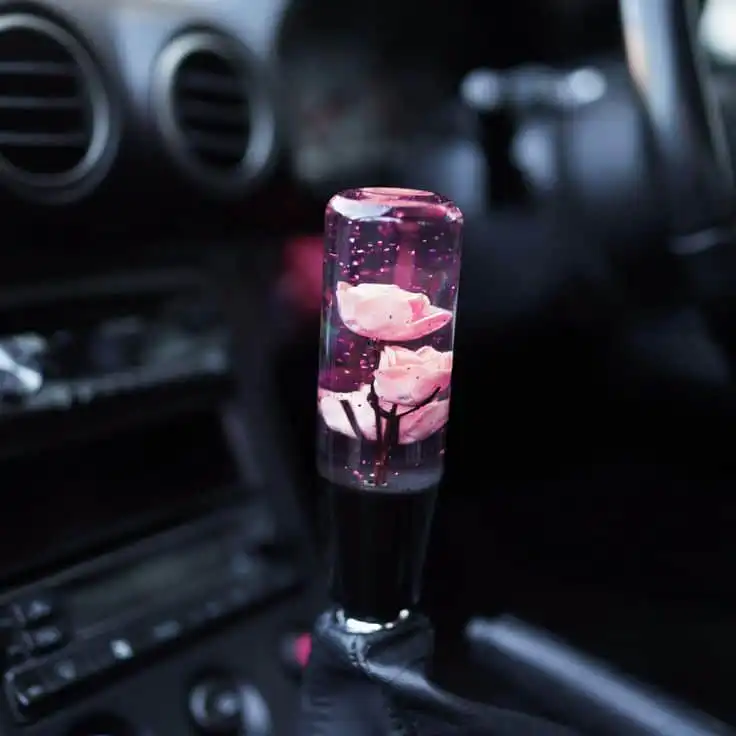
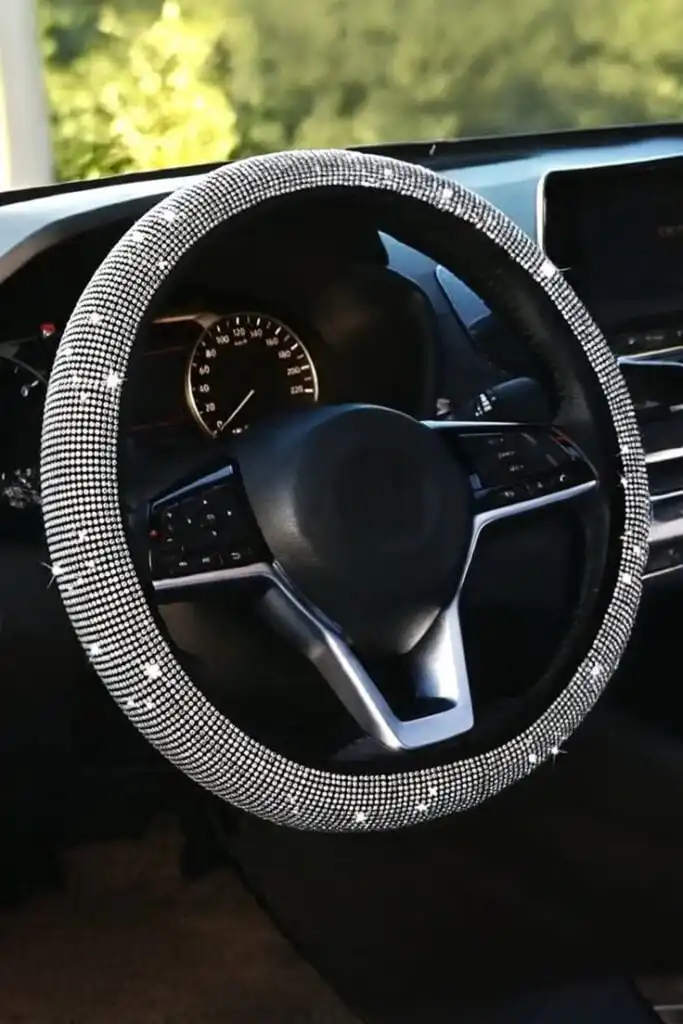
A well-fitted steering wheel cover can refresh a worn wheel while improving grip and comfort. This is especially noticeable on older cars where the original leather or rubber has become slick or cracked.
Options
- Universal slip-on covers: $20–$40, easy installation
- Stitched-on covers: $30–$80, longer install time but closer to OEM appearance
- Alcantara-style or perforated grips: Premium feel at budget prices
Pair a new steering wheel cover with a matching shift knob ($15–$50) and interior trim overlays ($20–$60) to create a cohesive theme. Brushed aluminum, carbon-look, and woodgrain overlays can dramatically change perceived interior quality.
Safety Reminder
Covers and knobs must not interfere with airbag deployment or shifting. Avoid bulky covers that might slip during aggressive steering inputs.
Seat Covers & Floor Mats (About $50–$250)
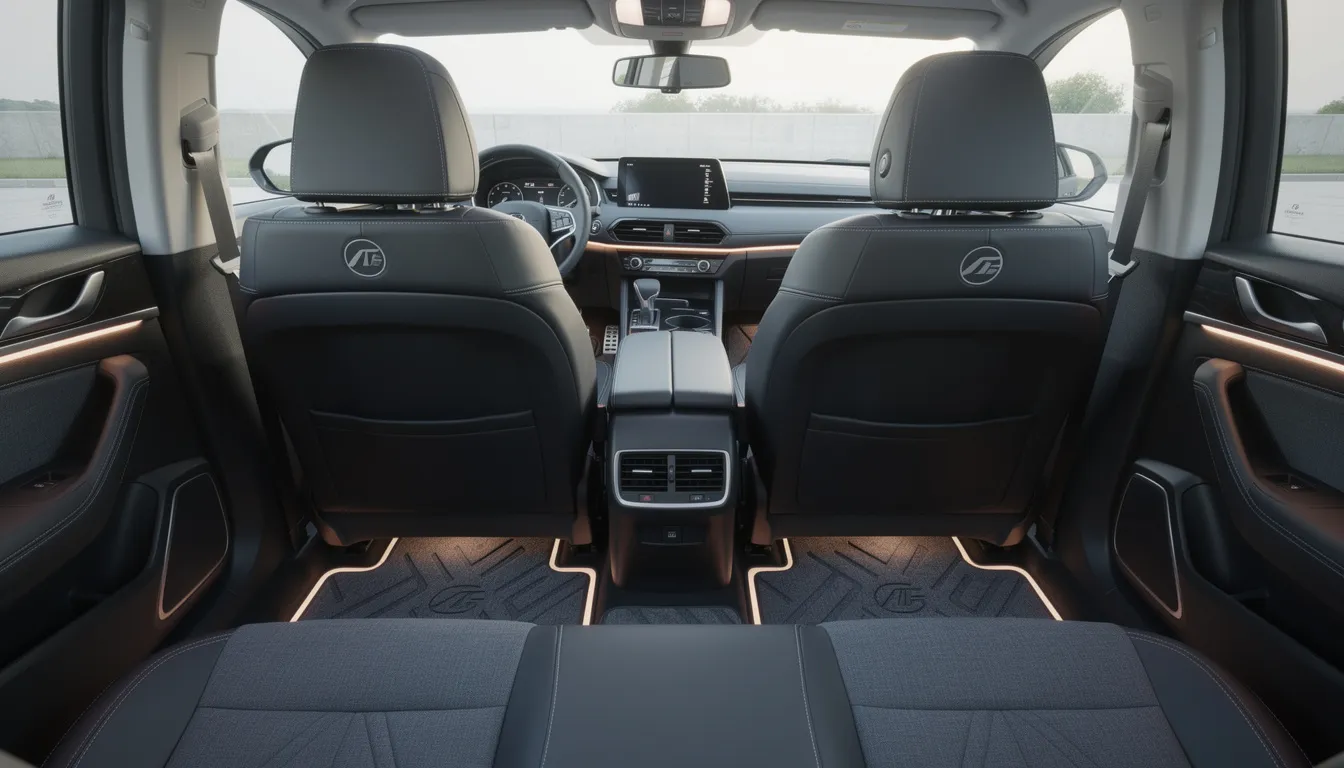
Custom-fit seat covers protect original upholstery on daily drivers and leased vehicles, helping maintain resale value while hiding existing wear or stains.
Seat Cover Options
| Material | Price Range | Best For |
|---|---|---|
| Basic cloth | $50–$100 | Budget protection |
| Neoprene | $100–$180 | Spill resistance, outdoor use |
| Faux leather/leatherette | $120–$250 | Upscale appearance |
| Covers with heating/massage | $150–$300 | Adding luxury features |
A notable 2024 trend is seat covers with integrated heating and massage features, giving daily drivers comfort technology previously found only in premium vehicles.
For floor protection, all-weather rubber mats work well in snowy or muddy climates, while plush carpet mats suit luxury-focused builds. Match colors to your interior theme—black mats with red stitching complement a red-accented cabin nicely.
Always ensure mats fit properly and do not interfere with pedals. Loose or stacked mats are a serious safety hazard.
Best Custom Car Modification Ideas for Style
Visual modifications make the most immediate impact on how your car presents to the world. From subtle changes that only enthusiasts notice to dramatic transformations that turn heads at every stoplight, style mods define your vehicle’s personality.
Before diving in, choose an overall theme—sport, luxury, off-road, or stealth—so your exterior, wheels, and lighting create a cohesive vision rather than a random mix.
Vehicle Wraps vs. Custom Paint Jobs
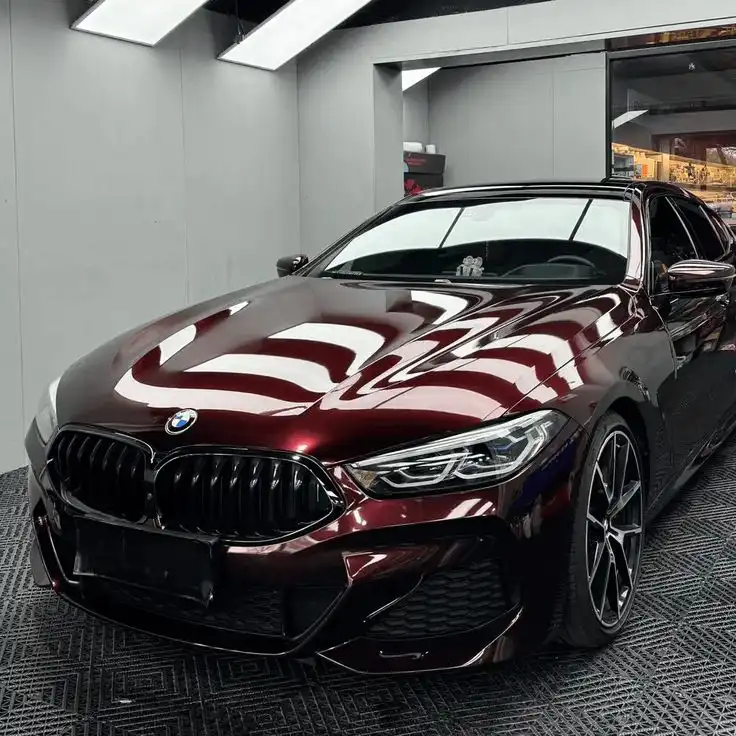
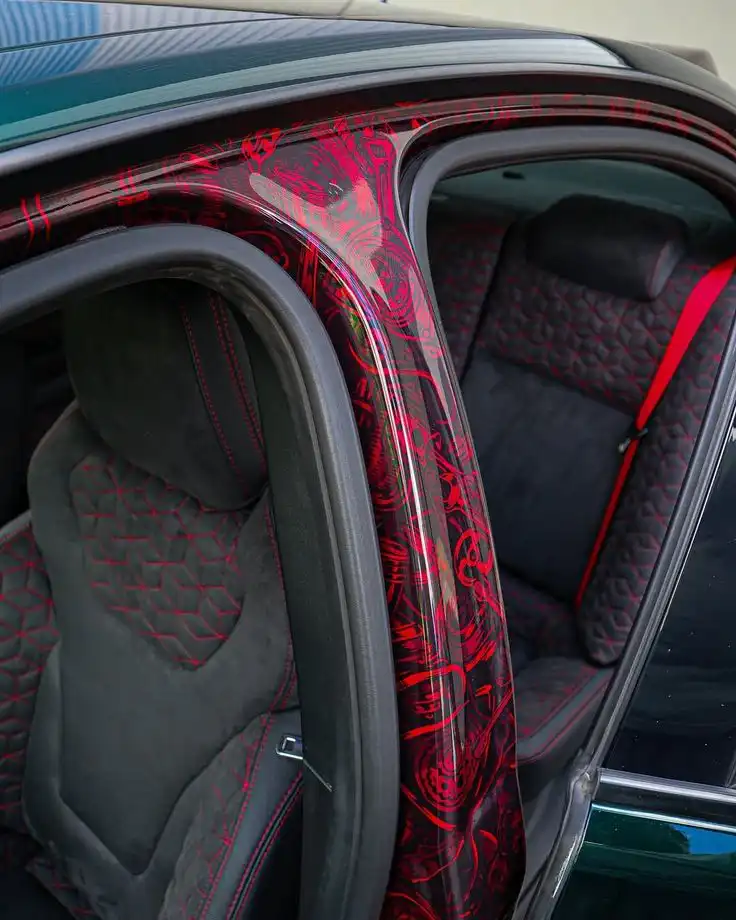
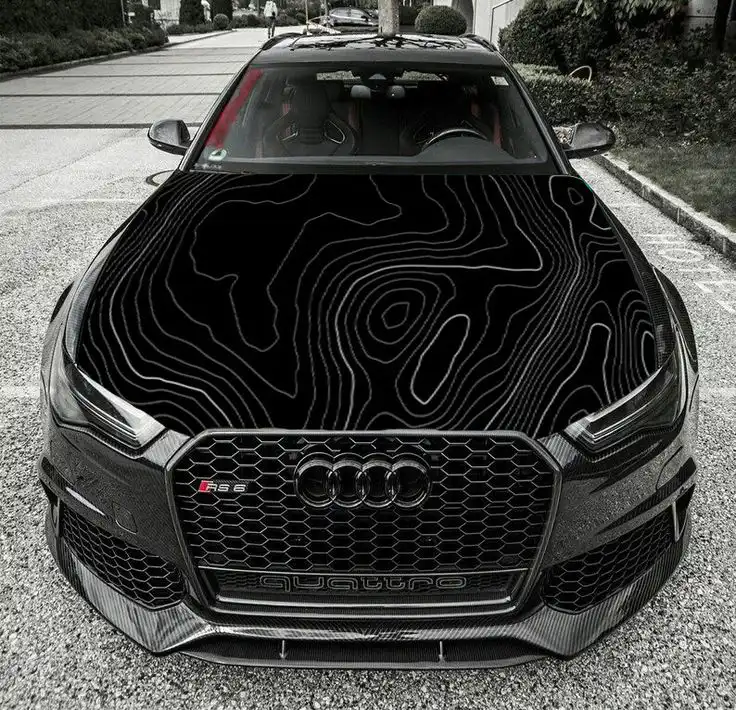
This is often the biggest decision in any style-focused build. Understanding the differences helps you make the right choice for your goals and budget.
Vinyl Wraps
Wraps are large adhesive films applied over existing paint. They are reversible, protect factory paint from minor scratches and UV damage, and can be removed before resale.
2024 wrap pricing:
- Partial wraps (roof, hood, mirrors): $400–$1,000
- Full sedan wrap: $2,000–$4,000
- Color-shift or chrome films: $3,500–$6,000+
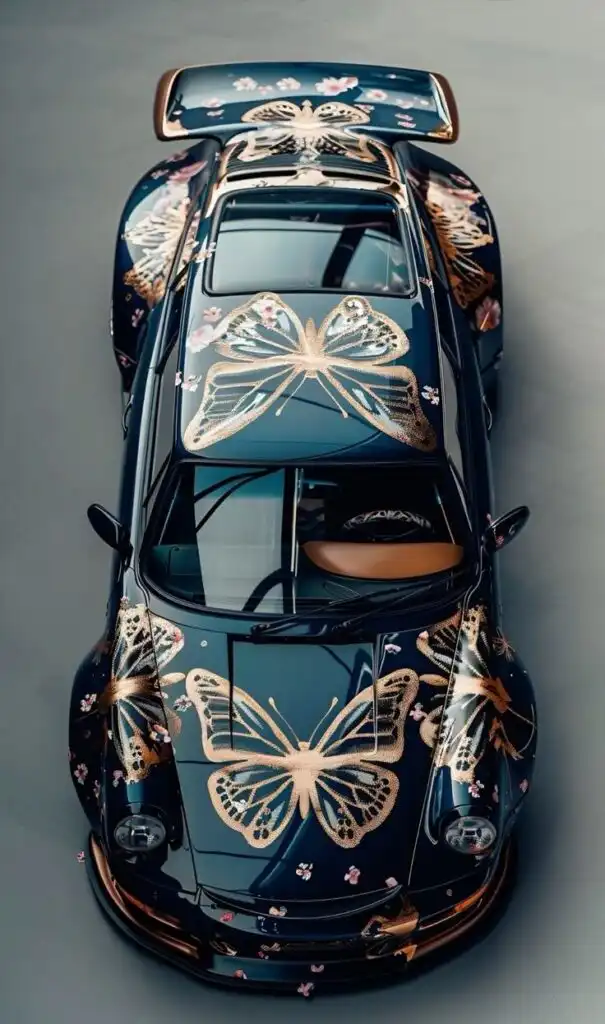
Popular finishes include matte black, satin gray, brushed metal, color-shift chameleon effects, and subtle printed designs like racing livery or geometric patterns.
Custom Paint
Custom paint is permanent and typically more expensive. However, high-end paint techniques create depth and finish quality that wraps cannot fully replicate.
2024 paint pricing:
- Simple single-stage color change: $3,000–$5,000
- Multi-stage tri-coat or candy finishes: $6,000–$10,000+
- Show-quality paint with extensive prep: $10,000–$20,000+
Designs range from classic two-tone schemes and racing stripes to ghost graphics, tribal patterns, and subtle pearl or metallic flake effects.
For newer cars (2019+ models) that you may resell, wraps often make more financial sense. They let you personalize without permanently altering factory value.
Wheel & Tire Upgrades
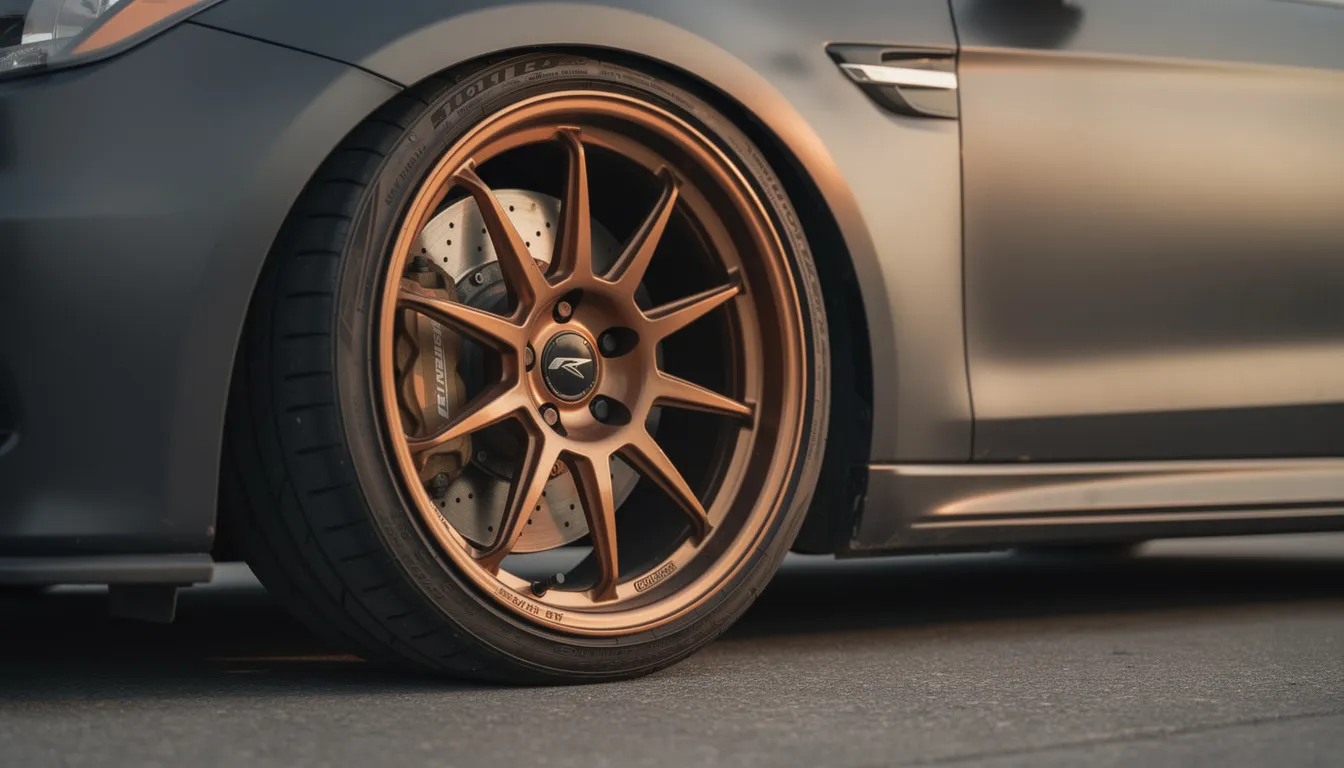
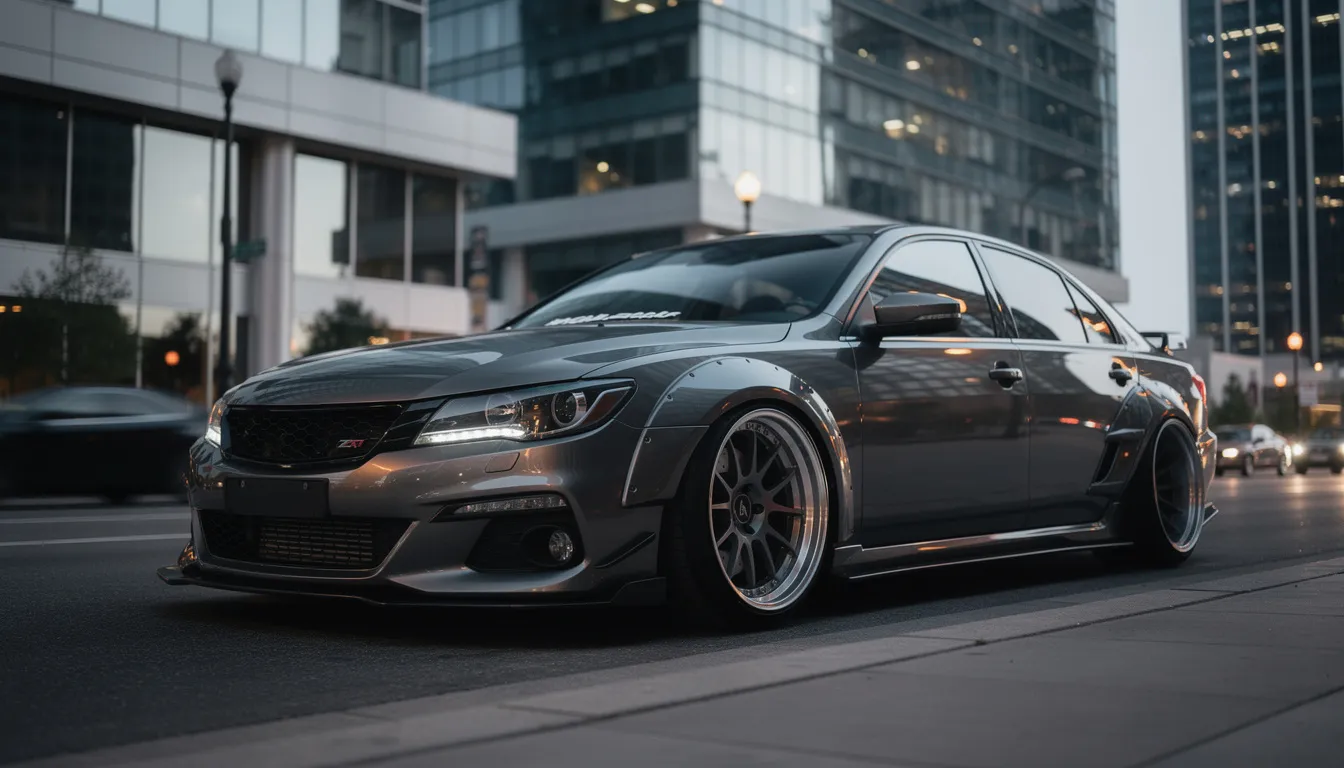
Wheels are one of the most visually striking modifications. Even an older compact transforms with the right wheel design and tire stance.
Budget Ranges (2024)
| Upgrade Path | Cost Range |
|---|---|
| Mid-range alloy wheels + tires | $800–$1,500 |
| Premium brand wheels + performance tires | $2,000–$4,000+ |
| Powder-coat or repaint OEM wheels | $300–$600 |
Fitment Basics
Understanding diameter, width, and offset matters. Staying within safe specifications prevents rubbing, bearing wear, or ABS sensor issues. Your specific car’s forums and owner groups are excellent resources for proven fitments.
Aesthetic Choices
- Gloss black: Stealth, murdered-out look
- Bronze or gunmetal: Sporty, aggressive
- Polished or machined faces: Luxury, classic
- Matte finishes: Modern, understated
Match tires to your build goal. Performance summer tires suit spirited driving, touring tires prioritize comfort, and all-terrains complete a rugged SUV aesthetic.
Body Kits, Splitters & Subtle Exterior Touches
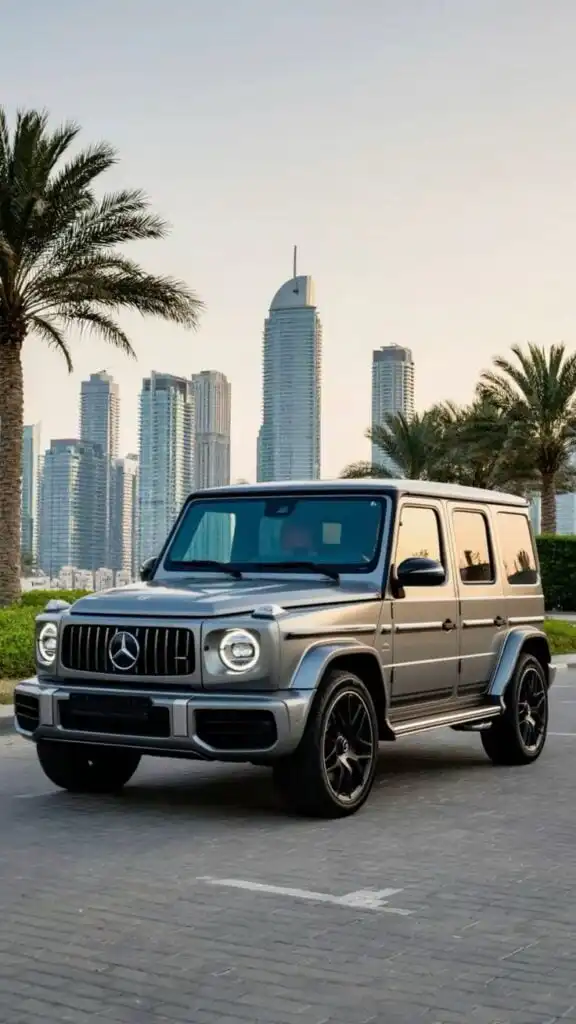
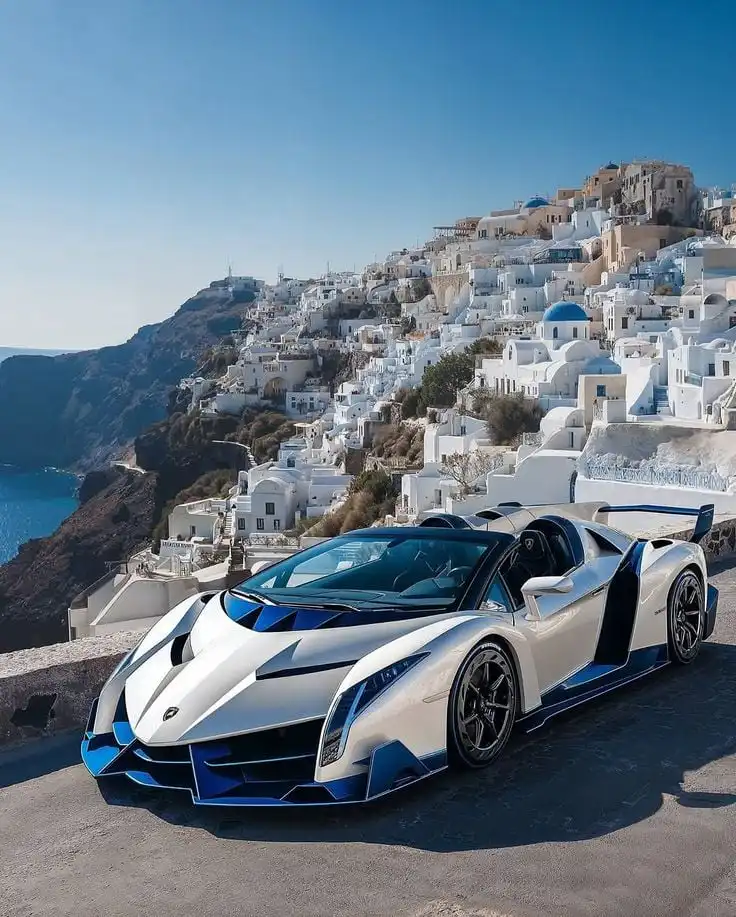
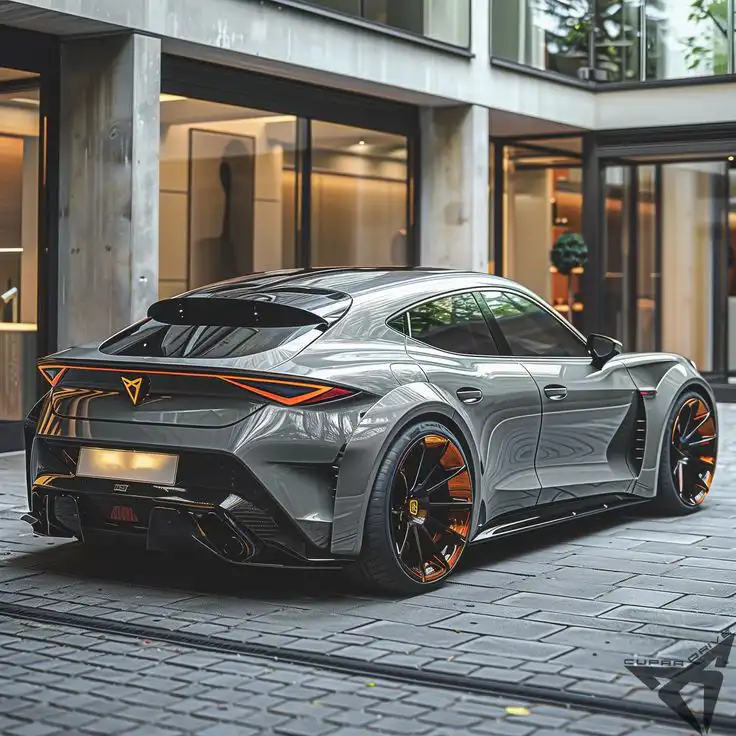
Full body kits with front and rear bumpers plus side skirts dramatically change your car’s silhouette but require professional paint matching and often extensive labor.
More approachable options include:
- Front lip splitters: $100–$400
- Side skirt extensions: $150–$400
- Rear spoilers or duckbills: $100–$500
- Subtle rear diffusers: $200–$600
These can often be installed with basic tools and bolt directly to existing mounting points.
Practical Advice
Choose well-fitting parts made from ABS plastic or polyurethane. Avoid extremely low splitters on daily drivers—speed bumps and parking lot ramps become serious obstacles.
Small details complete the look: smoked headlight or taillight covers (where legal), color-matched door handles, and blacked-out badges create a cohesive, intentional appearance.
Best Custom Car Modification Ideas for Performance & Feel
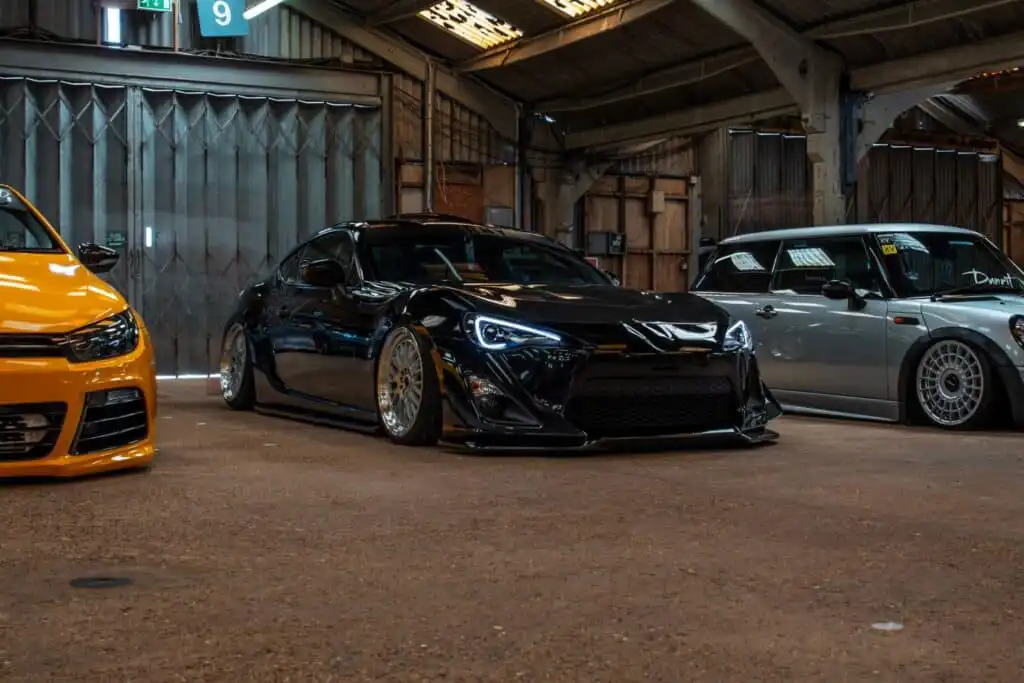
Performance modifications extend beyond raw horsepower. Handling, braking, and overall driving feel can transform how much you enjoy your car without adding a single horsepower.
Some of these mods may have more impact on daily driving satisfaction than they do on track times—and that is perfectly valid.
Cat-Back Exhaust Systems
A cat-back exhaust includes piping, mufflers, and tips that bolt on after the catalytic converter. These systems remain emissions-legal in most areas and can improve exhaust sound while sometimes adding modest power.
2024 Pricing
- Quality brand-name cat-back kits: $400–$1,200
- Professional installation: $150–$400
Benefits include a more engaging exhaust note, potential power gains on some engines, and lighter weight than stock systems.
Legal Reminder
Verify local noise regulations before choosing an aggressive exhaust. Straight-pipe or race-only systems can result in fines and unwanted attention in areas with strict enforcement. A moderate exhaust that sounds great without droning or excessive volume is usually the sweet spot for street cars.
Intakes, Tunes & Bolt-On Performance
Cold air and short-ram intakes primarily change intake sound on many modern cars. Real power gains are often modest unless combined with ECU tuning.
Quality intakes from reputable brands cost $250–$500 and add a sportier engine note even on common vehicles like a 2016 Civic or 2015 Mustang.
ECU Tuning
Software tunes via handheld devices or custom dyno tuning are more serious upgrades. On turbocharged engines, quality tunes can add substantial power—sometimes 30% or more.
However, tuning affects warranty status and emissions compliance. Research your specific platform, local emissions laws, and insurance implications before committing. Work with experienced, well-reviewed tuners who understand your model.
Suspension & Handling Upgrades
Basic handling modifications suitable for beginners include:
- Bolt-on sway bars: $200–$400
- Strut tower braces: $100–$250
- Upgraded shocks: $300–$600
- Lowering springs: $200–$400
- Entry-level coilovers: $600–$1,500
These reduce body roll and sharpen steering response, making the car feel more connected and responsive.
Trade-offs
Aggressive lowering or stiff setups look great and corner well but can be uncomfortable on rough city streets. For daily drivers, consider modest lowering (1–1.5 inches) with high-quality components rather than extreme stances that scrape or cause alignment issues.
Braking & Feel Upgrades
Fresh performance brake pads, quality rotors, and stainless steel brake lines dramatically improve pedal feel and stopping confidence without visible exterior changes.
Cost Ranges
- Performance pads and rotors: $150–$400 for most common cars
- Stainless brake lines: $80–$150
- Big brake kits (larger calipers and rotors): $1,500–$4,000+
This category appeals to drivers who enjoy spirited back-road driving or occasional track days and want a balanced build that matches handling improvements with appropriate stopping power.
Easy DIY Car Customization Ideas for Beginners
This section is specifically for people with zero or minimal tools and mechanical experience. These projects can be completed in under a day and require no special skills.
Start small, learn the basics, and build confidence before attempting complex electrical or mechanical work.
Interior Personalization You Can Do in an Afternoon
Easy swaps for beginners:
- Steering wheel covers (slip-on, no tools)
- Seat covers (stretch over existing seats)
- Floor mats (drop-in replacement)
- Pedal covers (slip-on or bolt-on)
- Decorative trim overlays (double-sided automotive tape)
Many kits include step-by-step instructions. Installation typically requires simple tools like a screwdriver, scissors, or plastic trim tool.
Start with one area—just the driver’s seat and wheel—to see how you like the look and feel before committing to a full interior kit.
Choose durable, easy-to-clean materials for daily drivers and avoid overly reflective surfaces on the dashboard that cause glare.
Quick Audio & Tech Upgrades
Simple audio and tech enhancements accessible to beginners:
- Bluetooth FM transmitter for older cars: $15–$40
- Front door speaker swap: $50–$150 plus adapter brackets
- Powered under-seat subwoofer: $100–$300
- Smartphone mount or wireless charging pad: $15–$50
- Dash cam installation: $50–$200
Basic speaker swaps are often a bolt-in job with adapter brackets. With a screwdriver and a few hours of patience, most people can handle this project.
Route cables safely and avoid blocking airbags or vents when mounting devices to the dash or windshield.
Vinyl Decals, Striping & Small Wrap Sections
Simple vinyl decals—logos, racing numbers, subtle pinstripes—offer a low-risk way to experiment with graphics before committing to a full wrap or custom paint.
DIY Tools Needed
- Clean surface and isopropyl alcohol
- Squeegee or credit card wrapped in cloth
- Hairdryer or heat gun on low setting
Practice on flat or gently curved surfaces like door panels or trunks before attempting challenging areas like bumpers.
Beginner-friendly partial wrap ideas:
- Matte black roof wrap: $100–$300
- Gloss black mirror wraps: $50–$150
- Hood or trunk stripes: $50–$200
These projects build skills while delivering noticeable visual impact.
How Much Does It Cost to Customize a Car?
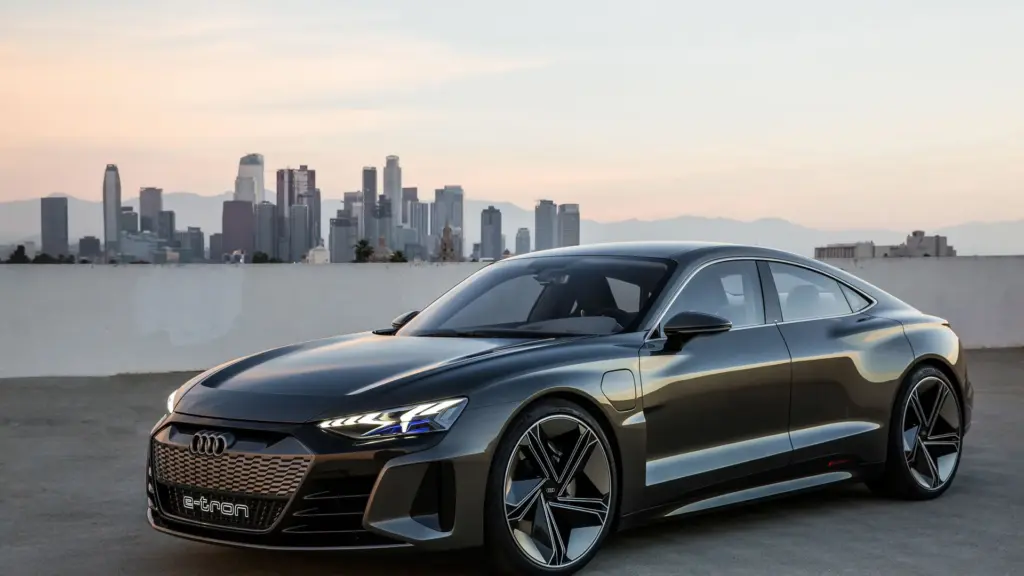
Customization budgets range from under $100 for small DIY projects to $10,000+ for comprehensive builds with full paint, wheels, suspension, and audio. Setting realistic expectations helps you prioritize and plan.
Typical 2024 Price Ranges by Mod Type
Interior Modifications
| Item | Price Range |
|---|---|
| Steering wheel covers | $20–$50 |
| Seat covers | $50–$250 |
| Floor mats | $30–$150 |
| Shift knobs | $15–$60 |
| Ambient lighting kits | $25–$100 |
Exterior Style Modifications
| Item | Price Range |
|---|---|
| License plate frames, badges | $15–$60 |
| Front lip splitters, small spoilers | $100–$600 |
| Wheels and tires (set) | $800–$1,500+ |
| Full vinyl wrap | $2,000–$4,000 |
| Custom paint | $3,000–$10,000+ |
Performance Modifications
| Item | Price Range |
|---|---|
| Cat-back exhaust | $400–$1,200 |
| Cold air intake | $250–$500 |
| Entry-level suspension kit | $600–$1,500 |
| Upgraded brakes (pads and rotors) | $150–$400 |
Example Build Tiers
- Starter build ($500): Window tint, LED interior kit, seat covers, license plate frame
- Enthusiast build ($3,000–$5,000): Wheels and tires, cat-back exhaust, mild lowering, partial wrap
- Serious build ($8,000–$15,000): Full wrap or paint, wheel and tire package, coilovers, big brakes, full audio system
Budgeting & Planning Your Build
Set a total budget first, then prioritize safety and maintenance—brakes, tires, and reliability items—before pure cosmetic upgrades.
Research your specific car on forums and social media groups. These communities often share proven modification paths and identify which upgrades deliver the best value for your platform.
Save for quality parts instead of chasing the cheapest options. Well-made components fit better, last longer, and look more professional. A $100 set of knock-off wheels may seem like a deal until they crack or corrode within a season.
Keep a simple spreadsheet or note app list of planned modifications, estimated costs, and target dates. This helps you stay on track and avoid impulsive purchases that derail your overall vision.
FAQ
What are the coolest affordable car mods I can do first if I’m on a tight budget?
Start with high-impact, low-cost modifications that you can complete in a weekend. Window tint ($150–$300 installed) immediately changes your car’s appearance and adds comfort. LED interior light kits ($25–$60) modernize older cabins. A quality steering wheel cover ($25–$50) improves grip and hides worn leather. License plate frames ($15–$30) add personality with zero risk. These four modifications together cost under $200 if you handle the simpler installations yourself and deliver noticeable results.
Will customizing my car increase or decrease its resale value?
It depends on the modification type and execution. Reversible mods like wraps, aftermarket wheels (with stock wheels saved), and seat covers often preserve or slightly enhance value by protecting original components. However, extreme paint colors, loud exhausts, heavy lowering, or aggressive body modifications narrow your potential buyer pool. Keeping stock parts to reinstall before selling is smart planning. Tasteful, well-executed modifications on enthusiast cars can sometimes add value to the right buyer, but the general market prefers stock or mildly modified vehicles.
Are there any car mods I can do without any tools at all?
Yes, several popular modifications require zero tools. Slip-on seat covers stretch directly over existing seats. Steering wheel covers wrap around the factory wheel and secure with elastic or lacing. Plug-in LED strips connect to 12V outlets or USB ports. Bluetooth FM transmitters plug into the cigarette lighter. License plate frames often only require hand-tightening or the factory screwdriver stored in your spare tire kit. These options let you personalize your car in an afternoon without buying a single tool.
How do I know if a modification is legal where I live?
Start with your local DMV or government transportation website, which often publishes vehicle code summaries covering tint, lighting, exhaust, and ride height. Reputable local shops familiar with inspection requirements can also provide guidance. Online forums for your state or region often maintain lists of what passes inspection. Remember that laws differ significantly—what is legal in one state may result in citations in another. When in doubt, err on the conservative side for modifications that affect visibility, lighting, or emissions.
Should I tell my insurance company about my car modifications?
Generally, yes. Major modifications like aftermarket wheels, suspension changes, engine upgrades, and expensive audio systems can affect your vehicle’s insured value and coverage terms. Disclosure protects you if you need to file a claim after an accident or theft—undisclosed modifications can complicate or even void claims. Some insurers offer specialty or collector car policies that specifically cover modifications. Contact your provider before significant upgrades to understand how your coverage may be affected and whether additional protection is available.
Customizing your car is one of the most rewarding ways to make a daily driver feel special. Whether you start with a $20 steering wheel cover or plan a comprehensive multi-thousand-dollar build, the process of transforming your vehicle into something uniquely yours is genuinely fun.
Start small, learn as you go, and build toward your ultimate vision one modification at a time. Check your local regulations, acknowledge warranty limitations, and remember that the best custom car is one you actually enjoy driving every day.
If you found these ideas helpful, share this post with a friend who is thinking about their first modification—or email your build plans to a local shop for a quote on your dream project.
References
For further reading and detailed information on car customization, warranty considerations, and legal regulations, you can visit the following expert resources:
- Endurance Warranty: 12 Easy Customization Ideas To Personalize Your Car – A comprehensive guide on popular car mods and warranty tips.
- Reddit r/cars: Cool and Easy Car Mods for Beginners – Community insights on simple car modifications.
- Inland Empire Autobody & Paint: 5 Custom Paint Ideas for Your Car – Inspiration and ideas for custom paint jobs.
- Custom Car Chronicle: Paint Ideas – Discussion on paint colors and mixing for custom cars.
- 0shares
- Facebook0
- Pinterest0
- Twitter0
- Reddit0