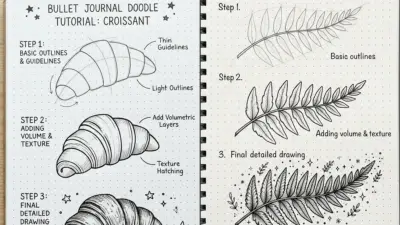
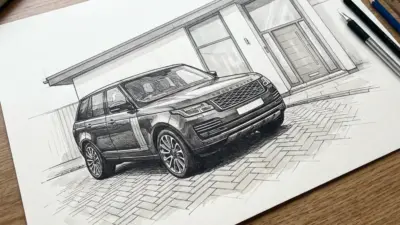
Mastering how to draw pencil sketches step by step begins with understanding the fundamental principles of line, form, and tonal variation. This ultimate guide walks artists through core concepts, essential tools, and proven step-by-step techniques—helping you create realistic pencil drawings with clarity, control, and confidence. It covers everything from gathering materials and basic shapes to advanced shading methods and common pitfalls to avoid.
Gather essential materials
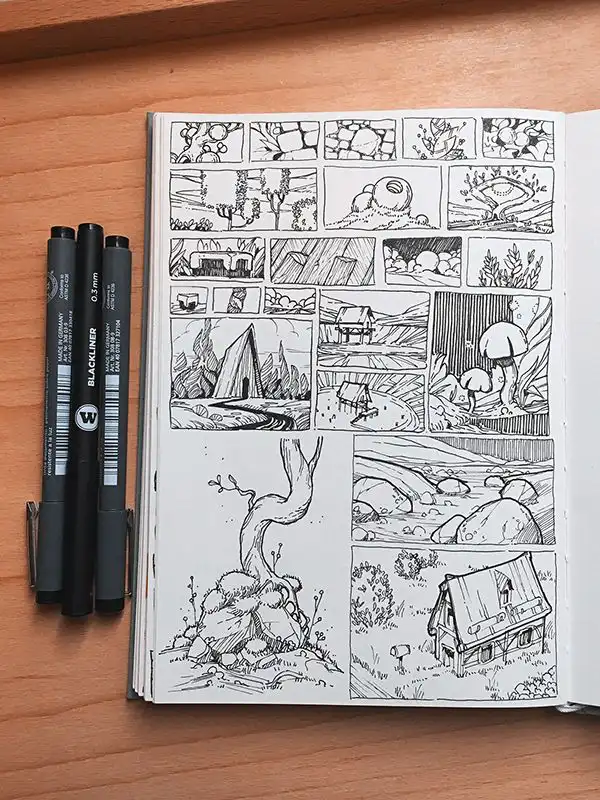
Before sketching, the artist assembles a basic toolkit. High-quality materials ensure control and consistency in every stroke.
Choose pencil grades
A range of graphite pencils—from hard grades (H) to soft grades (B)—allows for varied tonal values. Beginners often start with 4B, 2B, B, 2H, and 4H, then expand to a full range as skills advance [1]. Softer pencils (4B–6B) produce darker, velvety tones, while harder leads (H–2H) yield precise, lighter lines [2].
Use a proper sketchbook and tools
A medium-tooth sketchbook holds graphite without smudging excessively. Alongside pencils and paper, essential tools include:
- A kneaded eraser for lifting highlights
- A quality sharpener, such as the Kum Long Point Pencil Sharpener, to prevent breakage [1]
- Blending stumps or tortillons for smooth gradations
- A ruler or T-square for precise construction
Having these basics ready lets the artist focus on form and shading rather than equipment constraints.

Understand basic concepts
Grasping light, shadow, and value is crucial for depth and realism in pencil sketches.
Learn value and contrast
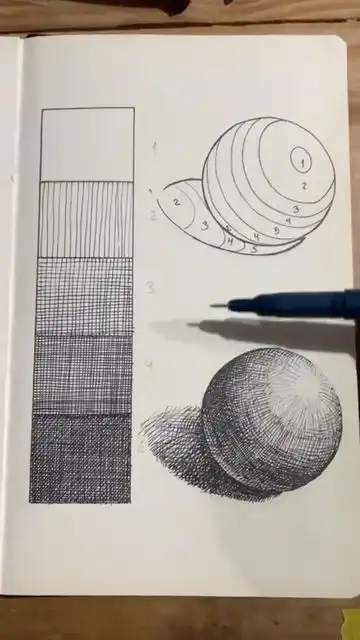
Tonal values represent the spectrum from highlights to deep shadows. Simplifying this range into three levels—highlights, midtones, and shadows—helps the artist plan depth and dimension [3]. Strong contrast between light and dark areas defines form and guides the viewer’s eye.
Observe light behavior
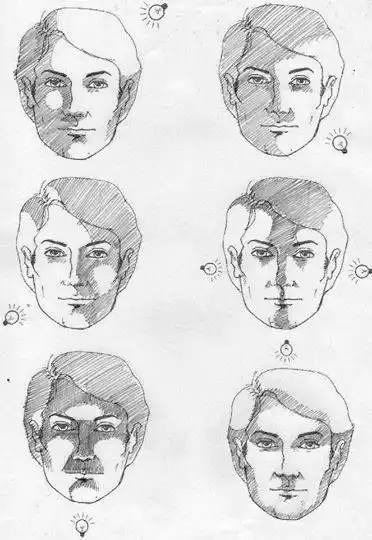
Studying how light interacts with objects reveals five key components:
- Highlight, where light hits directly
- Midtones, the softer transitional values
- Core shadow, the darkest portion of the object
- Cast shadow, the shape projected onto another surface
- Reflected highlight, light bouncing from nearby surfaces
Understanding these elements creates believable three-dimensional effects [4].
Practice fundamental shapes
Basic geometry forms the foundation for more complex subjects. Regular practice builds confidence and value control.
Draw spheres and cubes
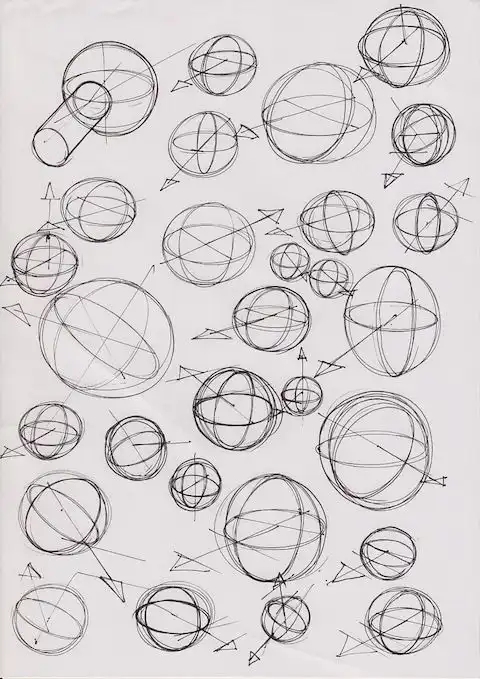
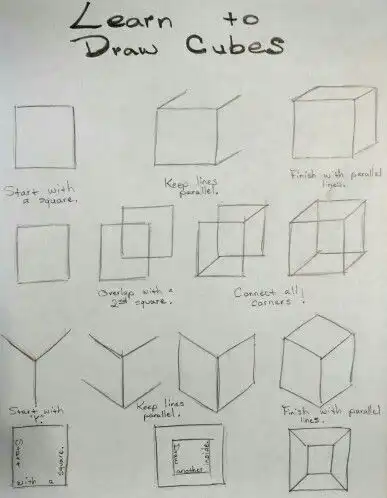
Begin by sketching a sphere and a cube under a single light source. Block in the outline lightly, then map out highlights and shadows. Shade gradually from lightest to darkest, maintaining smooth transitions. This exercise teaches volume and edge control [4].
Apply value ranges
Use the full graphite range to depict form accurately. Start with faint 2H outlines, add midtones with HB or B, and deepen shadows with 4B or 6B. This systematic approach reinforces the three-step value scale and prepares the artist for irregular forms.
Explore shading techniques
Shading brings drawings to life, conveying texture and depth. Each technique offers unique effects.
Hatching and cross-hatching
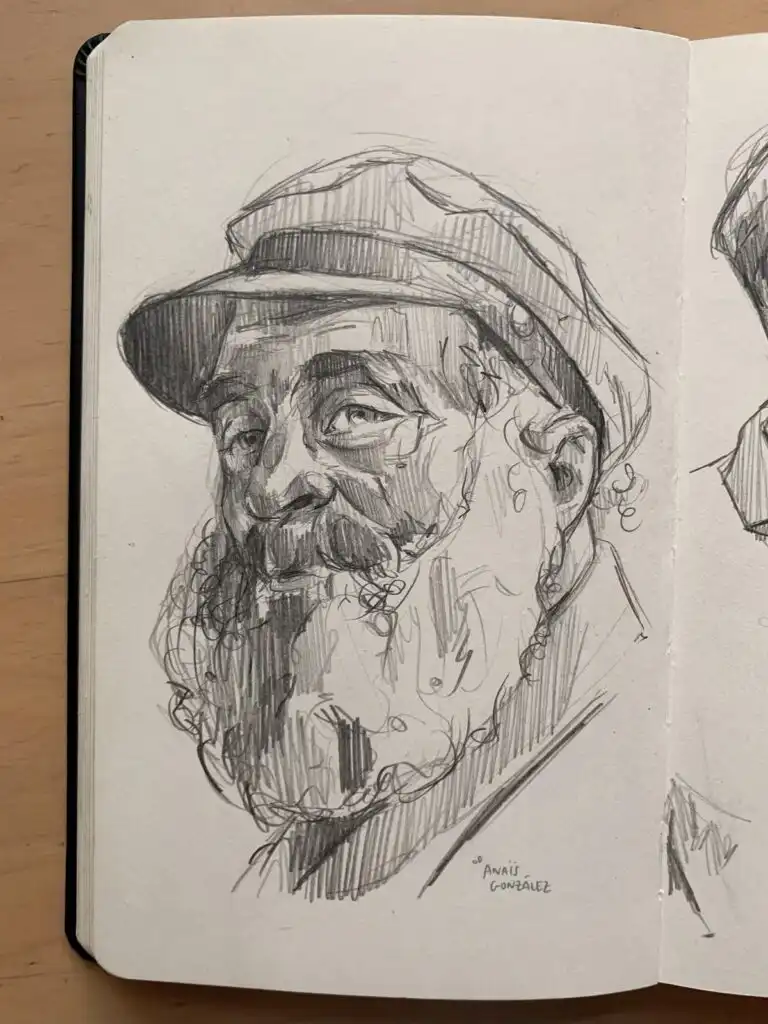
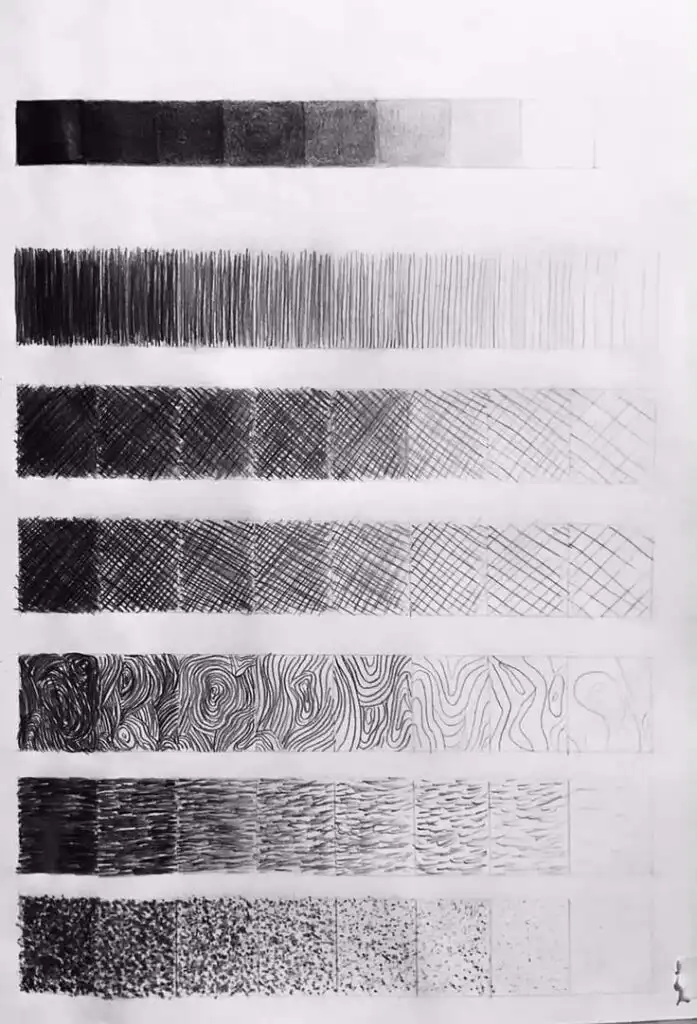
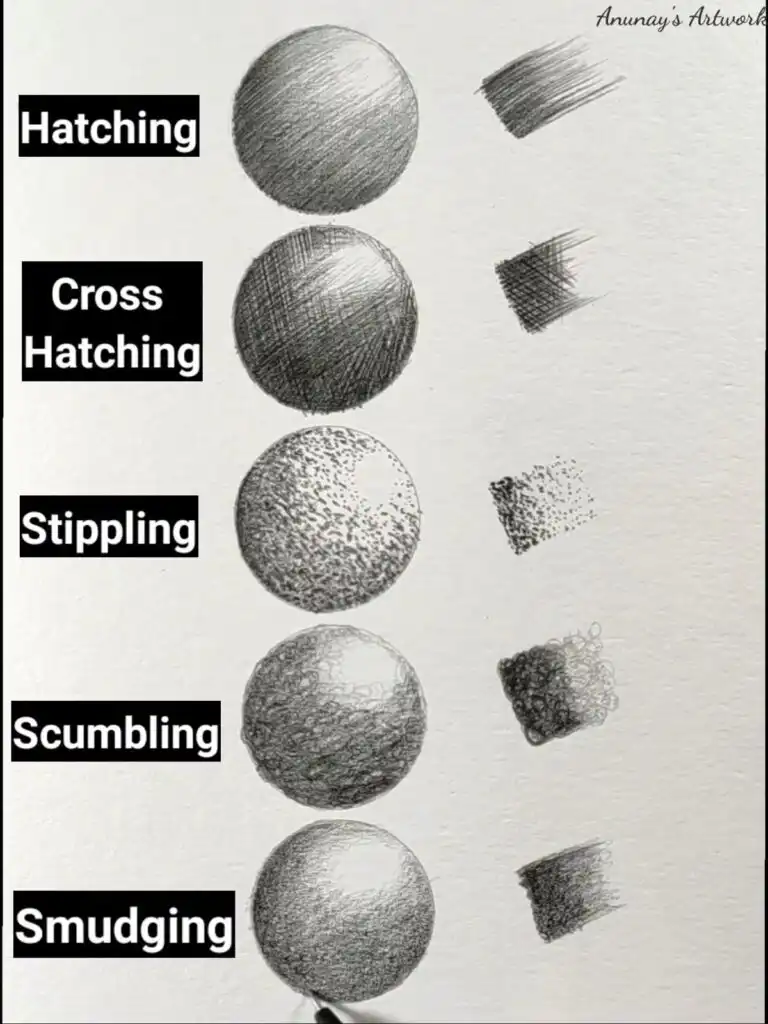
Hatching uses parallel lines in one direction to suggest shadow. Cross-hatching layers intersecting lines for deeper values. Line spacing controls tonal density; tighter lines yield darker areas [4].
Blending and smudging
The artist achieves smooth gradients by gently rubbing graphite with a blending stump, tortillon, or even paper. Applying light pressure with a finger or tissue softens line edges. Angling the pencil to use its broad side also creates uniform shading [2].
Stippling and random lines
Stippling builds tone with clusters of tiny dots; softer leads produce richer dots. Random directional lines add organic texture to foliage or fabric. Both methods require patience but yield distinctive surface effects [4].
Rendering highlights
Rendering involves broadly applying graphite, then lifting areas with an eraser for highlights. This subtractive technique refines reflections and adds a soft glow to realistic subjects [2].
Refine the technique gradually
As confidence grows, the artist moves from simple forms to complex subjects, breaking compositions into manageable parts.
Move to complex subjects
After mastering spheres and cubes, the artist tackles organic forms such as fruit or drapery. Observing and sketching an apple or banana sharpens understanding of irregular surfaces and subtle value shifts [4].
Use photo references
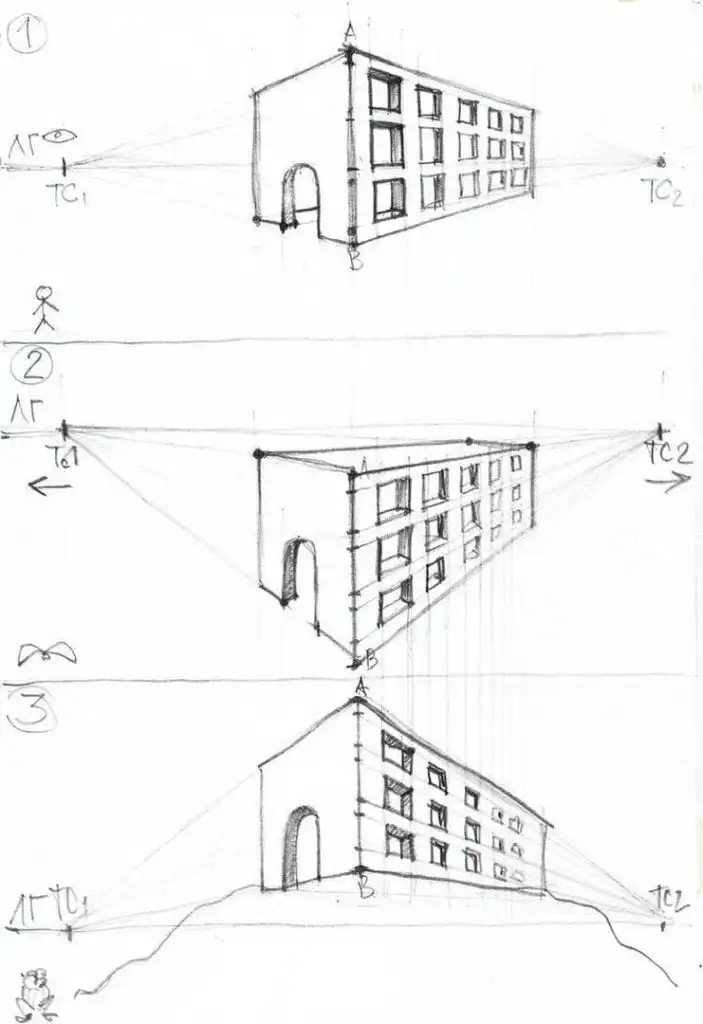
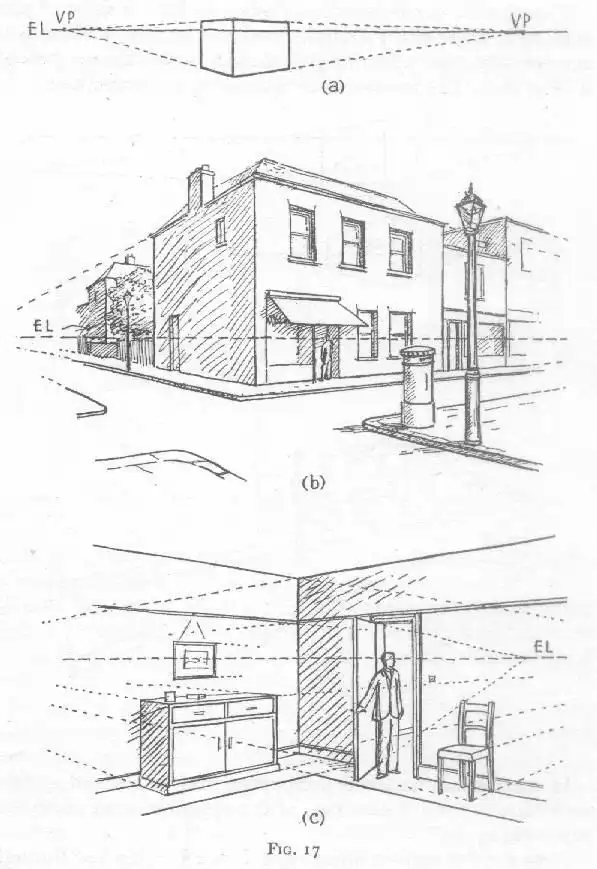
Photo references supply consistent lighting and accurate details. Platforms like Pinterest offer accessible images for anatomy studies or architectural sketches. Referencing photos helps the artist overcome uncertainty in proportions and textures [5].
Prevent common mistakes
Awareness of frequent pitfalls accelerates progress and fosters experimentation.
Avoid perfectionism
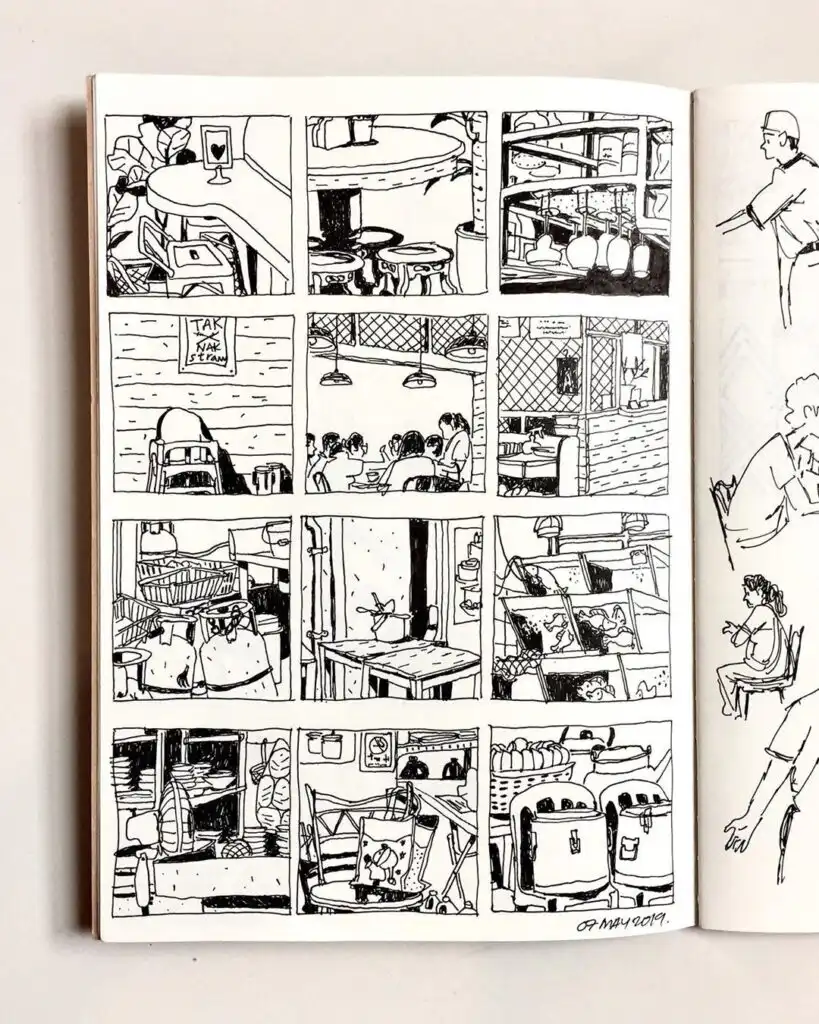
Overthinking each line can hinder flow and stifle creativity. Beginners benefit from quick, loose sketches that capture form rather than obsessing over detail [6].
Loosen grip and motion
A tight wrist movement often produces stiff strokes. Employing broader arm or shoulder motions results in fluid lines and more natural shading. Relaxing the grip enhances line quality over long sessions [5].
Frequently asked questions
What pencils should beginners use for sketching?
Beginners can start with a basic set: 4B, 2B, B, 2H, and 4H. This selection covers light outlining and darker shading needs. As skills develop, they can expand to a full range of H and B grades.
How can an artist improve shading accuracy?
Practicing on simple forms like spheres under a single light source builds value control. Using a three-step value scale—highlights, midtones, and shadows—helps map tonal transitions uniformly.
What is the best way to observe light and shadow?
The artist should study objects in natural light, noting core shadows, cast shadows, and reflected highlights. Photographing a subject and converting it to a black-and-white value study app can clarify tonal relationships [3].
How long does it take to master pencil sketching?
Progress varies by individual practice time and focus. Regular daily sketching, even for 20 minutes, leads to noticeable improvement within weeks. Consistency and intentional exercises on shapes and shading accelerate mastery.
Can digital apps help in pencil sketch planning?
Yes. Apps that simplify images into value maps guide the artist in establishing accurate tonal ranges before transferring the sketch to paper. This aids in understanding complex lighting and shadow patterns.
References
- (Toad Hollow Studio)
- (Cowling & Wilcox)
- (Watercolor Affair)
- (The Virtual Instructor)
- (Binge Drawing)
- (Urban Sketching World)
- 67shares
- Facebook0
- Pinterest67
- Twitter0
- Reddit0