I know the frustration of staring at a blank page, pencil in hand, wondering how to draw a samurai step by step without feeling overwhelmed. I’ve been there—hesitating to start because the armor looks so complex, the pose so intimidating. That’s exactly why I developed this friendly, detailed tutorial to guide you through each phase, from rough skeleton to final shading. By the end, you’ll have a clear roadmap to sketching a battle-ready warrior without the usual headaches.
In this article, I’ll walk you through my tried-and-true process for how to draw a samurai step by step. We’ll cover everything from prepping your materials to adding dramatic hatching for volume. Along the way, I’ll share tips I’ve picked up from trusted tutorials like Drawingforall.net and Dragoart, with citations so you can dive deeper if you want. Grab your favorite pencils and let’s get started.
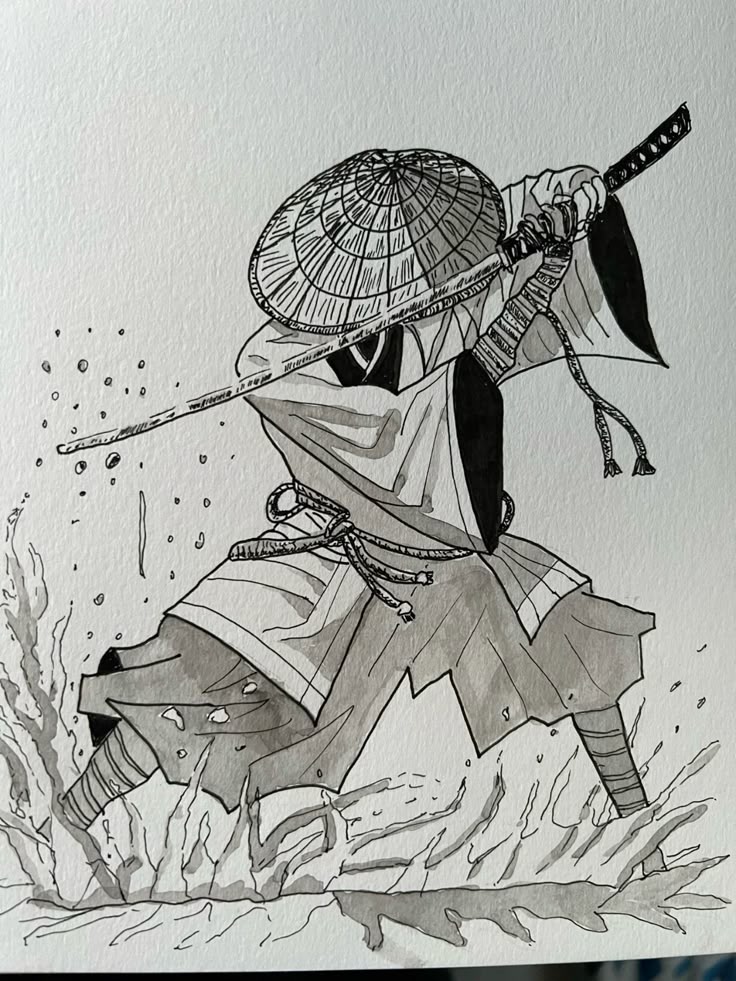

Table of contents
- Prepare your workspace and tools
- Sketch the basic skeleton
- Outline the head and face
- Block out samurai attire
- Draw clothing and armor
- Refine details and lines
- Shade and add volume
- Final touches and color
- Frequently asked questions
Prepare your workspace and tools
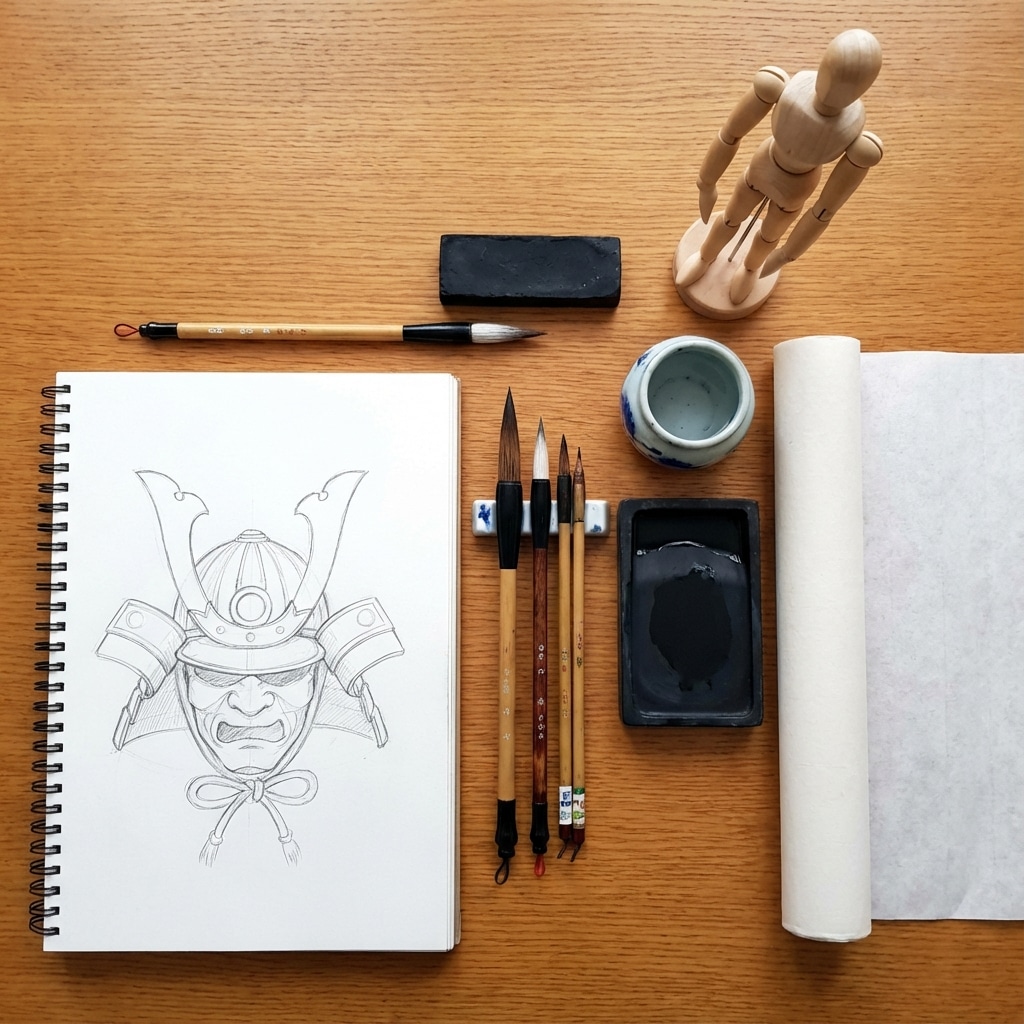
Before jumping into pencil strokes, set yourself up for success with the right environment and supplies.
Gather your drawing essentials
- A set of pencils (HB, 2B, 4B, 6B) for varied line weight and shading
- A kneaded eraser for light guideline removal
- A regular vinyl eraser for clean highlights
- Smooth drawing paper or a sketchbook with medium tooth
- A ruler or straightedge for any mechanical elements
Choose a comfortable setup
I like to work at a desk with good natural light and a small lamp angled to avoid shadows over my hand. If you have a drawing board, tilt it slightly toward you. Keep your materials within reach so you don’t break your flow hunting for an eraser or pencil.

Sketch the basic skeleton
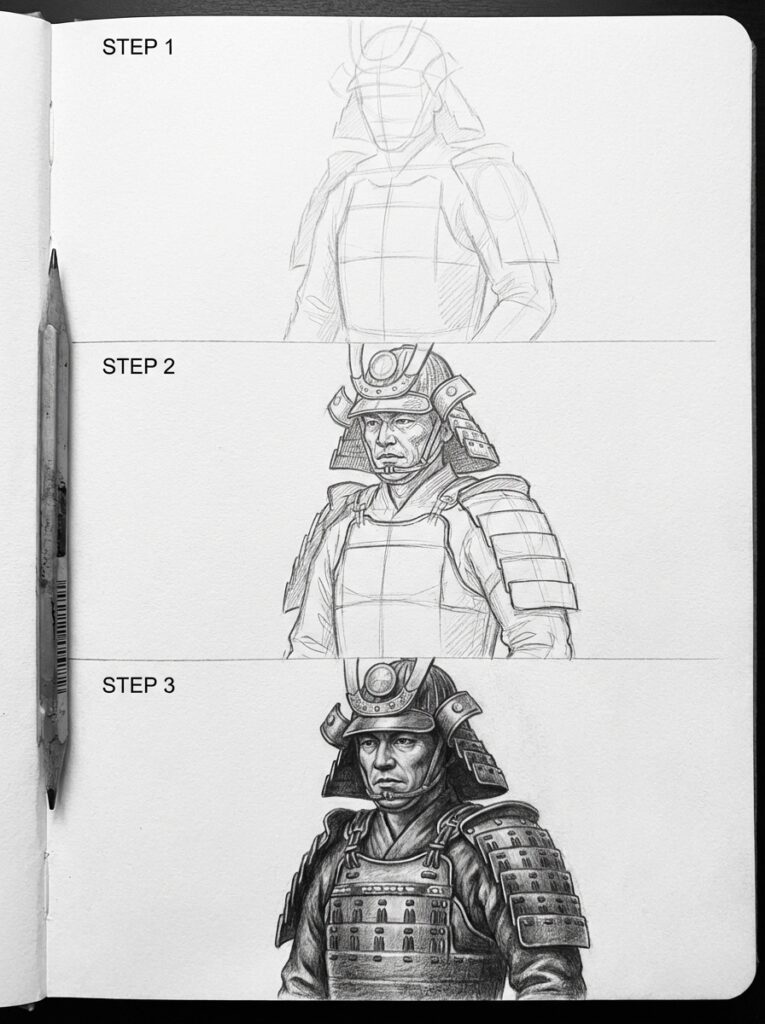
A solid foundation saves headaches later. Light, loose lines let you adjust proportions before committing to details.
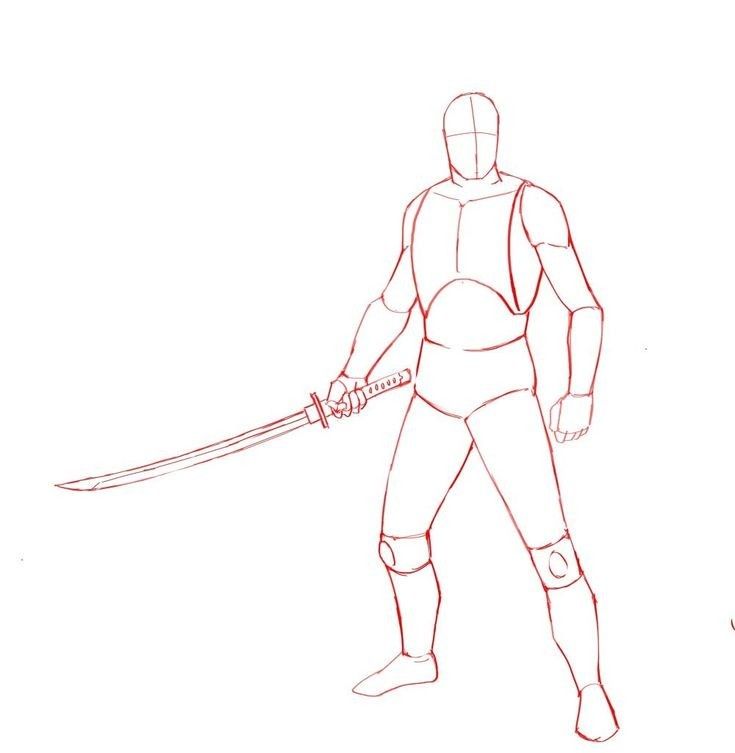
Draw the head and spine
Start with an oval for the skull, then lightly sketch a central spine line down from the base of the skull to where the pelvis will sit. Use minimal pressure so you can erase easily later [Drawingforall.net].
Map the torso and hips
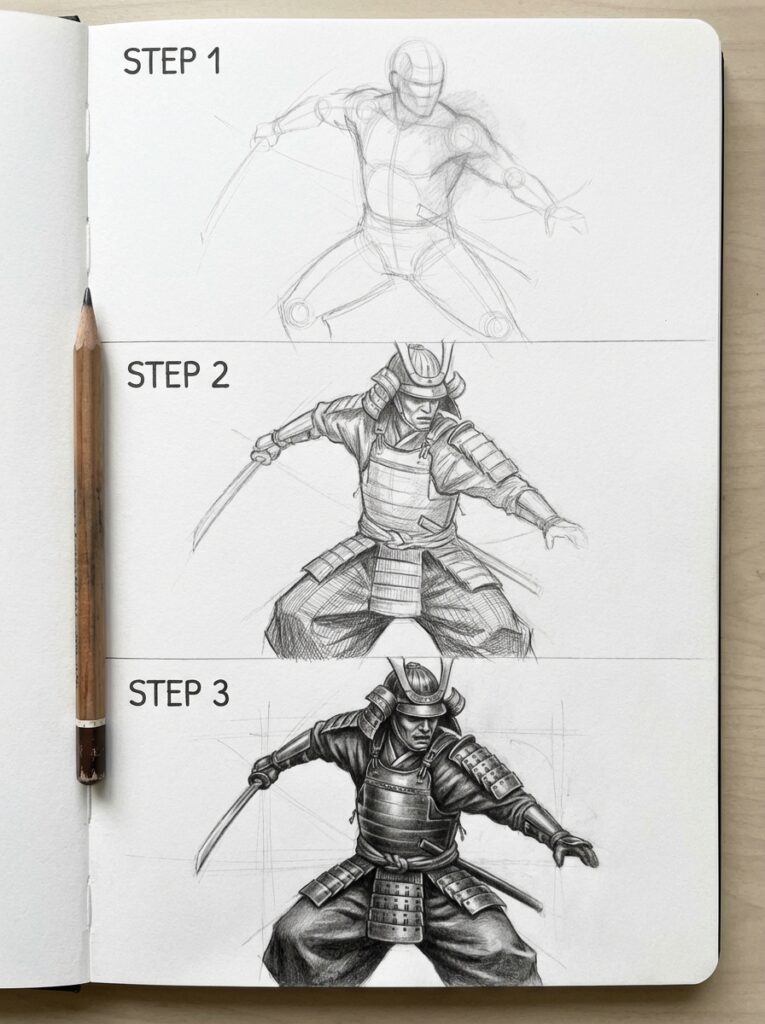
Add simple geometric shapes for the ribcage (a tilted rectangle or egg shape) and the pelvis (a smaller oval or box). Connect them with your spine line. This helps establish posture—whether your samurai is charging forward or standing guard.
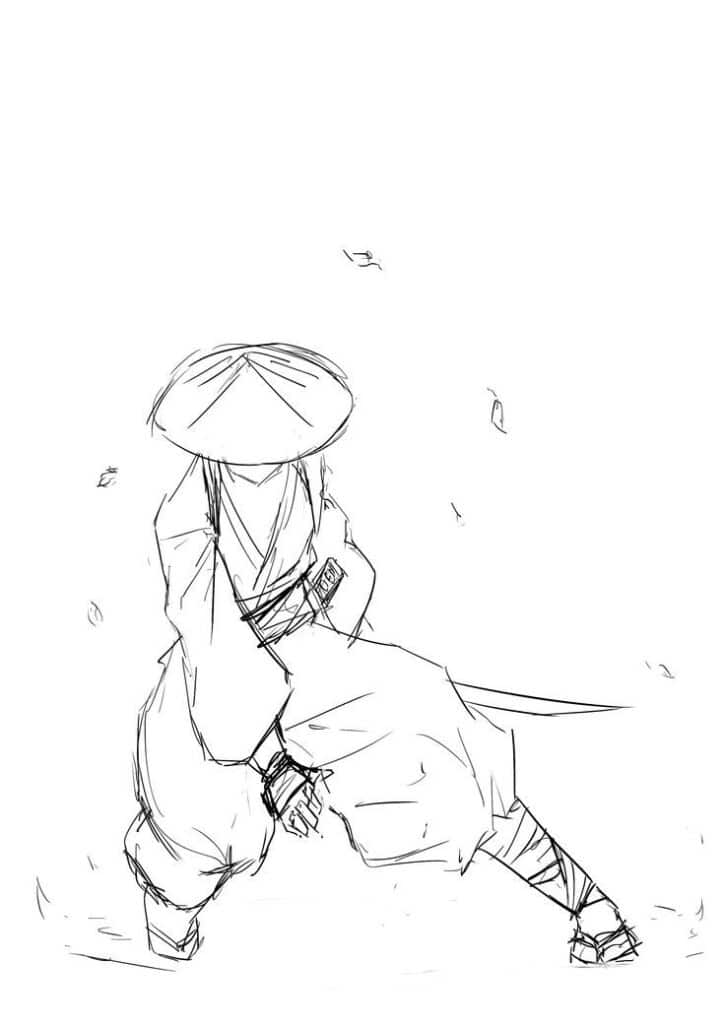
Position the limbs
Sketch lines for the arms and legs, marking joints with small circles at shoulders, elbows, wrists, hips, knees, and ankles. For a dynamic stance, tilt one shoulder or hip slightly higher. Keep these lines light so they won’t clutter your later details.
Outline the head and face
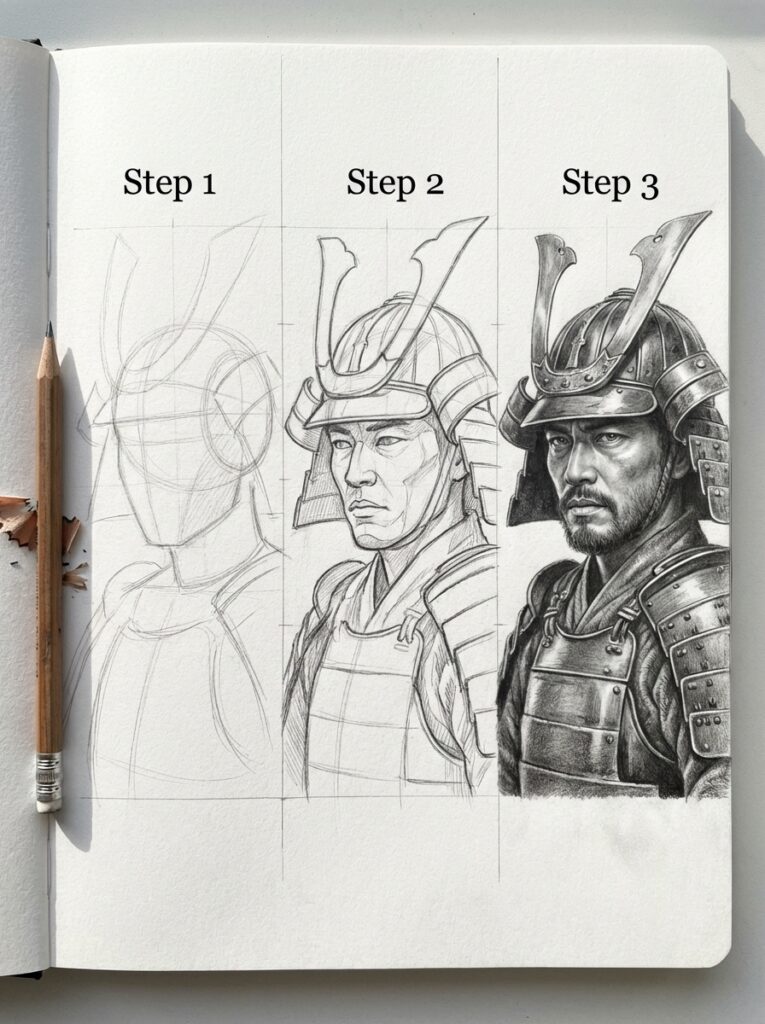
Capturing the samurai’s expression early ensures the helmet and mask align correctly.
Front-view facial guidelines
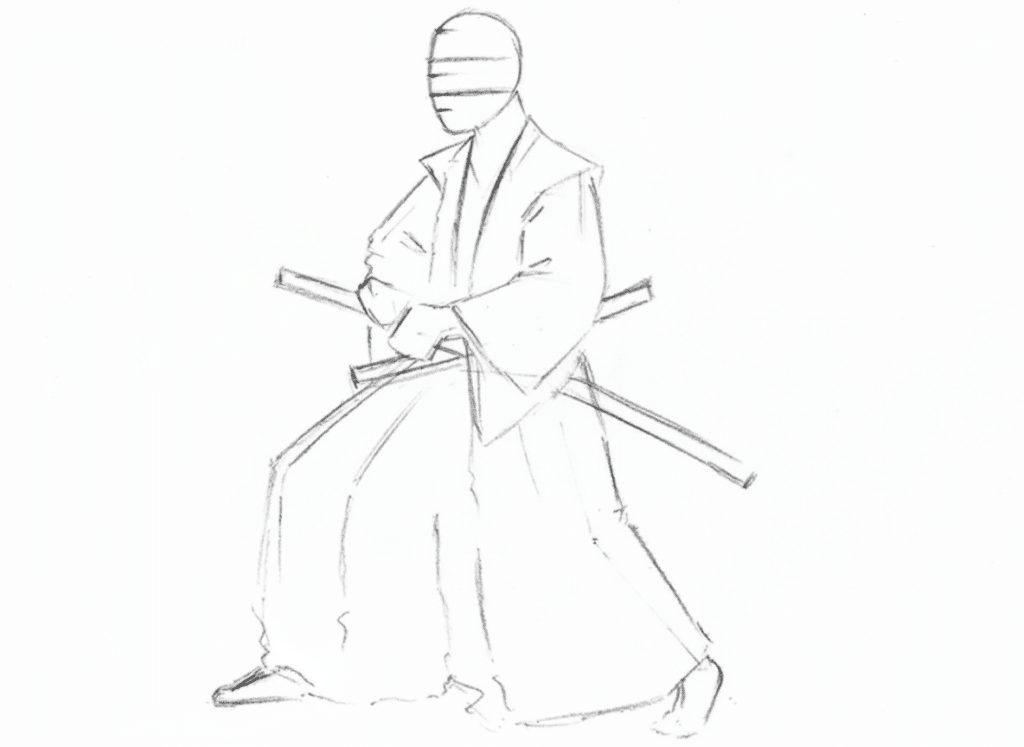
Draw a vertical centerline down the face and a horizontal line halfway for the eyes. Then add lines for the nose bridge and mouth, dividing the lower half proportionally [Drawingforall.net].
Profile-view adjustments
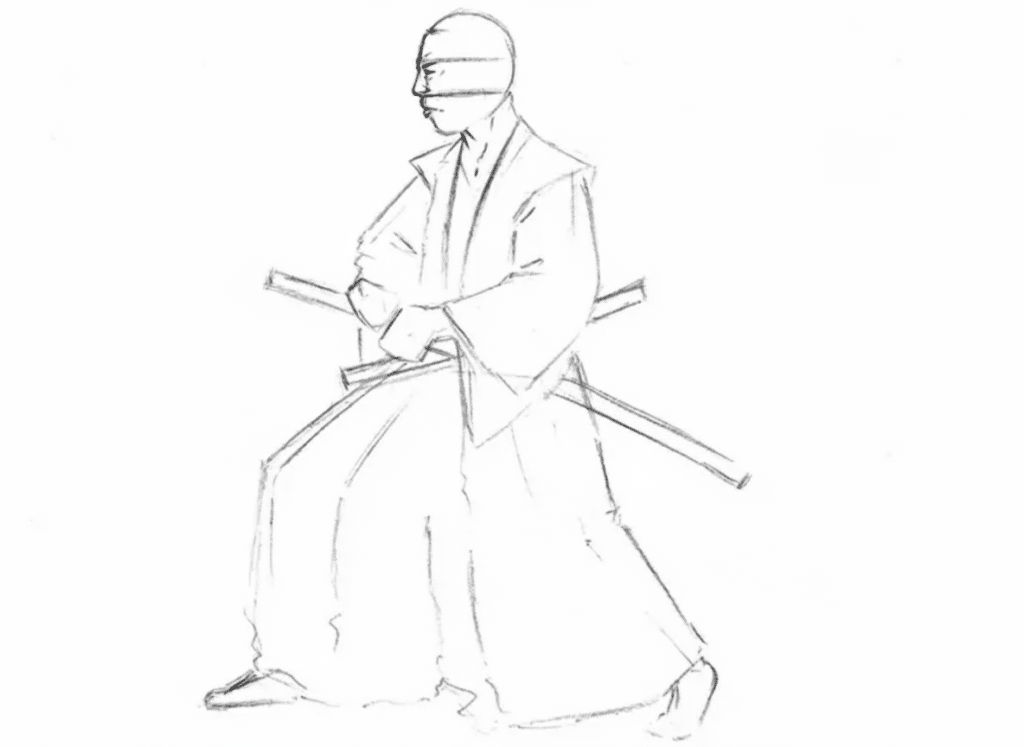
If you’re drawing a side view, skip the vertical centerline. Instead, sketch horizontal markers for the eyebrow, eye, nose tip, and chin. Keep the cheek and jaw soft marks light until you finalize the mask or helmet.
Sketch aggressive features
Whether front or profile, give your samurai fierce eyes and a strong jaw. You can add scars or furrowed brows based on your vision. Dragoart suggests emphasizing the eye wrinkles and cheekbones to capture intensity [Dragoart].
Block out samurai attire
Now that your figure and face are in place, roughly lay in the traditional garments before armor details.
Draw the kimono collar and vest
Sketch the kimono’s wide collar crossing the chest in a V shape. Over that, lightly outline the kataginu (sleeveless vest) with its broad, angular shoulders [Drawingforall.net].
Outline hakama trousers
Below the waist, map the hakama’s baggy pleats. Use gentle lines to indicate the folds, keeping them open enough to refine later.
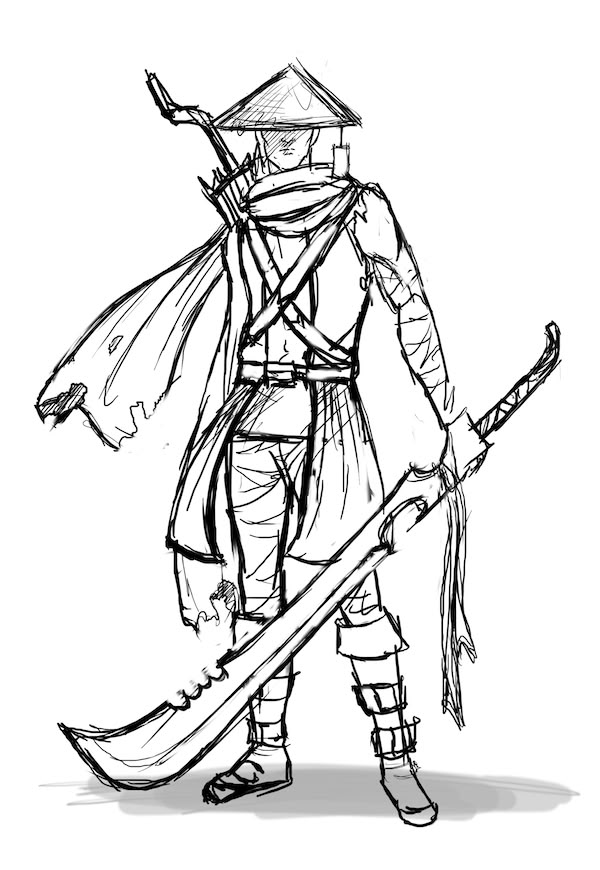
Position the swords
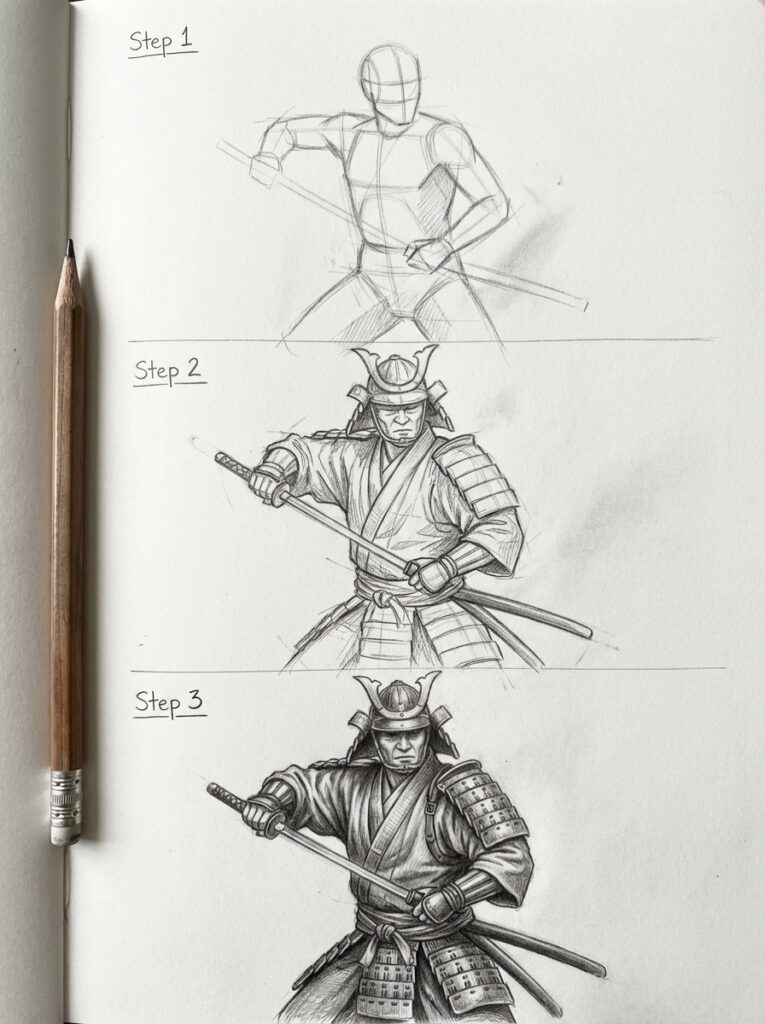
Mark where the katana and wakizashi will hang. Typically, they’re tucked into the obi (belt) at the waist, angled slightly downward on one side.
Draw clothing and armor
With the basic blocks in place, it’s time to layer on the iconic armor pieces.
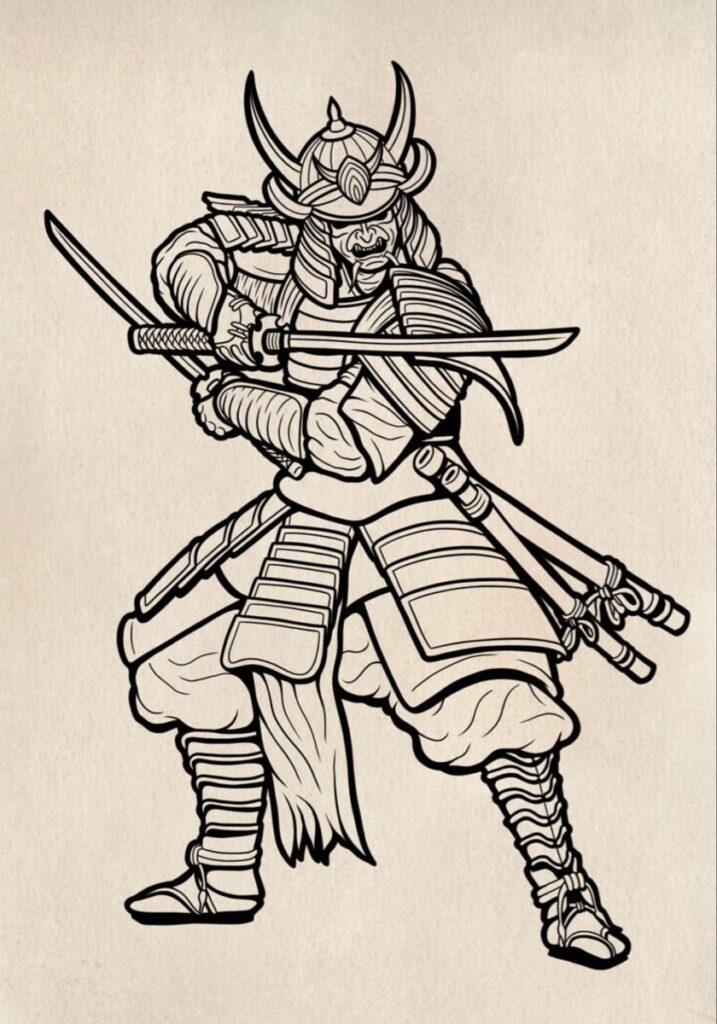
Sketch the helmet and mask
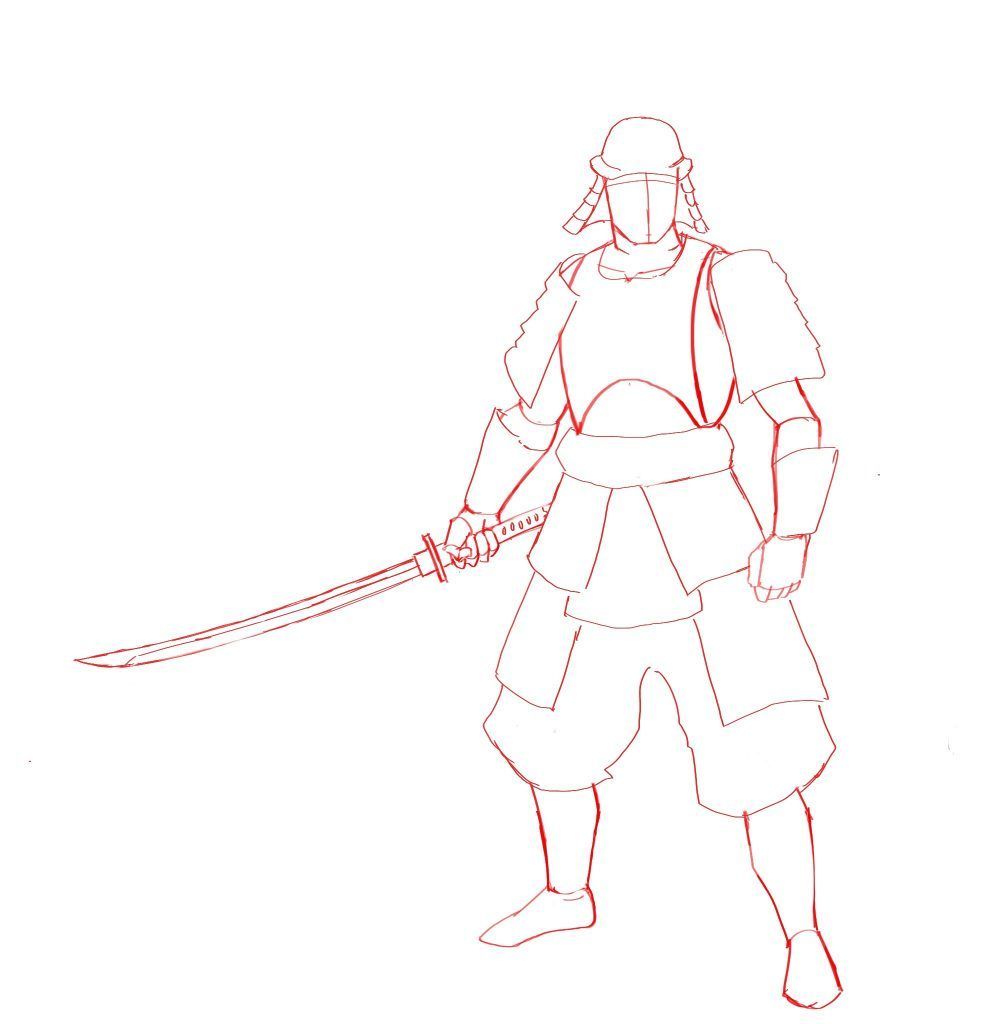
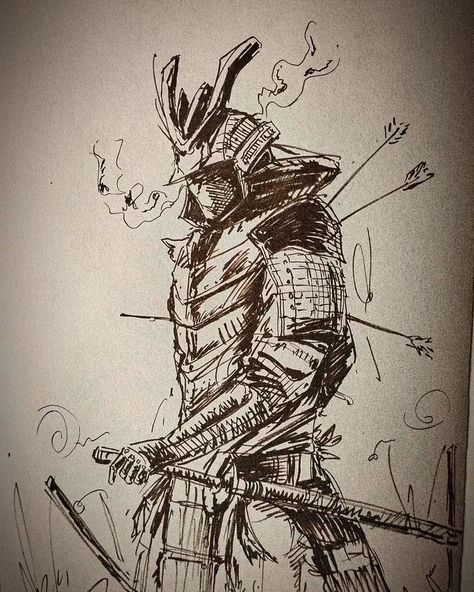
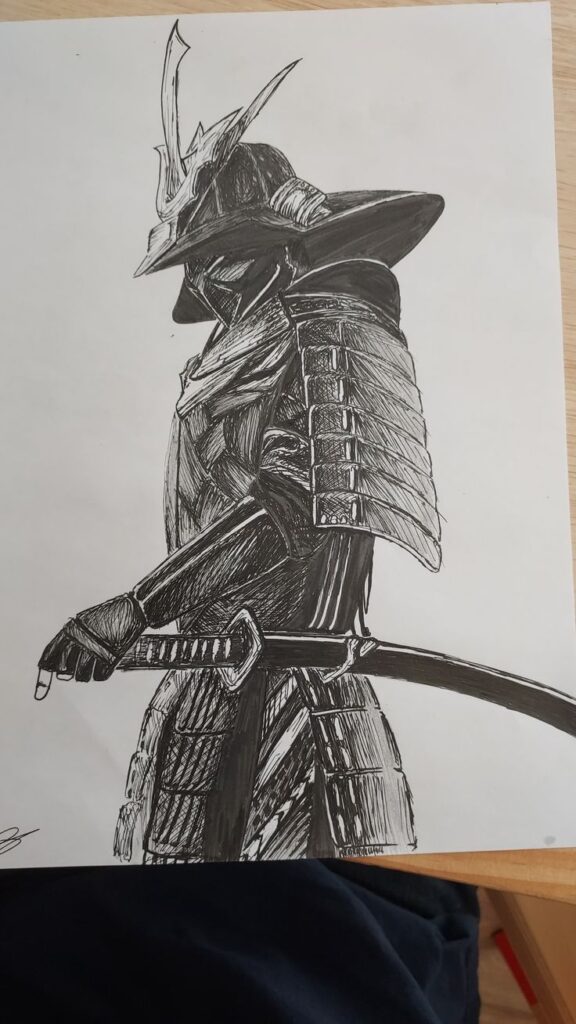
Start by outlining the kabuto (helmet) shape with its crest and flaring back. Add large horns or maedate based on your reference. Then draw the mempo (face guard) below, noting that some samurai masks cover only the lower half of the face [Drawingforall.net].
Add shoulder and chest plates
Frame the torso with solid chest armor (dō) and overlapping shoulder guards (sode). Use curved rectangles and lines to show how plates overlap.
Draw arm and leg armor
Sketch segmented kote (arm guards) along the arms and thigh guards (haidate) over the hakama. Finish with shin plates (suneate) on the lower legs. Keep lines light until you settle on proportions.
Refine details and lines
Time to turn those rough shapes into crisp, confident lines.
Clean up and erase guidelines
Gently remove skeleton lines and construction marks with your kneaded eraser. Only your refined outlines should remain.
Sharpen your main strokes
Switch to a slightly darker pencil (2B or 4B) and retrace the armor edges, folds of the clothing, facial details, and the swords. I like to vary line weight—thicker lines on the outer contour, finer lines for interior details.
Add texture and embellishments
- Helmet ornament patterns
- Armor lacing along plates
- Fabric folds and wear marks
- Battle scars on metal or cloth
Dragoart recommends adding small elements like hair strands escaping the helmet or subtle cloth wrinkles to boost realism [Dragoart].
Shade and add volume
Shading brings your samurai to life, giving him weight and presence.
Choose a light source
Decide where your light is coming from—top left, top right, etc. That will guide where you place shadows and highlights.
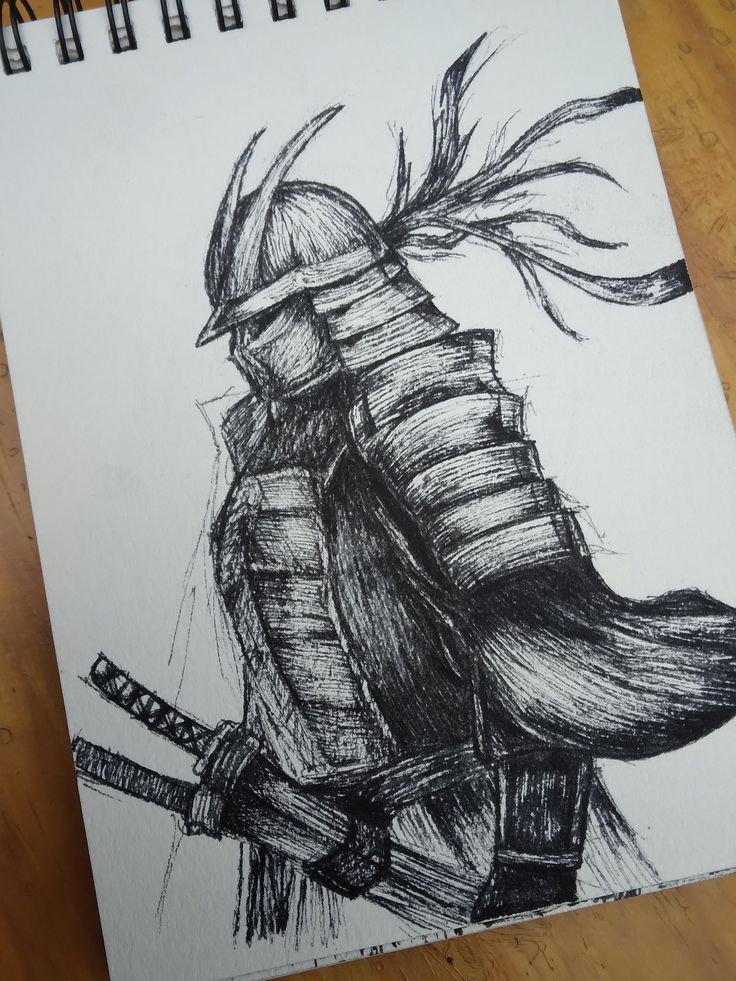
Apply hatching and cross-hatching
Use parallel lines in shadowed areas, cross-hatched for deeper shadows. Focus on under the helmet brim, beneath overlapping armor plates, and inside clothing folds.
Blend and soften transitions
If you prefer smoother shading, lightly smudge with a blending stump or tissue. Keep edges crisp where metal meets air, softer where fabric drapes.
Final touches and color
You’re almost there—these steps polish your drawing and, if you wish, add color.
Reinforce highlights
Lift small areas of graphite with your vinyl eraser on high points like helmet edges, sword blades, and raised folds.
Add color or ink
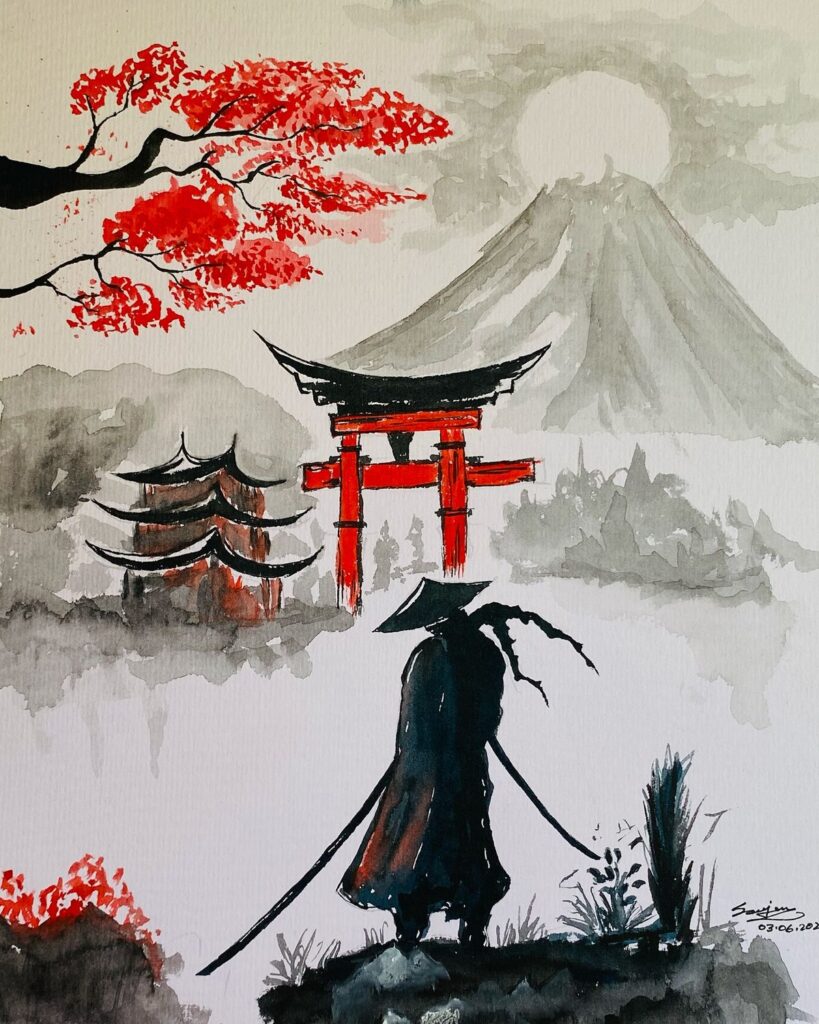
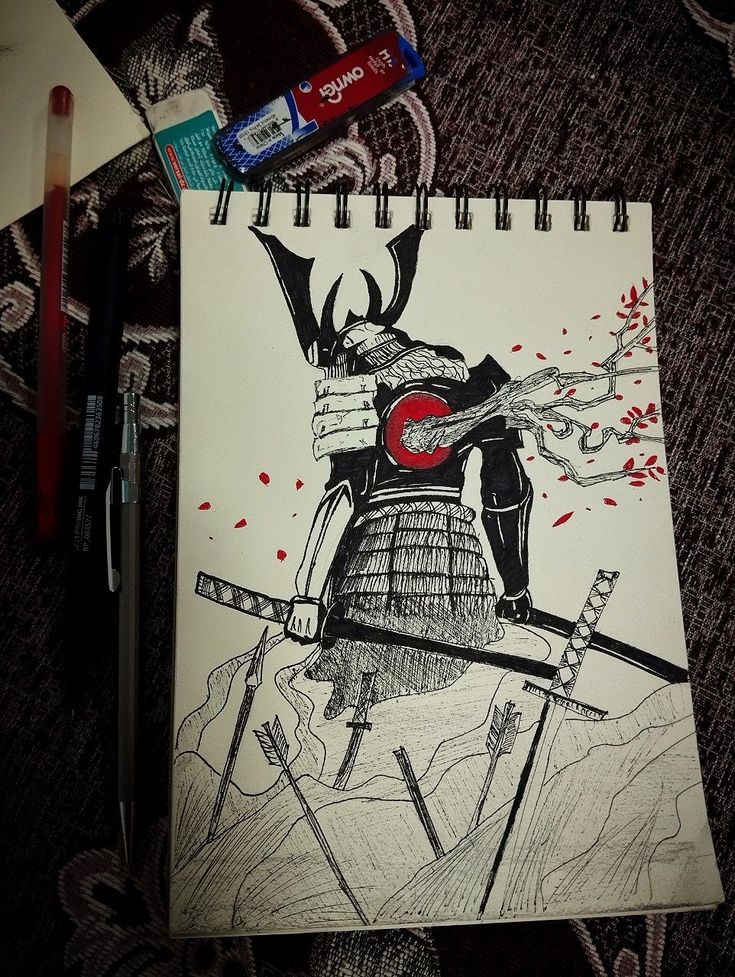
If you want to ink your drawing, use fine liners over your graphite. Once the ink is dry, erase any remaining pencil marks. For color, watercolor or markers can bring out the rich reds, blacks, and golds of traditional samurai gear.
Sign and share
I always add my initials or a small symbol in a corner. Then I scan or photograph my work to share with friends or on social media. Seeing other artists’ feedback is a great motivator for the next drawing.
Frequently asked questions
How long does it take to draw a samurai?
It depends on your experience and level of detail. A rough sketch can take 15–20 minutes, while a fully shaded, colored piece might take several hours or even multiple sessions.
What pencils work best for shading armor?
I recommend a range from HB for lighter lines up to 6B for deep shadows. Softer pencils (4B–6B) let you achieve rich darks on metal surfaces.
How can I improve my armor proportions?
Study reference photos of real samurai armor or museum pieces. Tracing over photos is also a useful exercise to internalize proportions before drawing freehand.
Should I use ink or stick to graphite?
Both have merits. Graphite is forgiving and easy to blend. Inking gives crisp, bold lines and stands up well for reproduction. Try both to see which you enjoy most.
Where can I find good samurai references?
Websites like the Metropolitan Museum of Art or the British Museum offer high-resolution images of authentic armor. For simpler guides, tutorials on Drawingforall.net and Dragoart are excellent starting points.
- 935shares
- Facebook0
- Pinterest935
- Twitter0
- Reddit0