How to draw a samurai helmet. It’s a question many art enthusiasts (and curious doodlers) ask themselves when they’re ready to level up their warrior-inspired sketches. The samurai helmet—traditionally known as the kabuto—features a striking silhouette, ornate crests, and intricate plates that demand close attention to detail. If you’ve ever felt intimidated by the complexity of this ancient headgear, you’re not alone. The good news? You don’t have to stress over every horn, plate, and rivet. This guide will walk you through clear steps and pro tips to help you create a formidable samurai helmet with pride.
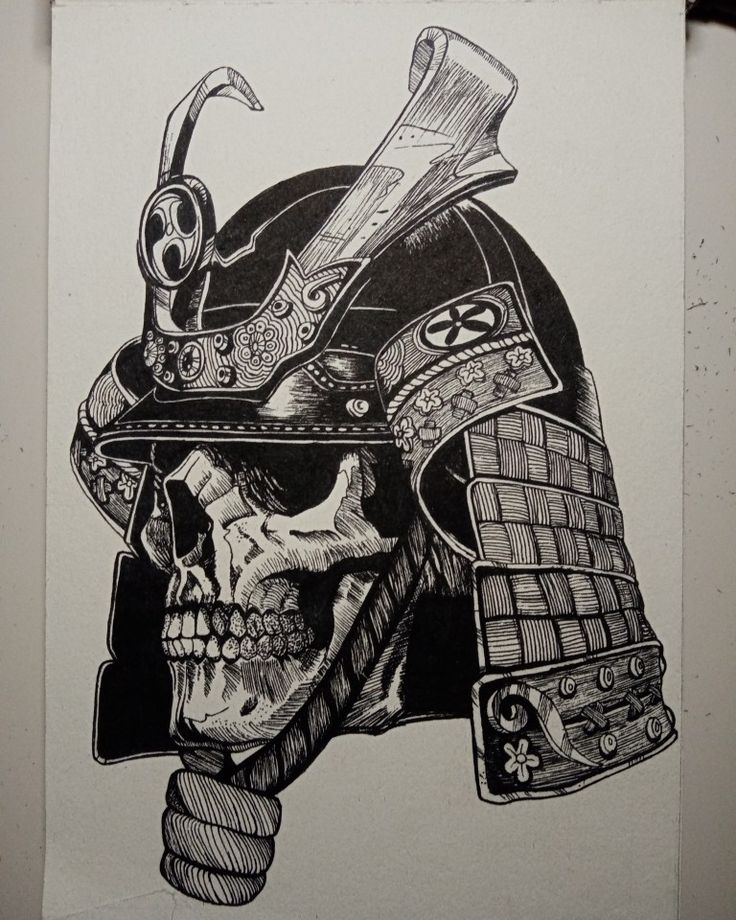
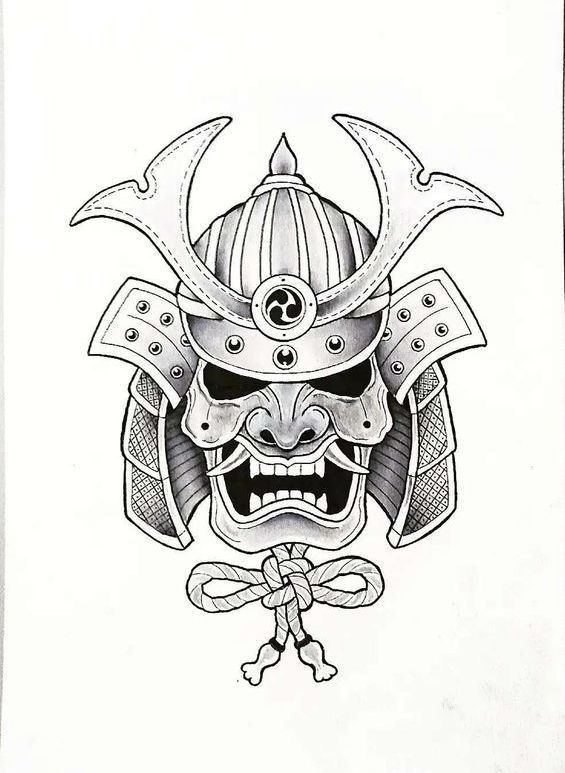
Table of contents
- Introduction to drawing a samurai helmet
- Gather references for accuracy
- Build your basic framework
- Mark the Hachi (bowl) shape
- Refine the mask and Maedate
- Draw the Shikoro (neck protector)
- Add details to the Mabisashi and Fukigaeshi
- Shade for depth and volume
- Apply color layers
- Highlight finishing touches
- Explore common kabuto styles
- Frequently asked questions
Introduction to drawing a samurai helmet
Before you dive into detailed lines, it’s crucial to understand why samurai helmets are so fascinating and how each component plays a role. From the menacing face masks to towering horns or crests, every element has functional and symbolic significance. Historically, samurai helmets were custom-made to reflect the wearer’s clan, status, or personal flair. Your drawing will carry on this legacy—even if it’s just on paper.
The typical kabuto includes:
- A metallic bowl (Hachi or Bachi) to protect the head.
- A layered neck guard called the Shikoro.
- A bold front crest (Maedate), which can be anything from horns to a clan symbol.
- Side flanges (Fukigaeshi) that often display family crests.
- A menacing face mask (Menpo) for intimidation and jaw protection.
Once you grasp these basic parts, you’ll have an easier time sketching them accurately. Ready to get started?

Gather references for accuracy
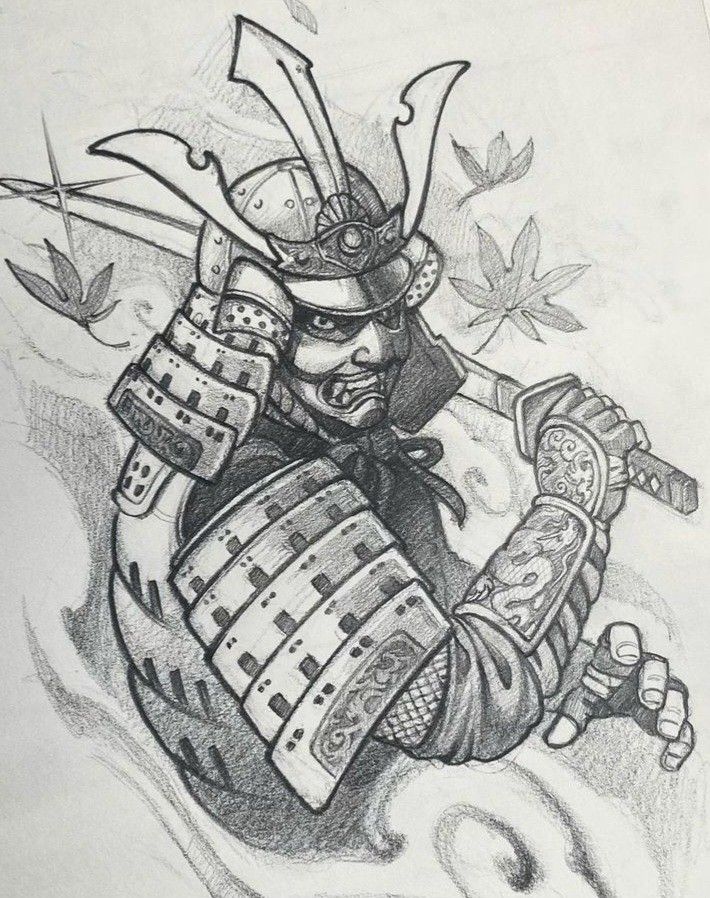
Drawing a samurai helmet isn’t a one-size-fits-all affair. Historical periods, regional craftsmanship, and individual samurai preferences all shaped unique kabuto designs. To capture these details without making it feel like guesswork, you’ll want to gather high-quality references.
Collect images from trusted sources
- Explore museum collections or dedicated art sites like the Metropolitan Museum of Art for high-resolution examples.
- Online resources such as Giuseppe Piva or Romance of Men showcase authentic kabuto varieties.
Notice different styles
- Hoshi kabuto: Riveted plates that create a spiked appearance.
- Zunari kabuto: Smooth bowl, resembling a bald cap.
- Momonari kabuto: Peach-shaped helmet dome.
Sketch from multiple angles
- Front and side views help clarify how each plate overlaps and how horns or crests curve.
- If you’re using digital tools, import reference images into your drawing software for side-by-side comparison.
By studying real-world designs, you’ll avoid accidental inaccuracies—like misplacing the iconic horns or skipping integral elements such as the Shikoro plates.
Build your basic framework
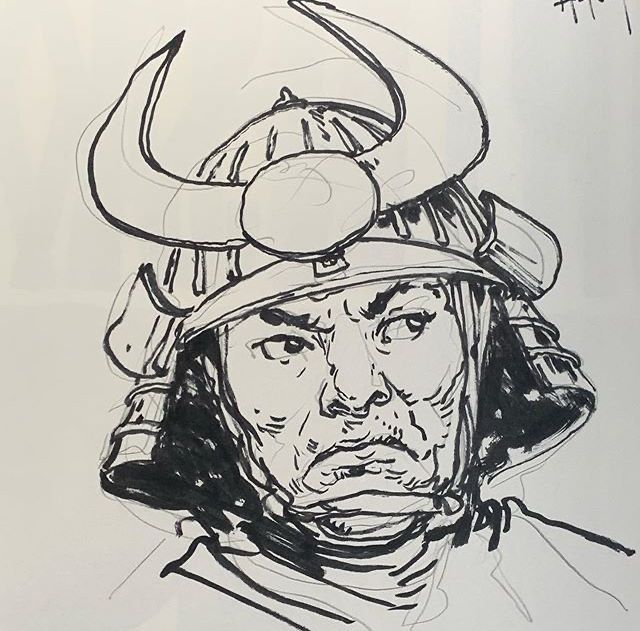
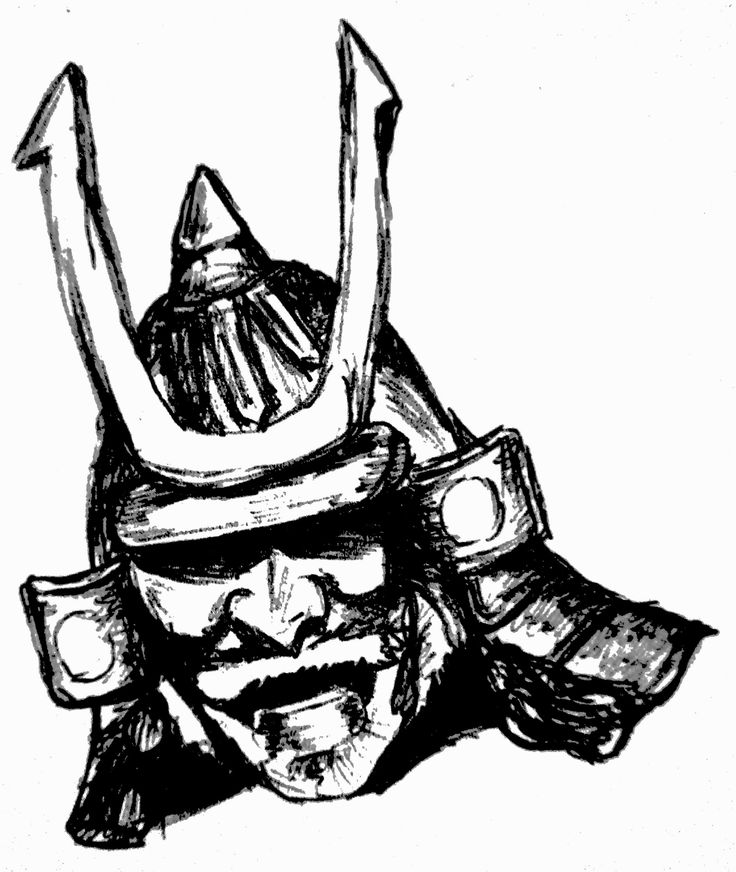
Once your references are set, you’ll want to start gently. In the same way you might block out a character’s pose with loose lines, try blocking out the helmet’s general shape.
Use simple guidelines
- Draw a basic head shape (oval or circle) to define where the Hachi will sit.
- Mark a vertical line through the center of the face if you plan to add a Menpo (face mask).
Light lines first
- Keep the earliest pencil strokes very faint. According to Drawingforall.net, it’s wise to start with “light lines” so you can erase or refine them as needed.
Position those horns or crest
- The samurai helmet typically features horns (or another crest) near the forehead. Place them as simple arcs or triangles at first, just to see how high or wide they should go.
- If you’re referencing a specific style, replicate the crest’s proportions early on.
Map out the neck guard
- Remember that the Shikoro fans outward around the neck. Lightly mark the neck’s base so you leave enough room for layering.
Don’t stress the details yet. This is your skeleton, much like an underdrawing in a digital tool. The framework ensures you won’t struggle with proportions later.
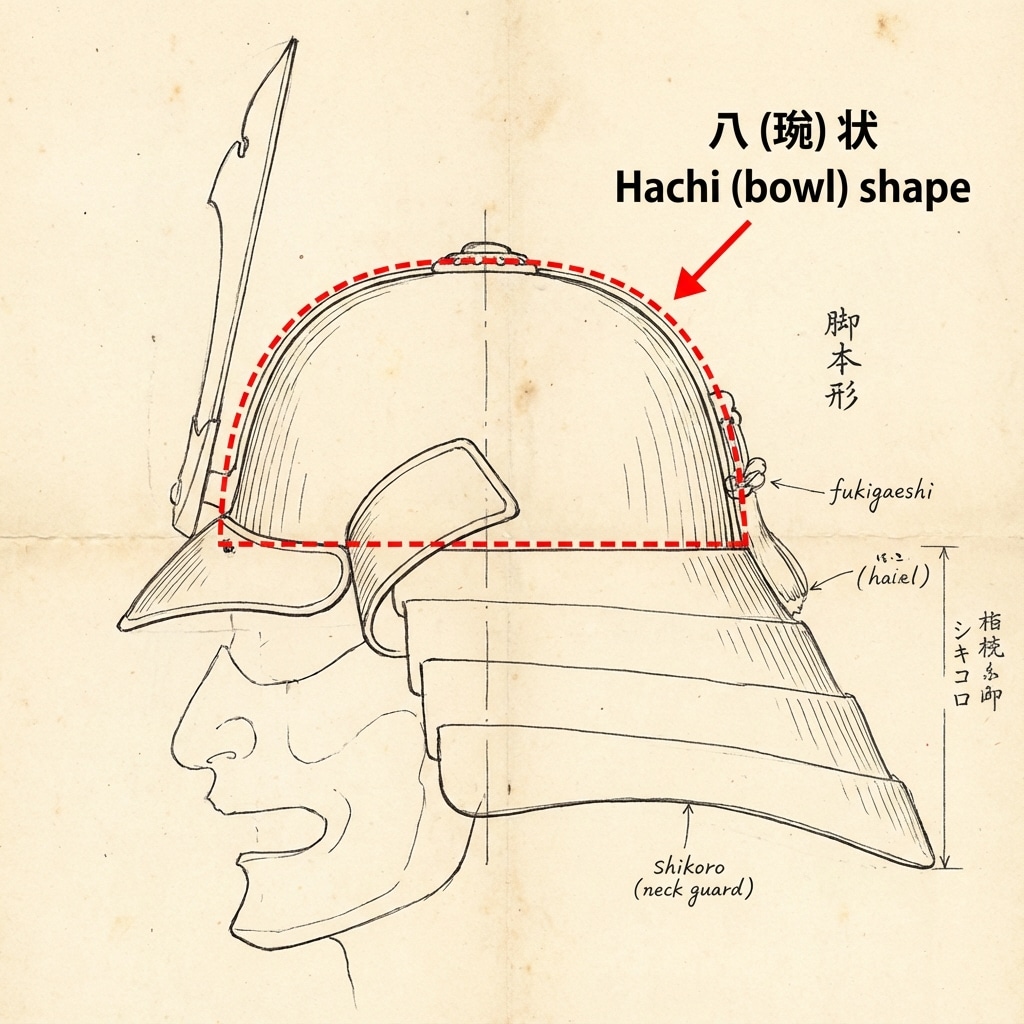
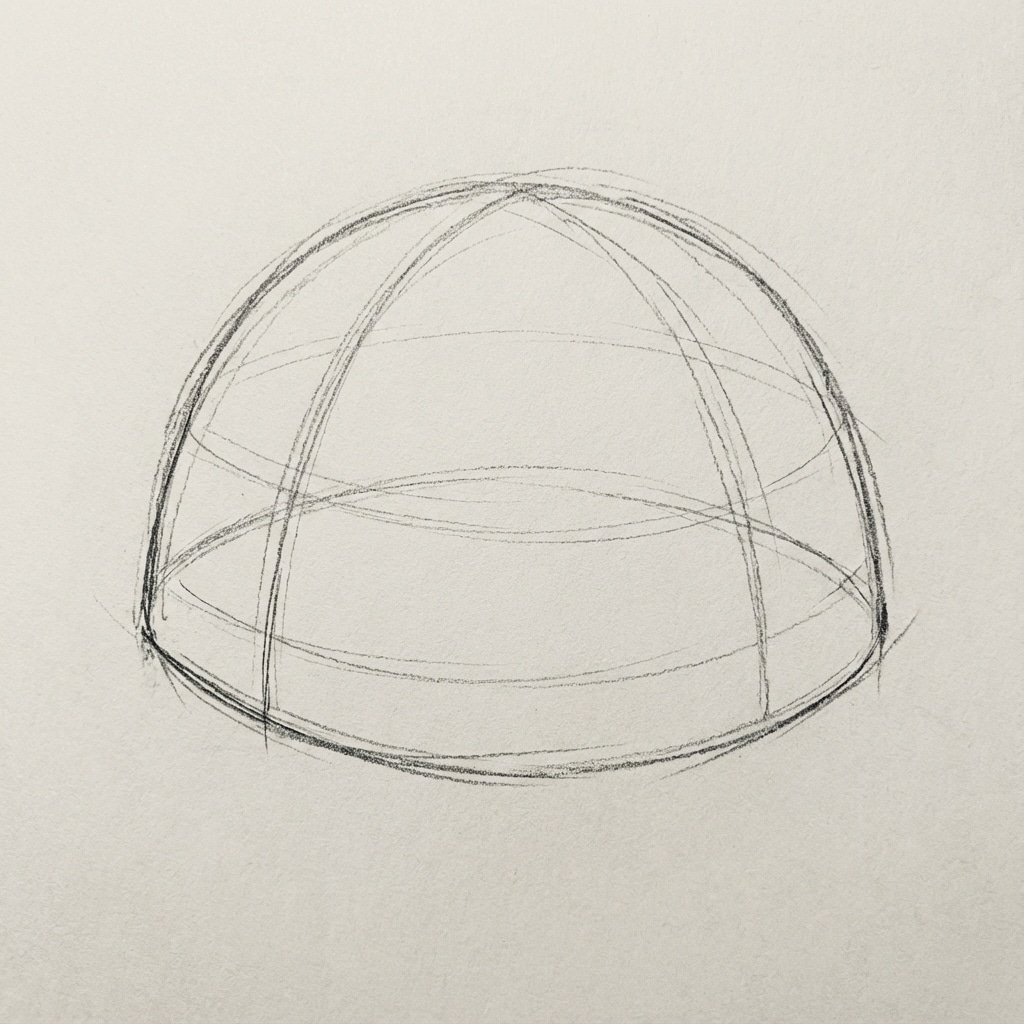
Mark the Hachi (bowl) shape
Think of the Hachi as the helmet’s core. This iron bowl protected the top and sides of the wearer’s skull. Historically, it could be made from multiple plates riveted together or a single piece of metal, depending on the era and craftsman.
Shape it accurately
- Using the circle or oval that represents the top of your samurai’s head, refine it into a slightly domed bowl. Not all kabuto are perfect hemispheres—some flatten out more on top or widen at the base.
Include slight ridges or seams
- A Hoshi (star) kabuto may have distinct ridges or rivets.
- A Zunari kabuto might be smoother.
Double-check your angles
- Viewing references from Picsart or historic photos can clarify how the bowl angles forward or sits over the forehead.
Outline thickness
- Give the bowl a little thickness around the rim if you want to show the helmet’s sturdiness.
Up to this point, your lines should still be relatively light. The real polish comes once you confirm the proportions are correct.
Refine the mask and Maedate
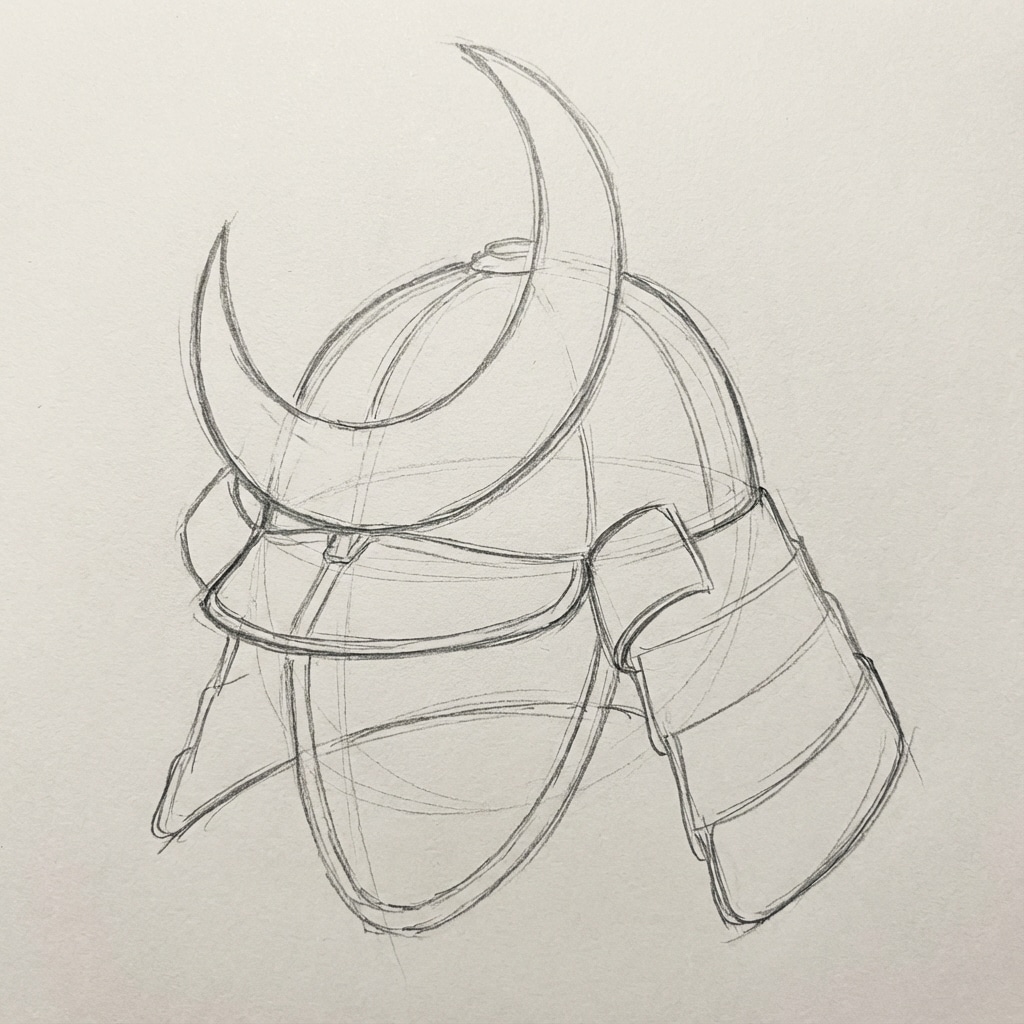
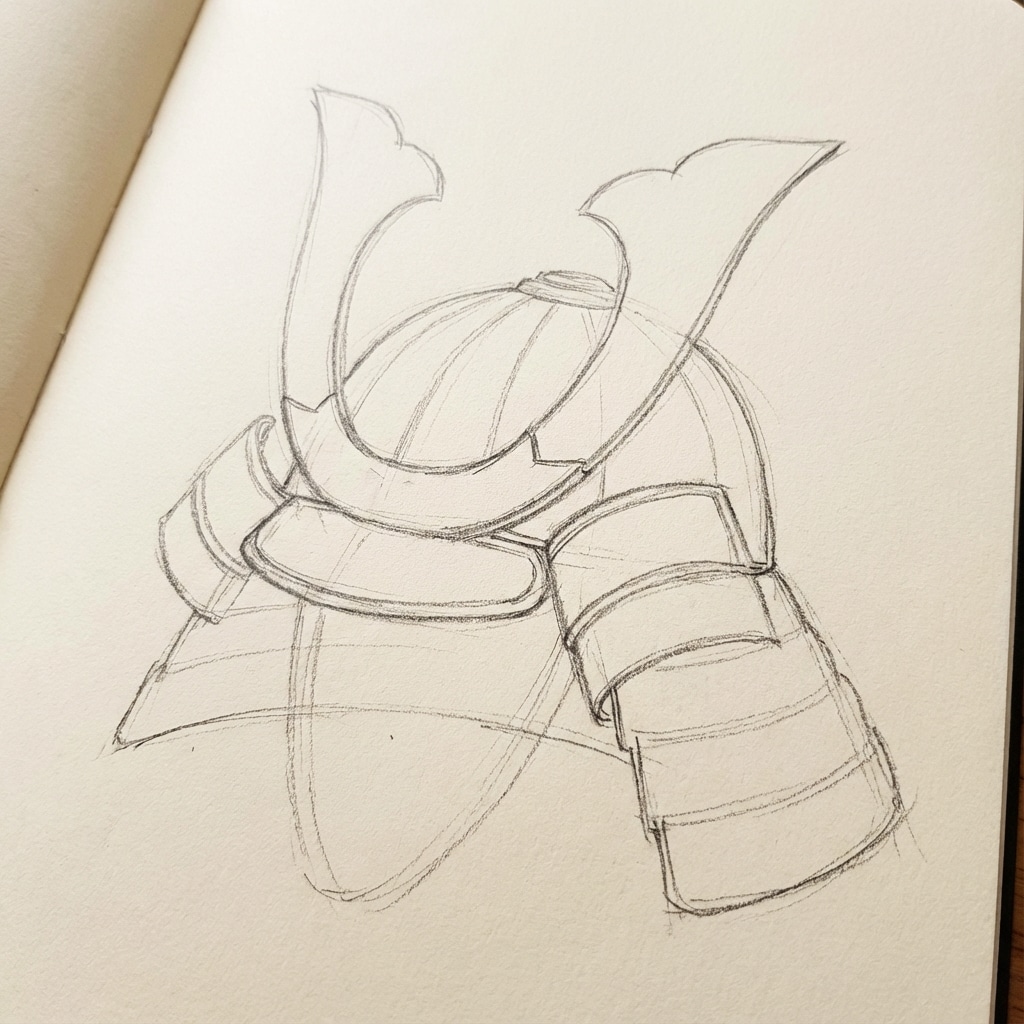
Many samurai helmets come with an intimidating mask—known as a Menpo—to strike fear into opponents. Even if you’re not drawing a full Menpo piece, it’s common to include at least a partial faceguard. Above it (or sometimes attached right at the forehead) sits the Maedate: an eye-catching crest emblem.
Shape the face mask
- Sketch it over the lower portion of your face guidelines.
- The mask can be stylized with sharp angles or more rounded cheeks. Refer to Drawingforall.net for a simple step-by-step approach.
Add fierce details
- Traditional Menpo can have flared nostrils, bared teeth, or mustache-like features.
- Don’t be shy about embellishing. Each samurai’s mask was unique.
Place the Maedate (crest)
- The Maedate can be large horns, a clan symbol, or a dramatic shape that arcs above the Hachi.
- Keep it symmetrical if the design calls for it, or add an asymmetric flourish.
Consider the Mabisashi (helmet brim)
- Sketch a short brim over the forehead. Not all kabuto have an exaggerated brim, but it can accentuate the helmet’s protective function.
This stage is where your samurai helmet gains its identity. Everything from an imposing demon mask to a sleek symbolic crest is on the table.
Draw the Shikoro (neck protector)
The Shikoro protects the back and sides of the neck through layered metal plates. It often flares outward, which not only looks cool but also prevents swords or arrows from easily slipping beneath the helmet.
Layer the plates
- Each plate slightly overlaps the one above it.
- Romance of Men notes that the Shikoro can curve gracefully. Recreate that curvature with each successive layer.
Draw rivets and lace
- Some Shikoro plates may be held together with rivets. Others have lace or decorative cords.
- Lightly sketch these details. Don’t feel you have to go hyper-realistic at first—just enough to convey the layering.
Mind your perspective
- If the helmet is angled, the plates will look shorter or narrower as they go around the neck.
- Gently curve your lines to emphasize a three-dimensional look.
Keep movement in mind
- Samurai wore this into battle, so the Shikoro had to be flexible enough for neck movement. Give it a slight outward flare so it doesn’t look stiff.
Your helmet is now shaping up to look authentic. It sets the stage for further detailing, and that’s when the real magic of shading and coloration happens.


Add details to the Mabisashi and Fukigaeshi
While the Hachi and Shikoro are the backbone of the samurai helmet, there are smaller flair pieces that often catch the eye. The Mabisashi is a small brim at the front, and the Fukigaeshi are upward-curving flaps on the sides, near the temples. They tend to showcase clan insignias or decorative patterns.
Outline the Mabisashi
- From your earlier guidelines, refine the brim.
- Make sure it’s proportionate to the rest of the helmet—nothing too wide or too narrow.
Shape the Fukigaeshi
- Think of them like small fins or flaps near the side edges of the Shikoro.
- They can curve outward or remain relatively upright.
Add insignias or patterns
- Many samurai families placed mon (crests) on the Fukigaeshi.
- If you want to incorporate your personal emblem or an imaginary clan’s symbol, place it here.
Consider subtle texture
- If the helmet was lacquered, these parts might look glossier.
- If it were older or worn in battle, you might add scratches or chipped paint.
This is where your personal creativity can shine. You can showcase historical accuracy or experiment with fantasy elements without straying too far from tradition.

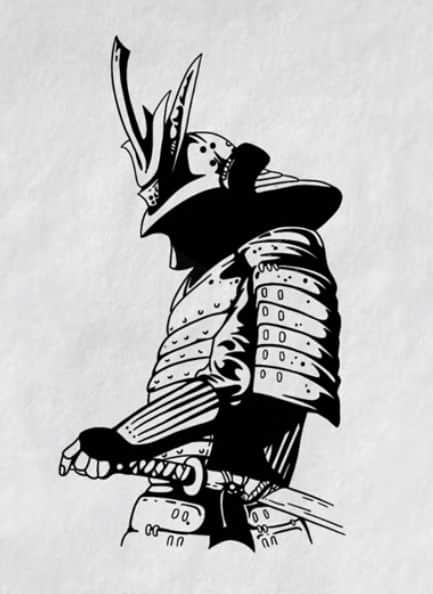
Shade for depth and volume
Shading is what transforms a flat outline into a 3D masterpiece. Properly placed shadows and highlights can make your samurai helmet pop off the page.
Identify your light source
- Decide if the light is coming from above, the side, or behind the viewer.
- This will determine where shadows fall beneath overlaps—like under the Shikoro plates.
Use hatching or layering
- According to Drawingforall.net, classic hatching strokes can define darker areas.
- For digital art, create a new shading layer. In programs like Picsart (Picsart), you’d spray black or gray in translucent layers.
Add contrast
- Deepen shadows in crevices: under the Menpo, where plates overlap, around rivets, or along the helmet brim.
- Leave certain areas lighter to forge highlights.
Build up gradually
- The more incremental your approach, the easier it is to correct missteps.
- Zoom out occasionally to ensure the shading looks balanced from a distance.
When done well, shading can elevate your drawing from a mere outline to a striking, realistic piece of art.

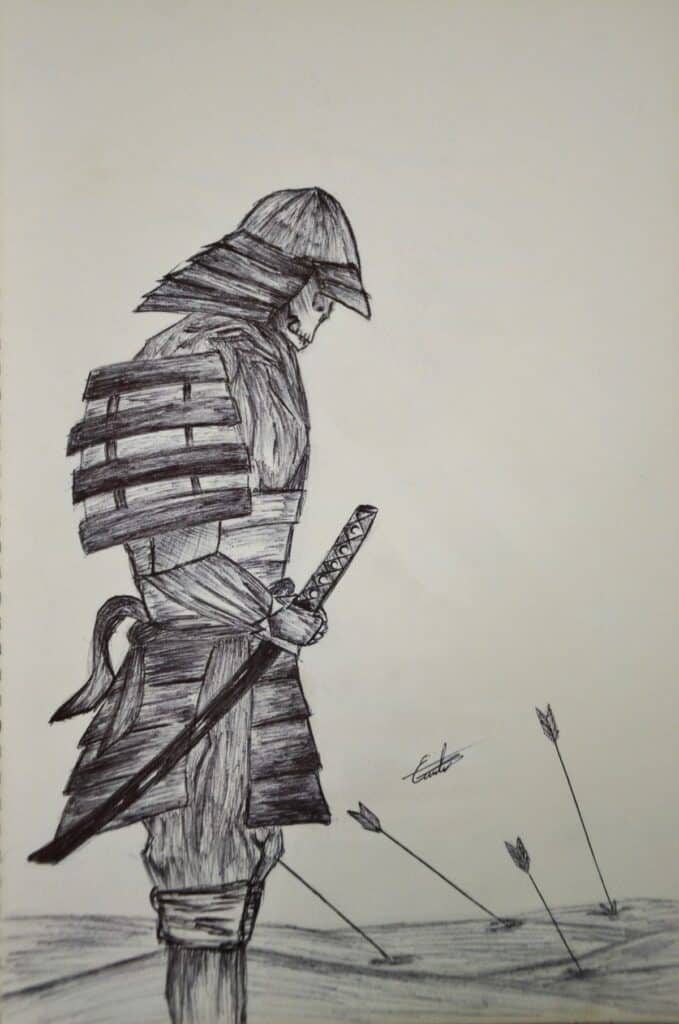
Apply color layers
Not all samurai helmets were dull black. Some wore deep reds, blues, gold accents, or lacquer finishes. Bringing color into the mix is your chance to add personality.
Set a base color
- On a new layer (if working digitally), fill in the main color of the helmet—often black or rust-red.
- Use a subdued tone for realism or go bolder if you’re styling a fantasy piece.
Add secondary colors
- Highlight the Shikoro edges or crest with contrasting shades.
- Some kabuto featured cloth cords or tassels in bright hues—feel free to incorporate these for flair.
Integrate shading and highlights
- If your helmet is glossy, add sharper highlights along curved edges.
- For a more matte finish, keep the highlights softer and less pronounced.
Pay attention to the mask
- If you’re drawing a fierce demon mask, consider deeper reds or metallic black, but remember to keep your palette consistent.
By layering color thoughtfully, you’ll bring your drawing to life. Don’t forget to take advantage of subtle color shifts for a more dynamic result.
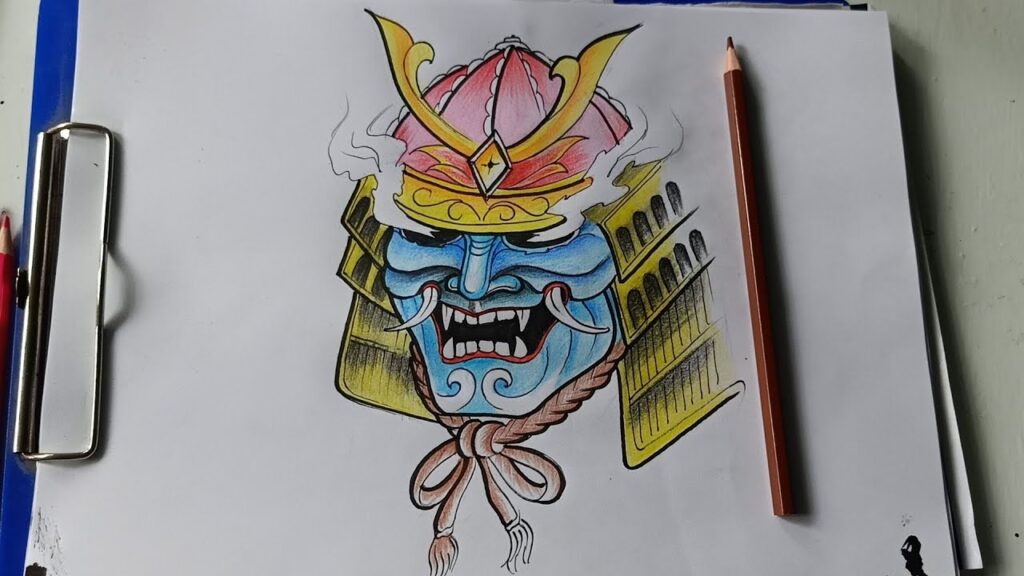
Highlight finishing touches
Once the major components—framework, shading, and color—are in place, it’s time to refine and polish. These last-minute details can tie everything together and give your piece that wow factor.
Erase stray lines
- If you used a pencil underdrawing, gently remove any guidelines still lingering around the edges.
- Make sure you don’t accidentally erase any crucial lines.
Deepen important outlines
- Thicken the lines in areas you want to emphasize, such as the crest or the helmet’s outer edge.
- Keep fine lines for smaller details like rivets or decorative patterns.
Check texture consistency
- If your Shikoro is glossy, ensure it has consistent highlights with the Hachi.
- If you’re simulating hammered metal, add subtle textures across the bowl.
Zoom out or step back
- Spend a moment looking at the entire piece from a distance.
- This helps catch any imbalance in composition or shading.
At this stage, sign your work if you like. You’ve crafted a striking samurai helmet that blends historical authenticity with your own artistic spin.
Explore common kabuto styles
Samurai helmets come in a variety of shapes, constructions, and ornamentations. While you might stick to a single style in your current drawing, studying other kabuto forms is a great way to expand your repertoire.
Below is a quick table summarizing a few popular kabuto styles:
| Kabuto Style | Key Feature | Notes |
|---|---|---|
| Hoshi Kabuto | Riveted “star” protrusions | Emphasizes rivets as decorative elements |
| Zunari Kabuto | Smooth, domed “bald” shape | Often has fewer plates and a simpler silhouette |
| Momonari Kabuto | Peach-like profile | Bulges at the sides and tapers toward the front |
| Suji-Bachi Kabuto | Raised ridges along plate seams | Plates pinched together to form multiple ridges (sujis) |
| Kawari Kabuto | Extraordinary shapes (e.g., animal motifs) | Typically flamboyant, used for a distinct visual impact |
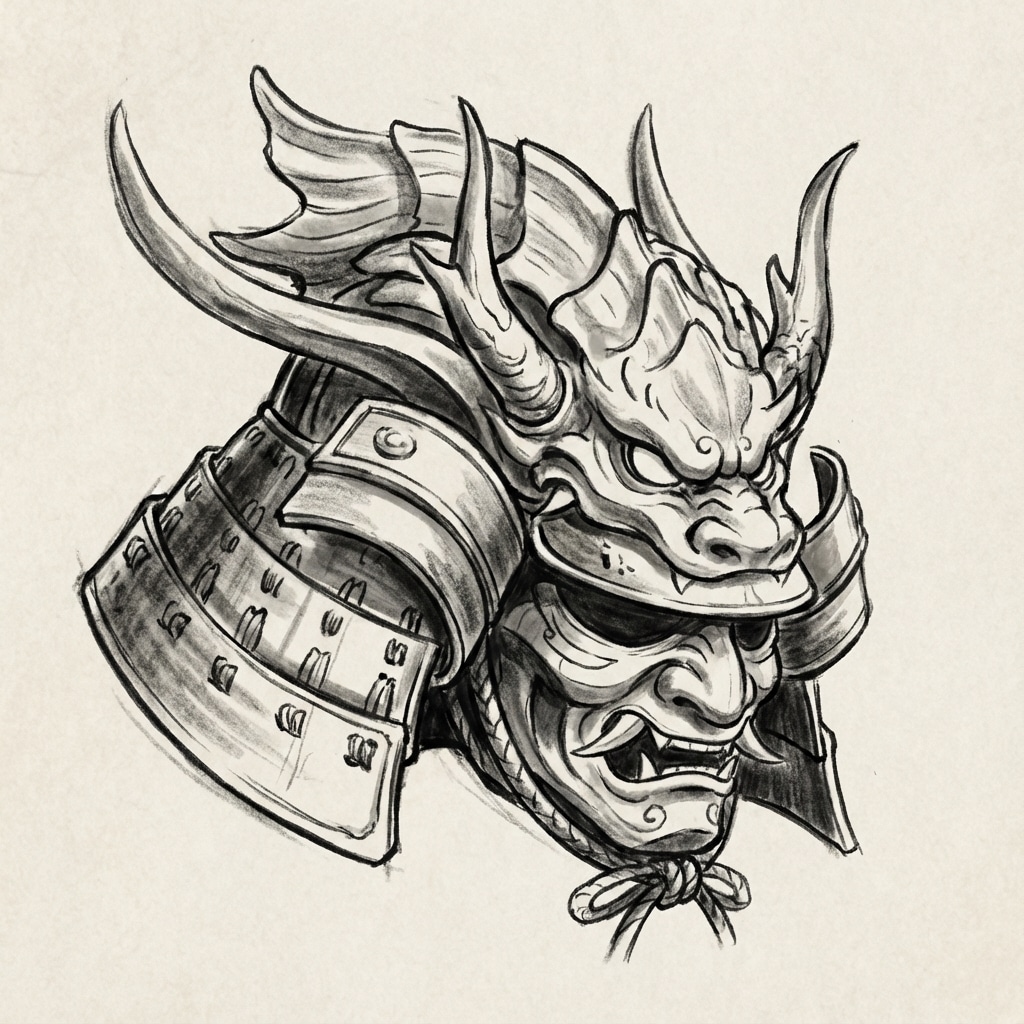
When drawing different styles, pay attention to the nuances in plating, brim shapes, and crest attachments. Each style also carries unique historical contexts if you ever want to deep-dive into the era or region they originally came from. For instance, Giuseppe Piva notes that interior construction (under the lining) can reveal the craftsmanship quality and authenticity.

Frequently asked questions
How do I keep proportions consistent?
Establish a light skeleton or framework at the start. Mark where the head will be, then place the horns or crest, and track the neck’s position for the Shikoro. Refer to Drawingforall.net or Picsart tutorials to see how they position basic outlines before diving into details.Do I need to draw a face mask for an authentic look?
Many Samurai helmets include Menpo, but it’s not mandatory if you’re focusing only on the kabuto. Face masks deepen the intimidating impression and historical accuracy, but you can omit them if your main objective is head protection details.What’s the best way to shade metal?
Use high-contrast shading. Metal surfaces often have bright highlights where light hits directly, with dark shadows that emphasize contours. Layer your shading in small increments, checking the balance regularly.Can I experiment with color palettes?
Absolutely. Traditional helmets often used black lacquer, but historical pieces sometimes integrated red, blue, or gold details. You can stay faithful to real examples or explore your own creative twists—just keep it consistent so your helmet doesn’t look disjointed.How do I add realistic textures?
Work in layers. For hammered metal, lightly scribble or dot around key areas. Then, use partial highlights to mimic dents. Resource sites like Romance of Men can give you an idea of how the plating was constructed.
Drawing a samurai helmet isn’t about hitting some obscure level of “perfect” on your first try. You’re adding your own style and interpretation to an artifact rich in cultural and historic significance. Embrace the learning curve. Start light, stay flexible, and refine as you go. If you want to push your artistic limits, try out additional kabuto styles or experiment with advanced shading techniques. Above all, enjoy the journey of discovering how to draw a samurai helmet that looks both fierce and beautifully crafted.
Now, pick up your pencil or boot up your drawing app. It’s time to capture the samurai spirit—one careful line at a time. Happy drawing!
- 0shares
- Facebook0
- Pinterest0
- Twitter0
- Reddit0