Finding reliable drawing reference websites can transform your art practice overnight. Instead of hunting through random images or paying for expensive live model sessions, you can access thousands of curated poses, anatomy studies, and timed practice tools from your browser.
This guide covers concrete resources—AdorkaStock, Croquis Cafe, Line of Action, YouTube channels, and more—explaining how each site works, what it costs, and who benefits most from using it. Whether you need quick gesture warmups, detailed anatomy study, or themed references for character design, there’s a site built for your workflow.
What This Guide Covers (Quick Answer First)
If you’re short on time, here are the top drawing reference websites worth bookmarking today:
- AdorkaStock – Artist-run photo library with dynamic action poses, free gallery, and timed sketch app
- Croquis Cafe – Structured life-drawing videos and high-res photos with membership tiers
- Line of Action – Free browser tool with timers for figure, faces, hands, animals, and landscapes
- SketchDaily Reference – Simple random pose generator with action and costume filters
- Pinterest – Crowd-curated boards for themed references (costumes, weapons, architecture)
- DeviantArt – Stock photo groups and pose packs with explicit usage terms
- YouTube – Dance performances, sports footage, and timed gesture session videos
The rest of this article is organized by:
- Free vs. paid resources
- Subject focus (figure, hands, faces, animals)
- Extra features (timers, 360° views, community boards)
Pick a section that matches your current need, or read through to build a complete reference toolkit.
Best Free Websites for Drawing References
Many artists assume quality references require expensive subscriptions. In practice, several genuinely free resources offer enough variety for daily practice and serious study—no paywall for basic use as of 2024.
Here’s a quick overview of the top free options:
Site | What It Offers | Best For |
|---|---|---|
Figures, faces, hands, feet, animals, environments | Daily gesture warmups, expression studies | |
Random poses with action/costume filters | Quick 30-second to 2-minute gesture sessions | |
Dynamic poses, fantasy themes, action shots | Character design, comic illustration | |
Curated boards by theme (armor, fashion, poses) | Mood boards, costume research | |
Artist-uploaded stock packs with usage terms | Finding niche references, supporting creators | |
YouTube | Timed sessions, dance, sports, slow-motion footage | Motion study, understanding body mechanics |
Each of these sites works directly in your browser without extra software. Most require no account for basic browsing, though creating a free account unlocks features like saved favorites and custom session settings—for example, if you want to start creating floral art in your sketchbook with the right tools and medium.
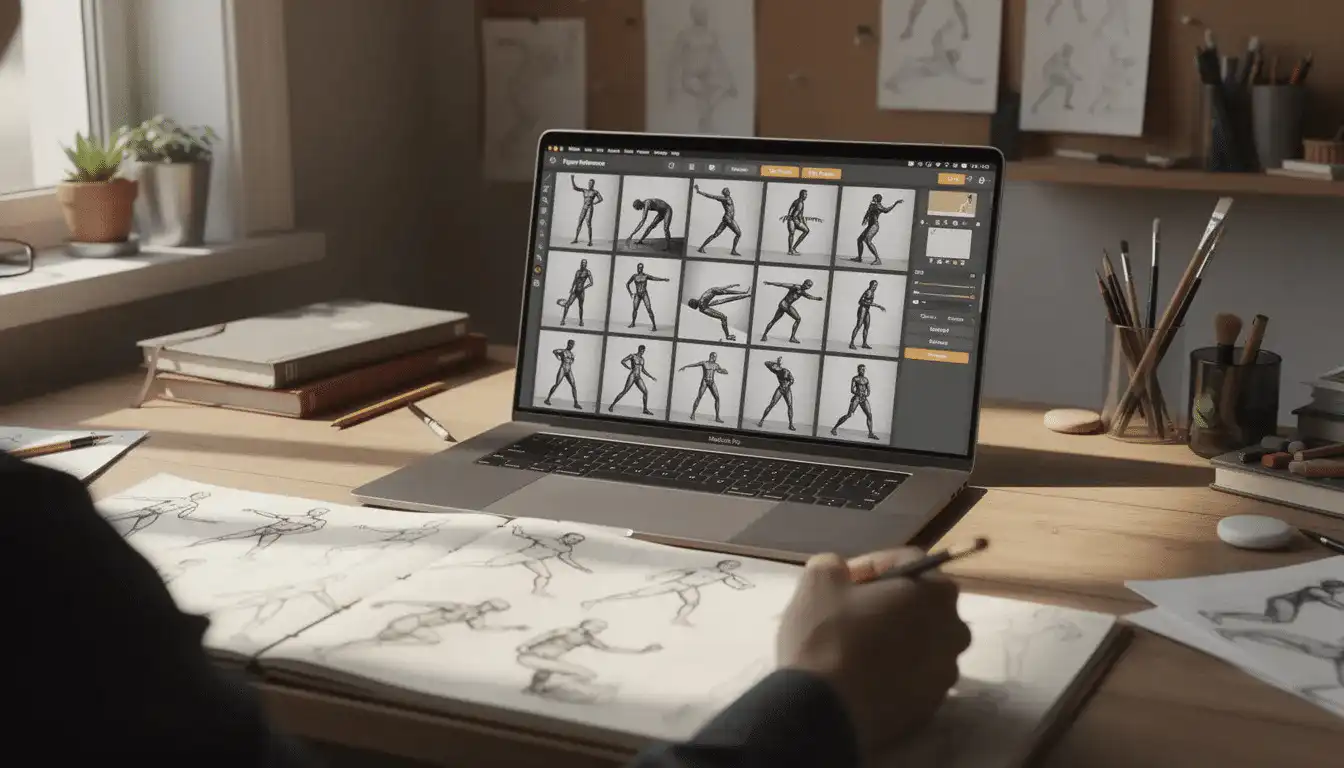
AdorkaStock: Artist-Made Pose References
AdorkaStock is a long-running pose reference project created by an artist for artists. Originally known as SenshiStock, the project has grown into a dedicated website and active presence on social platforms where new images are regularly released.
The library includes thousands of photos featuring real people in dynamic poses. You’ll find action shots, fantasy-inspired stances, everyday gestures, and theatrical scenes—all photographed with clear lighting and useful angles for comics, illustration, and animation work.
Key strengths of AdorkaStock:
- Diverse models across body types, ages, and costumes
- Safe-for-work references suitable for public practice
- Well-lit photos with minimal distracting backgrounds
- Angles specifically chosen for foreshortening practice and dynamic perspective
The AdorkaStock Sketch web app adds a timed drawing mode where images rotate automatically. You can set custom intervals (30 seconds, 1 minute, 5 minutes) and let the tool cycle through random poses—perfect for gesture practice without manually clicking through photos.
The core gallery and sketch tool are free. Optional paid pose packs and early access to new photoshoots are available through Ko-fi or Patreon, which helps fund ongoing production of new images.
Practical use cases:
- February drawing challenges (pair with community events like Figuary)
- Daily warmup sessions using the 1-minute interval setting
- Learning foreshortening from specific action packs (jumping, fighting, reaching)
Croquis Cafe: Structured Online Life-Drawing Studio
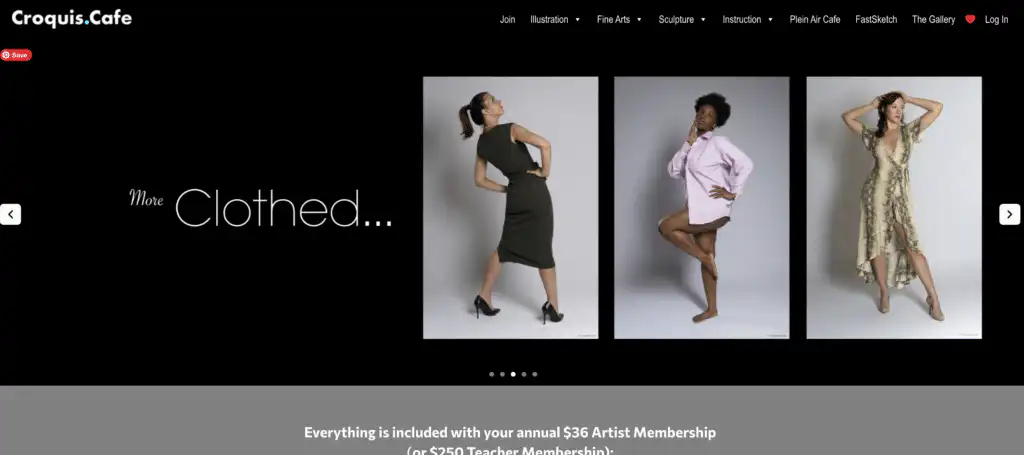
Croquis Cafe has been an online figure drawing staple for over a decade. The site is known for its life-drawing style videos and large photo archive, giving artists access to timed sessions that emulate in-person classes.
Membership options:
- Artist Membership – Annual subscription for individual practice, includes full video and photo access
- Teacher Membership – Higher-priced tier intended for classrooms and group instruction
The figure drawing videos follow traditional life-drawing formats: short 1–2 minute gestures, medium 5-minute poses, and longer 10+ minute studies. Models vary in age, body type, and pose style, offering the kind of diversity you’d find in a well-run community life-drawing session.
Major features include:
- FastSketch session builder – Choose pose length, model preferences, and angles to create custom practice sessions
- High-resolution photos – Suitable for detailed rendering and longer studies
- 360° rotating videos – Particularly helpful for sculptors, 3D artists, and anyone studying complex poses with heavy foreshortening
Figuary challenge: Each February, Croquis Cafe partners with instruction-focused creators to offer daily practice videos. This annual event gives artists a structured month of figure drawing with community support and sometimes added tutorials.
Whether you’re a beginner building foundational skills or an instructor needing reliable classroom-safe material, Croquis Cafe integrates well into a regular practice routine.
Line of Action, SketchDaily & Other Pose Timer Tools
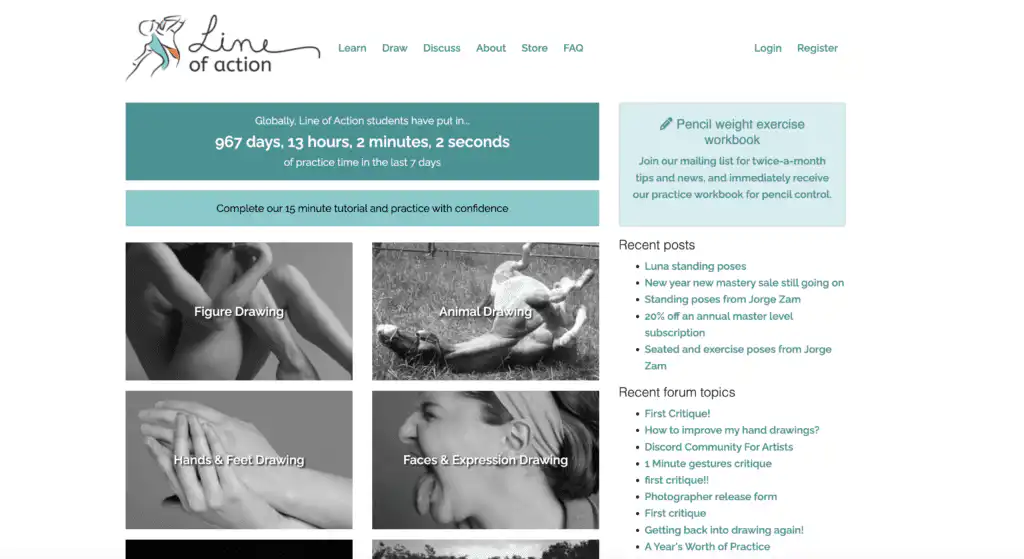
Browser-based pose-timer tools automatically cycle through references at set intervals, simulating the timed exercises of a live gesture drawing class. These are some of the most helpful resources for consistent practice.
Line of Action
Line of Action is a free site offering structured sessions across multiple categories:
- Figure drawing – Full-body poses, both clothed and nude options
- Faces & expressions – Filter by specific facial expressions (anger, sadness, surprise)
- Hands & feet – Dedicated practice for these challenging areas
- Animals – Wildlife and domestic creatures for creature design
- Environments & still life – Landscapes and objects for composition practice
You can adjust interval length from 30 seconds to 10 minutes and set total session duration. Filters let you focus on specific age ranges, genders, or clothed versus nude models. The site emphasizes diverse models across ethnicities, body types, and poses.
Why it’s neat: The expression filters for faces make it a powerful tool for character artists studying emotion. You can dedicate an entire session to drawing only surprised faces or only hands in relaxed positions.
SketchDaily Reference Site

SketchDaily offers a simpler random pose generator. Filters include:
- Pose type (sitting, standing, action, martial arts)
- Clothing type
- Number of models (single or multiple people interacting)
The interface is minimal and fast—no distractions, just a reference and a timer. Many artists use it for quick 30-second or 2-minute gesture sessions.
Concrete practice examples:
- 20-minute daily gesture session: Set 1-minute intervals, draw 20 poses
- Weekly focus: Spend one week using only the hands & feet mode on Line of Action
- Expression study: Filter for “anger” faces and fill a sketchbook page with variations
Both tools run directly in the browser without requiring downloads or accounts for basic use.
YouTube & Video-Based Figure Drawing References
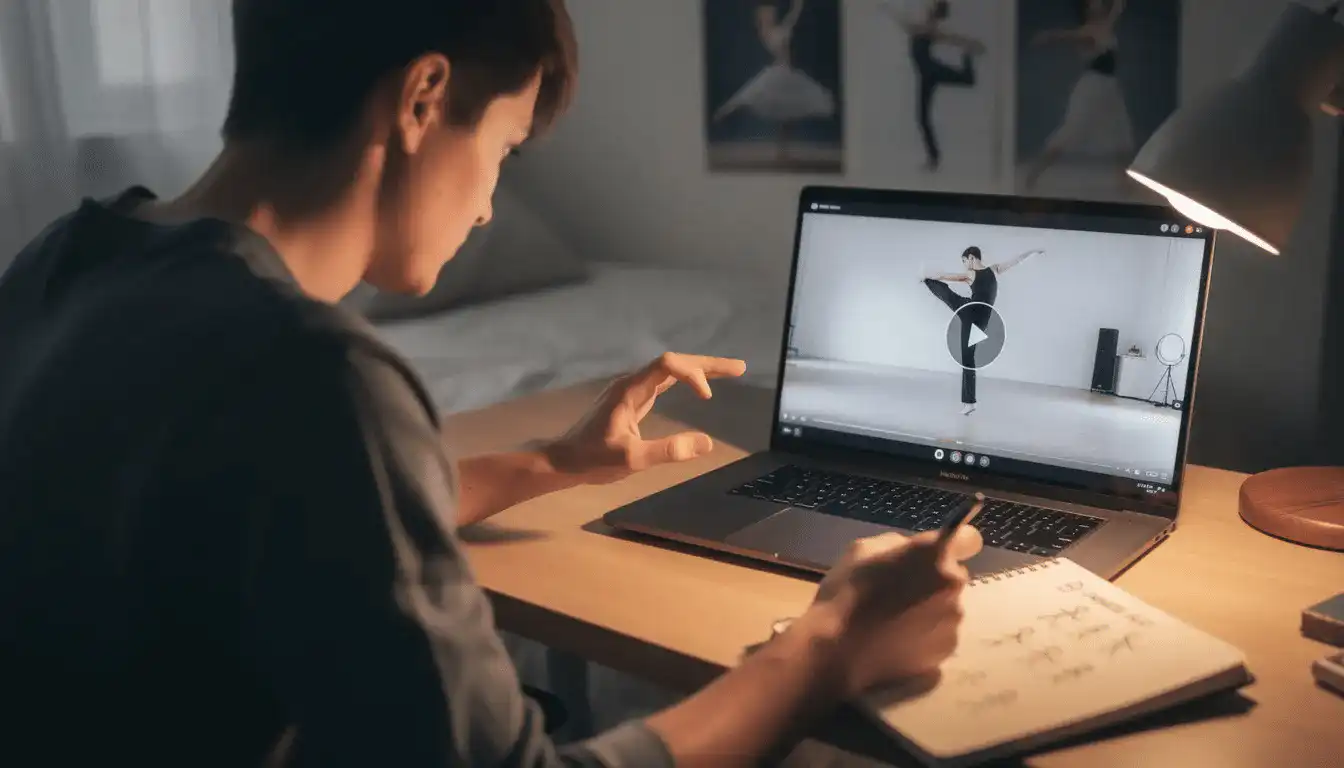
YouTube hosts countless free references beyond dedicated figure-drawing channels. The platform’s search and playback features make it a powerful tool for motion study and understanding body mechanics.
Types of videos useful for drawing:
- Timed figure-drawing sessions – Channels post videos with poses held for specific durations
- Slow-motion sports clips – Boxing, wrestling, gymnastics, and parkour footage captured at high frame rates
- Dance performances – Ballet and contemporary dance for flowing poses and weight distribution
- Martial arts demonstrations – Kata, sparring, and technique breakdowns for action poses
- Yoga tutorials – Complex stretches and balance poses held long enough to study
How to use video references effectively:
- Use the pause button to freeze frames at peak action moments
- Adjust playback speed to 0.25× for slow-motion study of fast movements
- Scrub frame-by-frame using the period (.) and comma (,) keys
- Take screenshots of useful frames to reference later
Search terms that work:
For artists looking to enhance their skills, exploring a variety of figure drawing poses can help bring more life and movement to their work.
- “figure drawing session 1 minute poses”
- “gesture drawing practice”
- “ballet reference slow motion”
- “boxing punch slow motion reference”
- “parkour movement reference”
Building a reference playlist:
Create themed playlists for repeated use:
- “Back poses and twists”
- “Kicks and jumps”
- “Animals in motion”
- “Fabric and costume movement”
This approach lets you return to proven reference material without searching again each session.
Pinterest, DeviantArt & Community-Driven Reference Boards
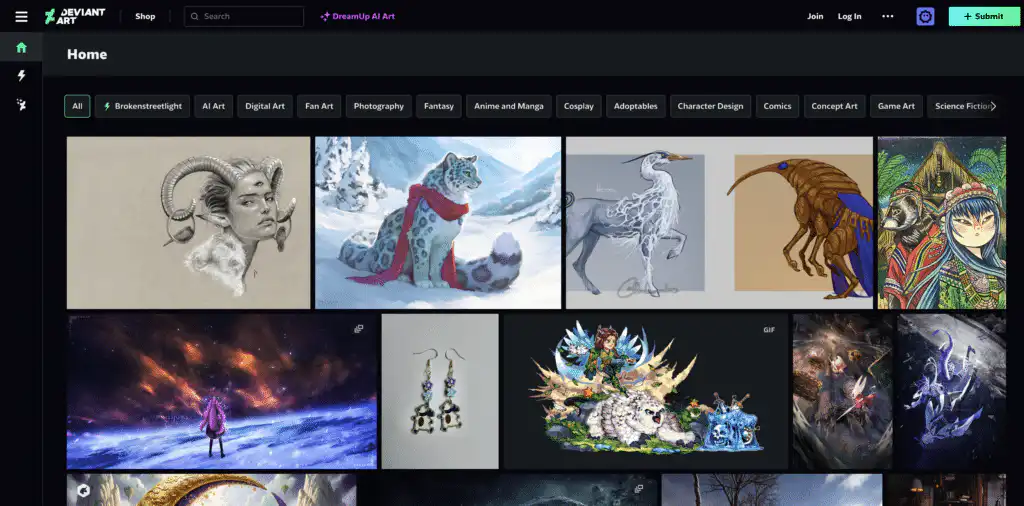
Crowd-curated platforms like Pinterest and DeviantArt excel at offering highly specific, themed reference collections. When you need “archer poses” or “1920s fashion” or “knight armor from multiple angles,” community boards often deliver faster than any single dedicated site.
Pinterest for Reference Gathering
Pinterest works well for collecting:
- Pose sheets and gesture studies
- Costume and fashion references by era or style
- Color palettes and lighting studies
- Architecture and environment concepts
Best practices for using Pinterest:
- Check that pins link back to legitimate sources (many don’t)
- Create your own boards organized by theme or project
- Search terms like “dynamic action pose reference” or “fantasy archer pose”
- Explore related pins to find deeper collections
DeviantArt Stock and Reference Groups
DeviantArt remains relevant for artists seeking pose packs and stock photos with explicit usage terms. Many creators run ongoing stock accounts specifically for artists:
- Pose packs with multiple angles of the same model
- “Reference only” photos with clear terms of use
- Stock groups that curate submissions by theme
Respecting licensing on community platforms:
- Read descriptions that specify whether images can be used for studies, practice, or finished works
- Check whether credit is required
- Avoid reposting raw reference packs as your own content
- When in doubt, ask the creator directly
Helpful tags to explore: “gesture drawing reference,” “dynamic pose stock,” “fantasy warrior reference,” “fabric folds study.”
Specialized Reference Sites: Hands, Faces, Animals & Anatomy
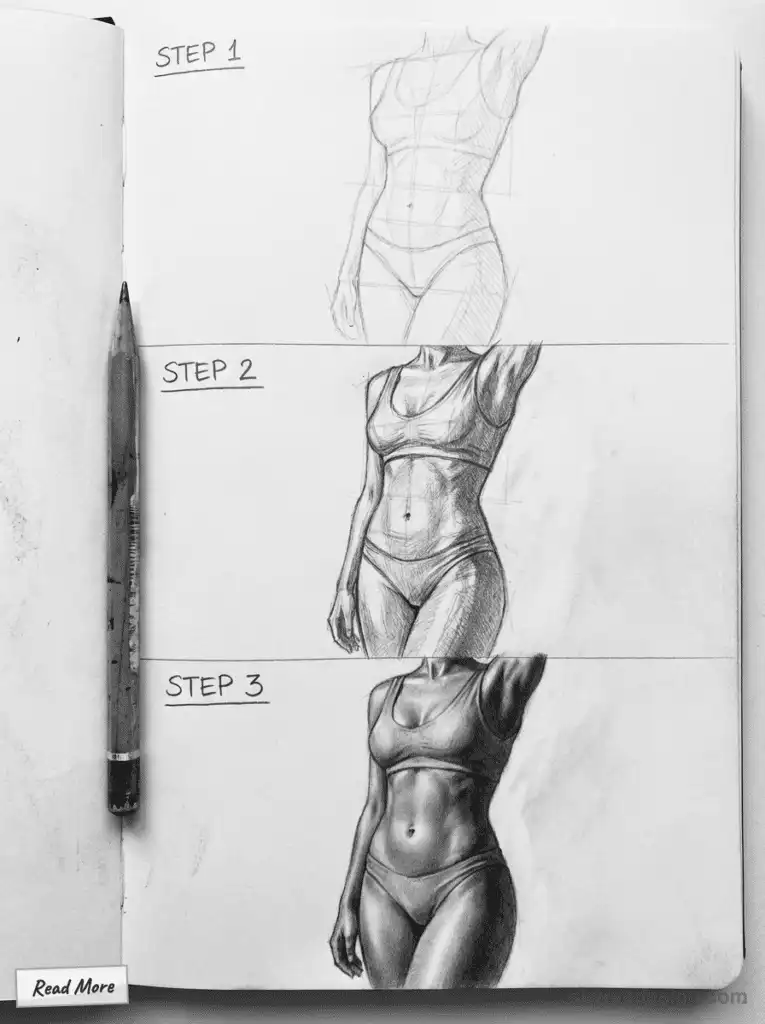
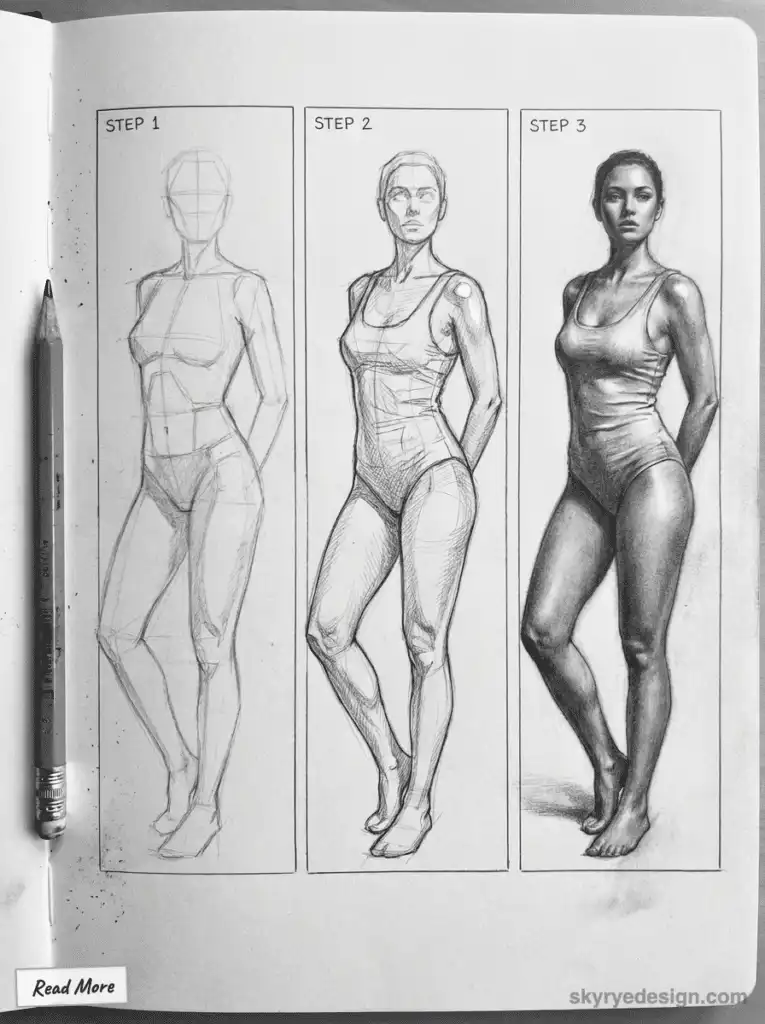
Some sites focus entirely on specific problem areas that trip up even experienced artists. When you need targeted practice, specialized resources save time.
Hands and Feet
- 3D hand pose tools with rotatable models (view from any angle)
- Photo libraries organized by gesture (pointing, gripping, relaxed, fist)
- Reference sheets showing common hand positions for character work
Faces and Expressions
- Expression libraries grouped by emotion, angle, and lighting
- Aging references showing the same expressions across different age groups
- Ethnic diversity in facial structure for authentic character design
Animals and Creatures
- Wildlife photo archives for anatomy study
- Domestic pet references for everyday poses
- Creature design resources showing skeletal and muscular structure
Human Anatomy
- Sites showing muscles and bones in layers (like Posemaniacs)
- 360° rotatable anatomical models
- Medical-style diagrams overlaid on figure photos
These specialized tools solve specific problems. If you’re struggling with hands this month, spend focused time on a hand reference tool before returning to full-figure practice.
Paid vs. Free: When to Upgrade Your Reference Library
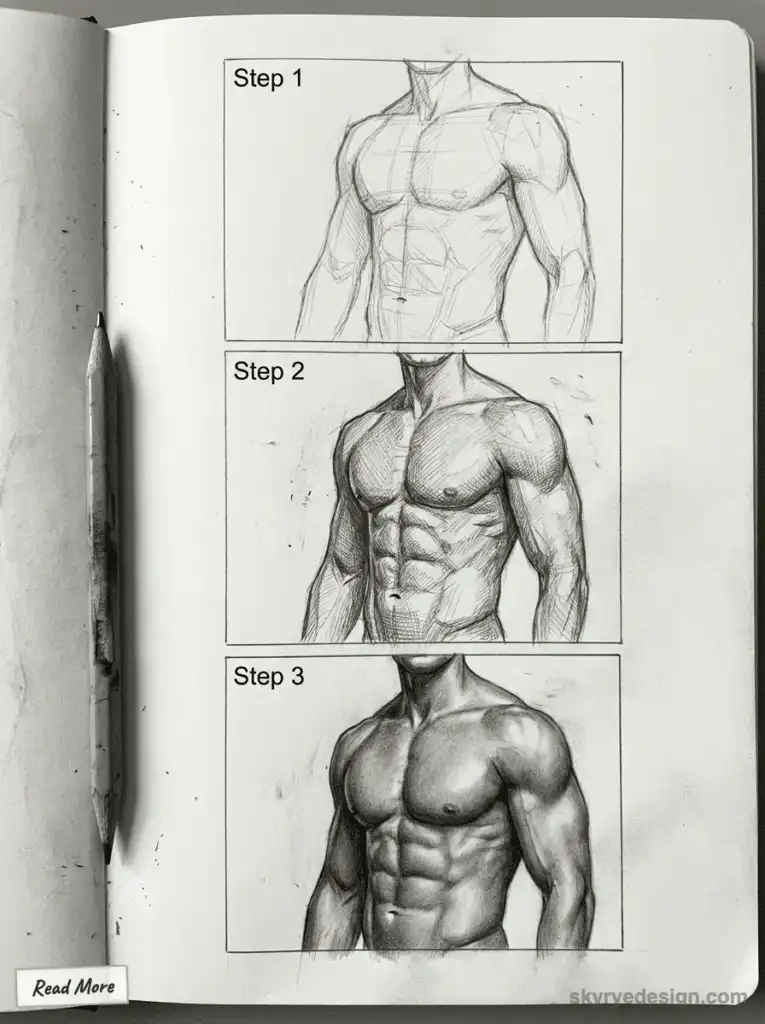
Many artists work for years using only free resources. But paid sites offer real advantages when your needs become more specific or professional.
What free resources typically provide:
- Ad-supported browsing
- Limited search and filter tools
- Smaller, sometimes inconsistent image selection
- Unclear or restrictive usage terms
What paid memberships typically provide:
- Higher resolution images suitable for detailed rendering
- Better organization and tagging
- Consistent lighting and professional photography
- Legally clear terms for commercial and published work
- Regular updates with new content
When paid references are worth the cost:
- Professional portfolio or client work – You need clear licensing for anything you publish
- Teaching figure drawing – Classroom-safe, reliable images you can project without concern
- Character turnarounds – Large sets of the same model from multiple angles
- Consistent long-term practice – A reliable library you won’t lose access to
What to evaluate before paying:
Factor | Questions to Ask |
|---|---|
Pose variety | Does it cover the poses you actually need? |
Body diversity | Multiple body types, ages, ethnicities? |
Format | Photos only, or videos and 360° views? |
Update frequency | Is new content added regularly? |
Terms of use | Clear license for study, derivative work, or commercial use? |
How to Use Drawing Reference Websites Effectively
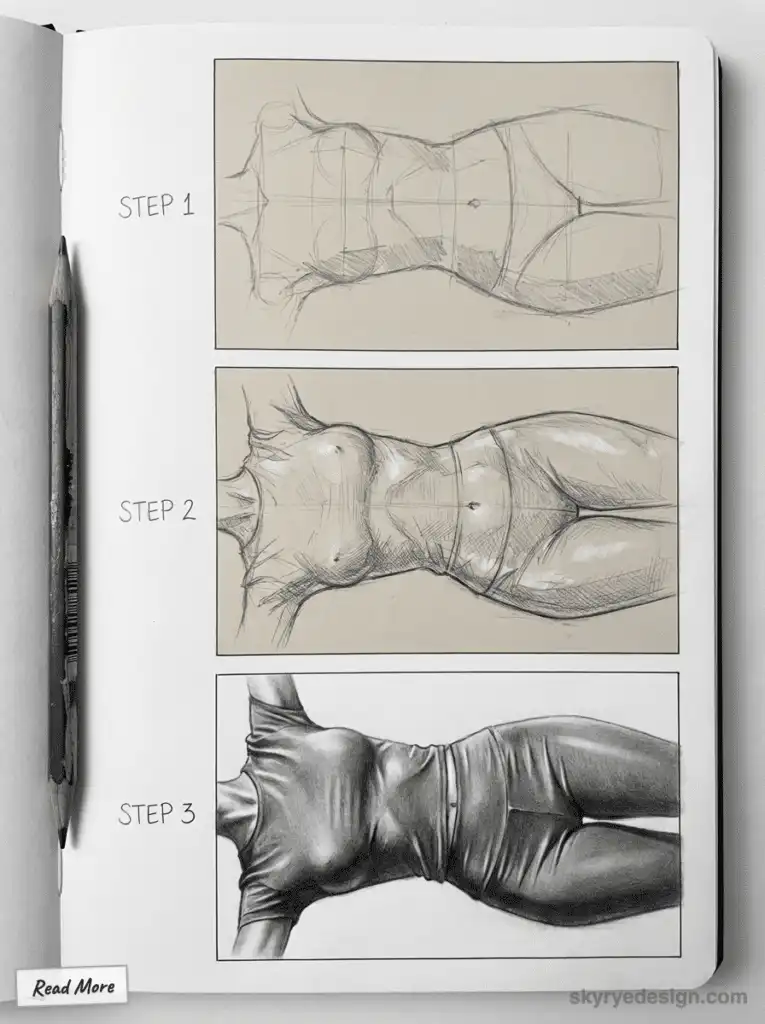
Reference quality matters, but how you use references determines whether you actually improve. A library of 10,000 poses won’t help if you browse passively without drawing.
Practice strategies that work:
Daily gesture sessions (10–20 minutes)
- Use any pose-timer site (Line of Action, SketchDaily, AdorkaStock Sketch)
- Set 30-second to 1-minute intervals
- Focus on capturing the action and rhythm, not details
Longer studies (30–60 minutes)
- Choose a single complex pose from Croquis Cafe or AdorkaStock
- Work on proportion, anatomy, and rendering
- Use 360° views if available to understand the form fully
Themed weeks
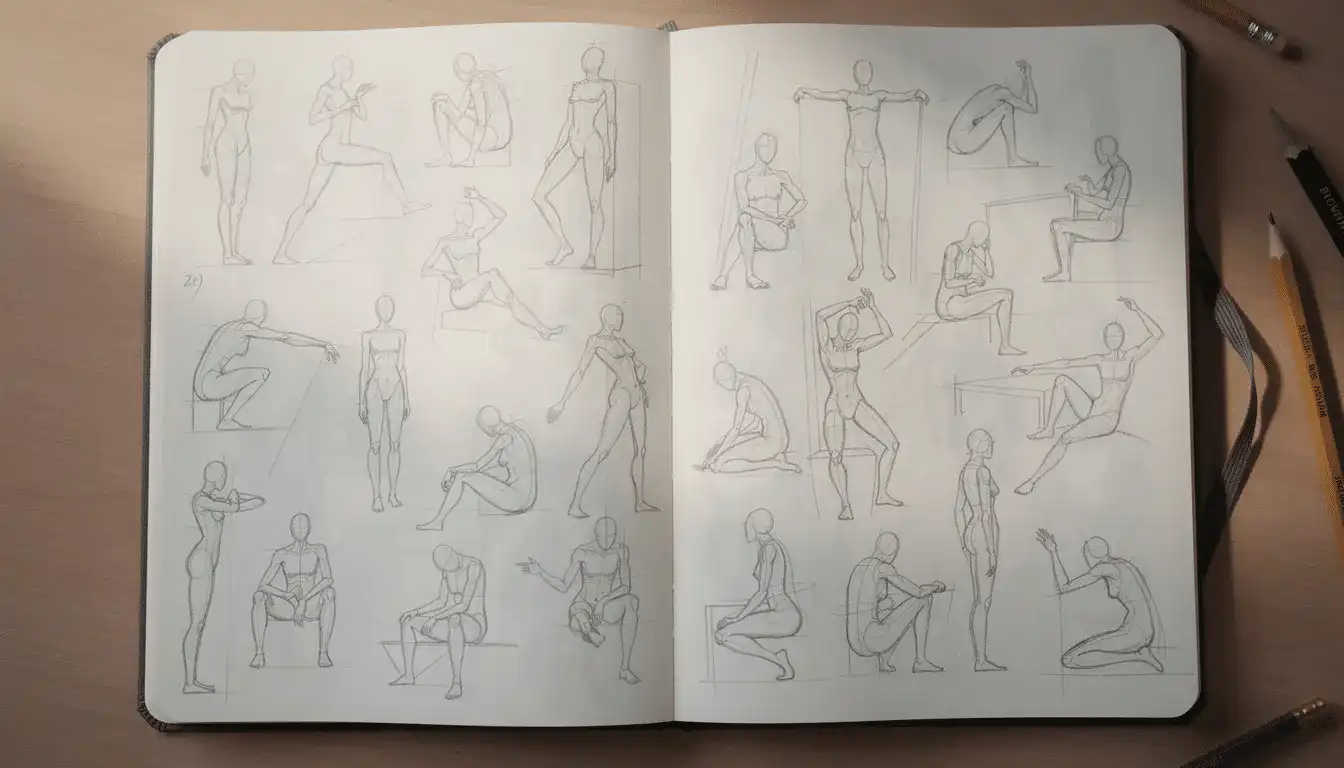
- Dedicate one week to a single problem area: “just hands,” “only back poses,” “animals in motion”
- Use specialized sites for focused practice
- Fill sketchbook pages with variations
Avoiding common mistakes:
- Don’t copy references mindlessly for finished work without understanding the underlying anatomy and perspective
- Use references to study form, rhythm, and construction—not as templates to trace
- Mix photo references with imagination: redraw poses from a different angle, combine two poses, exaggerate the gesture for more dynamic characters
Building muscle memory requires repetition over time. A consistent 15-minute daily habit beats occasional 3-hour sessions.
Legal & Ethical Use of Reference Photos
Not every image found online is safe to trace, heavily reference, or publish in finished work. Understanding the basics protects both you and the creators who made the reference.
Key distinctions:
Use Case | Generally Accepted | Caution Needed |
|---|---|---|
Private study (not published) | Usually fine | Still respect terms of service |
Creating derivative works for sharing | Depends on source license | Check explicit permissions |
Tracing or heavy copying | Often problematic | Transform significantly or get permission |
What dedicated reference sites usually offer:
Many sites like AdorkaStock, Croquis Cafe, and DeviantArt stock accounts explicitly grant study rights. Some extend permissions to derivative works or commercial use. Random social media photos almost never come with these permissions.
Best practices:
- Read each site’s terms of use before using images in published work
- Give credit when required (some sites require attribution even for studies)
- Avoid posting artwork that’s too close to the original reference
- Never repost raw reference packs or claim stock photos as your own
When in doubt, ask the creator. Most are happy to clarify their terms via a quick comment or email.
Conclusion: Building Your Own Reference Workflow
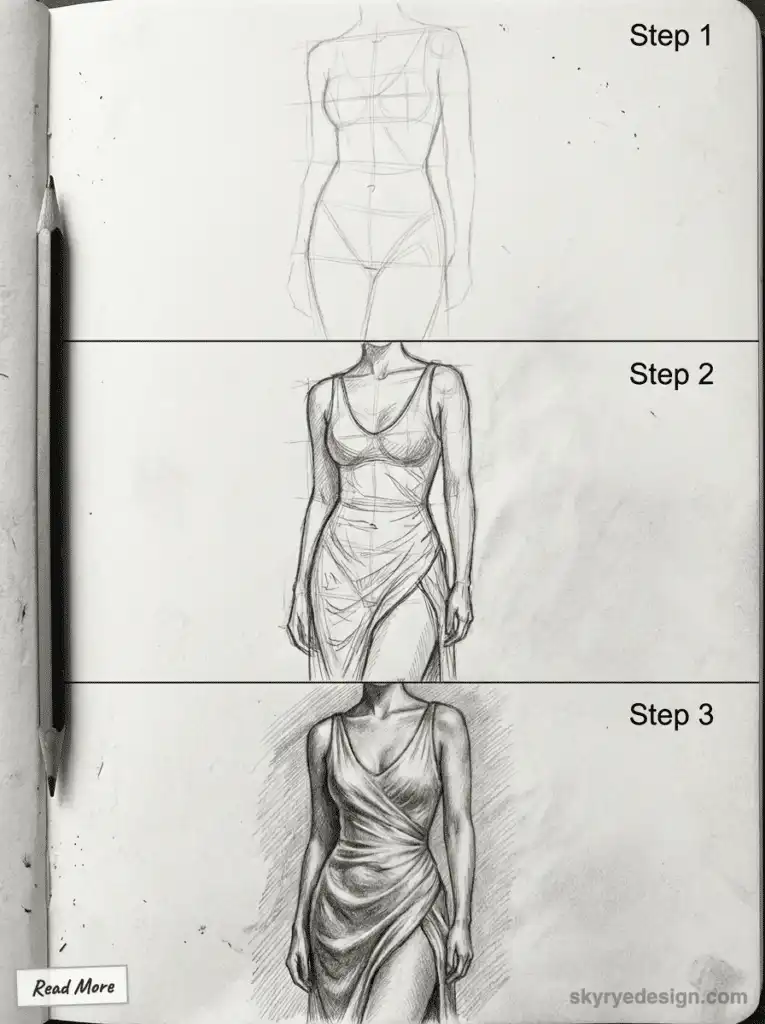
The best drawing reference websites don’t compete with each other—they complement each other. Pose timers handle daily warmups. Structured sites like Croquis Cafe support longer studies. Pinterest and DeviantArt fill gaps with themed collections. YouTube adds motion and real-world context.
Start this week: pick one free tool (Line of Action or SketchDaily) for daily 15-minute gesture sessions, and bookmark one long-session resource (Croquis Cafe or AdorkaStock) for weekend studies. Track your progress by dating your sketchbook pages.
As of this year, many of these platforms continue adding new images and features. Revisit them periodically—fresh references keep your practice from getting stale, and continuing to explore new resources keeps your visual library growing alongside your skills.
- 581shares
- Facebook0
- Pinterest581
- Twitter0
- Reddit0