A custom paint job is one of the most impactful ways to transform your vehicle. Whether you want to stand out on the road, restore an aging exterior, or express your personal style, paint customization offers endless possibilities. From bold color changes to intricate designs and specialty finishes, understanding the process, costs, and long-term value can help you make the right decisions before committing. Below is a comprehensive guide covering everything you need to know before giving your car a custom paint job.

Why Custom Paint Jobs Are So Popular
Custom paint jobs have become increasingly mainstream as more drivers look for ways to personalize their vehicles. Industry data from SEMA shows that about 33% of car owners modify their vehicles in some form, which highlights how common customization has become. Paint upgrades are especially popular because they dramatically change a car’s appearance without altering its mechanical components.
For many drivers, a custom paint job is about identity. The color and finish of a vehicle can reflect personality, lifestyle, or even professional branding. Others pursue custom paint to revive an older car whose factory finish has faded, chipped, or suffered sun damage. In both cases, paint customization adds visual appeal and can even increase pride of ownership.
Custom paint options range from simple color changes to complex multi-stage designs. Solid colors are the most affordable and timeless, while metallics, pearls, and candy finishes add depth and shine. Matte and satin finishes have also gained popularity for their modern, understated look. More elaborate options include racing stripes, airbrushed artwork, color-shifting paints, and textured coatings.
Understanding the Process and Costs
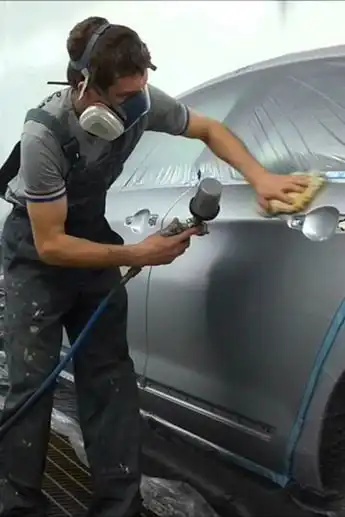
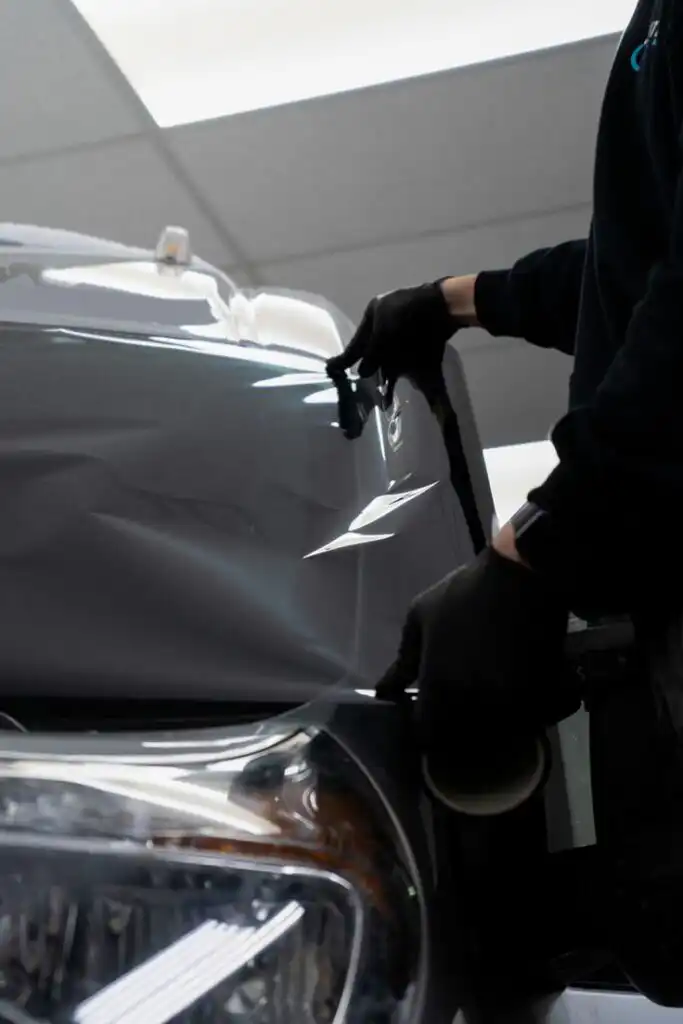
A professional custom paint job involves far more than simply spraying a new color. The vehicle must be thoroughly cleaned, sanded, and repaired so the new paint adheres properly and looks flawless. Any dents, rust, or imperfections should be fixed beforehand, as paint will only highlight existing flaws.
Once the surface is prepared, painters apply primer, base coats, and clear coats in a controlled environment. Depending on the complexity of the design, this process can take anywhere from a few days to several weeks. Specialty finishes and custom graphics typically require additional layers and curing time.
The cost of a custom paint job varies widely. This price range reflects not only labor and materials but also the size of the automotive paint industry itself. According to Research Nester, the global automotive paint market reached a value of $9.2 billion in 2023, underscoring the demand for advanced coatings, premium finishes, and skilled craftsmanship.

Longevity, Maintenance, and Value
One common concern about custom paint jobs is how long they will last. Modern automotive paints are engineered for durability, and Consumer Reports notes that today’s auto paint formulations are built to maintain their appearance for up to 10 years under normal conditions. This longevity applies to both factory and professionally applied custom paint, provided proper materials and techniques are used.
To maximize the lifespan of your custom paint job, regular maintenance is essential. Washing your car with gentle, non-abrasive products helps prevent scratches and fading. Parking in shaded areas or using a car cover can reduce sun damage, while periodic waxing or ceramic coatings add an extra layer of protection.
- 0shares
- Facebook0
- Pinterest0
- Twitter0
- Reddit0