
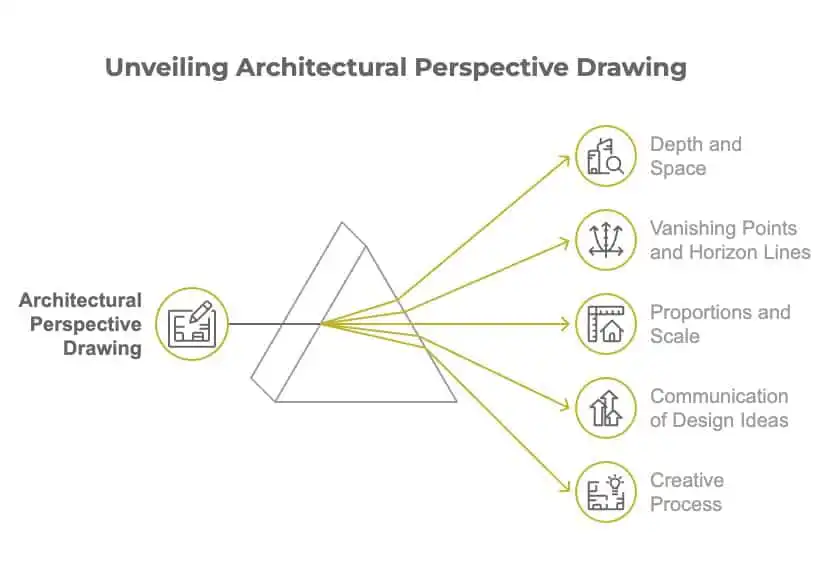
Architectural perspective drawing is a foundational technique that allows architects to translate three-dimensional structures into accurate two-dimensional representations. By employing linear perspective, horizontal and vertical lines converge toward one or more vanishing points on a horizon line, replicating how the human eye perceives depth and scale (Domestika). This approach elevates building designs by enhancing spatial clarity, improving design iteration, and facilitating clear communication with clients and stakeholders.
Architectural perspective drawing fundamentals
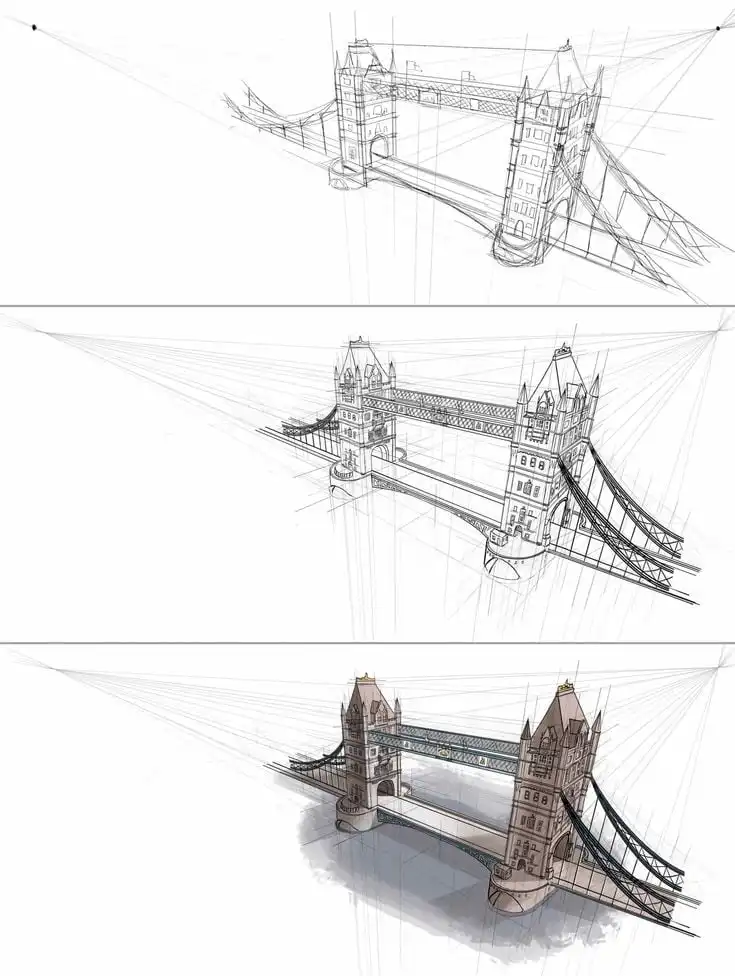
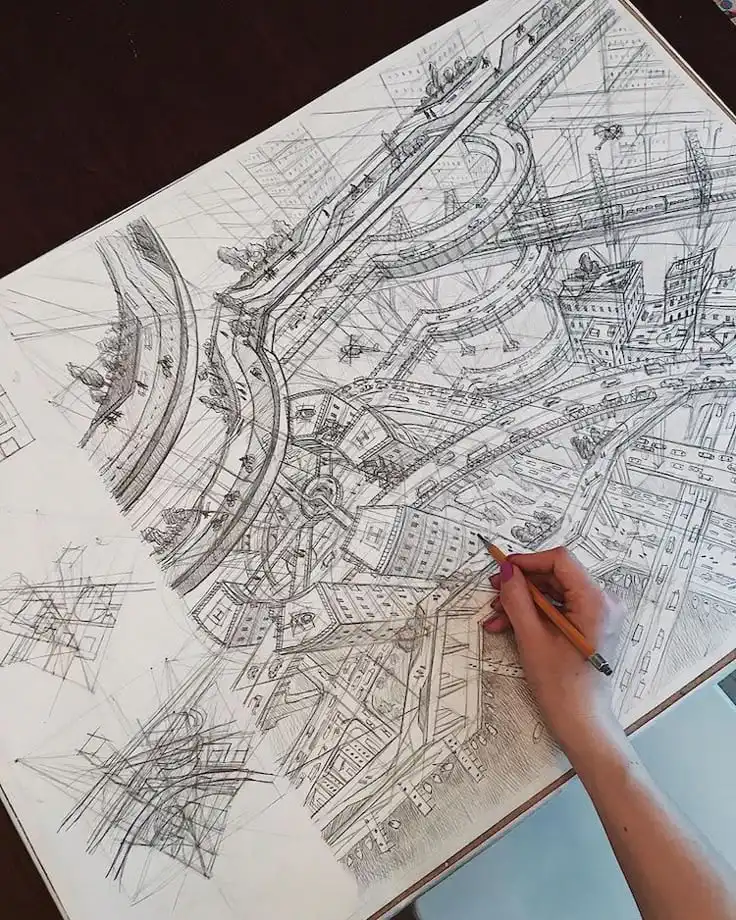
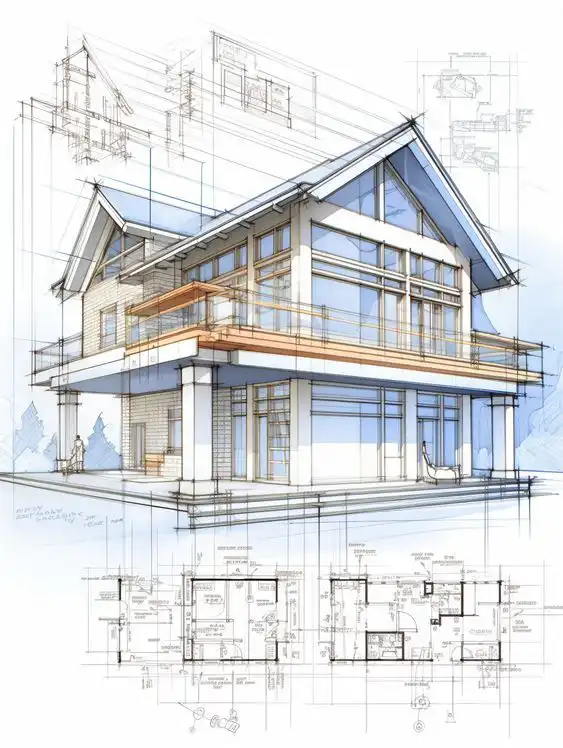
At its core, architectural perspective drawing represents three-dimensional forms on a flat surface by projecting edges and surfaces toward vanishing points along a horizon line. Renaissance architect Filippo Brunelleschi pioneered this method by observing that objects appear smaller as they recede in space, laying the groundwork for modern linear perspective (Domestika).
Key principles include drawing surfaces facing the viewer in true shape with horizontal and vertical lines, while receding surfaces follow orthogonal lines that converge on one or more vanishing points. Maintaining consistent line weight and scale ensures that proportions remain accurate and the illusion of depth is preserved.
Exploring perspective variations
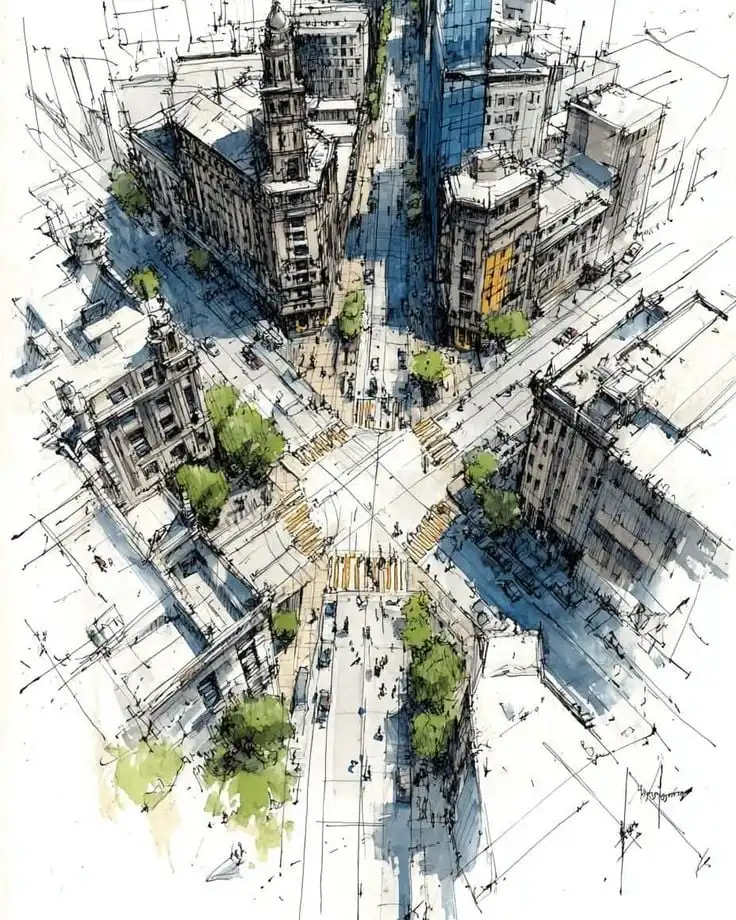
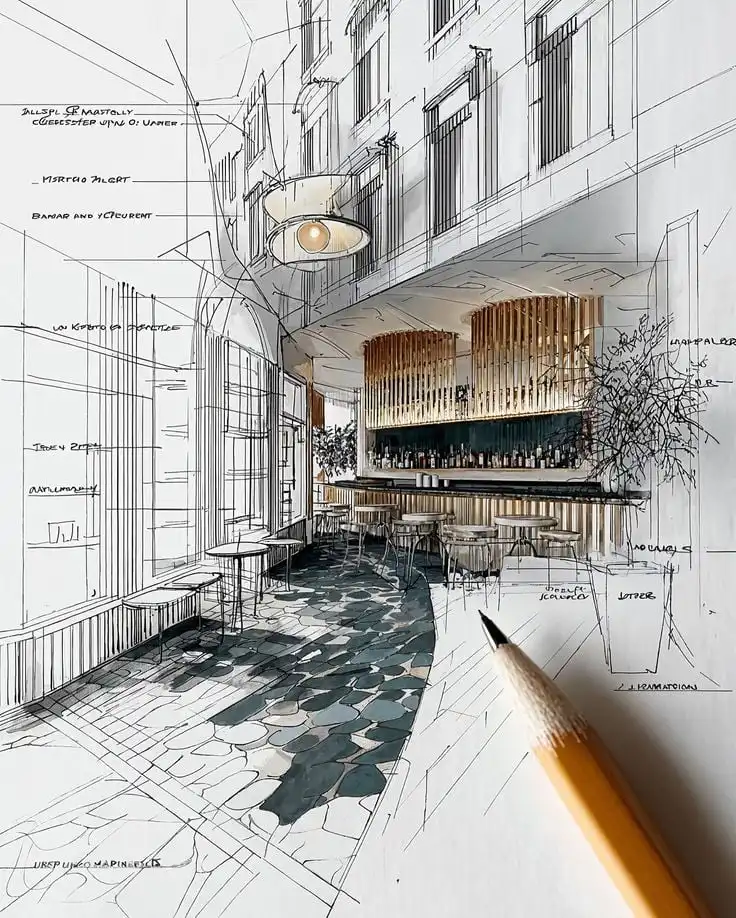
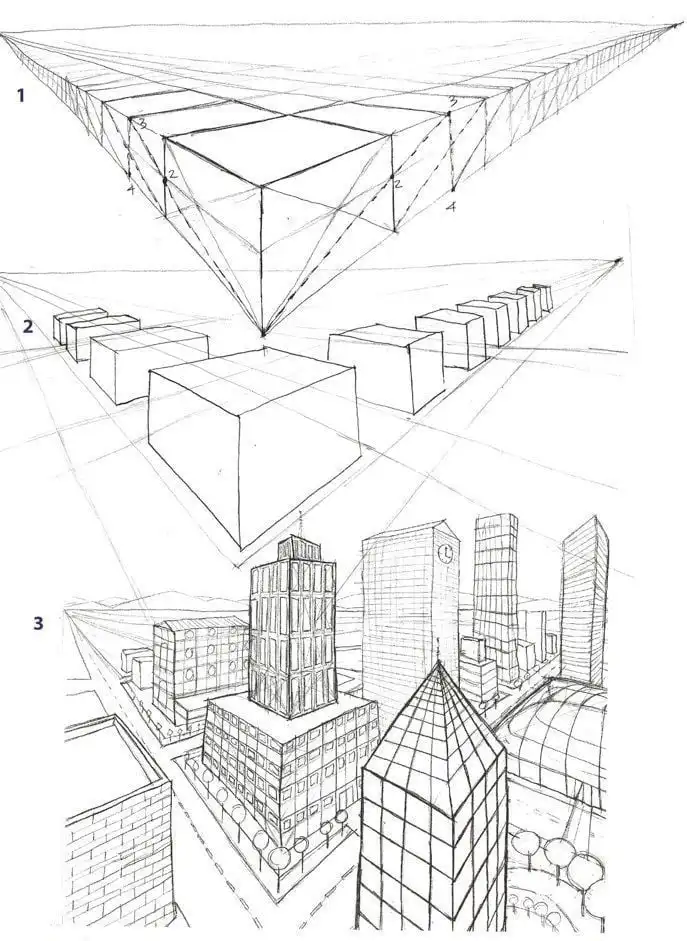
One-point perspective drawing
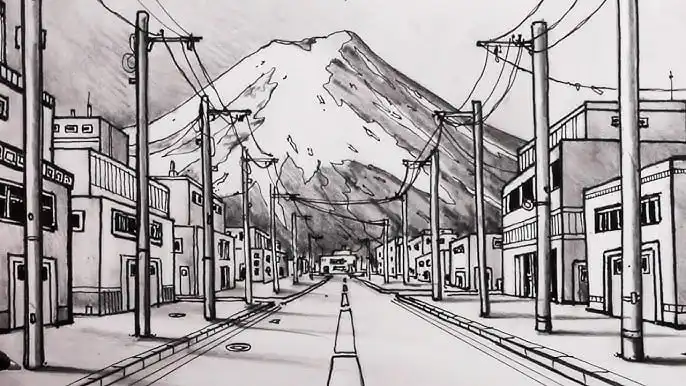
In one-point perspective drawing, all orthogonal lines radiate from a single vanishing point on the horizon line, creating depth along one axis. This technique is especially effective for front-on architectural views, such as corridors, room interiors, and building facades. Exercises like stacking blocks, dividing equal spaces, and sketching cityscapes help students master line convergence toward the central point (Student Art Guide).
Two-point perspective drawing
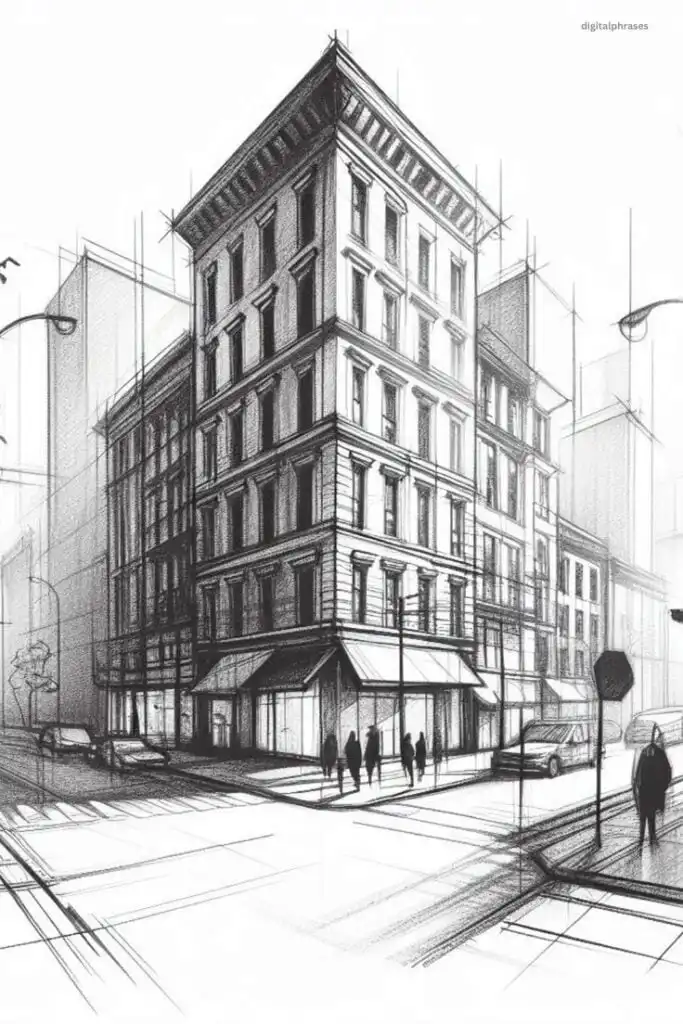
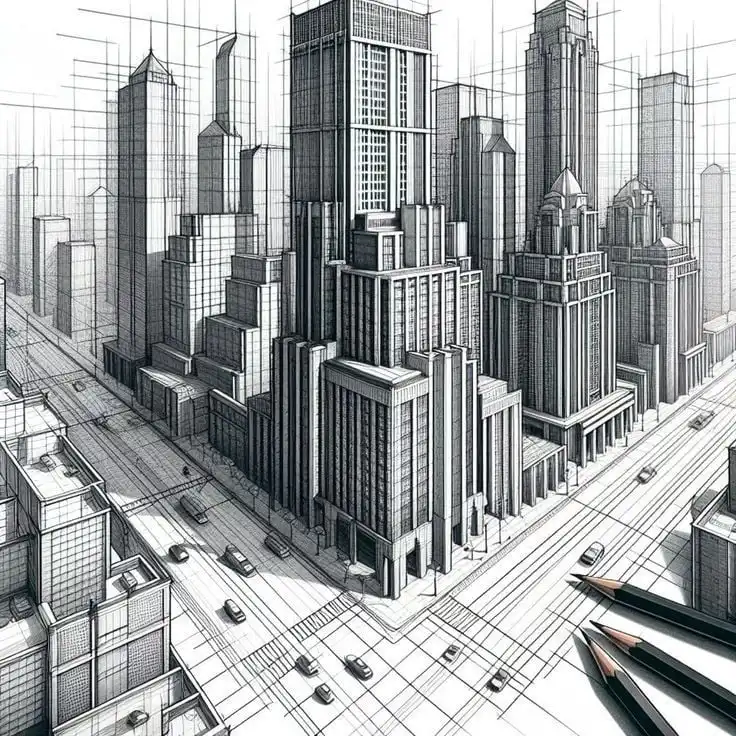
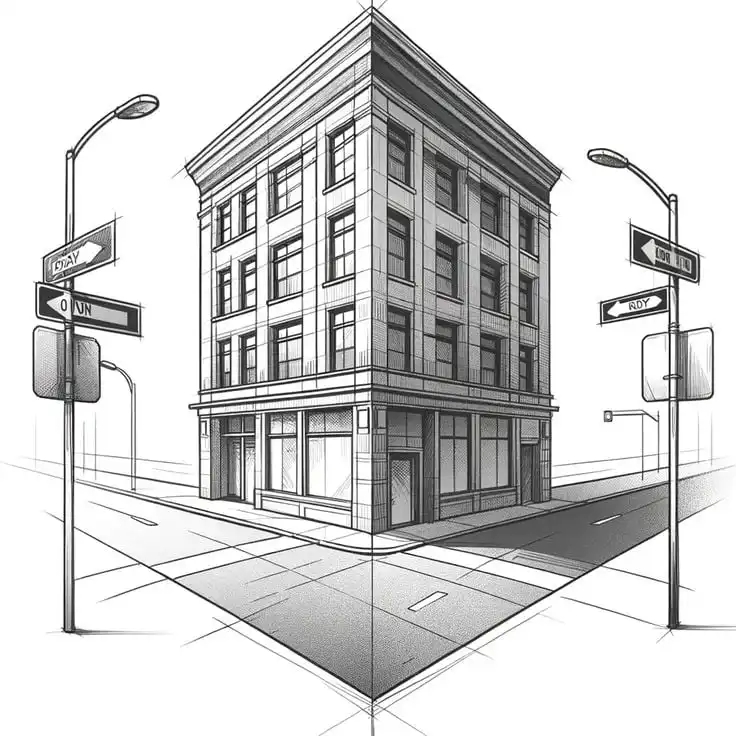
Two-point perspective drawing uses two vanishing points placed on the horizon line, typically at a 90-degree angle, to depict two receding axes. Architects often employ this method for street corners and building exteriors where two perpendicular faces are visible. By drawing the corner edge between the vanishing points and extending orthogonal lines to each point, designers can accurately represent three-dimensional form on a flat plane (The Virtual Instructor).
Three-point and curvilinear perspective drawing
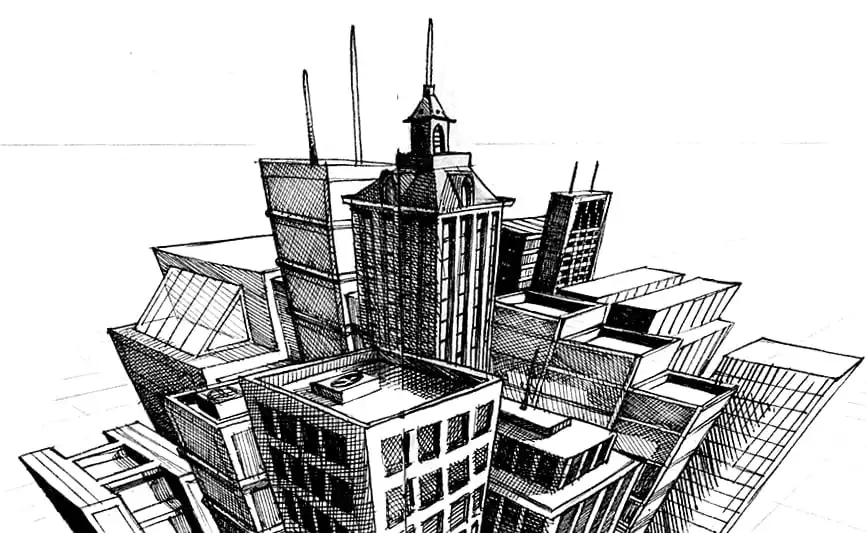
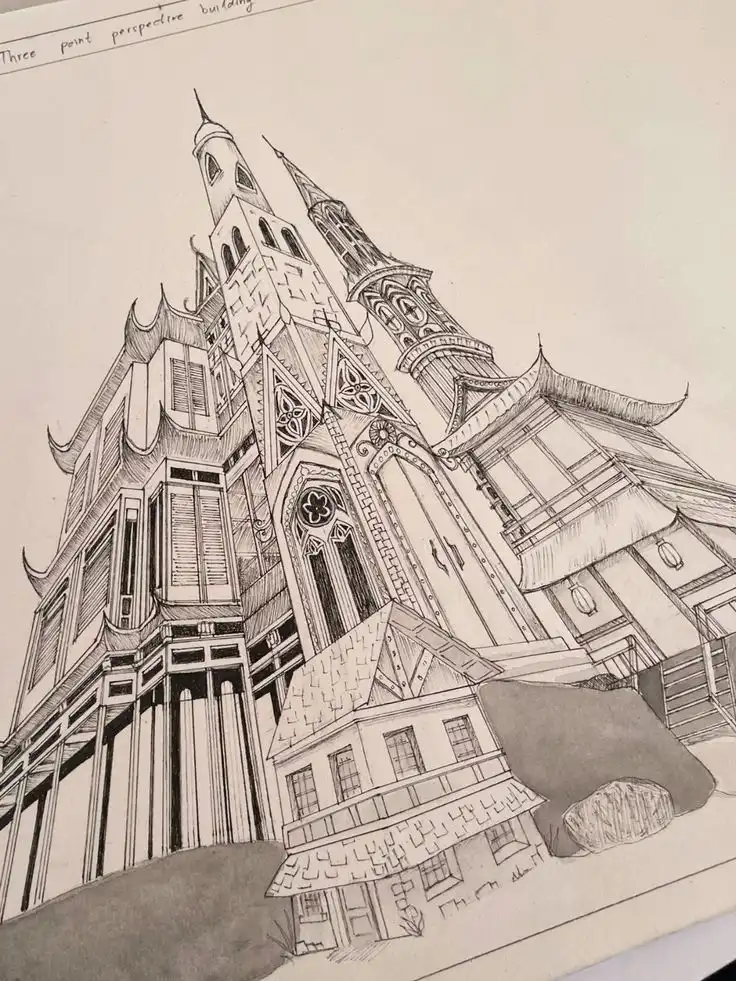
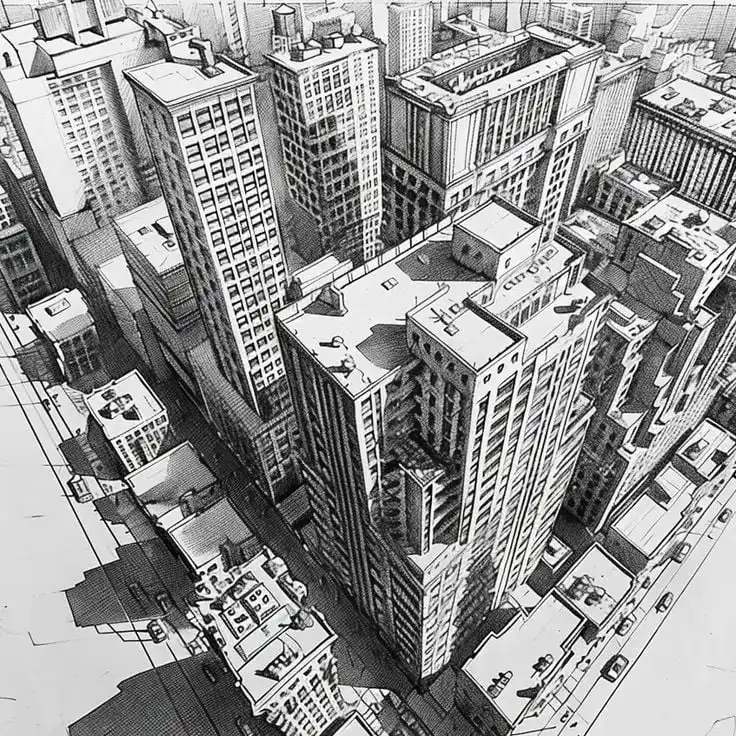
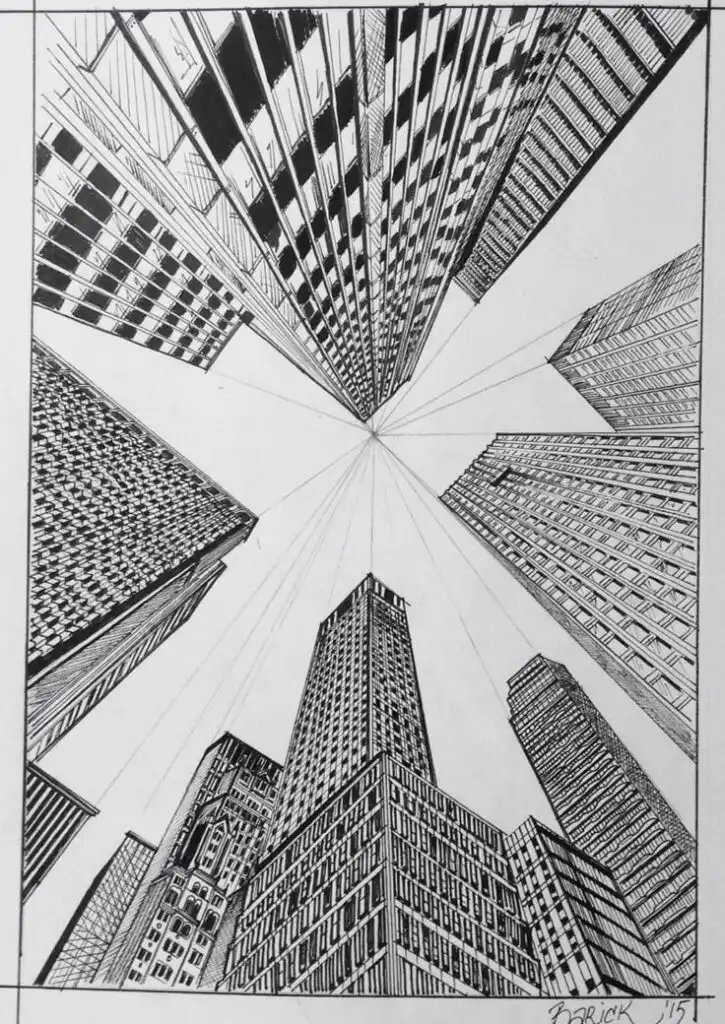
Three-point perspective introduces a third vanishing point above or below the horizon line, enabling dynamic worm’s-eye or bird’s-eye views. This variation adds diagonal convergence, enhancing the dramatic effect of towering structures or overhead views (Sketch Like An Architect). Curvilinear perspective extends the concept with four to six vanishing points on curved grids, creating fish-eye distortions more common in illustrative work than standard architectural sketches (Sketch Like An Architect).
Leveraging perspective in design
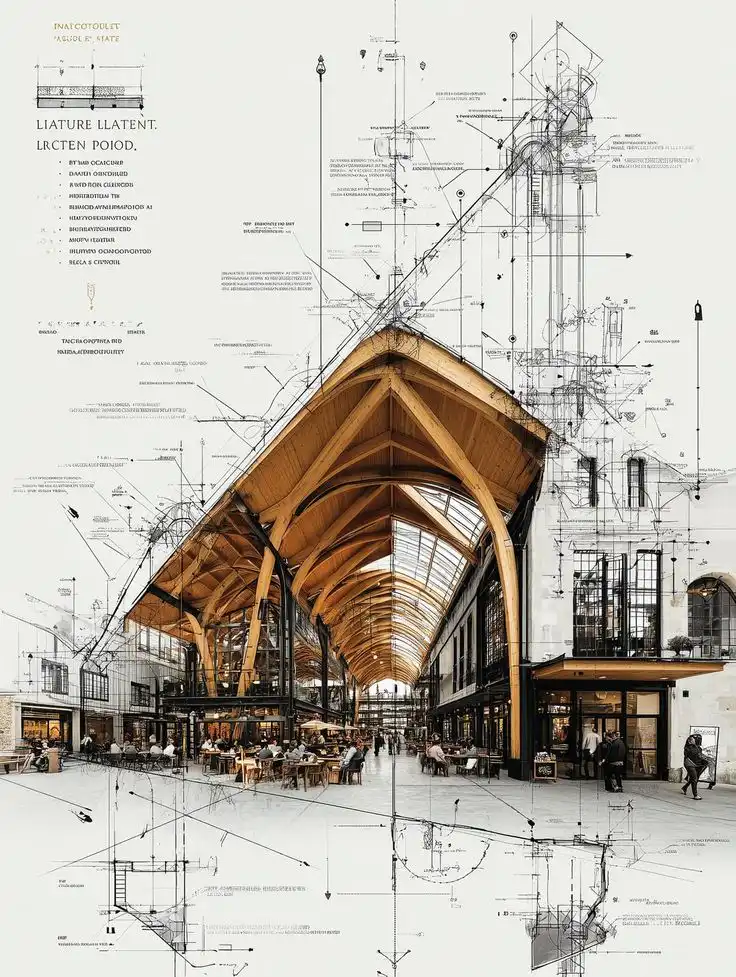
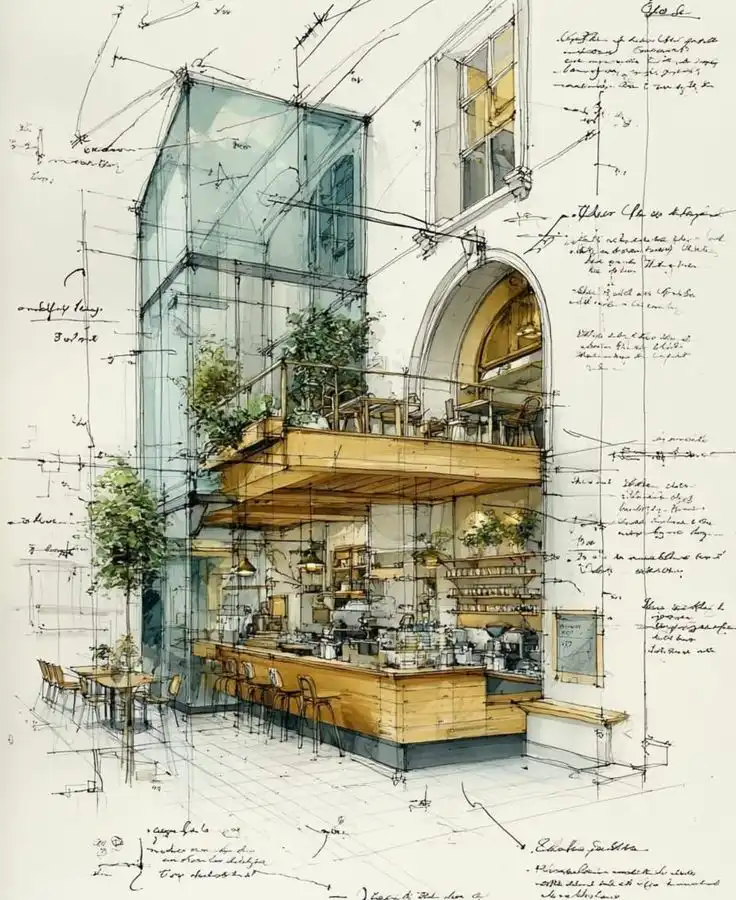
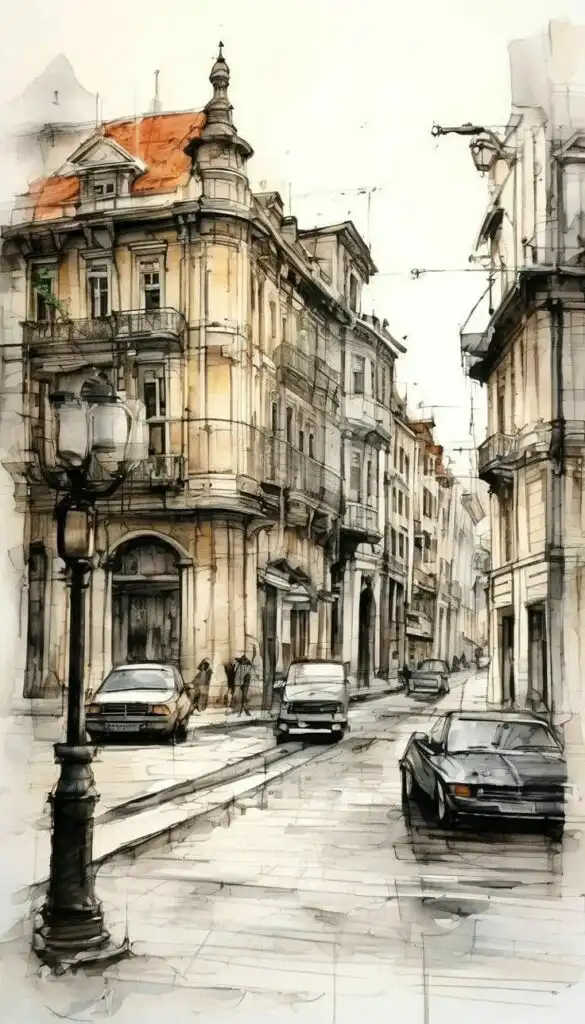
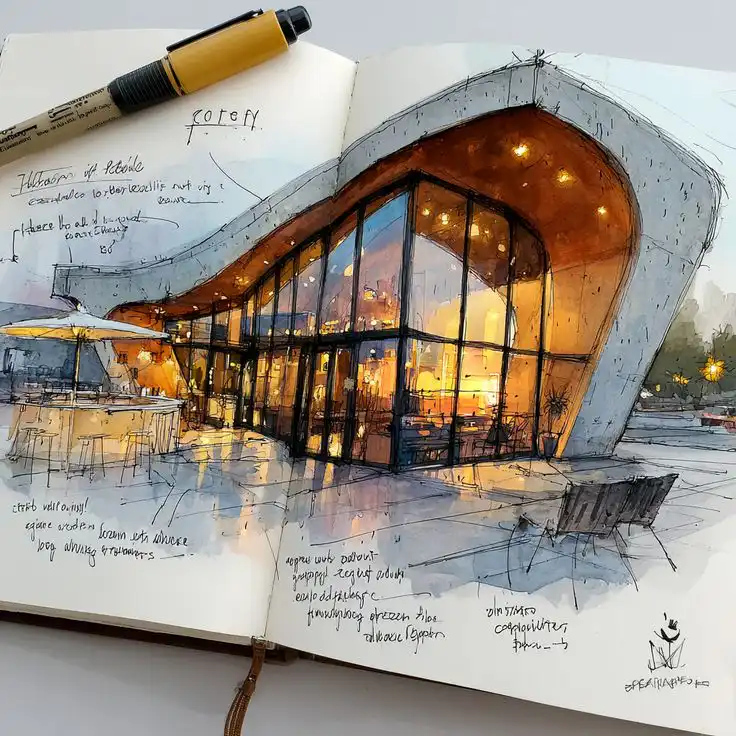
Architectural perspective drawing elevates building designs by conveying realistic spatial relationships and scale. Through careful composition—applying rules such as the rule of thirds, golden ratio, or Fibonacci spiral—designers can position key elements to enhance visual balance without exact geometric calculations (Sketch Like An Architect).
Selective texturing and shading techniques further enrich a perspective sketch. For example, applying layer blending modes like Multiply in Morpholio Trace adds depth to form, while complementary color accents at an 80/20 ratio draw focus to primary architectural features. This blend of line work, texture, and color helps stakeholders visualize materials, lighting, and context before construction.
Tools for perspective drawing

Key resources highlighted in the Architizer guide include (Architizer):
- Xencelabs Pen Display 16 and 24 for high-resolution digital sketching and precise pen input (Xencelabs)
- The book Architectural Graphics by Francis D.K. Ching, covering perspective drawing, line weights, scale, and dimensioning
- Alvin trace paper for transparent overlays that accept pencil, ink, and charcoal without bleed-through
- Procreate on iPad with over 130 handcrafted brushes and support for PDF and PSD files
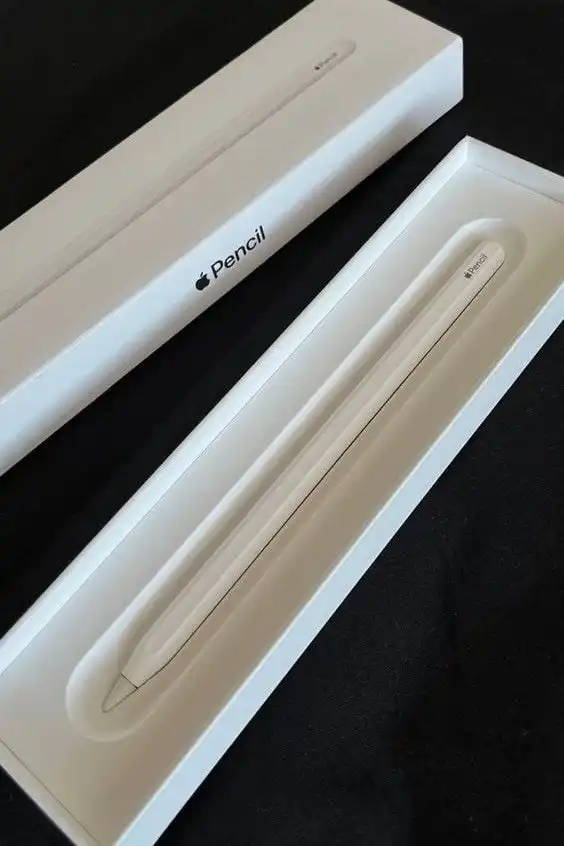
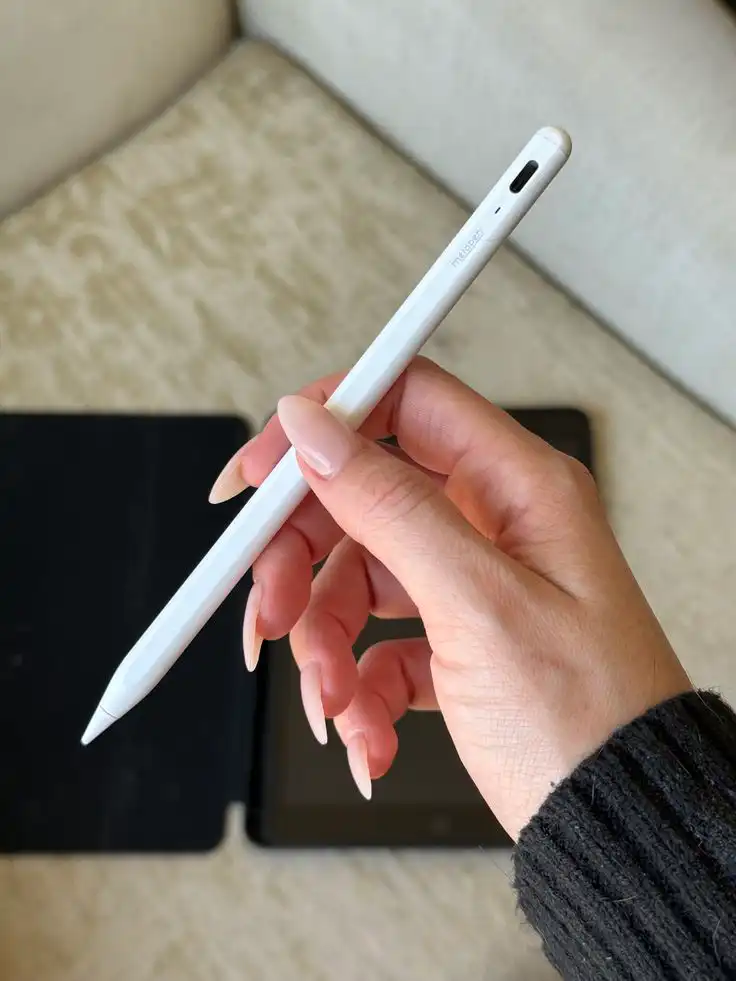
- Apple Pencil 2 with iPad Pro for pressure-sensitive, tilt-responsive drawing
Building design benefits
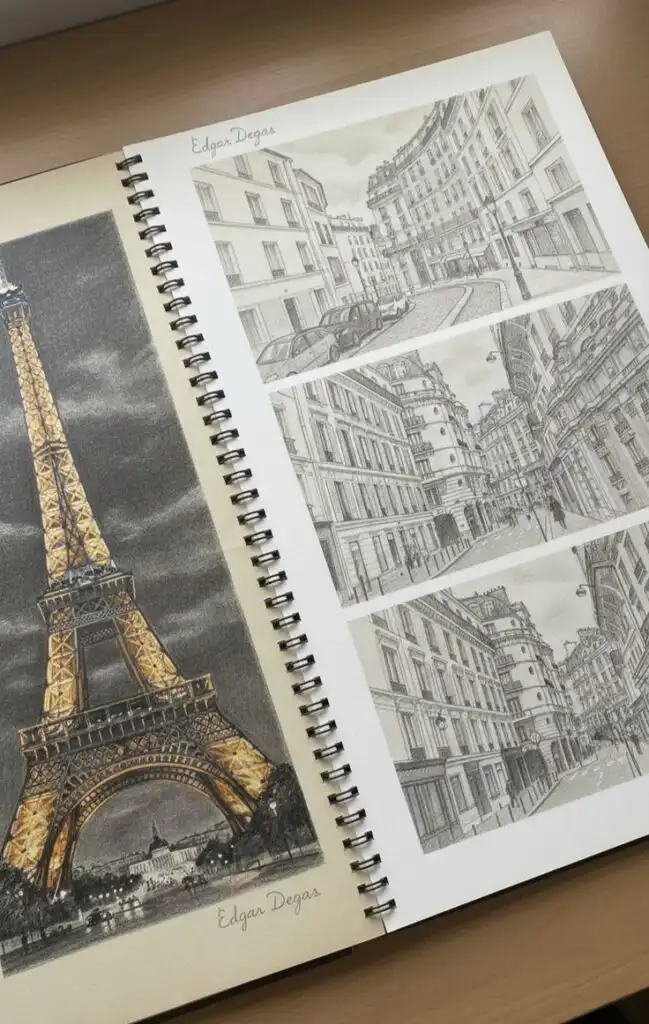
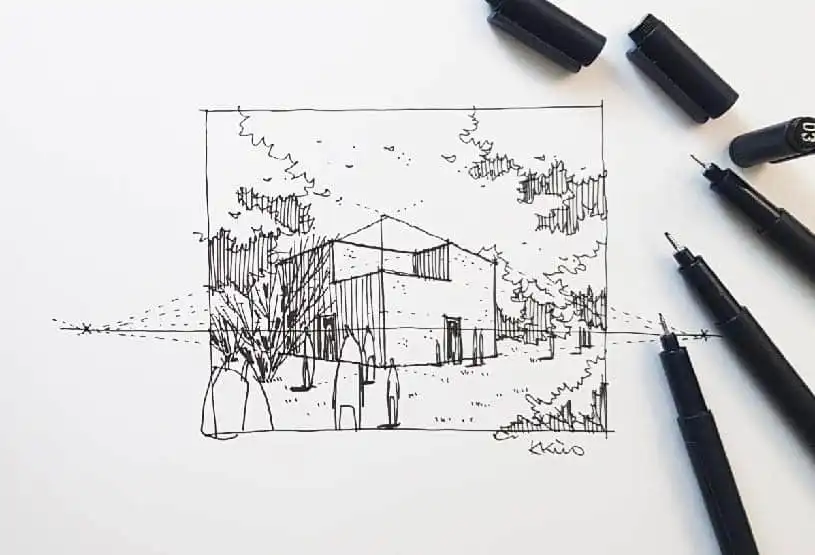
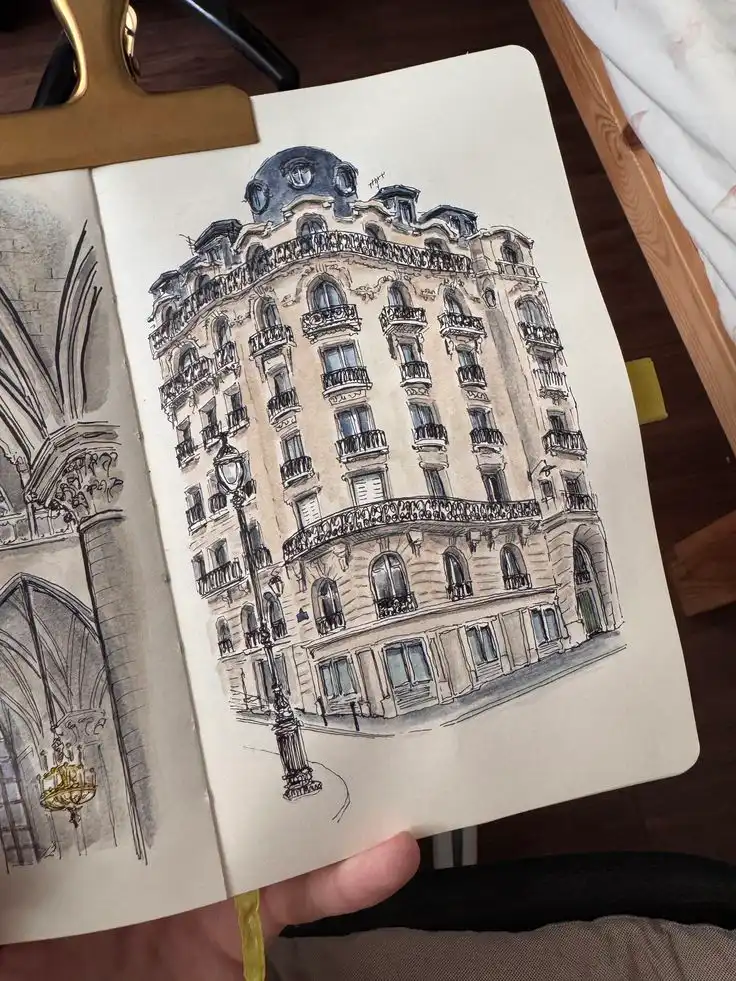
- Enhanced depth perception: Perspective sketches provide a realistic spatial context that helps designers and clients gauge proportions and relationships
- Improved communication: Detailed perspectives convey design intent more effectively than flat plans
- Streamlined iteration: Rapid sketches and digital mockups enable quick exploration of form, massing, and layout
- Client engagement: Visual presentations with perspective drawings foster clearer feedback and decision-making
- Marketing impact: High-quality perspective renderings support pitches, portfolios, and promotional materials
Frequently asked questions
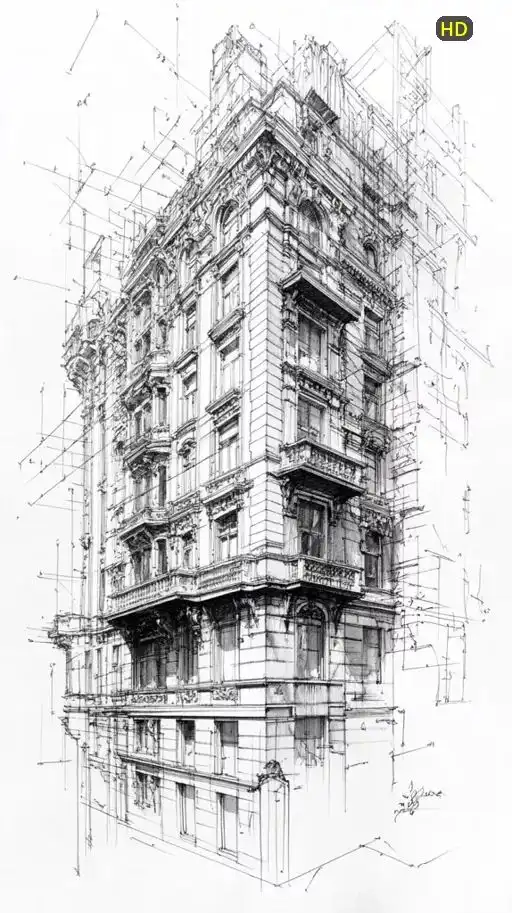
- What is architectural perspective drawing? Architectural perspective drawing is a technique for representing three-dimensional structures on a two-dimensional plane by projecting lines toward vanishing points on the horizon line.
- How many vanishing points are used in perspective drawing? Linear perspective drawings commonly use one, two, or three vanishing points depending on the desired viewpoint and complexity of the scene.
- Which perspective type is best for interior and exterior views? One-point perspective is ideal for front-on interior scenes, while two-point perspective works best for exterior views showing two perpendicular faces.
- What tools do architects use for perspective sketches? Architects rely on hand tools like pencils, pens, and tracing paper as well as digital solutions such as Procreate, iPad Pro with Apple Pencil 2, and high-resolution pen displays.
- How can beginners practice perspective drawing? Fundamentals include drawing basic shapes, stacking cubes, and sketching room interiors in one-point perspective, then progressing to two-point and three-point exercises to build confidence and skill.
- 334shares
- Facebook0
- Pinterest334
- Twitter0
- Reddit0