Green architecture and energy saving building design have been critical concerns as the construction practices in the world move towards environmental concerns and long term operating expenses. The architects and engineers are now interested in materials that perform effectively in adverse environments and also provide healthier indoor environments as well as reduce energy use.
Among the resources that have become increasingly popular in the given direction, one may talk of ceramic fiber insulation due to its capability to control heat, withstand fire, and embrace design approaches that are concerned with efficiency and stability.
Thermal Performance
Thermal control is also a principle of sustainable building design since it is a direct determinant of heating and cooling requirements during the year. High performance insulation minimizes heat loss within the walls, roofs and even mechanical systems and enables buildings to stabilize the internal temperatures with minimal energy input. The high thermal resistance of ceramic fiber insulation helps in reducing heat loss during colder weather and heat gain during warmer weather that is why it is a useful insulation in both residential and commercial buildings.
This is due to the nature of this insulation material that enables it to resist very high temperatures without deterioration hence it can be utilized in areas near furnaces, boilers, and other devices that produce lots of heat as it is a characteristic feature of modern-day buildings. It tries to keep its heat resistant qualities even under extreme circumstances so that no energy is lost to the unregulated flow of heat. Such reliability will help in making energy use predictable and aid the overall aim of reducing carbon footprint of a building.
Fire Resistance
Fire safety is an important aspect of sustainable building since it saves lives, property and durability of buildings. Flammable resistant materials can also help grant occupants more time to evacuate the building and minimize the extent of possible harm. The ceramic fiber insulations are inherently non combustible and thus, can be useful in fire rated assemblies and in protection barriers in walls and ceilings.
In insulation when it is applied as a combination with other fire resistant materials like fabric fiberglass, this kind of insulation can be used to create layered systems which enhance safety of buildings in general. These systems are particularly required in energy efficient buildings, airtight and airtight buildings can otherwise raise the risk of fire unless designed with proper design. Safety and sustainability objectives are promoted with the assistance of the ability of such materials to retain their structural integrity during high heat conditions.
Environmental Impact
Sustainable architecture lays much emphasis on the environmental impact of building materials during production all the way to end of life. Durability of insulation materials and their performance in the long-term will reduce the frequency of replacement, thereby reducing waste and consumption of resources. Ceramic fiber insulation lasts long and does not lose its service after being exposed to heat several times thus is a good selection material to use as a green building.
This material can also be used to reduce greenhouse gas emissions by contributing to reduced energy consumption used in heating and cooling operations of the building. Sustainable buildings are based on those materials which can facilitate the performance objectives over the years and permanent insulation is a key to that phenomenon. It helps to achieve larger environmental targets related to climate responsibility by means of lowering the total energy usage of a building.
Design Flexibility
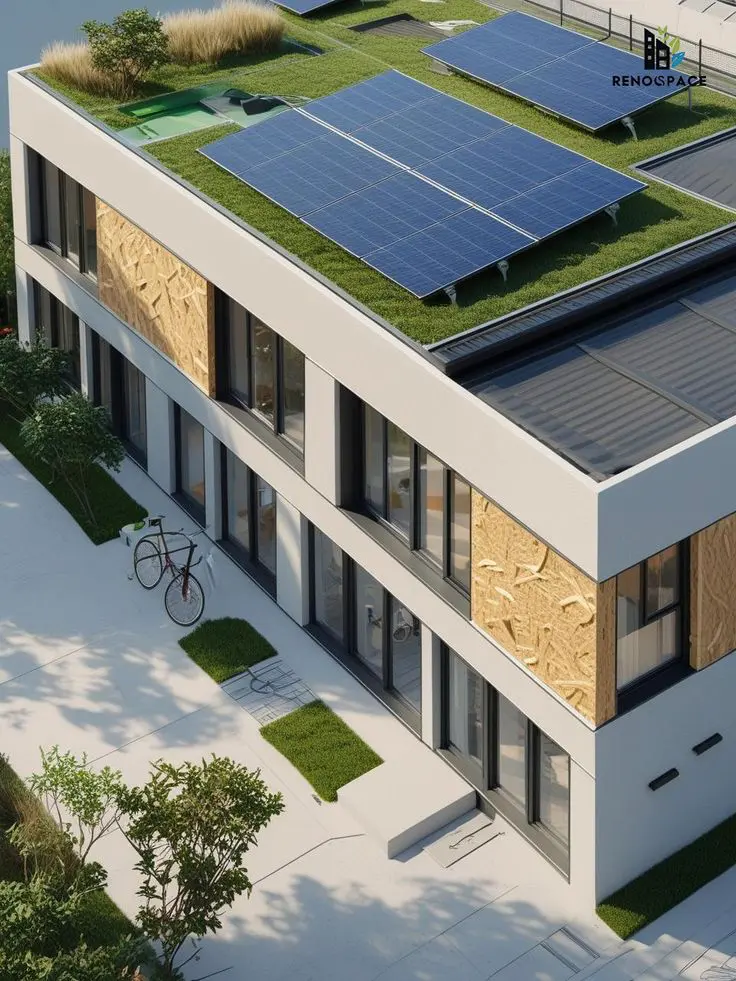
Contemporary architecture commonly dictates the need to use materials that are capable of being flexible to various types of design demands without compromising performance. Insulation should be installed within intricate wall systems, mechanical areas and roofing assemblies without compromising by giving uniform thermal and fire protection. Ceramic fiber insulation can come in several different formats, which enables it to be molded and placed in the standard and custom building parts.
Such flexibility enables the architects to incorporate it into new designs that focus on beauty and performance. It can be used in exposed mechanical rooms or concealed in building envelopes but it aids in freedom of creation which contemporary sustainable architecture requires. It is also compatible with other materials which further increase its use in various constructions.
Long Term Value
Energy efficient buildings are not only assessed based on the cost at which they are constructed but also on the economic performance in the long term. Decades-long insulation ensures lower energy and less maintenance costs, which enhances the overall payback of building owners. The fiber insulation made of ceramics has a consistent performance throughout the years hence making it a viable option where long term sustainability of the project is of interest.
Besides saving energy, the longevity of this insulation is a factor that minimizes the chances of repairs or replacements that can interfere with the operations of the building. This assurance helps to sustain the financial and environmental ambitions of sustainable construction since it is ensured that the buildings remain efficient long after they are constructed. Many projects that will be using green building standards will be sustainable and thus materials that can be of long-term benefit will continue to be vital to such projects.
- 9shares
- Facebook0
- Pinterest9
- Twitter0
- Reddit0