Colorado Springs roofing needs to handle more than just basic wear. Homes here deal with hail, strong wind, snow buildup, bright sun, and fast temperature changes that can happen in the same week. That is why choosing the right material matters so much. This guide breaks down durable roofing options in a clear, simple way so homeowners can understand what actually works in this climate and why.
- How Colorado Springs Weather Impacts Roofing Systems
- Best Roofing Materials for Colorado Springs Homes
- What to Look for in Roofing Materials for Colorado Springs
- Roofing Materials That Often Struggle in Colorado Springs
- Roofing System Components That Matter as Much as the Material
- Choosing the Right Roofing Material Based on Home Type
- Budget Versus Lifespan in Roofing
- Final Thoughts
Roofing choices should always focus on impact resistance, sealing strength, and long-term durability, not just looks or price.
How Colorado Springs Weather Impacts Roofing Systems
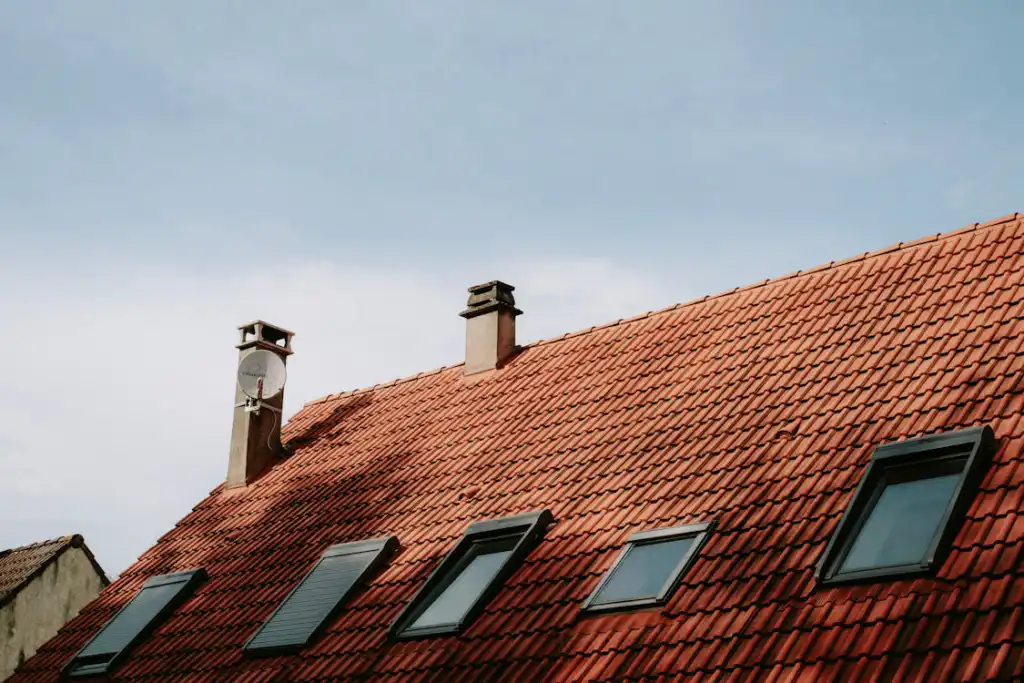
Colorado Springs roofing takes constant stress from the environment. Cold nights and warm afternoons cause materials to expand and shrink over and over again, which slowly weakens seals and fasteners. Hail is one of the biggest threats because it can damage shingles without obvious signs. Wind lifts edges, especially along ridges and corners, allowing moisture to slip underneath. Snow melts during the day, refreezes at night, and pushes water into small gaps. Add in strong sun at higher elevation, and roofing materials dry out faster than expected. This is why these roofs must be more durable than roofs in milder climates.
Best Roofing Materials for Colorado Springs Homes
When choosing materials, Colorado Springs roofing performs best when durability and system design work together. Class 4 impact-resistant asphalt shingles are the most common all-around choice. They look similar to standard shingles but are built to handle hail better, making them ideal for most neighborhoods. Architectural asphalt shingles are another solid option. They are thicker than basic shingles and handle wind better, especially when paired with strong underlayment.
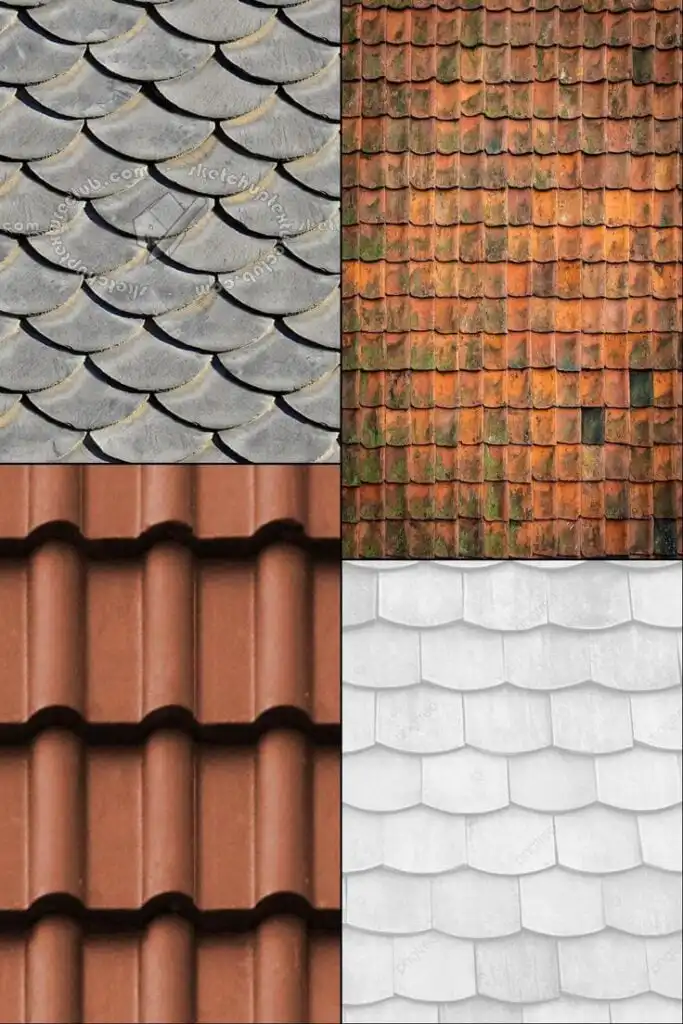
Standing seam metal roofing offers the longest lifespan and sheds snow easily, which helps prevent ice buildup. Stone-coated steel combines the strength of metal with a traditional look and performs well in heavy hail zones. Synthetic slate or shake provides curb appeal without the weight or brittleness of natural materials. Rubber roofing is often used on flat or low-slope sections where shingles are not effective. Each of these plays a role in well-planned roofing systems.
What to Look for in Roofing Materials for Colorado Springs
Colorado Springs roofing should be chosen based on performance, not labels. Hail resistance matters because damage is often hidden and shows up months later as leaks. Wind resistance keeps shingles sealed during storms and prevents progressive failure. Snow and ice protection depend on both material and waterproof layers beneath.
Temperature flexibility helps prevent cracking and curling caused by freeze-thaw cycles. Fire ratings and UV resistance matter because high-altitude sun accelerates aging even in cold weather. The best roofing materials balance all of these factors instead of focusing on just one.
Roofing Materials That Often Struggle in Colorado Springs
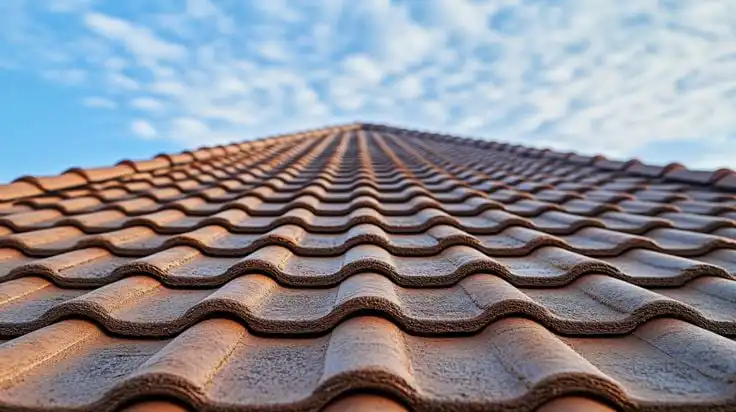
Not all materials handle local conditions well. Basic 3-tab shingles are thin and wear out quickly under hail and wind. They may save money upfront but often lead to frequent repairs. Natural clay tile looks attractive but can crack during hailstorms and adds heavy structural load. Natural wood shake requires high maintenance and faces moisture, fire, and splitting issues during freeze-thaw cycles. For long-term Colorado Springs roofing performance, these materials are usually less reliable unless special conditions are met.
Roofing System Components That Matter as Much as the Material
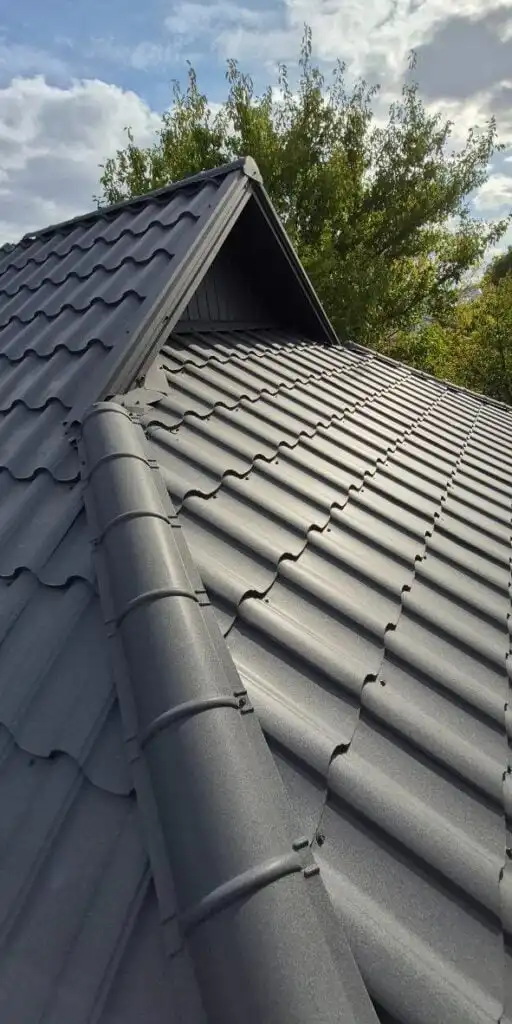
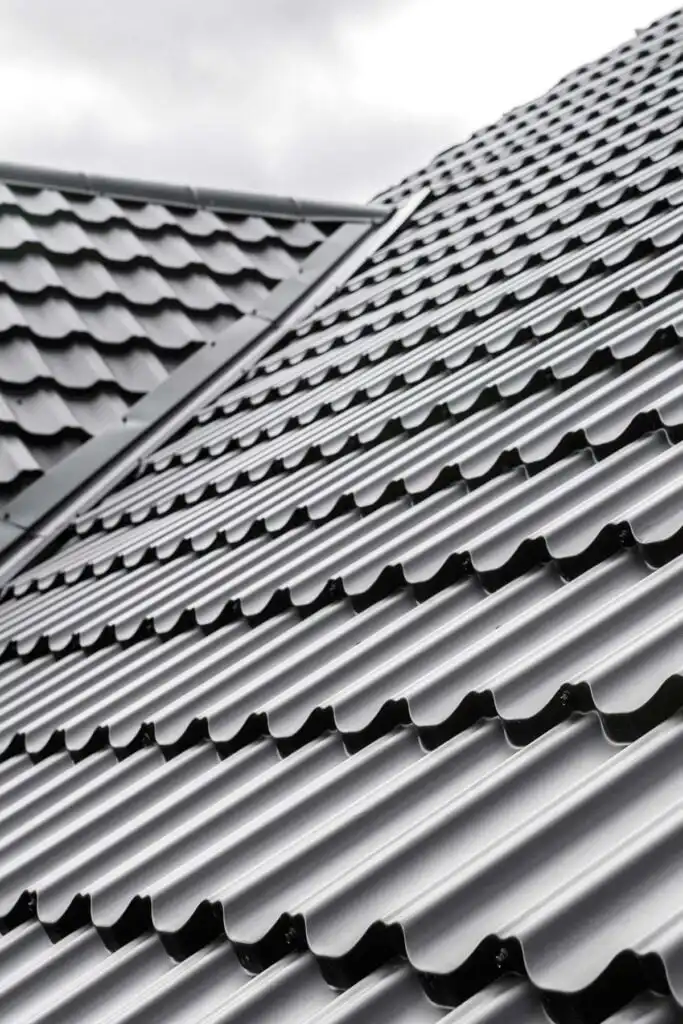
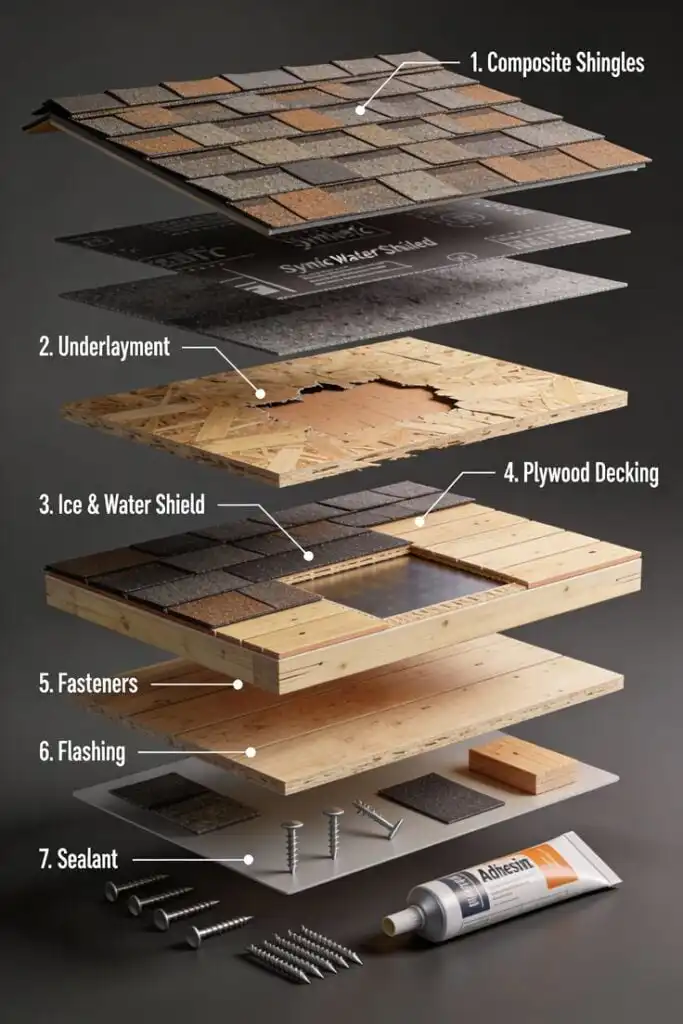
Colorado Springs roofing success depends on more than surface materials. Underlayment acts as a backup waterproof layer when shingles are damaged. Ice and water shield protects vulnerable areas like eaves and valleys from snowmelt. Flashing seals transitions around chimneys, walls, and vents where leaks often start. Ventilation controls moisture and temperature in the attic, helping prevent ice dams and extending material lifespan. Even the best roofing material can fail early if these components are poorly installed. A complete Colorado Springs roofing system treats all parts as equally important.
Choosing the Right Roofing Material Based on Home Type
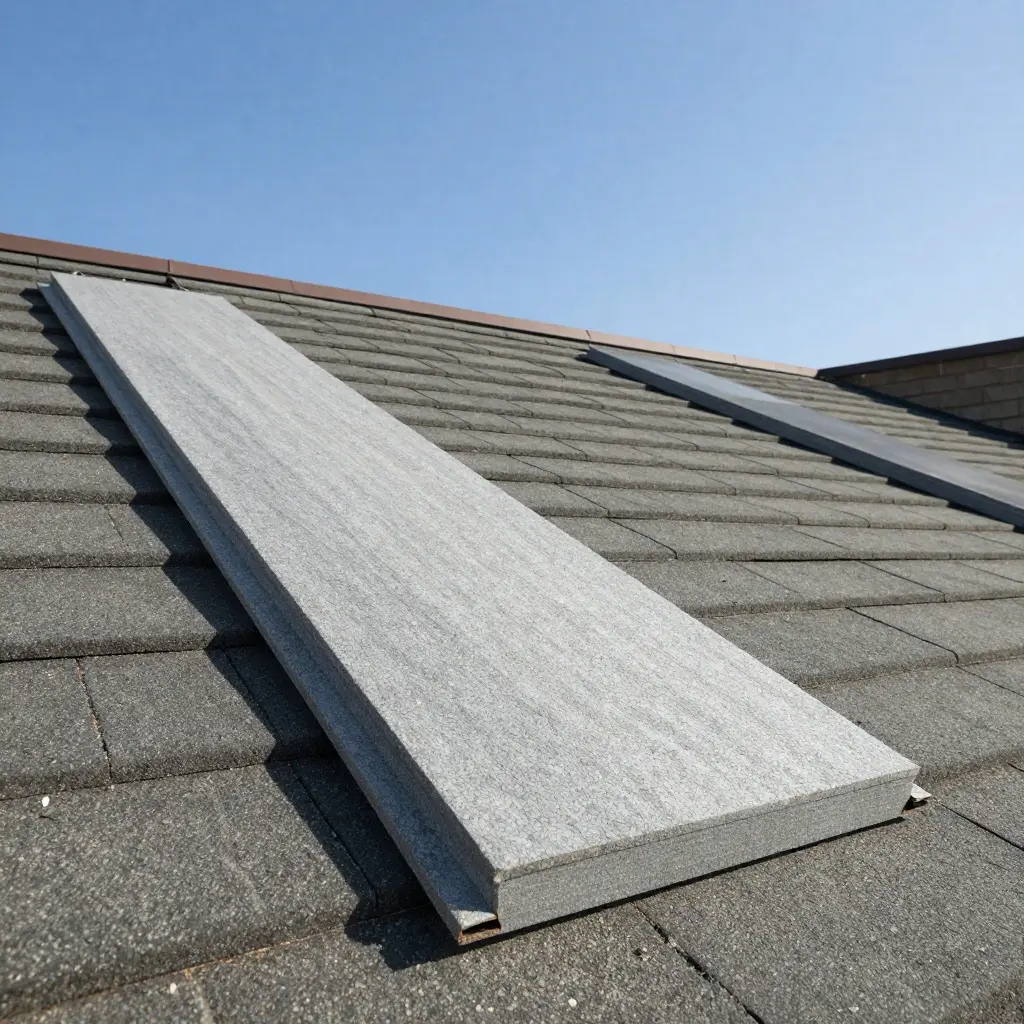
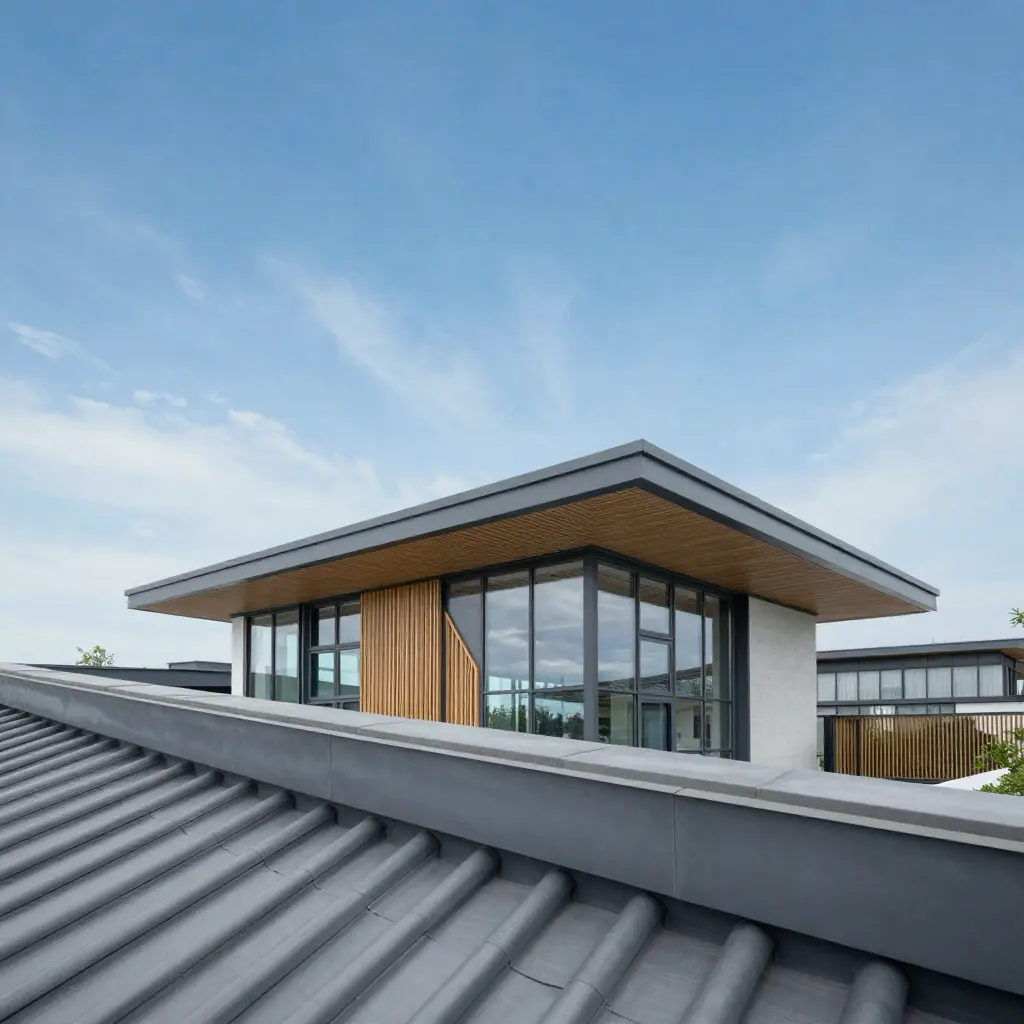
Different homes need different Colorado Springs roofing solutions. Typical suburban homes often do best with Class 4 impact-resistant shingles or architectural shingles. Homes in open or high-wind areas benefit from materials with strong fastening systems, such as impact-resistant shingles or metal roofing. Steep roofs or homes that see heavy snow accumulation perform better with materials that shed snow easily, like standing seam metal. Homes with additions or flat sections usually need a mixed system that combines shingles on slopes with membrane roofing on flat areas. Matching materials to home design improves durability and reduces future repairs.
Budget Versus Lifespan in Roofing
Colorado Springs roofing should be viewed as a long-term investment. Cheaper materials often wear out faster due to harsh weather, leading to repeat repairs or early replacement. Spending more upfront on durable materials can lower overall costs by reducing storm damage and extending roof life. Architectural shingles offer good value, Class 4 shingles reduce hail-related issues, and metal roofing provides the longest lifespan. The real value comes from how long the roof protects the home, not just how much it costs on day one.
Final Thoughts
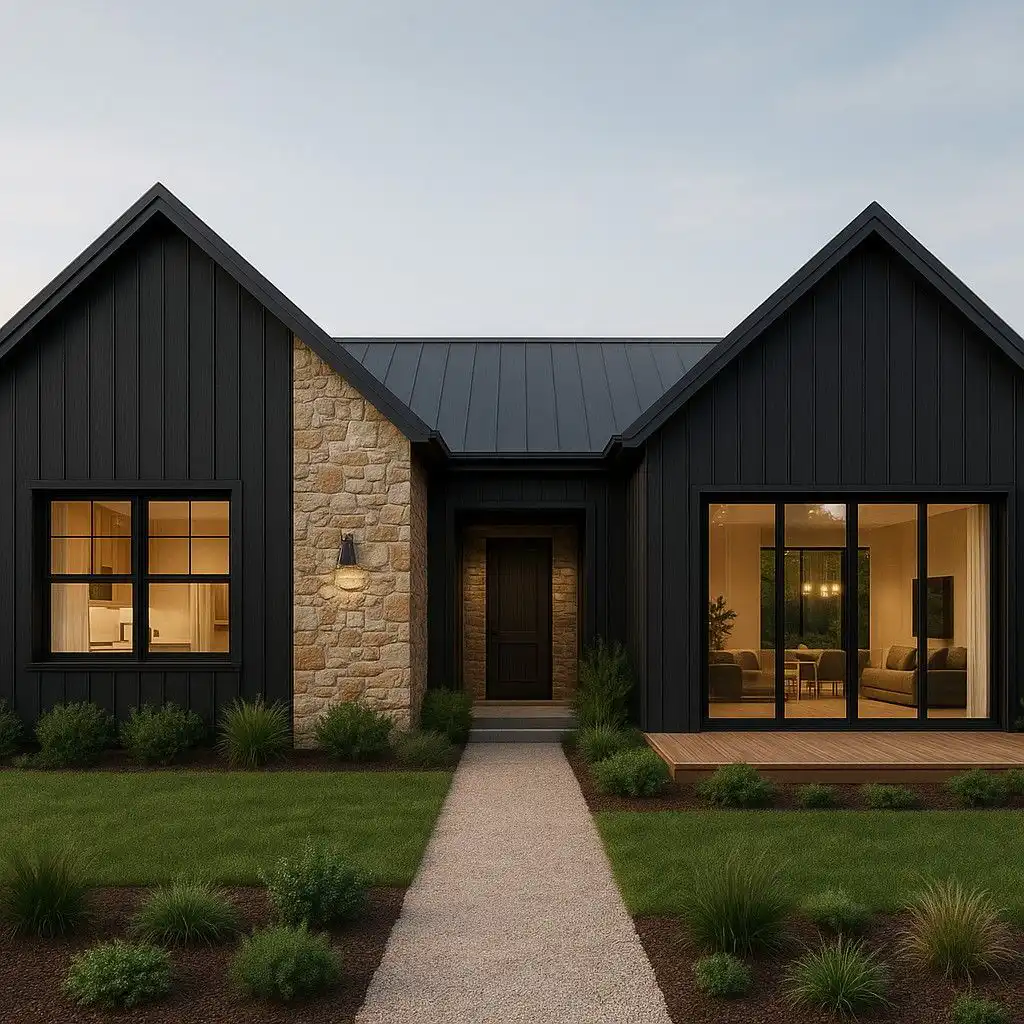
Colorado Springs roofing must stand up to hail, wind, snow, sun, and extreme temperature swings year after year. The best roofing materials are those that absorb impact, stay sealed in wind, and manage water during snowmelt. For most homes, Class 4 impact-resistant shingles offer the best balance of cost and protection. Metal roofing stands out for long-term durability and snow performance. No matter the material, a strong roofing system depends on proper underlayment, ice protection, flashing, and ventilation. When all parts work together, roofing lasts longer, performs better, and protects the home through every season.
- 5shares
- Facebook0
- Pinterest5
- Twitter0
- Reddit0