Fancy pruning tricks can really make your vegetation look fantastic and keep it healthy, too. By getting good at these methods, horticulturists can turn their landscapes into fabulous showpieces.
Let’s take a look at some approaches, must-have equipment, and handy tips for trimming like a pro. Give these a go and keep your greenery looking lively and gorgeous.
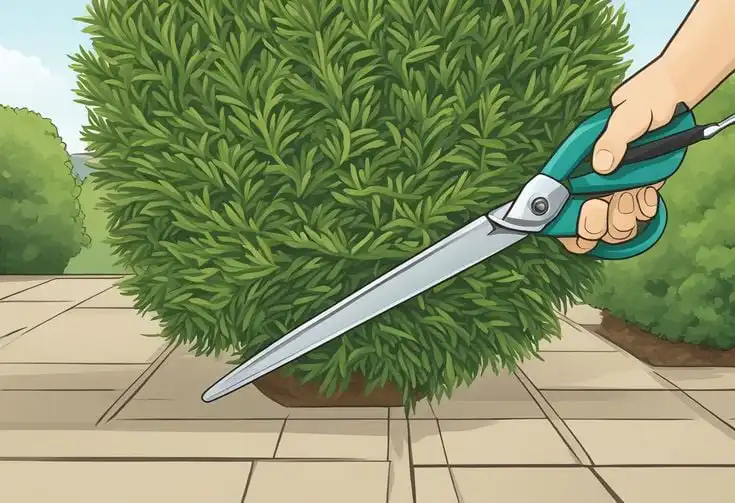
Understanding Plant Growth
Prior to trimming your vegetation, it’s crucial to understand their development patterns so you can prune them effectively.
Some plants exhibiting apical dominance experience a dominant main stem growing faster than the side stems, influencing branching habits. For instance, pruning the central stem of rose or apple trees tends to promote bushy growth.
Conversely, pine trees don’t respond positively due to their dependence on the main stem for structural support.
The timing of pruning is also essential because knowing when plants are actively growing helps you do it at the optimal moment.
Snipping back flowering plants just after they’ve put on their show sets the stage for an even better encore next season. On the flip side, trees and shrubs thrive when pruned during their late-winter nap—less stress, stronger growth, and a head start when spring rolls in.
Understanding your plants’ natural rhythms is like knowing the best time to drop a beat, it makes all the difference. Learn their growth habits, time your cuts wisely, and watch your landscape transform into a thriving, picture-perfect masterpiece.
Choosing the Right Tools
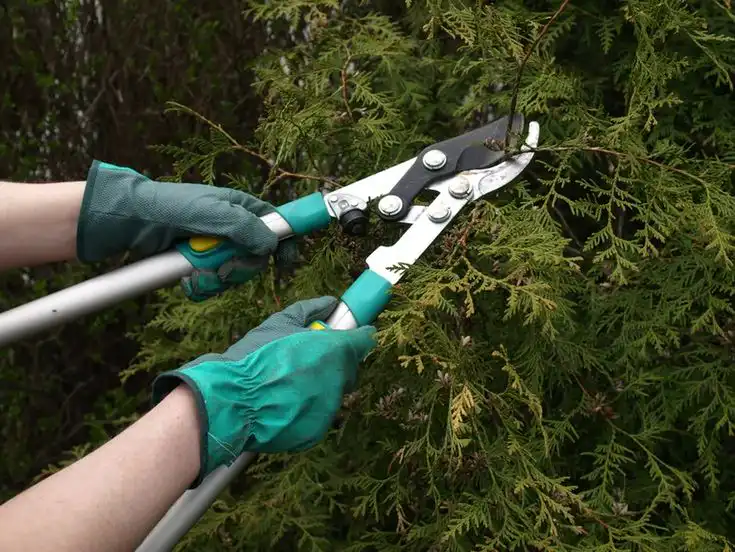
Simplifying the process of pruning requires the selection of suitable equipment. For small twigs, sharp pairs of clippers are suitable, whereas thicker stems necessitate the use of loppers. Cases necessitating branch removal of conspicuous proportions demand a dependable pruning saw.
Regular maintenance involves sharpening and cleaning equipment after each utilisation to guarantee effortless cutting and prolonging of their lifespan. In the long run, quality implements will prove their worth by generating precise cuts, thereby streamlining plant recovery.
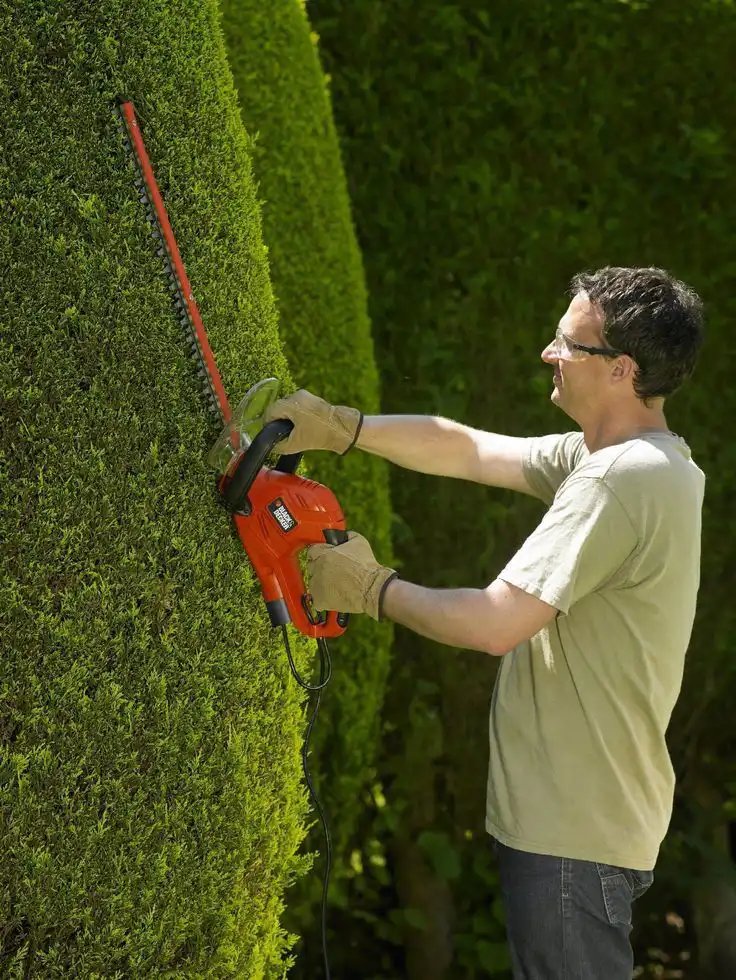
Always use gloves for hand protection and goggles to shield your eyes during trimming.
Mastering Pruning Techniques
Keeping vegetation healthy is achievable through thinning. By removing some sections, the plants receive more light and air, decreasing the risk of diseases.
Resource allocation boosts the remaining plant parts, yielding robust fruit trees with heavier, juicier produce. Start by pruning the oldest or weakest branches to create a balanced, well-proportioned shape.
Shaping vegetation is another fun aspect of garden design. It involves trimming existing growth into elaborate and intriguing forms, such as spirals or even animal shapes.
Before beginning the process, envision the desired outcome and use stakes or strings as a guide. Trim a portion at a time, regularly taking a step back to ensure uniformity. It’s expedient to practice this skill on less important vegetation initially, gaining proficiency before tackling vital specimens.
Rejuvenation pruning gives older plants a makeover. Cutting back mature growth stimulates the emergence of fresh new shoots. A one-third reduction in the overall vegetation, focusing on the oldest and least productive sections, is advised.
This revitalisation enables the plant to look fresher and more vibrant once again. It’s crucial to perform this procedure during the plant’s dormant period, permitting it sufficient time to recover before resuming growth.
This transformative process can renovate exhausted vegetation, transforming it into the highlight of the landscape.
Pruning for Plant Health
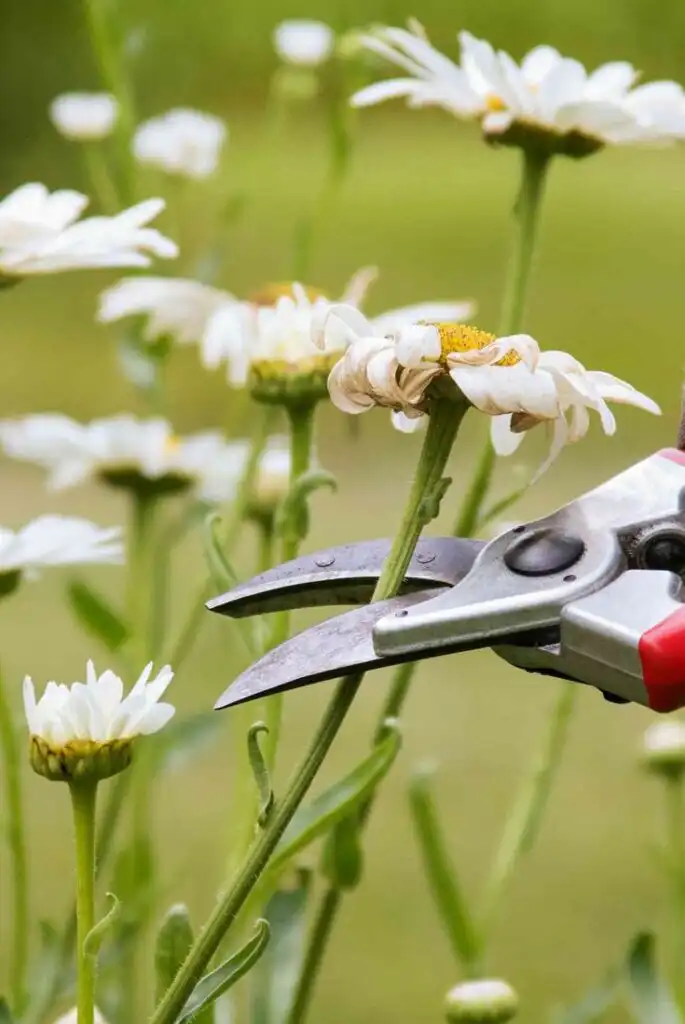
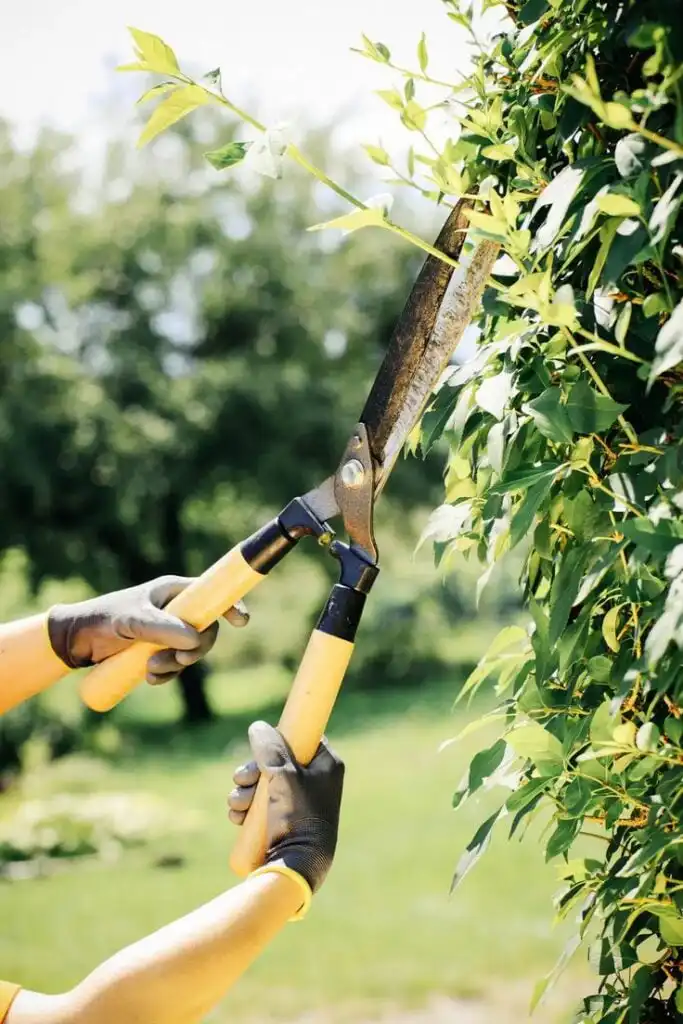
Pruning is super important for keeping your garden vegetation in great shape. When you chop off those dead or sick branches, you help keep pesky bugs away and boost plant growth.
Make sure you’re using sharp implements for nice, clean cuts, this helps plants heal faster and keeps them from getting sick. Try not to tear branches, though, because that can make vegetation an easy target for diseases.
One big plus of pruning is that it helps air move around better. With good airflow, you cut down on the damp spots where fungi love to hang out. It also helps dry leaves and branches after it rains, keeping your vegetation safe from diseases.
Check your plants often for yellowing or drooping. Catching these signs early lets you fix problems before they harm your plants. Trim your landscape as needed to keep it healthy and looking good.
Pruning Different Plant Types
Pruning isn’t a one-size-fits-all deal. Each plant has its own rhythm. You need to cut at the right time. Hydrangeas and azaleas, for instance, shine best when pruned right after they finish their floral performance.
For those who prioritise structure over show, a late-winter or early-spring trim keeps these shrubs neat and manageable.
Trees, on the other hand, demand more precision. Larger ones, in particular, require careful handling, and hacking away at dead branches without a plan can do more harm than good.
Heavy-duty tools, a steady hand, and proper safety gear keep things in check. Done right, this approach doesn’t just improve tree aesthetics, it strengthens their framework against harsh winds and storms.
Perennials thrive on routine maintenance. A timely trim after blooming—like cutting lavender back by a third—keeps them lush, vibrant, and ready for another season of growth. This method helps control their development and, as an added benefit, potentially stimulates future blooming periods.
Eliminating old flowers and leaves enables the plant to redirect its energy towards novel growth patterns. Every plant boasts distinct requirements, emphasising the importance of researching to cultivate a visually appealing landscape.
Common Pruning Mistakes to Avoid
Pruning needs a careful touch, and mistakes can mess up your vegetation.
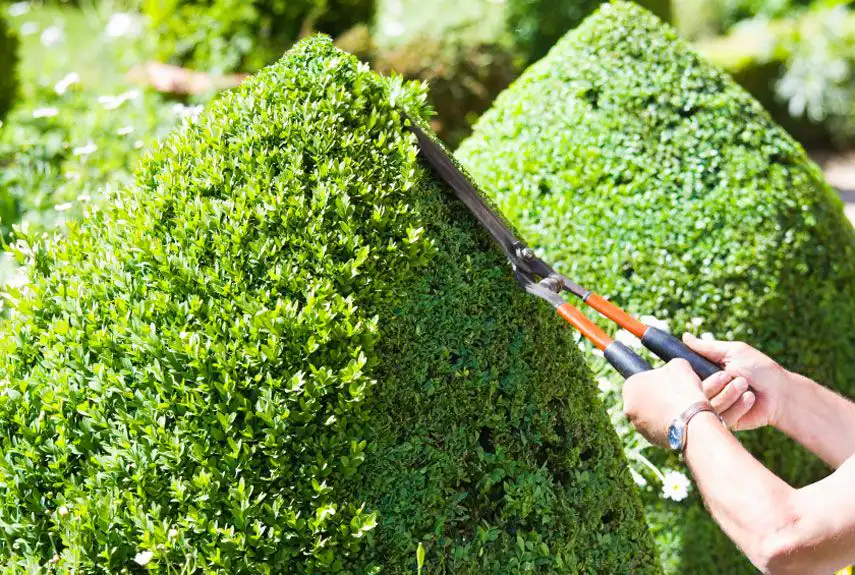
A common slip-up is cutting back too much while trying to make things perfect. If you chop off too many leaves, your plant could get stressed and stop growing properly. Try to trim only about a third at a time to keep your vegetation healthy.
Also, using the wrong instruments can be harmful. Blunt blades could tear instead of cut, and leave wounds that take ages to heal and can get infected. Keep your tools sharp so you can make clean cuts and help your plants recover fast.
To avoid these problems, think about your pruning plan first. Decide which branches should go and why. This way, you stay on track and don’t overdo it. Take your time with each cut, because rushing can hurt your plant in the end.
Seek gardening help from professionals or explore instructional resources when uncertain about pruning techniques. Participating in gardening communities and workshops is also a great way to get gardening help and develop expertise.
Conclusion
Pruning isn’t just snipping away stray branches. It’s an art, a science, and a little bit of plant psychology all rolled into one. Get it right, and your garden transforms into a masterpiece. Get it wrong, and things start looking like a botanical bad hair day.
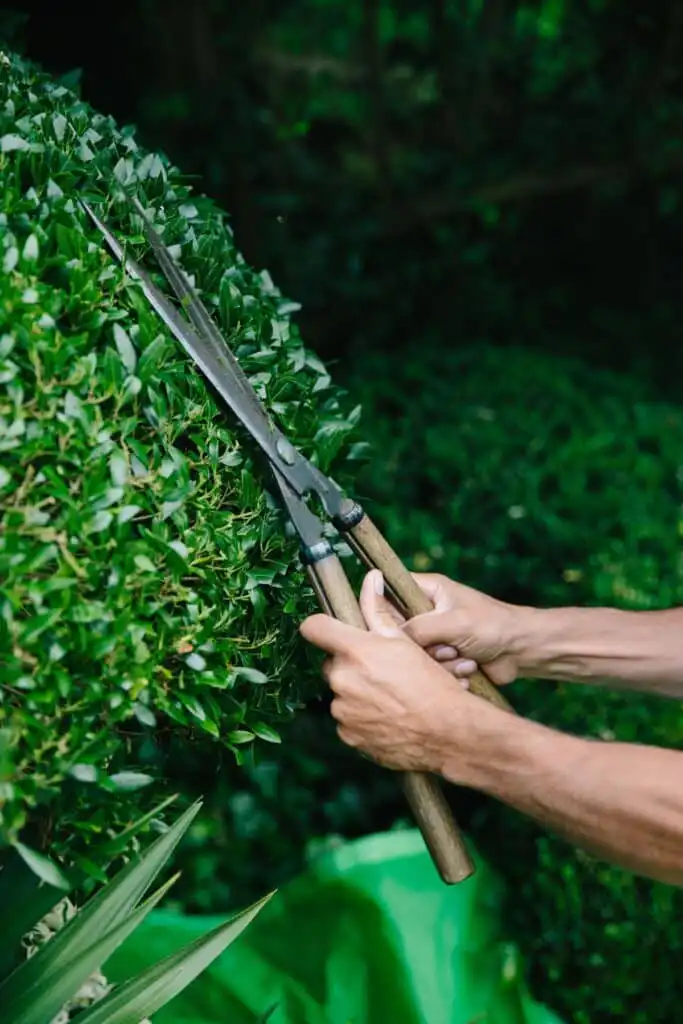
Plants have their own rhythm, and knowing when to cut makes all the difference. The right tools? Non-negotiable. Dull shears tear instead of trim, leaving your greenery looking rough around the edges—literally. Precision is key, and timing is everything.
Skip the regular trims, and chaos creeps in. Branches tangle, blooms shrink, and your once-thriving garden turns into a jungle. But with smart cuts and a little finesse, you’ll have a space bursting with life, colour, and balance.
- 1share
- Facebook0
- Pinterest1
- Twitter0
- Reddit0