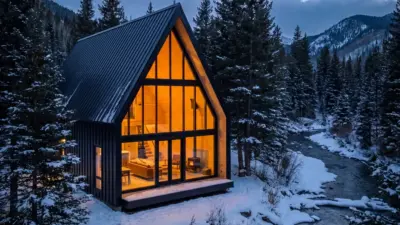
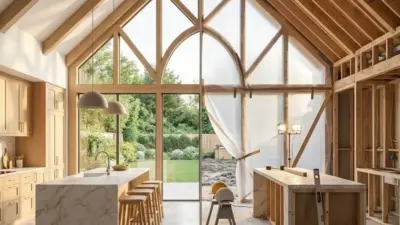
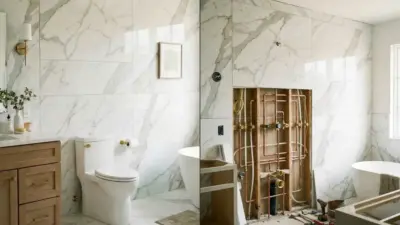
Renovating an older home can be both an exciting and daunting task. With various updates to consider, it becomes crucial to prioritize certain elements over others. This article explores essential renovations to focus on first to maximize both efficiency and value.
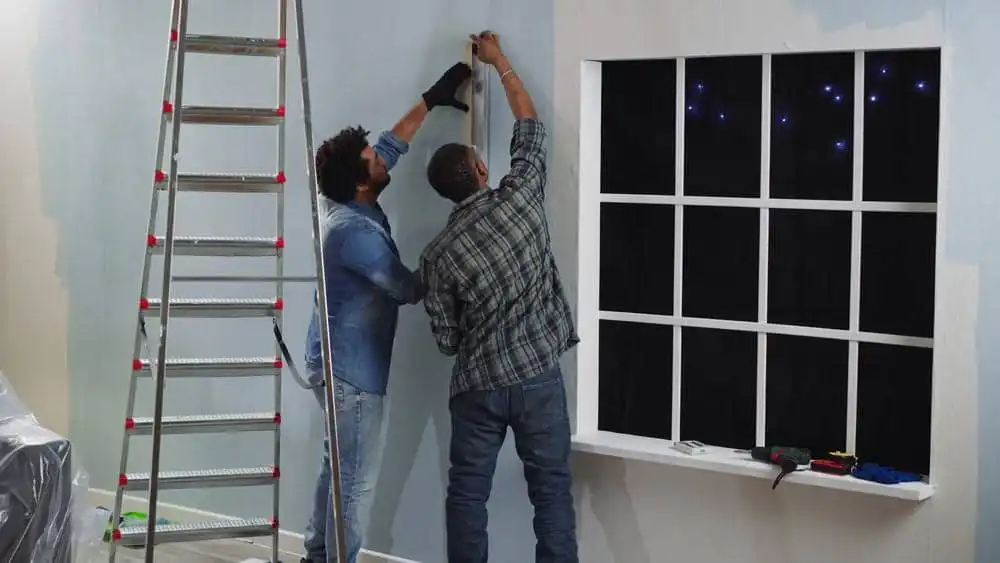
Start with Structural Repairs
One of the first areas to address when renovating an older home is structural integrity. Elements such as the foundation, roofing, and load-bearing walls should be inspected thoroughly. According to Ruby Home, a significant portion of roofs—approximately 75%—are comprised of asphalt shingles, reinforcing the importance of starting here.
Addressing structural issues first can prevent minor problems from escalating into major disasters. A roof leak, for example, can lead to water damage, which may affect other parts of the home. Early intervention can save you both time and money in the long run.
Structural problems, if left unchecked, can lead to costly repairs that might have been avoided with timely care. Ensuring the stability of your home provides a safe environment and a solid platform for other renovations. It’s crucial to consult with home improvement professionals to get a thorough assessment before any work begins.
Upgrade the Electrical System
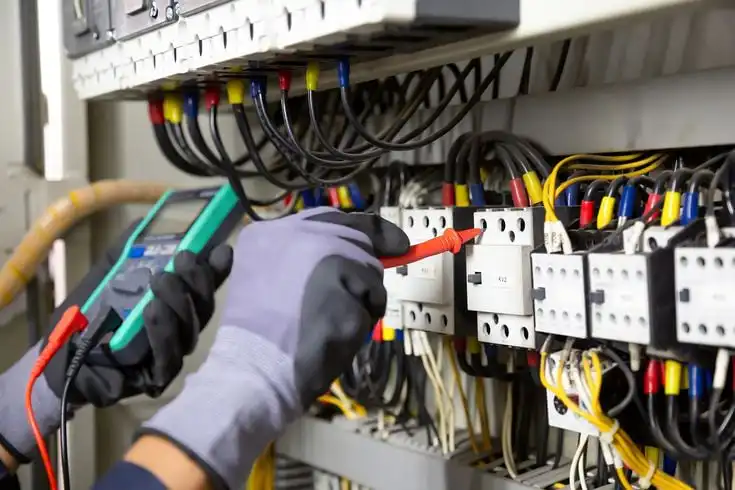
The next priority is often updating the electrical system. In older homes, outdated wiring can not only be inefficient but also a safety hazard. Upgrading to a modern electrical system increases safety and supports the increased demand of today’s technology-driven world.
Older electrical systems may not handle the load of modern appliances effectively. This can lead to frequent circuit breaks and potential fire hazards. Home improvement professionals can often identify specific areas where old wiring is insufficient.
Investing in a new electrical panel can be beneficial both for safety and functionality. It’s an upgrade that will give peace of mind to homeowners while also ensuring that the electrical demands of the household are met. Modernizing electrical systems is a recommended step toward creating a safe and efficient home environment.
Enhance Energy Efficiency
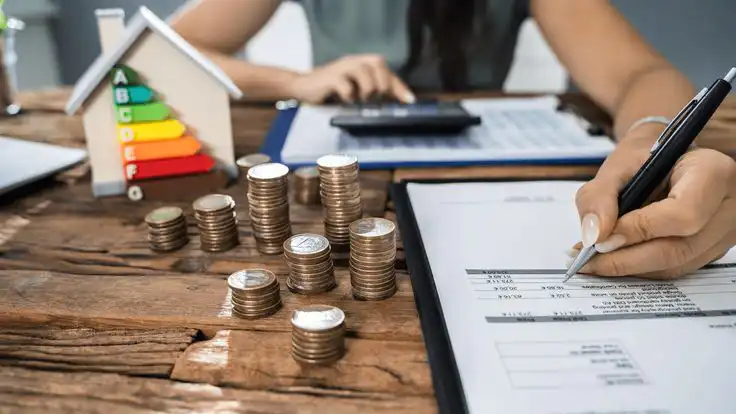
Renovating for energy efficiency is not only good for the environment but also for reducing utility bills. One aspect of this is replacing old windows, which are often the culprits in energy loss. On average, as noted by home improvement expert Bob Vila, houses have about ten windows that may need attention.
Old windows often allow drafts, leading to increased heating and cooling costs. Installing energy-efficient windows is a straightforward home improvement that can yield significant savings over time. It also improves indoor comfort and reduces your carbon footprint.
Insulating the walls, attic, and basement can also significantly impact your home’s energy efficiency. These improvements help maintain a stable internal temperature, reducing the energy needed for heating and cooling. Simple changes can make a substantial difference in overall energy use.
Update the Plumbing System
Updating the plumbing system in an older home is often necessary due to wear and tear. Leaky pipes, low water pressure, and inefficient fixtures are common problems that need addressing. Fixing these issues not only improves functionality but also increases the home’s overall value.
Old plumbing can lead to water damage or mold growth if not replaced in time. Implementing new plumbing systems, such as PEX piping, provides a long-term solution. It also helps increase water efficiency, an essential aspect of modern home improvement.
Renovating the plumbing often involves installing water-efficient fixtures that reduce overall consumption. This update helps save on water bills while providing modern functionality. When executed properly, plumbing updates are worth the investment.
Focus on Curb Appeal
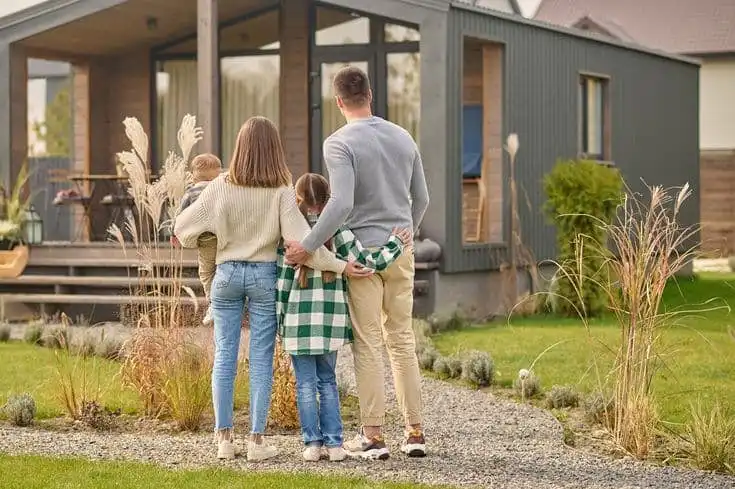
The exterior of your home plays a significant role in its overall appeal, making curb appeal enhancements a worthwhile investment. Simple landscaping improvements, such as tree management, can dramatically alter the first impression of your home. Removing a tree, a task that can cost between $750 and $1,200 according to Today’s Homeowner, is a decision that must be weighed for safety and aesthetic reasons.
Aside from tree management, painting the exterior or updating the siding can also boost curb appeal. These improvements provide a fresh, inviting look to passersby and potential buyers. Quality curb appeal improvements are often seen as an investment rather than an expense.
Adding or upgrading outdoor lighting can also add an elegant touch while improving security. Path lighting, porch lights, and landscape spotlights can highlight the home’s architecture, creating a welcoming atmosphere. Curb appeal improvements result in an immediate upgrade in the perception and potentially the value of your property.
Prioritizing certain renovations can optimize both the safety and aesthetic value of older homes. From the foundational integrity to curb appeal, each aspect plays a critical role in the overall renovation strategy. By tackling these projects first with the guidance of home improvement professionals, homeowners can ensure a solid, appealing, and efficient living space.
- 0shares
- Facebook0
- Pinterest0
- Twitter0
- Reddit0