Introduction: Why Thoughtful Renovation Planning Changes Everything
There’s something deeply satisfying about walking through your front door and feeling genuinely at home. Yet for many homeowners, that feeling remains elusive, trapped behind outdated layouts, inefficient systems, and spaces that simply don’t reflect how they actually live.
The good news? Transforming your house into the home you’ve always envisioned is entirely achievable with the right approach, proper planning, and a clear understanding of what makes renovations successful.
Home renovation has evolved dramatically over the past decade. What once meant simply updating fixtures or slapping on a fresh coat of paint now encompasses comprehensive transformations that address everything from structural improvements to smart home integration. Today’s renovations are as much about functionality and efficiency as they are about aesthetics.
Whether you’re considering a single room refresh or a whole house transformation, the principles of successful renovation remain consistent.
It starts with understanding your goals, extends through careful planning and budgeting, and culminates in selecting the right professionals to bring your vision to life.
Understanding Your Renovation Goals
Before picking up a single tool or contacting any contractor, the most crucial step is defining what you actually want to achieve. This might sound obvious, but you’d be surprised how many homeowners dive into renovations with only a vague sense of what they’re after, leading to scope creep, budget overruns, and disappointing results.
Start by making a comprehensive list of everything that bothers you about your current space. Is it the lack of natural light? Insufficient storage? An outdated kitchen that makes cooking feel like a chore?
Perhaps it’s something less tangible, like a floor plan that doesn’t accommodate how your family actually uses the space.
Once you’ve identified the problems, prioritize them. Some issues will be aesthetic preferences you can live with if the budget becomes tight, while others might be genuine necessities that affect your daily quality of life.
This prioritization becomes invaluable when you’re making decisions down the line and need to allocate resources effectively.
Consider also how long you plan to stay in the home. Renovations for a “forever home” warrant different considerations than improvements designed to increase resale value. Both approaches are valid, but they often lead to different choices in materials, finishes, and the scope of work undertaken.
The Foundation: Getting Your Home’s Systems Right
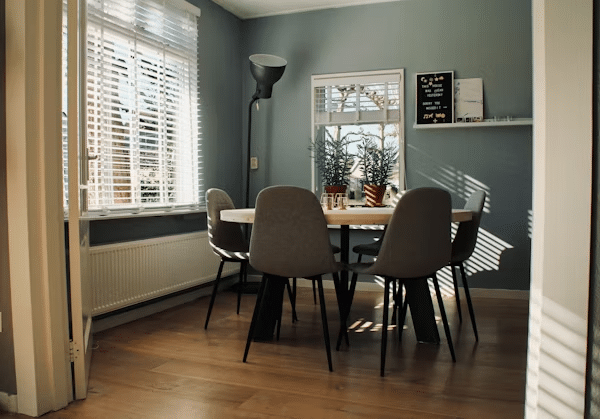
Here’s something that experienced homeowners learn, often the hard way: the most impactful renovations are frequently the ones you can’t see. Before investing in beautiful countertops or statement light fixtures, it’s essential to ensure your home’s fundamental systems are sound and ready to support your upgraded space.
Electrical systems deserve particular attention in any renovation project. Homes built even twenty years ago weren’t designed to handle the electrical demands of modern living. Think about it: between smartphones, laptops, tablets, smart home devices, and increasingly powerful appliances, the average household’s electrical consumption has increased dramatically.
Add to that the growing popularity of electric vehicles and home charging stations, and it becomes clear why electrical infrastructure matters so much.
Working with a qualified residential electrician in Chicago or wherever you’re located ensures your home can safely handle both current demands and future upgrades. This isn’t just about adding more outlets, though that’s certainly part of it.
A comprehensive electrical evaluation examines your panel capacity, wiring condition, grounding systems, and code compliance. Addressing these foundational elements before beginning cosmetic work prevents the frustrating scenario of having to tear into freshly finished walls because the electrical system couldn’t support your new kitchen appliances.
Beyond electricity, consider your plumbing, HVAC, and structural elements. Is your water heater nearing the end of its lifespan? Are there signs of settling or structural concerns that should be addressed?
Does your heating and cooling system struggle to maintain comfortable temperatures? Tackling these issues during a renovation, rather than after, is both more cost effective and less disruptive to your daily life.
Budgeting: The Art of Realistic Financial Planning
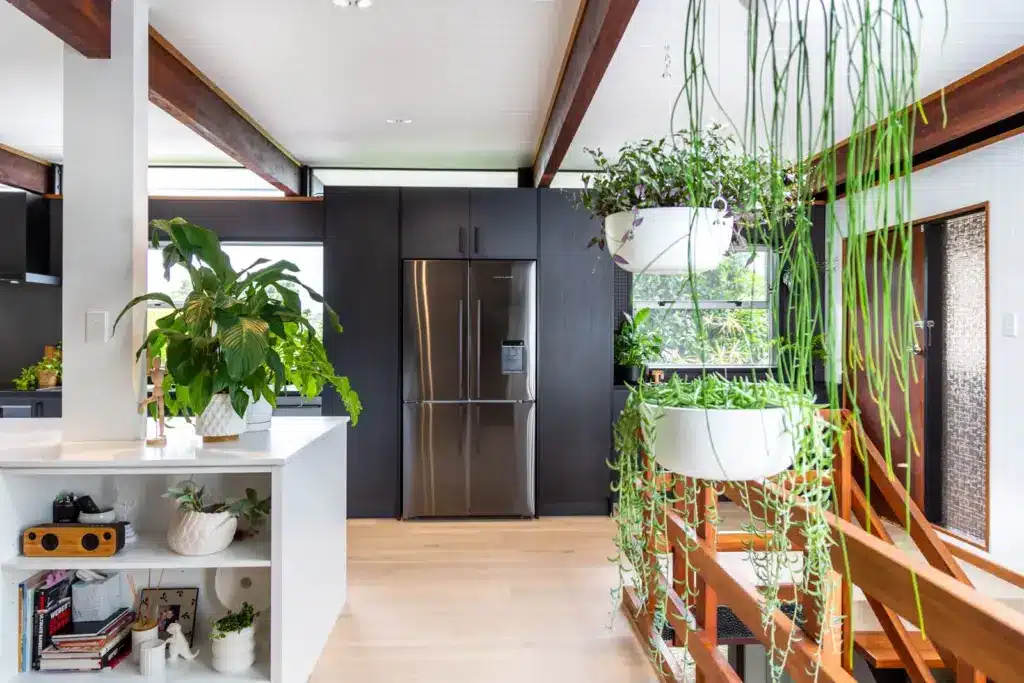
Money conversations aren’t glamorous, but they’re absolutely central to renovation success. The horror stories you hear about renovations gone wrong often share a common thread: unrealistic budgets that didn’t account for the inevitable surprises that come with any construction project.
A practical approach starts with researching average costs for the type of work you’re planning. Industry data suggests that major renovations typically cost between $100 and $200 per square foot, though this varies significantly based on your location, the scope of work, and the quality of materials selected. Luxury finishes and custom elements can push that figure considerably higher.
Once you have a baseline estimate, add a contingency fund of 15% to 20% for unexpected issues. This isn’t pessimism; its realism. Contractors universally report that opening up walls reveals surprises: outdated wiring that needs replacement, water damage that wasn’t visible, structural elements that require reinforcement. Having contingency funds available means these discoveries don’t derail your entire project.
Consider also the hidden costs that aren’t immediately obvious. Permit fees, temporary housing if work is extensive, storage for furniture and belongings, and the inevitable meals out when your kitchen is unusable all add up. Building these costs into your planning prevents financial stress midway through the project.
The Heart of the Home: Kitchen Renovations That Transform Daily Life

Ask any real estate professional which room delivers the best return on investment, and they’ll point to the kitchen without hesitation. But beyond resale value, kitchen renovations fundamentally change how you experience your home. This is where meals are prepared, families gather, conversations happen, and memories are made. Getting it right matters.
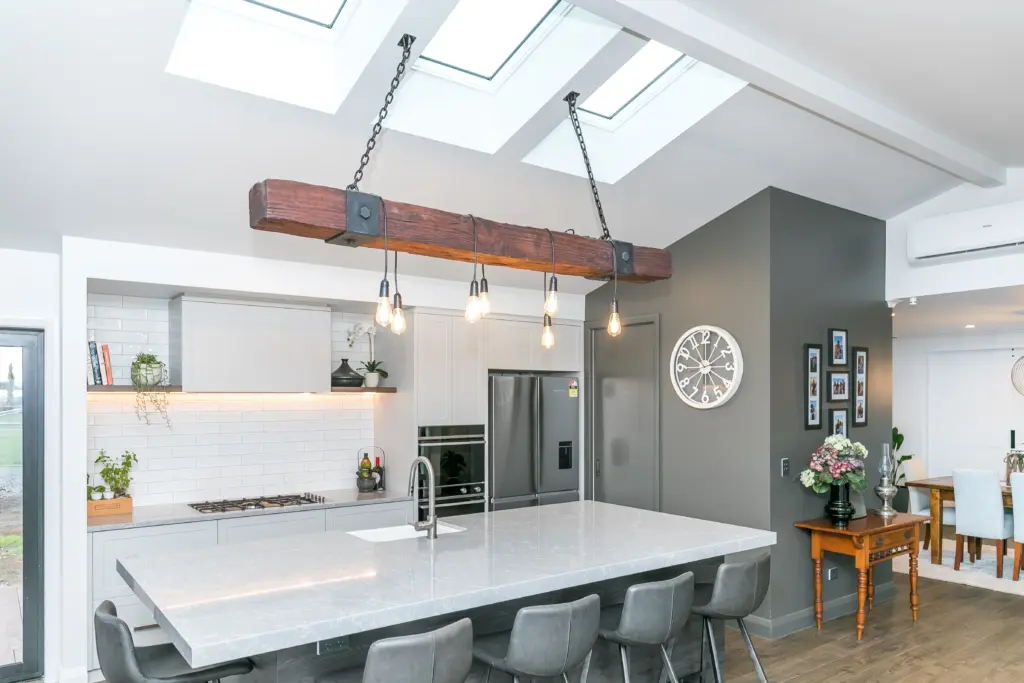
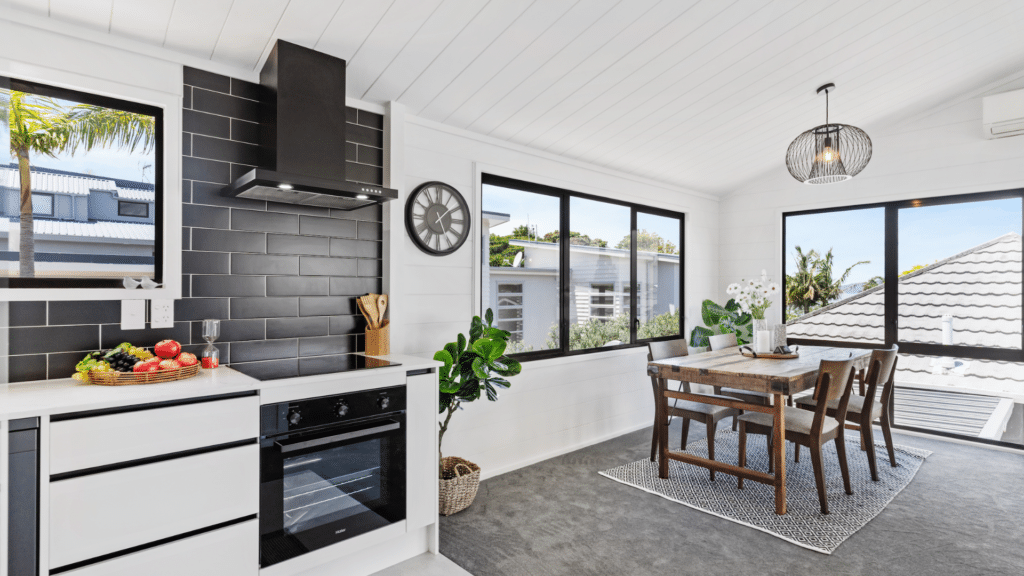
Modern kitchen design has moved decisively away from the enclosed, purely functional spaces of previous generations. Today’s kitchens are designed for living: open to adjacent spaces, equipped with comfortable seating areas, and outfitted with professional grade appliances that make cooking a pleasure rather than a chore. The best designs balance aesthetics with practical considerations like workflow, storage, and lighting.
When exploring options for kitchen renovations Hamilton homeowners and those elsewhere are increasingly embracing several key trends. Integrated appliances that blend seamlessly into cabinetry create clean, uncluttered visual lines. Large format tiles and continuous countertop surfaces reduce visual busyness and simplify cleaning. Smart storage solutions like pull out pantries, corner cabinet organizers, and dedicated drawer dividers maximize every square inch.
Lighting deserves special consideration in kitchen planning. Layered lighting schemes that combine ambient, task, and accent lighting create spaces that are both functional for food preparation and welcoming for entertaining. Under cabinet lighting illuminates work surfaces, pendant lights add style over islands and dining areas, and recessed ceiling fixtures provide overall illumination. The ability to adjust these different layers creates versatility that adapts to different times of day and different uses.
Material selection in kitchens involves balancing durability, maintenance requirements, and aesthetics. Quartz countertops have gained enormous popularity for good reason: they offer the beauty of natural stone with superior durability and minimal maintenance.
For flooring, porcelain tile and luxury vinyl plank both provide water resistance and easy care, with dramatically different price points. Cabinetry options range from budget friendly thermofoil to custom hardwood, with numerous options in between.
Bathrooms: Personal Sanctuaries Worth Investing In
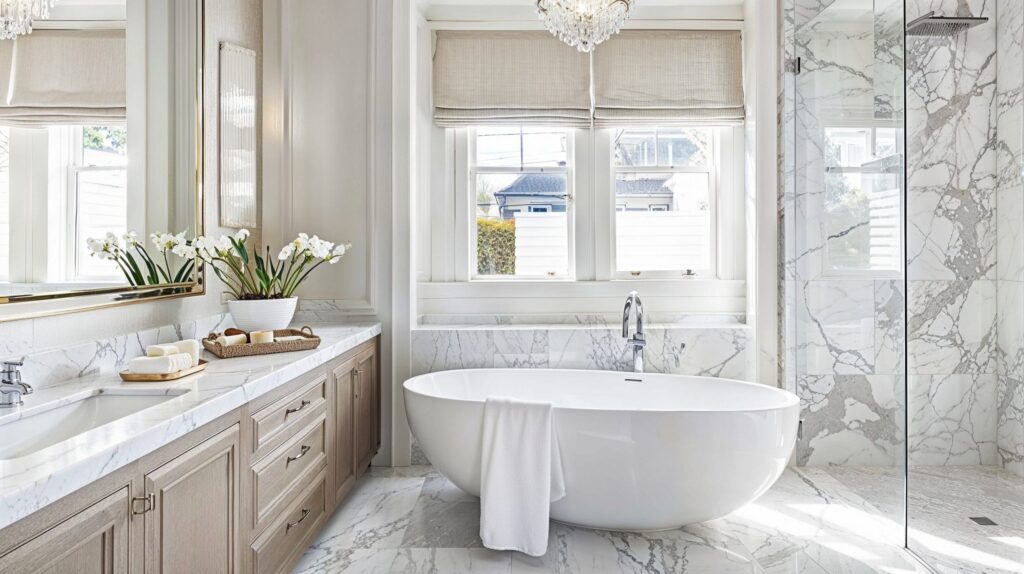
While kitchens grab most of the renovation spotlight, bathrooms run a close second in both importance and impact. A well designed bathroom transforms daily routines from rushed necessities into moments of genuine pleasure. The trend toward spa inspired bathrooms reflects a broader cultural shift toward prioritizing self care and wellness.
Master bathrooms have expanded in both size and ambition. Walk-in showers with frameless glass enclosures, freestanding soaking tubs, heated floors, and dual vanities have become standard expectations in upscale renovations.
Even smaller bathrooms can incorporate elements of luxury through thoughtful design: a rainfall showerhead, quality fixtures, and proper ventilation make significant differences without requiring major structural changes.
Functionality matters enormously in bathroom design. Adequate storage prevents cluttered countertops. Proper ventilation prevents moisture damage and mold growth. Non slip flooring reduces accident risks.
Selecting the Right Professionals
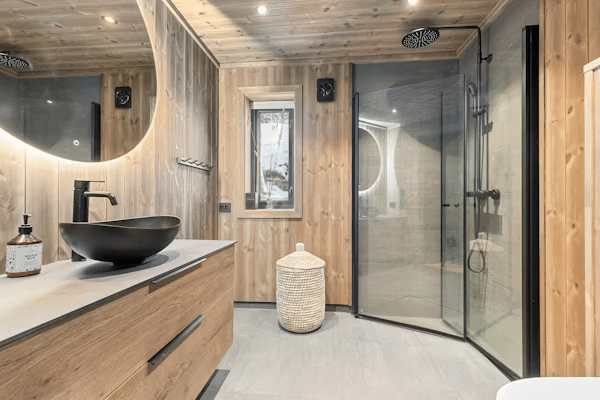
The quality of your renovation depends enormously on the people you hire to execute it. While DIY approaches work for some projects, major renovations benefit significantly from professional expertise. The question becomes how to identify and select the right professionals.
Start by gathering recommendations from trusted sources: friends, family, neighbors who have completed similar projects. Online reviews provide additional perspective, though they should be evaluated critically. Look for patterns rather than isolated opinions, and pay attention to how contractors respond to negative feedback.
Interview multiple candidates before making decisions. Ask about their experience with projects similar to yours, their typical timeline and process, their approach to communication, and how they handle unexpected issues. Request references and actually contact them. Visit completed projects if possible.
Ensure any contractor you’re considering is properly licensed and insured. This protects you legally and financially if something goes wrong. Ask for proof of insurance, including both liability coverage and workers’ compensation.
Communication style matters more than many homeowners initially realize. Renovations are stressful, and clear, consistent communication prevents misunderstandings and reduces anxiety. During interviews, pay attention to whether candidates listen carefully to your concerns, explain things clearly, and seem genuinely interested in understanding your vision.
Managing the Renovation Process
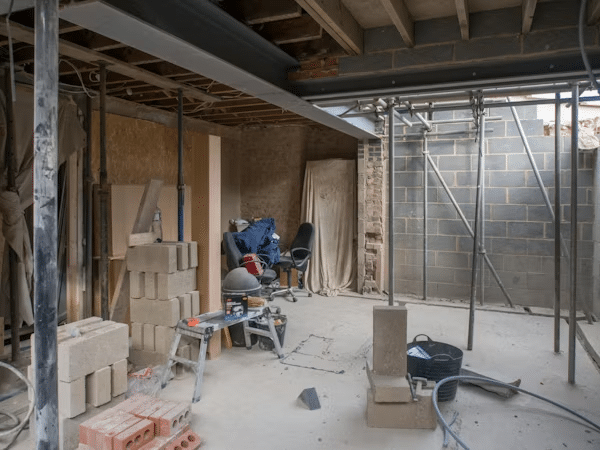
Even with excellent planning and stellar contractors, renovations disrupt daily life. Preparing for this disruption makes the experience considerably more manageable.
Before work begins, establish clear expectations with your contractor about working hours, communication protocols, and decision making processes. Will workers arrive at 7 AM or 9 AM? How will changes be documented and approved? Who is your primary point of contact for questions and concerns?
Create a temporary living plan that addresses where you’ll sleep, eat, and relax while work progresses. If your kitchen is being renovated, set up a temporary food preparation area with a microwave, mini fridge, and coffee maker.
Protect your belongings from construction dust and damage. Professional contractors typically use plastic sheeting and containment strategies, but additional protection for valuable or delicate items is worthwhile.
Conclusion: Creating Spaces That Enhance Your Life
Home renovation represents one of the most significant investments most people ever make, both financially and emotionally. Done well, it creates spaces that genuinely improve daily life: kitchens that make cooking joyful, bathrooms that feel like retreats, and systems that function reliably and efficiently.
Success requires patience, realistic planning, and a willingness to invest in quality where it matters most. It means attending to foundational elements like electrical and plumbing systems, not just the visible finishes that catch the eye. It involves careful professional selection and clear communication throughout the process.
The temporary disruption of construction gives way to years, even decades, of enhanced living. The morning routine becomes smoother in a well designed bathroom. Family dinners become more enjoyable in a kitchen built for gathering. Energy bills decrease when systems are updated and efficient.
Your home should support the life you want to live. Thoughtful renovation makes that possible.
- 3shares
- Facebook0
- Pinterest0
- Twitter3
- Reddit0