No two regions experience the same weather patterns, so no two roofs should perform the same. When it comes to protecting your home, what you need to know about roofing for different climates is more than just material preferences. It’s about choosing a roof that can handle what your region of the world throws at it and still look good while doing it.
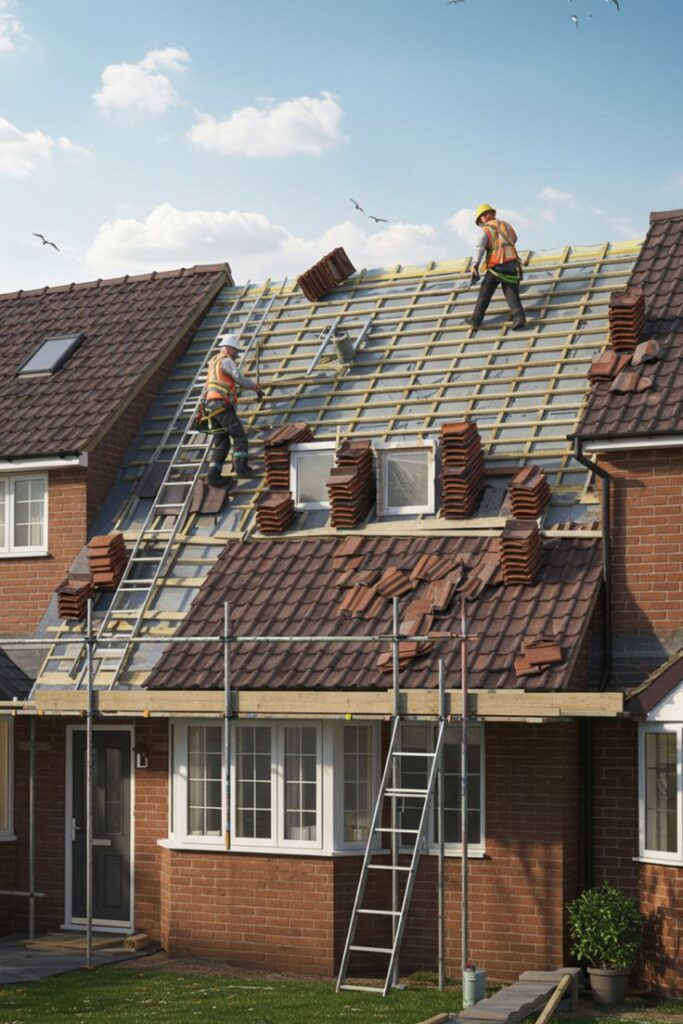
If you are a homeowner looking for reliable roof repair Mclean VA, choosing experienced professionals is essential for protecting your property. Quality roof repair helps prevent leaks, structural damage, and costly future issues caused by weather or aging materials. Skilled contractors can quickly identify problem areas and provide durable solutions tailored to your roof type. With timely maintenance and expert service, roof repair ensures long-term safety, comfort, and value for your home.
Hot and Arid Regions
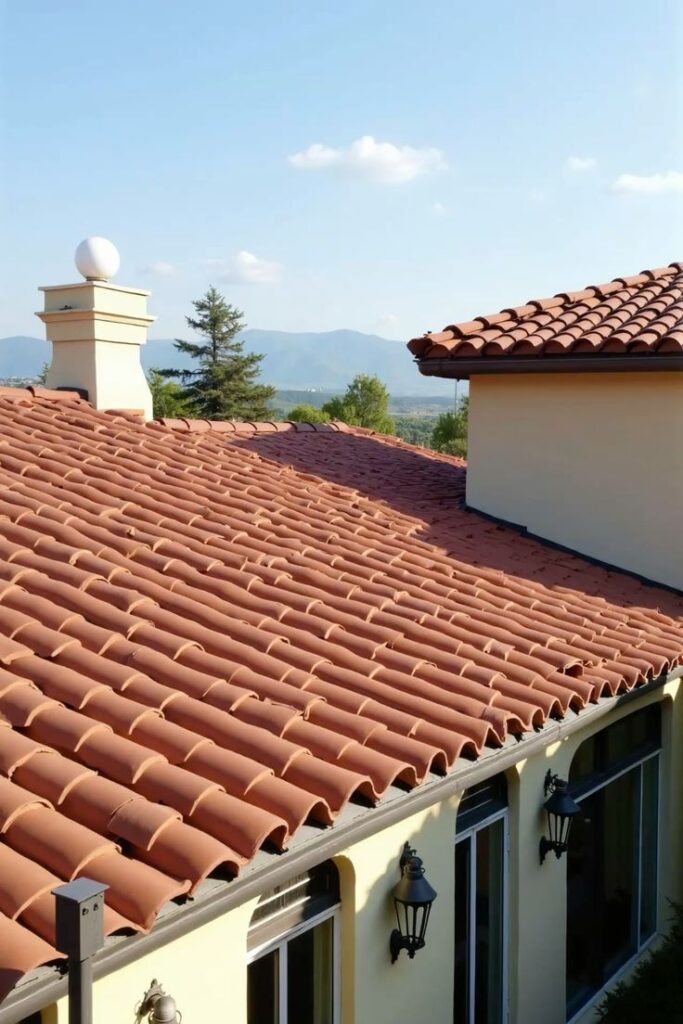
In hot, arid regions, homes are exposed to relentless sun and soaring temperatures. This intense heat doesn’t just affect comfort; it also takes a toll on roofing materials.
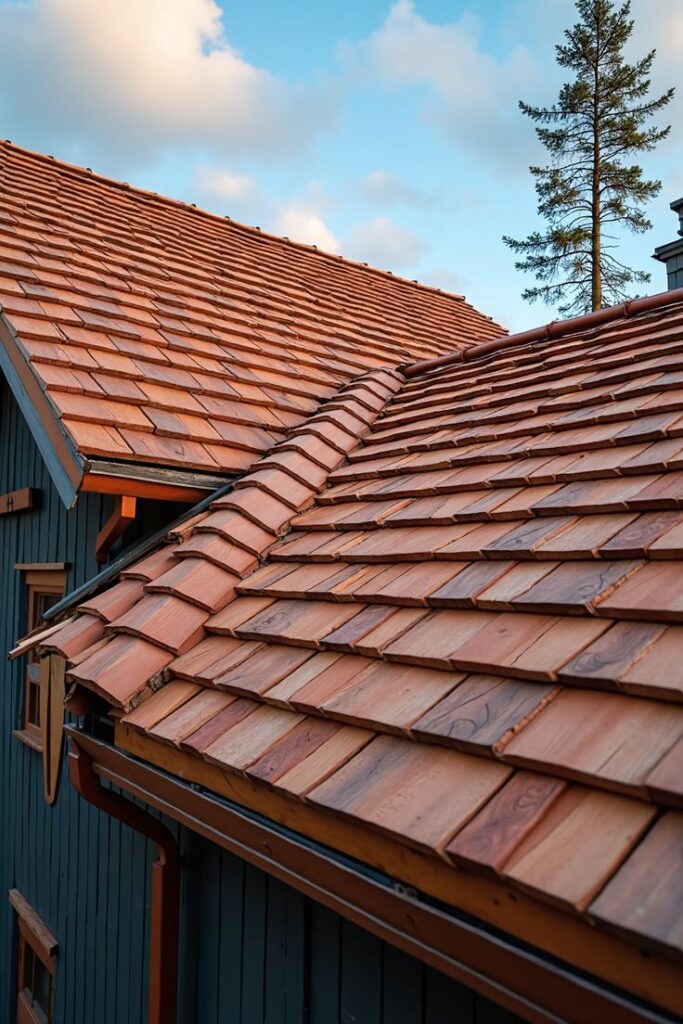
To keep a roof durable in these regions, materials like clay or concrete tiles are great because they reflect sunlight and provide natural cooling. Metal roofs with reflective coatings also bounce heat away, reducing energy costs and wear.
Even the roof’s shape matters. Flat roofs are common in desert climates because homeowners don’t have to worry about snow and rain collecting on the roof, but the roofs do require special membranes to resist cracking in the heat.
Humid and Tropical Zones
Humidity and frequent rain are hallmarks of coastal cities. High moisture levels promote mold, algae, and rot—challenges a roof must be ready to face. That’s why water-resistant materials like metal and synthetic slate are popular; they withstand moisture while maintaining good airflow.
A steeper roof pitch also helps water drain quickly, preventing leaks and long-term damage. Plus, choosing corrosion-resistant fasteners protects against sea air.
Coastal and Wind-Prone Areas
Homes near the ocean must endure fierce winds and salt spray. Look for materials that have been tested for hurricane-force gusts. Concrete tiles, impact-resistant asphalt shingles, and standing seam metal roofs provide durability and security.
Additionally, fastening systems should exceed standard requirements, using ring-shank nails or screws to prevent uplift during storms. Salt corrosion protection is necessary, so choose stainless steel or coated metal components.
Mixed Climate Regions
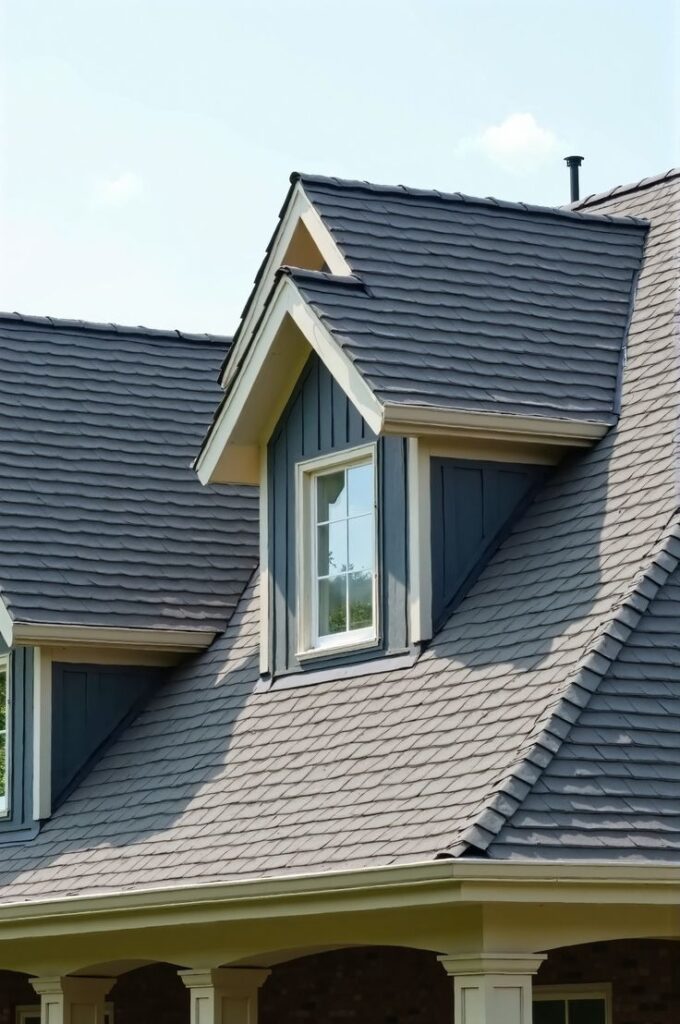
Cities with seasonal swings require roofs that handle both heat and cold. Architectural asphalt shingles are favored for their flexibility across a wide range of temperatures.
Also, consider underlayment materials to protect roofs from rain and snow. Ventilation systems must balance airflow to prevent moisture buildup in winter while reducing attic heat in summer.
Multi-layered roofing systems that combine insulation, waterproof membranes, and durable surfaces offer the best all-season protection.
Cold and Snowy Climates
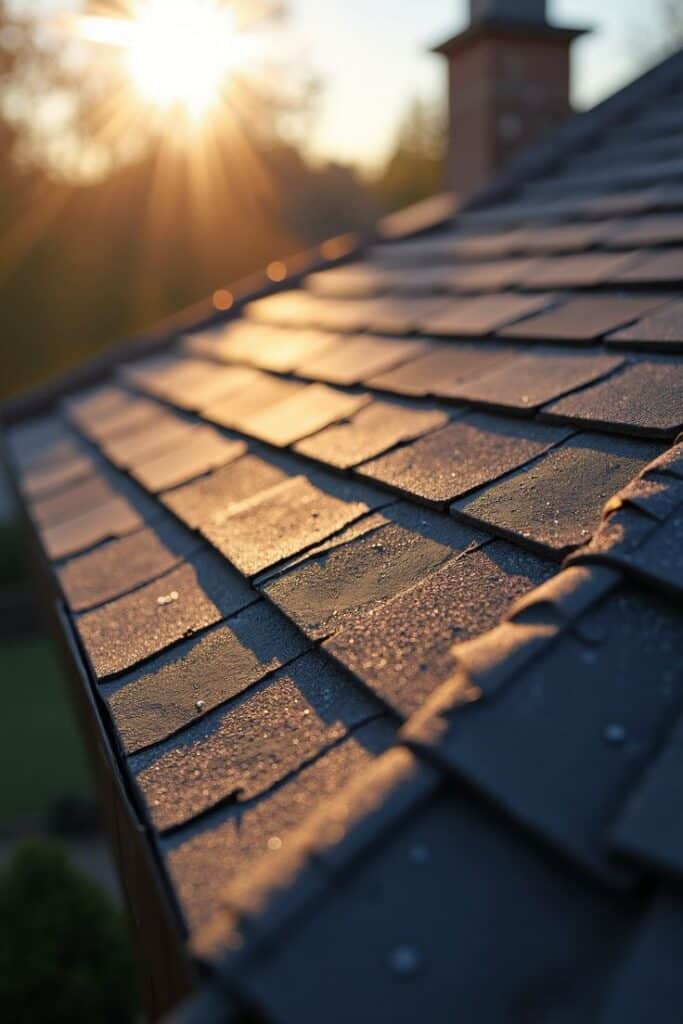
In cold regions, roofs must bear heavy snow loads. Steep roof pitches promote snow shedding, while metal roofs reduce buildup and ice formation.
Insulation and ventilation are crucial for maintaining stable attic temperatures, preventing melt-refreeze cycles that can damage shingles and gutters. Waterproof ice-and-water shields installed under shingles along eaves defend vulnerable areas from leaks.
Reinforced framing supports heavy snow loads, ensuring structural integrity during winter storms.
Choosing What Works Best
Wherever you live, understanding what you need to know about roofing for different climates helps you make smarter, more resilient choices. From materials to insulation, smart choices avert costly issues.
In addition, simple practices like seasonal inspections, clearing debris, and ensuring suitable ventilation are among the most effective tips for extending your roof’s lifespan in any climate.
- 0shares
- Facebook0
- Pinterest0
- Twitter0
- Reddit0