Enhancing your home’s energy efficiency not only reduces your utility bills but also increases your indoor comfort. With energy rates continually on the rise, finding efficient solutions to manage your home’s energy usage has become a top priority for many homeowners. In this article, we will explore various practical methods that can be employed to improve energy use while maintaining a comfortable living environment.
Understanding Energy Efficiency
Energy efficiency refers to using less energy to perform the same tasks, ultimately reducing energy waste. By integrating energy-efficient practices and installations into your home improvement projects, you can achieve significant cost savings. For instance, upgrading appliances to Energy Star-rated models can lead to a noticeable reduction in energy consumption.
To maximize efficiency, it’s essential to consider the energy usage of heating and cooling systems. On average, the cost of electricity in the U.S. is about 16.63 cents per kilowatt-hour, making it vital to manage your appliance’s energy consumption wisely. Strategically choosing energy-efficient solutions can provide both cost savings and environmental benefits.
When planning home improvements, it’s important to consider the return on investment through energy savings. While initial costs might appear substantial, the long-term reductions in utility expenses can outweigh these expenditures. Investing in energy-efficient solutions is an effective way to enhance your home’s comfort and sustainability.
Optimizing Heating and Cooling Systems
Heating and cooling systems are among the largest contributors to a home’s energy needs, accounting for a significant portion of monthly electricity bills. Regular maintenance of these systems is crucial, as highlighted by HomeGuide, which indicates that air conditioning repairs can range from 1 to 8 hours, depending on the component needing attention. By ensuring that systems are running efficiently, you not only prolong their lifespan but also cut down on electricity costs.
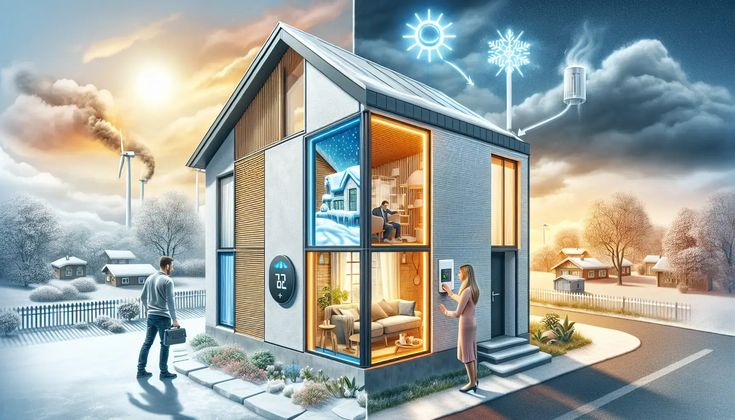
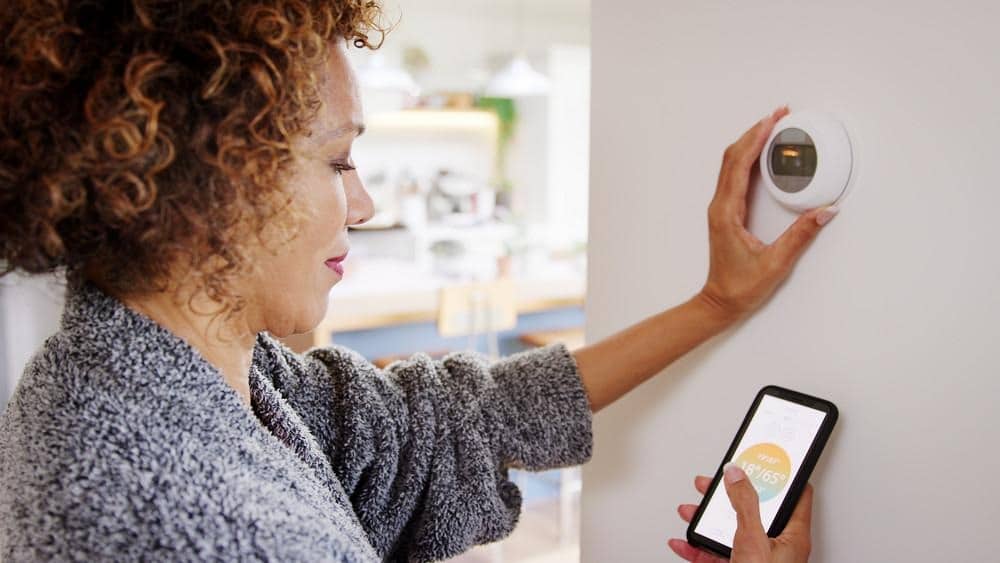
Upgrading to a more modern HVAC system can provide superior energy efficiency, especially when old systems become costly to repair and operate. Modern systems often include smart thermostats, allowing for greater control over home temperatures and more efficient energy usage. This transition not only saves on energy costs but also enhances indoor comfort by maintaining steady temperatures.
Smart home improvements, such as efficient sealing and insulating, can also play crucial roles in optimizing heating and cooling systems. By preventing heat loss in the winter and keeping cool air inside during the summer, insulation reduces the need for continuous heating or cooling. Addressing these factors can lead to substantial improvements in both energy efficiency and overall home comfort.
Water Efficiency and Plumbing Considerations
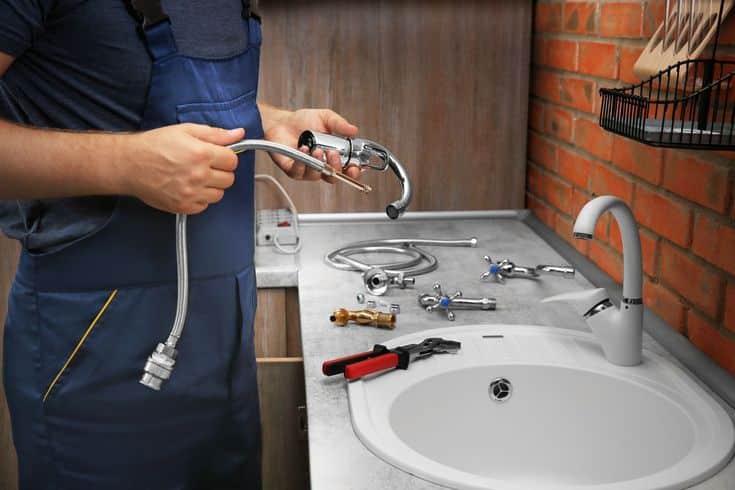
A well-maintained plumbing system contributes significantly to a home’s efficiency and comfort. The U.S. plumbing industry, currently valued at around $124.2 billion, according to WebFX, showcases the importance and scale of this sector. Efficient plumbing systems not only save water but also prevent costly leaks and damage.
Installing low-flow fixtures such as faucets, showerheads, and toilets can drastically decrease water usage without sacrificing performance. These innovations represent an excellent home improvement strategy that conserves resources while reducing monthly utility bills. Efficient use of water resources also leads to environmental benefits by lessening the strain on local water supplies.
Moreover, regular maintenance checks for leaks or outdated fixtures can prevent unexpected breakdowns. Being proactive about plumbing issues can avoid potential damage and ensure systems run efficiently. By prioritizing these updates and repairs, homeowners can enhance their household’s water efficiency and comfort.
Lighting and Appliance Innovations
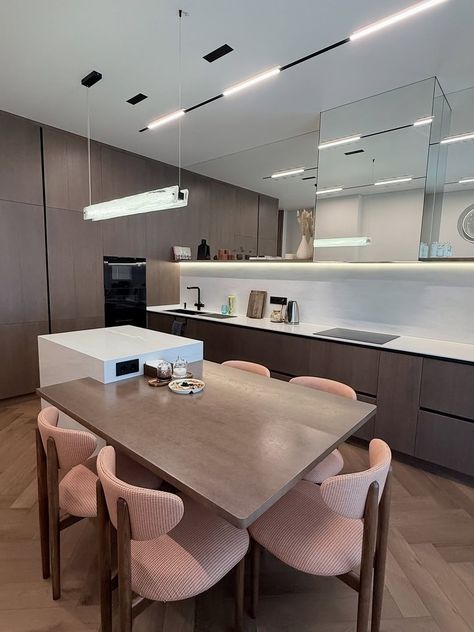
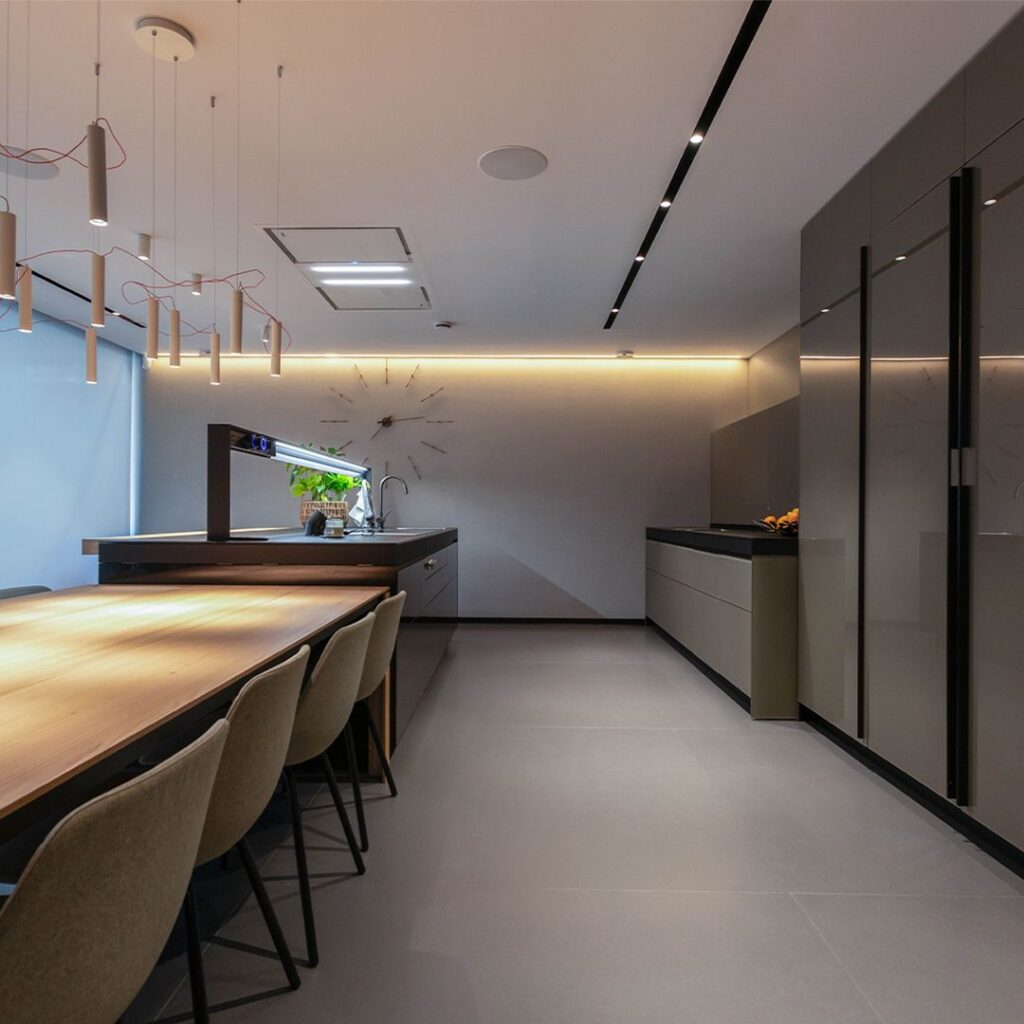
Lighting is another area of home improvement where efficiency gains can be made relatively easily. Transitioning from traditional incandescent bulbs to LED lighting significantly reduces energy consumption. This shift not only extends bulb lifespan but also results in lower energy costs and improved lighting quality.
Appliance efficiency is equally important in optimizing energy usage. Modern appliances are designed to be more energy-efficient, and replacing old models can lead to measurable reductions in electricity consumption. This not only benefits the environment by reducing the carbon footprint but also provides homeowners with savings over time.
Incorporating smart technology and energy-efficient appliances is a forward-thinking approach to home improvement. Such innovations allow for better energy management and automation of household systems. By investing in these technologies, homeowners can achieve elevated comfort levels and significant energy savings.
Improving your home’s energy use and comfort involves a combination of strategic planning and thoughtful investment. From updating heating and cooling systems to installing efficient plumbing fixtures, numerous opportunities exist to enhance your home environment. By focusing on energy efficiency as part of your home improvement projects, you can enjoy the dual benefits of reduced utility costs and increased home comfort.
Making energy efficiency a priority not only supports personal financial goals but also contributes to broader environmental objectives. With careful consideration and timely upgrades, homeowners can transform their residences into comfortable, efficient spaces. Embracing these methods not only leads to personal benefits but also supports sustainable living for the community at large.
Ultimately, the journey toward an energy-efficient home is one of continuous improvement and adaptation. By staying informed and proactive in home care decisions, you ensure a comfortable and cost-effective living environment for years to come. Engage in these home improvement strategies today to secure a more efficient and comfortable future.
- 3shares
- Facebook0
- Pinterest0
- Twitter3
- Reddit0