You know, it used to be that pest control by exterminators VA Beach meant one thing: somebody showed up with a tank, sprayed everything that moved, and called it a day. The smell alone could knock you back three feet — but hey, the bugs were gone. Fast-forward to today, and things look very different. Between new environmental laws, stricter chemical regulations, and homeowners who actually read labels now, exterminator services are getting a serious makeover.
And honestly? It’s about time.
The world’s gotten a lot smarter about what we’re putting into the air, soil, and even our own homes. So let’s chat about how the pest control industry — those hardworking folks who keep termites, ants, and roaches from taking over — is changing for the better.
Why the Rules Are Tightening Up
Not to sound dramatic, but pest control chemicals used to be quite extreme. Years ago, people readily used potent pesticides that killed pests and almost everything nearby. However, gradually, scientists and environmental agencies recognized the broader impact: these chemicals were contaminating groundwater, damaging bee populations, and impacting indoor air quality.
Now, agencies such as the EPA (Environmental Protection Agency) enforce stricter regulations on what exterminators can use, the amounts they can apply, and locations. In Virginia Beach, for instance, where coastal ecosystems are fragile, professionals must exercise extra caution. You wouldn’t want runoff from a treatment contaminating Back Bay or the Lynnhaven River, would you?
That’s why modern pest control isn’t just about killing pests — it’s about balancing safety, effectiveness, and environmental responsibility.
Eco-Friendly Doesn’t Mean Less Effective
One of the biggest misconceptions floating around (besides those mosquitoes after a heavy rain) is that eco-friendly pest control doesn’t work as well. Totally not true.
Today’s exterminators use integrated pest management (IPM), which basically means they focus on prevention first — sealing cracks, managing moisture, trimming vegetation — before they even reach for chemicals. And when they do use treatments, they’re often targeted and low-toxicity, designed to hit pests hard while keeping families, pets, and pollinators safe.
You’ll also see a rise in biological controls, like bacteria that only affect mosquitoes or nematodes that go after soil pests. It’s a smarter, science-backed approach that works with nature, not against it.
What These Changes Mean for Homeowners?

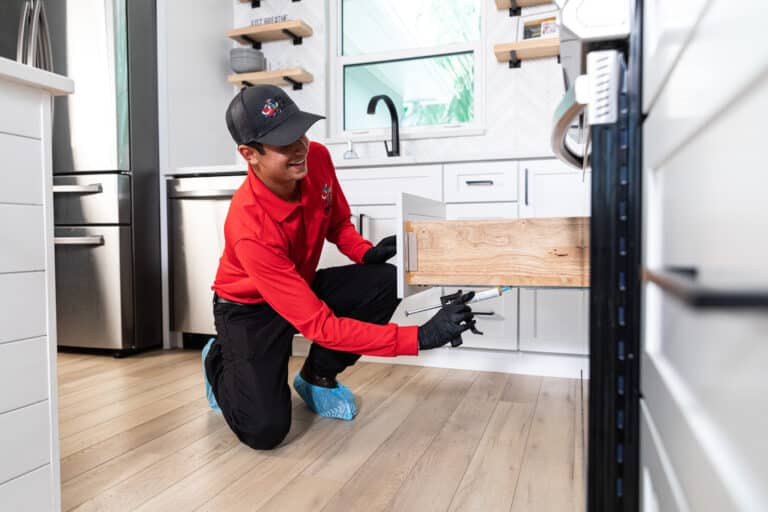
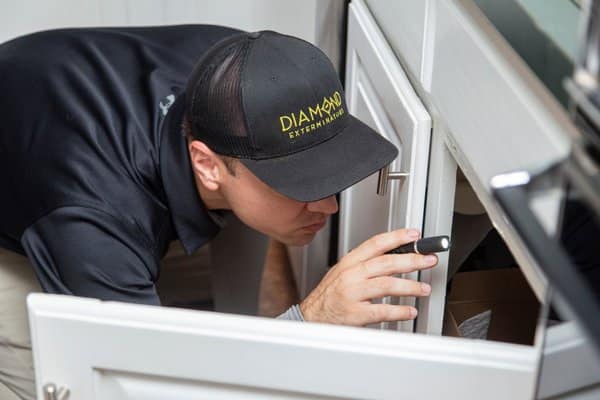
For the average homeowner, the shift might not look huge on the surface. The Virginia Beach exterminator still shows up, treats your home, and schedules a follow-up if needed. But behind the scenes, there’s a lot more regulation and training involved now.
Technicians are required to:
- Track every chemical used (down to the ounce).
- Use precise application methods — no “spray everything and hope for the best.”
- Follow guidelines that protect local wildlife and waterways.
- Educate homeowners on long-term prevention.
That last point is crucial. The top exterminators today don’t just spray — they educate. They guide you through the factors that attract pests, methods to lower moisture, and simple maintenance tasks that can have a significant impact. It’s more about building a partnership than providing a one-time solution.
How Exterminators Are Adapting?
The pest control industry’s gotten creative, too. Companies are investing in digital monitoring systems, smart traps, and eco-safe treatments that meet the new regulations and keep customers happy.
You might even notice techs using tablets instead of clipboards — not because they’re trying to look cool, but because data tracking is part of compliance now. It helps them document chemical use, results, and environmental impact.
Plus, many are earning certifications for green pest control or IPM practices, which gives them a real edge in places like Virginia Beach where people care deeply about sustainability and coastal preservation.
FAQs
Q: Are these new pest control methods more expensive?
Sometimes slightly, but not always. The focus on prevention and precision can actually save money long-term because infestations are less likely to come back.
Q: Does “eco-friendly” mean it won’t kill pests as fast?
Nope! The new formulas and strategies are just as effective — they just target pests more carefully instead of blanketing the whole property with chemicals.
Q: Should I still have my home treated regularly?
Yes. Preventive maintenance is still important. Regular inspections and low-impact treatments keep your home protected year-round.
Q: How can I tell if a company follows these new eco-standards?
Ask them! A transparent exterminator will gladly explain their methods, show product labels, or share certifications like GreenPro or QualityPro.
Wrapping It Up
At the end of the day, pest control isn’t about “nuking the bugs” anymore — it’s about managing balance. We all want a bug-free home, but not at the cost of our health, our pets, or our planet.
So, next time you contact an exterminator, feel free to ask questions. Inquire about what products they use, how they work, and if they are safe for your yard and waterways. Reputable pest control professionals will appreciate your questions—modern experts understand that safeguarding your home and the environment are interconnected.
And honestly? That’s something worth raising a glass (or a citronella candle) to on a warm Virginia night.
- 0shares
- Facebook0
- Pinterest0
- Twitter0
- Reddit0