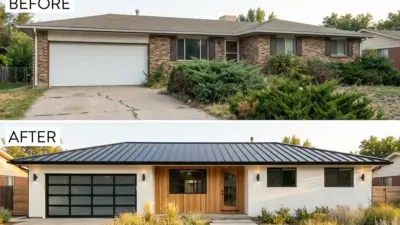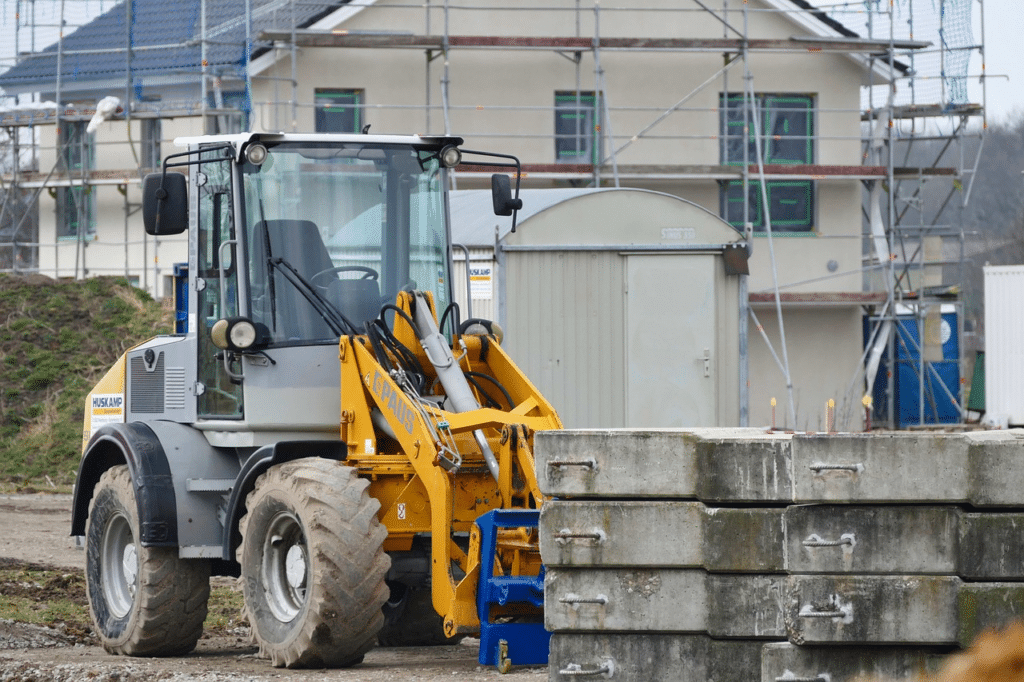
Need to finish home building projects quicker and with more efficiency?
If so, you need the right equipment.
Home builders with the proper machinery experience:
- Shorter project completion times
- Lower labour costs
- Better overall quality results
Here’s the issue though:
Choosing the wrong equipment can waste valuable time and money. In order to build homes quicker and more profitably, you must invest in the proper tools for the job.
In this article, you’ll find the 5 essential pieces of machinery that every home builder should consider for their construction projects.
What You Will Learn:
- The importance of machinery for home builders
- Essential earthmoving equipment
- Material handling machines for home builders
- Concrete equipment for home foundations
- Choosing the right equipment
Why Machinery Matters for Home Builders
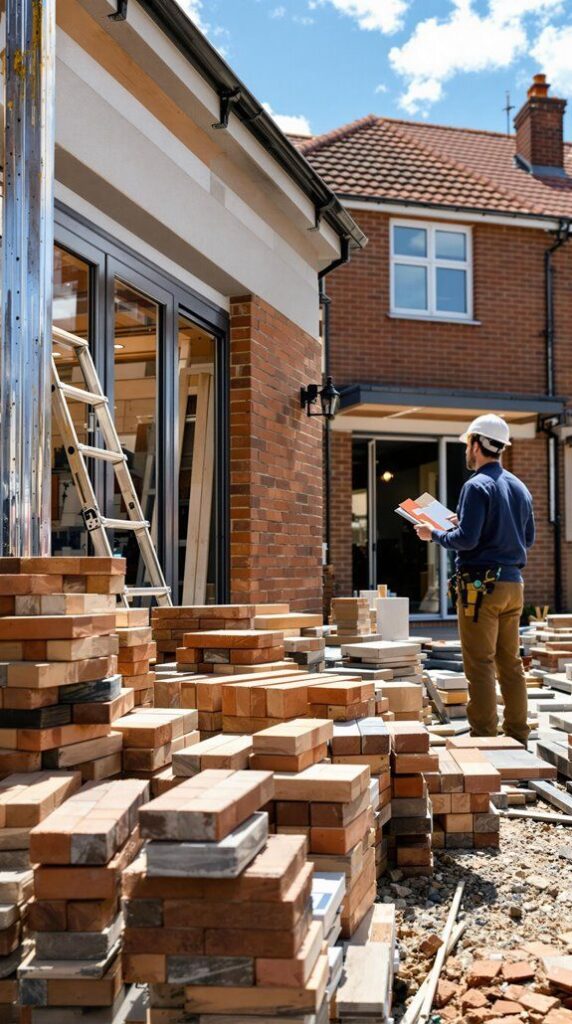
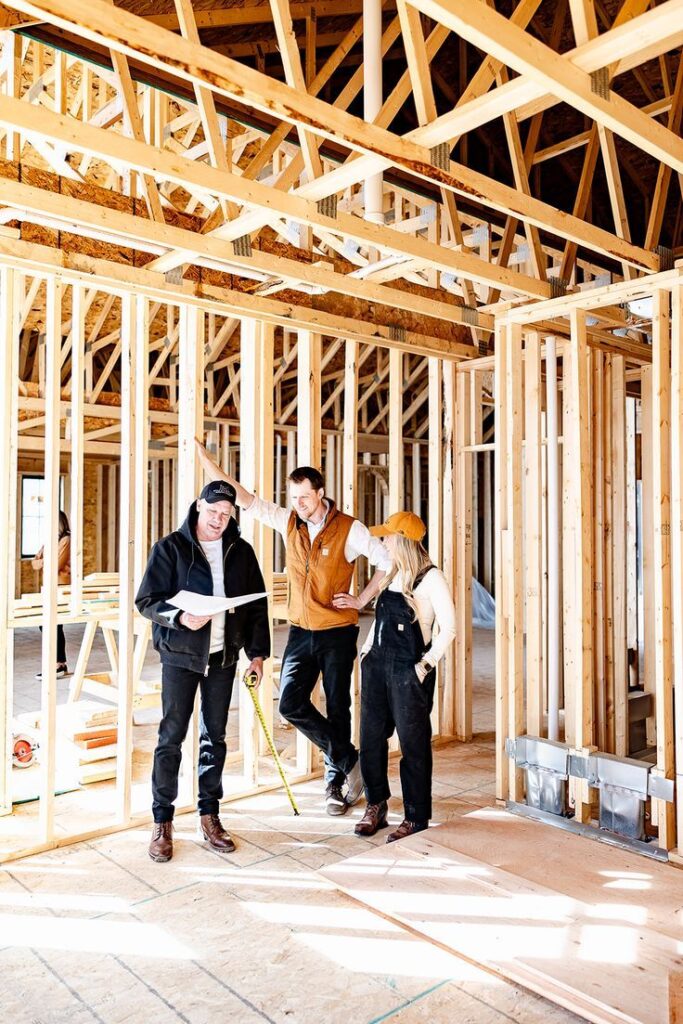
The construction equipment market tells an interesting tale.
In a recent report, Fortune Business Insights revealed that the residential sector held the highest share in 2024. This is the result of ongoing demand for housing as well as urban development.
In other words, home builders are big spenders when it comes to buying machinery. And for good reason.
Access to reliable machinery for home builders is the foundation of every successful construction project. Without dependable equipment, you are setting your business up for delays, cost overruns, and inferior quality work.
Look at it from this perspective:
A home builder without proper machinery is like a chef without kitchen tools. You can still make the meal. But it will take more time. You’ll have to spend more money. And the end results will be subpar.
Home builder data backs up these claims.
The National Association of Home Builders reported that single-family starts increased by 6.5% in 2024, reaching a rate of 1.01 million. The demand for new homes isn’t slowing down. Efficiency for builders isn’t optional.
It’s mandatory.
Essential Earthmoving Equipment

Earthmoving equipment rules the construction world.
The question is, why?
The simple answer is that every home building project begins with preparing the land. You can’t pour a foundation until the ground is prepped. And you can’t prep the ground without the right machinery.
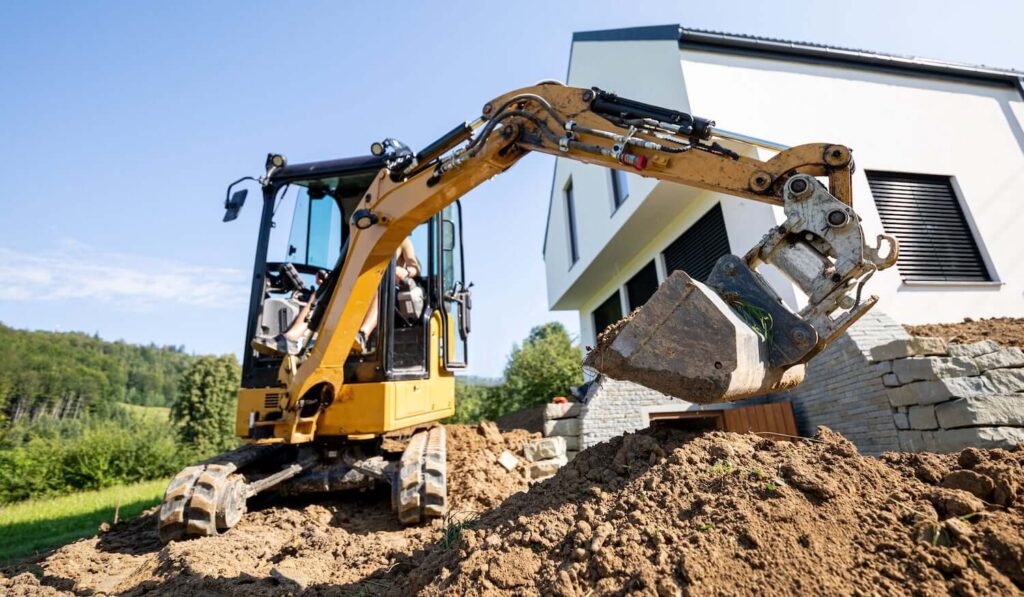
Excavators are the bread-and-butter for any home building site. They’re tasked with digging foundations, trenching for utilities, and clearing land. A good excavator can save days of manual labour on a single project.
Backhoe Loaders are your ticket to versatility. These machines dig, load, and transport materials around the job site. For smaller residential projects, a backhoe loader is often the only earthmoving equipment needed.
Skid Steer Loaders are a good fit for small spaces. Residential lots are often limited in size. Compact skid steers can manoeuvre through small areas that larger machines can’t access. They are also good for grading and landscaping.
So what do most builders get wrong?
Focusing on the large equipment. Compact machinery often has the best value for home building projects. Smaller machines are cheaper to operate and transport to job sites.
Material Handling Machines You Need

Once the site is prepped, you need to get materials to where they need to go.
That’s where material handling equipment comes into play.
These machines deliver building supplies to their final resting place.
Telehandlers are a game changer for home builders. They can lift and place materials at a height. Need to get roof trusses up? A telehandler does it in minutes, not hours.
Forklifts might seem basic. But they’re essential for unloading deliveries and organising materials on site. An organised job site runs smoother and safer.
Crane machinery is necessary for larger residential projects. Multi-story homes and developments often require lifting capacity that other machines can’t match.
The key is matching the size of the machine to the size of the project.
Renting a massive crane for a single-story home is a waste. Building a three-story townhouse with just a telehandler will be frustrating and slow.
Concrete Equipment for Foundations
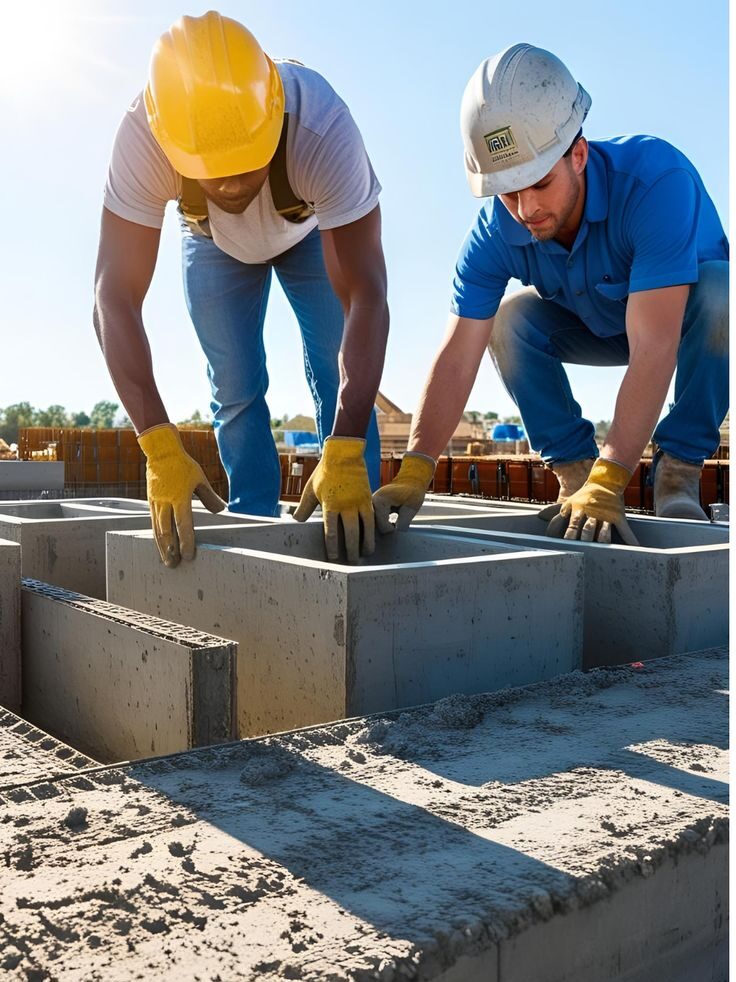

Foundations make or break a home.
Not just a metaphor either. A bad foundation causes everything above it to eventually fail. The right concrete equipment ensures your foundations are solid.
Concrete Mixers are available in different sizes. Portable mixers work well for smaller projects. Bigger developments need truck-mounted mixers to do the job.
Concrete Pumps are the solution to a common problem. How do you get concrete to the exact place it needs to go? Especially on sites where delivery trucks can’t drive? Pumps will push concrete through hoses to otherwise hard-to-access locations.
Vibrators are simple, but important. They remove air pockets from poured concrete. This might sound like a minor detail, but it’s not. Air pockets weaken foundations. A good vibrator will ensure your concrete is solid throughout.
Power Trowels are for finishing concrete surfaces. For garage floors and basement slabs, a power trowel will leave you with a professional finish in a fraction of the time manual methods take.
How to Choose the Right Equipment
Not all machinery is created equal.
Use these tips to make smart equipment decisions for your home building projects.
Assess your project size
Match your equipment’s capacity to the actual needs of your project. Oversized machinery costs more to rent and operate. Undersized equipment slows your crew down and may require multiple passes.
Consider terrain conditions
Soft soil demands different equipment than rocky ground. Wet conditions may call for tracked machines instead of wheeled ones. Know the site conditions before selecting equipment.
Think about access
How will you get the machinery onto the site? Narrow streets and small lots limit the size of equipment you can use. Sometimes the best machine is the one that will actually fit on your job site.
Calculate total costs
Purchase price is just the beginning of total ownership costs. Factor in fuel consumption, maintenance, and transport expenses. In some cases, renting makes more sense than buying.
Check availability
The best equipment in the world is useless if you can’t get it when you need it. Build relationships with local dealers and rental companies to ensure you have access to machinery when your projects require it.
Wrapping Up
The right machinery makes home building so much more efficient.
From earthmoving to material handling to concrete work, each piece of equipment has a purpose. Savvy builders match their machinery to their project requirements.
Let’s recap:
- Earthmoving equipment gets your site ready for construction
- Material handling machines move supplies to where they need to go
- Concrete equipment creates solid foundations
- Choosing the right equipment saves time and money
Home building projects succeed when builders invest in the proper machinery. Buy, rent, or lease. The important thing is to have access to dependable equipment.
Demand for new homes is not slowing down. Builders who spend money on the right machinery will be the most efficient and profitable.
Start by evaluating your current equipment needs. Then build a plan to fill in the gaps. Your projects and your bottom line will thank you.
- 3shares
- Facebook0
- Pinterest0
- Twitter3
- Reddit0