Elegance in interior design is rarely loud. It doesn’t rely on excess, constant reinvention, or dramatic gestures. Instead, it lives in the details—the quiet, intentional accents that bring balance, refinement, and a sense of permanence to a space. Elegant accents are the finishing touches that transform a room from functional to memorable, from styled to sophisticated.
In a world of fast décor trends and algorithm-driven inspiration, elegant accents offer something more enduring. They work across styles, budgets, and square footage. Whether you live in a city apartment, a suburban home, or a historic property, the right accents can elevate your interior without overwhelming it.
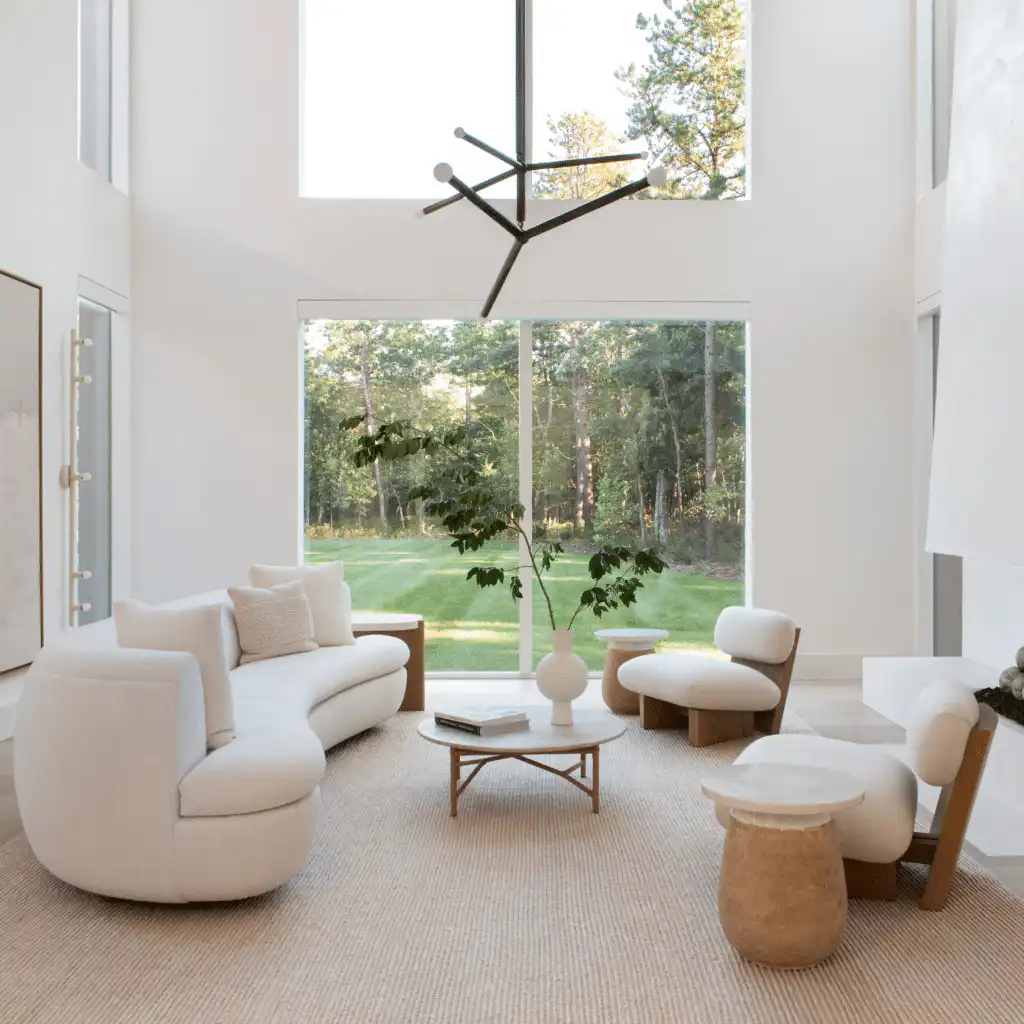
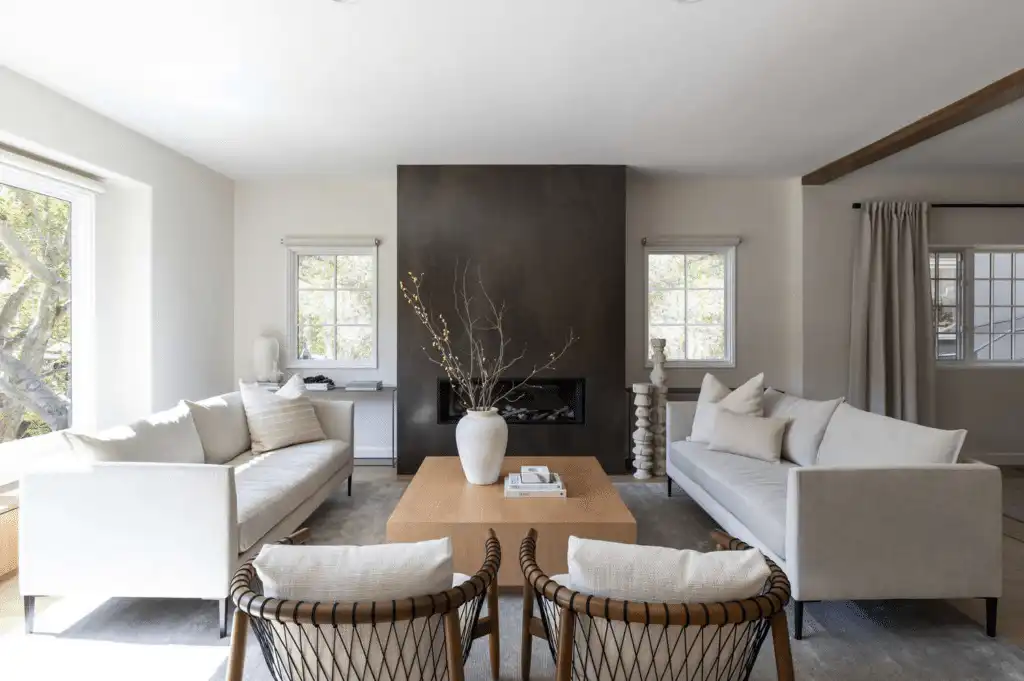
This guide explores what elegant accents truly are, why they matter, and how to use them room by room to create timeless interiors that feel curated, calm, and confident.
What Are Elegant Accents in Interior Design?
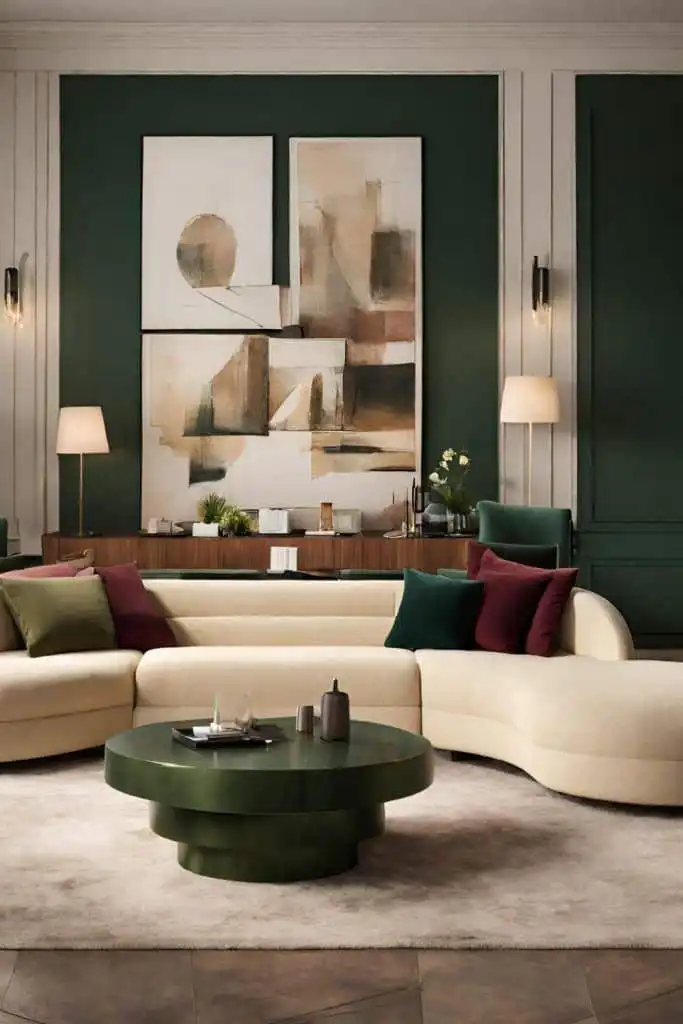
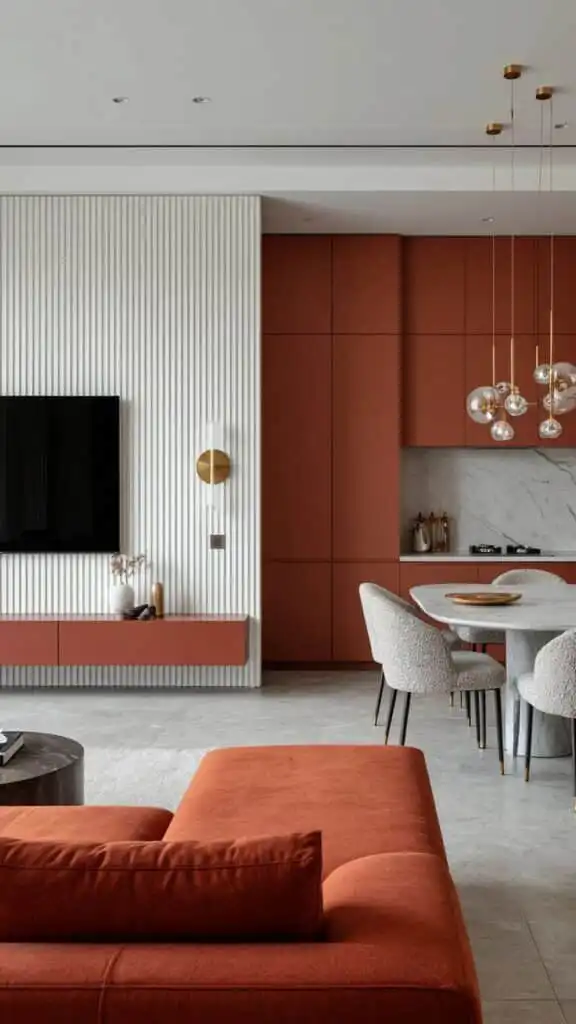
Elegant accents are supporting design elements that enhance a space without dominating it. They are not the main furniture pieces or architectural anchors; instead, they complement those foundations through texture, proportion, material, and restraint.
Examples include:
- A brass table lamp with a linen shade
- Floor-length curtains that gently brush the floor
- A single piece of oversized art instead of a gallery wall
- Natural stone, ceramic, or glass accessories
- Thoughtfully layered lighting
What defines elegance is not cost or complexity, but intentionality. Elegant accents feel chosen, not accumulated. They create cohesion rather than clutter.
Why Elegant Accents Matter More Than Big Design Moves
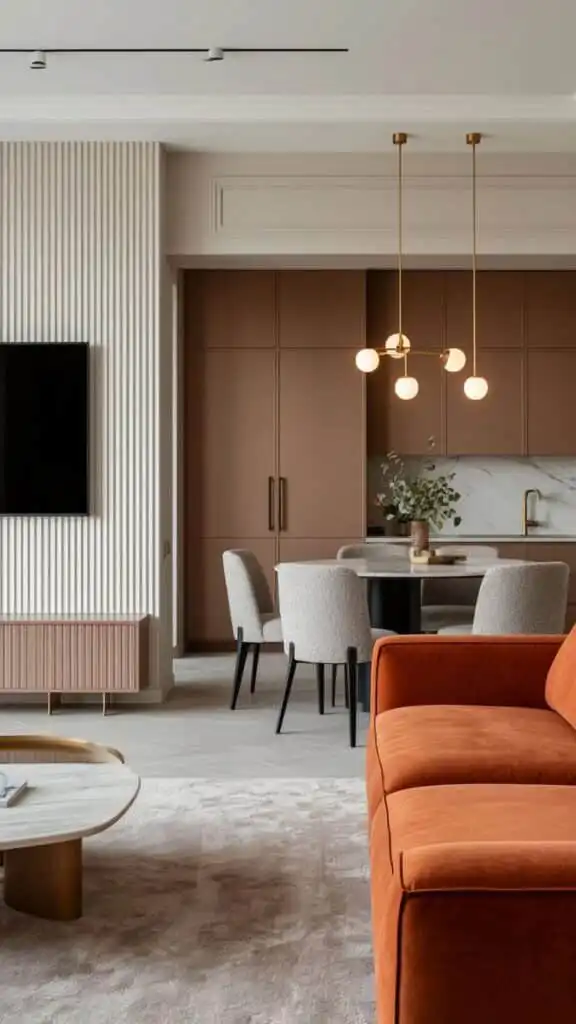
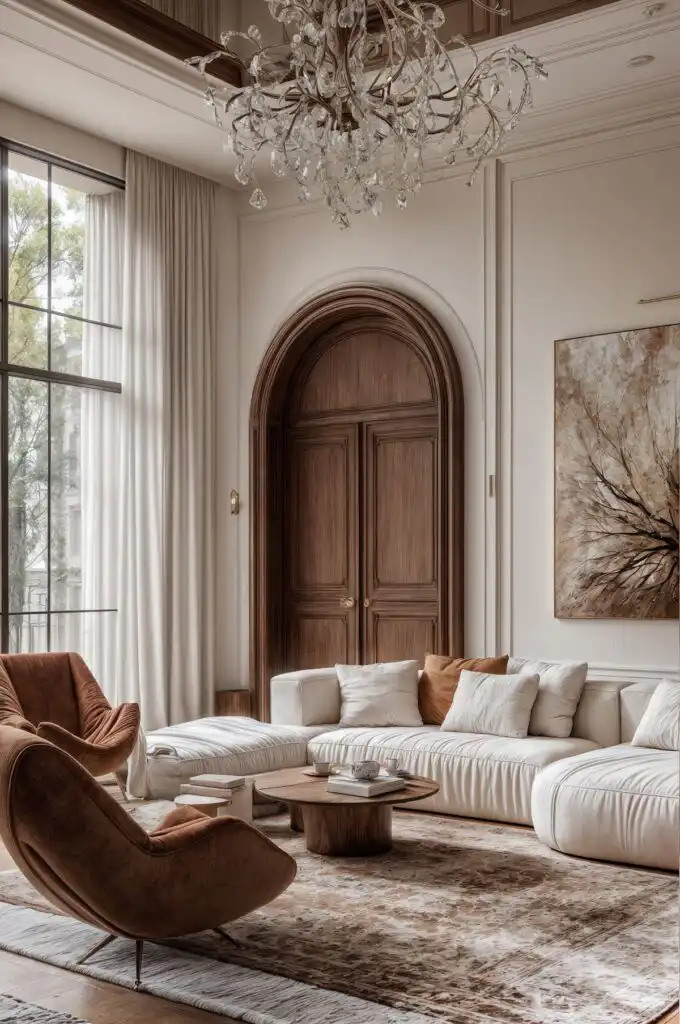
Large furniture and layout decisions establish function, but accents define emotion. They determine how a room feels to live in, not just how it looks in photos.
Elegant accents:
- Create visual rhythm and flow
- Soften hard lines and add warmth
- Make spaces feel finished rather than staged
- Allow for evolution without full redesigns
Because accents are easier to update than furniture or renovations, they also offer flexibility. You can subtly refresh your home while maintaining a consistent, timeless aesthetic.
The Core Principles Behind Elegant Accents
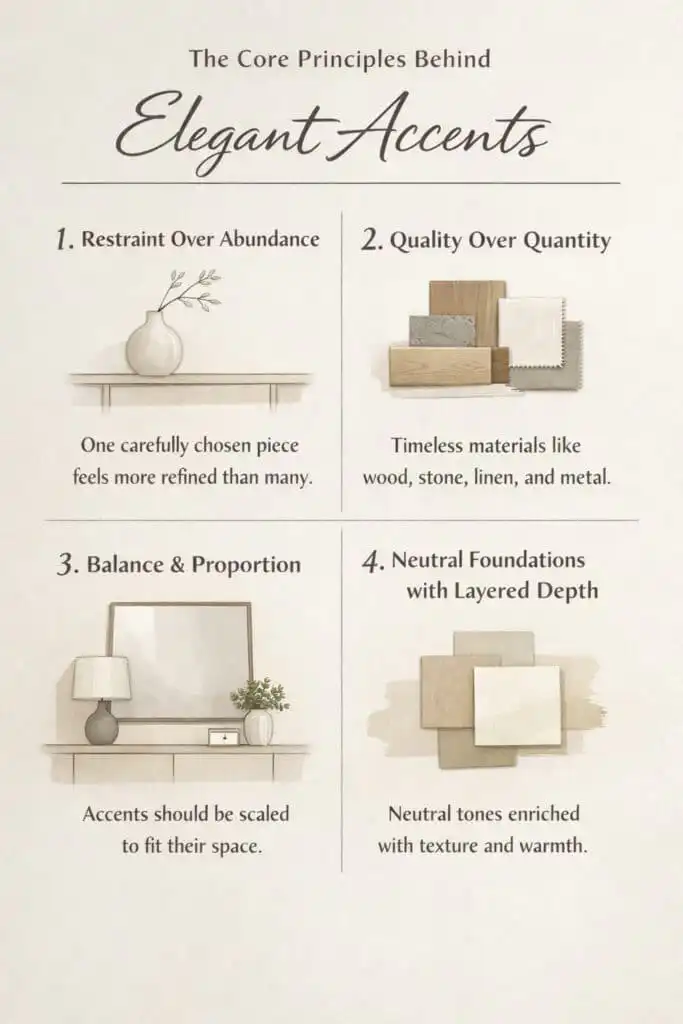
Before diving into specific rooms, it’s important to understand the principles that make accents feel elegant rather than decorative.
1. Restraint Over Abundance
Elegance thrives in editing. One beautiful object displayed thoughtfully will always feel more refined than five competing ones.
2. Quality Over Quantity
Materials matter. Solid wood, stone, linen, wool, ceramic, and metal age gracefully and signal longevity.
3. Balance and Proportion
Elegant accents feel scaled to their surroundings. A small lamp on a large console can feel lost; an oversized mirror in a narrow hallway can feel intentional and dramatic.
4. Neutral Foundations with Layered Depth
Elegant spaces often rely on neutral palettes—beige, taupe, gray, soft white—but avoid flatness through texture and tonal variation.
Elegant Accents for the Living Room
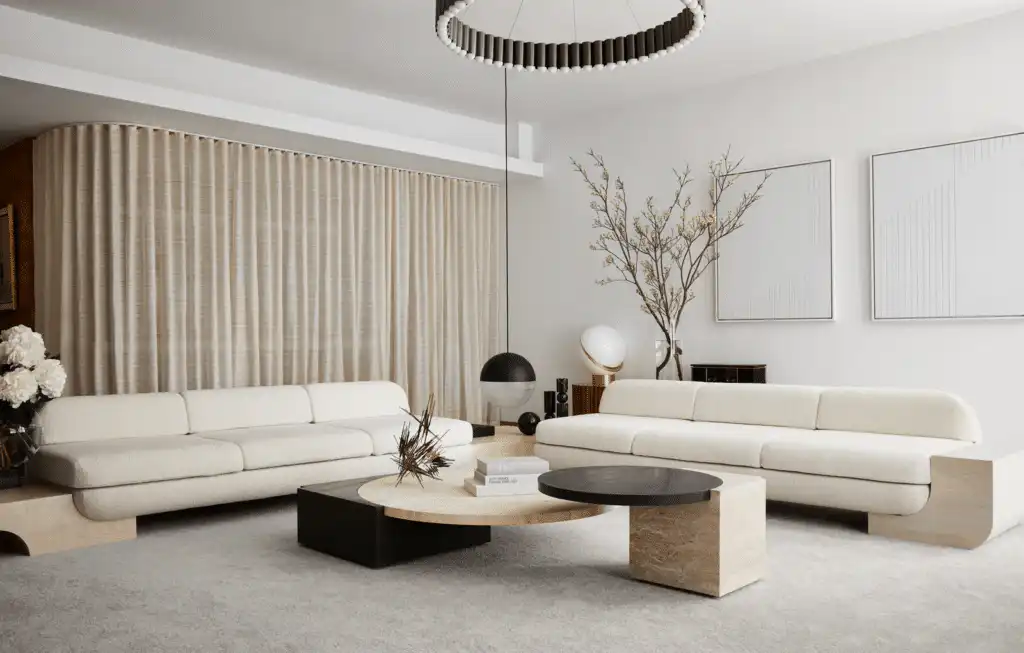
The living room is often the most expressive space in a home, yet elegance here comes from cohesion, not statement overload.
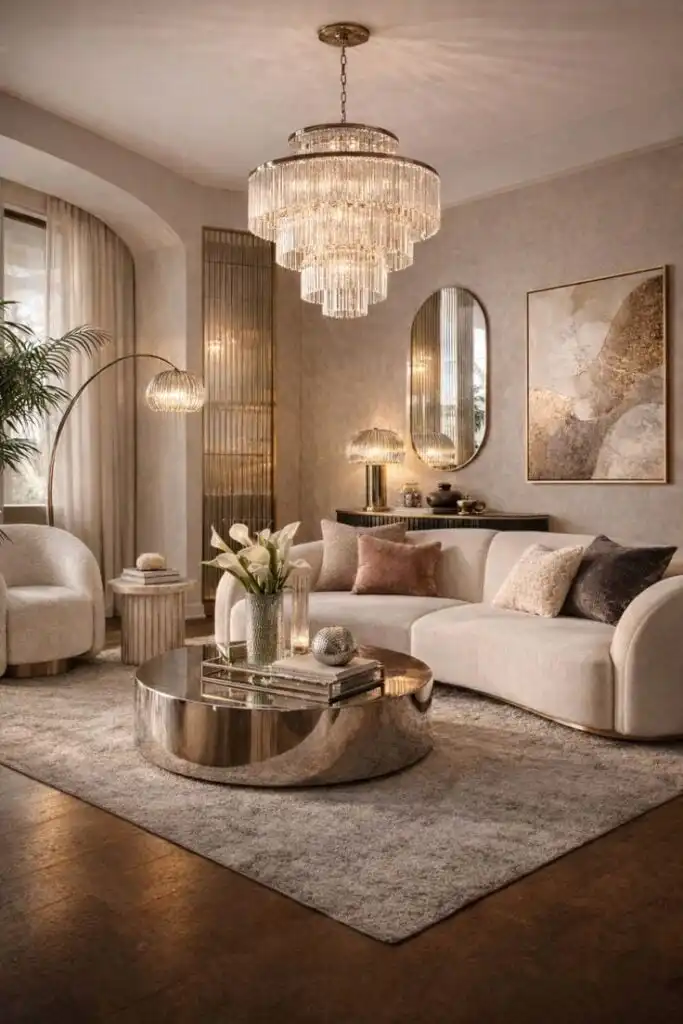
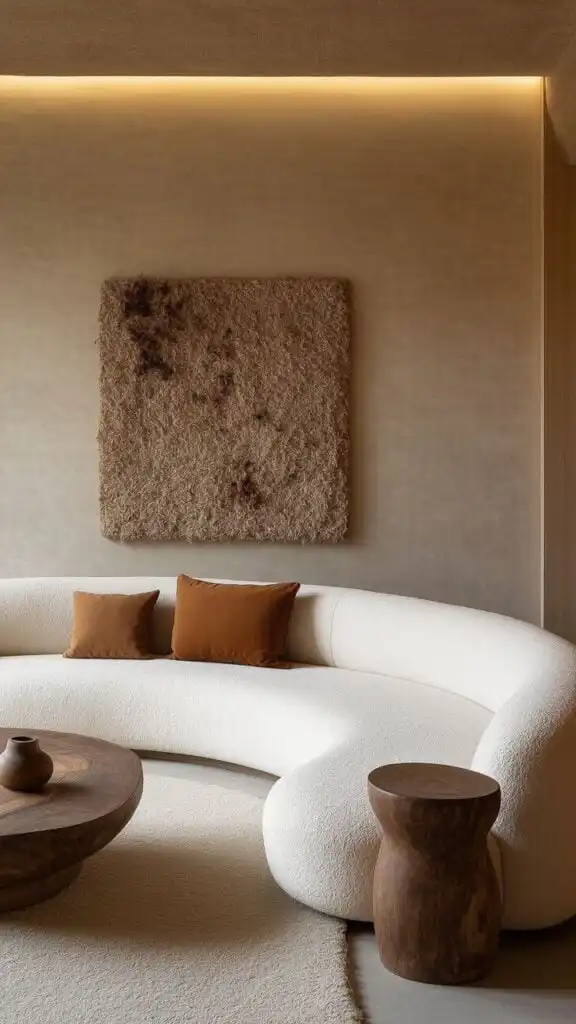
Accent Ideas That Elevate:
- Lighting: A sculptural floor lamp or pair of matching table lamps creates symmetry and warmth.
- Textiles: Layer neutral throw pillows in varying textures—linen, wool, velvet—rather than bold patterns.
- Art: One oversized piece often feels more elegant than multiple smaller ones.
- Coffee Table Styling: Use a tray, a single object, and one book—leave breathing room.
Tip: Keep accent colors within one or two shades of your main palette for a seamless look.
Elegant Accents for the Dining Room
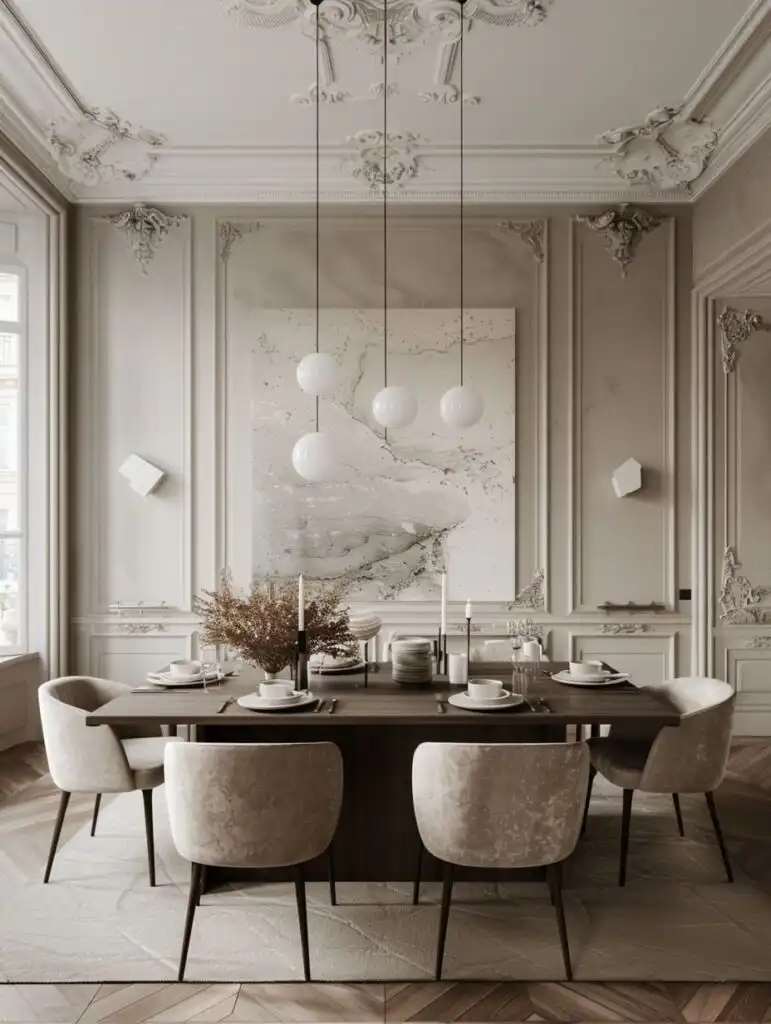
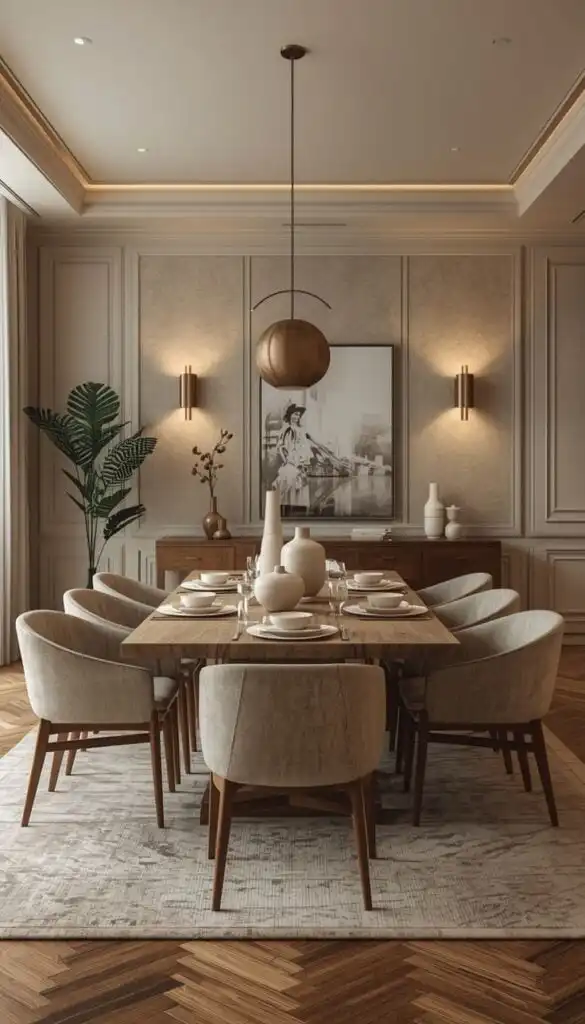
The dining room is where elegance meets hospitality. Accents here should enhance gatherings without feeling fragile or formal.
Accent Ideas That Elevate:
- Lighting: A chandelier or pendant with simple lines instantly anchors the room.
- Table Details: Linen table runners, ceramic bowls, or understated centerpieces.
- Wall Accents: A mirror or subtle artwork adds dimension without distraction.
- Chair Details: Upholstered seats or cushions add softness and comfort.
An elegant dining room feels welcoming, not staged—designed for conversation as much as appearance.
Elegant Accents for the Bedroom
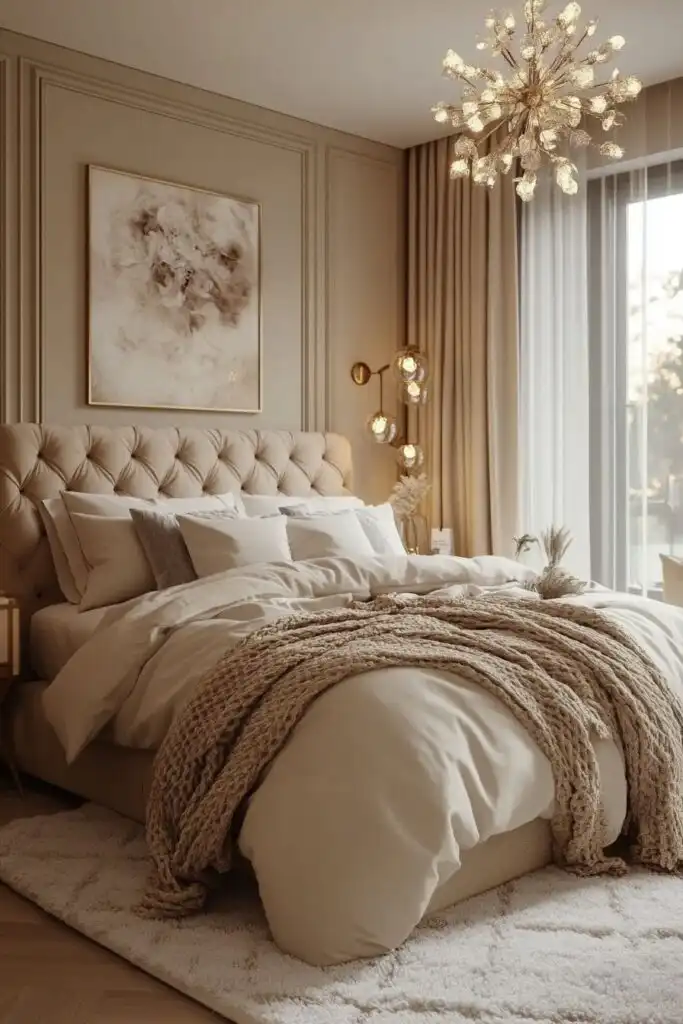
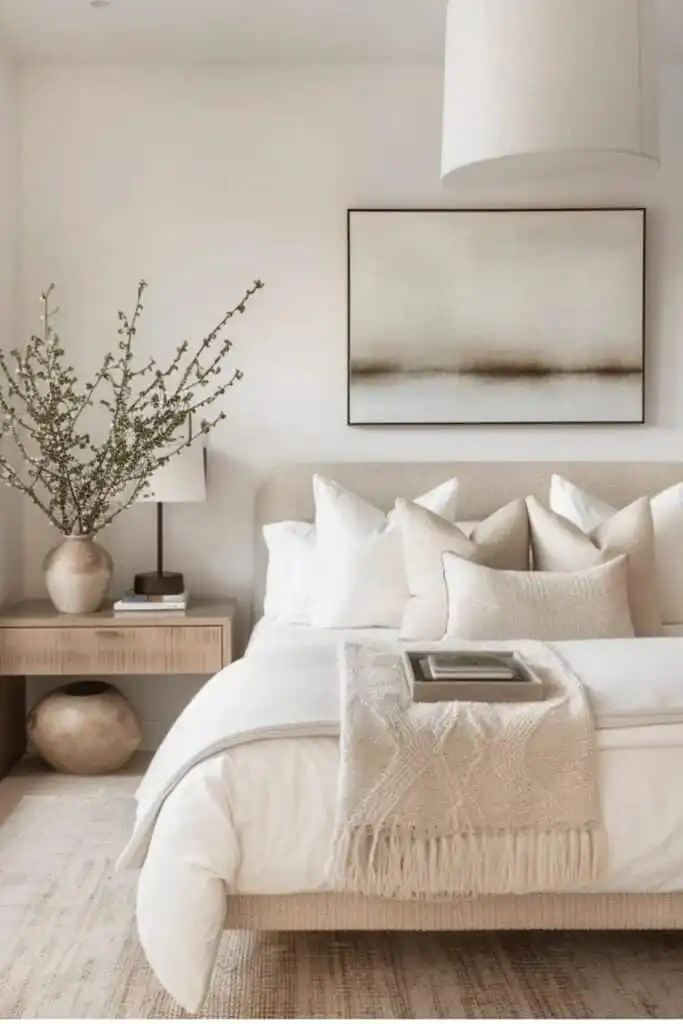
The bedroom is a retreat, and elegance here is about calm, continuity, and tactile comfort.
Accent Ideas That Elevate:
- Layered Bedding: Crisp sheets, a tailored coverlet, and a textured throw.
- Bedside Lighting: Matching lamps with warm-toned bulbs for symmetry and softness.
- Minimal Décor: One framed photograph or sculptural object per surface.
- Window Treatments: Full-length curtains elevate the entire room instantly.
Avoid over-accessorizing nightstands—negative space is part of the design.
Elegant Accents for the Kitchen
While kitchens are functional, accents can prevent them from feeling clinical.
Accent Ideas That Elevate:
- Hardware: Brushed brass or matte black pulls add subtle sophistication.
- Countertop Styling: A single wooden cutting board, ceramic canister, or glass vase.
- Lighting: Under-cabinet lighting and pendants with simple silhouettes.
- Natural Elements: Stone, wood, or greenery soften hard surfaces.
In kitchens, elegance comes from consistency—matching finishes and thoughtful repetition.
Elegant Accents for Bathrooms
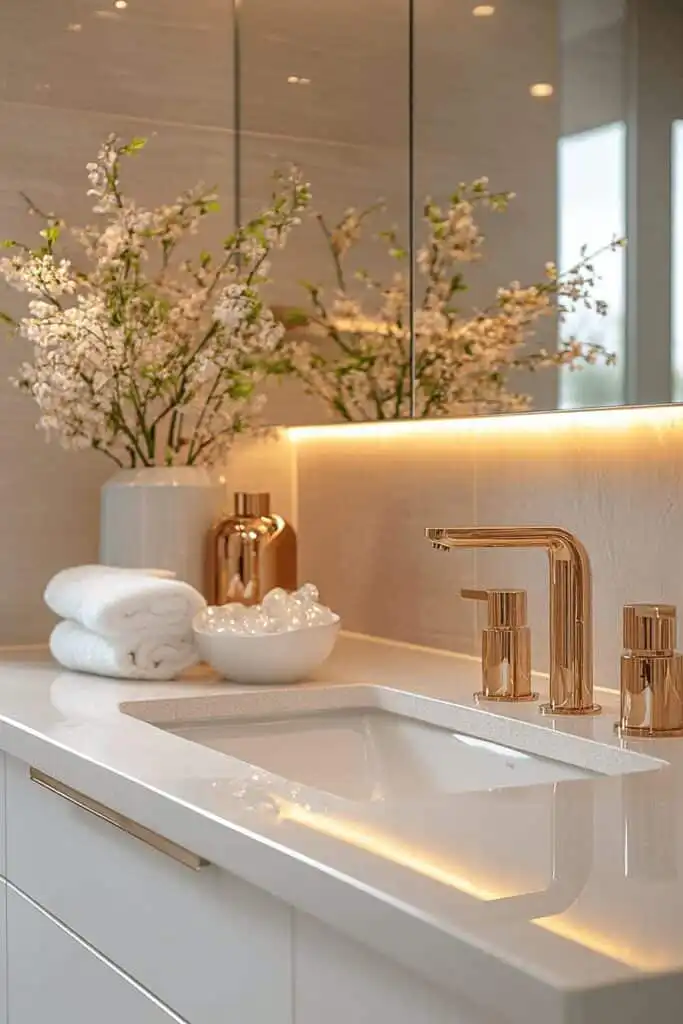
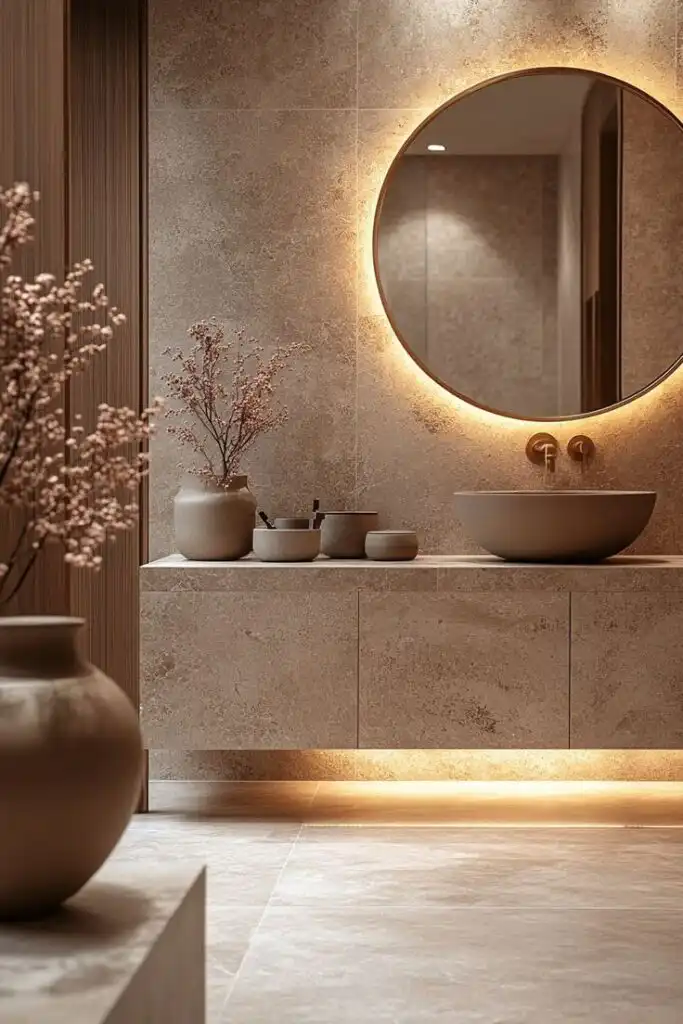
Bathrooms benefit immensely from restraint. Too many accessories can quickly feel cluttered.
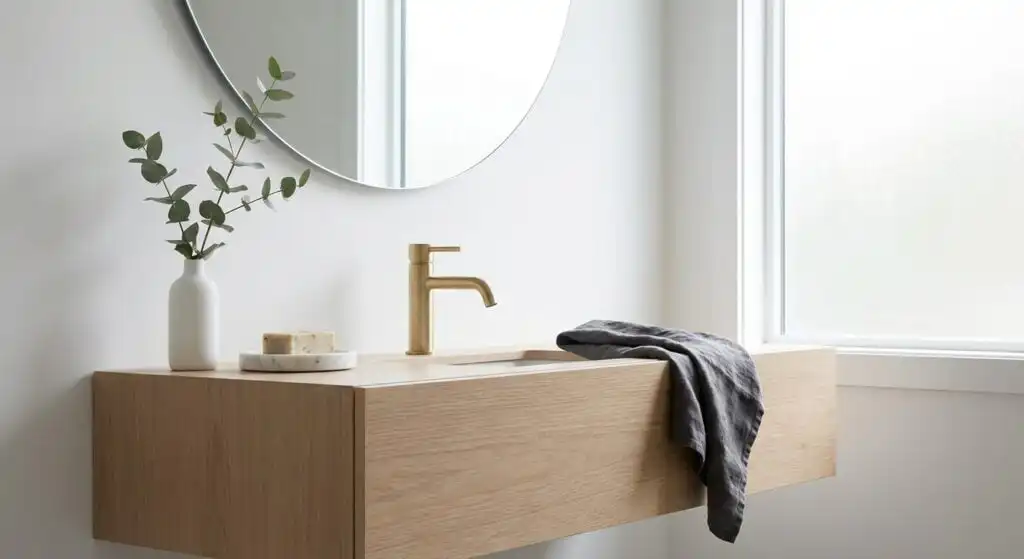
Accent Ideas That Elevate:
- Materials: Stone soap dispensers, glass containers, plush towels.
- Mirrors: Framed or backlit mirrors add depth and visual interest.
- Lighting: Soft, even lighting prevents harsh contrasts.
- Greenery: A single plant or branch introduces life without fuss.
Think spa-like simplicity rather than hotel excess.
Elegant Accents for Entryways and Hallways
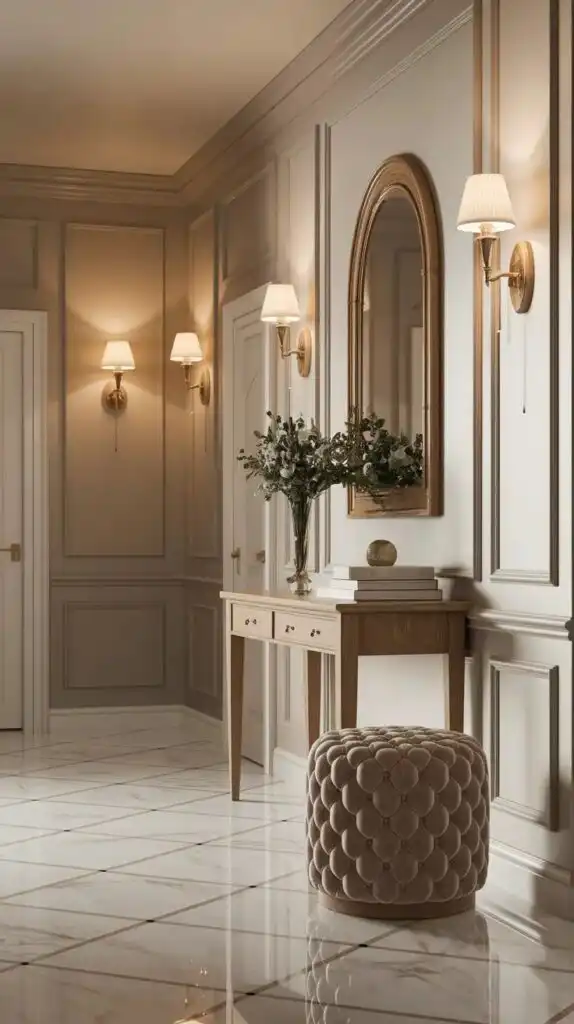
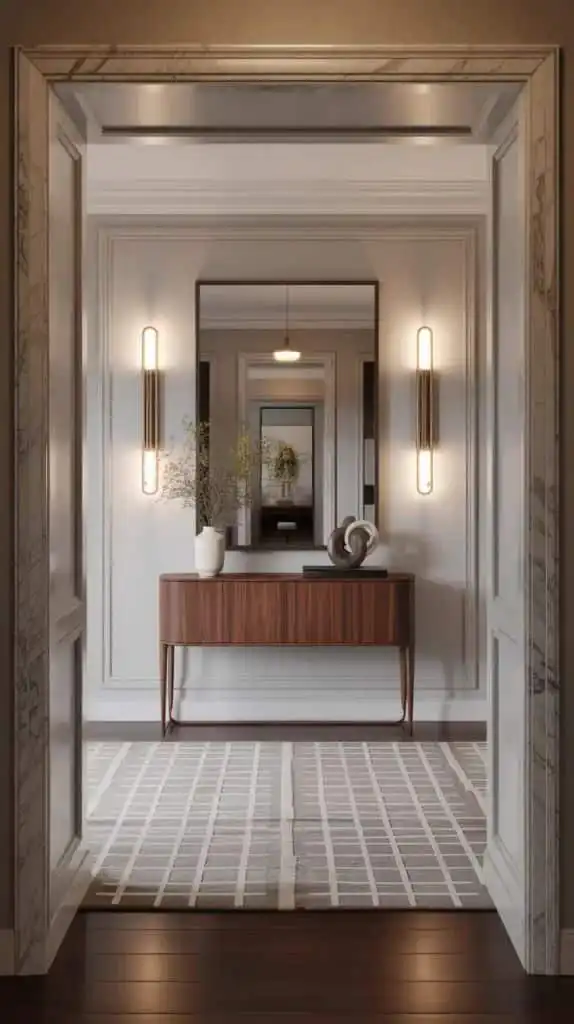
These transitional spaces set the tone for the entire home.
Accent Ideas That Elevate:
- Console Tables: Paired with a mirror or artwork above.
- Lighting: Wall sconces or a small lamp for warmth.
- Floor Runners: Neutral patterns with subtle texture.
- Minimal Storage: Beautiful trays or bowls for keys instead of clutter.
A refined entryway signals intention from the moment someone enters.
Timeless Materials That Signal Elegance
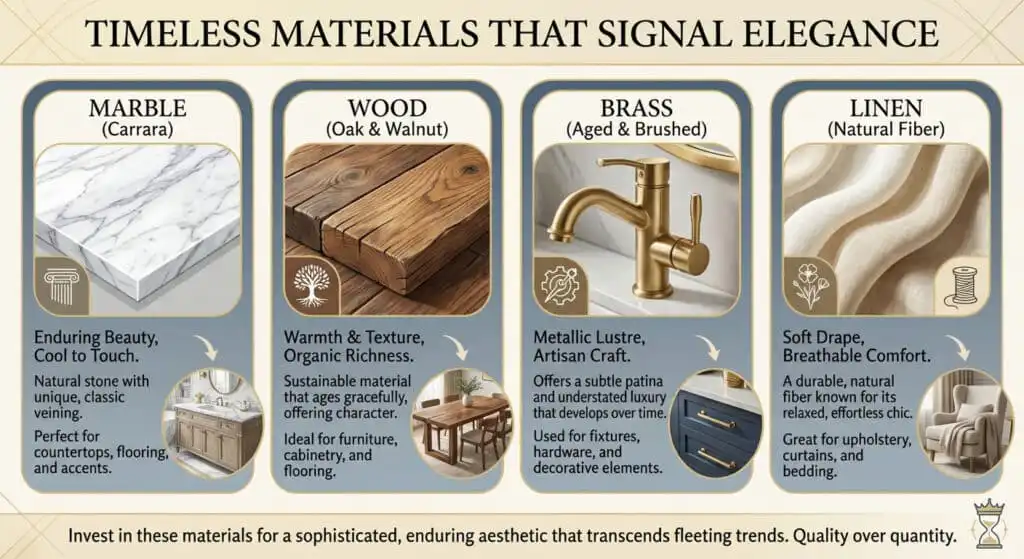
Certain materials consistently communicate refinement across styles:
- Natural Stone: Marble, travertine, limestone
- Metals: Brass, bronze, brushed nickel
- Textiles: Linen, wool, cotton, velvet
- Wood: Oak, walnut, ash in natural finishes
- Glass: Clear, smoked, or lightly textured
Using these materials sparingly and consistently enhances longevity.
Elegant Accents vs. Trends: What Lasts?
Trends can inspire, but elegance relies on adaptability. Instead of chasing seasonal décor, focus on accents that evolve with your space.
Timeless choices:
- Neutral color palettes
- Simple silhouettes
- Natural materials
- Balanced proportions
You can always introduce trend-forward touches through easily replaceable items like cushions or florals.
How to Add Elegant Accents Without Overdoing It
A helpful rule: remove one item after you think you’re finished. Editing is often what elevates a space from decorated to elegant.
Ask yourself:
- Does this object add value or just fill space?
- Does it support the room’s overall tone?
- Is there enough negative space?
Elegance often appears effortless, but it is the result of thoughtful subtraction.
Final Thoughts: Elegance Is in the Details
Elegant accents are not about impressing guests—they’re about creating spaces that feel grounded, intentional, and quietly beautiful. They invite you to slow down, notice texture and light, and appreciate the harmony of your surroundings.
By focusing on quality, restraint, and thoughtful placement, you can design interiors that feel timeless rather than trendy. Whether you update one room or your entire home, elegant accents offer the most impactful transformation with the least disruption.
Because in the end, elegance isn’t about doing more—it’s about choosing better.
Frequently Asked Questions About Elegant Accents
What are elegant accents in interior design?
Elegant accents are subtle design details—such as lighting, textiles, hardware, and decorative objects—that enhance a space without overwhelming it. They focus on balance, quality materials, and intentional placement rather than bold statements or excess décor.
How do elegant accents differ from decorative accessories?
Decorative accessories often exist purely for visual interest, while elegant accents serve both aesthetic and functional purposes. Elegant accents are carefully edited, cohesive with the overall design, and chosen to create harmony rather than draw attention to themselves.
Can elegant accents work in small spaces?
Yes. In fact, elegant accents are especially effective in small spaces. Using fewer, higher-quality accents—such as a single mirror, refined lighting, or layered textiles—helps small rooms feel intentional, open, and sophisticated rather than crowded.
What colors are best for elegant home accents?
Neutral and muted tones work best for elegant accents, including soft whites, beige, taupe, gray, warm browns, and subtle metallics. These colors create a timeless foundation and allow texture and material to provide visual interest.
- 501shares
- Facebook0
- Pinterest501
- Twitter0
- Reddit0