Interior design has shifted toward a calmer and more intentional way of living. Homeowners want rooms that feel open, functional, and emotionally supportive rather than cluttered or overstimulating. Space planning has become one of the most critical design tools for creating living environments that feel balanced and visually cohesive. When every item has a place and every room has a purpose, the home becomes easier to maintain and more enjoyable to live in.
People who want a home that feels peaceful often begin by rethinking how they use their current square footage. Space optimization is not about having a large home. It is about making thoughtful choices that allow the layout, storage, and design elements to work together so the home feels spacious regardless of its size. This process helps people express personal style while also creating homes that function smoothly in everyday life.
Rethinking Room Purpose for Better Flow
Many homes contain underused spaces that could be performing a more meaningful role. Guest rooms become catch-all storage areas. Dining rooms sit unused even though families eat in the kitchen. Corners of living rooms collect piles of items that do not belong anywhere else. These patterns are common, yet they reduce the flow of a space.
Reimagining the room’s purpose helps unlock square footage that is already available. A rarely used dining room can become a reading lounge. An extra bedroom can transform into a workspace, wellness room, or creative studio. Families who rethink room purpose often feel as if their home has expanded without needing to renovate or add square footage.
This process begins with a simple question: what would make daily life easier or more enjoyable? Once the goal becomes clear, the layout can follow. Furniture placement, lighting, and storage solutions then serve the new purpose of the room, creating a unified and intentional design.
Using Vertical Design to Create Breathing Room
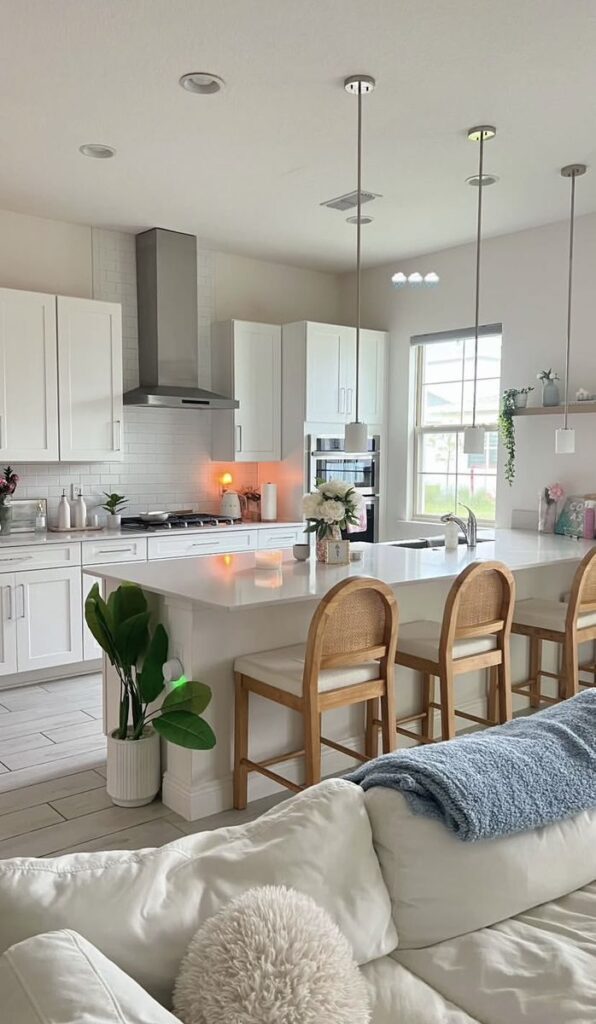
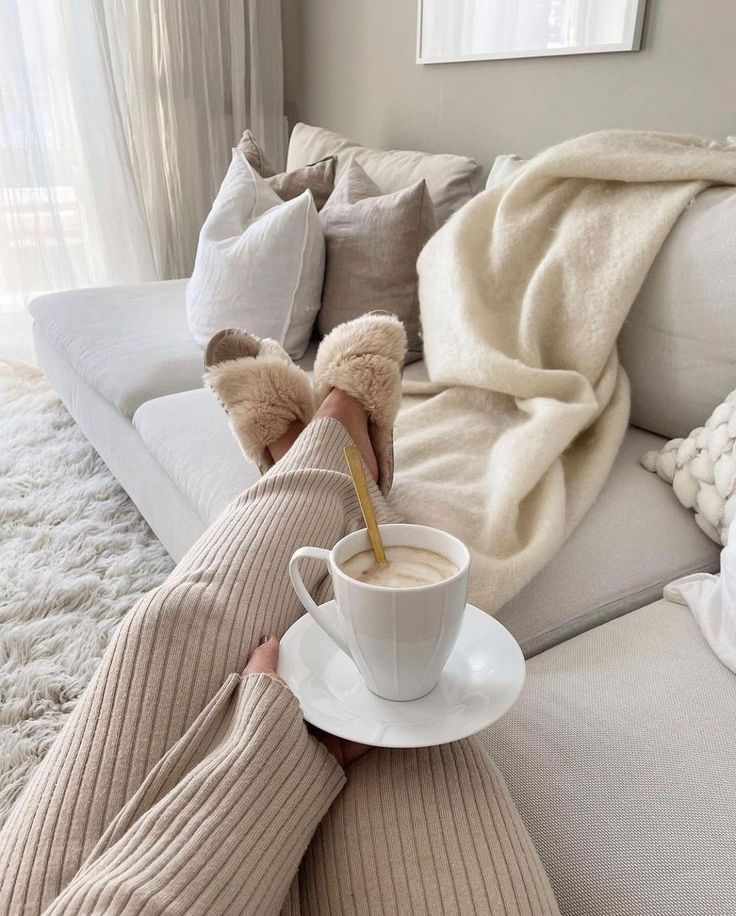
Interior design is not only about the footprint of a room. Vertical space plays a major role in how open or crowded an environment feels. Shelving, wall hooks, tall storage units, and elevated lighting fixtures can free up floor space and draw the eye upward, which makes a room feel taller and more expansive.
Designers often recommend using vertical solutions in smaller rooms such as bathrooms, offices, or entryways where every inch matters. Tall bookcases, mounted cabinetry, and floating shelves create functional storage without overwhelming the space. These elements also add visual rhythm, helping the room feel structured and intentional.
Homeowners who prioritize clean lines and minimalist aesthetics frequently rely on vertical design to maintain openness. When floor areas remain clear, the home feels calmer and easier to navigate.
The Role of Off-Site Storage in Interior Simplicity
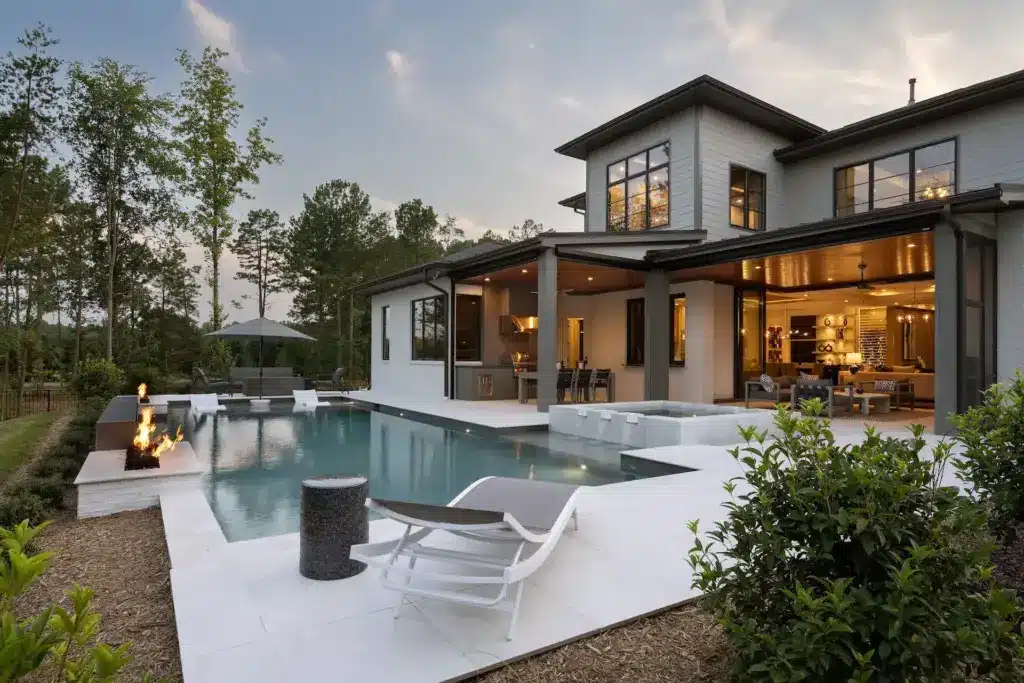
Creating a visually peaceful home sometimes involves relocating items that you don’t use daily. This approach allows people to keep sentimental belongings, seasonal decor, sports gear, and hobby materials without crowding their interior spaces. Off-site storage becomes a practical tool for anyone who wants a clean aesthetic but also needs flexibility.
When homeowners evaluate storage options in their area, they often look for facilities that offer a range of unit sizes so they can store items without overcommitting to large spaces. People living in expanding cities often explore local storage solutions to temporarily move belongings during renovations or while refreshing their interior layout. Homeowners frequently reference local options when they need secure space during home transformations.
This approach keeps the home focused on daily living while still honoring sentimental or seasonal belongings that do not need to take up everyday space.
Building Functional Corners That Support Daily Routines
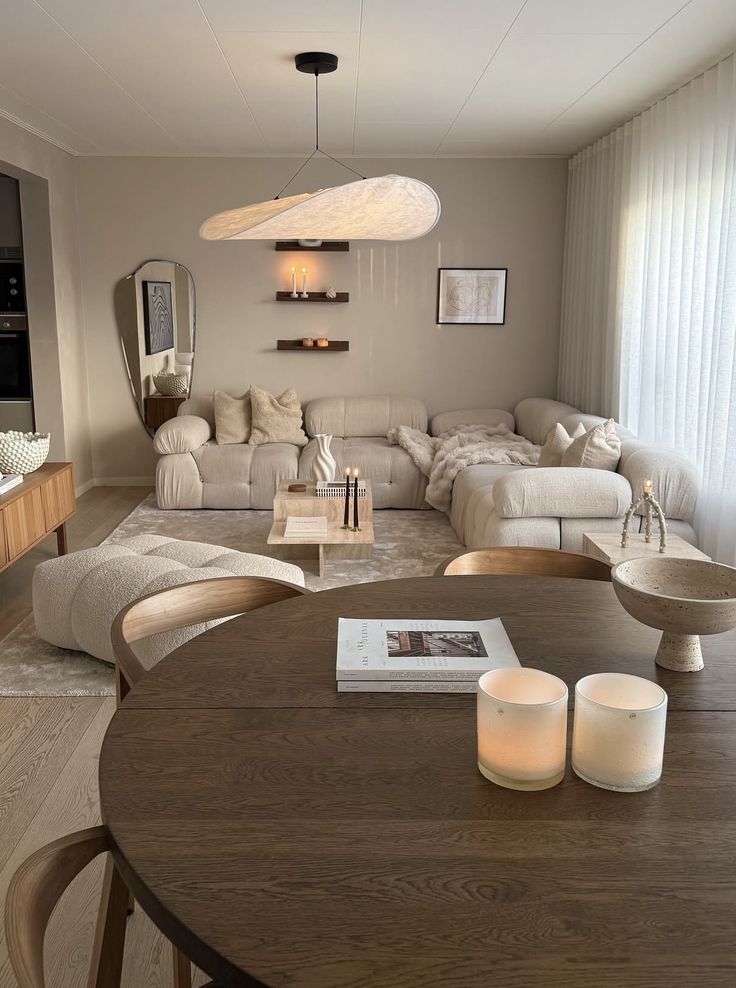
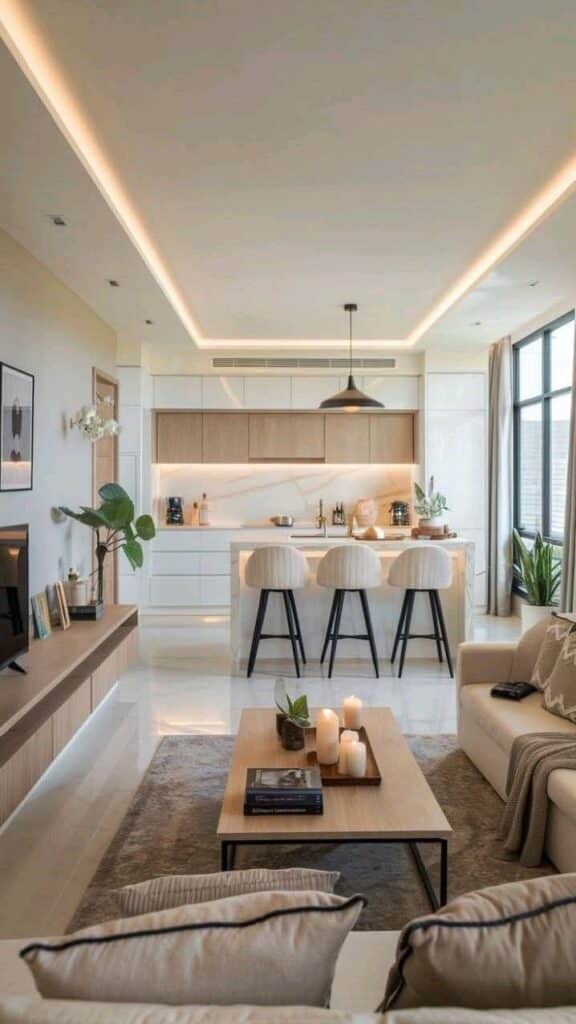
Small corners often hold untapped design potential. These overlooked spaces can become highly functional when you shape them with clear intention. Homeowners have turned empty corners into reading nooks, coffee stations, pet areas, plant displays, or compact craft stations. Each of these ideas supports daily rhythms while adding personality to the interior design.
Two popular approaches include:
Creating micro zones
Micro zones use a small amount of space to support a single purpose. A small shelf, comfortable chair, or café-style side table can turn an unused corner into a favorite spot in the home.
Layering textures
Textiles, lighting, and natural materials help define a corner without overwhelming it. A soft throw blanket, woven basket, or warm-toned lamp introduces comfort and dimension.
These small design decisions make the home feel curated without requiring significant changes.
Color and Light Shape the Feeling of Space
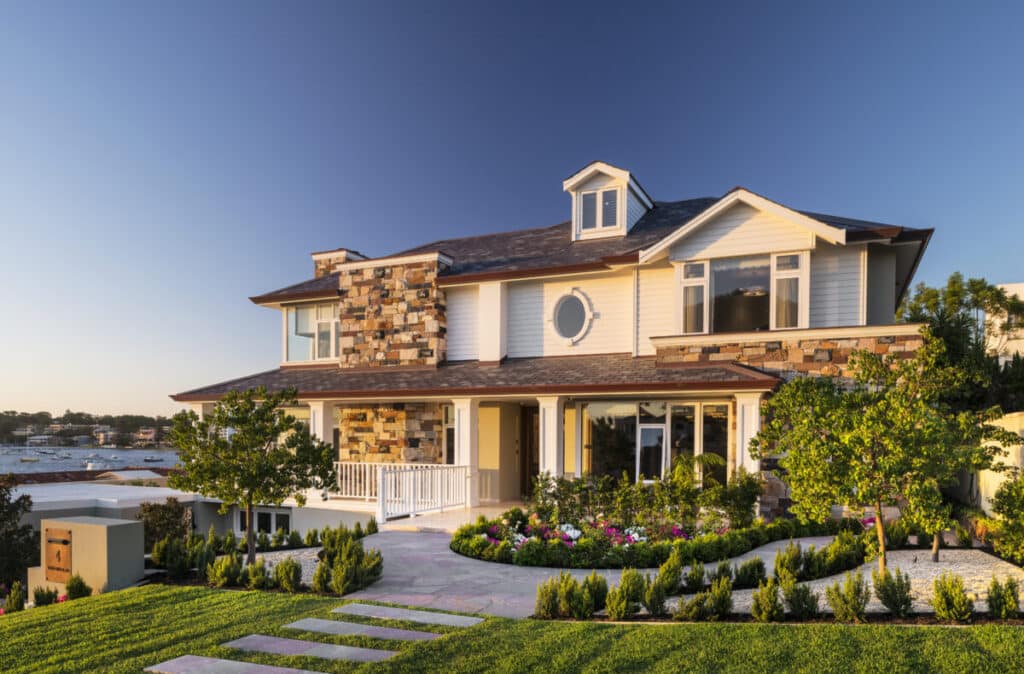
Color palettes influence how spacious a room feels. Light neutrals help reflect natural light and create the impression of openness. Soft greens, pale blues, and warm beiges bring a sense of calm while maintaining a clean, airy atmosphere. You can use darker tones thoughtfully to create depth, but they are often balanced with lighter elements so the room does not feel crowded.
Lighting also plays a crucial role. A layered lighting plan with overhead fixtures, table lamps, and accent lighting adds structure and flexibility. Lighting allows homeowners to shift the mood of the room and highlight design features.
When you light rooms well, their best characteristics emerge. Corners feel intentional. Artwork becomes more noticeable. Textures take on dimension. Even small rooms feel larger when you distribute lighting evenly.
Multifunctional Furniture Supports Cleaner Design
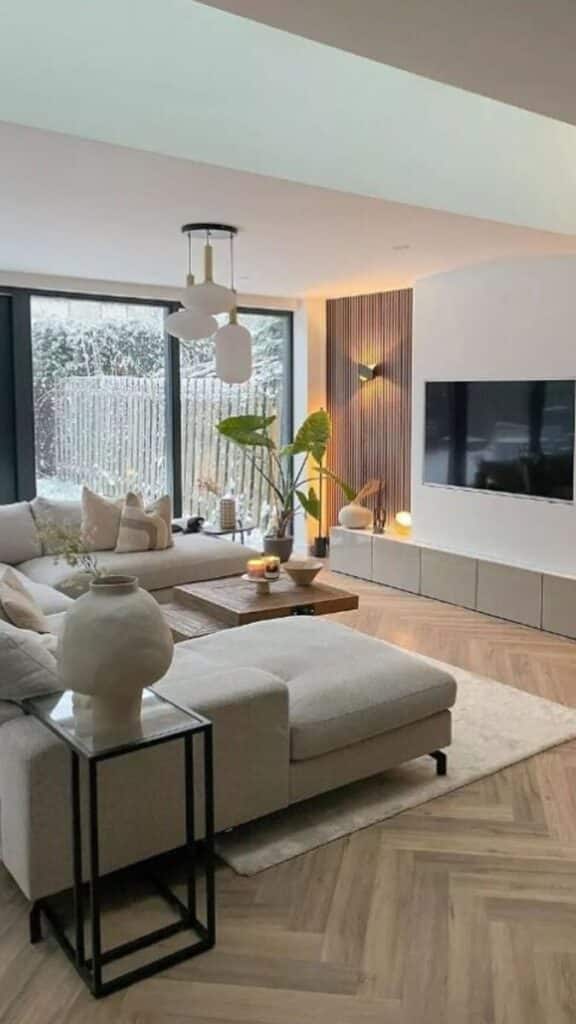
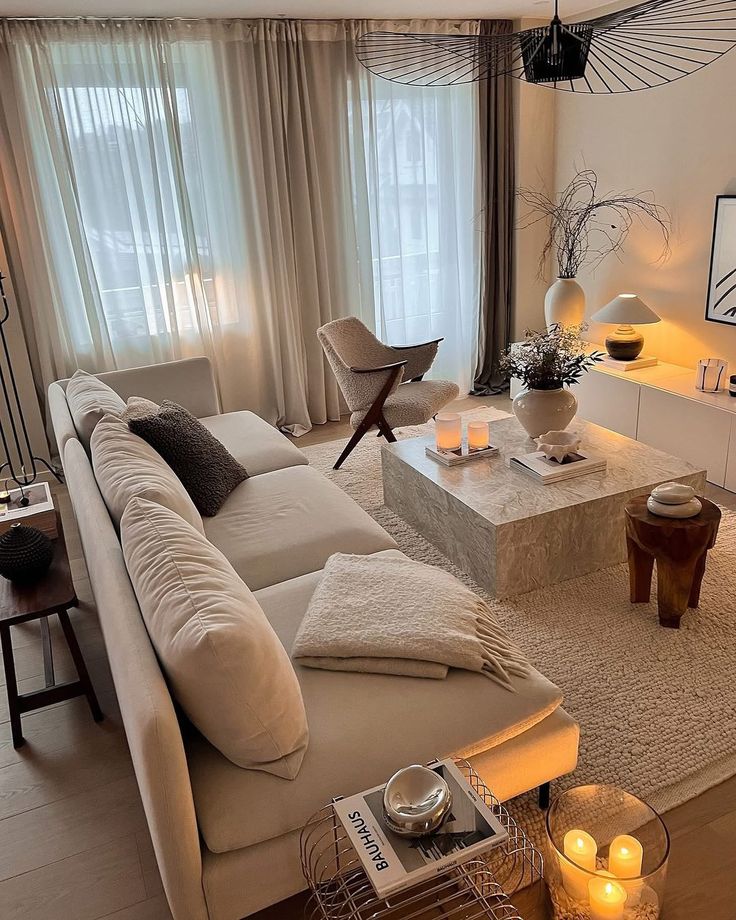
Furniture pieces that serve more than one purpose reduce clutter and improve organization. Storage benches, lift-top coffee tables, nesting side tables, and sofa beds help maintain a tidy home while supporting flexible lifestyles.
Families often use multifunctional furniture in living rooms, children’s rooms, and home offices where belongings tend to accumulate. These pieces hide everyday items while still keeping them accessible. This helps maintain a sleek interior style that aligns with modern design values.
Creating Homes That Feel Balanced and Personalized
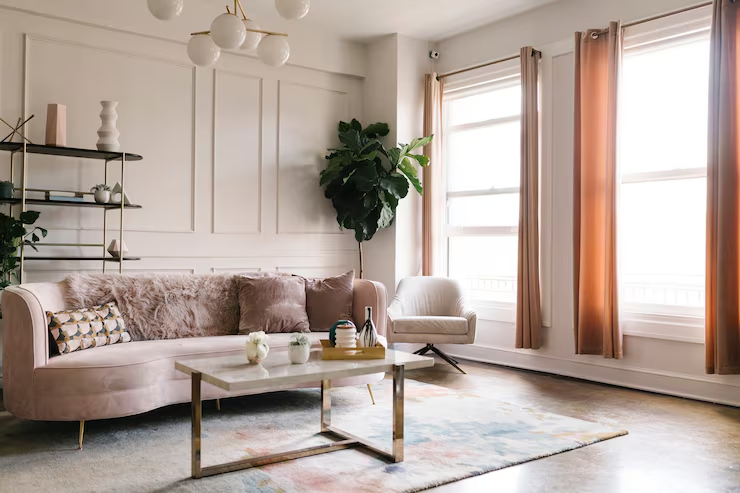
Space optimization is not about removing items until nothing remains. It is about arranging the home in a way that supports comfort, creativity, and clarity. When homeowners approach design with intention, they create environments that reflect both their style and their needs.
Interior spaces that feel open and organized give people room to breathe. Families move through their homes more freely. Daily routines become smoother, and interior environments begin to support well-being rather than overwhelm it.
Designing a home that feels balanced takes time, experimentation, and a willingness to explore what truly matters. Once those elements come together, the home becomes a place where beauty and practicality naturally coexist.
- 235shares
- Facebook0
- Pinterest232
- Twitter3
- Reddit0