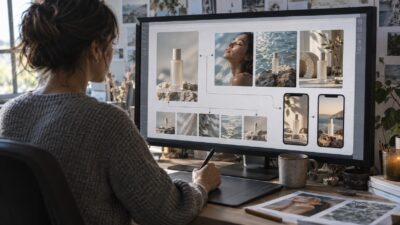
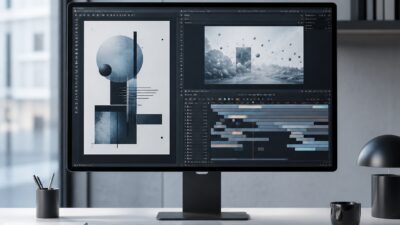
Imagine a world where the tedious hours spent perfecting an image vanish, replaced by intelligent algorithms that understand your vision. Where complex adjustments become instant, and creative possibilities explode far beyond manual limits. This isn’t a futuristic dream; it’s the electrifying reality of AI in photo editing, a revolution that’s fundamentally transforming how we create, enhance, and interact with images. For photographers, designers, and even casual smartphone users, Artificial Intelligence is no longer just a buzzword – it’s an indispensable co-pilot, ready to elevate every pixel to perfection.
This isn’t just about automation; it’s about augmentation. AI isn’t here to replace human creativity, but to amplify it, allowing us to focus on the artistic choices that truly matter. From effortlessly removing distracting elements to crafting breathtaking visual styles, AI photo editors are empowering creators like never before. Get ready to dive into the astonishing capabilities of AI and discover how it’s not just speeding up your workflow, but fundamentally reshaping the very essence of image creation.
The Dawn of a New Era: What is AI in Photo Editing?
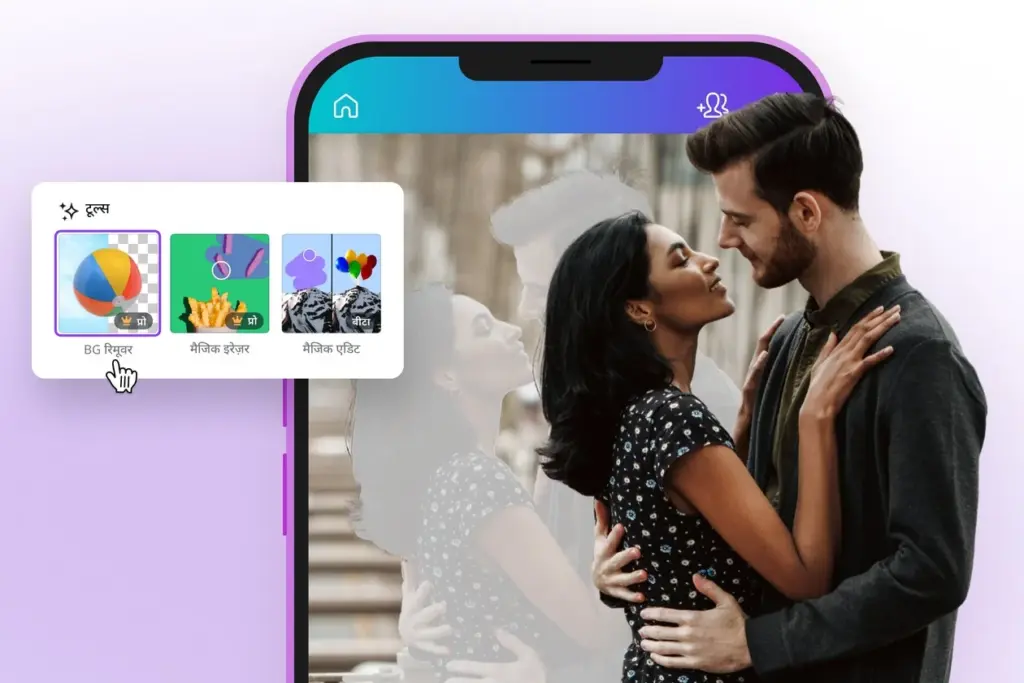
At its core, AI in photo editing refers to the application of artificial intelligence and machine learning algorithms to automate, enhance, and streamline various aspects of image manipulation. Unlike traditional editing, which relies on manual input and predefined filters, AI-powered tools ‘understand’ the content of an image. They can identify objects, differentiate between foreground and background, detect faces, analyze lighting, and even interpret artistic styles.
This understanding is born from sophisticated neural networks trained on vast datasets of images. These networks learn patterns, relationships, and common visual elements, enabling them to perform complex tasks with remarkable accuracy and speed. Think of it as having an incredibly skilled, lightning-fast assistant who has studied millions of photos and knows precisely how to achieve a desired outcome. This ‘intelligence’ allows for operations that were once time-consuming or even impossible for human editors, opening up a universe of creative opportunities.
Unleashing Creative Superpowers: Key AI-Powered Features


The impact of AI in photo editing is perhaps most evident in the array of powerful features it brings to the table. These aren’t just minor tweaks; they’re game-changers that redefine what’s possible with a few clicks.
Automated Enhancements and Corrections
Gone are the days of painstakingly adjusting individual sliders for exposure, contrast, and color balance. AI can analyze an image and apply intelligent, context-aware enhancements in seconds.
- Auto-Correction: AI can intelligently correct common issues like underexposure, overexposure, and color cast, producing a balanced and natural-looking image.
- Smart Color Grading: Beyond basic white balance, AI can suggest and apply sophisticated color grades that match specific moods or photographic styles, learning from professional examples.
- Dynamic Range Optimization: AI can intelligently lift shadows and recover highlights, preserving detail in challenging lighting conditions without creating an artificial “HDR” look.
Intelligent Object Selection & Removal
This is where AI truly shines, performing tasks that used to require meticulous masking and cloning.
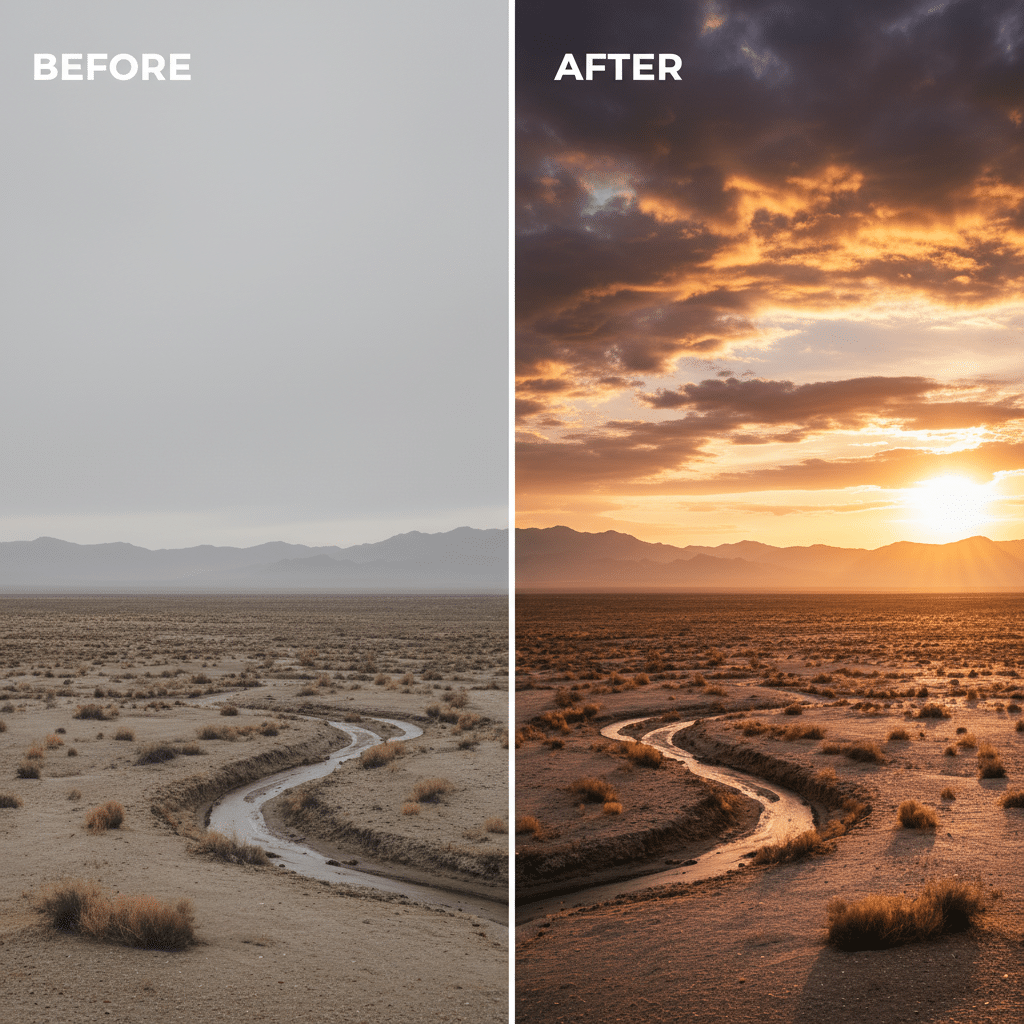
- Sky Replacement: With a single click, AI can detect the sky in an image and seamlessly replace it with a more dramatic or appropriate one, adjusting reflections and lighting to match.
- Background Removal: Whether it’s for e-commerce product shots or compelling portraits, AI can accurately cut out subjects from their backgrounds, even with complex hair or intricate details.
- Content-Aware Fill & Object Removal: Accidentally included a distracting element? AI can magically remove unwanted objects or people from your photos, intelligently filling the void with content that matches the surrounding area, making it appear as if the object was never there. This is a lifesaver for clean compositions, whether you’re tidying up a landscape or refining an interior shot. Imagine removing an unsightly lamppost from an otherwise perfect landscape or clearing clutter from a beautiful interior design photo, as discussed in our exploration of 11 restaurant interior design ideas for 2025.
Advanced Retouching & Beautification
AI has become an invaluable ally for portrait photographers and those looking to refine human subjects.
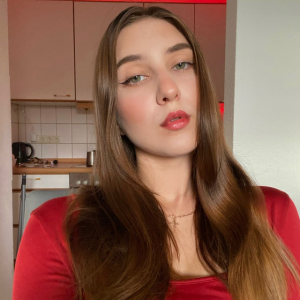
- Skin Smoothing & Blemish Removal: AI can detect skin texture and intelligently smooth imperfections, reduce wrinkles, and remove blemishes while preserving natural detail.
- Eye Enhancement: Brighten eyes, enhance irises, and remove red-eye with astonishing precision.
- Body Reshaping (Subtle): Some tools offer AI-guided adjustments for subtle body reshaping, used with discretion to enhance proportions without distortion.
Style Transfer & Creative Filters
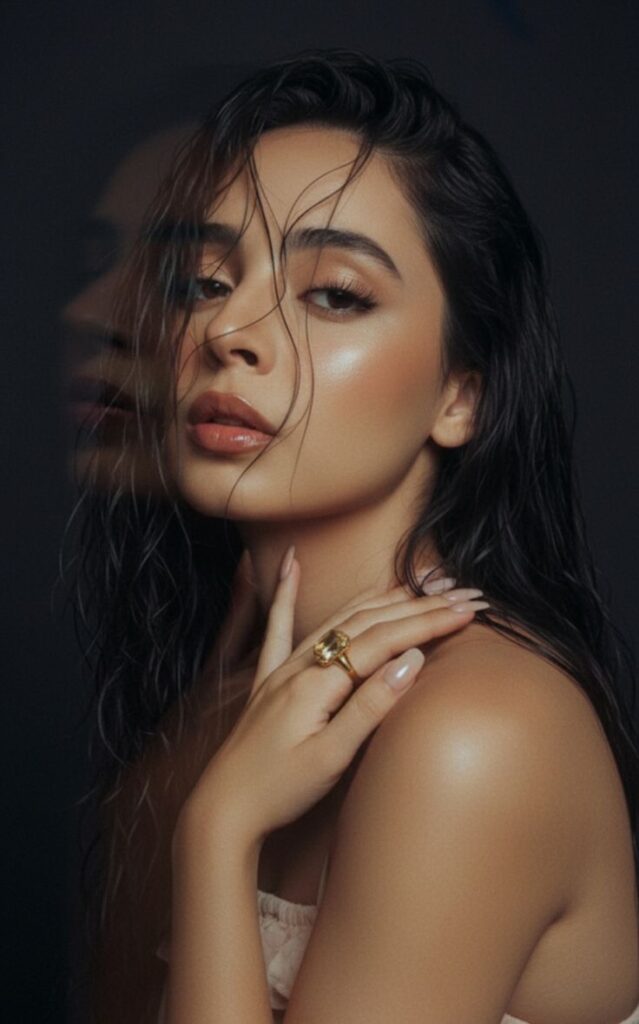
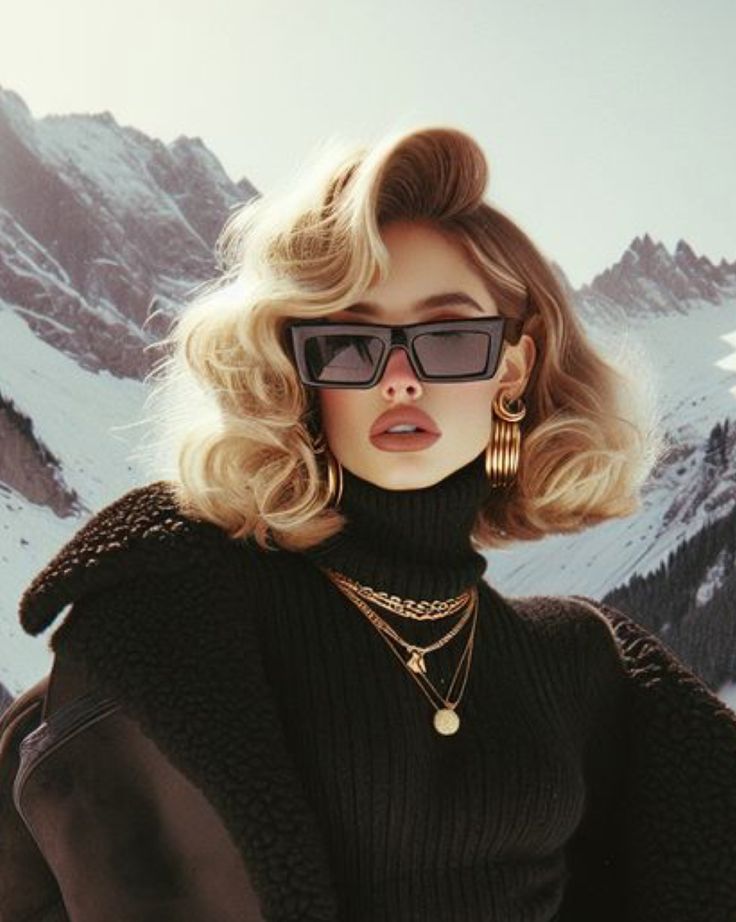
Venturing into the realm of artistic expression, AI can transform your photos into works of art.
- Artistic Style Transfer: AI algorithms can learn the unique brushstrokes, color palettes, and stylistic elements of famous paintings or abstract art and apply them to your photographs, creating entirely new visual interpretations. This process can lead to stunning, unique pieces, akin to exploring new avenues for creating abstract art in Photoshop liquid paint effect.
- Smart Filters: Beyond simple overlays, AI-powered filters can analyze image content and apply effects that are tailored to the scene, such as enhancing foliage in a forest shot or adding drama to a cityscape.
Upscaling & Denoising
Resolving technical limitations has never been easier.
- Super Resolution (Upscaling): Need to print a small image at a larger size? AI can intelligently upscale low-resolution photos, adding details and sharpness that traditional resizing methods simply cannot replicate.
- Denoising & Sharpening: AI can identify and remove digital noise (grain) from high-ISO images while simultaneously sharpening crucial details, resulting in cleaner, crisper photographs.
Smart Cropping & Composition
Even the fundamental act of cropping benefits from AI’s intelligence.
- AI-Suggested Crops: Some tools can analyze the subject and composition of an image and suggest optimal crops based on aesthetic principles like the rule of thirds or golden ratio, often saving time and revealing stronger compositions.
- Perspective Correction: Automatically straighten skewed lines and correct lens distortions, especially useful for architectural photography.
How AI is Revolutionizing Different Photography Niches
AI isn’t a one-size-fits-all solution; its adaptability makes it incredibly powerful across diverse photographic disciplines. Each niche benefits uniquely from AI’s precision and speed.
Portrait Photography: Flawless Perfection
For portrait photographers, AI is a godsend. It handles repetitive, time-consuming tasks with remarkable finesse. Imagine batch processing a wedding album, where AI automatically applies consistent skin smoothing, eye enhancements, and lighting adjustments across hundreds of images. What once took hours of meticulous brushwork can now be done in minutes, allowing the photographer to focus on the artistic interpretation and connection with the subject rather than technical touch-ups. AI helps achieve that coveted “magazine look” without making subjects appear artificial, maintaining authenticity while refining details.
Landscape Photography: Enhancing Nature’s Grandeur
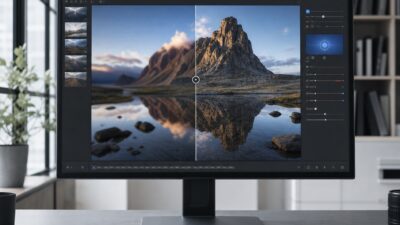
Landscape photographers thrive on capturing breathtaking scenes, but even the most stunning vista can be improved by AI. Tools can instantly replace dull skies with dramatic ones, intelligently adjust local contrast to bring out texture in rocks and clouds, and optimize dynamic range to mimic the incredible detail the human eye perceives. AI helps enhance the majesty of nature without resorting to unrealistic oversaturation, delivering vibrant yet natural-looking results that truly pop.
Product Photography: Consistency and Appeal

In the world of e-commerce, consistency is king. AI is revolutionizing product photography by providing immaculate, uniform results. It can automatically remove backgrounds, ensuring every product shot has a clean, professional look. AI can also standardize lighting and color across product lines, ensuring brand consistency. This not only saves immense amounts of time but also elevates the perceived quality of products, directly impacting sales.
Real Estate Photography: Selling the Dream
First impressions are everything in real estate. AI tools can digitally stage empty rooms, add virtual furniture, and even enhance exterior shots by replacing drab skies or fixing patchy lawns. This allows potential buyers to visualize a property’s full potential, even before construction is complete or renovations begin. AI can also correct lens distortions inherent in wide-angle shots, making rooms appear more natural and spacious. For professionals trying to showcase properties and understand their value, exploring concepts like how to evaluate whether a property is worth building on becomes much more visual and compelling with AI-enhanced imagery.
Event Photography: Speed and Scale
Event photographers, such as those covering weddings or concerts, often deal with thousands of images under tight deadlines. AI-powered culling tools can quickly identify and flag blurry, poorly exposed, or duplicate shots, drastically reducing the initial selection process. Automated color correction and basic retouching across entire batches ensure a consistent look and feel throughout the event album, freeing up the photographer to focus on the storytelling aspect of their work.
The Workflow Revolution: AI as Your Creative Assistant
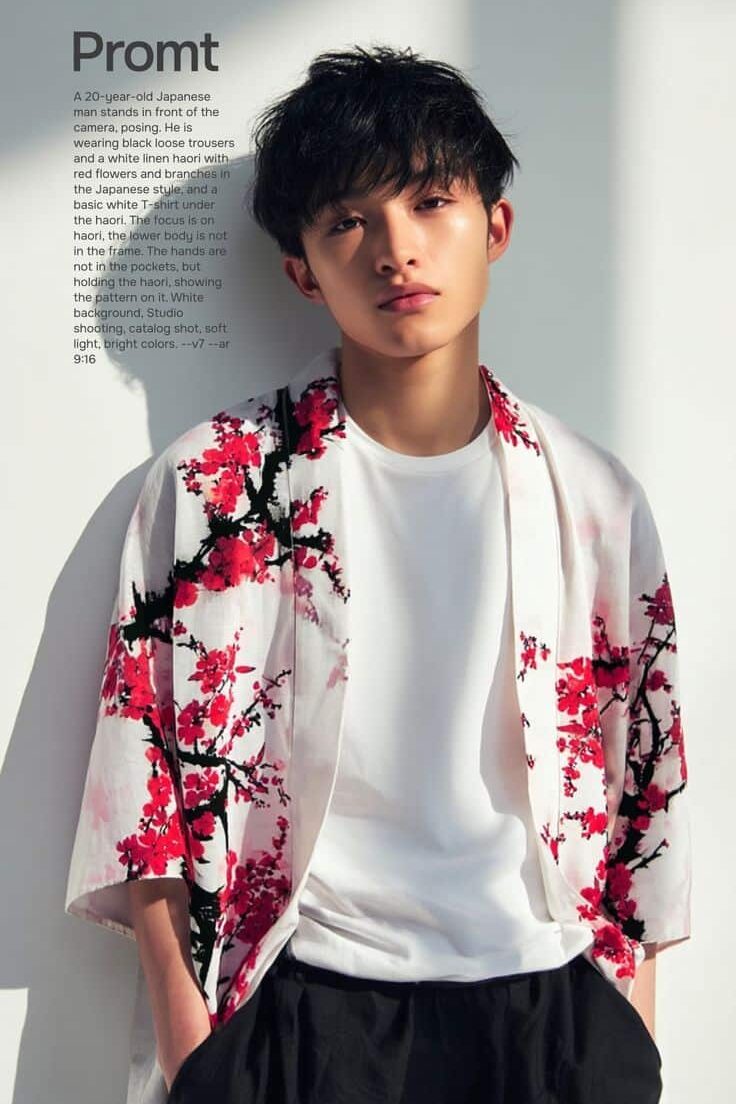
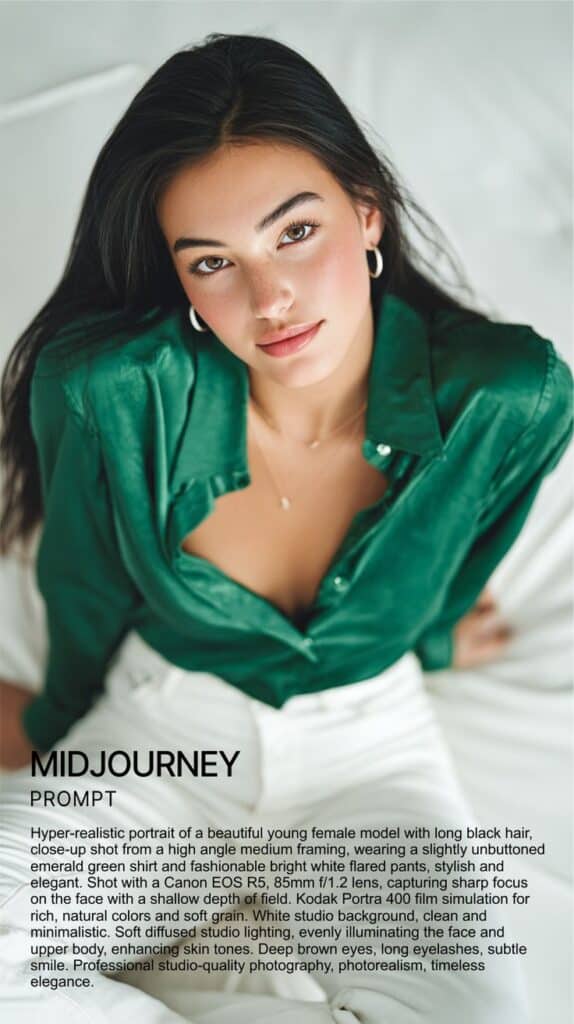
Perhaps the most profound impact of AI in photo editing is how it redefines the entire creative workflow. It’s not just about individual features; it’s about the holistic transformation of how we approach image creation from start to finish.
Speed and Efficiency
This is the most immediate and tangible benefit. Tasks that once took minutes or even hours can now be completed in seconds. Batch processing, object removal, and complex masking are no longer bottlenecks. This increased speed means photographers can take on more projects, meet tighter deadlines, and deliver results faster, directly impacting their productivity and profitability. The time saved from repetitive editing tasks can be redirected towards more creative pursuits or even improving your workspace, as discussed in transform your creative workspace at home.
Consistency Across Batches
Maintaining a consistent look and feel across a large set of images is a monumental challenge manually. AI’s ability to learn and apply uniform adjustments ensures that your entire portfolio, whether it’s a series of headshots or a sprawling architectural project, adheres to your desired aesthetic. This consistency builds brand recognition and professional polish.
Lowering the Barrier to Entry
AI democratizes high-quality photo editing. Beginners who might lack the intricate knowledge of manual Photoshop techniques can now achieve impressive results with user-friendly AI tools. This allows more people to express their creativity visually, fostering a broader community of image creators. While expert human judgment remains paramount for truly exceptional results, AI provides a powerful starting point and accelerates the learning curve.
Beyond the Basics: Emerging Trends and Future Possibilities
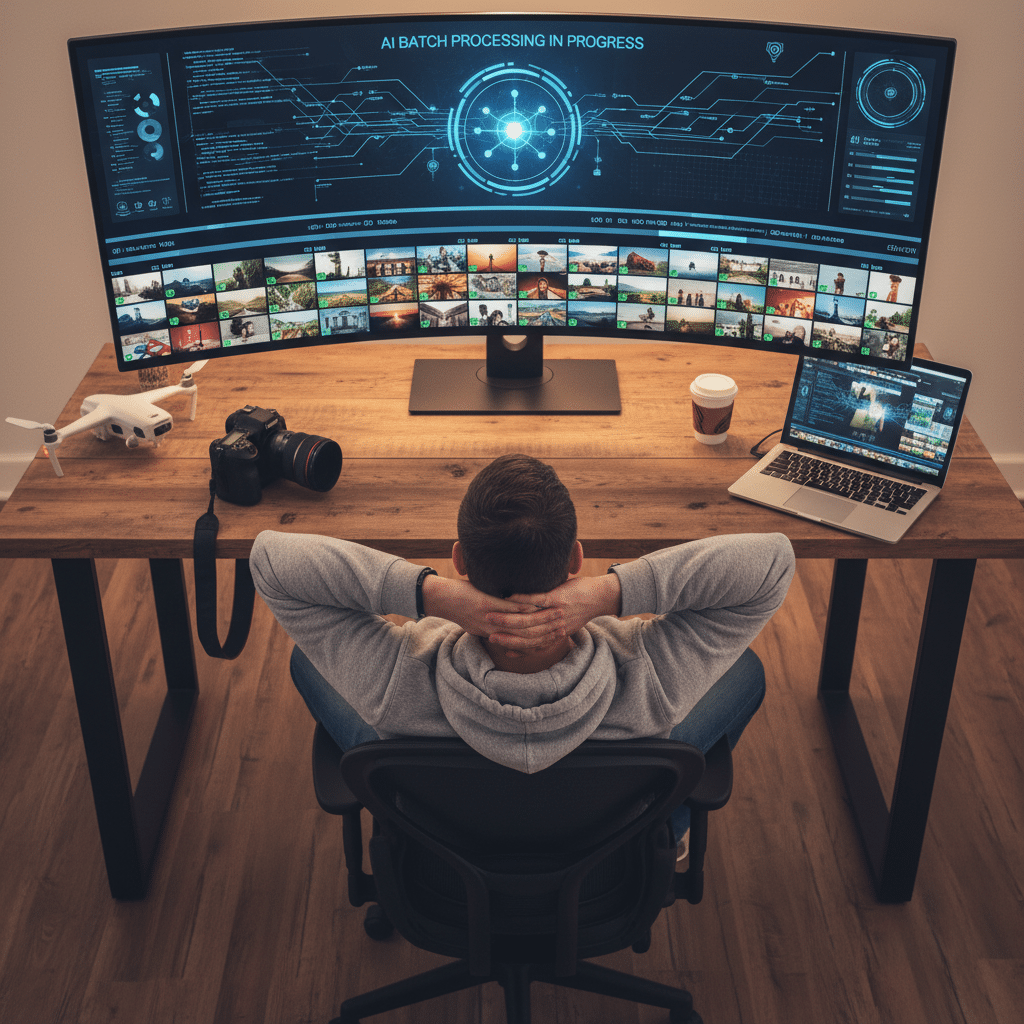
The current capabilities of AI in photo editing are nothing short of astounding, but the technology is evolving at an incredible pace. The future promises even more mind-bending possibilities.
Generative AI in Editing
This is a frontier that’s just beginning to open. Generative AI models, like those behind DALL-E or Midjourney, are moving beyond simple enhancements to create new image content.
- Text-to-Image Editing: Imagine typing “add a flock of birds to the sky” or “change the jacket to leather” and having the AI intelligently generate and integrate these elements into your existing photo, matching lighting and perspective.
- Object Generation: Beyond removal, AI could generate entirely new objects or even entire scenes based on textual prompts or simple sketches. This could revolutionize concept art and visual storytelling.
- Scene Expansion: AI could intelligently expand the borders of an image, generating plausible new content beyond the original frame, offering new cropping and compositional opportunities.
Personalized AI Models
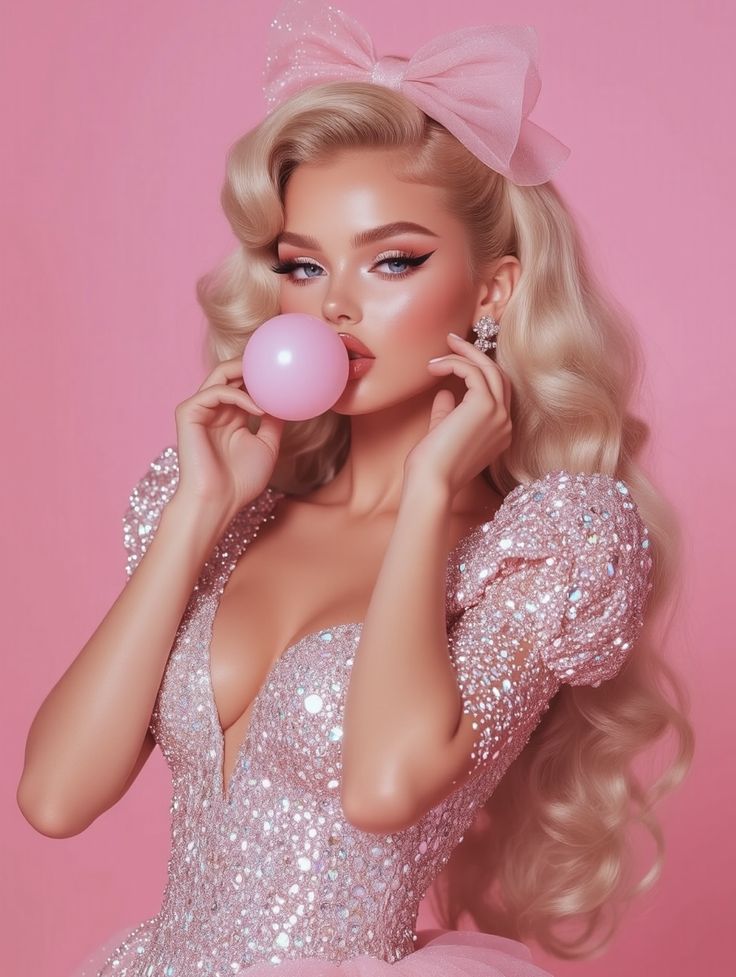

As AI integrates more deeply into our tools, we can expect it to become highly personalized. Imagine an AI that learns your specific editing style, your preferred color grades, and your common retouching habits. This personalized AI could then proactively suggest adjustments or even apply your signature look to new images with minimal input. It would become a true digital apprentice, understanding your artistic voice.
Real-time AI Editing
The current generation of AI tools often requires processing time. The next evolution will likely involve real-time AI editing, where adjustments appear instantly as you move sliders or make selections. This responsiveness will make the editing experience feel even more intuitive and fluid, blurring the lines between capture and post-production.
Ethical Considerations and Authenticity
As AI’s capabilities grow, so do the ethical considerations. The ease with which AI can alter reality brings questions of authenticity into sharper focus.
- Deepfakes: The ability to manipulate faces and bodies raises concerns about misuse and the creation of deceptive content.
- Bias in Algorithms: AI models are trained on existing data, which can sometimes contain biases. These biases can inadvertently be amplified in editing, affecting things like skin tone rendering or facial feature enhancements.
- Transparency: There’s a growing need for transparency regarding when and how AI has been used to alter an image, especially in journalism or legal contexts. Responsible development and clear communication will be crucial as these tools become more powerful.
Choosing Your AI Sidekick: Popular Tools and Software
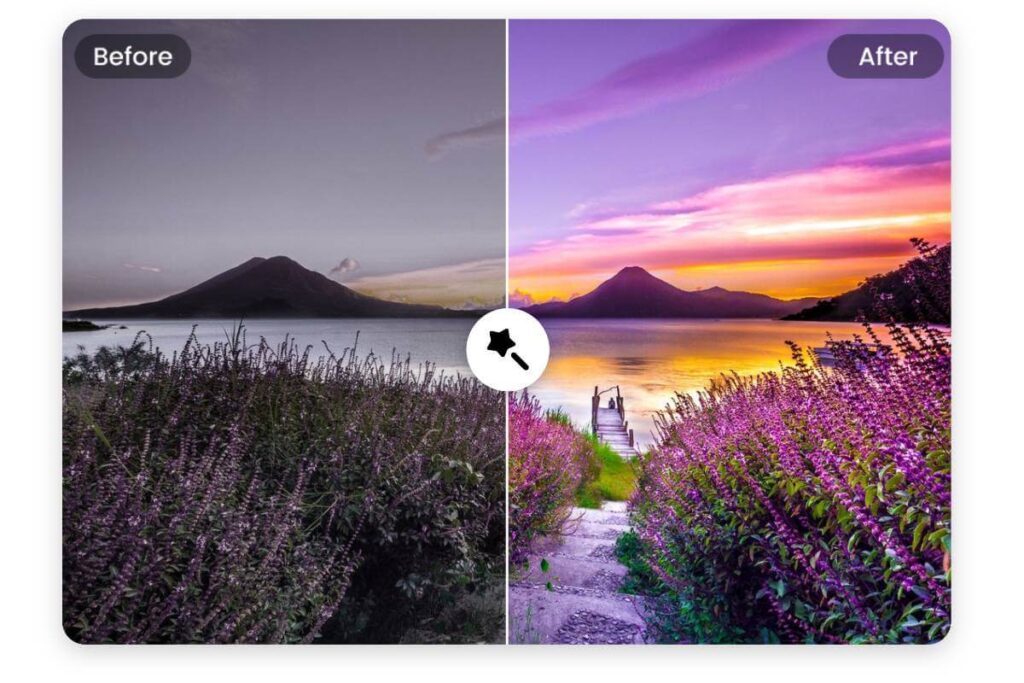
The market for AI-powered photo editing tools is booming, with both established giants and innovative newcomers vying for your attention. Each offers a unique blend of features and workflow integration.
Adobe Photoshop and Lightroom (Sensei AI)
Adobe has heavily invested in its “Sensei” AI engine, integrating powerful AI features directly into its industry-standard applications.
- Photoshop: Features like Sky Replacement, Neural Filters (for skin smoothing, style transfer, smart portrait adjustments), and Content-Aware Fill are all AI-driven.
- Lightroom: AI assists with automatic adjustments, intelligent culling, and even some advanced masking features, helping photographers manage and enhance large libraries with ease.
Skylum Luminar Neo
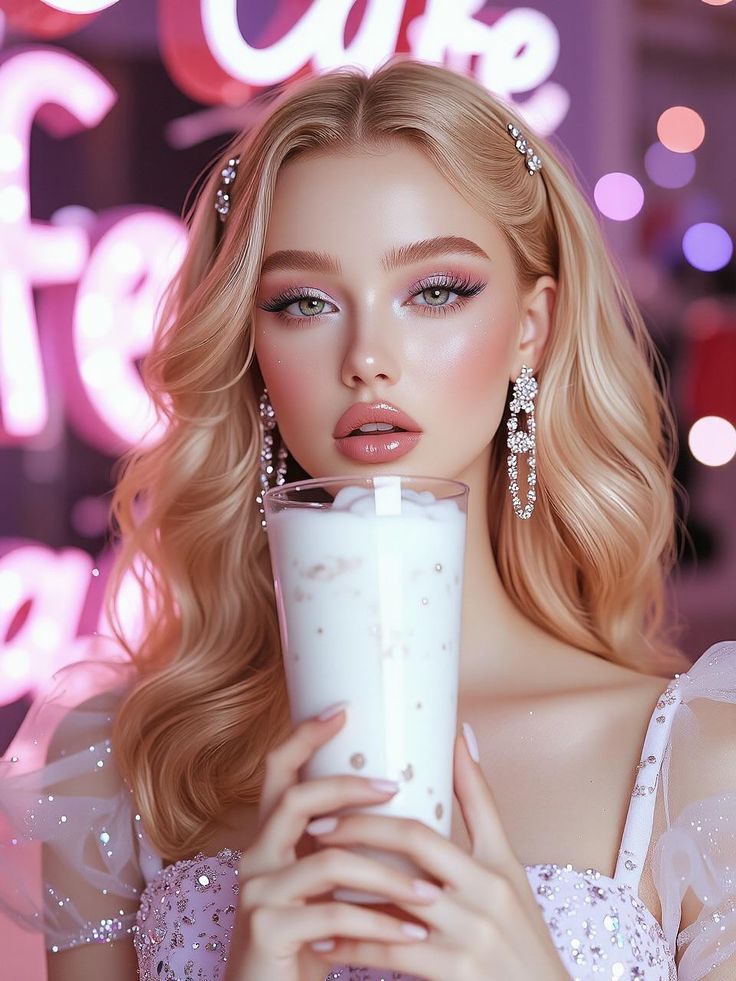

Luminar Neo is a strong contender known for its groundbreaking AI features that often simplify complex edits.
- Accent AI: A single slider that makes dozens of adjustments simultaneously.
- Sky AI: The renowned sky replacement tool that integrates seamlessly.
- Structure AI, Relight AI, Face AI: Dedicated AI tools for enhancing details, adjusting lighting, and refining portraits. Luminar Neo is designed to be intuitive and fast, making professional-looking edits accessible.
Topaz Labs Suite (Gigapixel AI, Denoise AI, Sharpen AI)
Topaz Labs specializes in highly specific, high-performance AI tools that excel at technical image improvement.
- Gigapixel AI: For unparalleled image upscaling, perfect for printing large formats from smaller originals.
- Denoise AI: Industry-leading noise reduction that preserves detail while eliminating grain.
- Sharpen AI: Intelligently sharpens images, correcting blur and enhancing fine details. These tools are often used by professionals for critical image optimization.
Capture One (Smart Adjustments)
While traditionally known for its exceptional raw processing and tethering capabilities, Capture One is also incorporating AI. Its Smart Adjustments feature uses AI to learn and apply optimal exposure, contrast, and white balance based on image analysis, providing a powerful starting point for professional edits.
Online AI Editors (e.g., remove.bg, VanceAI)
For quick, single-purpose AI tasks, numerous online tools offer instant results.
- remove.bg: Famous for its incredibly accurate one-click background removal.
- VanceAI: Offers a suite of online tools for image enhancing, upscaling, sharpening, and more, all powered by AI algorithms. These are excellent for quick edits without needing to download software.
Mastering AI: Tips for Photographers and Designers
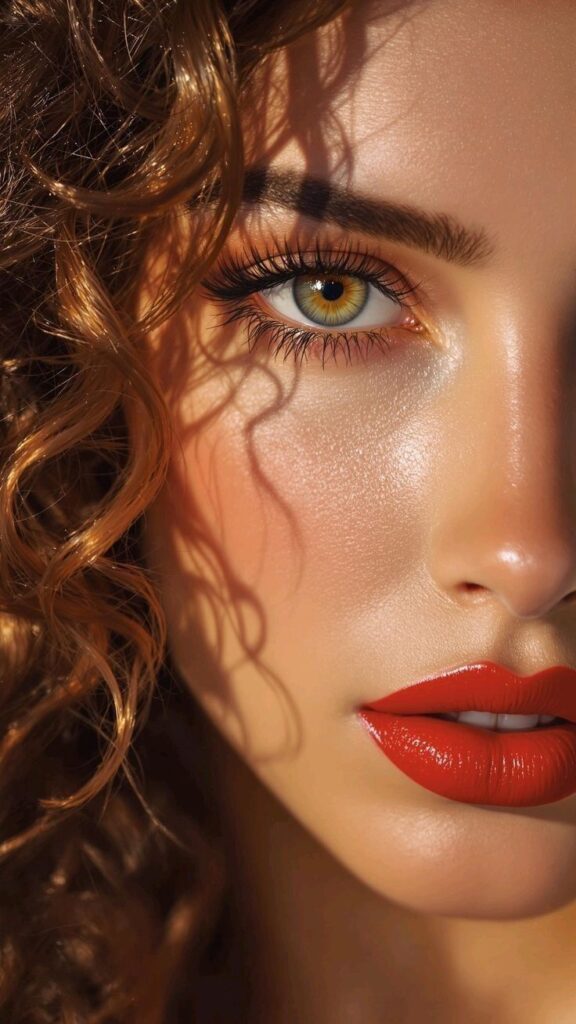
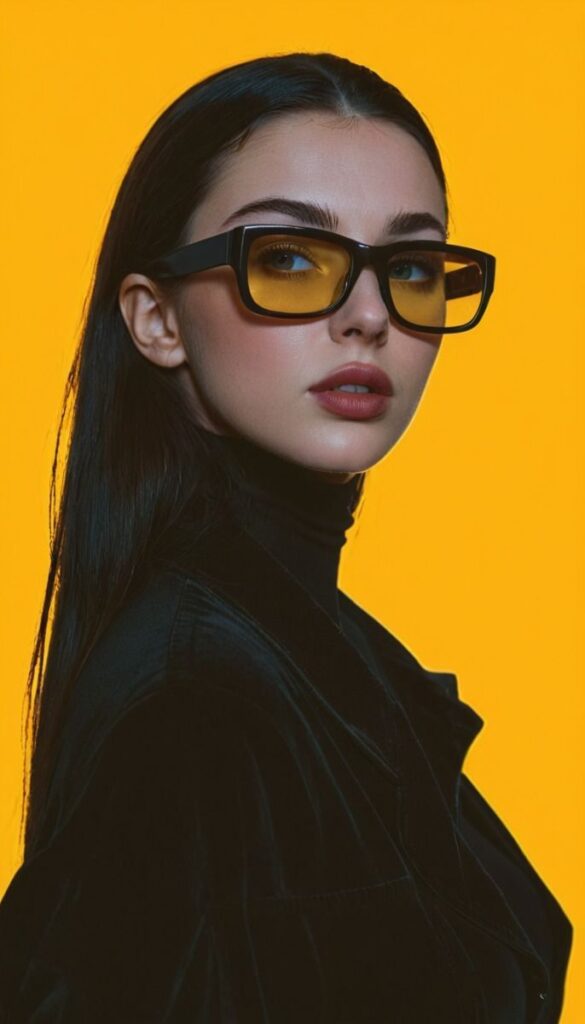
Embracing AI in your workflow is about more than just clicking buttons; it’s about learning to leverage its power intelligently. Here are some tips to truly master your AI sidekick.
- Start with the Basics: Don’t try to use every AI feature on every image. Begin by experimenting with fundamental tools like auto-correction, sky replacement, or background removal. Understand how they work and their limitations.
- Don’t Overdo It: AI is powerful, but it can also be overused. The goal is enhancement, not artificiality. Always review AI-generated changes critically. Subtle, natural-looking adjustments often yield the best results. A small tweak can make a significant impact, just as a minor change in design can drastically alter perception, as seen in exploring the role of artificial intelligence in modern fashion design.
- Understand the “Why”: Rather than blindly accepting AI’s suggestions, try to understand why it made certain adjustments. This critical thinking will help you develop your own artistic eye and better guide the AI in the future.
- Experiment Fearlessly: AI tools are constantly evolving. Play around with different settings, try new features, and see what unexpected creative outcomes you can achieve. The beauty of digital editing is that you can always undo.
- Combine AI with Manual Techniques: AI is a fantastic assistant, but it rarely replaces the nuanced touch of a human expert. Use AI to get 80% of the way there, then refine the remaining 20% with your manual skills. This hybrid approach often yields the most professional and personalized results. Learn to blend the speed of AI with your unique artistic vision.
Conclusion
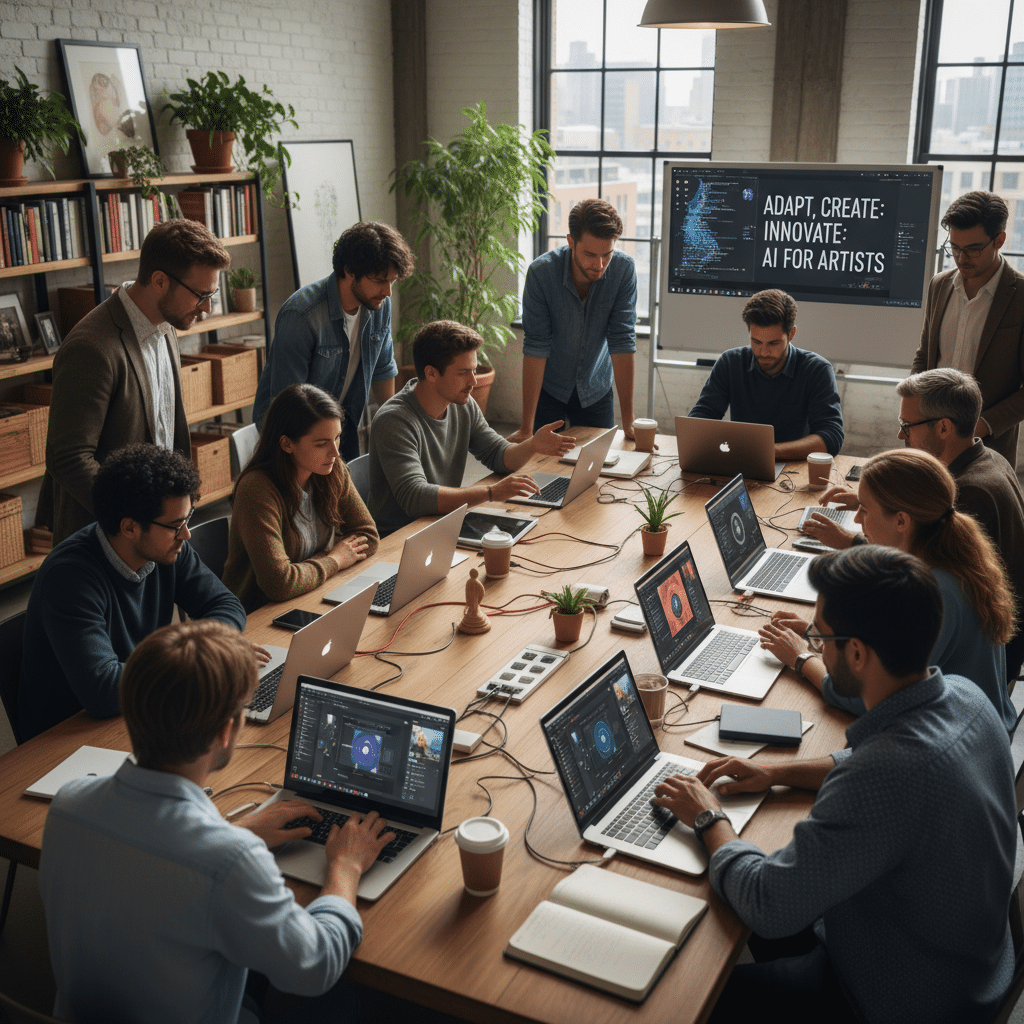
The journey of AI in photo editing is an exhilarating one, filled with innovation that constantly redefines the boundaries of visual creation. We are no longer limited by the laborious processes of the past; instead, we are empowered by intelligent algorithms that accelerate our workflows, enhance our images, and unlock creative possibilities previously unimaginable. AI isn’t just a tool; it’s a paradigm shift, a testament to the exciting synergy between human ingenuity and artificial intelligence. It’s a partner that allows us to spend less time on the technicalities and more time on the art, the story, and the emotional impact we wish to convey.
Embrace this technological marvel, explore its vast potential, and allow it to revolutionize your images. The future of photo editing is here, and it’s more brilliant, faster, and more accessible than ever before. Your creative vision, amplified by the power of AI, is ready to shine.
Don’t stand on the sidelines – dive in and experience the magic of AI photo editing for yourself. Explore the incredible tools available today and see how they can transform your photography and design projects. The next level of visual artistry is waiting for you!
- 414shares
- Facebook0
- Pinterest411
- Twitter3
- Reddit0