

Table of contents
- Introduction to kitchen countertops
- Understanding material options
- Aesthetic considerations
- Functional requirements
- Cost versus value
- Maintenance and durability
- Sustainable and eco-friendly options
- Conclusion: making the right choice
Introduction to kitchen countertops
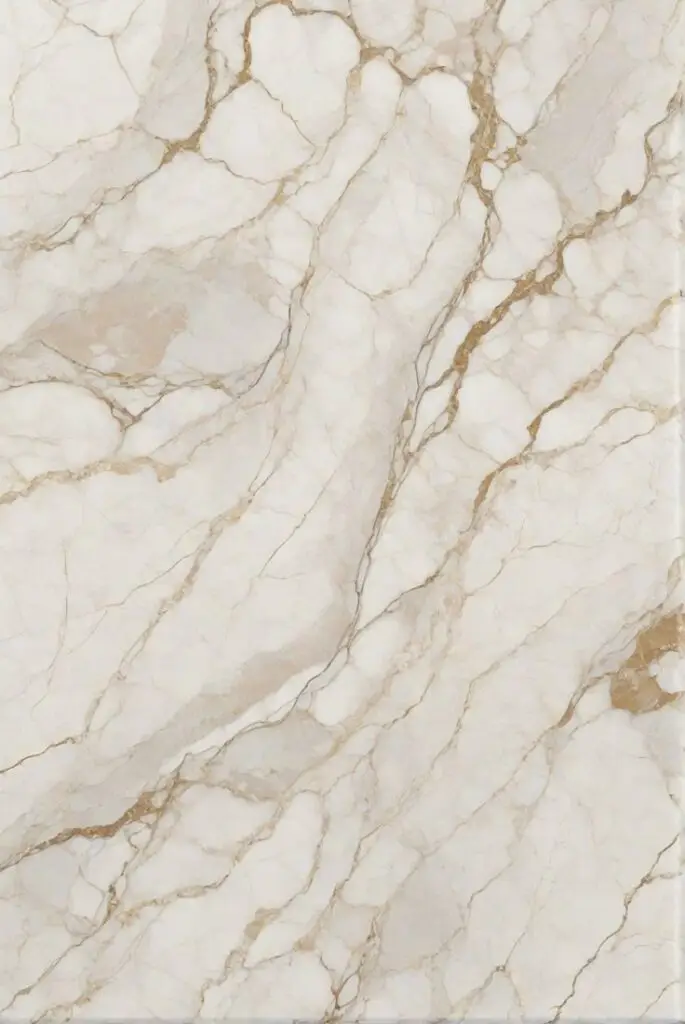
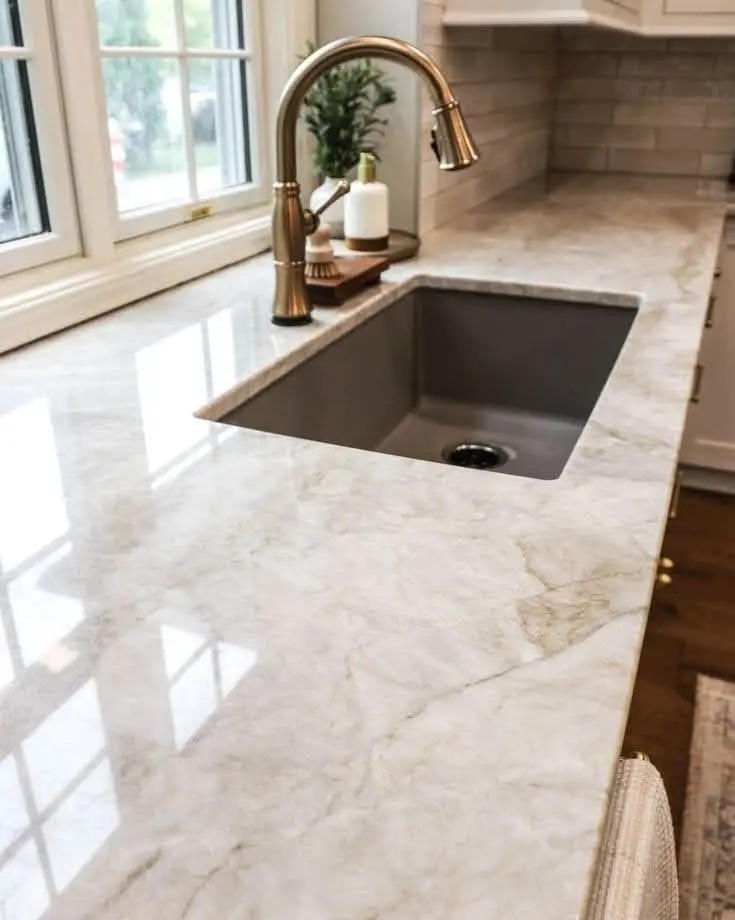
The countertop is one of the most important choices in a kitchen renovation. It shapes how the room looks and how well it works for meal prep, cooking and family gatherings.
The range of options can feel overwhelming at first. Whether you prefer polished marble or hard-wearing granite, compare the trade-offs of each before you commit. Browsing kitchen and bathroom countertops can help you see which materials suit your needs, style and budget.
Understanding material options
Each countertop material has its own strengths and suits different kitchen styles. Granite is a natural stone that resists scratches and everyday wear well, which keeps it a long-standing favorite. Quartz is engineered, so it comes in a wide range of colors and patterns that are easy to match to your décor.
Marble has a classic look, but it stains and scratches more easily and needs regular care. Laminate costs much less and can imitate the look of stone. Knowing these differences, especially between granite and quartz, helps you match a material to both your daily use and your taste.
Aesthetic considerations
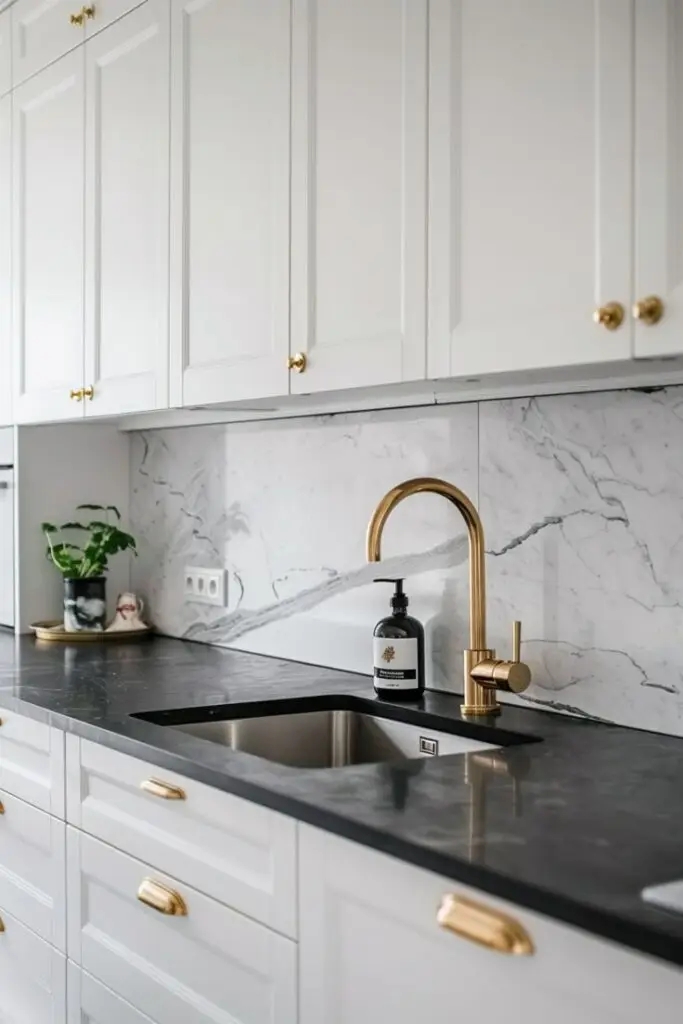
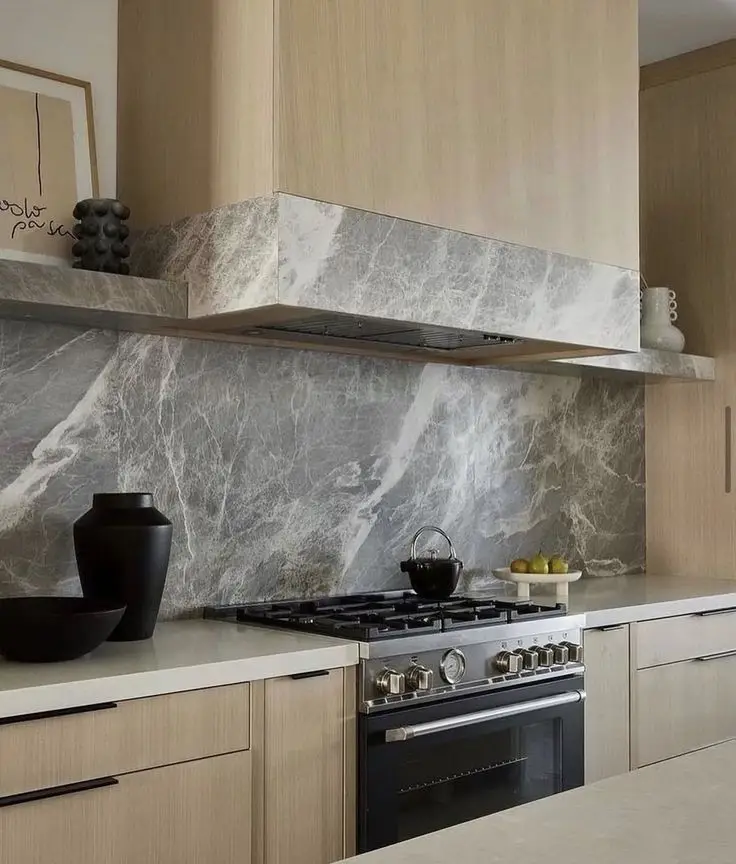
Color, texture and pattern should work with the rest of the kitchen. Light countertops brighten a room and make it feel more open. Darker shades create contrast and make a stronger statement.
Smooth, polished surfaces look modern, while honed or textured finishes feel more rustic or traditional. Minimalist kitchens often suit whites and neutral tones, which sit well beside stainless steel appliances and flat-front cabinets. For more warmth, consider earthy tones and stronger veining or patterns.
Aim for a surface that ties together the cabinetry and flooring, so the kitchen reads as one design.
Functional requirements
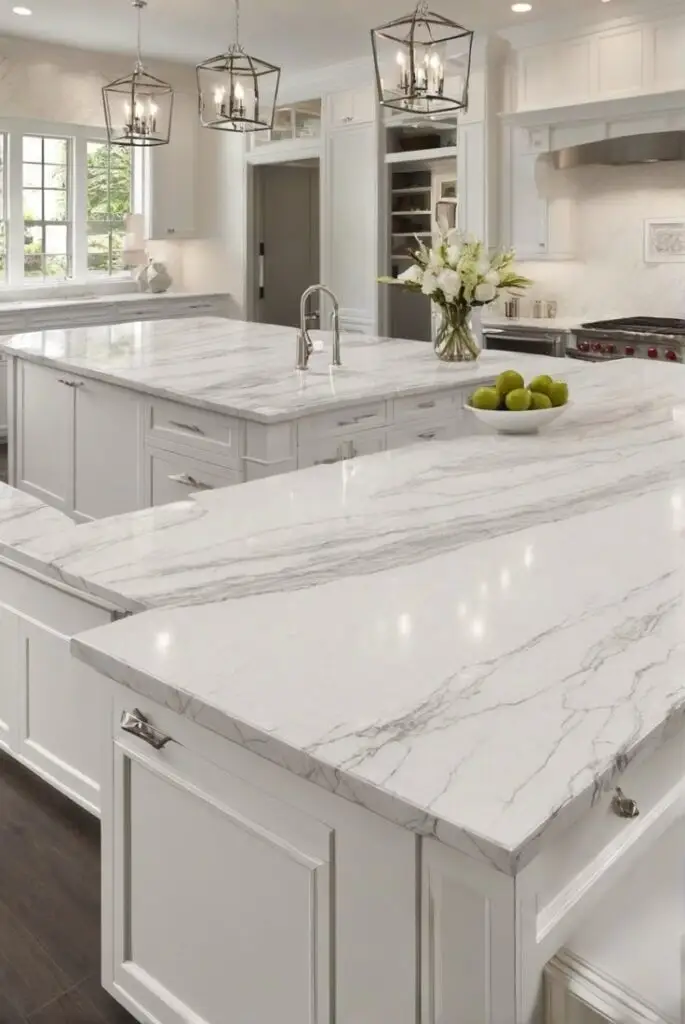
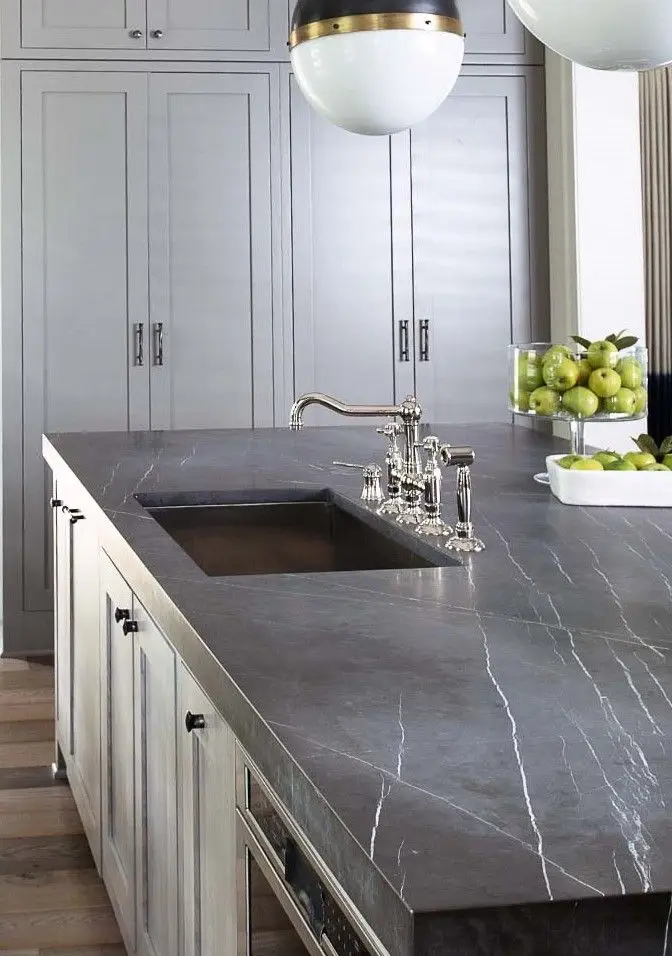
Kitchen surfaces take heavy daily use, so function deserves as much weight as looks. Compare resistance to heat, scratches and stains, then check the care instructions for the exact product. Granite and quartz both have a reputation for staying in good condition with modest upkeep.
They are not identical, though. Granite and quartz respond differently to heat, but neither should be treated as damage-proof. Keep a trivet beside the stove so hot pans have a safe landing spot. The Natural Stone Institute recommends trivets or mats even for heat-resistant stone.
Beyond the material itself, think about layout, edge profile and thickness. These details affect how comfortably you work and how easily the surface wipes clean.
Cost versus value
Budgeting means weighing upfront cost against long-term value. Marble and quartz usually cost more to install, and a well-chosen surface may make a kitchen more appealing to future buyers. Any effect on resale price depends on your home and local market, though.
Laminate lets you follow current styles for less, which suits homeowners who expect to remodel again within a few years. Before deciding, compare installed cost, expected lifespan and upkeep for each option. Looking at how kitchen upgrades affect home values in your area can help you balance your short-term budget with long-term return.
Maintenance and durability
Knowing what your countertop needs helps it last longer. Granite is durable; ask the supplier whether your particular stone needs sealing and how to check when it needs renewal. Quartz is non-porous and generally needs no sealing, though it still needs protection from direct heat.
Marble needs the most care. It scratches easily and can stain or etch from acidic foods such as lemon juice and vinegar, so use cleaners made for natural stone and wipe up spills quickly. Regular care keeps any surface working well and looking good for years.
Sustainable and eco-friendly options
More homeowners are looking for countertop materials with a smaller environmental footprint. Recycled glass, bamboo and some engineered stones made with recycled content are common options. Many of them hold up well in a working kitchen and offer distinctive looks.
Environmental claims vary by product, so ask suppliers about recycled content, sourcing and certifications. Choosing carefully can make your kitchen part of a wider commitment to eco-responsible living.
A countertop should suit both the work zone and the adjoining living space. Our open concept kitchen design guide explains how to repeat materials without making the whole room look matched.
Conclusion: making the right choice
The right kitchen countertop balances appearance, function, durability and environmental impact. Start with how you cook and how much upkeep you will accept, then narrow your options by budget and style.
Whether your priority is matching color schemes, choosing the toughest material or reducing your environmental impact, a measured approach leads to a surface that suits both your taste and your daily routine.
- 337shares
- Facebook0
- Pinterest337
- Twitter0
- Reddit0