Images are conceptual editorial examples; they do not depict Atara Desert Color or another identified development.
Selling a luxury residence that does not yet exist asks buyers to judge a location, a design, and a future way of living without stepping inside the finished home. If the public launch is their first introduction, the sales team has a great deal to explain at once.
Luxury property pre-launch marketing gives people time to understand the development before reservations open. The most useful early work is clear positioning, credible visuals, and a reliable way to answer serious buyer questions. Good real estate marketing services build confidence without presenting an unbuilt feature as a finished promise.
Give buyers a reason to pay attention
An expensive address is not a marketing strategy. Buyers need to see why the development suits them and how it differs from other options.
Start with the intended purchaser. Is the property designed for full-time residents, second-home owners, or people seeking a managed residence? Which aspects of ownership matter most: privacy, convenience, service, or long-term maintenance?
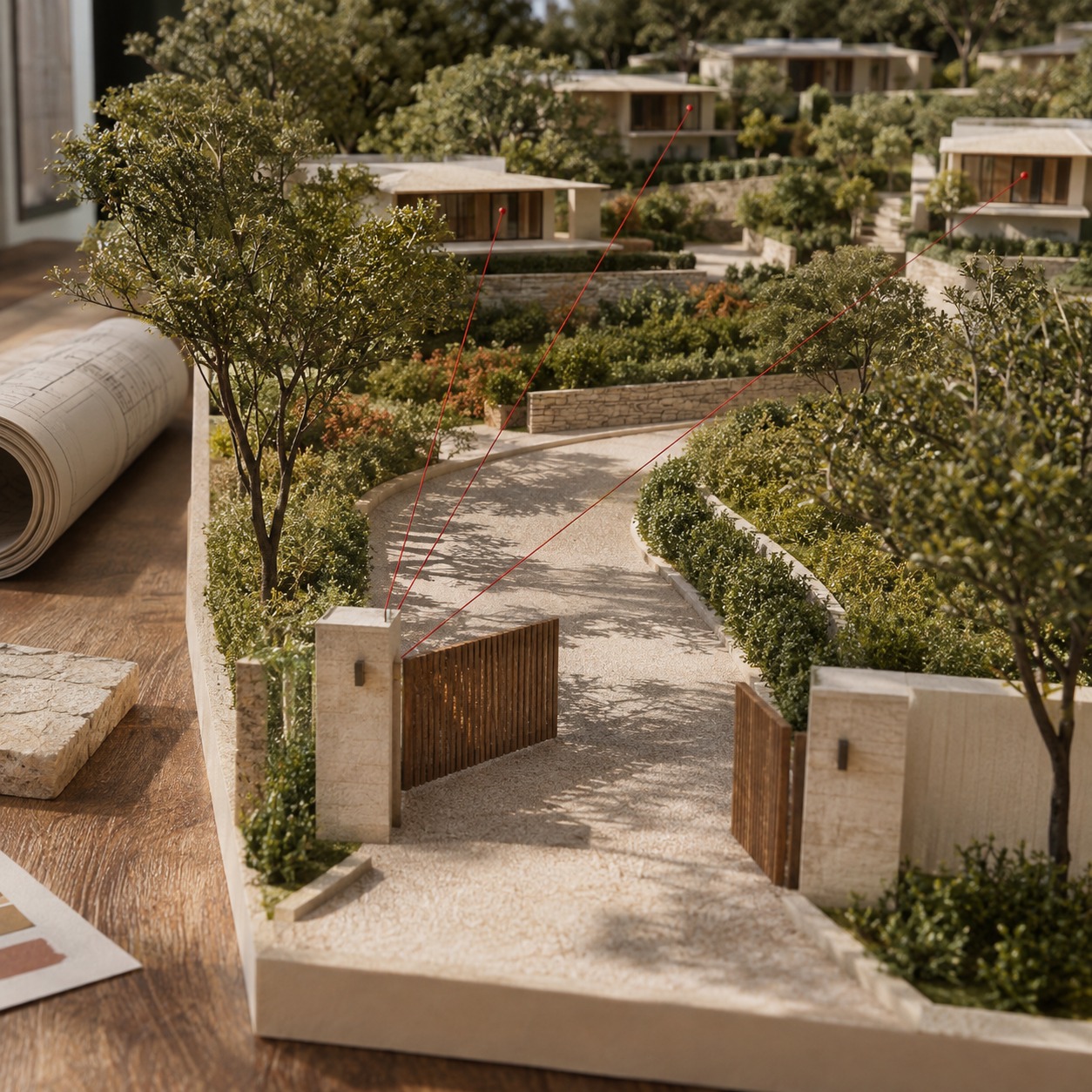
The answers should guide the project name, the website, and the order in which information appears. That order is a question of visual hierarchy. If privacy is the main advantage, lead with the entrance sequence and sightlines, then move to a gallery of decorative finishes. In property development marketing, that choice tells a buyer more than another long amenities list.

Establish the brand before advertising begins
Early branding keeps every brand touchpoint aligned, from the website and brochure to architectural imagery and private sales conversations. Type, colour, image selection, and tone should support the same account of the place. A polished identity cannot make a vague offer clear, but a consistent one makes the practical details easier to find and compare.

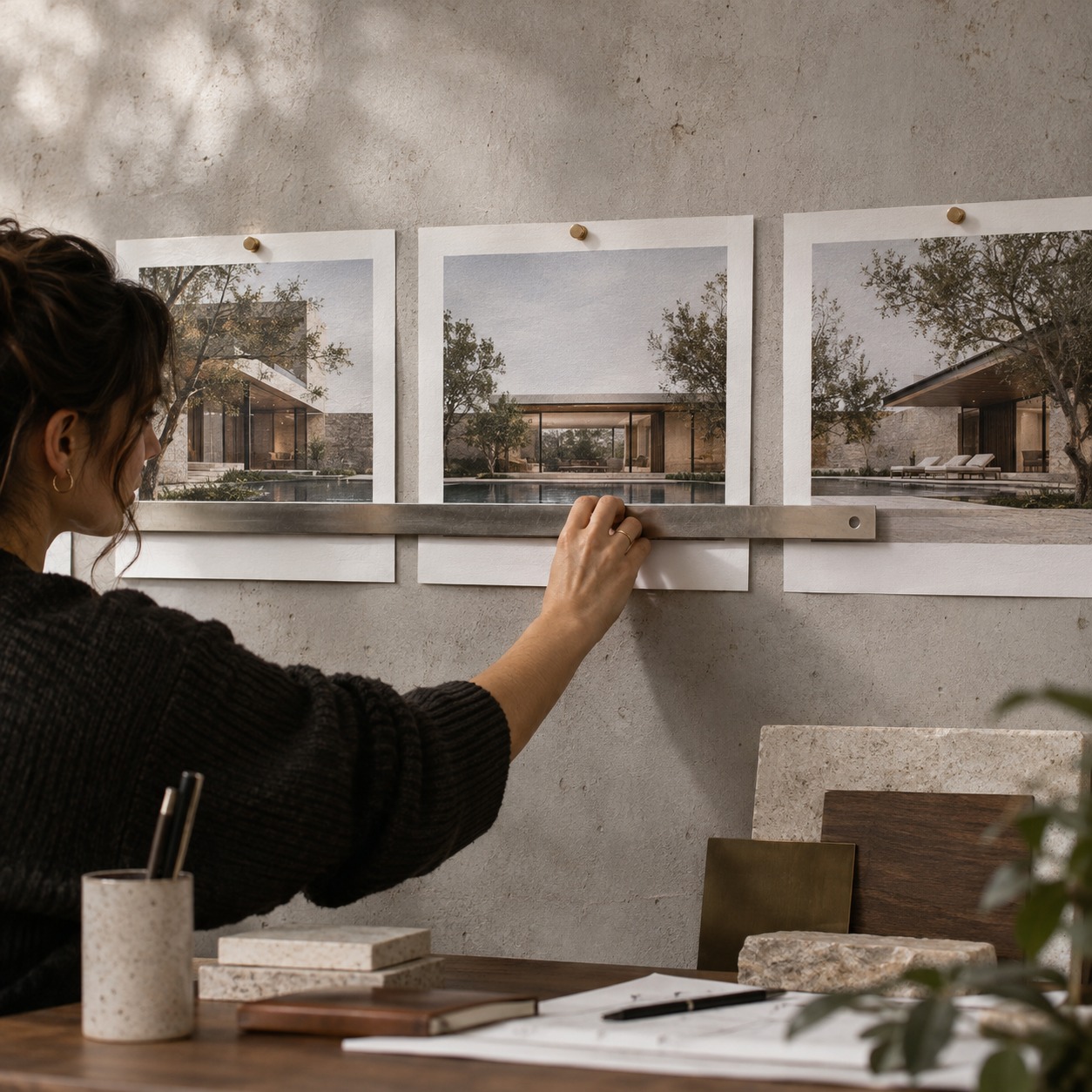
Coherence matters most in the imagery. When renderings share a consistent camera height, lighting approach, and material palette, buyers read them as one building rather than a series of separate moods.
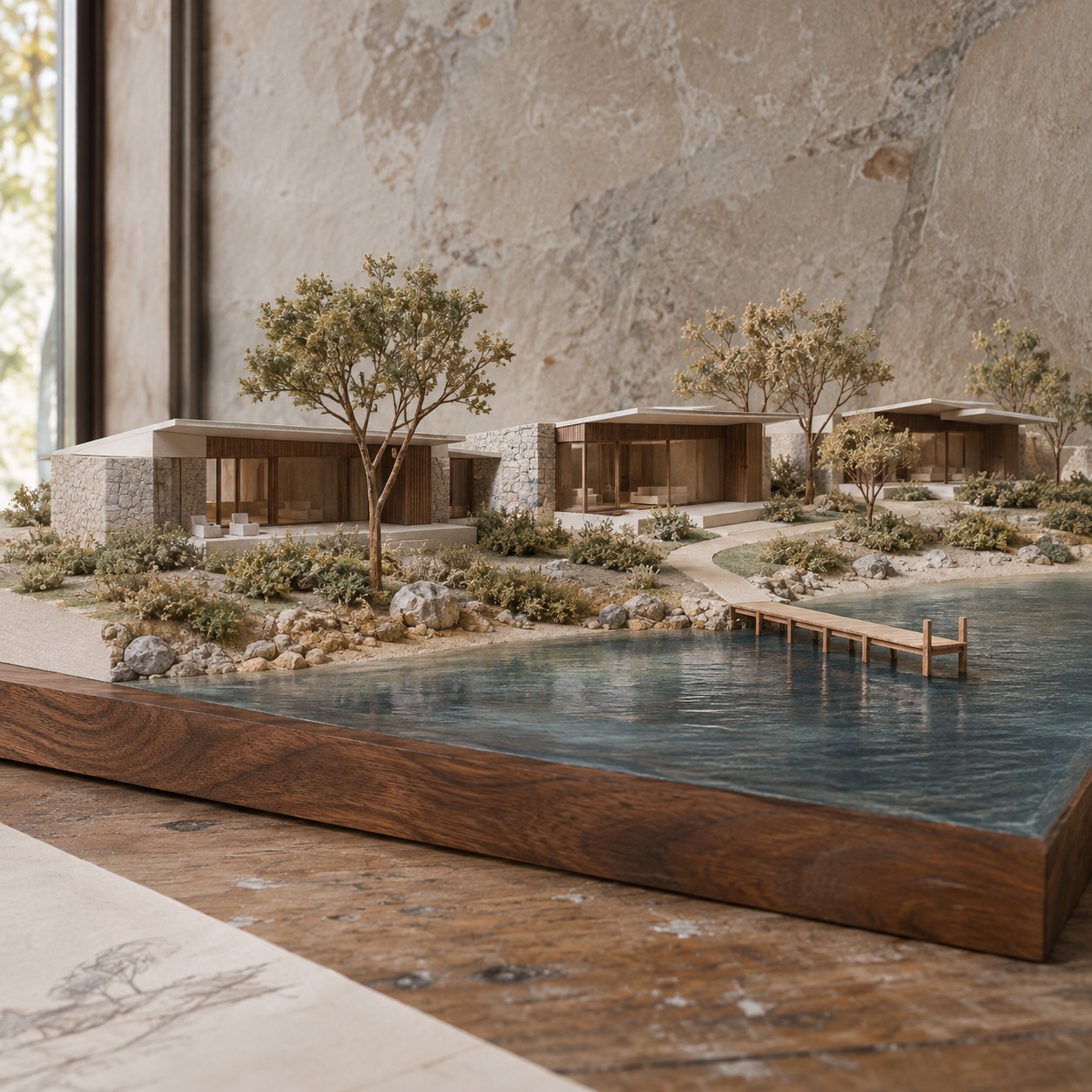
Consider a small collection of waterfront residences. A campaign might emphasize limited inventory, but buyers still need answers about construction timing, ownership arrangements, and access to the water. Exclusivity cannot compensate for missing information.
Developers should agree on which claims are supported, which details remain provisional, and who approves public messaging. That discipline reduces corrections later and gives sales representatives reliable material to share.
Make an unbuilt property easier to understand
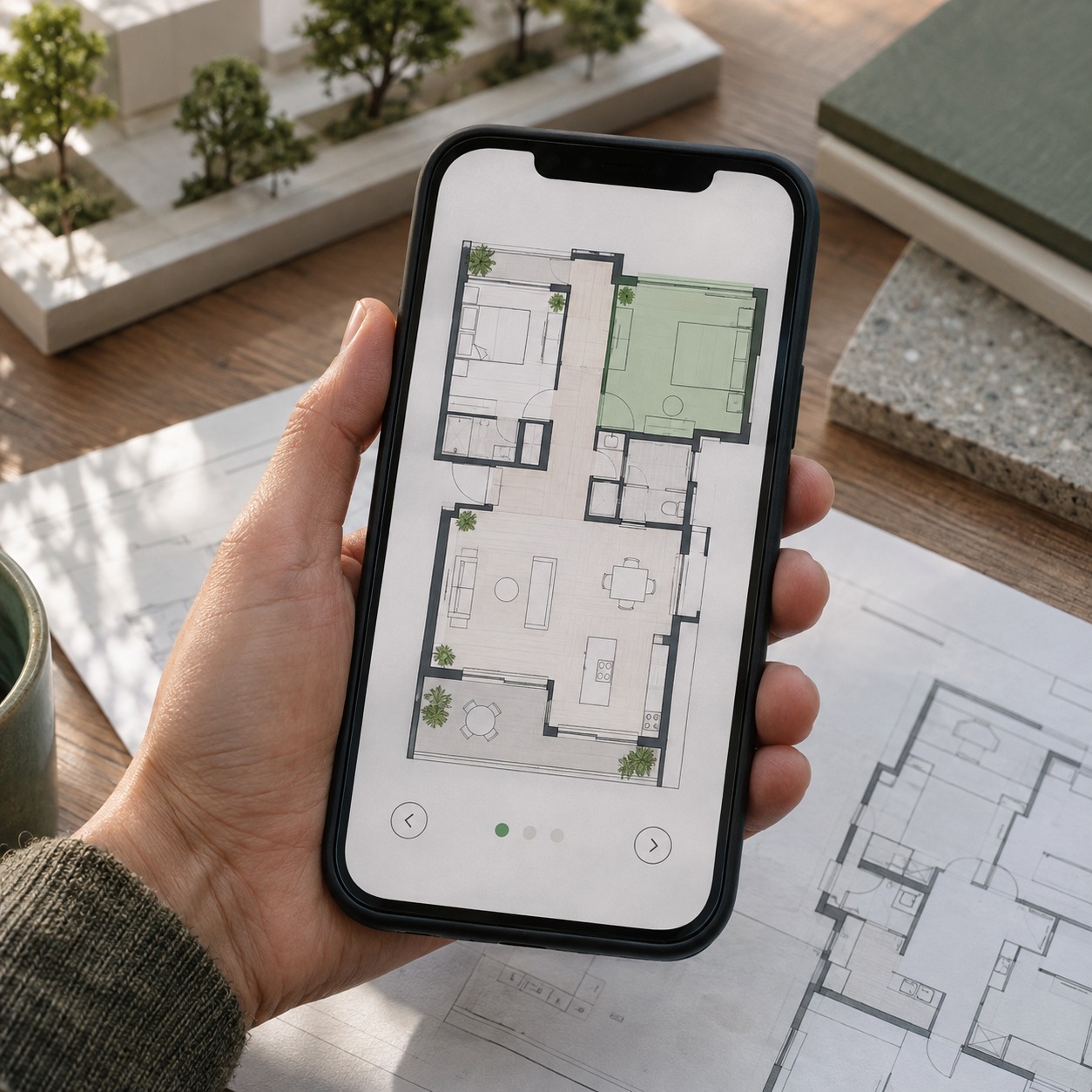
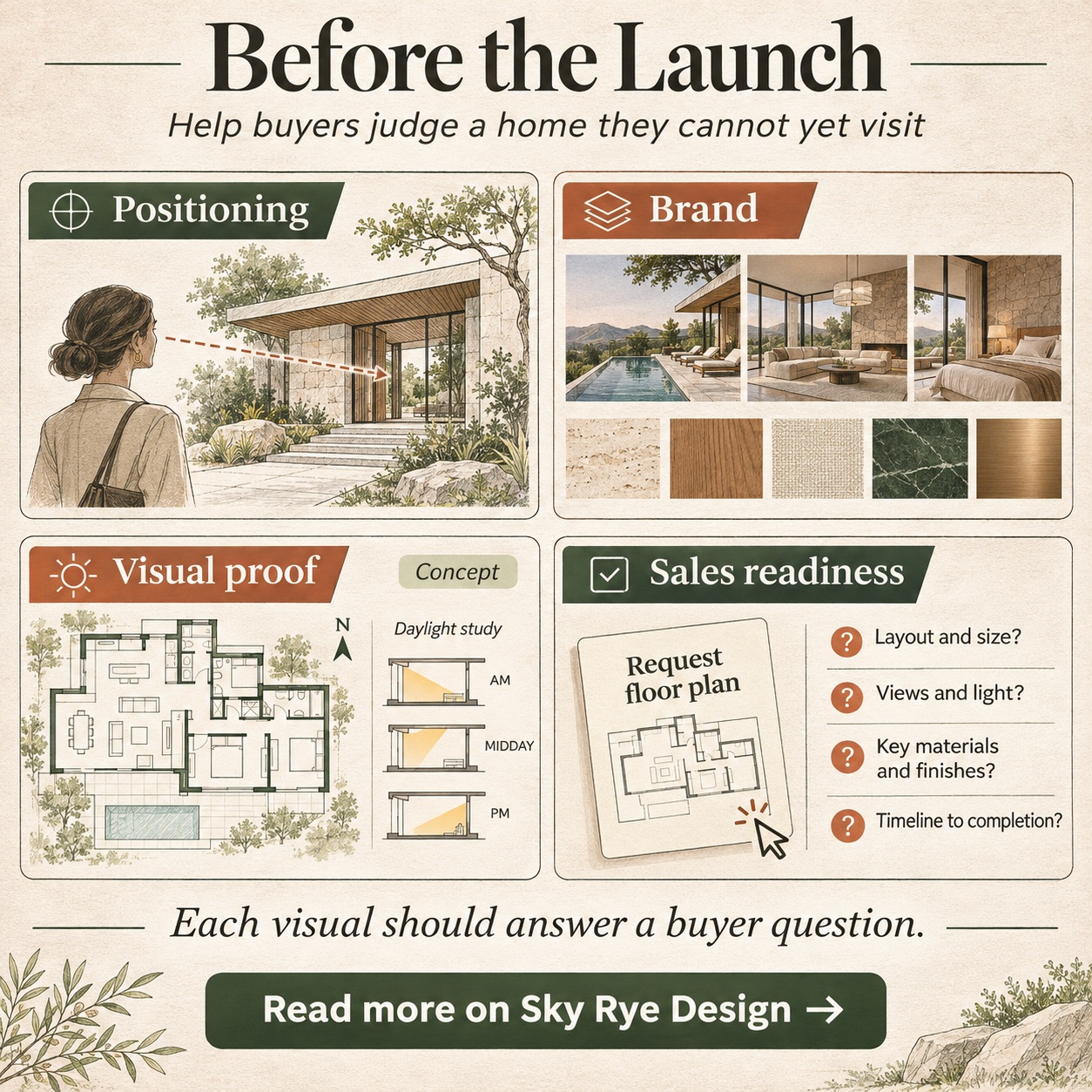
Architectural renderings and floor plans matter when photographs of finished residences are unavailable. A useful visual set shows room proportions, outdoor areas, views, and how each home relates to shared facilities. The architectural rendering styles guide explains the visual formats; the question here is which format helps a buyer make a decision.
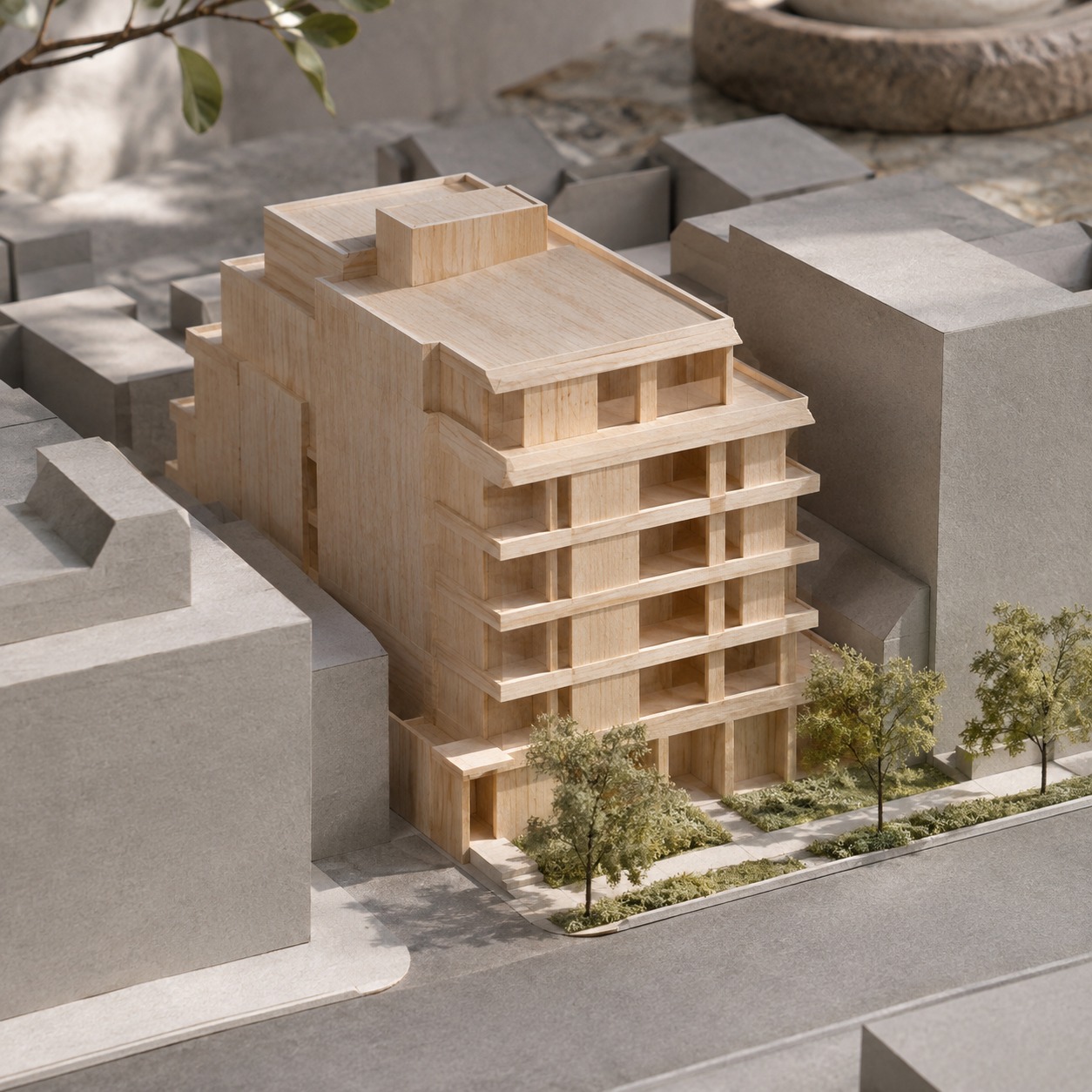
Before approving an asset, ask what it answers:
- Site and context: Where is the building in relation to the street, landscape, and neighbouring structures?
- Plan and scale: How do rooms connect, and what can the buyer judge from dimensions rather than styling?
- View and light: Which outlook or daylight condition is represented, and from which residence?
- Status: Is the image a concept, an approved design, or a confirmed specification?
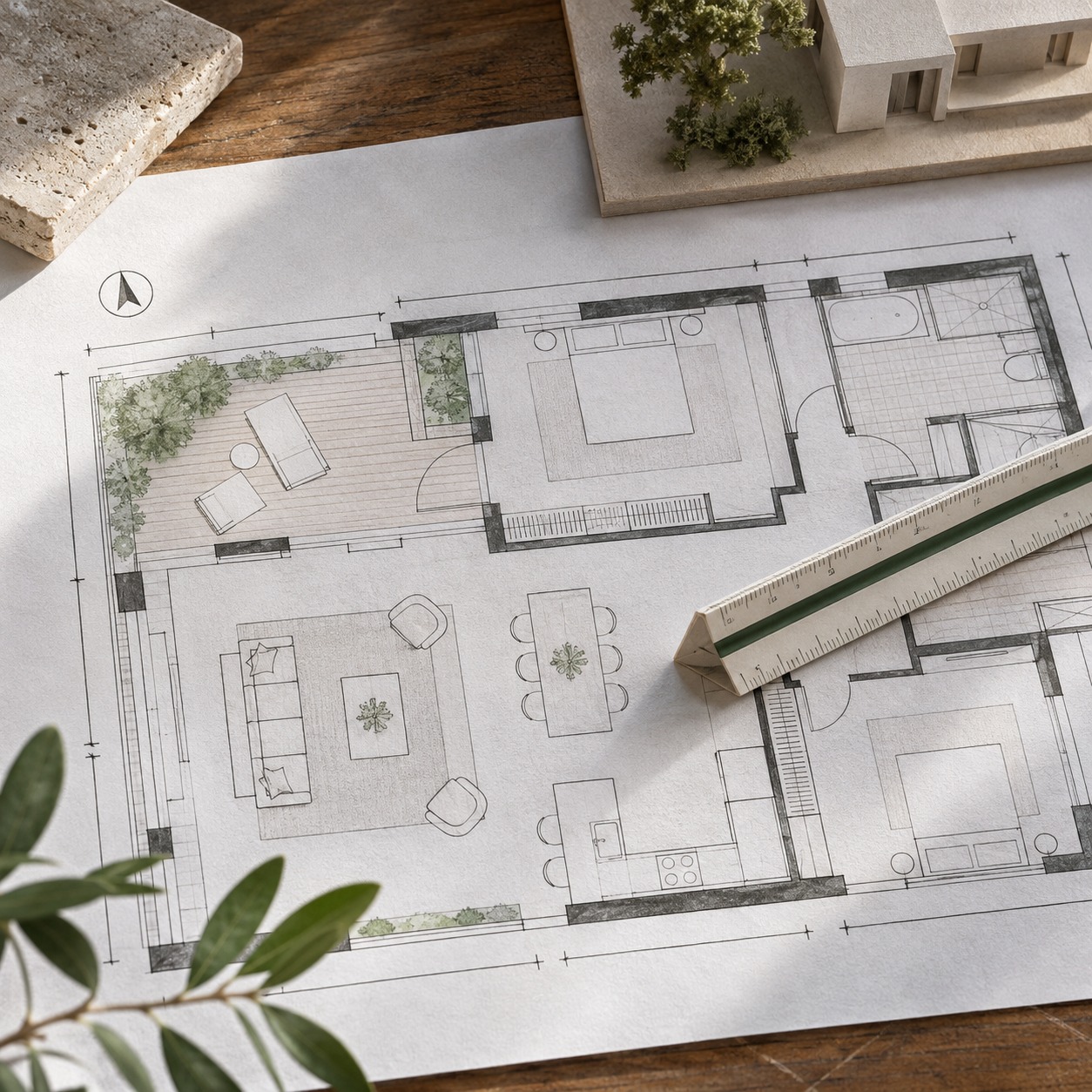
A dramatic hero image may attract attention, while a clear plan resolves a practical objection. Clarity in a plan usually comes from restraint: legible room labels, stated dimensions, a north point, and furniture drawn to scale rather than chosen to flatter the space. 3D exterior renderings for real estate marketing can provide context, but they should agree with the plans and current design decisions.
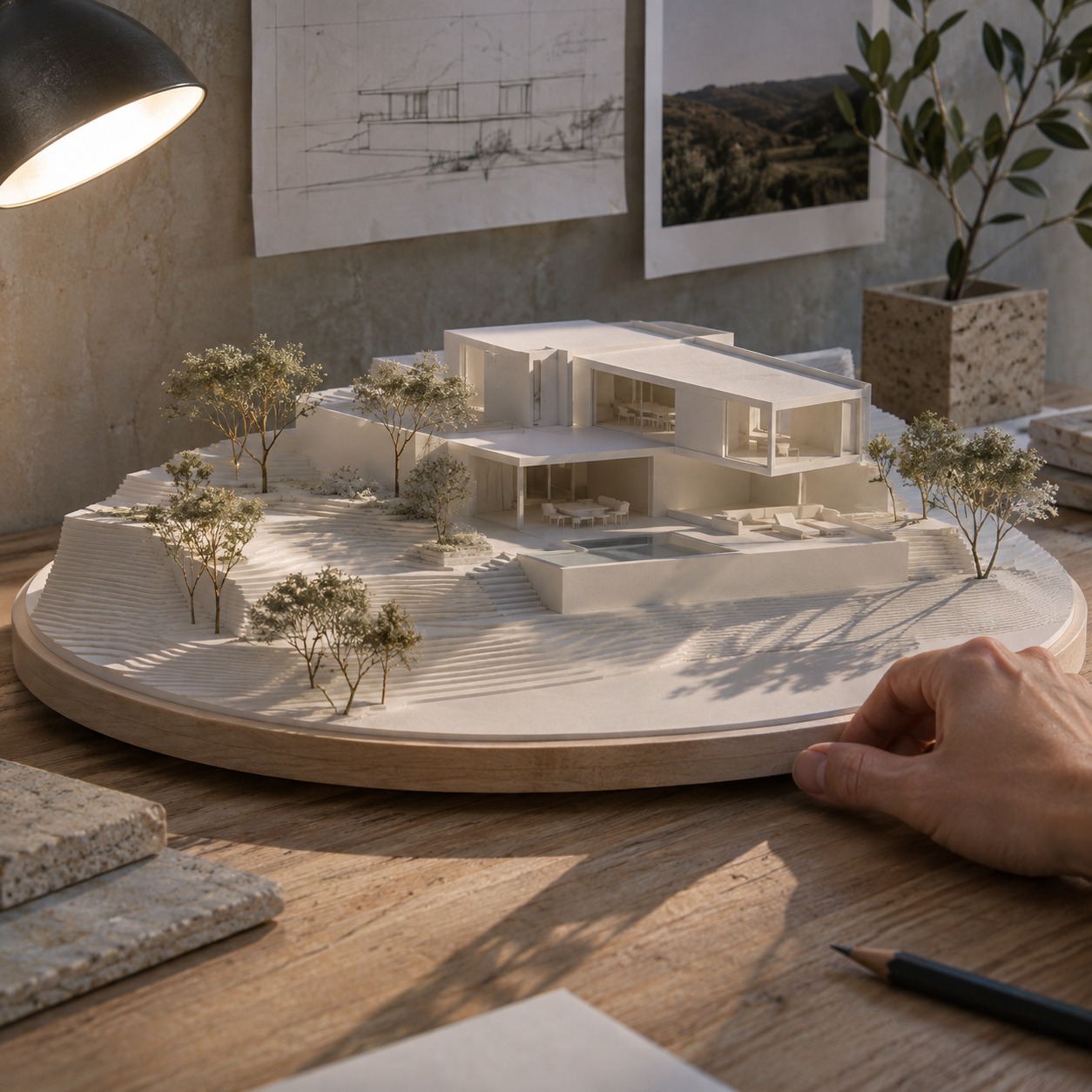
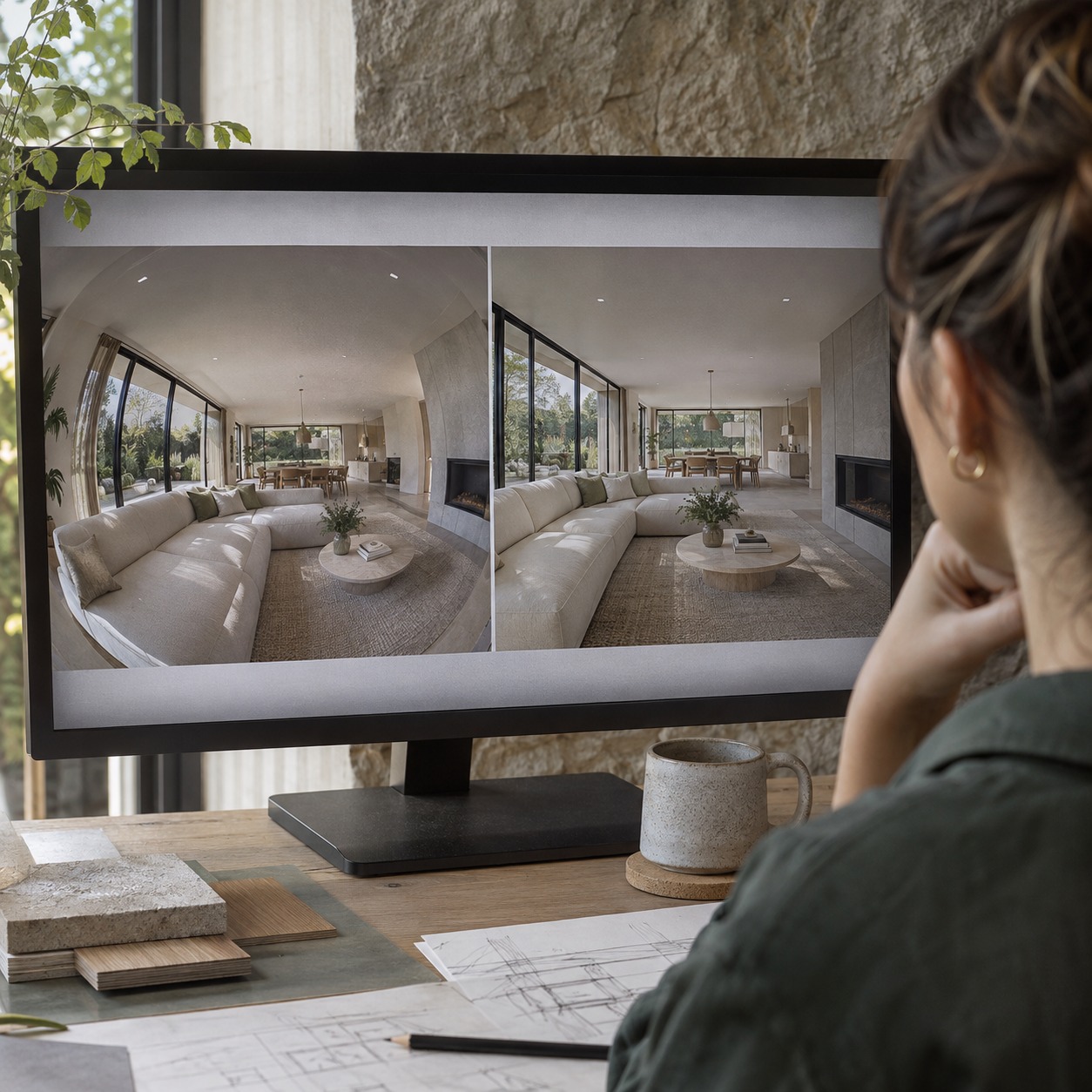
Label conceptual images, distinguish proposed features from confirmed specifications, and revise materials when the design changes. An honest rendering avoids widening rooms with lens distortion, inventing landscaping that is not planned, or implying a view the residence will not have. Interactive plans and short walkthroughs can answer questions before an appointment; they should work on a phone and remain easy to reach without repeated forms.
Build an interest list that sales can use
Pre-launch advertising should identify prospective buyers, not simply collect email addresses. A registration page should explain what information will follow and ask only for the details needed to continue the conversation. These landing page design principles help keep the invitation and form clear.
Separate general enquiries from requests for a particular floor plan, pricing information, or a reservation timeline. Those signals help sales teams decide whom to contact first. Marketing may create initial attention, but salespeople need organised records, timely alerts, and a log of each buyer’s questions.

For example, Real Living Productions' work on Atara Desert Color included landing pages, interactive floor plans, renderings, and lead follow-up ahead of a reservation event. The useful lesson is that the visuals and enquiry process worked as one system rather than as separate campaign pieces.
Prepare for questions before the first release
A launch can generate interest quickly, but uncertainty slows decisions. Before announcing availability, prepare practical documents covering residence types, anticipated completion, purchase procedures, and known ownership costs. The project team should check each visual against the current design stages and deliverables so sales materials do not imply a level of approval the project has not reached.
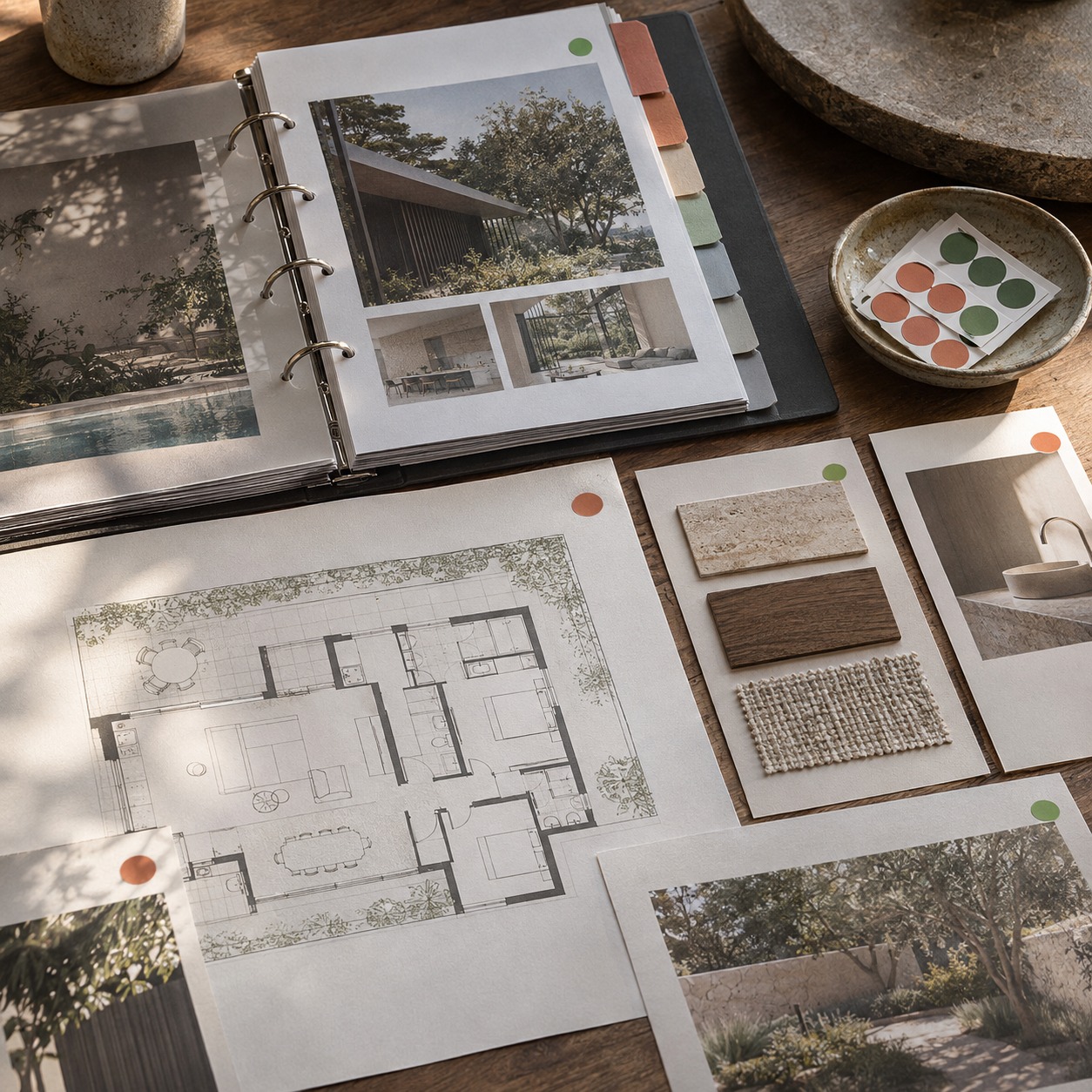
Train the sales team to explain what is confirmed and what remains subject to change. Decide how inventory updates will be communicated, who handles enquiries outside office hours, and how unanswered questions will be tracked.
Any proposal for real estate developer marketing services should also explain how marketing and sales performance will be reviewed. Registration numbers matter, but appointments, document requests, and qualified reservation interest give a clearer view of readiness.
Use early feedback to improve the release
The months before launch are a chance to test assumptions. If buyers repeatedly ask about rental restrictions, explain them earlier. If one floor plan attracts little interest, investigate the objections before increasing advertising spend.
The visual system should respond as well. A question about privacy may call for a clearer site plan; confusion about an outdoor area may need a better view from the actual residence, with the vantage point identified. A full-service real estate marketing plan connects this feedback to website content, advertisements, sales materials, and follow-up, giving developers time to correct avoidable confusion before public attention peaks.

Conclusion
A well-prepared launch begins with a clear offer, honest design materials, and a sales team ready to answer specific questions. Starting early does not guarantee sales. It gives buyers a better basis for judging a property they cannot yet visit.

For support with branding, buyer outreach, and launch preparation, contact Real Living Productions to discuss a marketing plan for your development. For related visual ideas, explore Sky Rye Design’s architecture guides.
Source document image reference: https://www.pexels.com/photo/man-person-people-creative-6615281/.
- 0shares
- Facebook0
- Pinterest0
- Twitter0
- Reddit0