In architectural design, the roof is often celebrated for its geometry and aesthetic contribution to a home’s exterior. However, its primary function is structural: it is the building’s first line of defense against the elements. A severe storm has a talent for revealing every hidden vulnerability in that architectural envelope.
- 1) Start Inside: Mitigating Damage to Your Interior Design
- 2) Maintain Safety: Avoid Unprofessional Roof Access
- 3) Document the Architectural Damage
- 4) Identify Vulnerabilities in Roof Geometry
- 5) Temporary Mitigation vs. Structural Repair
- 6) Triage: Urgent vs. Scheduled Maintenance
- 7) The Anatomy of a Proper Restoration
- 8) Specifying the Right Contractor
- Final thought
A few displaced shingles, compromised flashing, or a subtle water stain on a plaster ceiling can rapidly escalate from a minor maintenance issue to a significant threat to your interior design and structural framing.
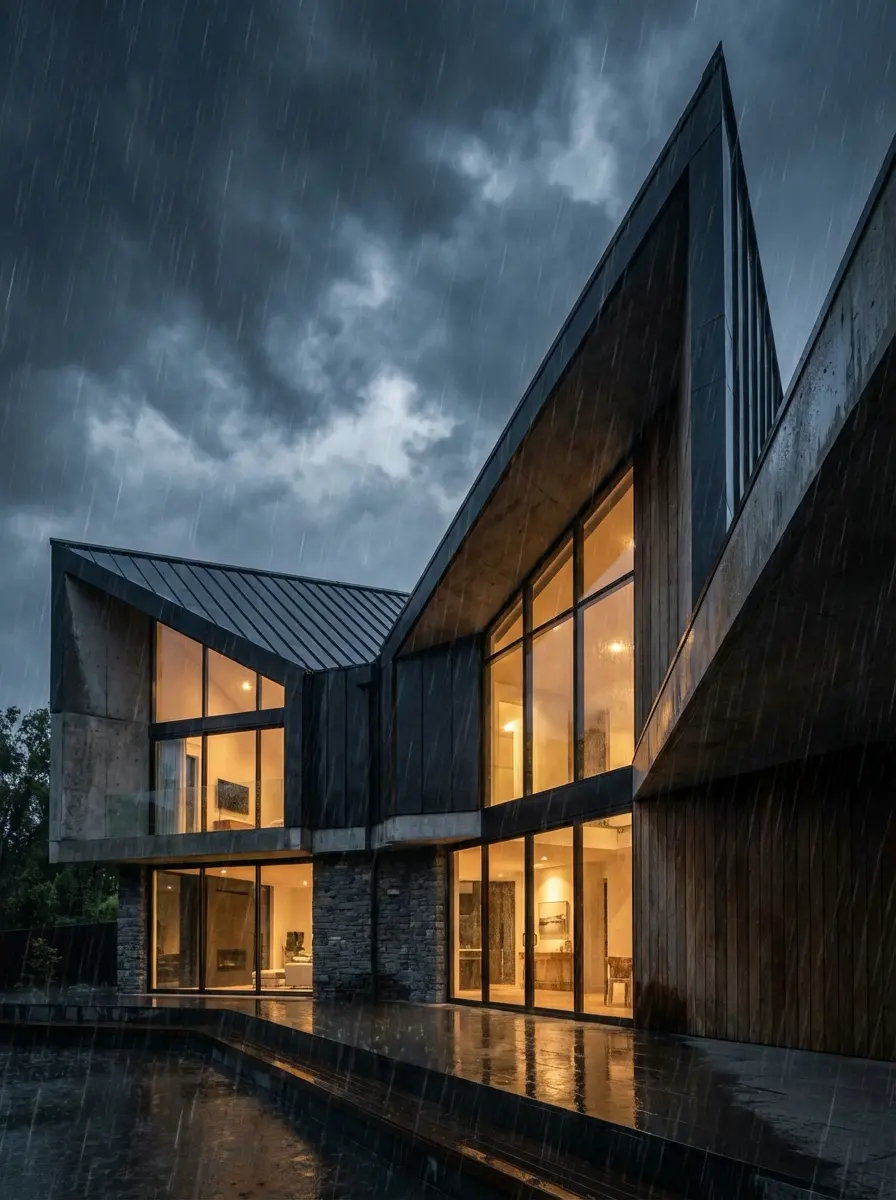
The good news is that swift, strategic action can mitigate the damage while you secure professional restoration. Below is a homeowner’s guide to post-storm roof diagnostics, focusing on how to protect your living space and approach repairs systematically.
1) Start Inside: Mitigating Damage to Your Interior Design
Before assessing the exterior structure, focus on the interior. Water ingress can quickly ruin custom millwork, hardwood floors, drywall, and smart home electronics.

- Protect assets: Move valuable furnishings, rugs, and electronics away from potential drip zones.
- Contain the spread: Place receptacles to catch water, laying towels underneath to prevent splashing onto premium flooring.
- Relieve ceiling pressure: If you notice a sagging bulge in the ceiling drywall, it is holding pooling water. Carefully piercing a small hole with a screwdriver to drain it may look dramatic, but it prevents a much larger, catastrophic ceiling collapse.
- Isolate electrical hazards: Shut off power to any zones where water is interacting with lighting fixtures, outlets, or ceiling fans. This is critical damage control before the actual repair begins.
2) Maintain Safety: Avoid Unprofessional Roof Access
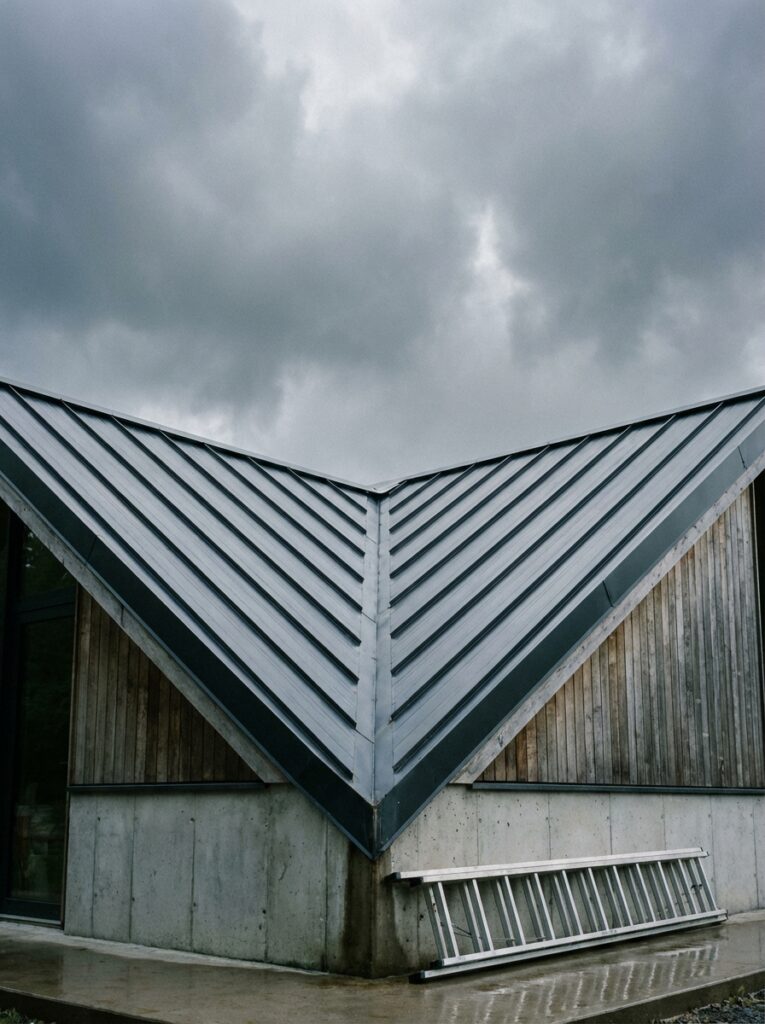
Evaluating a complex roofline post-storm is strictly for professionals. Roofs are incredibly hazardous environments—especially when slick with rain, covered in debris, or compromised by wind damage. Skip the ladder entirely if conditions remain volatile, if there are downed power lines, or if you lack proper fall-arrest equipment. A safe structural assessment always begins from the ground.
3) Document the Architectural Damage
Whether or not you plan to file an insurance claim, comprehensive documentation is essential for both your insurance adjuster and your roofing contractor.
- Take wide-angle photographs of each roof elevation from the ground.
- Capture close-ups of visible structural issues: missing materials, bent metal flashing, dented ventilation hoods, or fallen branches.
- Document all interior staining or active leaks.
- Record a perimeter walk-through video, noting the date, time, and specific weather conditions. This visual record allows restoration experts to triage the damage accurately.
4) Identify Vulnerabilities in Roof Geometry
Most structural leaks do not originate in the center of a shingle span; they start at the architectural transitions and penetrations. When inspecting from the ground, look for these common failure points:
- Flashing: The metal detailing around chimneys, skylights, and parapet walls.
- Penetrations: Rubber boots sealing plumbing vents.
- Valleys: The internal angles where two roof planes intersect.
- Ridges: The peak caps and ridge ventilation systems.
- Fascia and Soffits: Perimeter detailing where wind-driven rain often exploits gaps. A roof’s overall geometry might look intact while a single failed transition compromises the entire system.
5) Temporary Mitigation vs. Structural Repair
If immediate professional service is unavailable due to widespread storm impact, temporary measures may be necessary. However, these must be treated strictly as stopgaps.
- Safe mitigation: Tarping is viable only if it can be secured safely from a ladder without walking the roof pitch. Clearing lower, accessible gutters prevents water from backing up under the eaves. Internally, deploying commercial dehumidifiers reduces the risk of mold in your wall cavities.
- What to avoid: Never attempt to smear roofing cement or caulk over a suspected leak—this improper localized patching often traps water and complicates the final repair. Avoid pressure washing the roof to remove debris, as it strips the protective granules from asphalt shingles. Temporary mitigation is acceptable; structural guessing is not.
6) Triage: Urgent vs. Scheduled Maintenance
Not all storm damage demands a midnight emergency response, but certain conditions compromise the home’s livability. Require urgent intervention:
- Active, uncontainable water entering the living space.
- Visible sagging in the roof deck or interior ceiling.
- Structural impact from a fallen tree or large limb.
- Widespread loss of roofing materials exposing the underlayment. Require a scheduled professional inspection:
- A few lifted tabs or isolated creased shingles.
- Heavy accumulations of shingle granules in the downspouts.
- New water stains with no active dripping.
- Suspected hail impacts (which are notoriously difficult to see from the ground).
7) The Anatomy of a Proper Restoration
A true architectural roof repair goes beyond simply nailing down replacement shingles. The objective is to restore the building envelope to its original performance specifications.
A comprehensive repair protocol should include identifying the true point of water entry (which is often uphill from the visible interior stain), testing the roof decking for moisture rot, replacing compromised flashing, and ensuring the new materials integrate seamlessly with the existing aesthetics. Furthermore, a professional will verify that the attic ventilation and drainage systems haven’t been compromised.
8) Specifying the Right Contractor
When specifying a contractor for post-storm restoration, you must demand clarity, proper documentation, and professional accountability. Ask potential roofers how they intend to confirm the leak’s source and whether their inspection includes valleys, penetrations, and underlayment.
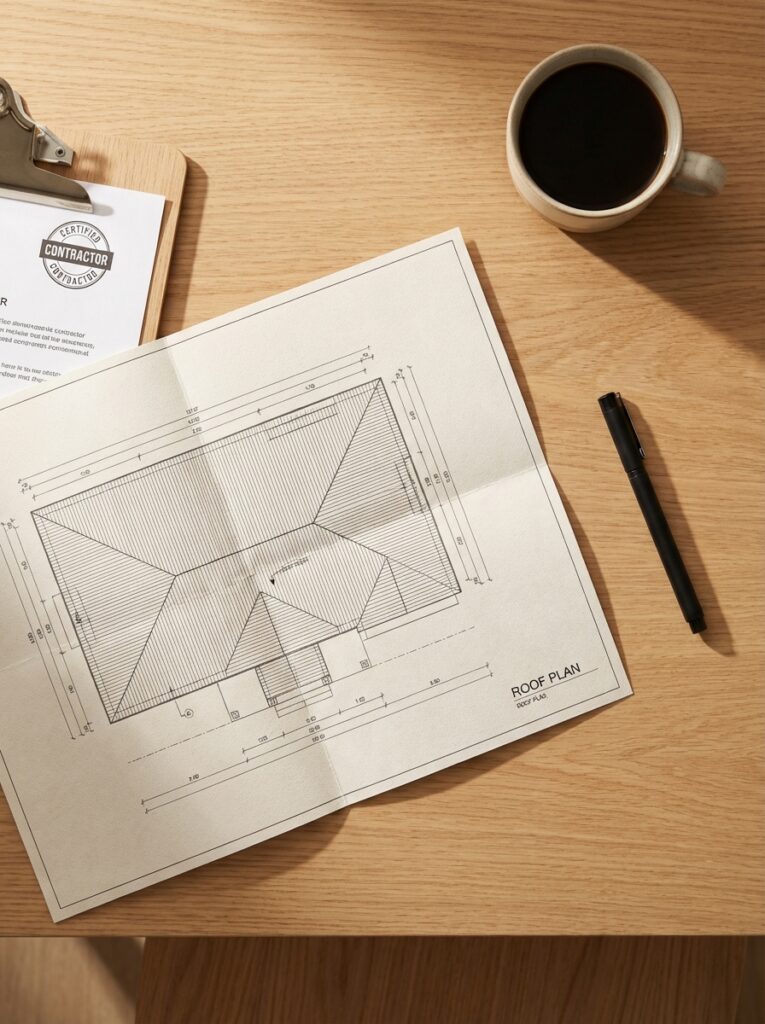
Manufacturer certifications are a critical benchmark here, as they reflect a company’s commitment to rigorous installation standards. For example, Green Rhino Builders is GAF Certified, which is one indicator that a contractor has met strict manufacturer requirements and is equipped to follow system-based best practices. Whether you choose them or another firm, looking for established industry certifications is a mandatory filter for protecting your home.
Final thought
The aftermath of a storm is chaotic, but your response should be systematic. By protecting your interior design elements, properly documenting the structural impact, avoiding dangerous DIY access, and vetting professionals based on industry certifications, you ensure that the repair isn’t just a temporary bandage.
It becomes a precise, architectural restoration that prepares your home for whatever the weather brings next.
- 9shares
- Facebook0
- Pinterest9
- Twitter0
- Reddit0