I gave my sister a bouquet for her birthday three years ago. Beautiful arrangement, expensive florist, all the right colors. A week later, it was compost. She thanked me politely, displayed it for a few days, then forgot about it entirely.
The following year, I brought her a small fiddle leaf fig instead. That plant sits in her living room today, three feet taller than when I gave it. She sends me photos when it sprouts new leaves. She named it. She mentions it nearly every time we talk.
Same budget. Same occasion. Completely different emotional impact.
Here’s what separates forgettable gifts from meaningful ones: plant gifting creates an ongoing relationship between the recipient and your gesture, while traditional gifts create a single moment that fades. The psychology behind this difference explains why plants have become one of the most emotionally resonant gift categories—and why choosing the right plant transforms a simple present into something that grows alongside the person receiving it.
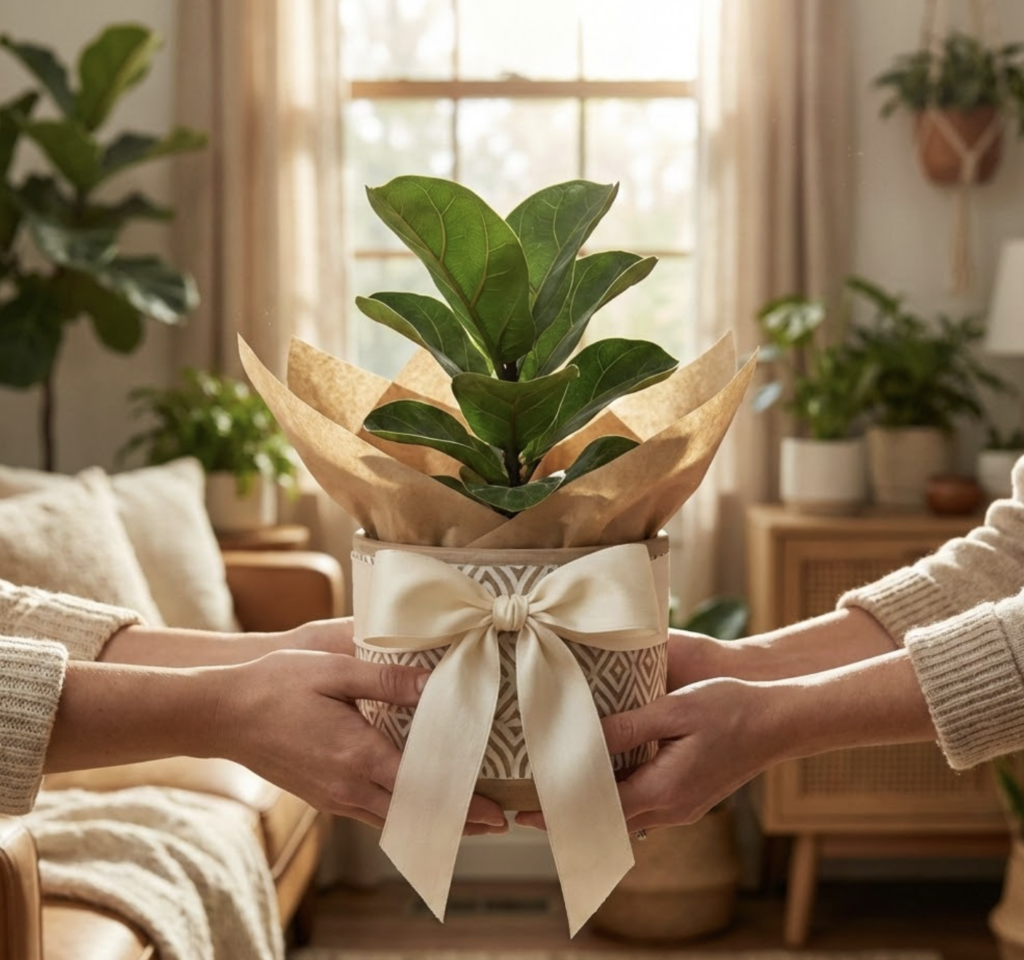
This guide explores the psychological principles that make plant gifts powerful, how to match plants to recipients, and why this understanding elevates your gift-giving from routine to remarkable.
These insights come from observing how plant gifts land differently than traditional presents, conversations with recipients about what gifts they actually remember, and research into the psychology of meaningful gifting.
The Psychological Power of Living Gifts
Plants occupy a unique category in gift-giving: they’re alive, they change, and they require ongoing interaction. These characteristics create psychological effects that static gifts cannot replicate.
Growth Symbolism
Every plant gift carries implicit meaning: “I want this to grow, like our relationship.” This symbolism operates below conscious awareness but influences how recipients perceive your intention.
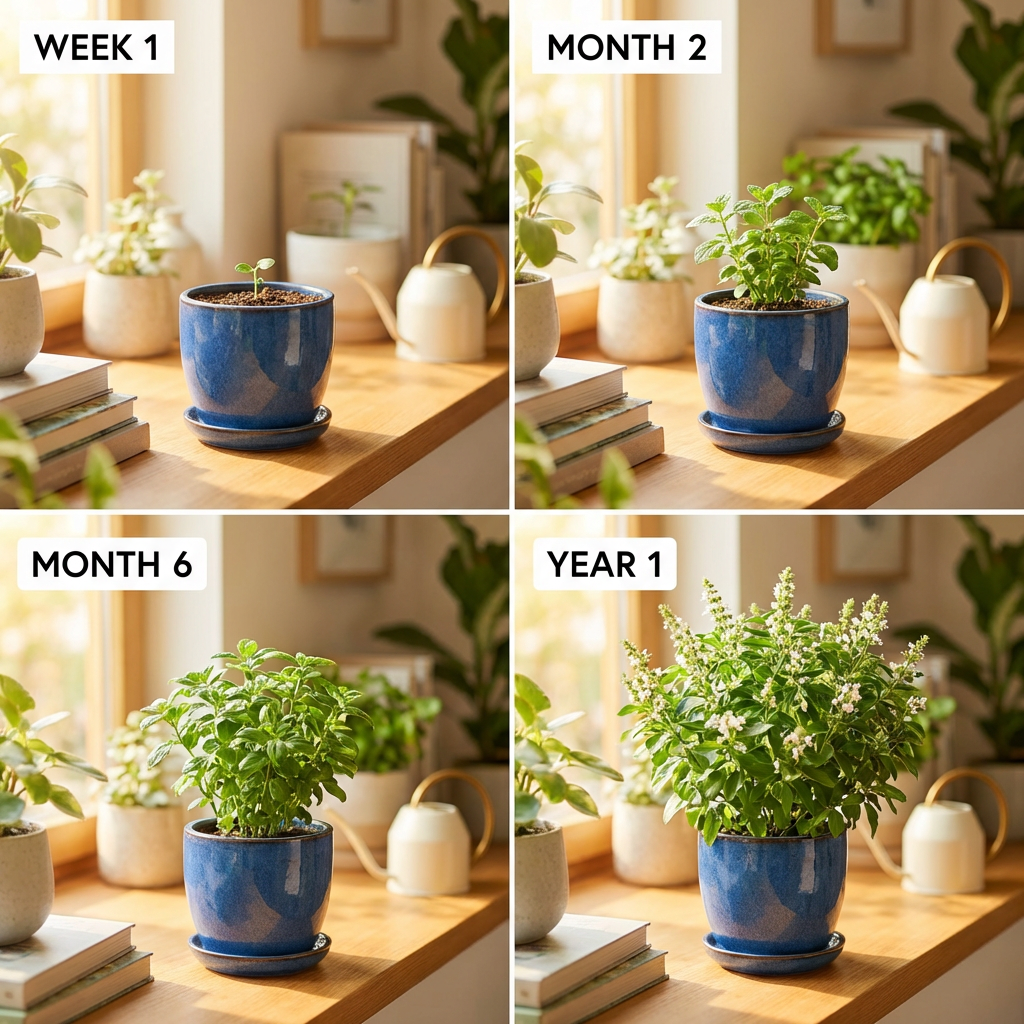
Housewarmings and new beginnings: Plants represent putting down roots, establishing presence, thriving in a new environment. The symbolism aligns perfectly with the occasion.
Career milestones: A plant for a promotion or new business says, “I believe you’ll continue growing.” The gift becomes a visual reminder of that confidence.
Relationship markers: Plants given at anniversaries or significant moments grow alongside the relationship itself. Each new leaf adds to the shared history.
This growth symbolism explains why plants feel more meaningful than decorative objects. A vase is static; a plant is a living metaphor.
The Nurturing Connection
Plants require care—watering, positioning, and occasional attention. This requirement, which might seem like a burden, actually creates psychological value.
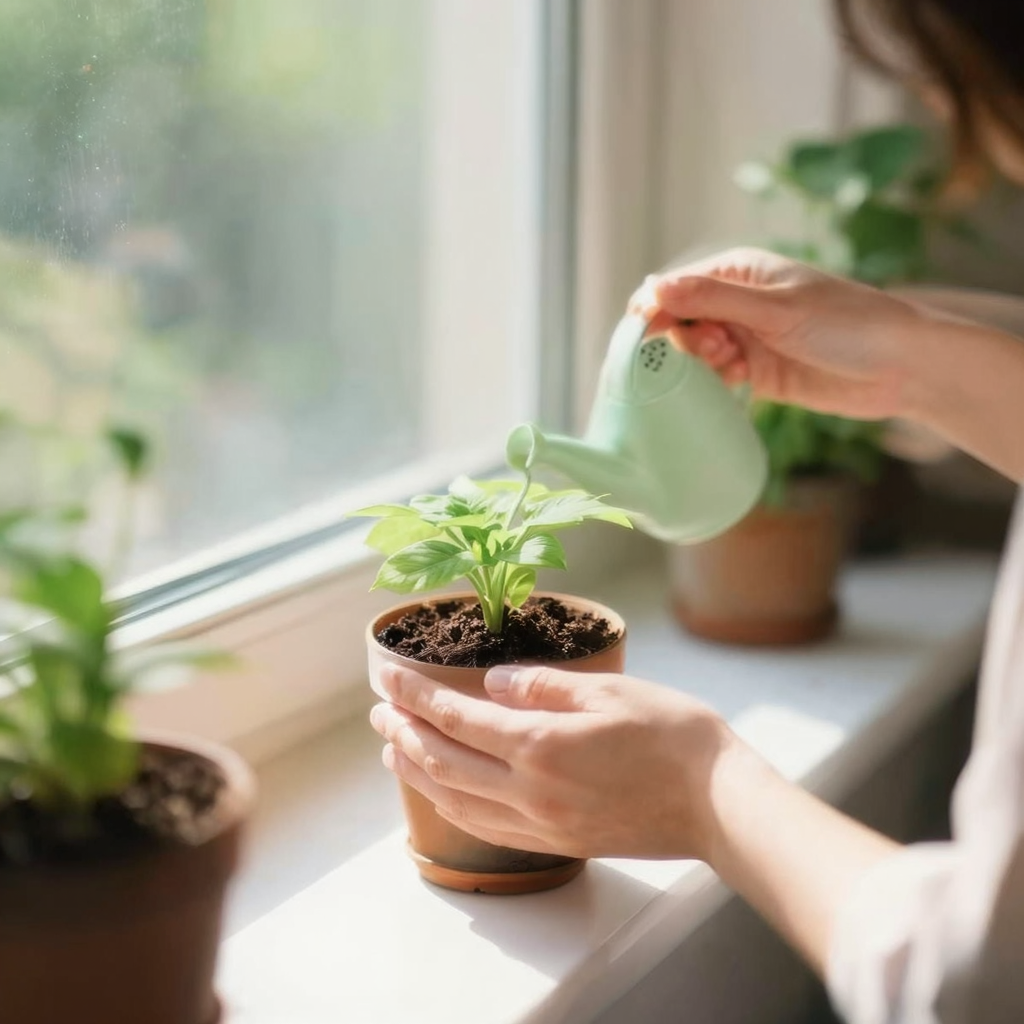
Daily interaction: Each time the recipient tends the plant, they engage with your gift. Compare this to a decorative item that becomes an invisible background after a few weeks.
Responsibility and reward: Watching a plant respond to care triggers satisfaction. The recipient feels competent and connected—emotions now associated with your gift.
Shared experience: When recipients report on their plant’s progress, they’re maintaining a connection with you. The plant becomes a conversation bridge that traditional gifts don’t provide.
The nurturing aspect transforms passive ownership into an active relationship. Your gift continues giving long after the unwrapping.
Longevity and Memory
Psychological research consistently shows that experiences create stronger memories than objects. Plants blur this line—they’re objects that create ongoing experience.
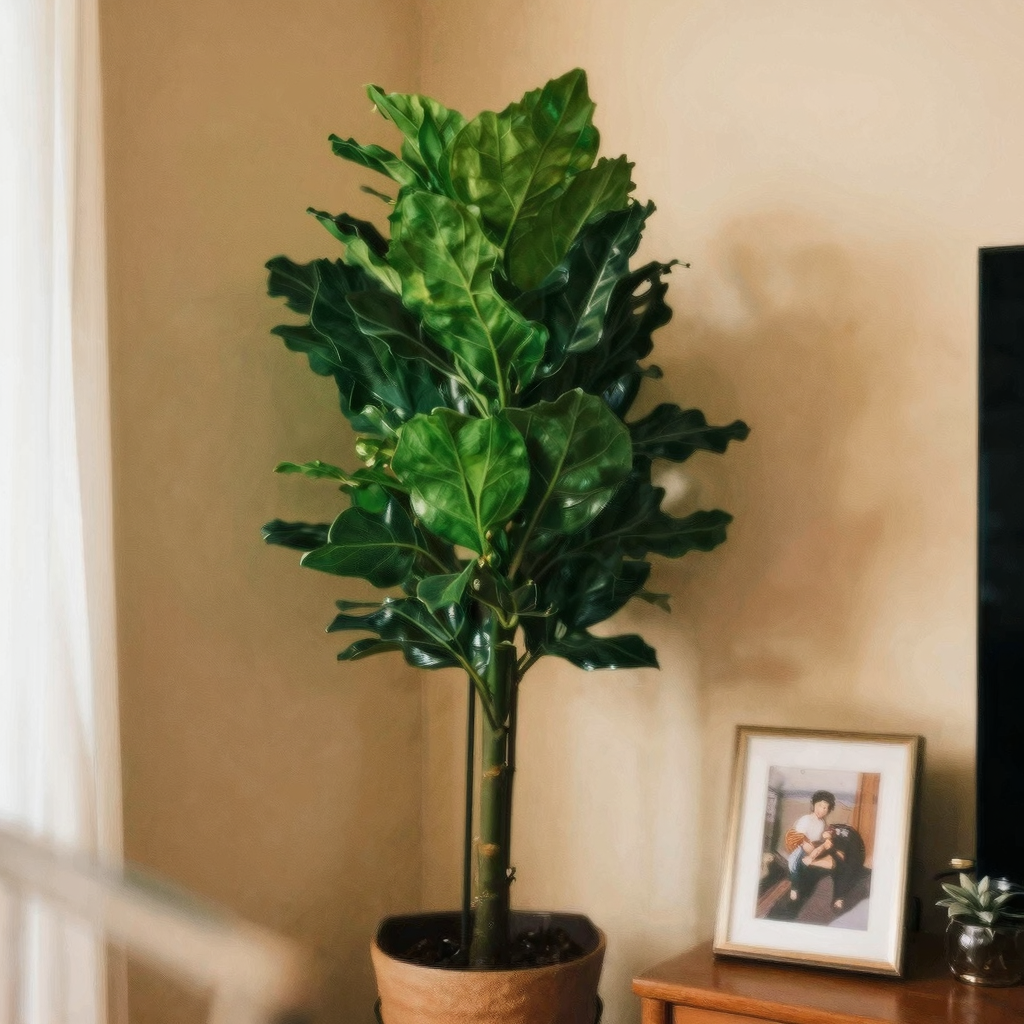
Temporal anchoring: The plant marks when it was received. As it grows, it becomes a living timeline of the relationship.
Visual reminder: Unlike gifts that get stored away, plants occupy visible space. Each glance reinforces the memory and the giver.
Accumulated meaning: A plant that survives and thrives accumulates emotional significance. After three years, it’s not just a plant—it’s a symbol of endurance and care.
This longevity advantage explains why recipients often cite plant gifts as the most memorable presents they’ve received, even when more expensive gifts were given.
Matching Plants to Recipients
Understanding plant psychology means nothing if you choose poorly. The wrong plant becomes a burden; the right plant becomes a treasure.
Reading Lifestyle Signals
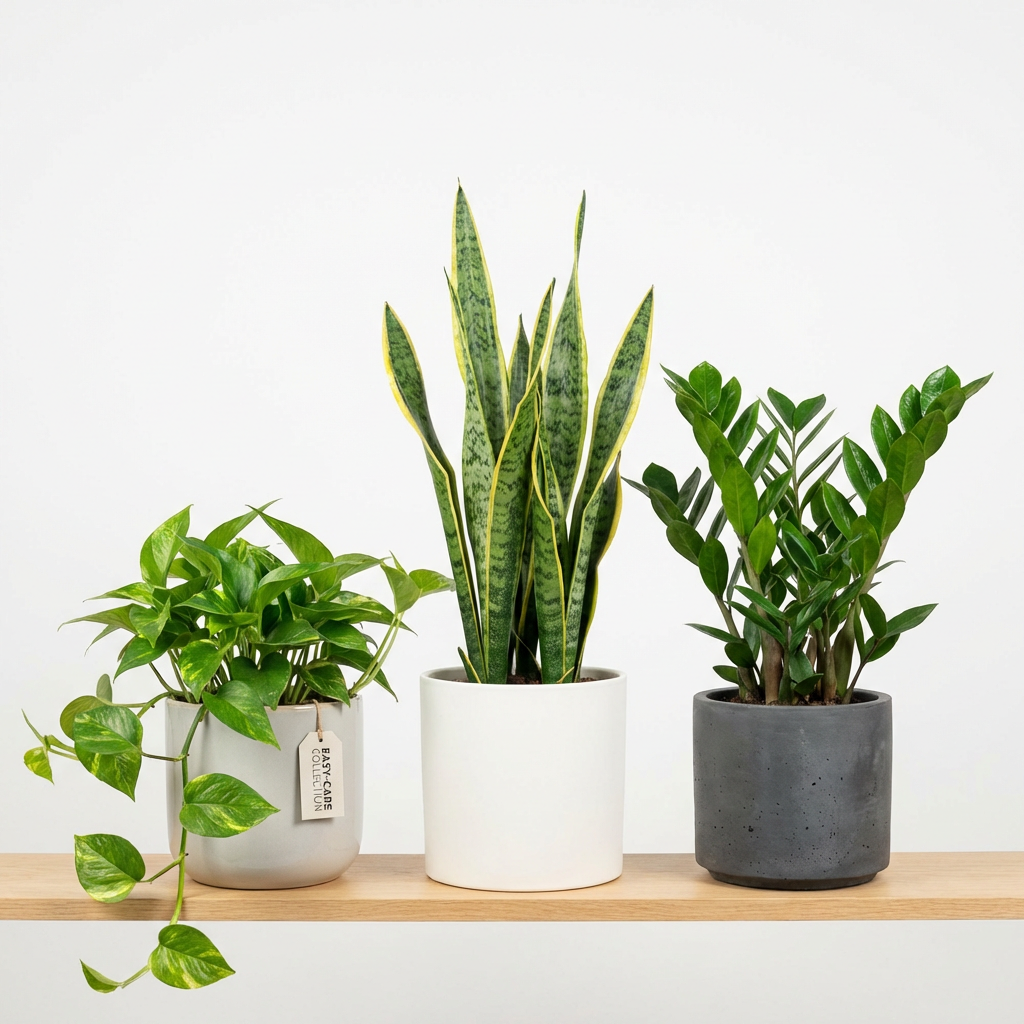
Busy professionals: Choose low-maintenance options—snake plants, pothos, ZZ plants. These survive neglect without making the recipient feel guilty. The message: “I respect your time.”
Nurturing personalities: These recipients enjoy the care ritual. Consider plants with visible feedback—prayer plants that move, or flowering varieties that reward attention. The message: “I know you’ll love caring for this.”
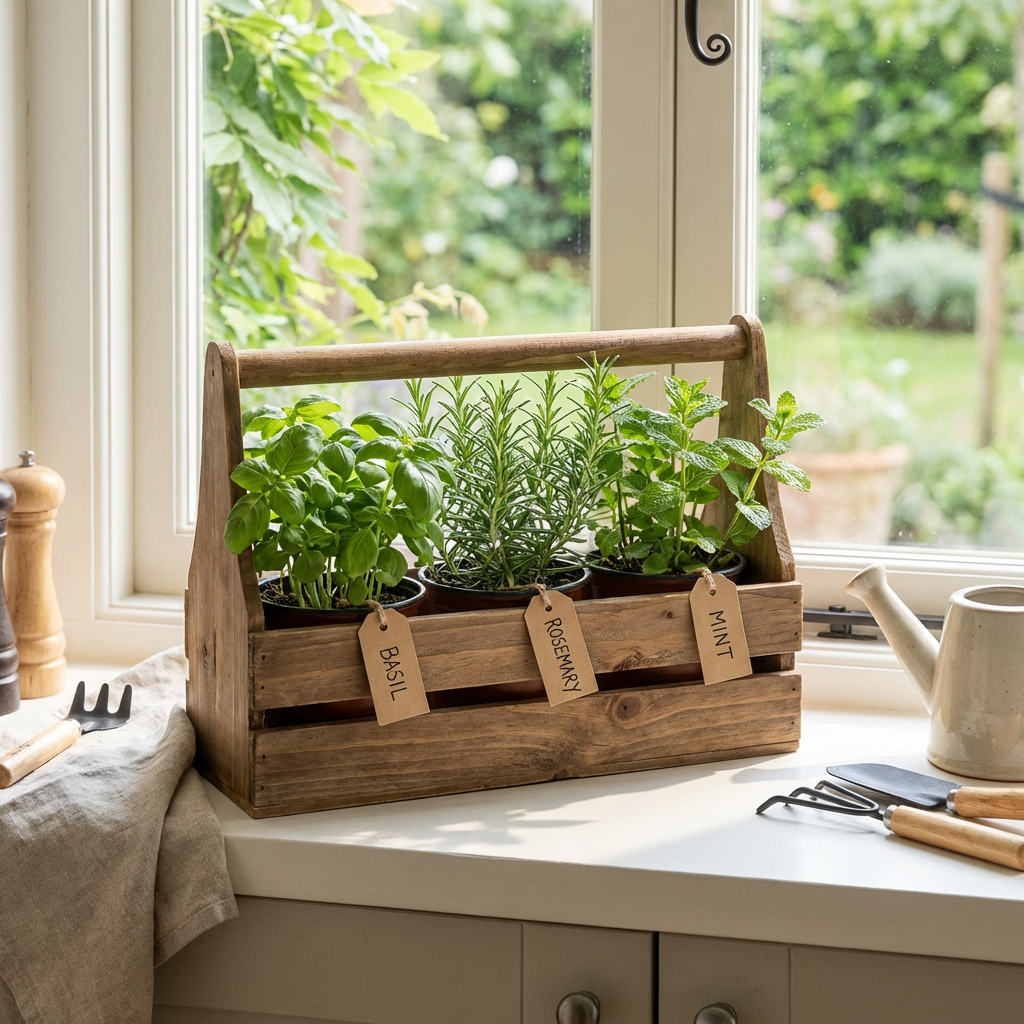
Practical minds: Herb gardens, aloe vera, or other useful plants appeal to people who value function. The message: “This will serve you beyond decoration.”
Aesthetic-focused: Architectural plants like fiddle leaf figs, bird of paradise, or sculptural succulents suit design-conscious recipients. The message: “I see your taste.”
Matching plant personality to recipient personality demonstrates thoughtfulness that generic gifts cannot achieve.
Symbolic Plant Choices
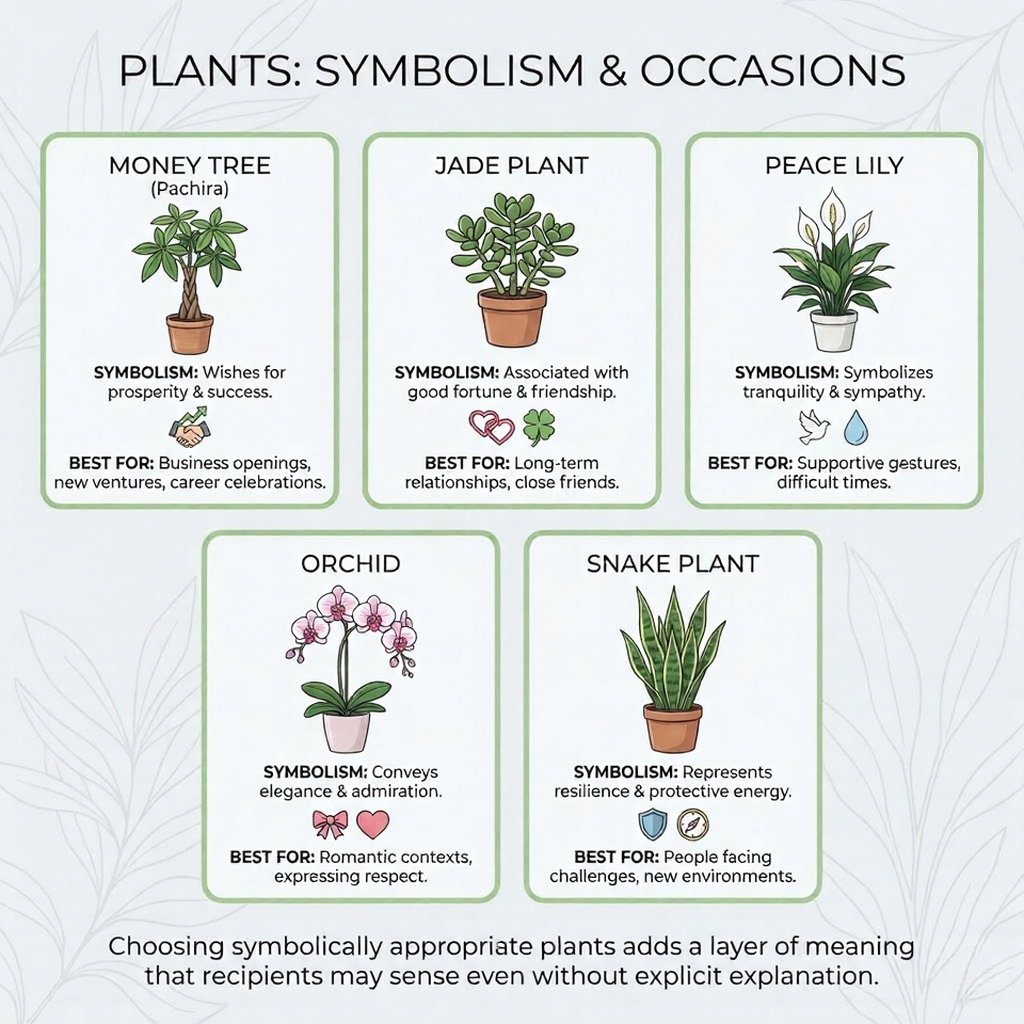
Different plants carry different meanings—some cultural, some intuitive:
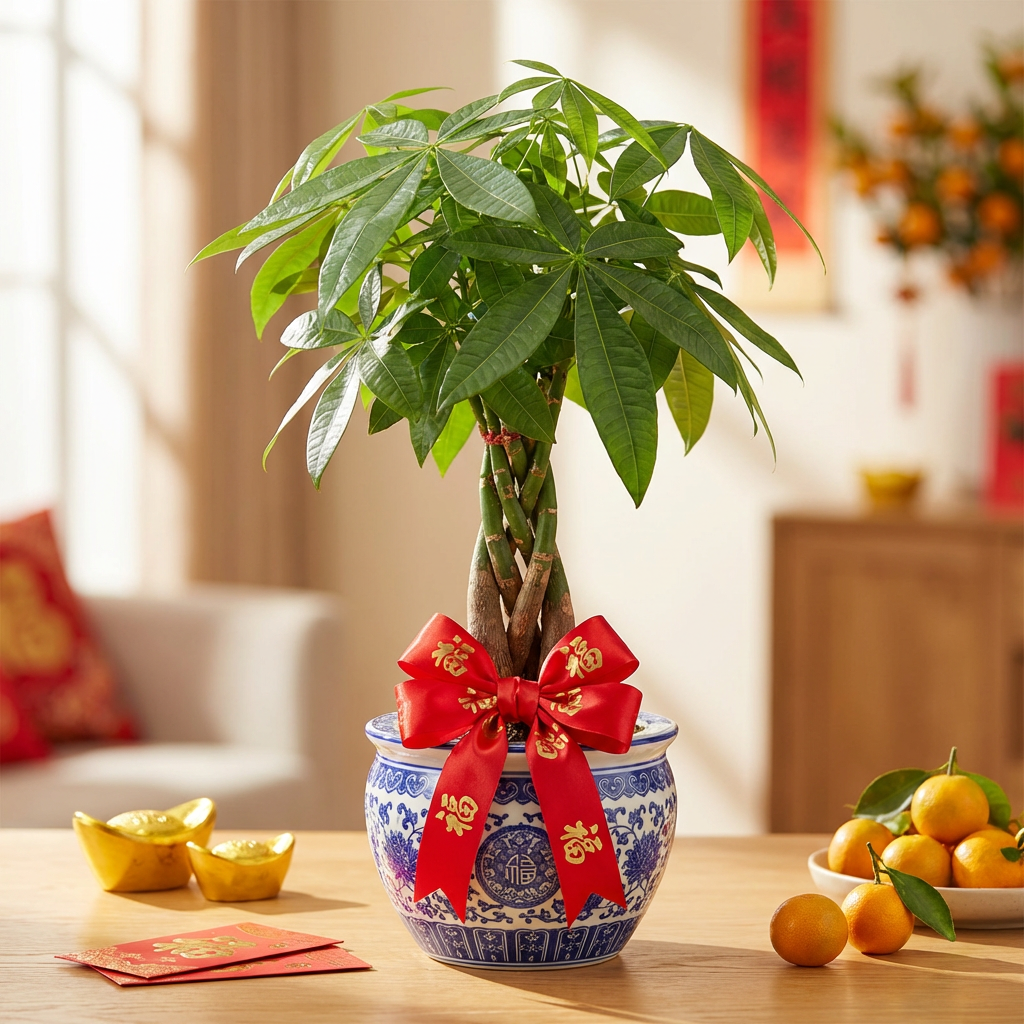
Money tree (Pachira): Wishes for prosperity and success. Appropriate for business openings, new ventures, or career celebrations.
Jade plant: Associated with good fortune and friendship. Suitable for long-term relationships and close friends.
Peace lily: Symbolizes tranquility and sympathy. Appropriate for supportive gestures or difficult times.
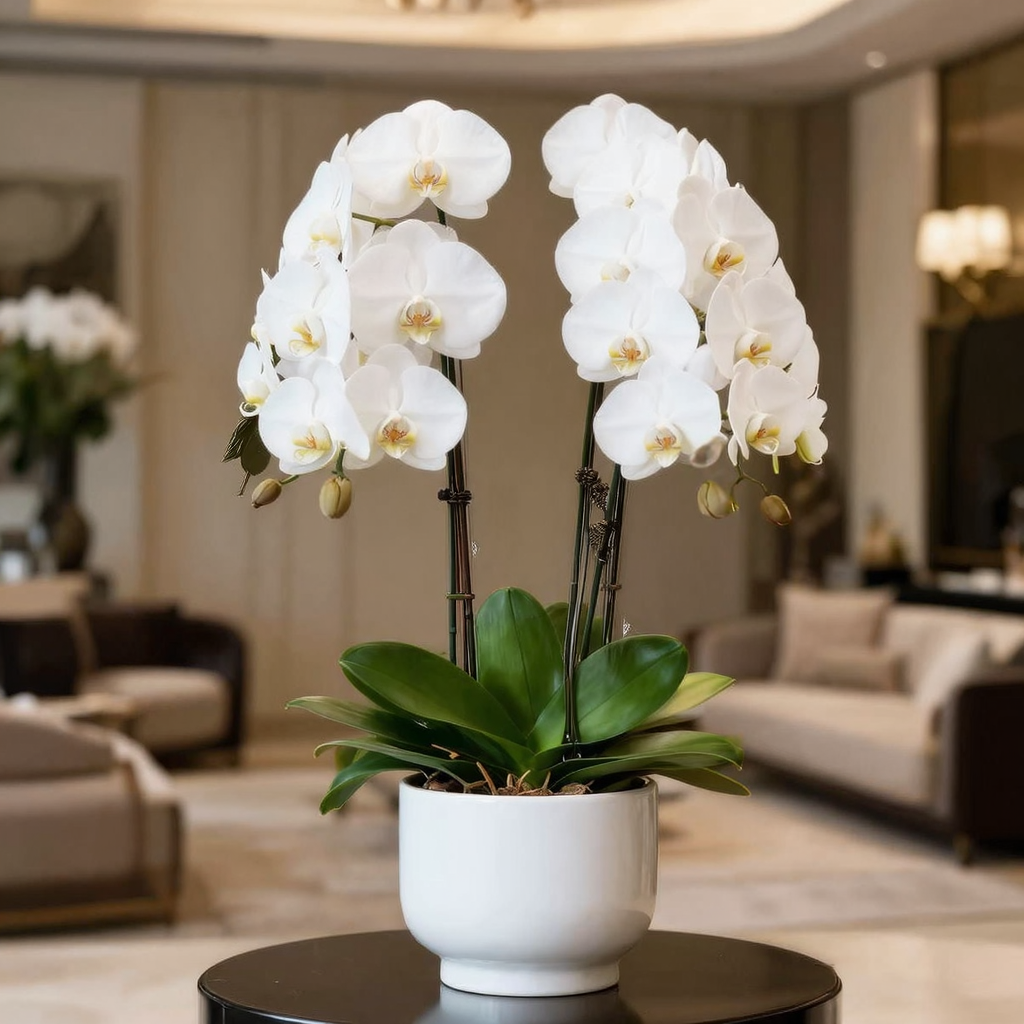
Orchid: Conveys elegance and admiration. Suitable for romantic contexts or expressing respect.
Snake plant: Represents resilience and protective energy. Good for people facing challenges or new environments.
Choosing symbolically appropriate plants adds a layer of meaning that recipients may sense even without explicit explanation.
Avoiding Common Mistakes
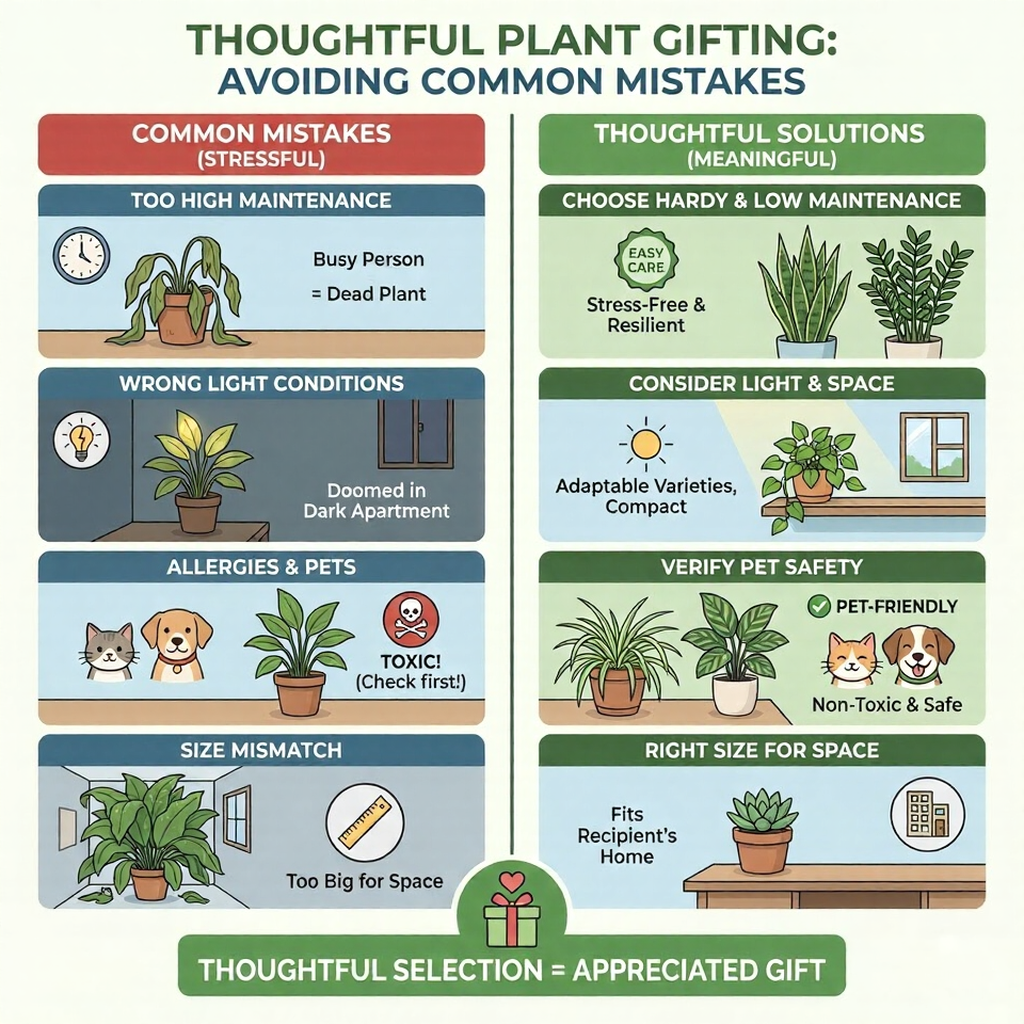
Too high maintenance: A demanding plant for a busy person becomes stressful, not meaningful. When in doubt, choose hardy.
Wrong light conditions: A sun-loving plant for a dark apartment is doomed. Ask about their space or choose adaptable varieties.
Allergies and pets: Some plants are toxic to cats and dogs. Verify before giving if pets are present.
Size mismatch: A large plant for a small apartment creates logistics problems. Consider the recipient’s space constraints.
Thoughtful plant selection requires knowing both the person and their environment. This research demonstrates care that recipients notice and appreciate.
Practical Implementation
When you shop plant gifts in Dubai or anywhere else, apply these principles to transform routine gift-giving into a meaningful connection. Consider pairing plants with quality planters or care accessories to complete the presentation.
Presentation Matters
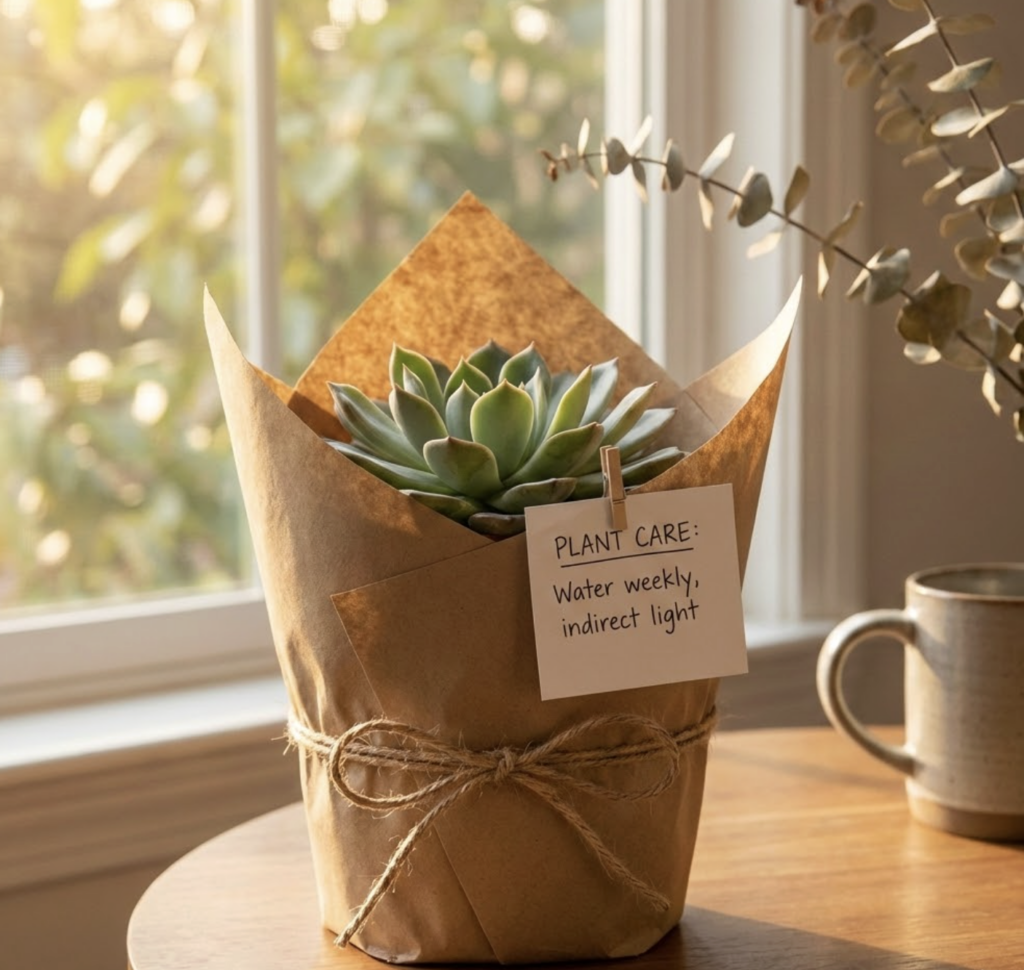
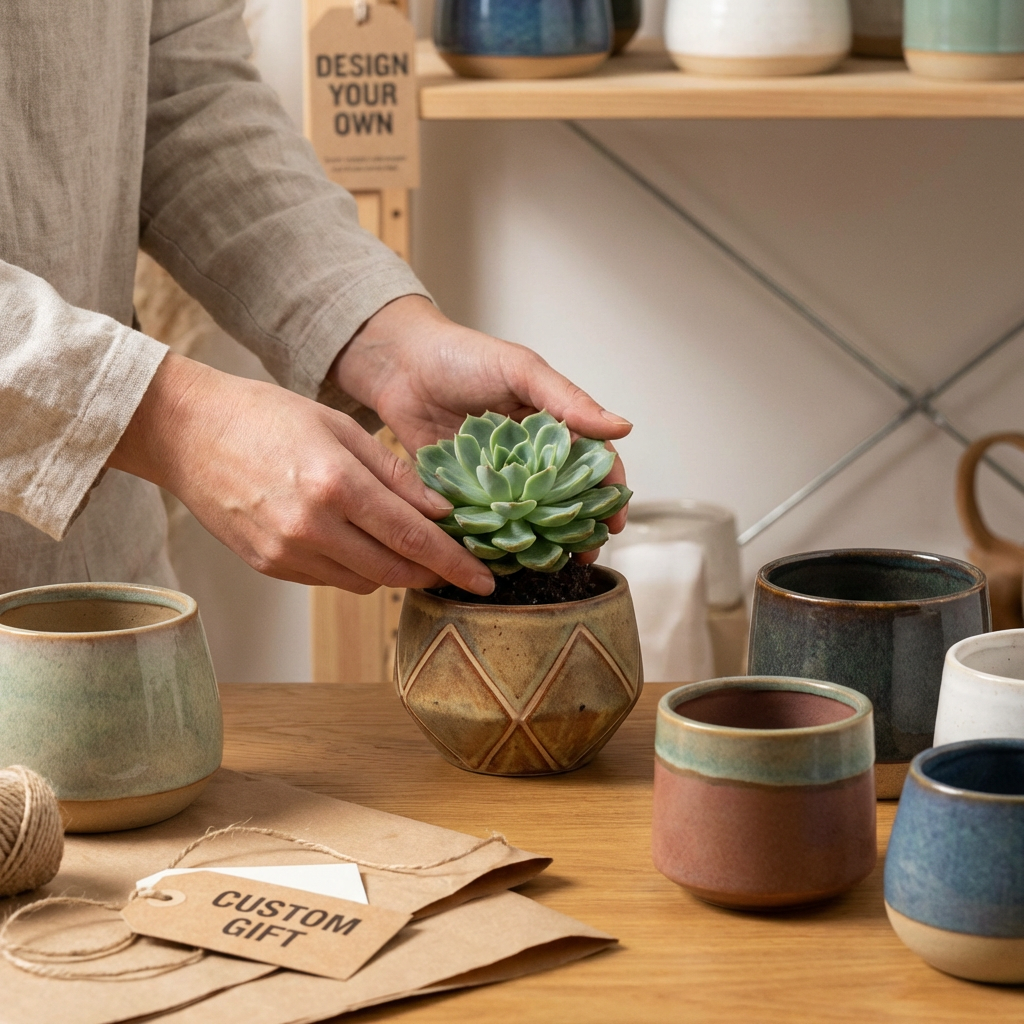
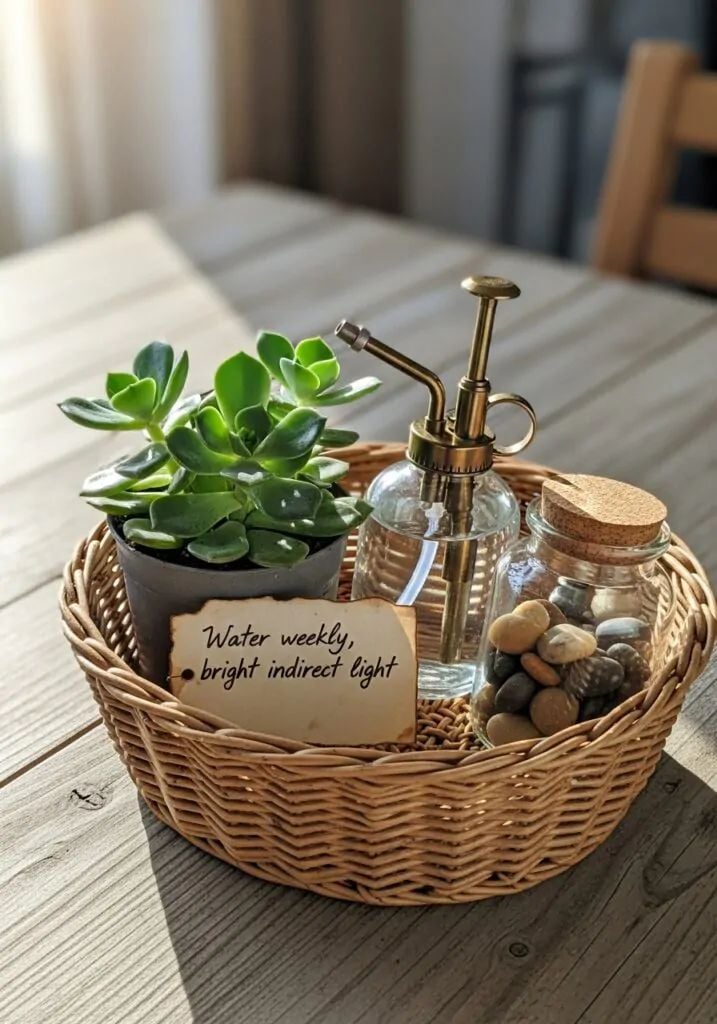
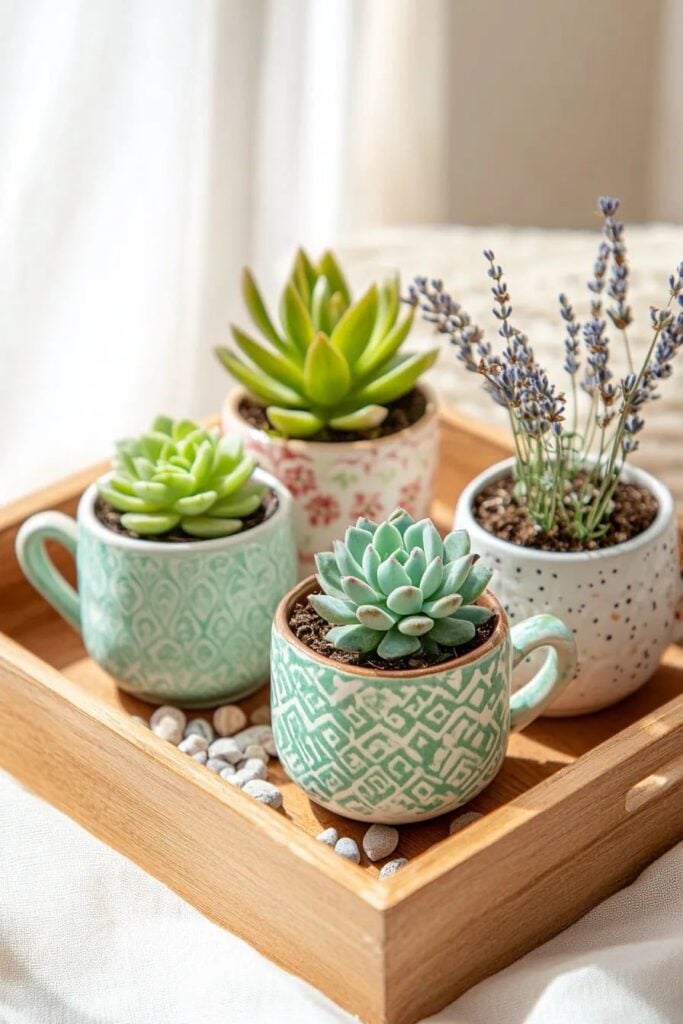
Quality container: A beautiful planter elevates the gift from plant to design piece. Choose containers that match the recipient’s aesthetic.
Care instructions: Include simple care guidance. This shows thoughtfulness and helps ensure the plant thrives—protecting both the gift and the relationship.
Personal note: Explain why you chose this specific plant. Making the symbolism explicit deepens the meaning.
Timing Considerations
Delivery condition: Plants need appropriate transport. Extreme temperatures can damage them before arrival.
Acclimation period: New plants need time to adjust. Let recipients know not to worry if leaves drop initially.
Seasonal appropriateness: Some plants do better when gifted in certain seasons. Research timing for sensitive varieties.
The Wellbeing Dimension
Beyond symbolism and connection, plant gifts contribute to recipient well-being—adding practical value to emotional meaning.

Documented Benefits
Stress reduction: Studies consistently link indoor plants to lower stress levels and improved mood.
Air quality: Many common houseplants filter airborne toxins, contributing to healthier indoor environments.
Productivity: Research suggests plants in workspaces improve focus and creative thinking.
Recovery support: Hospital studies show patients with plants recover faster and report less pain.
These benefits mean your plant gift keeps giving in ways the recipient may not consciously attribute to you but will associate with your thoughtfulness.

The Care Ritual
The act of caring for plants provides its own psychological benefits:
Mindfulness practice: Watering, pruning, and tending requires present-moment attention—a natural mindfulness exercise.
Accomplishment feelings: Watching something thrive under your care generates satisfaction and self-efficacy.
Routine anchor: Plant care provides a gentle structure that can ground daily life.
When you give a plant, you’re giving access to these benefits—a gift that continues contributing to wellbeing long after traditional presents are forgotten.
FAQ
Why do plant gifts feel more meaningful than flowers?
Flowers are beautiful but temporary—they peak and fade within days. Plants grow and change over months or years, creating ongoing interaction and accumulated meaning. Each watering, each new leaf, reinforces the memory of the giver. Longevity transforms a moment into a relationship.
What’s the best plant for someone with no gardening experience?
Pothos, snake plants, and ZZ plants tolerate inconsistent care and low light. They’re nearly indestructible while still providing the psychological benefits of plant ownership. Choose these for busy people or self-described “plant killers.”
How do I choose a plant that matches someone’s personality?
Consider their lifestyle first: busy people need low-maintenance plants; nurturing types enjoy more demanding varieties. Then consider aesthetics: minimalists prefer architectural plants; maximalists enjoy lush, trailing varieties. Finally, think about symbolism: what message does the plant convey about your wishes for them?
Is it appropriate to give plants for sad occasions?
Yes, with thoughtful selection. Peace lilies traditionally suit sympathy contexts. Green plants in general represent ongoing life and hope—appropriate for grief support. Avoid bright flowers or celebratory presentations; keep the gesture quiet and meaningful.
What if the plant dies—does that ruin the gift?
Plant death is possible despite the best care. The meaning of your gift lies in the giving and the intention, not the outcome. If concerned, choose extremely hardy varieties, or pair the plant with care instructions that set realistic expectations.
Conclusion
Plant gifting operates on psychological principles that traditional gifts cannot access. The combination of growth symbolism, nurturing interaction, and temporal longevity creates emotional connections that deepen rather than fade. Understanding these principles transforms plant selection from random choice to intentional communication.
The most memorable gifts create ongoing relationships, not single moments. Plants do this naturally—every watering, every new leaf, every glance across the room reinforces the connection between giver and recipient.
This week: Think about your next gifting occasion. Consider whether a plant might communicate your intention better than traditional options. Research plants that match the recipient’s personality and space.
Before purchasing: Apply the matching principles—lifestyle compatibility, symbolic meaning, practical considerations. A thoughtful plant choice demonstrates care that recipients remember.
Ongoing: Notice how plant gifts land differently than other presents. Track which plants create lasting connections and which choices work best for different personalities. Build this knowledge for future, meaningful giving.
Your gifts should grow in meaning, not fade from memory. Plant gifting makes that growth literal—a living symbol of connection that strengthens over time rather than disappearing after unwrapping.
- 215shares
- Facebook0
- Pinterest215
- Twitter0
- Reddit0