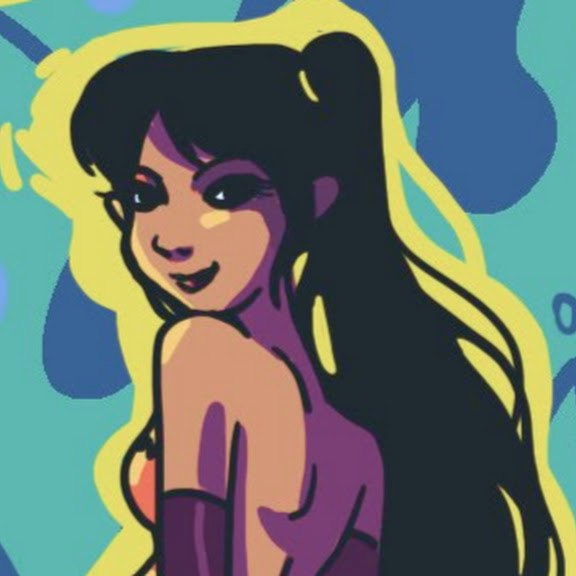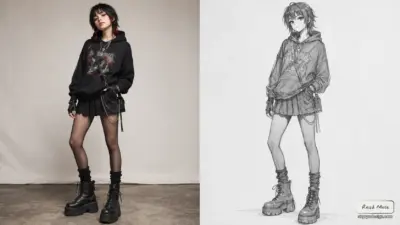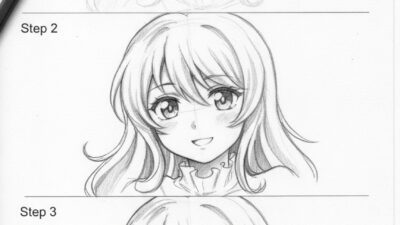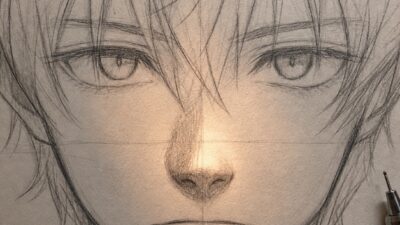

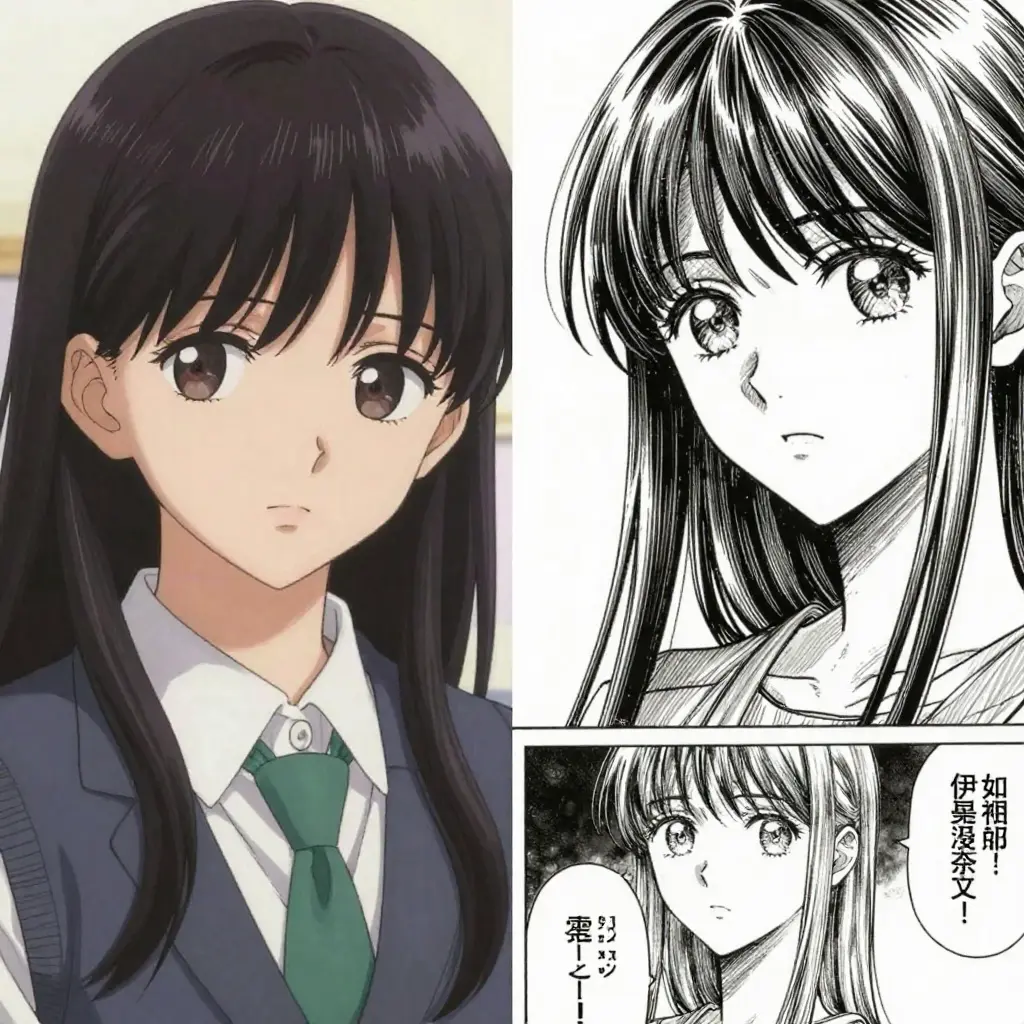
Anime vs manga art style comes down to a practical tradeoff: manga can spend one panel on dense ink, dramatic contrast, and extreme expression, while anime has to keep the same character readable in motion. If you are studying both as an artist, look first at line weight, color, panel pacing, facial simplification, and how much detail survives the jump from page to screen.
- What is manga art style?
- What is anime art style?
- Anime vs manga art style differences
- Eyes, faces, and body proportions
- Action, motion, and energy
- Backgrounds and world-building
- Storytelling pace: reader vs viewer control
- Why anime looks different than manga adaptations
- Genre differences in anime and manga art style
- Why these styles developed
- Which is better for artists: anime or manga?
- Anime vs. Manga Art Style FAQs
- Final thoughts: how to study both styles
Anime vs manga art style is easiest to compare through how each medium handles movement, detail, and timing. Manga uses black-and-white line work, screentones, panel composition, and reader-controlled pacing. Anime translates those ideas into color, motion, camera cuts, and simplified character sheets that many artists can animate consistently.
Anime vs manga art style at a glance
| Feature | Manga art style | Anime art style |
|---|---|---|
| Color | Usually black-and-white with screentones and ink contrast. | Full color with palettes, lighting, and composited effects. |
| Motion | Suggested through speed lines, panel angles, and impact poses. | Shown through key frames, timing, camera movement, and effects. |
| Detail | Can hold dense hatching, tiny costume marks, and rough texture. | Often simplified so the design can be redrawn across many frames. |
| Pacing | The reader controls how long each panel lasts. | The director controls timing, pauses, music, and scene cuts. |
| Best study habit | Copy line weight, expressions, panel rhythm, and black-white values. | Study silhouettes, color keys, model consistency, and movement. |
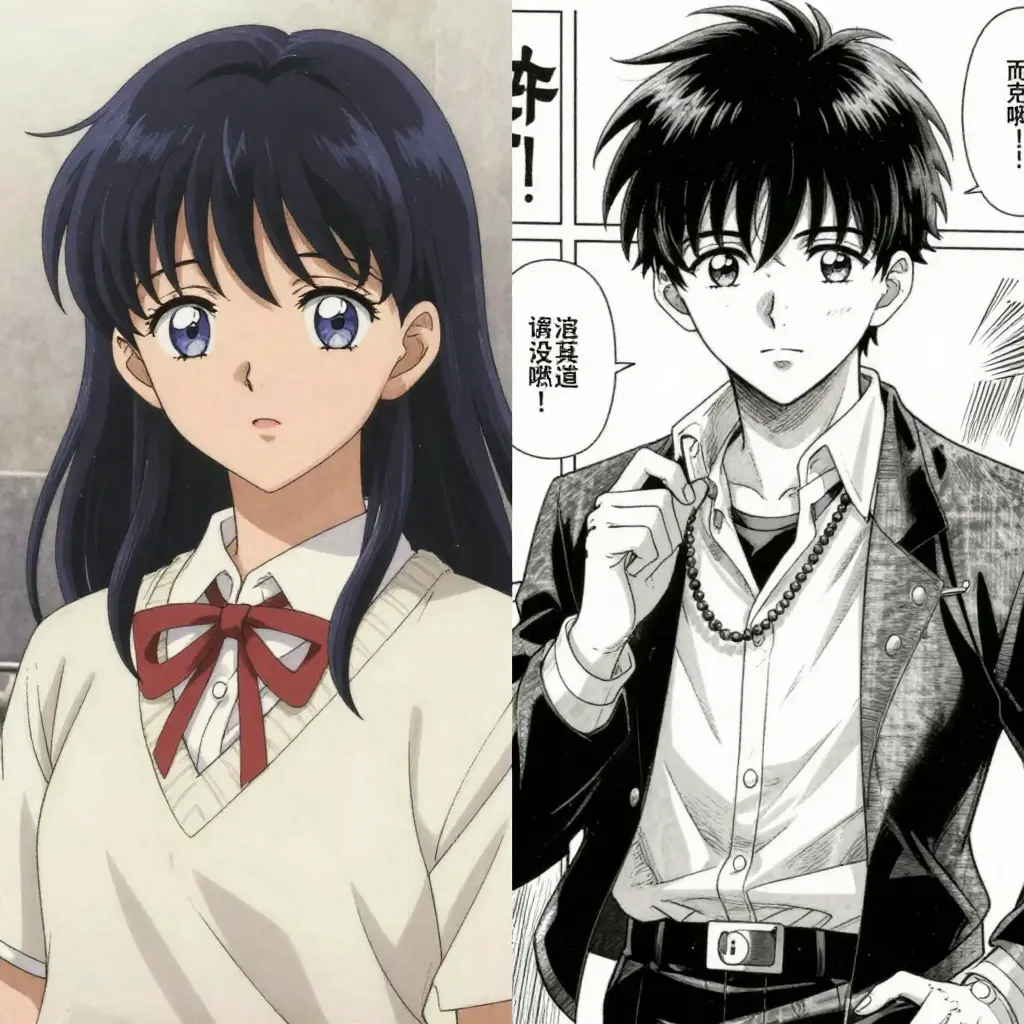
What is manga art style?
1. Black-and-White by Design (Not Limitation)
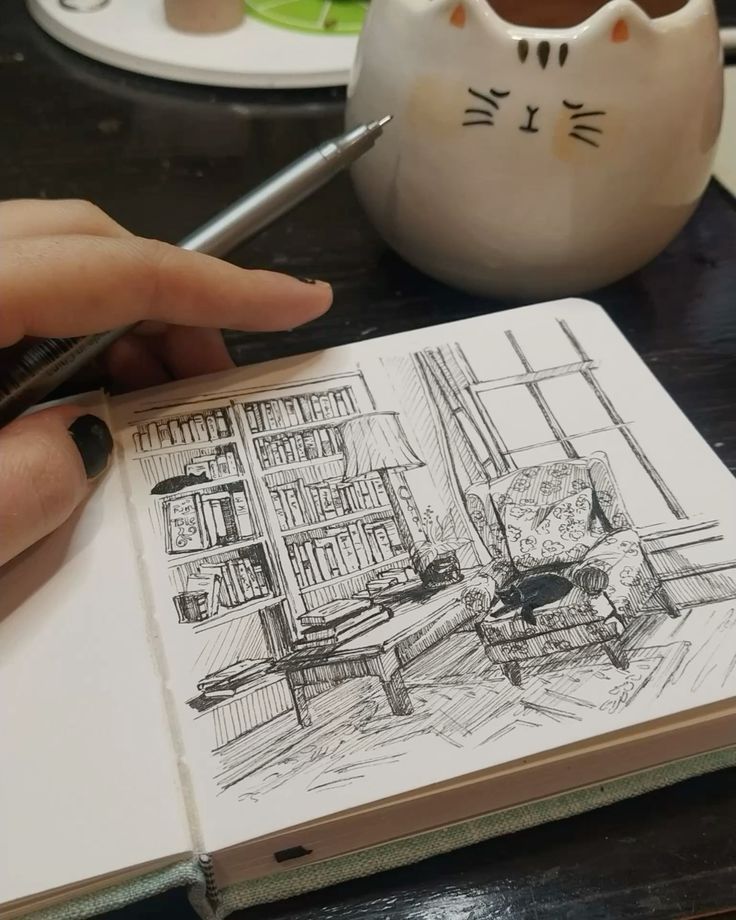
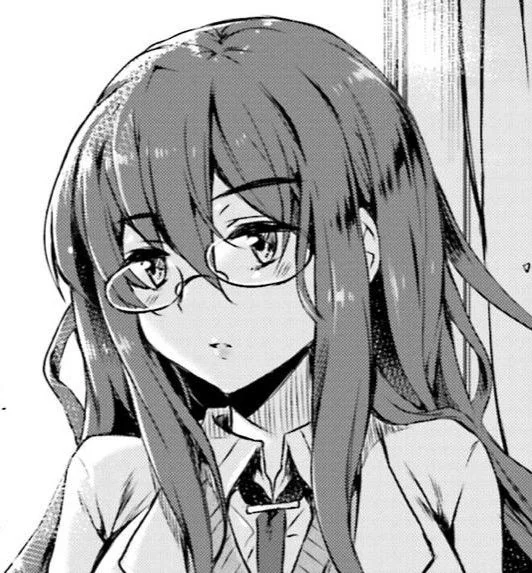
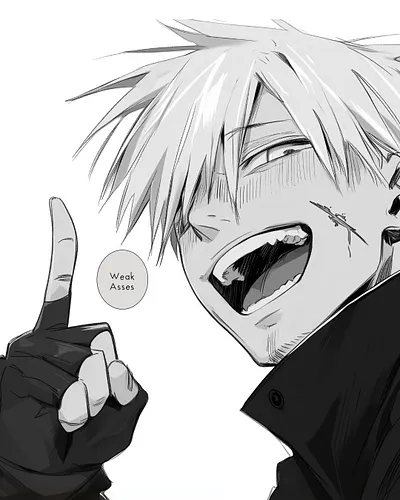
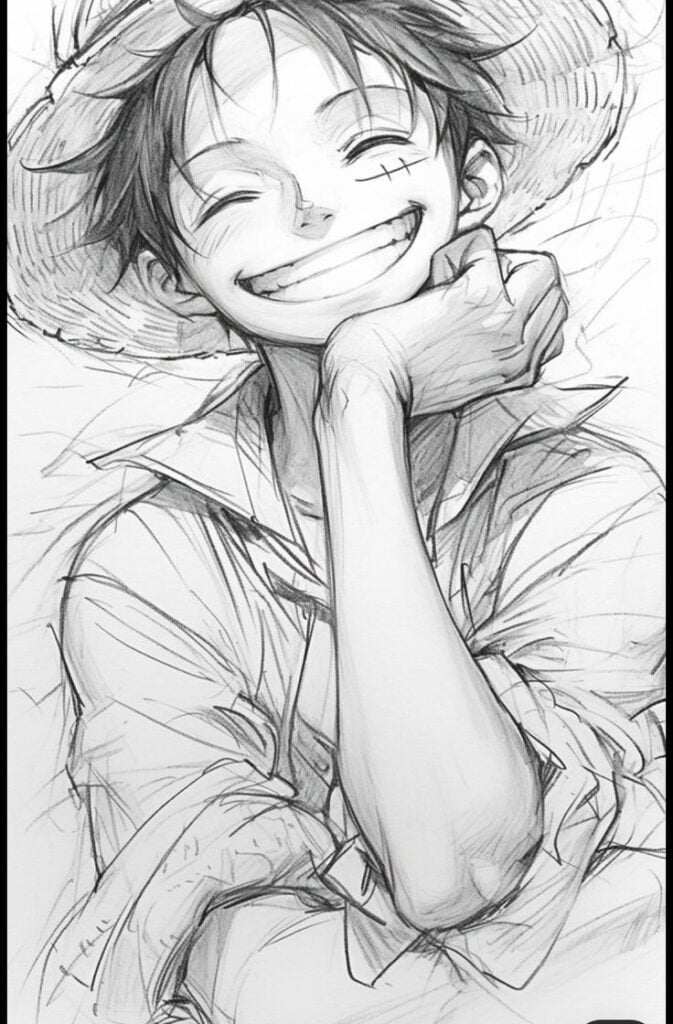
Manga is traditionally printed in black and white, a choice rooted in post-war Japanese publishing economics and weekly serialization schedules. Artists rely on:
- Line weight variation for depth
- Screentones for shading and atmosphere
- Negative space for emotional pacing
This constraint shaped manga into a highly expressive minimalist art form, where clarity and emotion matter more than color realism.
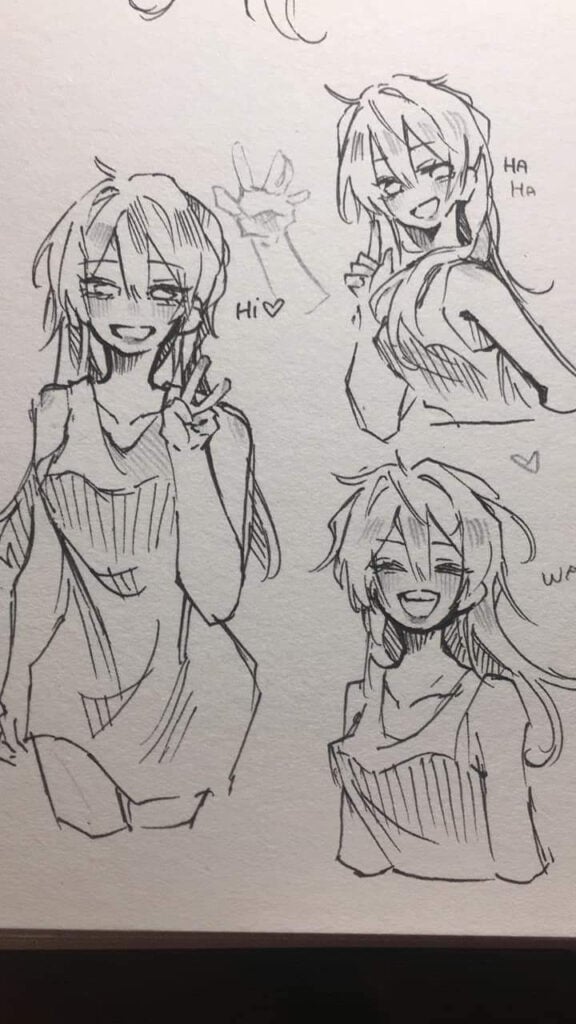
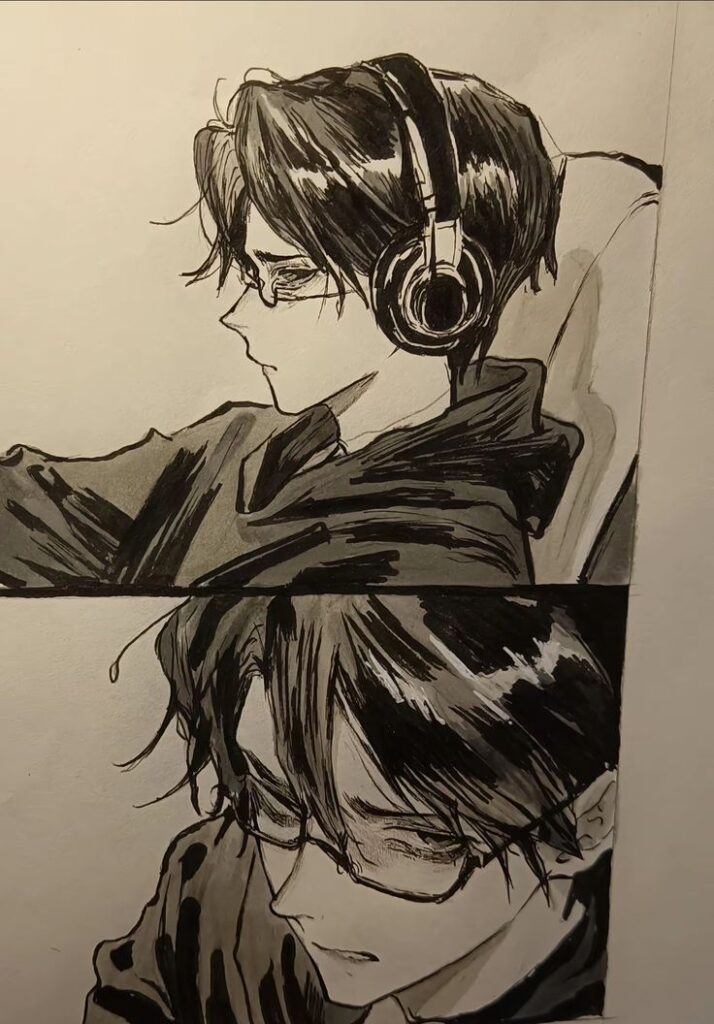
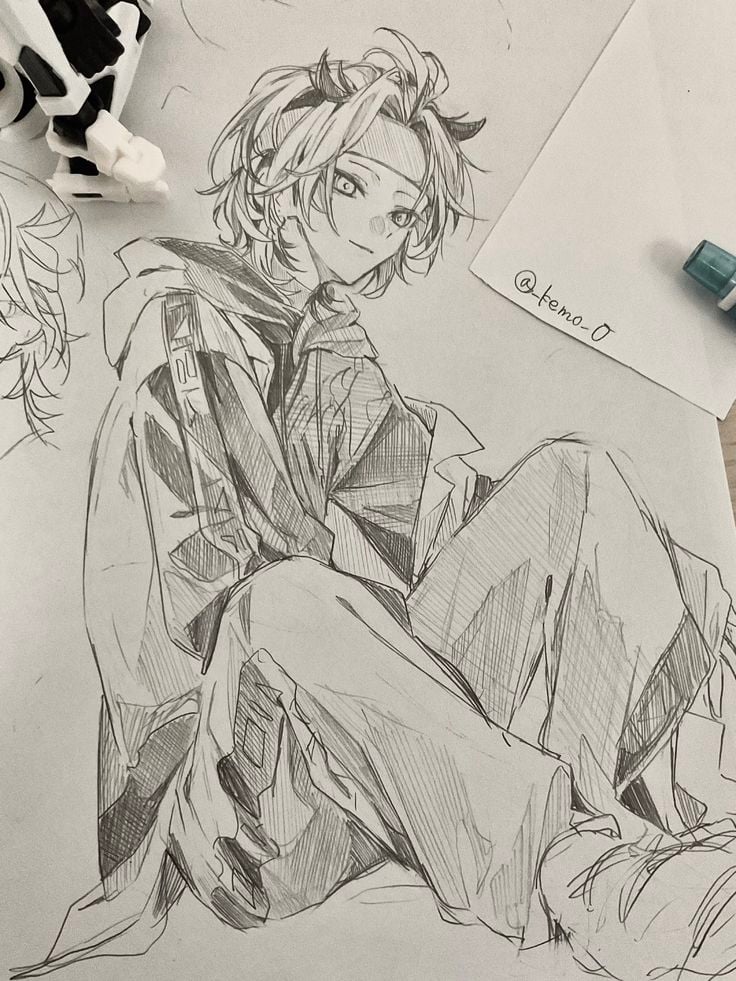
2. Expressive Line Work and Stylization
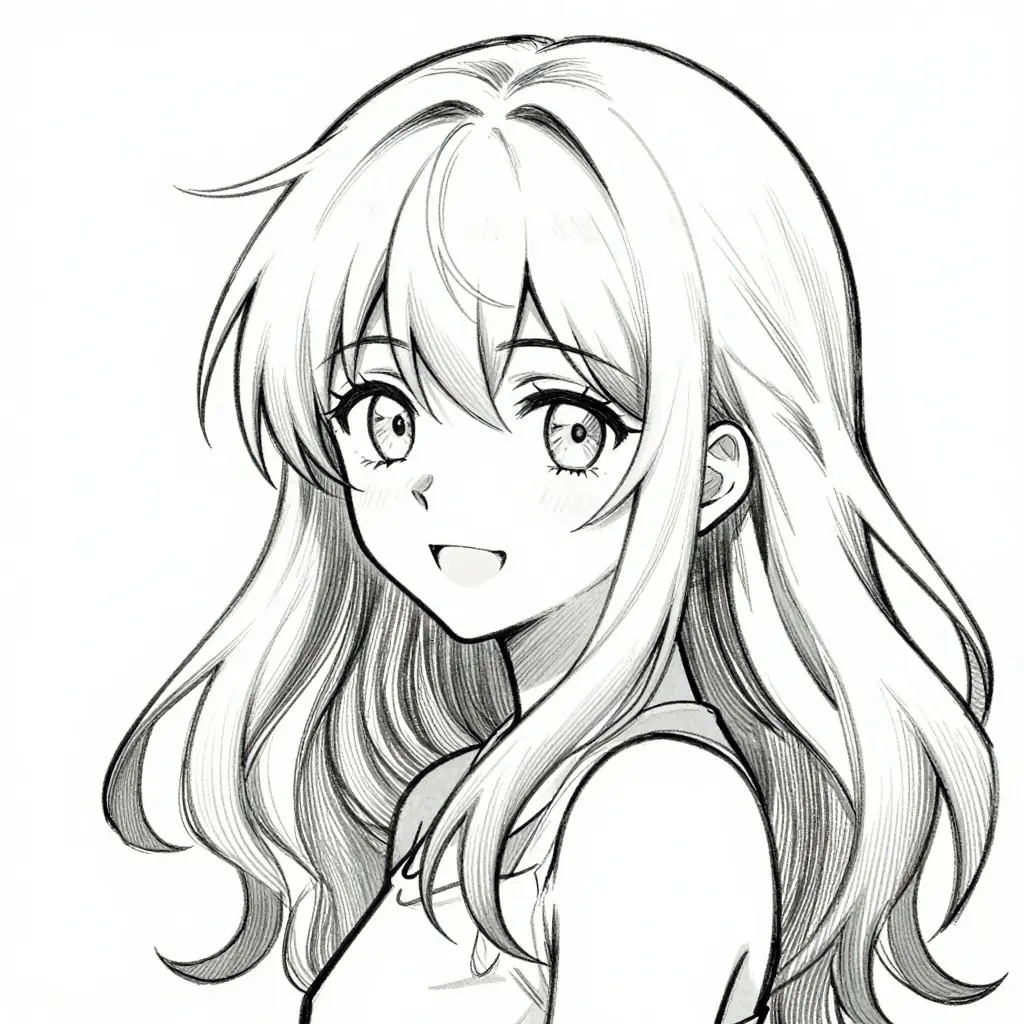
Manga artists exaggerate facial expressions far beyond realism:
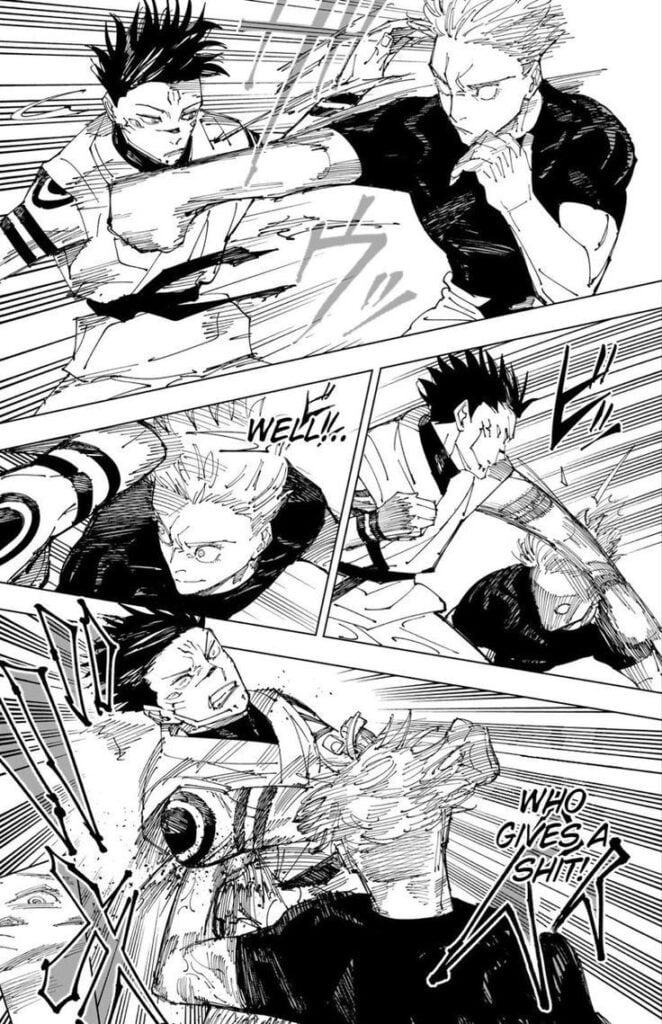
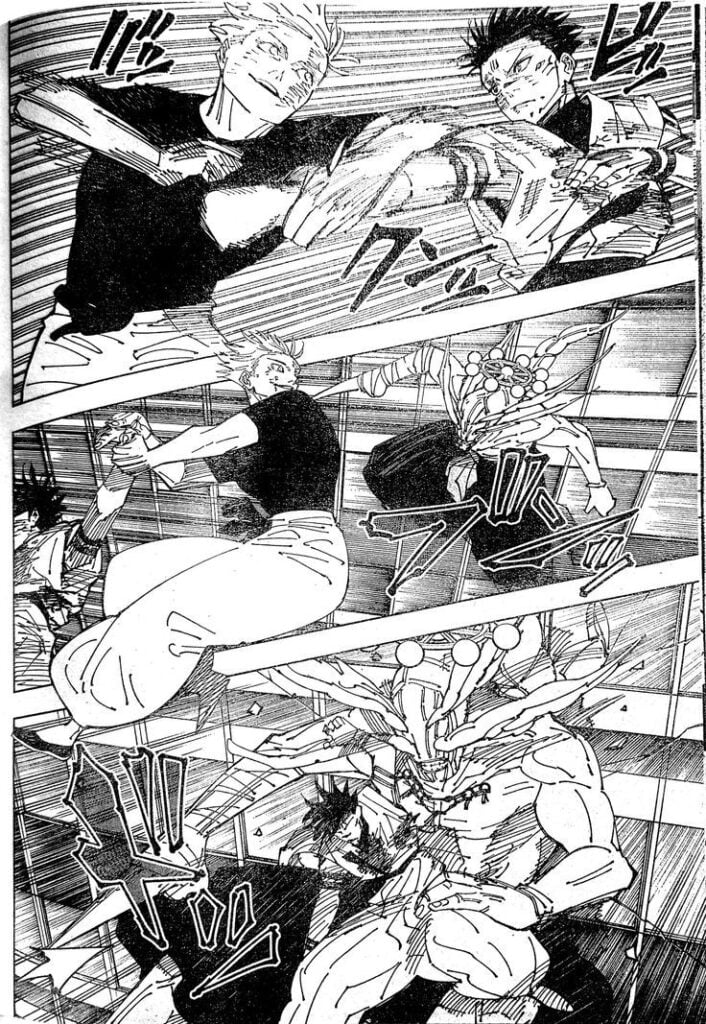
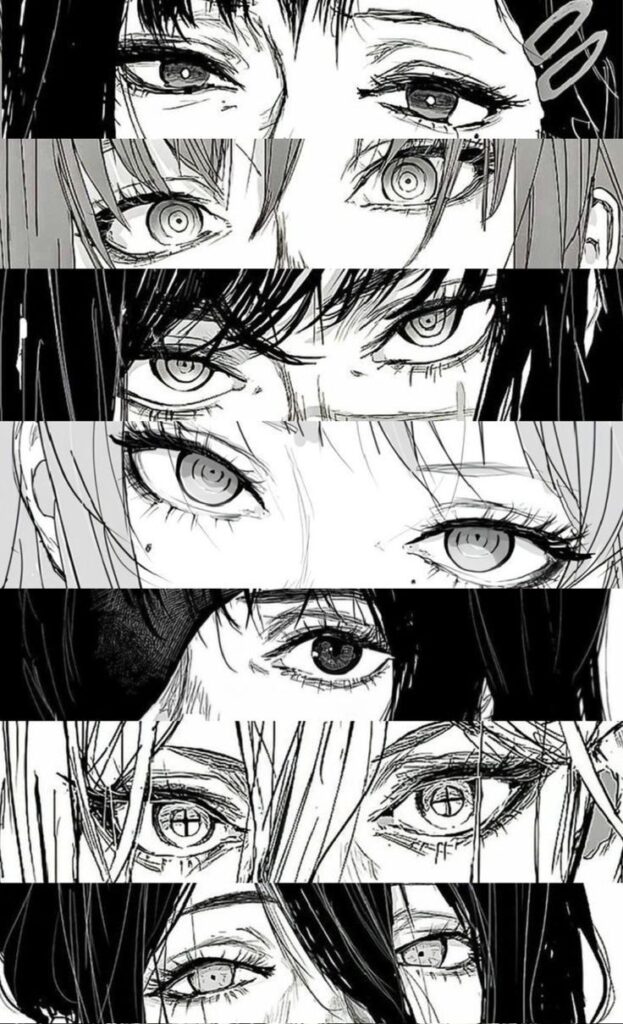
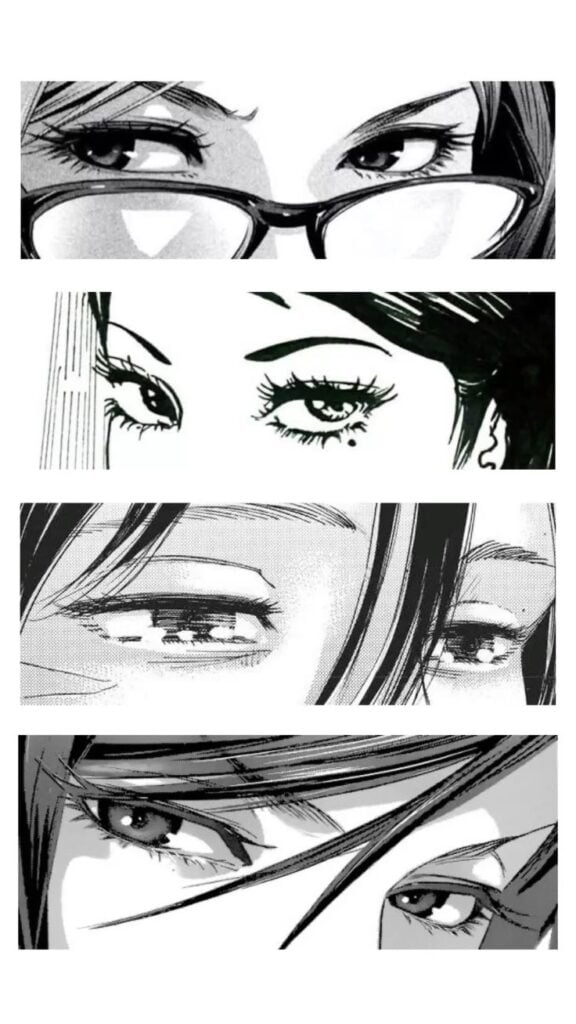
- Oversized eyes for emotion
- Simplified noses and mouths
- Visual metaphors (sweat drops, speed lines, chibi forms)
This allows readers to instantly understand emotional context without dialogue.
3. Paneling as Storytelling Language
Manga panels are not rigid. They:
- Stretch across pages for dramatic moments
- Break borders during action scenes
- Shrink to slow time or heighten tension
For example, in Berserk, dense cross-hatching and large panels create weight and brutality, while Naruto uses speed lines and diagonal panels to emphasize motion.
What is anime art style?
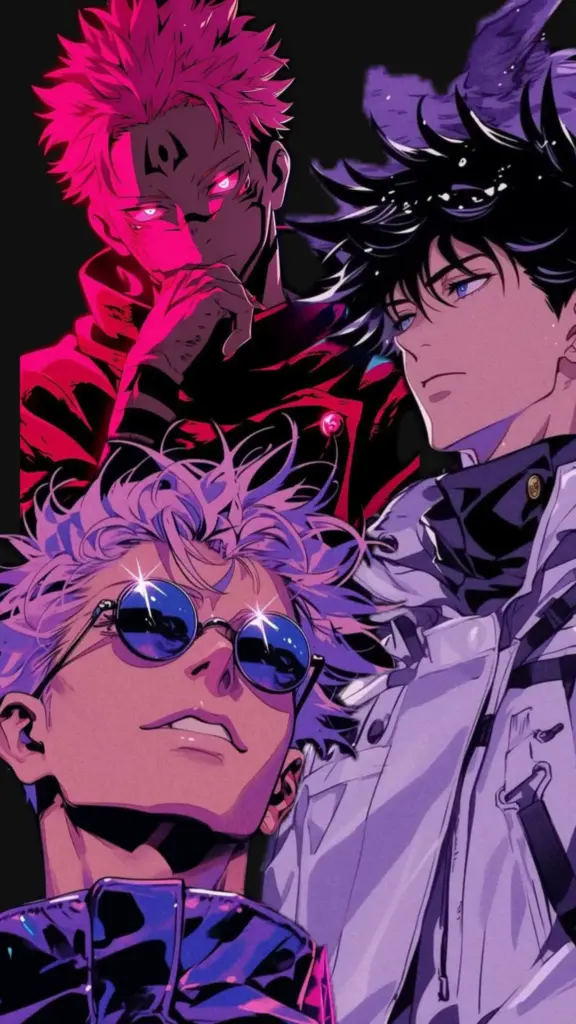
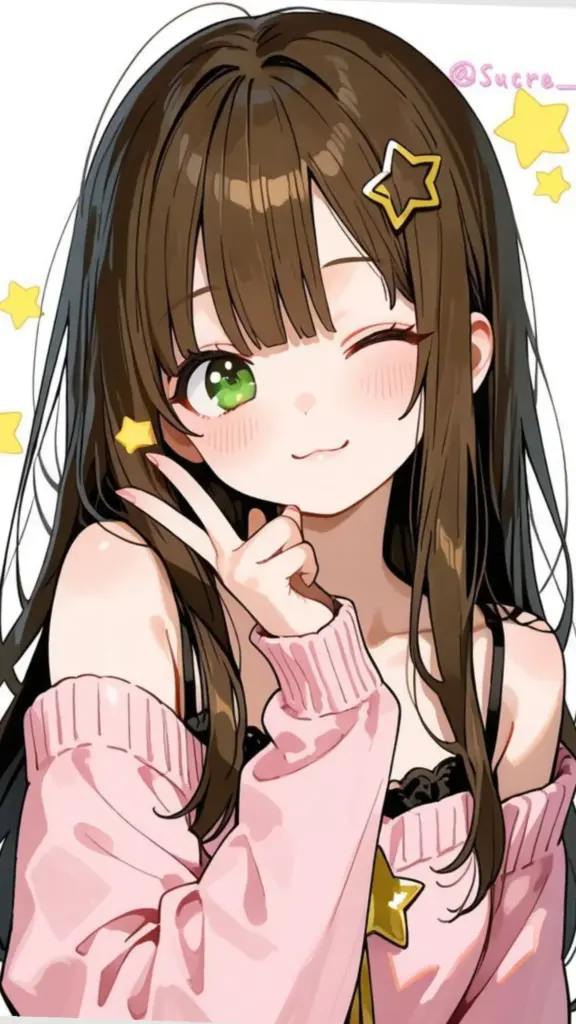
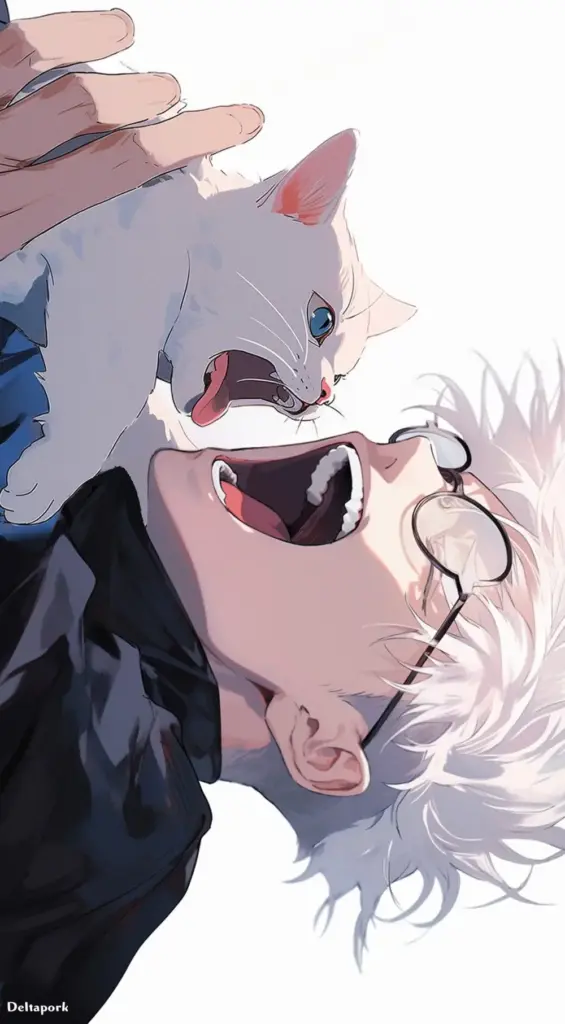
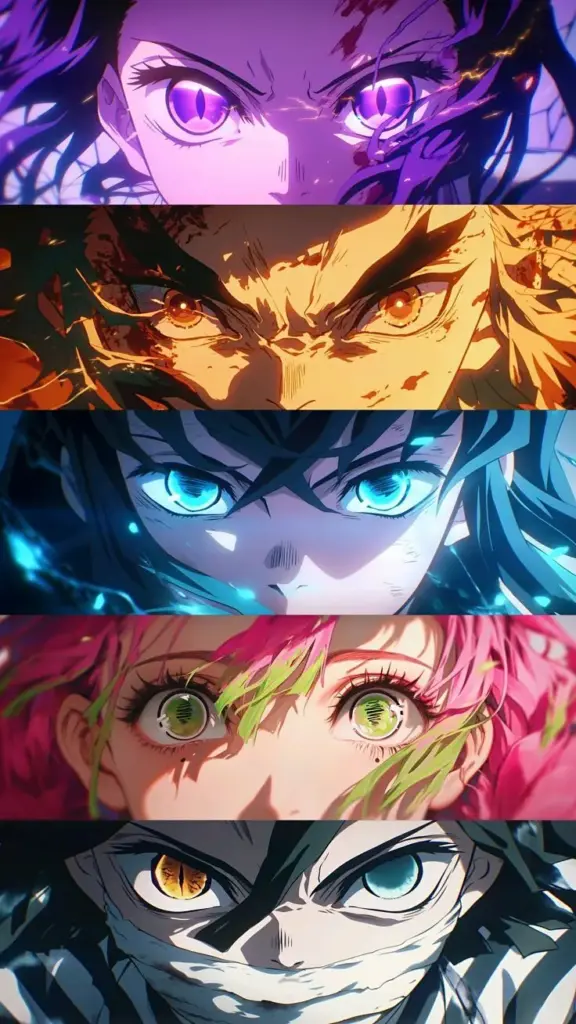
1. Full Color and Motion
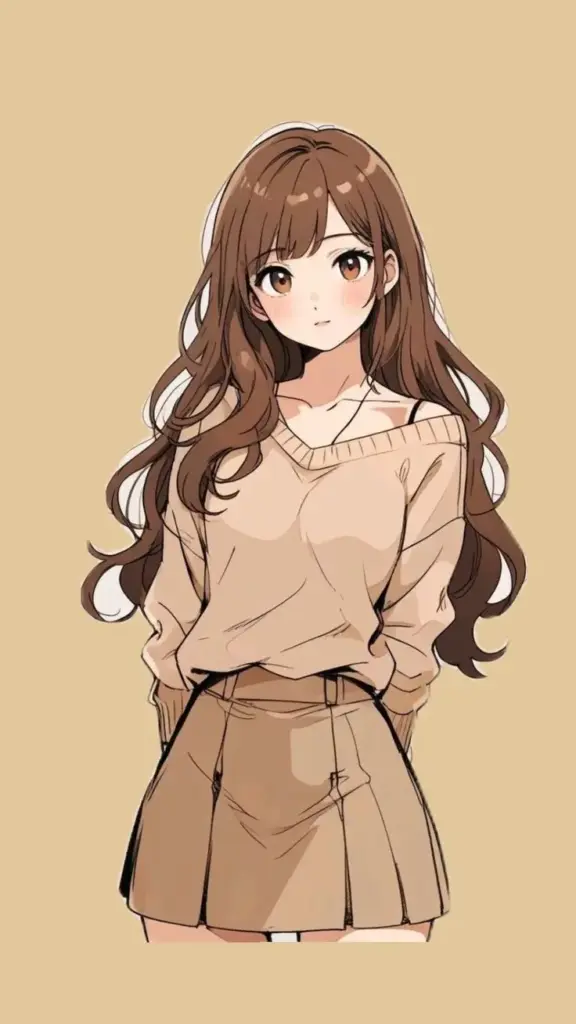
Anime transforms static illustrations into moving images. This introduces:
- Color theory and lighting
- Animation timing and frame economy
- Camera angles and motion blur
Because animation is expensive, studios often simplify designs to ensure characters can be animated consistently across hundreds of frames.
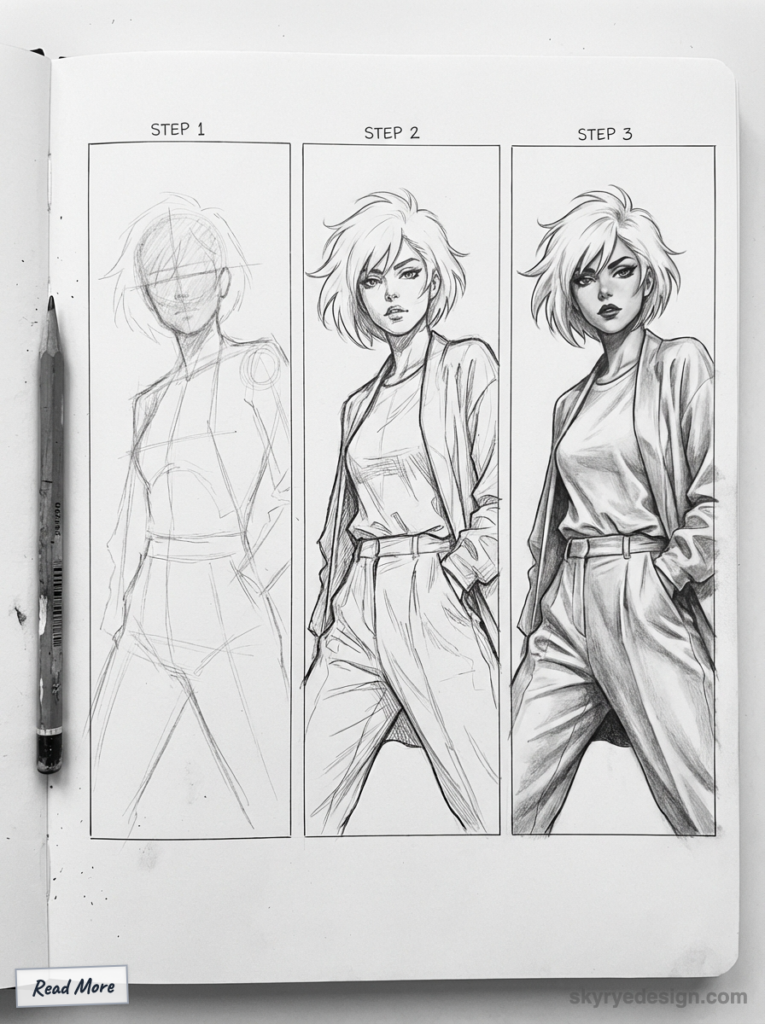
A lot of the style difference comes from anime hair design: big grouped clumps, sharp silhouettes, and highlight shapes that would look exaggerated in realism.
2. Design Adaptation for Animation
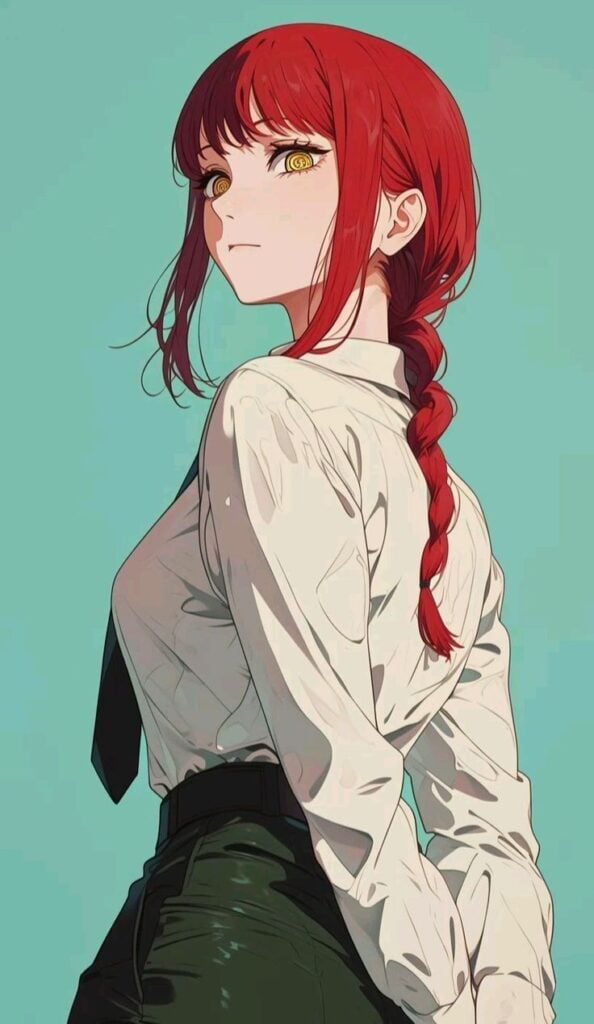
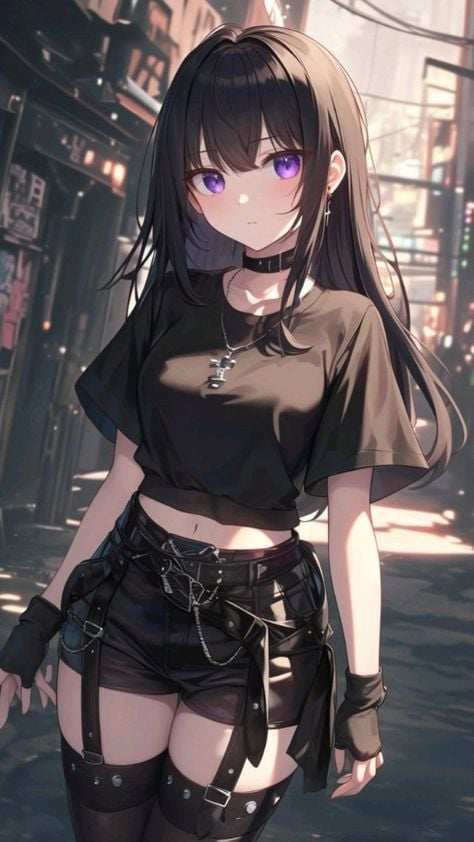
Anime character designs are often:
- Cleaner than manga originals
- Less detailed in hair and clothing
- Adjusted for facial consistency
For example, Attack on Titan tones down manga line density to maintain fluid action sequences.
3. Visual Direction and Atmosphere
Anime adds:
- Music and sound design
- Voice acting and timing
- Color grading to define mood
In Spirited Away, soft lighting and painterly backgrounds create warmth and surrealism that cannot exist in print.
Anime vs manga art style differences
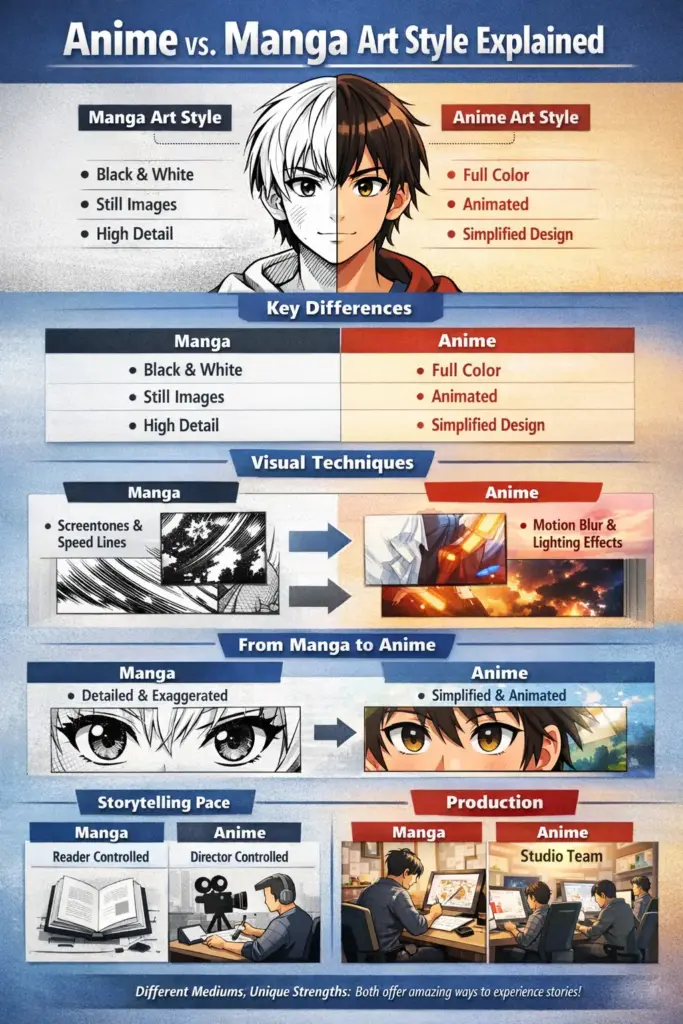
| ElementManga Art StyleAnime Art Style | ||
|---|---|---|
| Color | Black & white | Full color |
| Motion | Implied via lines | Actual animation |
| Detail | High static detail | Simplified for movement |
| Pacing | Reader-controlled | Director-controlled |
| Production | Individual artist | Studio collaboration |
Eyes, faces, and body proportions
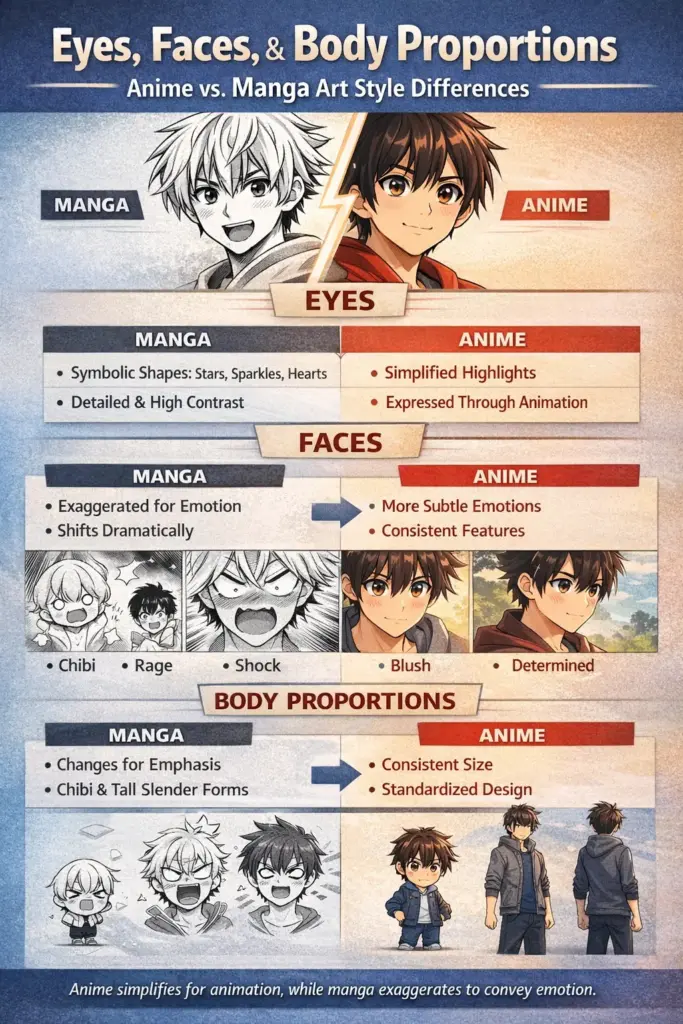
Eyes
- Manga eyes often contain intricate highlights and symbolic shapes.
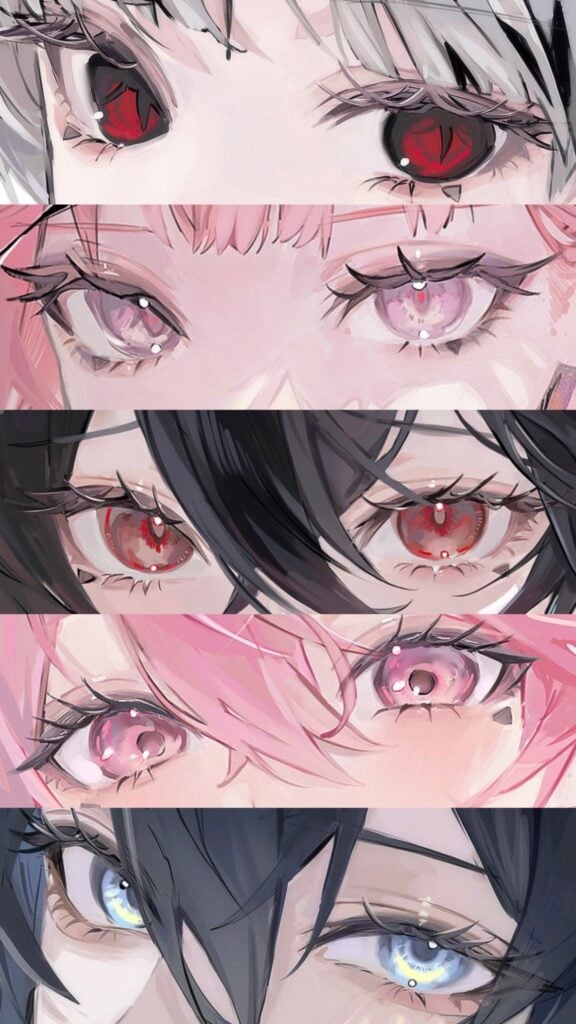
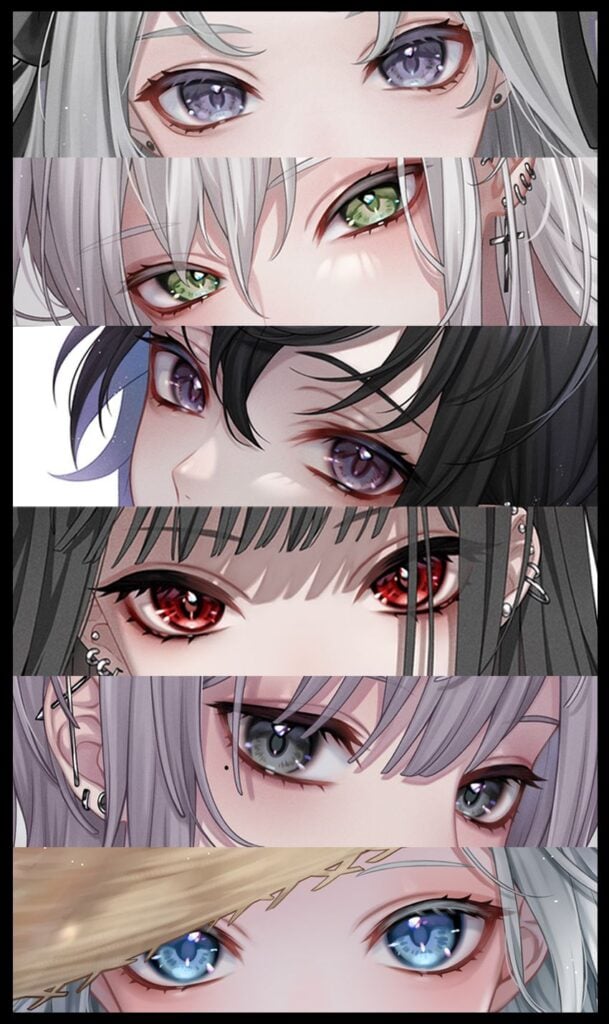
- Anime eyes are simplified and animated to express emotion through movement rather than detail.
Faces
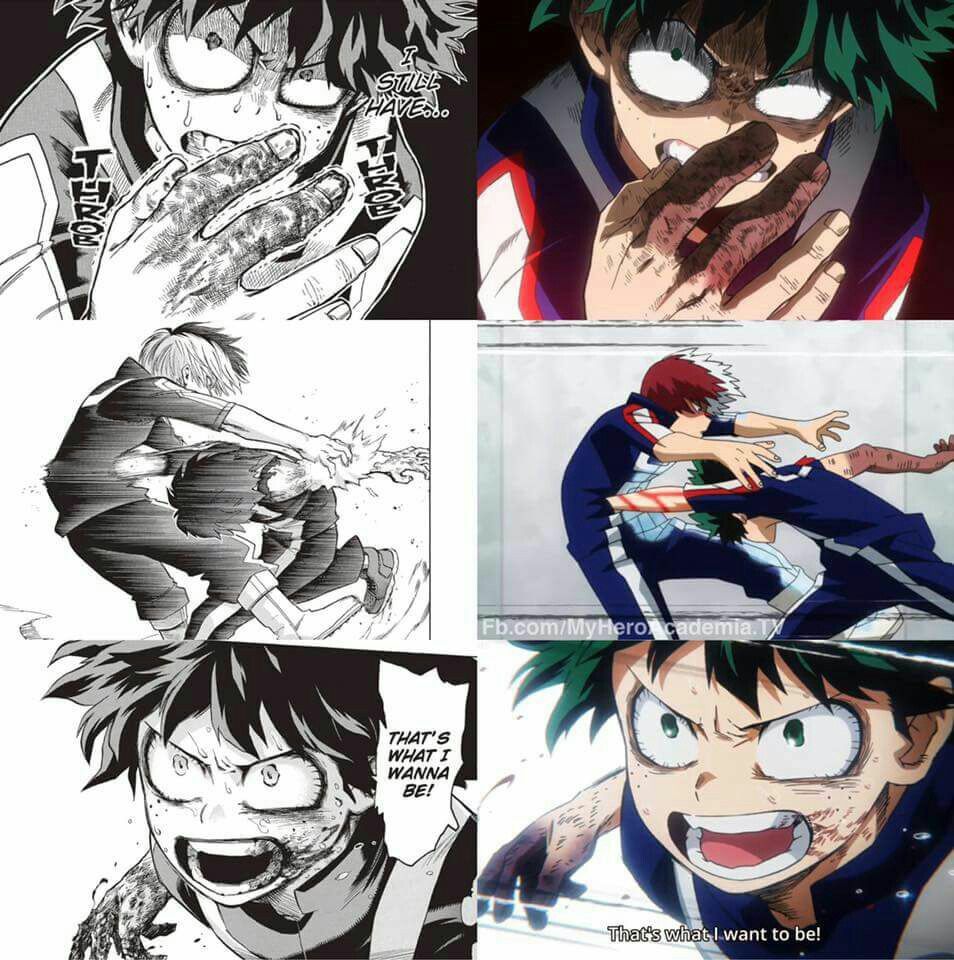
Manga faces shift dramatically depending on emotion. Anime maintains consistency to avoid jarring animation transitions.
Bodies
Manga proportions change panel-to-panel for effect. Anime proportions stay fixed for continuity.
Action, motion, and energy
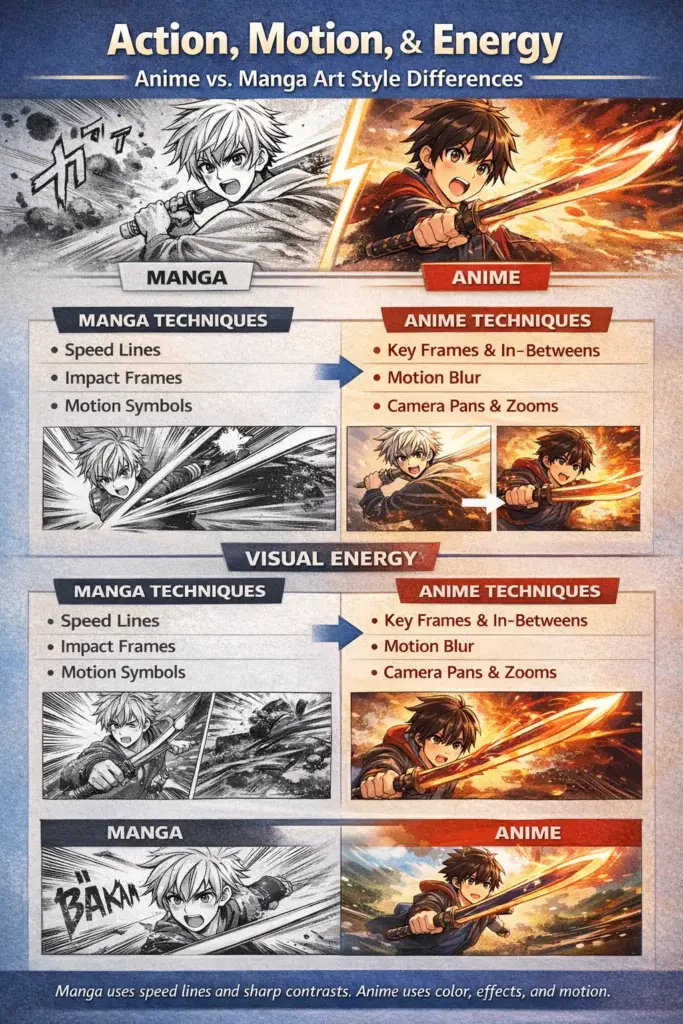
Manga relies on:
- Speed lines
- Impact frames
- Implied motion
Anime uses:
- Key frames and in-betweens
- Motion blur
- Camera pans and zooms
Compare the same fight in Demon Slayer versus its anime adaptation—the anime adds flowing elemental effects and color gradients, while the manga emphasizes sharp contrast and composition.
Backgrounds and world-building
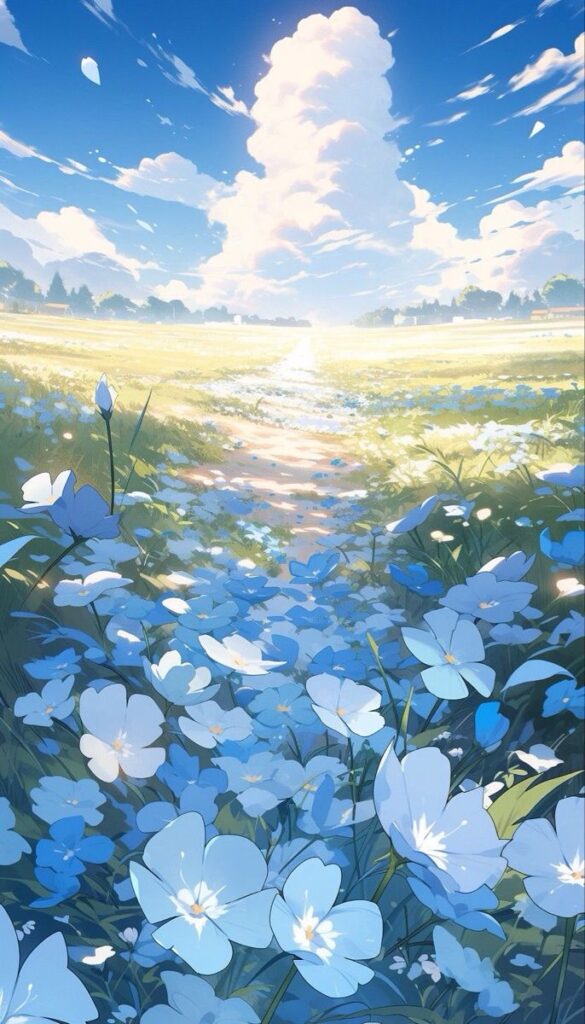
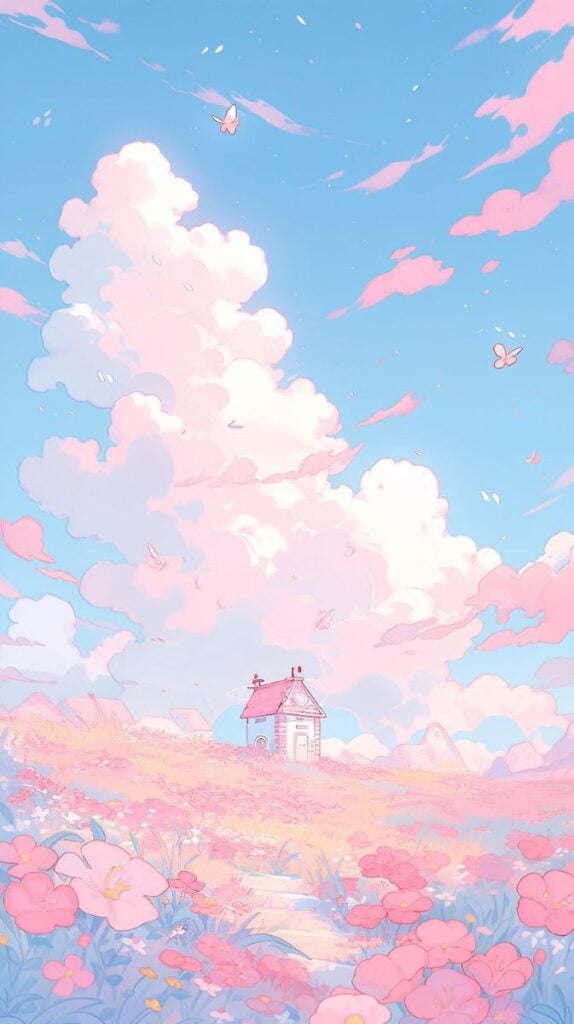
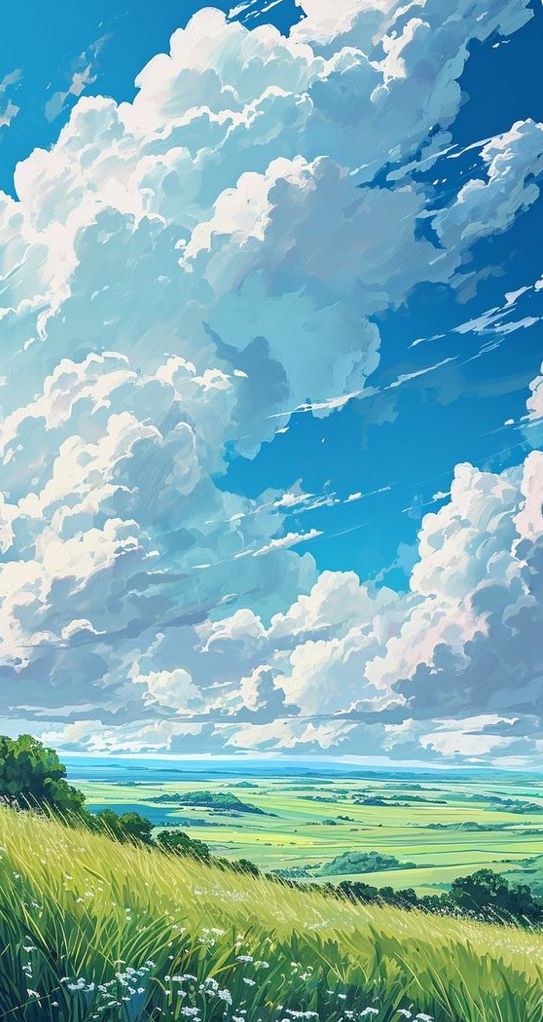
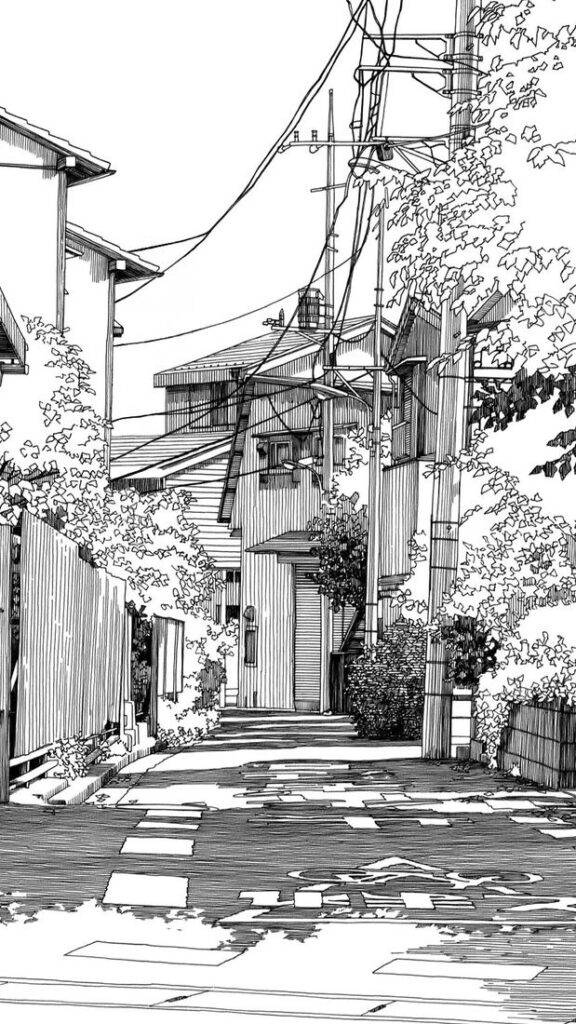
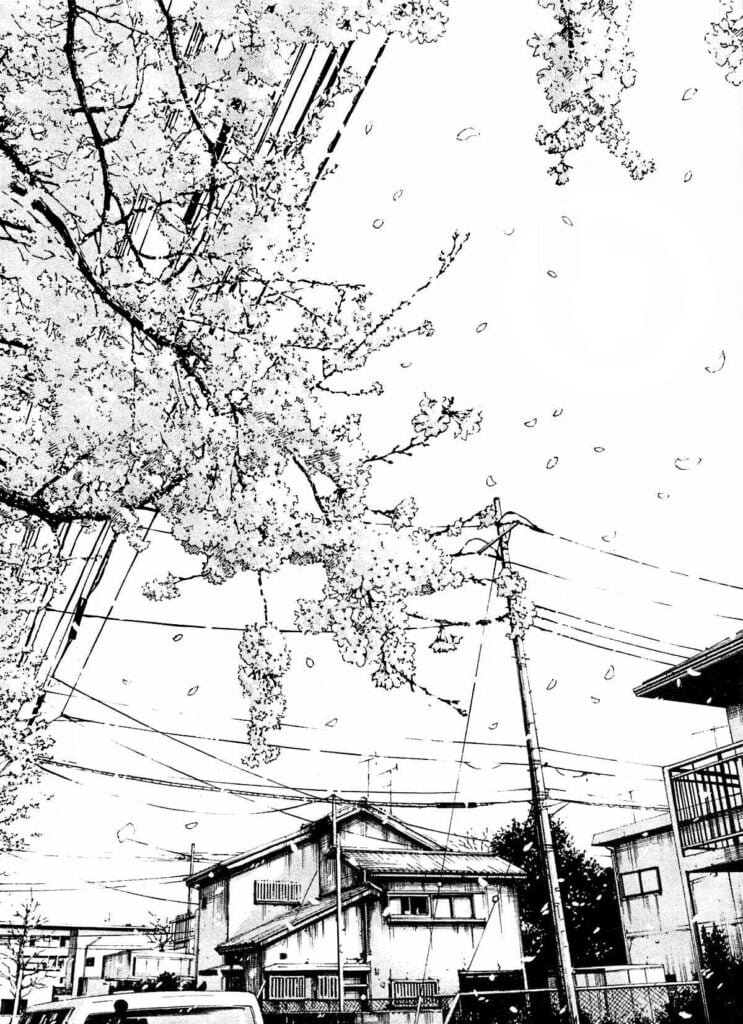
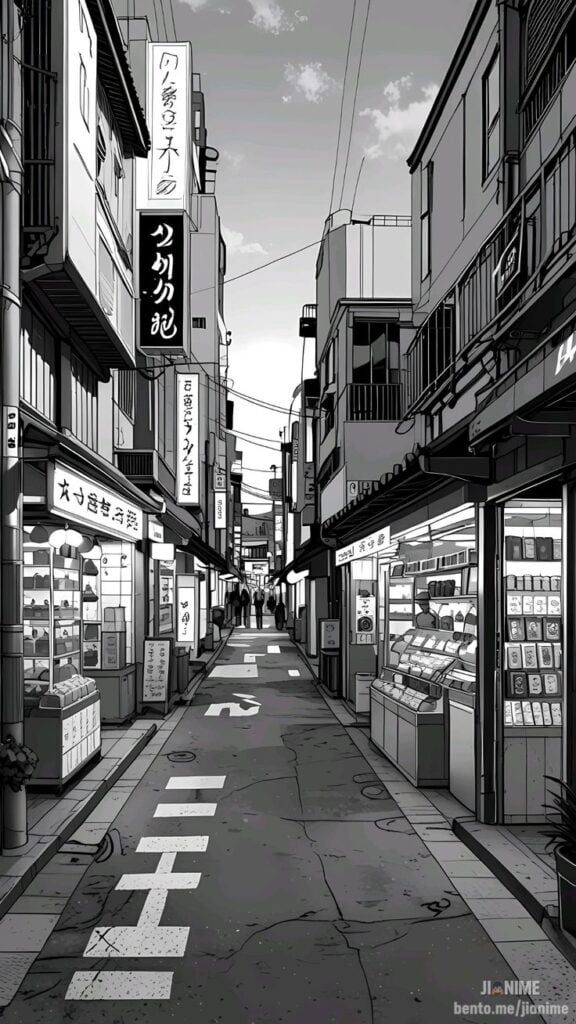
Manga backgrounds are often minimal to keep focus on characters and speed of reading. Anime backgrounds are fully rendered and reused across scenes, contributing to immersion.
Storytelling pace: reader vs viewer control
One of the biggest differences isn’t visual—it’s control.
- Manga lets readers pause, reread, and linger.
- Anime dictates timing, emotional beats, and suspense.
This is why some scenes feel more intense in manga and more emotional in anime.
Why anime looks different than manga adaptations
Anime adaptations change art styles because of:
- Budget constraints
- Weekly broadcast schedules
- Studio-specific art direction
Studios often standardize designs to ensure multiple animators can work on the same character without inconsistency.
Genre differences in anime and manga art style
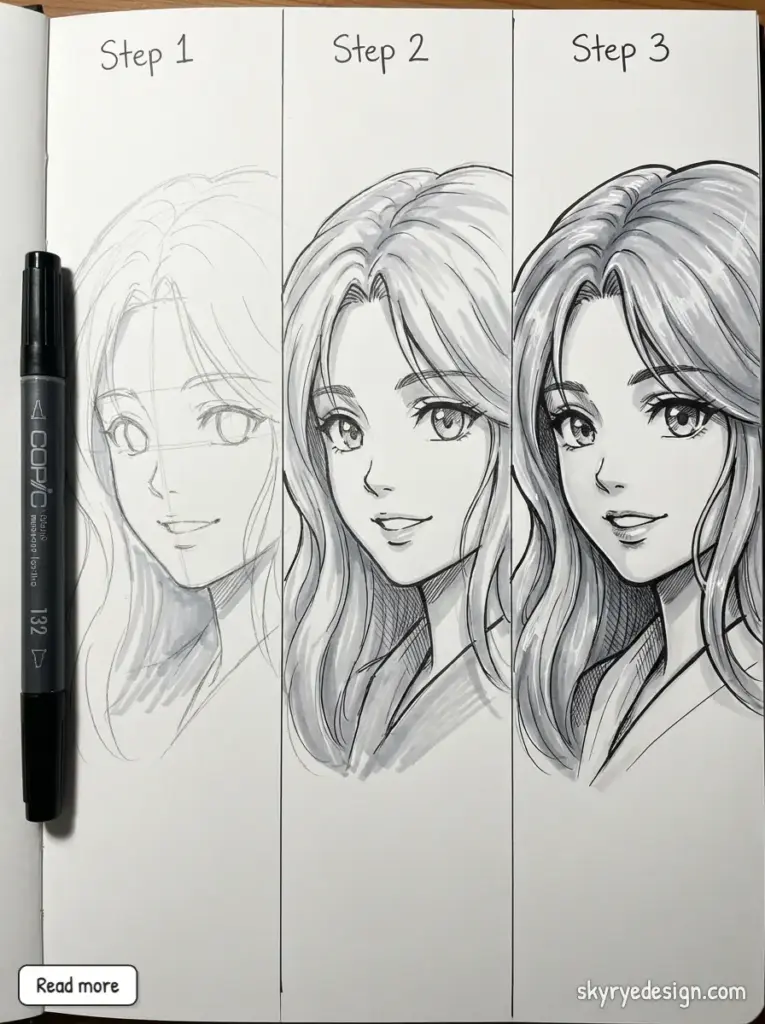
Shonen (Action)
- Bold lines, exaggerated motion
- Example: Dragon Ball Z
Shojo (Romance)
- Soft lines, decorative elements
- Large expressive eyes
Seinen (Adult)
- Realistic proportions
- Detailed shading and anatomy
Why these styles developed
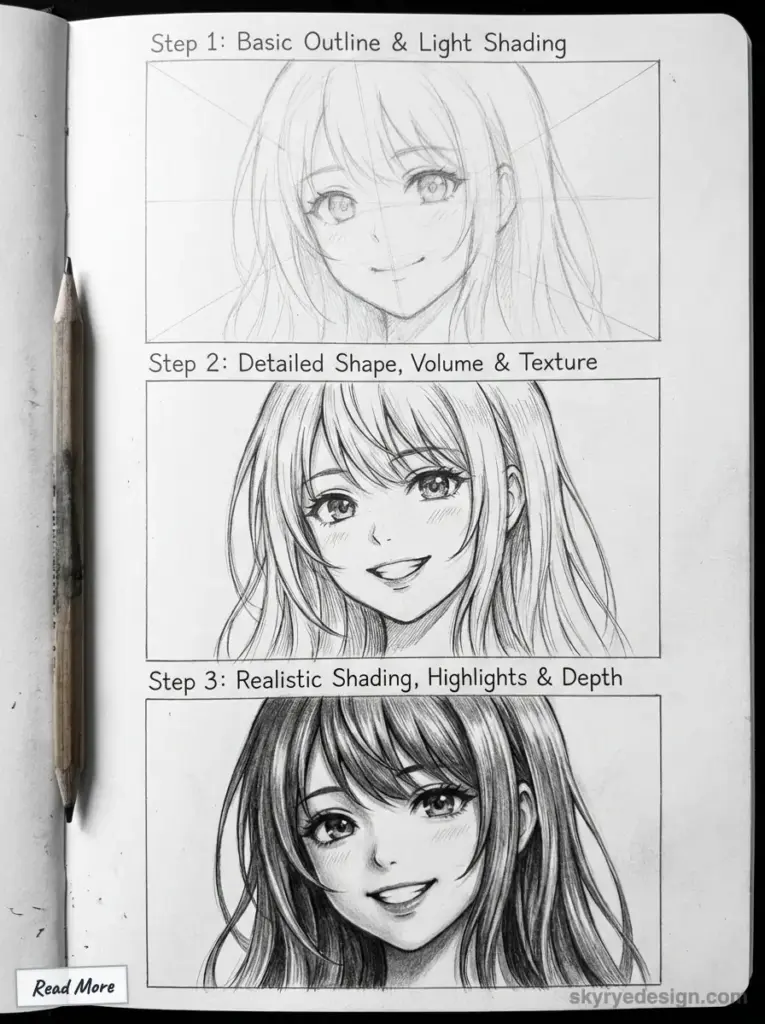
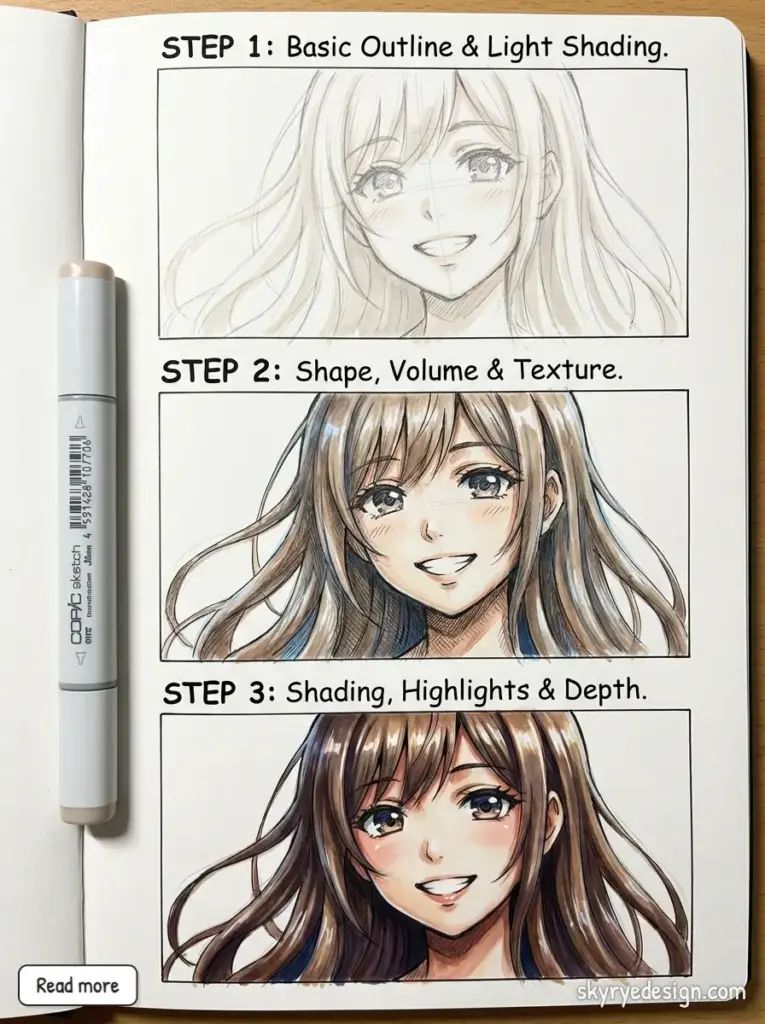
Japan’s publishing and animation industries shaped these differences:
- Manga developed for mass weekly consumption.
- Anime evolved under television and film constraints.
- Artist-to-studio pipelines demanded efficiency and consistency.
Which is better for artists: anime or manga?
Neither is better—they are different tools for storytelling.
- Choose manga if you value:
- Artistic detail
- Creative pacing
- Direct connection to the creator
- Choose anime if you value:
- Music and voice acting
- Cinematic storytelling
- Emotional timing
Many fans enjoy both for complementary reasons.
Anime vs manga art style FAQ
What is the main difference between anime and manga art style?
The main difference is motion. Manga art style has to suggest action through line weight, panel layout, speed lines, and black-and-white contrast. Anime art style has color, timing, camera movement, voice, and music, so the drawing often becomes cleaner and more consistent for animation.
Is manga art style always black and white?
Most manga is printed in black and white because it is faster and cheaper for serialized publishing, but the style is not limited to grayscale. Color covers, special chapters, and digital editions exist. The key manga look comes from line work, screentones, panel rhythm, and contrast.
Why does anime sometimes look simpler than the manga?
Anime designs often get simplified so many animators can draw the same character across hundreds or thousands of frames. Tiny hair strands, dense hatching, complex costume details, and extreme facial distortions may be reduced so the character stays readable and consistent in motion.
Which is better for learning to draw, anime or manga?
Use both, but study them for different reasons. Manga is excellent for line weight, facial expressions, panel composition, and black-and-white values. Anime is better for color palettes, silhouettes, simplified shapes, and movement. If you draw characters, compare the same scene in both versions.
How do anime and manga handle eyes and faces differently?
Manga can push eyes and faces much further because each panel is a single drawing. A mouth can shrink, eyes can become symbolic, and the face can distort for comedy or drama. Anime usually keeps the face more stable so expressions animate smoothly from one frame to the next.
Can an original anime have a manga art style?
Yes. Some original anime borrow manga-like design choices such as strong outlines, graphic shadows, impact frames, and exaggerated expressions. The difference is that those choices still have to work in motion. A drawing that looks powerful as one manga panel may need simplification to animate well.
What should beginners copy first when studying anime vs manga art style?
Start with one head, one expression, and one action pose. Copy a manga panel first to understand line weight and contrast, then compare an anime still of a similar moment to study color and simplification. Do not copy every detail; look for what changed and why.
More anime and manga drawing practice
Once you understand the difference, practice it on smaller drawing problems. Use these related guides to test one feature at a time: eyes, noses, hair, body proportions, costume folds, and character design.
- anime eye drawing guide
- anime nose drawing tutorial
- anime hair drawing guide
- anime body anatomy guide
- Naruto drawing tutorial
- aesthetic anime drawing prompts
- easy anime drawings
- drawing face expressions
- drawing clothes and folds
- character design drawing ideas
Sources and further reading
For historical context around anime, manga, and Japanese visual storytelling, these references are useful starting points.
- Britannica overview of anime
- Britannica overview of manga
- Library of Congress notes on Japanese comics and cartoons
Final thoughts: how to study both styles
Anime and manga are deeply connected, but they thrive because they excel at different things. Manga is intimate, raw, and artist-driven. Anime is collaborative, cinematic, and immersive. Understanding their art styles deepens appreciation for both—and reveals just how intentional every visual choice really is.
- 1.7Kshares
- Facebook0
- Pinterest1.7K
- Twitter0
- Reddit0