
Sustainable living isn’t just a trendy concept—it’s a practical approach that saves money, boosts comfort, and benefits the environment. Many homeowners feel overwhelmed when thinking about “going green,” but it doesn’t have to be complicated. Even small changes in the home can create a lasting impact, from how you use energy and water to how you manage waste. The key is knowing where to start.
Power Your Home with Clean Energy
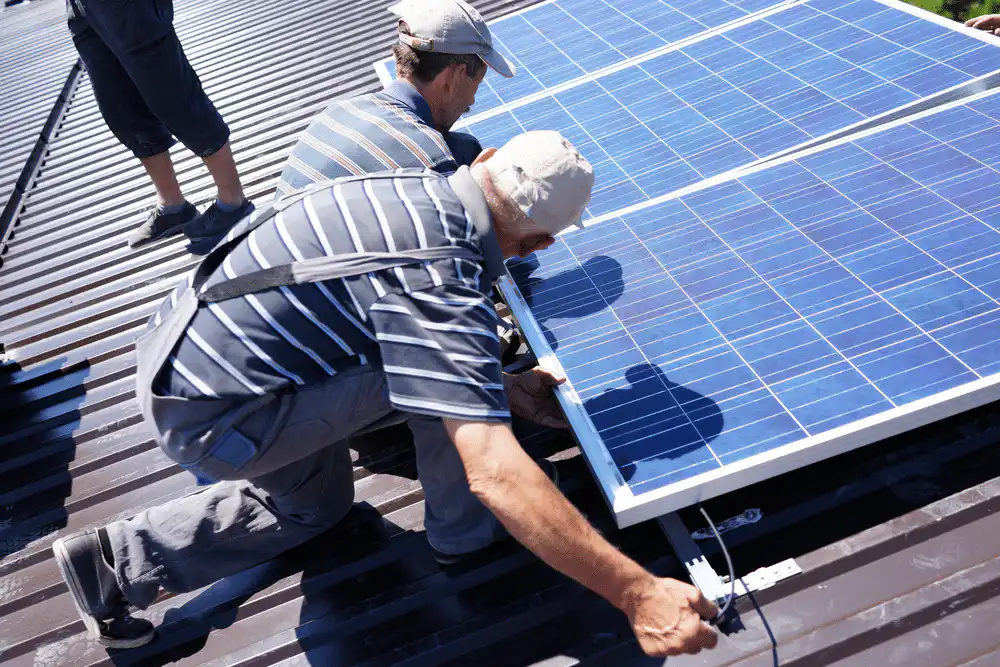
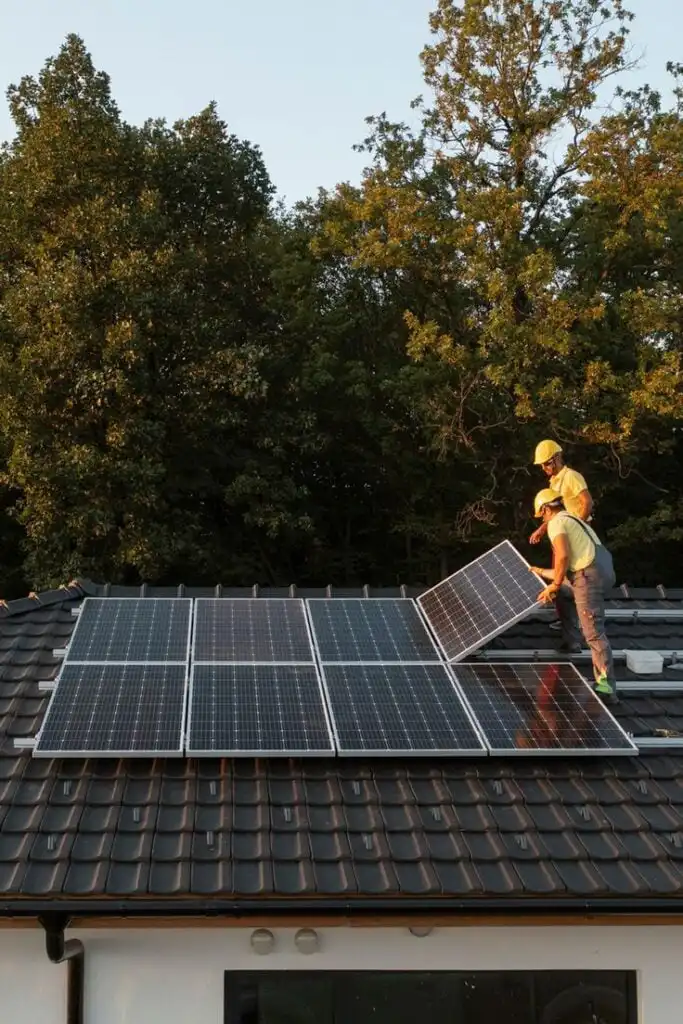
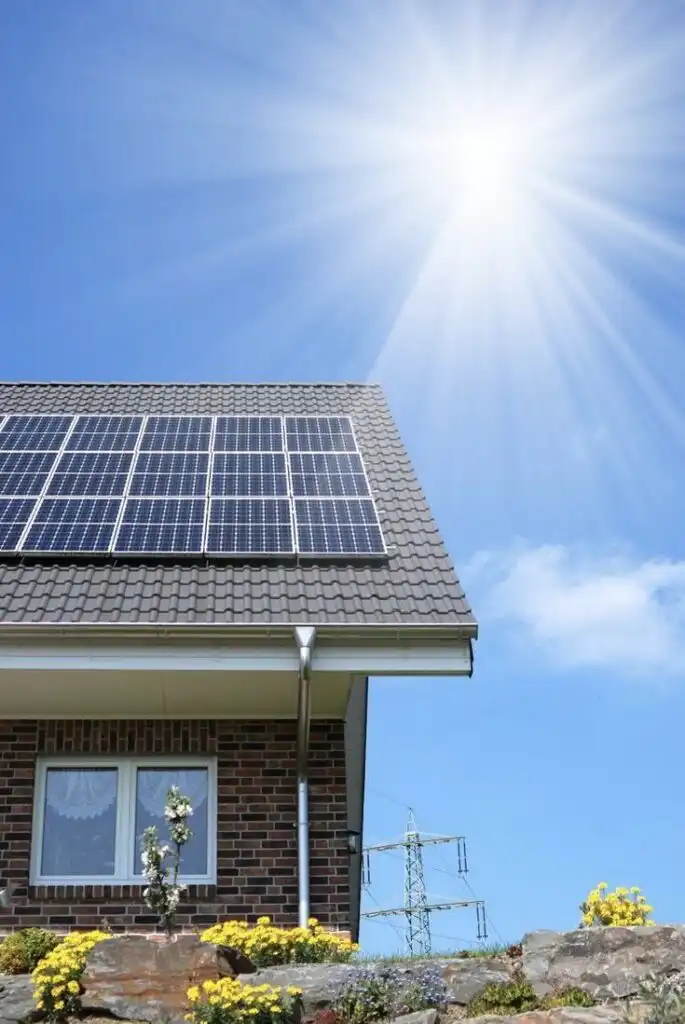
Switching to renewable energy is one of the most effective ways to reduce your home’s carbon footprint. Solar panels are increasingly accessible and allow you to generate clean electricity while lowering utility bills. It’s estimated that more than one in seven U.S. homes will have a rooftop solar PV system by 2030, according to Energy.gov. If installing panels feels like a big step, you can start small with community solar programs or invest in energy-efficient appliances to reduce electricity demand.
Even simple energy-saving habits matter. Sealing gaps around windows and doors, upgrading insulation, and switching to LED lighting can all prevent energy loss. Smart thermostats help maintain a comfortable temperature while avoiding unnecessary heating or cooling. Together, these upgrades create a more eco-friendly, efficient, and comfortable home without drastically changing daily life.
Save Water Without Sacrificing Comfort
Water conservation is another critical area where small changes have a huge impact. While daily water use may feel invisible, it adds up quickly. According to the United States Environmental Protection Agency, water use in an average single-family home typically reaches up to 70 gallons per person each day. Simple upgrades like low-flow showerheads, faucet aerators, and dual-flush toilets can significantly cut consumption without affecting convenience. Fixing leaky faucets and running toilets is especially important, as even a slow drip can waste hundreds of gallons of water each year.
Behavioral habits also make a difference. Turning off taps while brushing your teeth, running full loads of laundry and dishes, and collecting rainwater for outdoor use can all conserve water. Even your landscaping choices matter—native plants and drip irrigation systems reduce water waste while keeping your yard healthy and vibrant. Every drop saved helps protect local water resources and supports long-term sustainability.

Cut Waste and Make Every Item Count
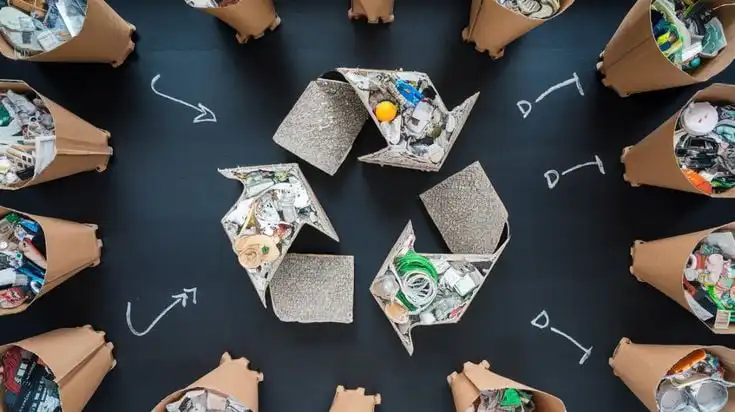
Managing household waste is essential for minimizing environmental impact. Recycling, composting, and choosing reusable items are simple ways to reduce what ends up in landfills. According to the World Bank, the world generates over 2.0 billion metric tons of municipal waste annually, highlighting the urgency of reducing personal contributions.
Thoughtful choices in daily life go a long way. Opt for products with recyclable packaging, repurpose or donate items you no longer need, and swap single-use items for reusable alternatives. During home renovations, consider sustainable materials like reclaimed wood, bamboo, or recycled glass. Not only do these options last longer, but they also lower the environmental cost of new materials. Even small steps, like switching from paper towels to washable cloths or composting food scraps, contribute to a cleaner, healthier planet.
Combining waste reduction with energy and water-saving efforts amplifies your positive impact. By approaching sustainability holistically, you create a home that’s not only environmentally responsible but also efficient, comfortable, and cost-effective.
Sustainable home upgrades are about making practical choices that benefit both the planet and your everyday life. Harnessing renewable energy, conserving water, and reducing waste are three simple yet powerful ways to make a difference. Small changes—from installing solar panels to fixing leaks and choosing reusable items—add up over time. These actions help protect natural resources, lower household costs, and create a healthier living environment.
- 18shares
- Facebook0
- Pinterest18
- Twitter0
- Reddit0