You pick an eye tattoo because it speaks to something important about who you are. Some people want protection, others want wisdom, and some use an eye to mark a spiritual shift or a personal memory. An eye tattoo most often symbolizes protection, insight, or spiritual awareness, but the Significance of Eye Tattoos depends on the design, culture, and your own story.
This article will show how different eye designs—like the All-Seeing Eye, the Evil Eye, the Eye of Horus, and the Third Eye—carry distinct meanings across cultures and styles. You’ll also see how animal or nature-based eyes and placement choices can make a tattoo feel personal and powerful.
What Does an Eye Tattoo Mean?
Eye tattoos often stand for seeing clearly, staying aware, and guarding yourself or others. They can show personal memory, spiritual sight, or a wish to protect against harm.
Core Symbolism of Eye Tattoos
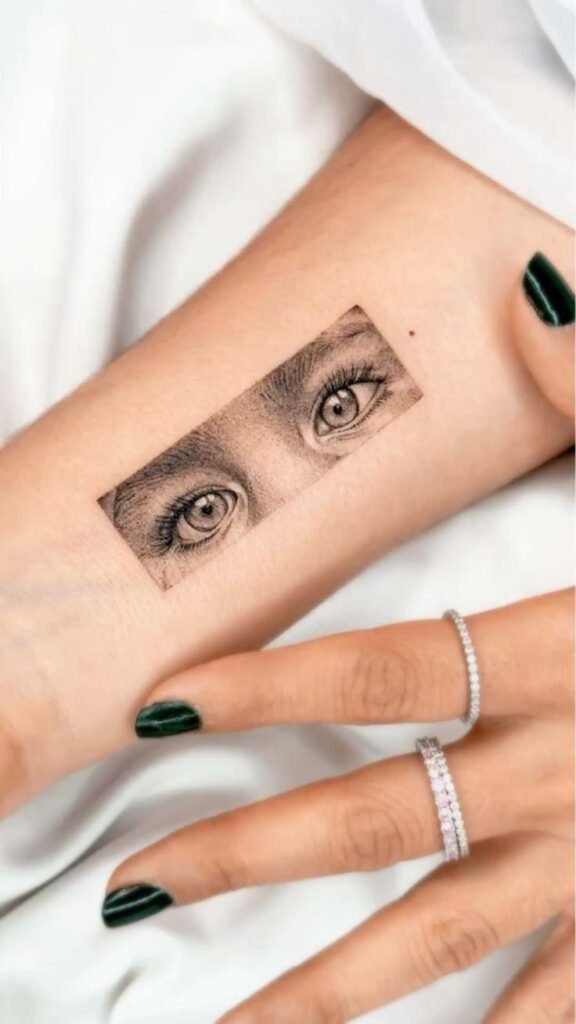
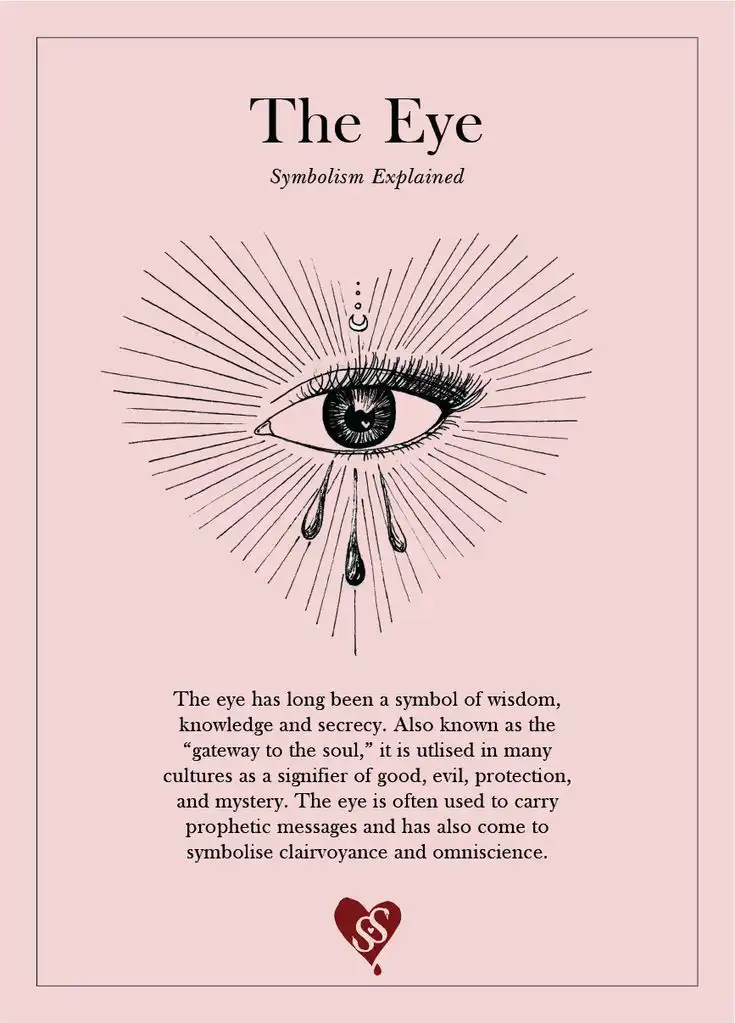
An eye tattoo usually points to perception and truth. You might choose a human eye to show memory, honesty, or a link to someone you love. A realistic eye can act like a portrait; it keeps a person’s presence visible to you every day.
Different styles change the message. An animal eye—like a wolf or eagle—signals traits such as strength, focus, or instinct. A stylized or geometric eye can mean clarity of thought or a created, personal symbol of awareness. Think about color, gaze direction, and detail; small changes shift the meaning.
Protection and Warding Off Evil
Many people use eye tattoos as a protective symbol. The “evil eye” design, common across Mediterranean and Middle Eastern cultures, serves as a talisman against jealousy and bad luck. If you want a protective piece, placing an eye where you feel vulnerable—neck, wrist, or back—adds practical symbolism.
You can pair the eye with rays, hands, or talisman shapes to strengthen the protective theme. Some choose the Eye of Horus for health and safety, while others prefer a simple staring eye for a modern guardian feel. Be mindful of cultural roots when borrowing specific sacred designs.
Intuition and Spiritual Awareness
An eye tattoo can mark your spiritual growth or inner sight. The third eye symbol, usually placed between the brows or on the forehead, links to intuition, insight, and higher awareness. If you want to show spiritual practice or psychic sensitivity, this layout directly signals that intent.
You can combine the eye with mandalas, chakras, or light rays to stress inner vision and balance. People who pick this meaning often want a daily reminder to trust their instincts and seek deeper truth. Choose symbols that match your beliefs so the tattoo reflects your personal spiritual story.
Symbolism of Eye Tattoos Across Cultures
Eye tattoos often act as protective marks, signs of wisdom, or spiritual tools. You’ll find specific meanings tied to stories, gods, and daily life in each culture below.
Ancient Egyptian Eye of Horus and Eye of Ra
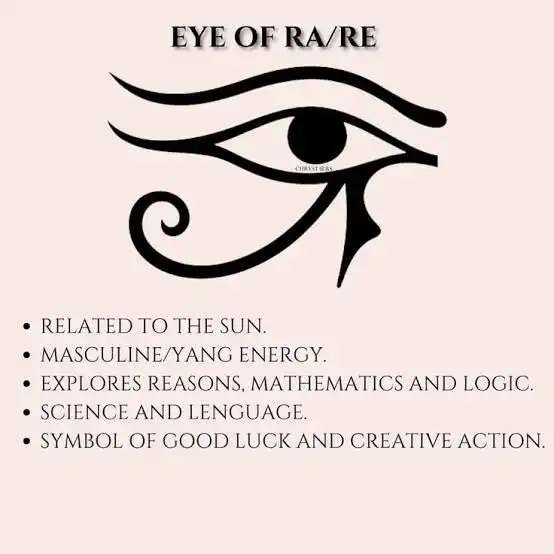
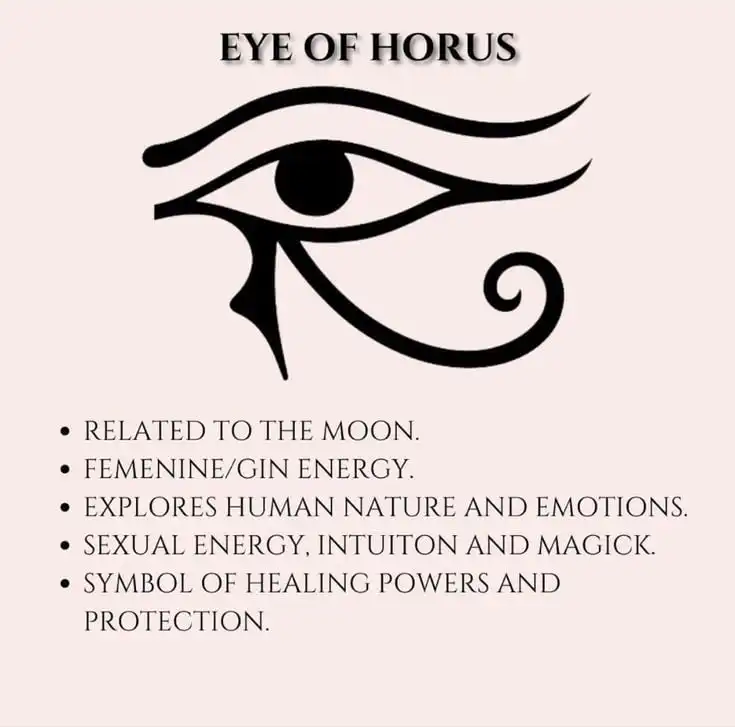
The Eye of Horus appears in many tattoos as a symbol of protection and healing. You might pick this design to feel guarded; ancient Egyptians used it on amulets to ward off danger and restore health. The eye’s broken-and-repaired shape also connects to recovery after injury, so it can represent resilience after hard times.
The Eye of Ra looks similar but focuses more on power and the sun’s watchful force. If you want a tattoo that speaks to authority or a fierce guardian energy, the Eye of Ra imagery fits. Artists often combine small details—falcon, sun disk, or scarab—to signal which eye you mean.
Greek and Roman Evil Eye Symbol
The evil eye symbol warns against envy and malicious stares. You can get an evil eye tattoo to act like a talisman that deflects harm or bad luck. In Greece and Rome, people wore blue glass amulets; modern tattoos keep that same idea but let you personalize color and style.
Designs range from a simple blue circle to detailed eyes with rays or beads. People often place them on wrists, behind ears, or on ankles—spots thought vulnerable to harm. If social safety or avoiding jealous energy matters to you, this symbol sends that message clearly.
Native American and Eastern Interpretations
Some Native American groups use eye-like motifs to show spiritual sight and the link between people and nature. You might see tattoos that emphasize animals’ eyes—eagle or wolf—to signal guidance, keen perception, or tribal stories passed down through the family.
In Eastern traditions like Hinduism and Buddhism, the “third eye” stands for inner vision and spiritual awakening. A third-eye tattoo often sits on the forehead or chest in design to show heightened intuition. These tattoos can mean you seek deeper truth or want a reminder to trust your inner judgment.
Meaning of the All-Seeing Eye and Eye of Providence
This symbol often stands for protection, watchfulness, and spiritual insight. It also appears in political and cultural contexts as a mark of guidance, oversight, or historical heritage.
All-Seeing Eye: Protection and Omniscience
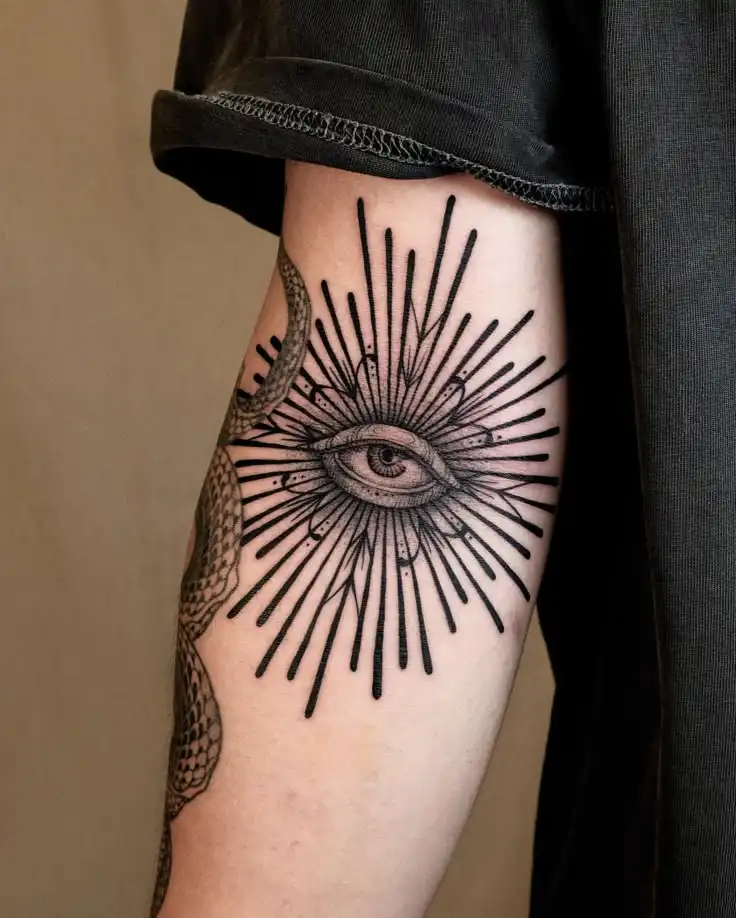
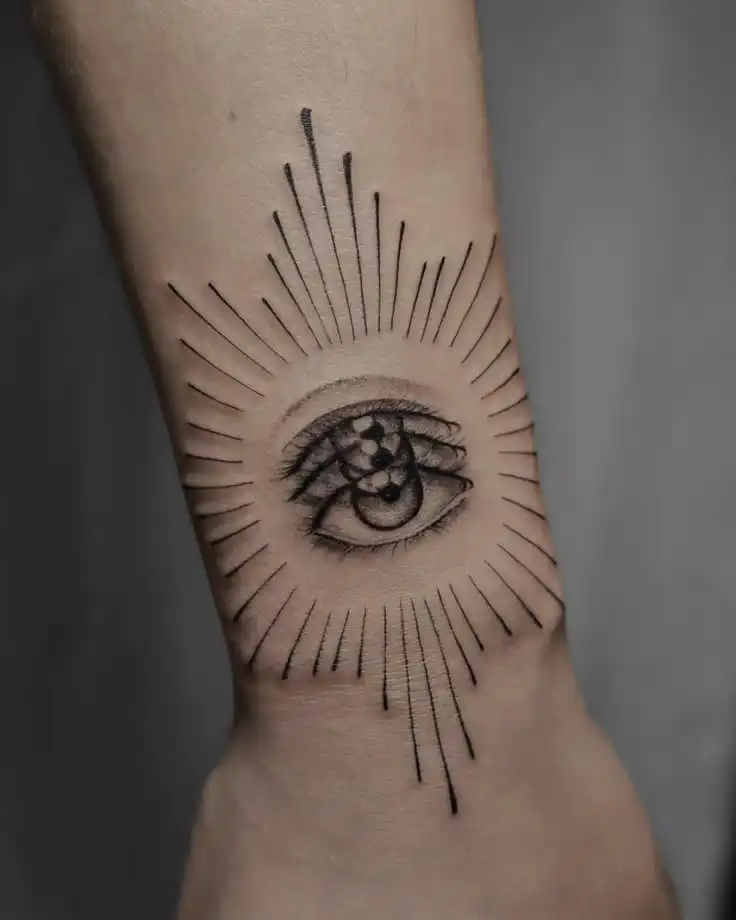
When you see an all-seeing eye tattoo, it usually signals protection or a feeling of being watched over. People choose this design to express that a higher power, inner wisdom, or a personal guardian watches their path.
Some wear it as a reminder to stay aware and honest, since the eye suggests nothing stays hidden.
Design choices change meaning. An eye with rays or light often points to spiritual illumination. An eye with a teardrop can hint at sorrow, healing, or personal loss. The eye of Horus style links to health and restoration from ancient Egyptian belief.
If you want symbolism tied to safety or insight, an all-seeing eye tattoo gives a clear, direct message.
Eye of Providence in Modern Culture
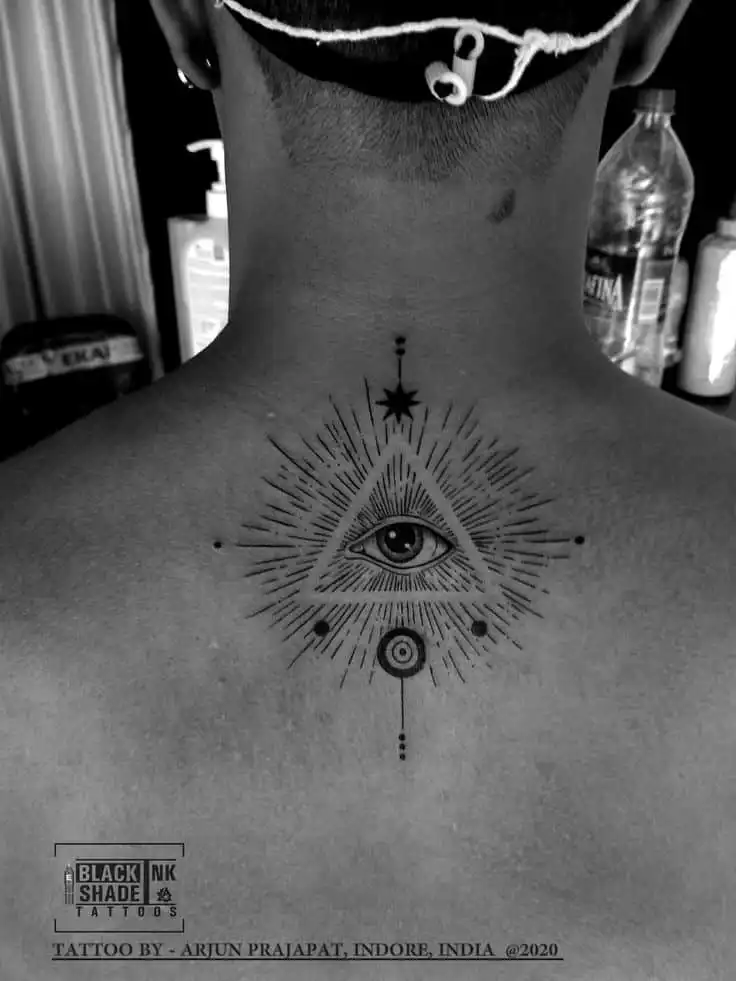
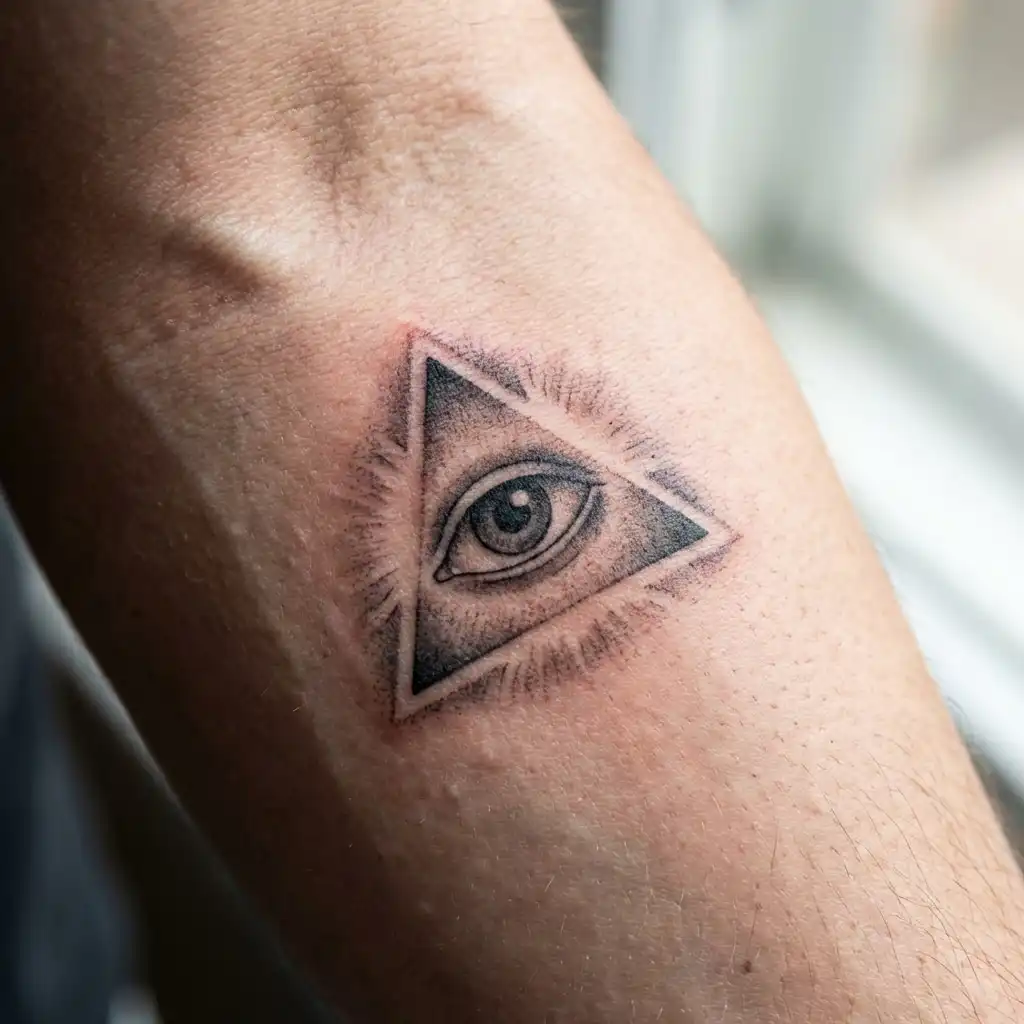
The eye of Providence — the eye inside a triangle — shows up in government art and pop culture, so your eye of providence tattoo can carry a civic or historical tone. It appears on the U.S. dollar and in Masonic imagery, which leads some people to choose it for heritage, history, or mystery.
Others pick it because they like the design’s balanced geometry and classical feel.
The symbol also attracts conspiracy talk, especially about secret groups. If you get this tattoo, people may read it as curiosity about hidden power or a critique of authority.
Placement and styling affect how others see it: a small, subtle triangle looks different from a large, radiant pyramid atop a list of symbols. Choose elements that match the message you want to share.
Evil Eye Tattoos: Warding Off Negativity
You’ll learn why people choose the evil eye symbol for protection and how its meaning has changed over time. This section explains the symbol’s roots and how modern tattoos use color, style, and placement to make the idea personal.
Origins and Evolution of the Evil Eye
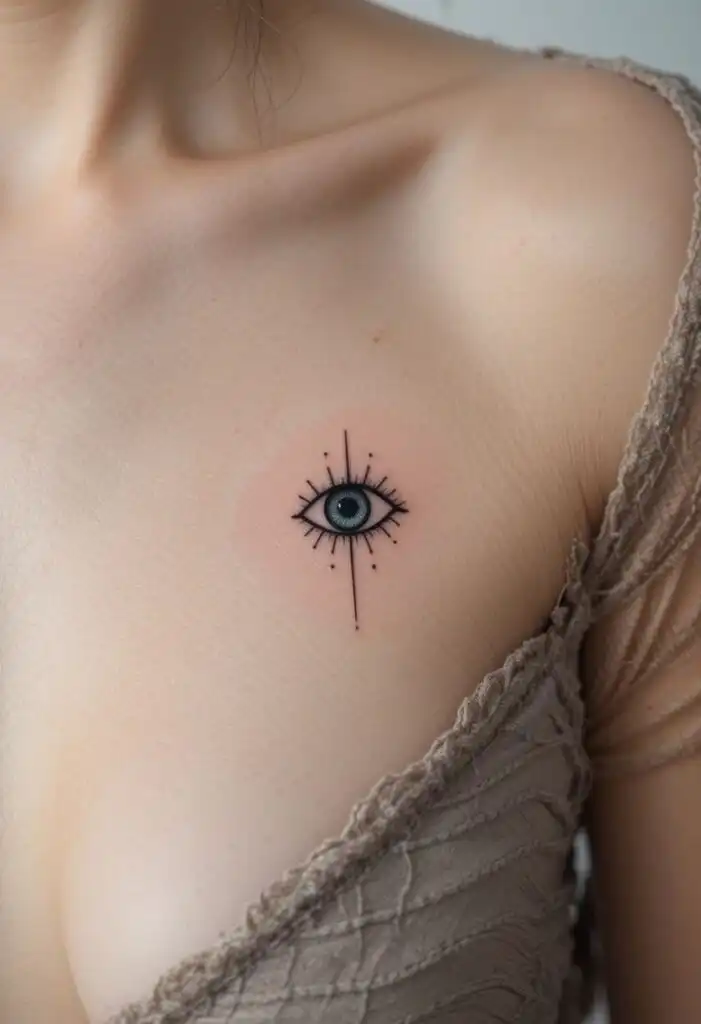
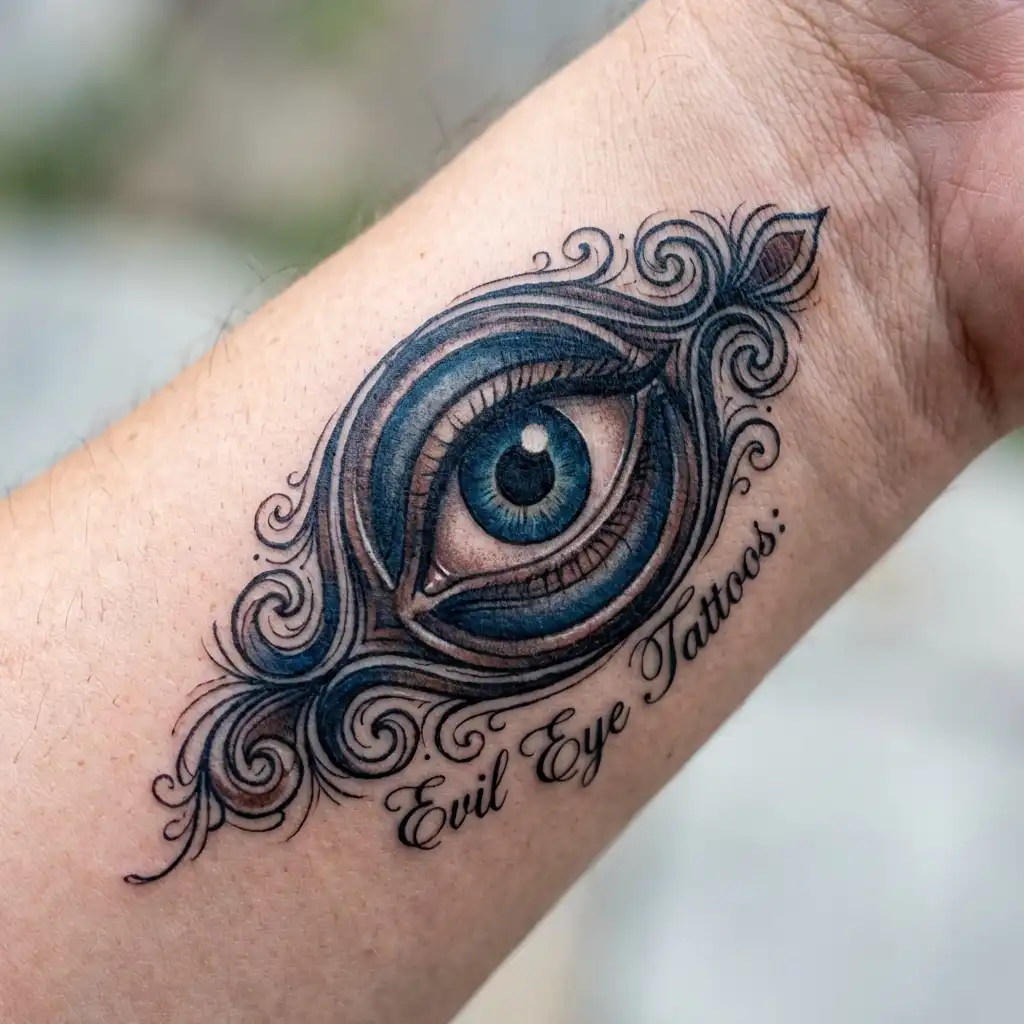
The evil eye symbol dates back thousands of years across the Mediterranean and the Middle East. In those cultures, people believed that envy or malice could cause harm through a look, so they used eye-shaped amulets to block that force.
You’ll often see the classic blue “nazar” bead in Turkish and Greek contexts. Blue became linked to protection because people thought it repelled harmful intent. Other forms include the Jewish hamsa, which sometimes holds an eye in its palm.
Over time, the symbol moved from glass beads and jewelry into art and body markings. Its core meaning—warding off negative energy—stayed the same even as styles and materials changed.
Modern Evil Eye Tattoo Interpretations
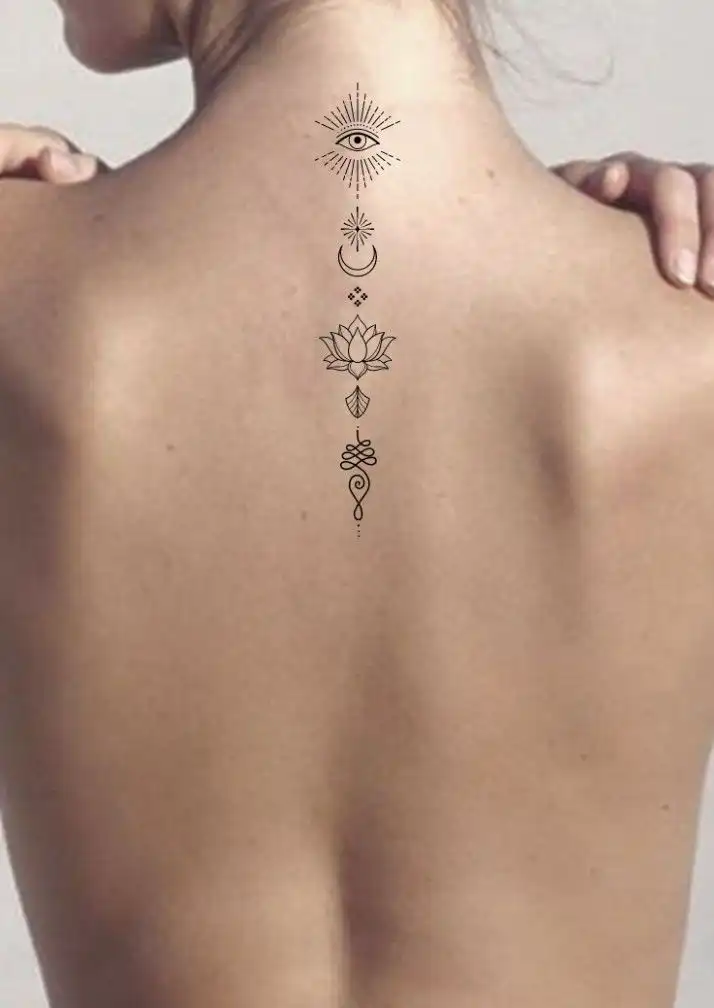
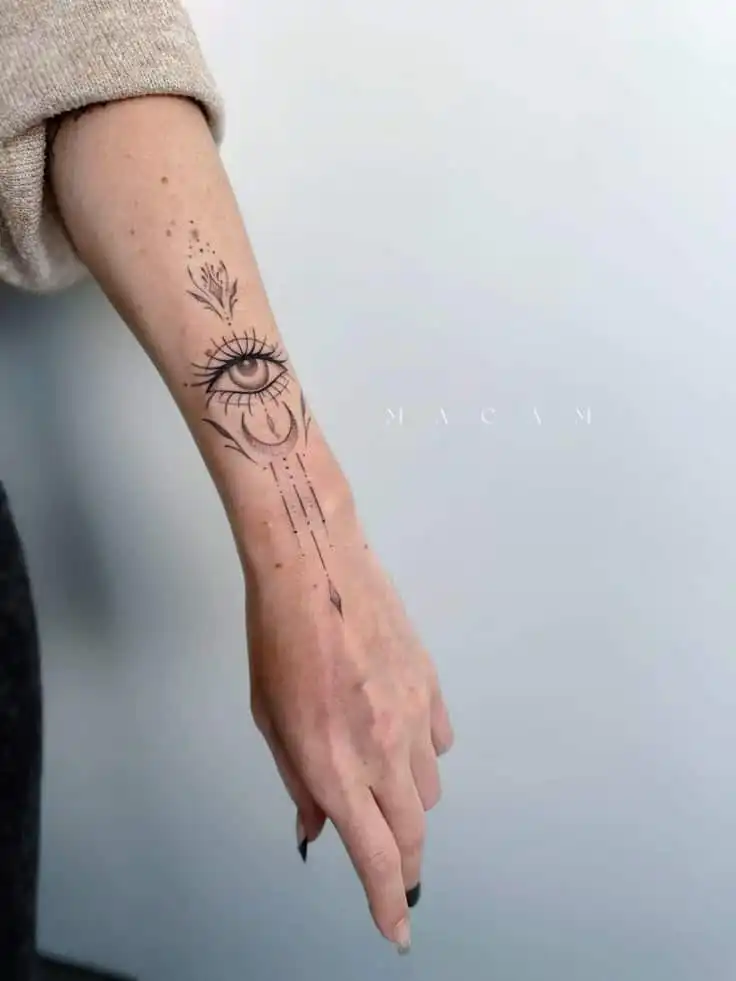
When you pick an evil eye tattoo, you choose both protection and personal expression. Many people use the traditional concentric blue circles to signal cultural roots or a clear protective intent.
You can also choose minimalist linework, watercolor blends, or realistic eye designs. Color matters: blue for defense, green for healing, and red for courage. Placement affects meaning too—wrist or behind the ear for discreet protection, chest for guarding emotions.
Some combine the evil eye with other symbols, like runes or flowers, to add specific meanings. Ask your artist to adapt shapes and colors so the final tattoo matches your beliefs and daily life.
Third Eye Tattoos and Spiritual Enlightenment
A third eye tattoo usually stands for inner sight, intuition, and a shift in how you understand yourself and the world. It ties specific spiritual ideas to a visible, personal symbol you carry on your skin.
Meaning of the Third Eye Tattoo
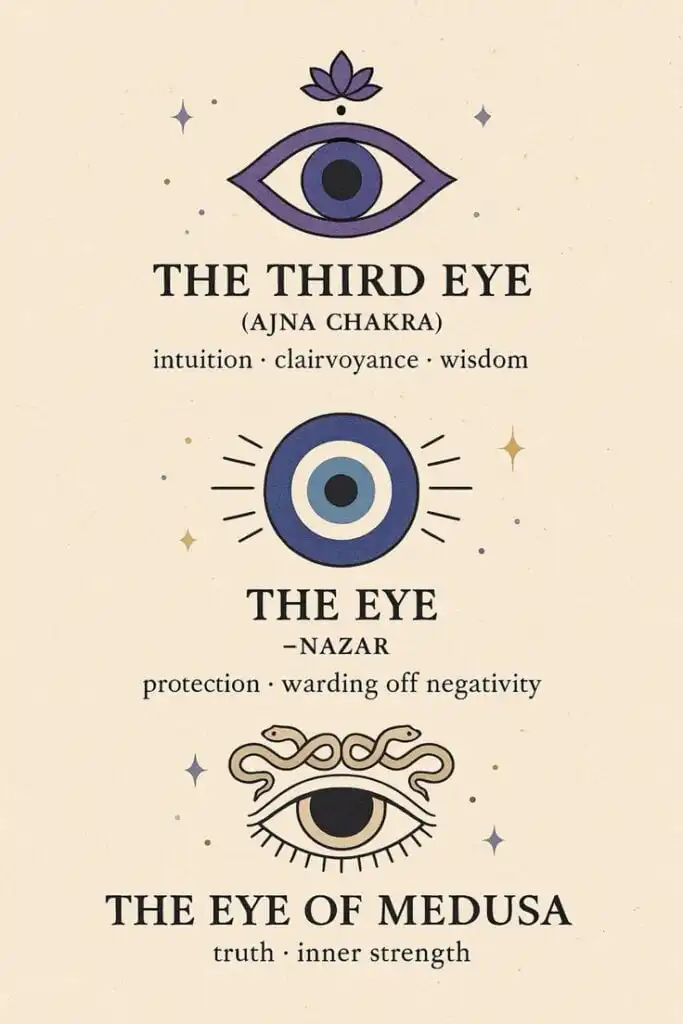
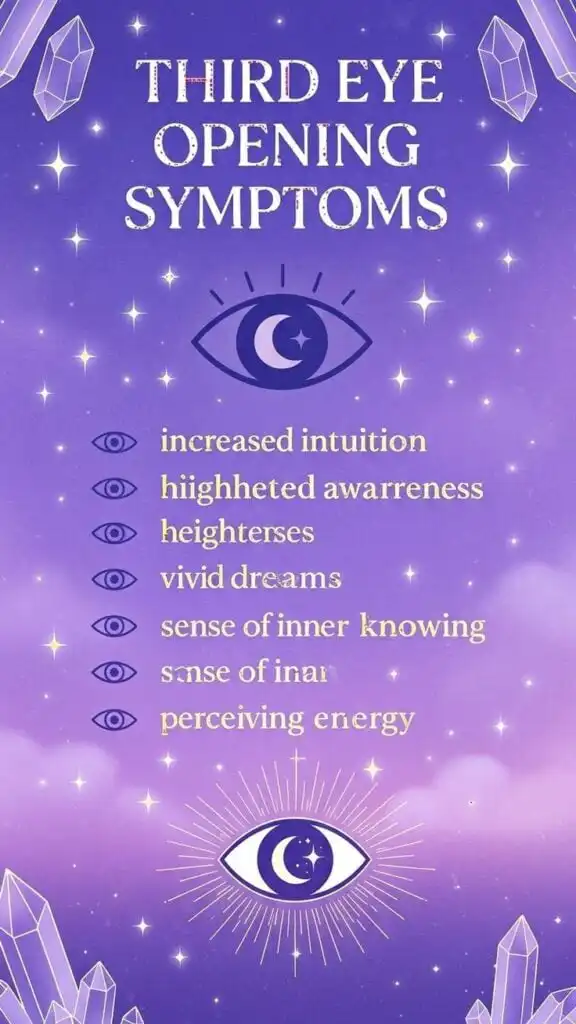
A third eye tattoo most often points to intuition and inner wisdom. You might choose it to remind yourself to trust gut feelings, pay attention to dreams, or practice meditation. People who get this tattoo often mean it as a marker of personal growth or a turning point in spiritual life.
Design elements change meaning. A plain eye can mean clarity. Adding a lotus suggests spiritual rebirth. Geometric patterns hint at balance and focus. Placement matters too: a forehead or sternum tattoo signals a strong, intentional connection to the Ajna chakra, while a wrist or hand makes the reminder daily and practical.
Third Eye Across Societies
Different cultures give the third eye different names and layers of meaning, but many link it to higher perception. In Hindu and yogic systems, the Ajna chakra sits between the brows and relates to insight and mental clarity. In Western esoteric traditions, an all-seeing eye can mean awareness or divine watchfulness.
You’ll also see similar eye motifs in ancient Egypt (Eye of Horus) and Mediterranean talismans for protection. These cultural ties mean a third eye tattoo can carry spiritual depth and historical context. If cultural origin matters to you, pick a design and placement that show respect and reflect your personal connection.
Popular Eye Tattoo Styles and Their Meanings
You can pick an eye tattoo style that fits your story, whether you want a lifelike portrait, a clean modern pattern, or a design rooted in tattoo tradition. Each style changes how people read the symbol—look, placement, and detail matter.
Realistic Eye Tattoos
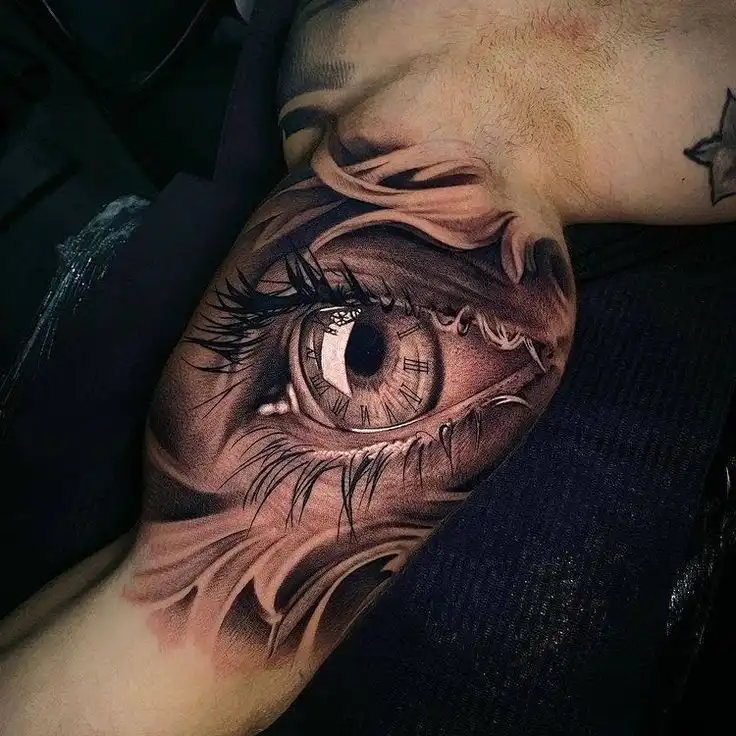
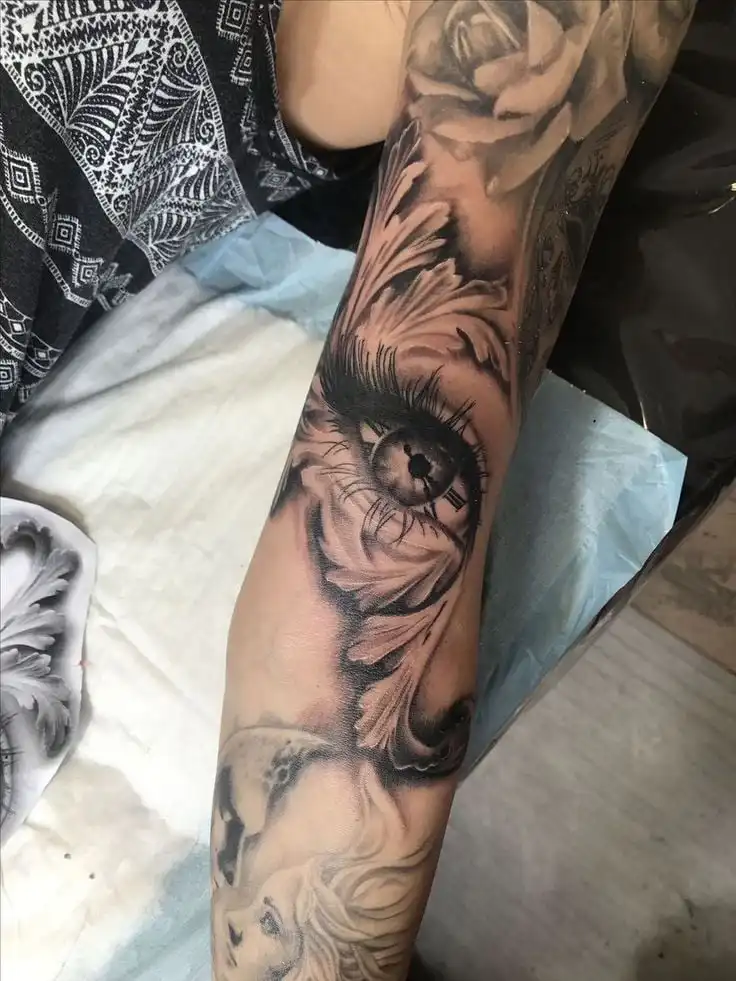
Realistic eye tattoos try to copy a real human eye or animal eye with great detail. You’ll see tiny highlights, skin texture, and detailed eyelashes. These tattoos often sit on the forearm, chest, or back so the artist has space to show the iris, pupil, and reflection clearly.
People choose realistic eye tattoos to honor someone, show grief, or mark keen awareness. A realistic eye can feel like a watchful presence or a personal portrait. Expect longer sessions and higher cost because shading and fine lines need skill. Ask to see an artist’s portfolio of realistic eye tattoos before you book.
Geometric Eye Tattoo Designs
Geometric eye tattoos mix eyes with shapes like triangles, circles, and mandalas. You’ll find clean lines, repeating patterns, and symmetrical layouts. These designs often place the eye inside a shape—like the third eye inside a triangle—to signal balance and order.
You might pick a geometric eye tattoo to show clarity, spiritual focus, or a modern take on protection. The style suits smaller placements like the wrist or behind the ear, but it also works as a chest or sleeve focal point. Geometric eye tattoos heal well if the linework is crisp, so choose an artist skilled in precise geometry.
Traditional and Contemporary Eye Tattoos
Traditional eye tattoos use bold outlines, solid fills, and simple colors. You’ll recognize this look from classic sailor and Americana styles. These designs often reference symbols like the Eye of Horus or the Evil Eye and focus on clear meaning: protection, health, and watchfulness.
Contemporary eye tattoos borrow from realism, watercolor, and fine-line trends. You can mix a traditional Eye of Horus motif with soft color washes or pair an evil eye charm with delicate script. This hybrid approach lets you keep historic symbolism while tailoring the look to your taste. For either style, research how different cultures read these symbols so your design respects its origins.
Animal & Nature-Inspired Eye Tattoos
These designs tie sight and instinct to real-life animals and natural elements. You’ll find choices that signal strength, watchfulness, or a bond with the wild.
Tiger Eye Tattoo Symbolism
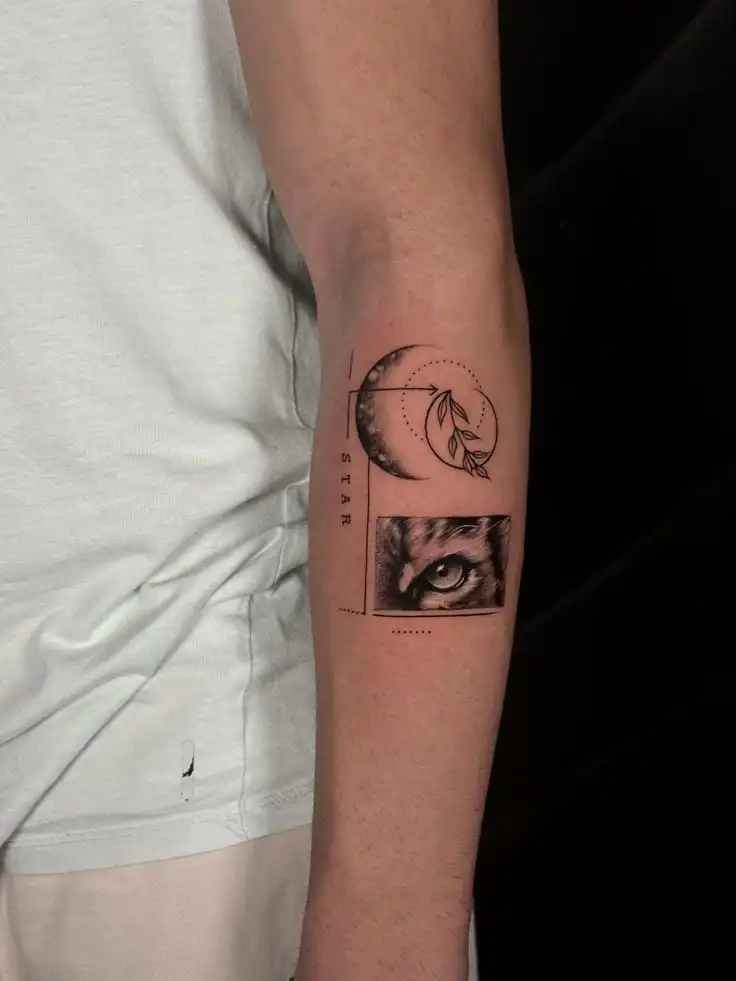
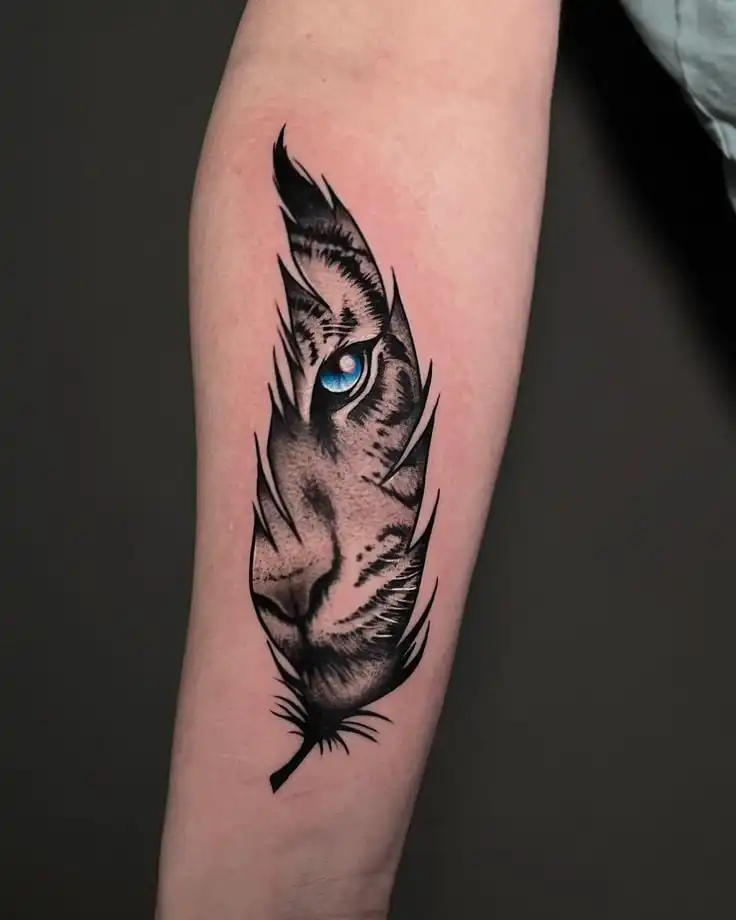
A tiger eye tattoo often shows a single, fierce eye or a full tiger face with the eye as the focal point. You might pick this to signal raw power, courage, or a protective presence in your life.
Placement matters: a forearm or chest piece reads as bold and public, while a shoulder or ribcage feels more personal. Style shifts meaning, too — realistic detail stresses ferocity and presence, while a stylized or watercolor tiger eye can highlight beauty and inner strength.
Consider pairing the tiger eye with stripes, jungle leaves, or a crescent moon. Those elements can add themes of stealth, survival, or night vision. Think about scale and color to match how loud or subtle you want the message.
Other Animal Eye Tattoo Ideas
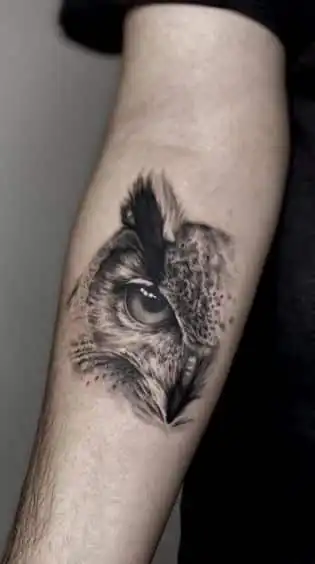
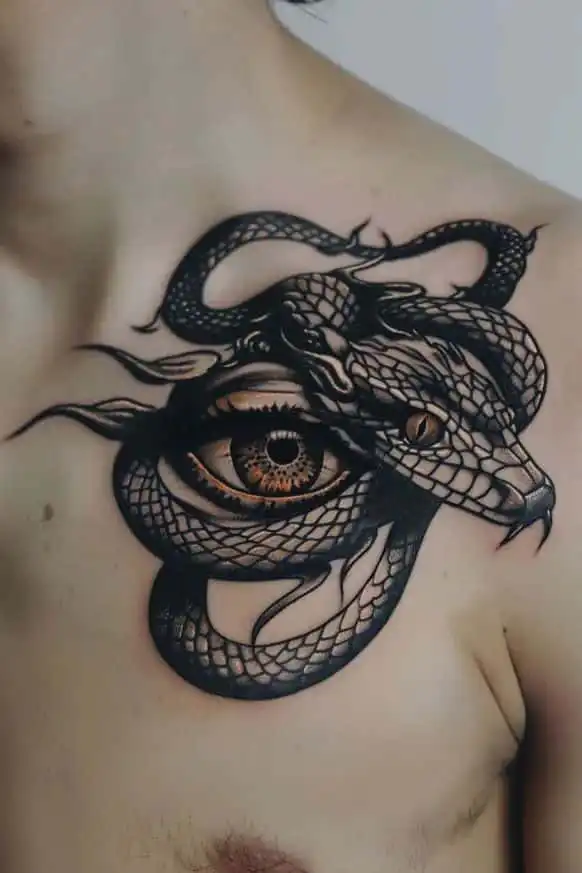
You can use many animals to express different traits through a single eye image. A wolf eye often stands for loyalty and pack instincts. An owl’s eye points to wisdom and night sight. A cat eye suggests curiosity and independence.
Mix animals with natural motifs: a deer eye plus branches can read as gentleness and renewal. A snake eye with scales implies transformation or guarded power. Small placements like the wrist or ankle keep these meanings intimate.
Match style to mood. Sharp black lines give a graphic, edgy look. Soft shading or color makes the eye feel more lifelike and emotional. Choose an artist who can render the tiny details—pupil shape, iris texture, and light reflection—because those details carry most of the symbolism.
Personal Meanings and Choosing an Eye Tattoo
Eye tattoos often carry layers of meaning tied to protection, insight, and personal stories. Think about what you want the tattoo to remind you of and how it will fit into your life and style.
Personal Significance and Interpretation
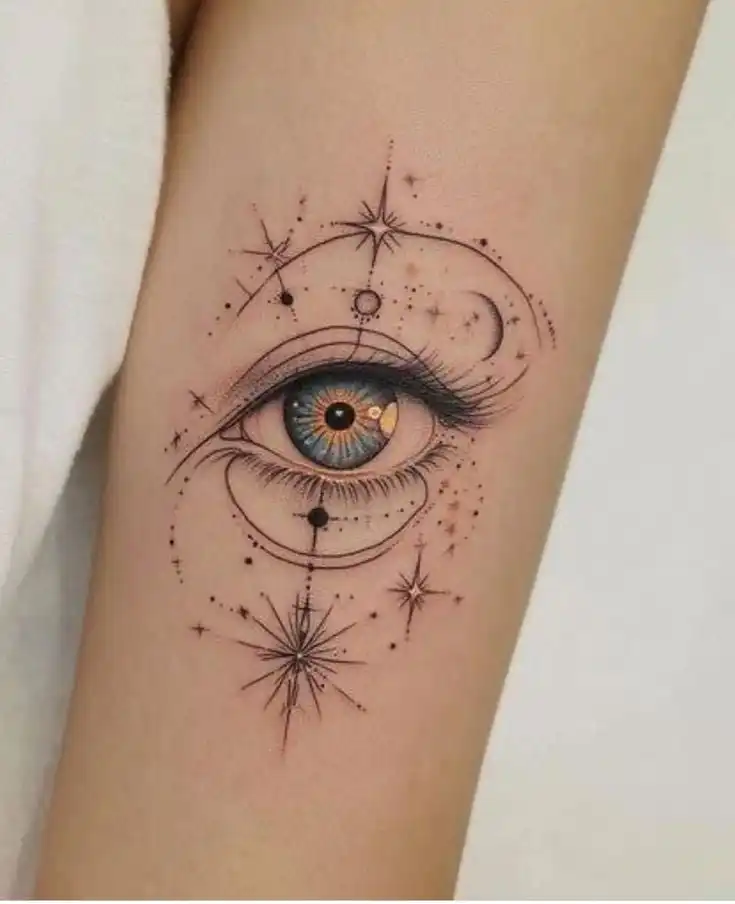
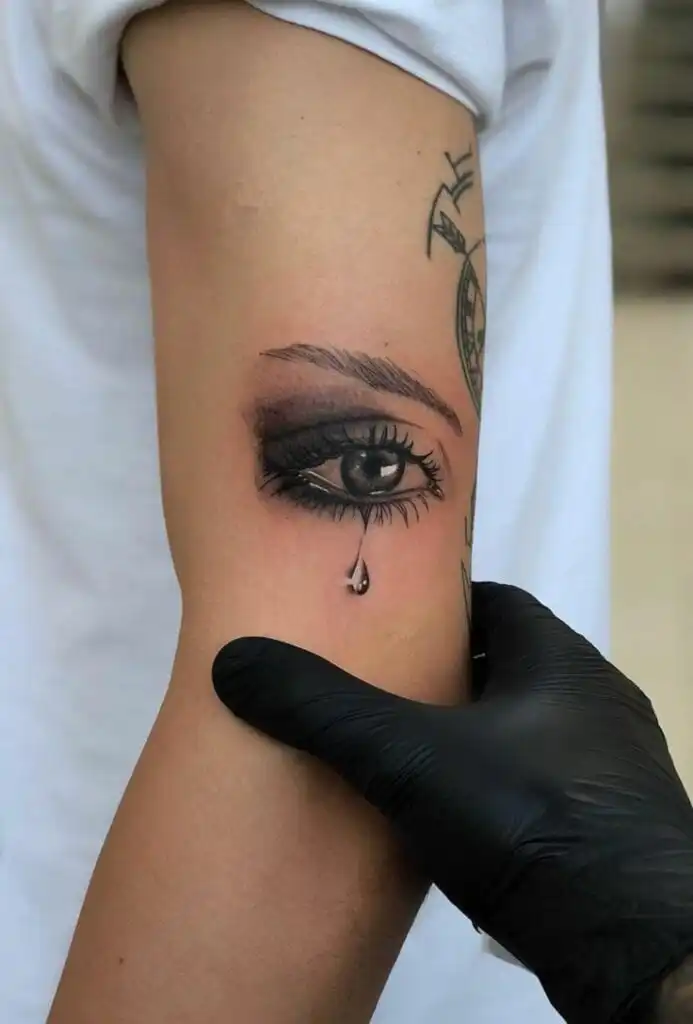
You can choose an eye tattoo to mark a life event, a lesson learned, or a trait you value. For example, pick an Eye of Horus if you want a symbol of protection and healing. Choose a realistic human eye to honor someone you lost or to celebrate seeing life clearly.
Colors and small details change meaning. A blue eye can feel calm or watchful, while a teardrop adds grief or remembrance. Adding a clock, compass, or third eye layers meanings like time, direction, or spiritual insight. Write down a short list of words the tattoo should represent. Share that list with your artist so they shape the design to match your story.
Factors in Choosing Your Eye Tattoo
Placement affects visibility and meaning. A forearm or wrist keeps the symbol visible as a daily reminder. A chest or back placement makes it private and personal. Think about how often you want others to see it.
Size and style change the message. Small, simple lines read more like a charm. Large, detailed work offers realism and emotional depth. Consider pain, healing time, and how the image will age. Research artists who specialize in eyes or the specific style you want. Ask to see healed photos and discuss color retention for your skin tone. Finally, check cultural origins if the symbol has strong cultural or religious roots to avoid unintended offense.
If the eye symbol draws you toward intuition and inner sight, this psychic reading meaning guide is a useful next step for thinking about spiritual insight without treating it as a certainty.
FAQ
How can an eye tattoo act as a protective symbol?
Eye tattoos like the Evil Eye or Eye of Horus are used as talismans to ward off jealousy, evil spirits, or negative energy, especially when placed on vulnerable areas of the body.
What is the significance of a third eye tattoo?
A third eye tattoo symbolizes inner sight, intuition, and spiritual growth, often representing higher perception and insight into oneself and the universe.
What does an eye tattoo generally symbolize?
An eye tattoo typically represents perception, truth, protection, insight, or spiritual awareness, reflecting personal meaning depending on the design and cultural context.
How do cultural interpretations influence eye tattoo choices?
Different cultures assign unique meanings to eye tattoo symbols, such as the Egyptian Eye of Horus for protection, the Greek Evil Eye for warding off envy, or the Hindu Third Eye for spiritual awakening, guiding personal symbolism and design choice.
What factors should I consider when choosing the style and placement of an eye tattoo?
Consider the tattoo’s symbolism, size, style (realistic, geometric, traditional), placement on the body for visibility or privacy, cultural significance, and how it aligns with your personal story and pain tolerance.
- 497shares
- Facebook0
- Pinterest497
- Twitter0
- Reddit0