

If you’re like me, choosing among industrial design degree programs felt overwhelming at first. After touring top schools across the United States and talking with students and faculty, I realized each program brings its own mix of studio culture, technical training, and industry connections. In this listicle, I’m sharing the nine industrial design degree programs that truly wowed me—what I loved, what to watch out for, and why each might be the right fit for your creative journey.
Rhode Island School of Design
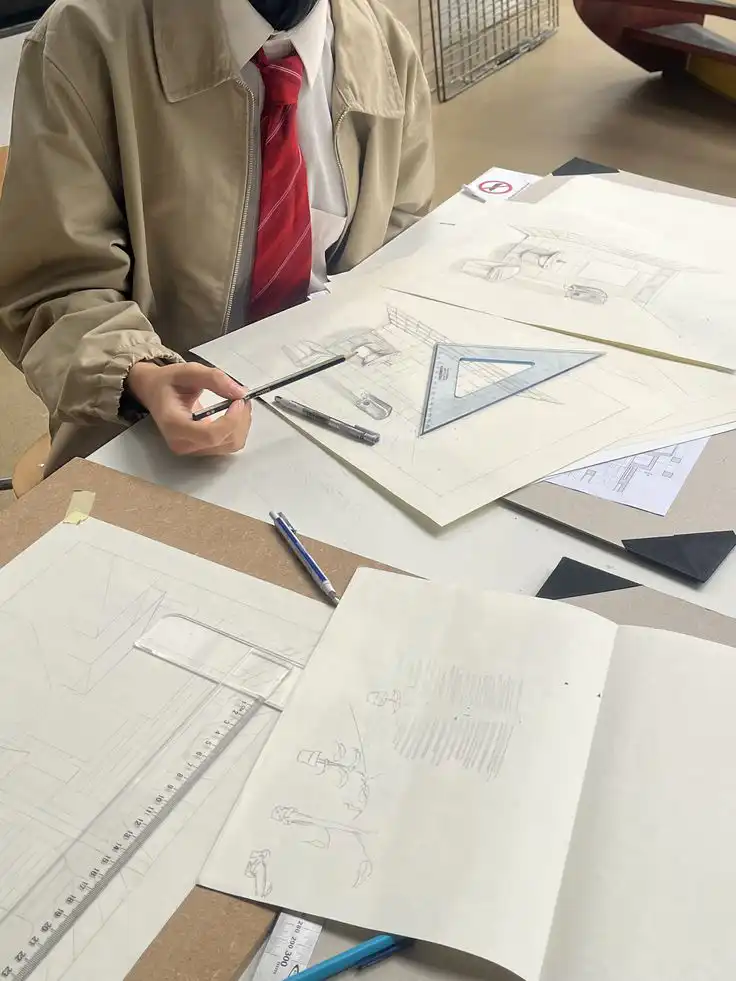
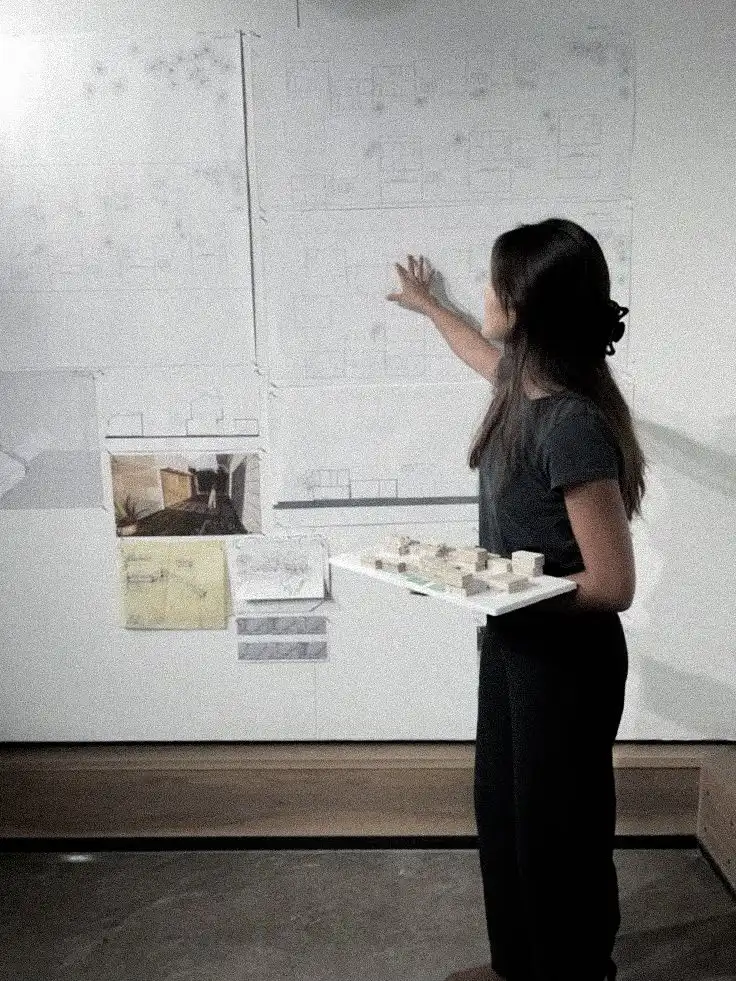
When I stepped onto RISD’s campus, the energy in the studios was electric. According to The Art Career Project, Rhode Island School of Design ranks among the top U.S. programs for industrial design, combining rigorous coursework with strong ties to industry partners (The Art Career Project). I saw students prototyping automotive components one day and exploring UX concepts the next.
Pros
- Exceptional alumni network in product design and automotive industries
- Intensive critique culture that accelerates skill growth
- Access to top-tier fabrication labs and equipment
Cons
- Highly competitive admissions process
- Tuition and living costs can be significant
- Workload demands late nights and strong self-discipline
Carnegie Mellon University


Carnegie Mellon stands out for blending design thinking with advanced technology. CMU’s industrial design curriculum encourages collaboration with robotics engineers and computer scientists, preparing graduates for UX/UI and product innovation roles. I appreciated observing a joint workshop where ID students partnered with fellow majors in electrical engineering.
Pros
- Cross-disciplinary projects with robotics, HCI, and engineering
- State-of-the-art design studios and rapid-prototyping facilities
- Reputation for research-driven, human-centered design
Cons
- Intense academic pace can feel overwhelming
- Higher tuition and fees for out-of-state students
- Portfolio review expectations are very exacting
ArtCenter College of Design
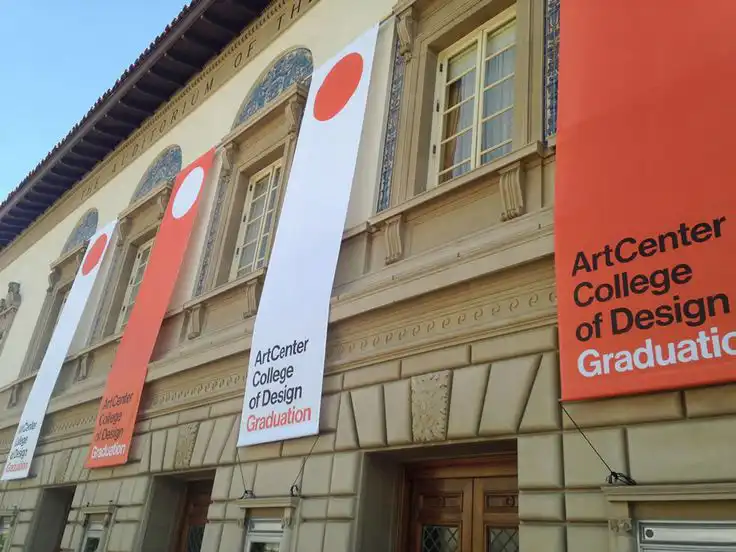
ArtCenter’s Pasadena campus radiates creative momentum. With a strong focus on transportation and product design, I was impressed by student concept cars displayed alongside consumer electronics prototypes. The faculty includes seasoned industry veterans who emphasize real-world briefs.
Pros
- Deep industry connections in automotive and product sectors
- Emphasis on professional practice and client projects
- Highly developed campus makerspaces and studios
Cons
- Cost of living in Southern California adds up
- Admission standards demand a polished, diverse portfolio
- Large program size can challenge individual attention
University of Michigan


I was pleasantly surprised by the balance of theory and practice at the University of Michigan. Ranked #19 for industrial and product design degrees in 2026, UMich offers a strong academic reputation, moderate net price, and a lively campus community (Niche). Students rotate through human factors labs and design for sustainability projects.
Pros
- Competitive net price (about $19,005 average net cost)
- Strong human-centered design and research opportunities
- Collaborative culture within a top-tier public university
Cons
- Admission rate around 18 percent is selective
- Large campus size may feel impersonal initially
- Michigan winters can be harsh if you’re not prepared
Georgia Tech industrial design
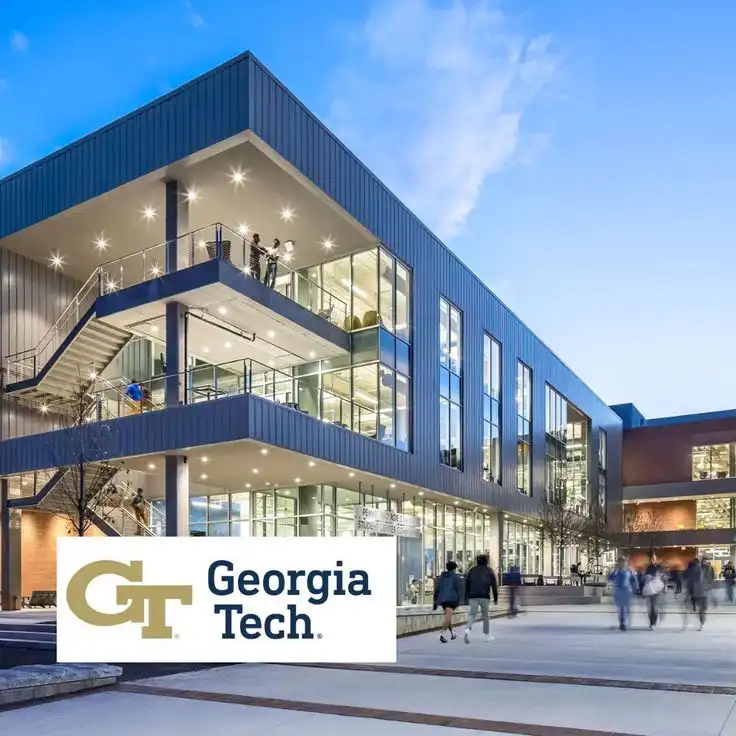

At Georgia Tech, I noticed a tech-forward spin on classic design studios. Ranked #29 by Niche for industrial and product design, Georgia Tech blends engineering rigor with creative problem solving, and students benefit from positive social and academic environments (Niche). The facility hosts interdisciplinary labs for smart devices and wearable tech.
Pros
- Lower net price (around $15,901) for in-state students
- Hands-on projects with engineering and computer science majors
- Strong campus resources for entrepreneurship
Cons
- Acceptance rate near 16 percent can make admission competitive
- Emphasis on engineering may sideline purely artistic exploration
- Atlanta traffic and weather may be an adjustment
Swarthmore College
Swarthmore’s liberal arts setting surprised me with its robust industrial design offerings. Ranked #36 in 2026, Swarthmore combines small class sizes with an A+ overall grade on Niche (Niche). I joined a student critique where diverse majors—from anthropology to economics—brought fresh perspectives to design challenges.
Pros
- Low student-to-faculty ratio for personalized mentorship
- Strong emphasis on research methods and interdisciplinary electives
- Tight-knit community fosters collaboration across majors
Cons
- Limited dedicated fabrication space compared to larger art schools
- Highly selective admissions (about 7 percent acceptance rate)
- Northeastern weather may feel gray in winter months
University of Illinois Urbana-Champaign


UIUC’s program impressed me with its breadth. Ranked #47 for industrial and product design in 2026, UIUC offers solid facilities, diverse course offerings, and an A+ Niche grade (Niche). Students explore everything from material science to business strategies in their coursework.
Pros
- Lower net price for in-state residents (around $14,297)
- Strong balance of engineering fundamentals and creative studios
- Active student organizations for design competitions
Cons
- Large campus size can be overwhelming at first
- Acceptance rate near 44 percent means moderate competition
- Less emphasis on luxury or high-end design sectors
Virginia Tech BSID program

Virginia Tech’s Bachelor of Science in Industrial Design (BSID) blew me away with its structured progression and accreditation by the National Association of Schools of Art and Design (Virginia Tech). I saw first-year students sketching basic forms in a multi-major studio and seniors presenting polished prototypes during their thesis exhibitions.
Pros
- Fully accredited by NASAD for rigorous academic standards
- Clear four-year roadmap from foundational studios to senior thesis
- Option to specialize in health tech, UX/UI, and more
Cons
- Total credit load of 124 credits is demanding
- Campus location in Blacksburg may feel remote to some
- Competitive entry to upper-division courses requires portfolio review
James Madison University program


At James Madison University, the interdisciplinary BS in Art with an industrial design major emphasizes real-world experience through internships, field trips, and guest critiques (James Madison University). I enjoyed touring workshops where students tested material properties and refined ergonomics with design professionals.
Pros
- Accredited professional program with strong user-centered approach
- 78 total credits including 42 industrial design courses
- Portfolio feedback and application support through SlideRoom
Cons
- Admission to upper-division courses is selective, requires portfolio review
- Laptop specifications must be updated annually, adding to equipment costs
- Smaller program size may limit elective diversity
My final thoughts


Choosing the right industrial design degree program is as personal as your design aesthetic. When I compare campuses now, I look beyond rankings to studio culture, faculty mentorship, and real-world project opportunities. Some schools excel in technical integration, others cultivate pure art-driven creativity, and a few strike a balance between both.
Reflect on where you want to take your career—automotive innovation, UX/UI design, consumer products, or social impact—and how each curriculum aligns with those goals. Don’t overlook campus vibe, cost factors, and portfolio requirements. Each of these nine programs left me inspired in different ways. I hope my firsthand takeaways help you navigate your own path in the world of industrial design.
Frequently asked questions


What are industrial design degree programs?
Industrial design degree programs teach you to develop product concepts that optimize function, appearance, and user experience. Courses cover sketching, 3D modeling, human factors, material science, and design theory.
How long do these programs take?
Most bachelor’s degrees in industrial design are four-year programs, typically requiring 120–130 credit hours. Some schools, like Virginia Tech, outline a strict four-year roadmap, while others offer flexibility with electives and studio tracks.
What do I need for admission?
Applicants usually submit a creative portfolio demonstrating design thinking and visual skills. Many programs also require transcripts, letters of recommendation, and essays. Some schools, such as James Madison University, offer portfolio feedback before you apply.
What careers can I pursue after graduation?
Graduates work as product designers, UX/UI designers, design researchers, or design managers in industries ranging from automotive to consumer electronics and medical devices. Advanced specializations can lead to roles in sustainability or service design.
How much can I expect to earn?
Median annual salaries for industrial design graduates range from $75,000 to $110,000, depending on location, industry, and experience. Senior roles or specialized fields, like health tech design, often command higher earnings.
- 56shares
- Facebook0
- Pinterest56
- Twitter0
- Reddit0